One theme I often see in New Year’s sewing resolutions is an emphasis on sewing from one’s “stash” rather than purchasing more new fabric. I don’t know too many serious sewers who don’t harbor at least a little guilt about all the fabric they have squirreled away (the word “stash” actually does imply something put away, usually in a secretive place!). I used to feel a lot more guilt about all my fabric than I do now, and here’s why. First, I don’t consider my fabric a “stash” of anything. I look at it as a collection, to be used, admired, and taken care of like any valuable thing. And second, I believe having a selection/collection of beautiful and inspirational fabric adds to the creative process of sewing.
As with the selection and collection of any worthwhile genre, it’s usually best to buy the best you can afford. There used to be much more stated emphasis on “quality” in fabric than there is now. It is so interesting to me that fabric manufacturers used to advertise their products by name, obviously with great pride in their newest line of designs. Some of the manufacturers were almost household names, with tag lines such as “A fabric you can lean on – that’s Klopman”. Woolens were known by their manufacturer’s name, such as Forstman and Anglo, to mention just two. The same was true for cottons, linens, silks, and synthetics. So many of the full-page advertisements in Vogue Pattern Book Magazine in the 1950s, ‘60s, and ‘70s were from fabric manufacturers (whereas now there are virtually none). Here is a quick look at some from each of those decades:
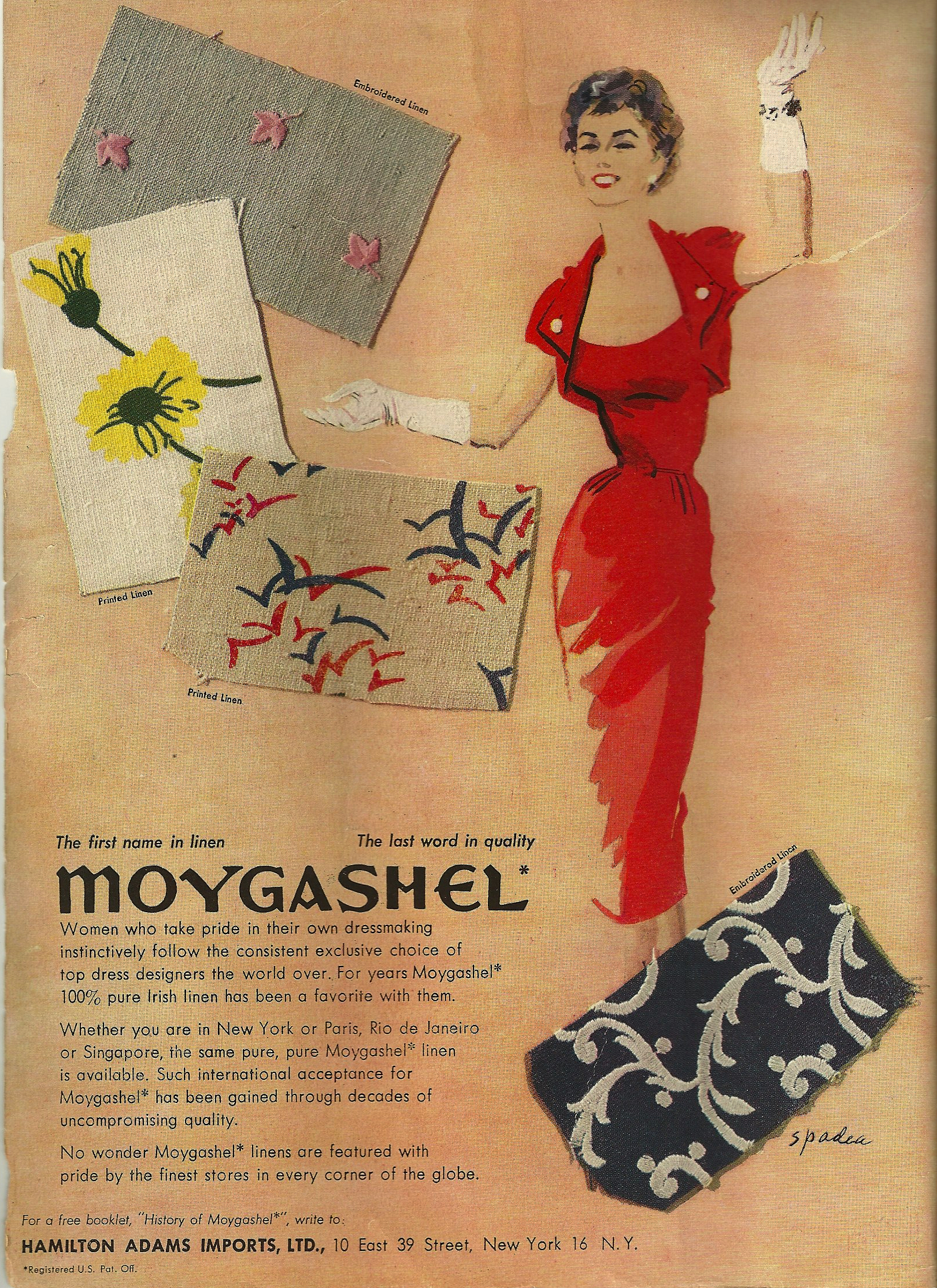
Moygashel Linen advertised heavily in VPB Magazine during that 30-year span of time. Here is an ad from the inside front cover of the December/January 1953/54 issue:
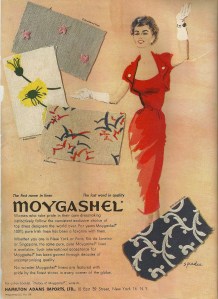
“The first name in linen… The last word in quality”
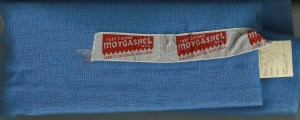
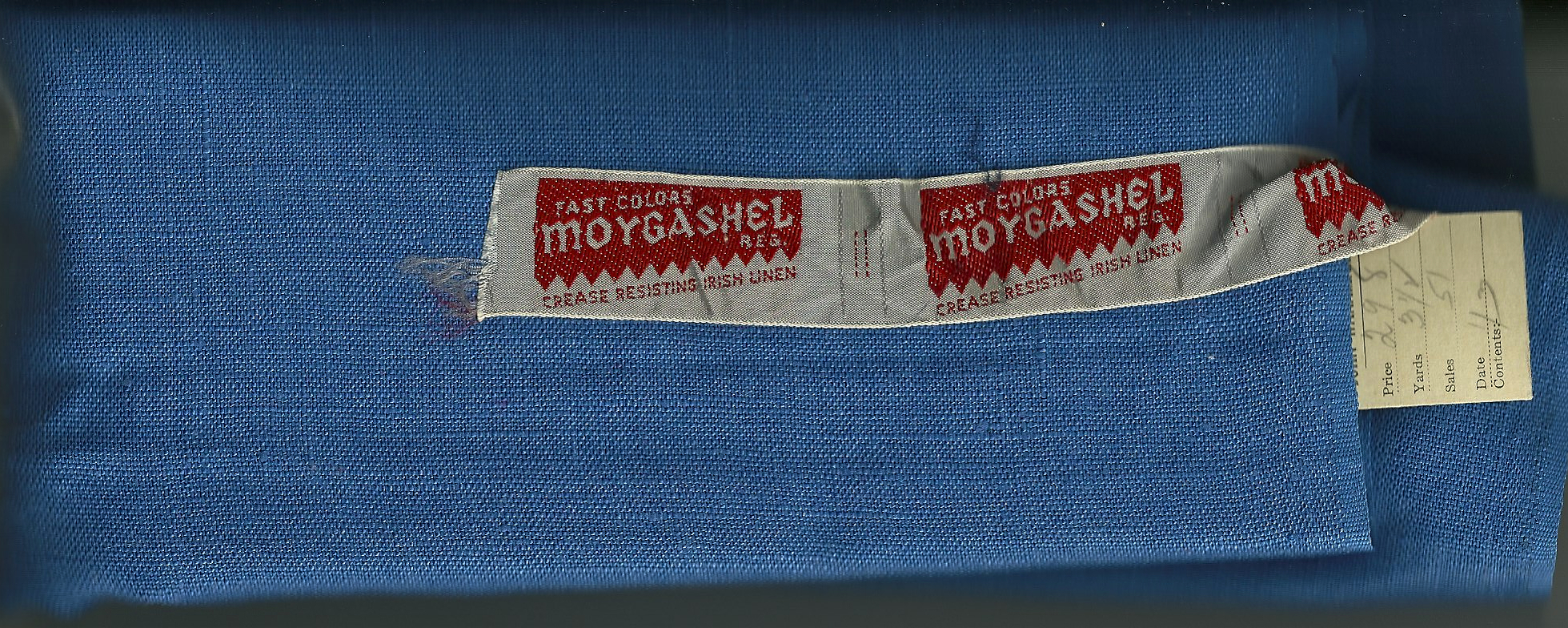
Moygashel was also one of those fabric companies which supplied labels with purchases of their linens. Here is a string of labels, which came with a recent purchase I made of vintage Moygashel:
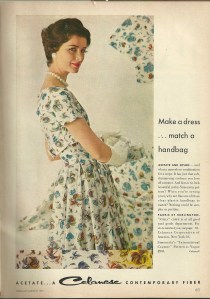
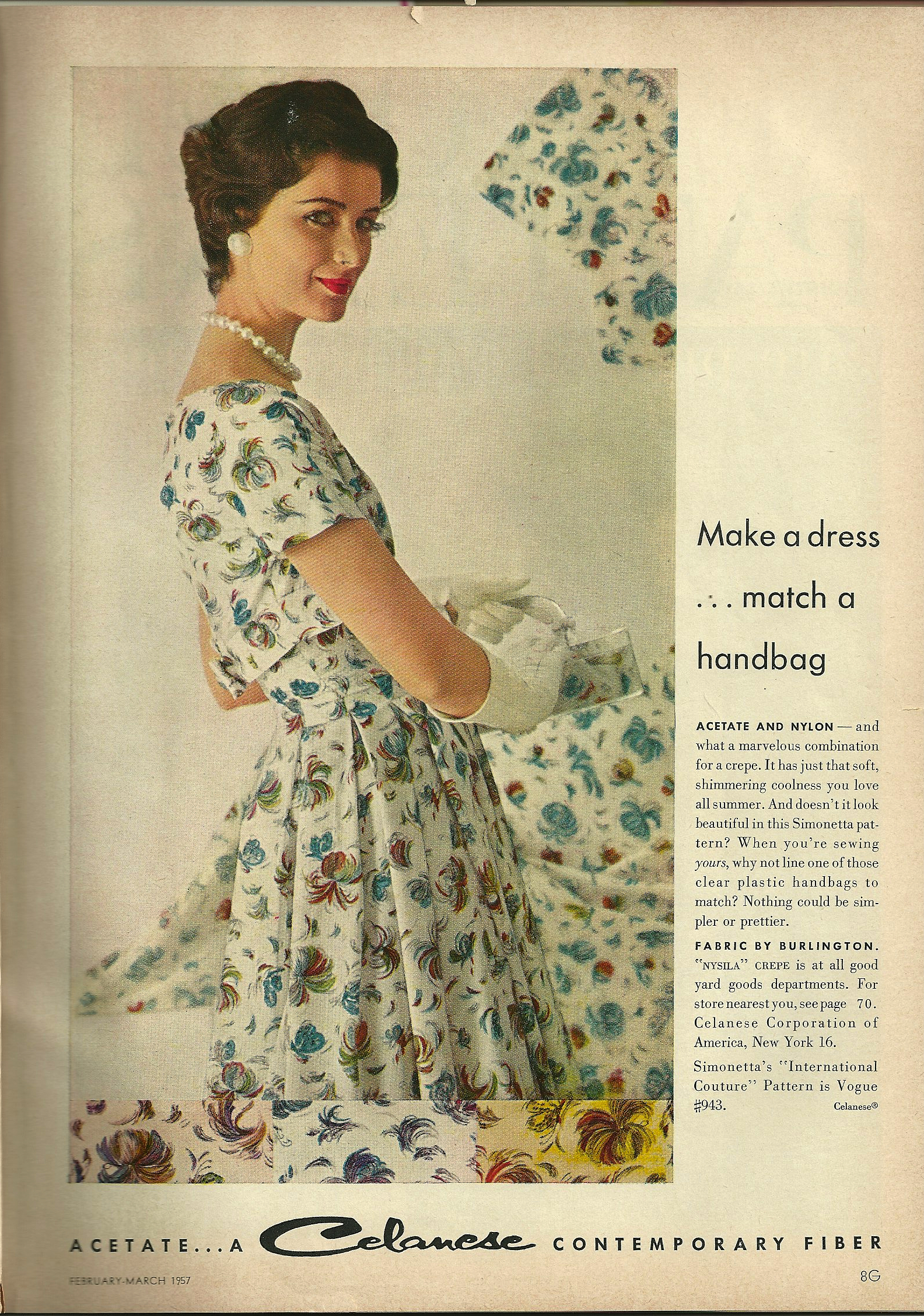
Many new synthetic fabrics were being developed in the post-war era, as evidenced by the many ads from manufacturers of these yard goods. Here is an ad for acetate, made by the Celanese Corporation of America. It appeared in the February/March 1957 issue of Vogue Pattern Book Magazine.
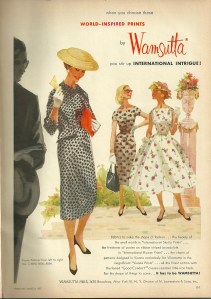
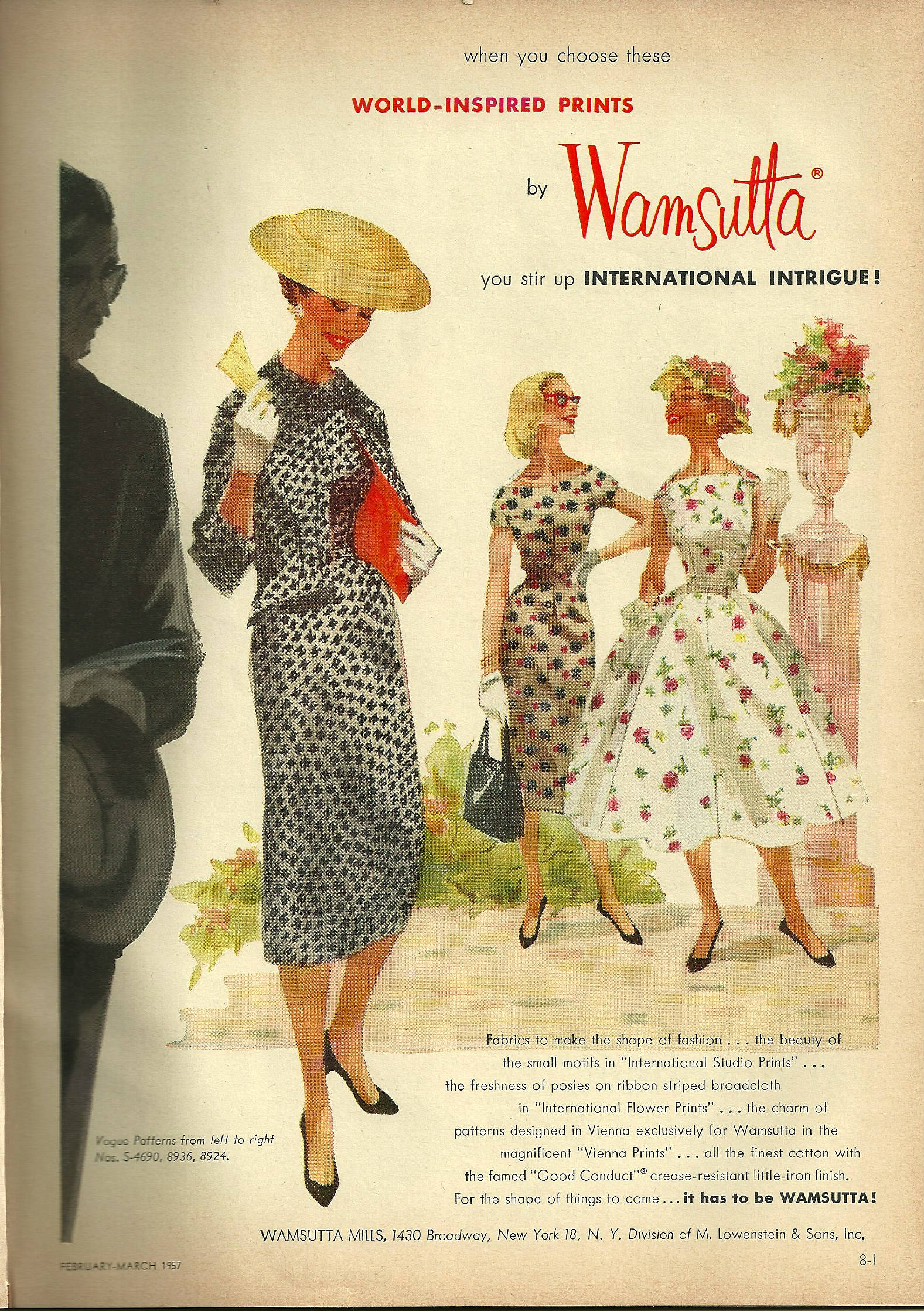
In the same issue was this full page ad for Wamsutta cotton prints. Now known primarily for sheets, Wamsutta once had the tagline “it has to be WAMSUTTA!” which many a home sewer knew as a sign of quality.
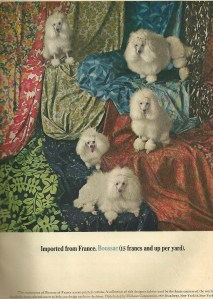
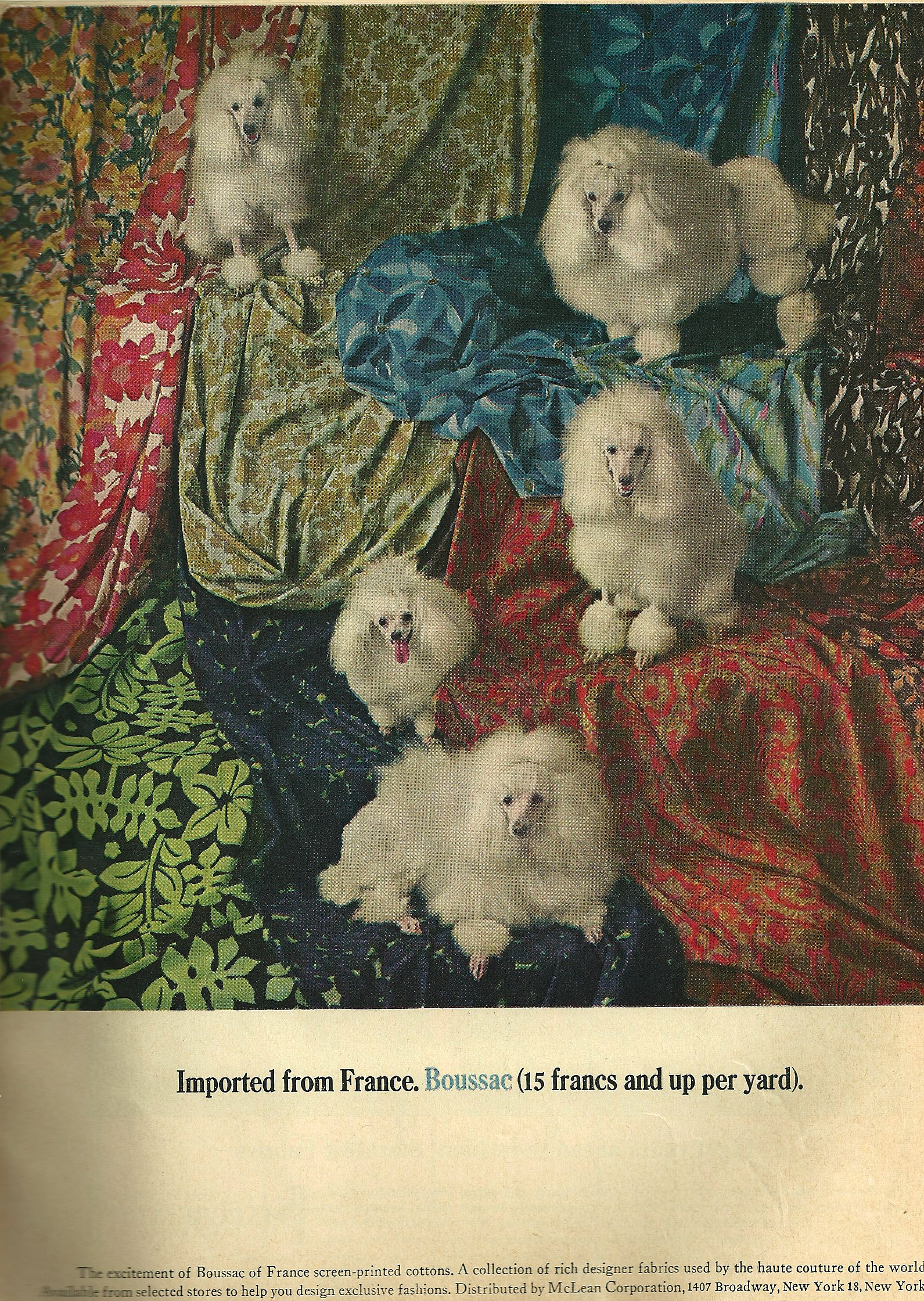
European fabrics also found their place in VPB. Here is an ad from February/March 1964 for Boussac screen-printed cottons. “A collection of rich designer fabrics used by the haute couture of the world.”
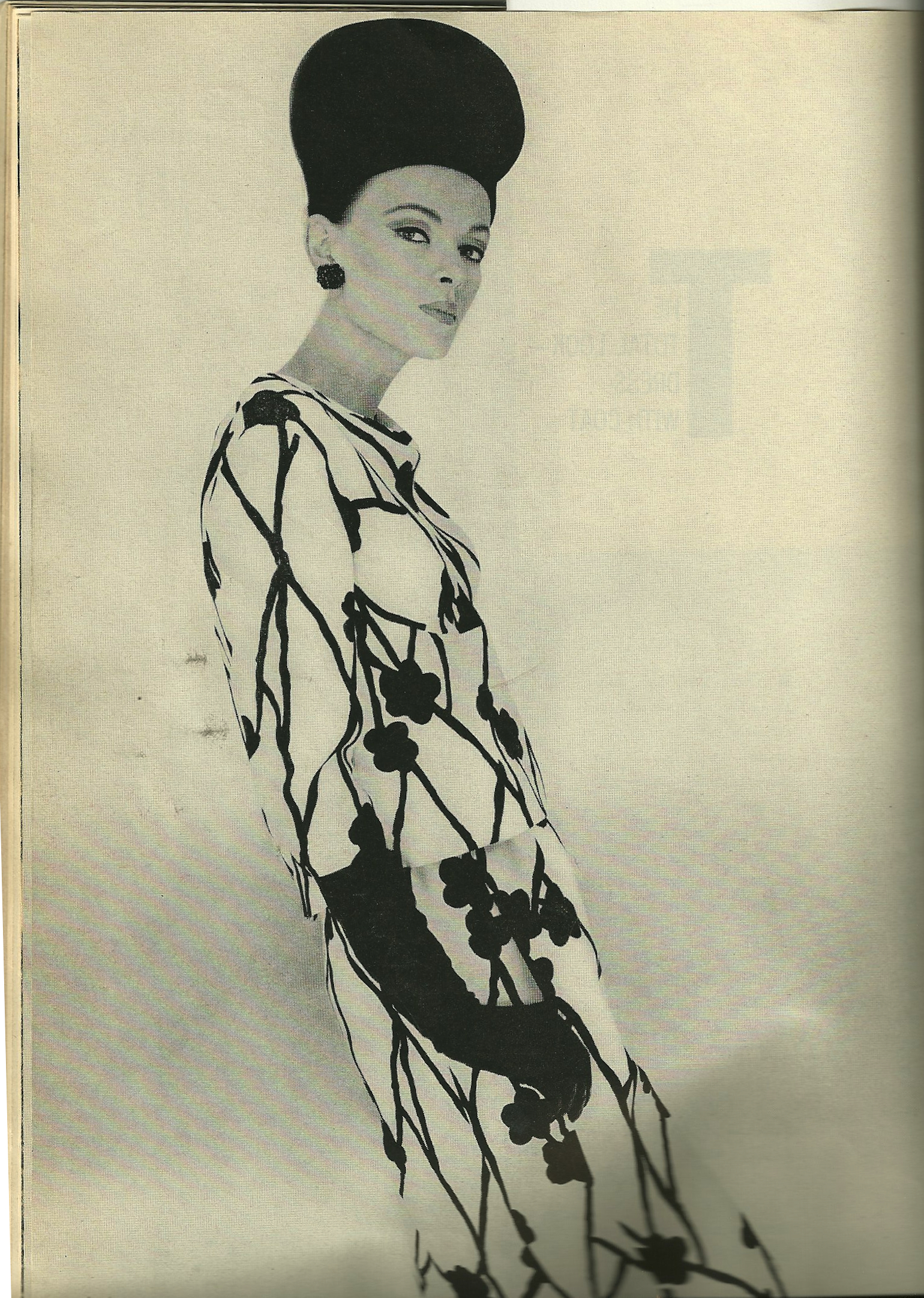
I want to show you something else in that same issue. Although there was not a dedicated ad for American Silk, Vogue pattern #6105 was sewn in American Silk, as stated in its accompanying caption.
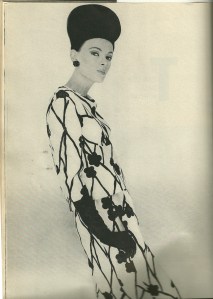
How I would love to find a piece of this silk tucked away in some drawer!
Twelve years later, in 1976, I attended a fashion show featuring the various dress silks made by this company for the home sewing market, another example of the effort put into marketing by specific fabric manufacturers.
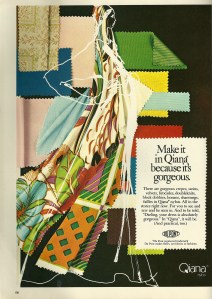
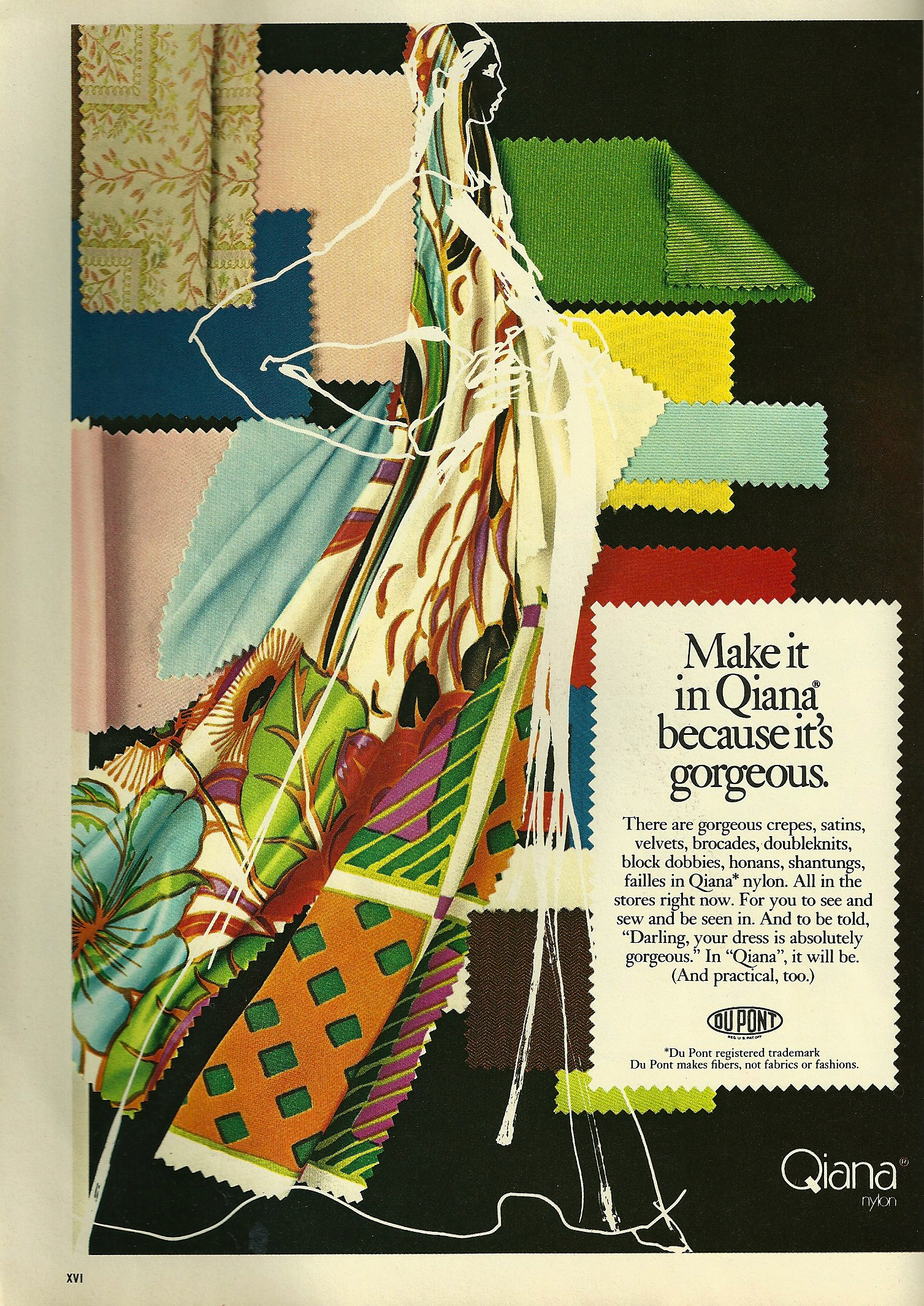
By 1972, the look of VPB Magazine was becoming more sophisticated, but those full-page fabric ads were still abundant. Here is an ad in the October/November issue devoted to Qiana, a nylon made by DuPont:
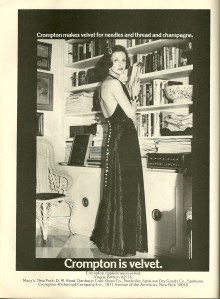
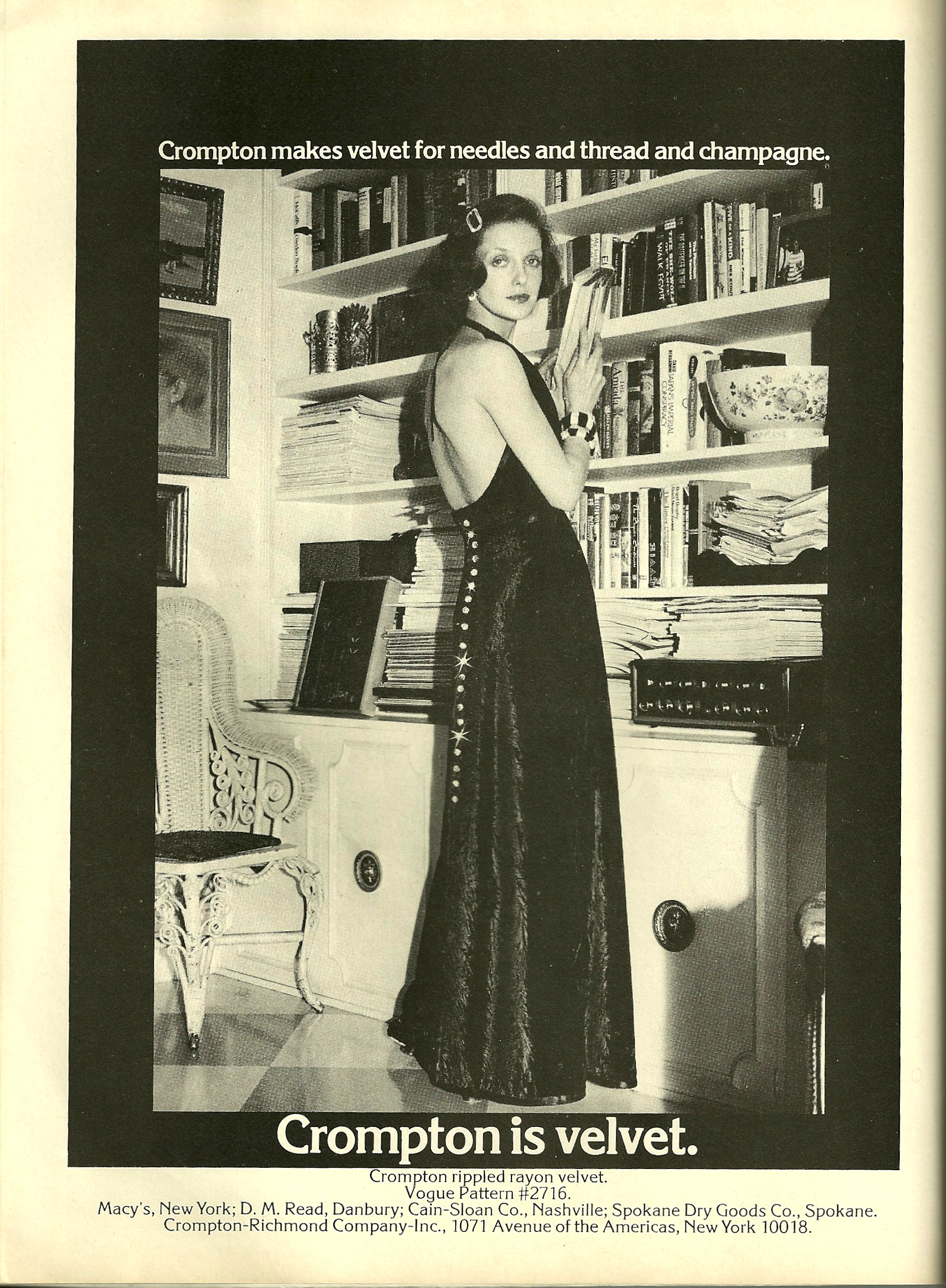
And – Crompton is velvet appeared a few pages further in the same issue:
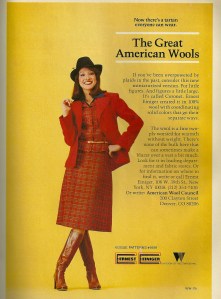
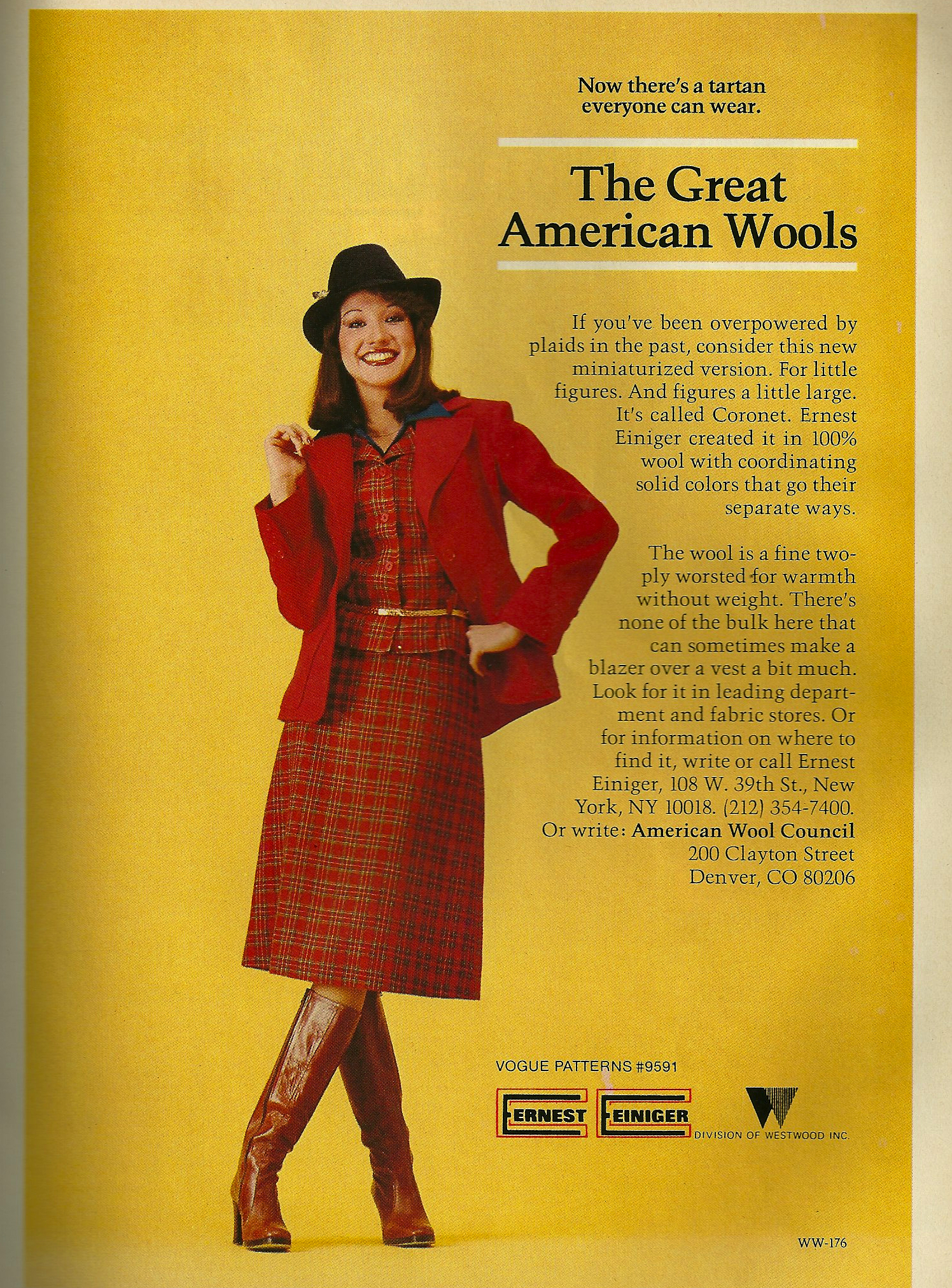
In September/October 1976, Diane von Furstenberg was featured on the cover, and Ernest Einiger had a full-page color ad for “The Great American Wools”.
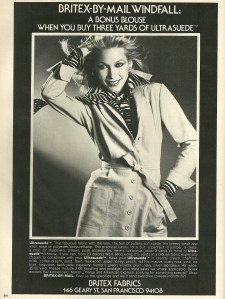
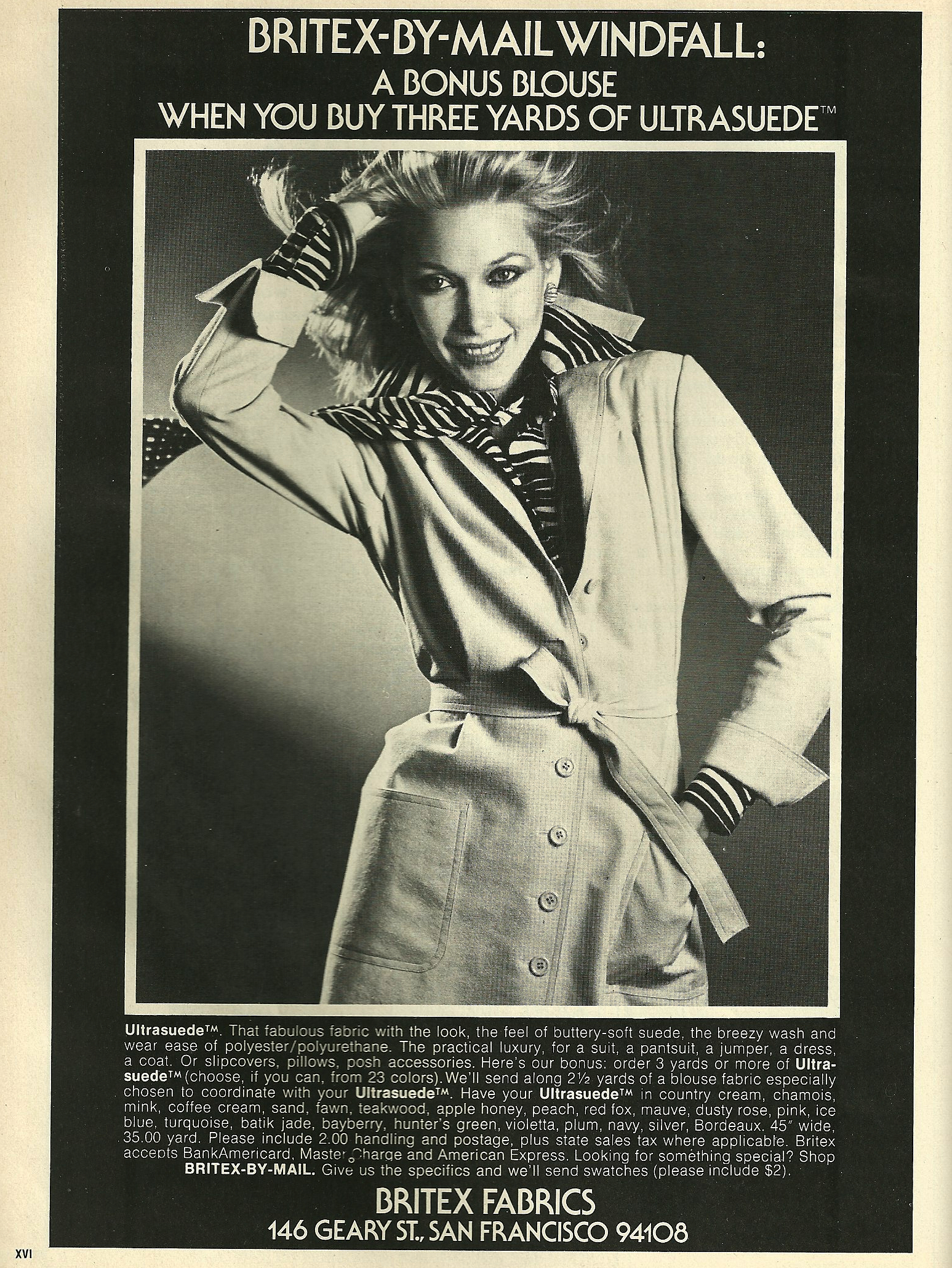
In the same issue, Britex Fabrics in San Francisco offered a buy-by-mail offer for Ultrasuede, the “it” fabric of the decade!
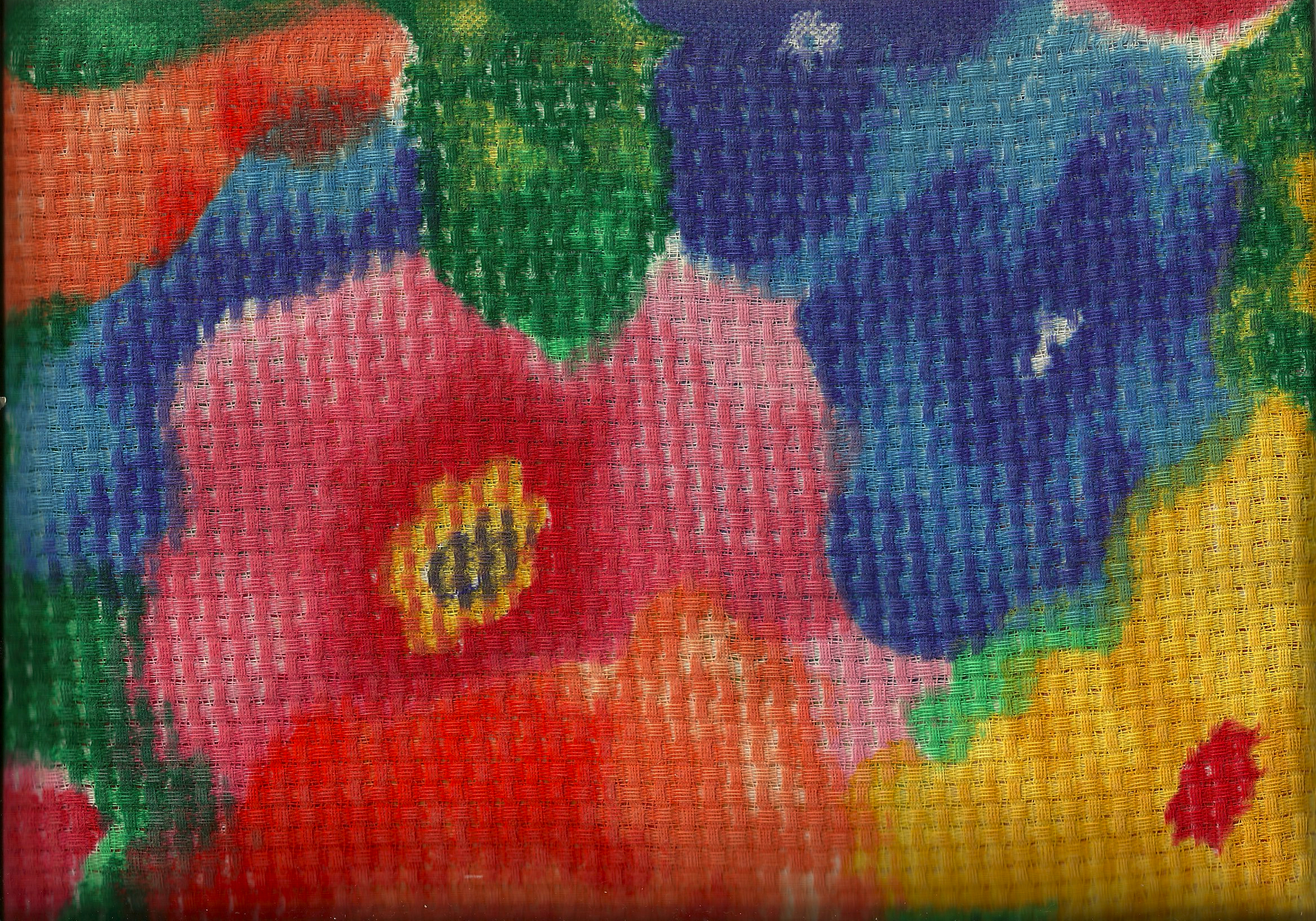
I can really only think of a few current fabric lines that still retain the distinction of being “known” by their names: Liberty, Pendleton, and Linton Tweeds come to mind. (Linton Direct advertises in the current VPB magazine, but it is a small column ad, not a full-page “look at me” type of statement.) Then, of course, there are designer fabrics, but the manufacturers of these “name” goods are generally not listed. For the most part, unless you ask, when you are buying yard goods, the names of the manufacturers are virtually unknown. It is really kind of a shame, as there are so many exquisite fabrics of the highest quality still being woven in certain parts of the world. These fabrics (and others, some vintage) make it difficult to say “no” to the opportunity to add to one’s fabric collection. Here are two such fabrics I could not resist:
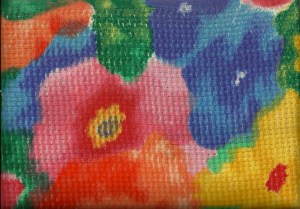
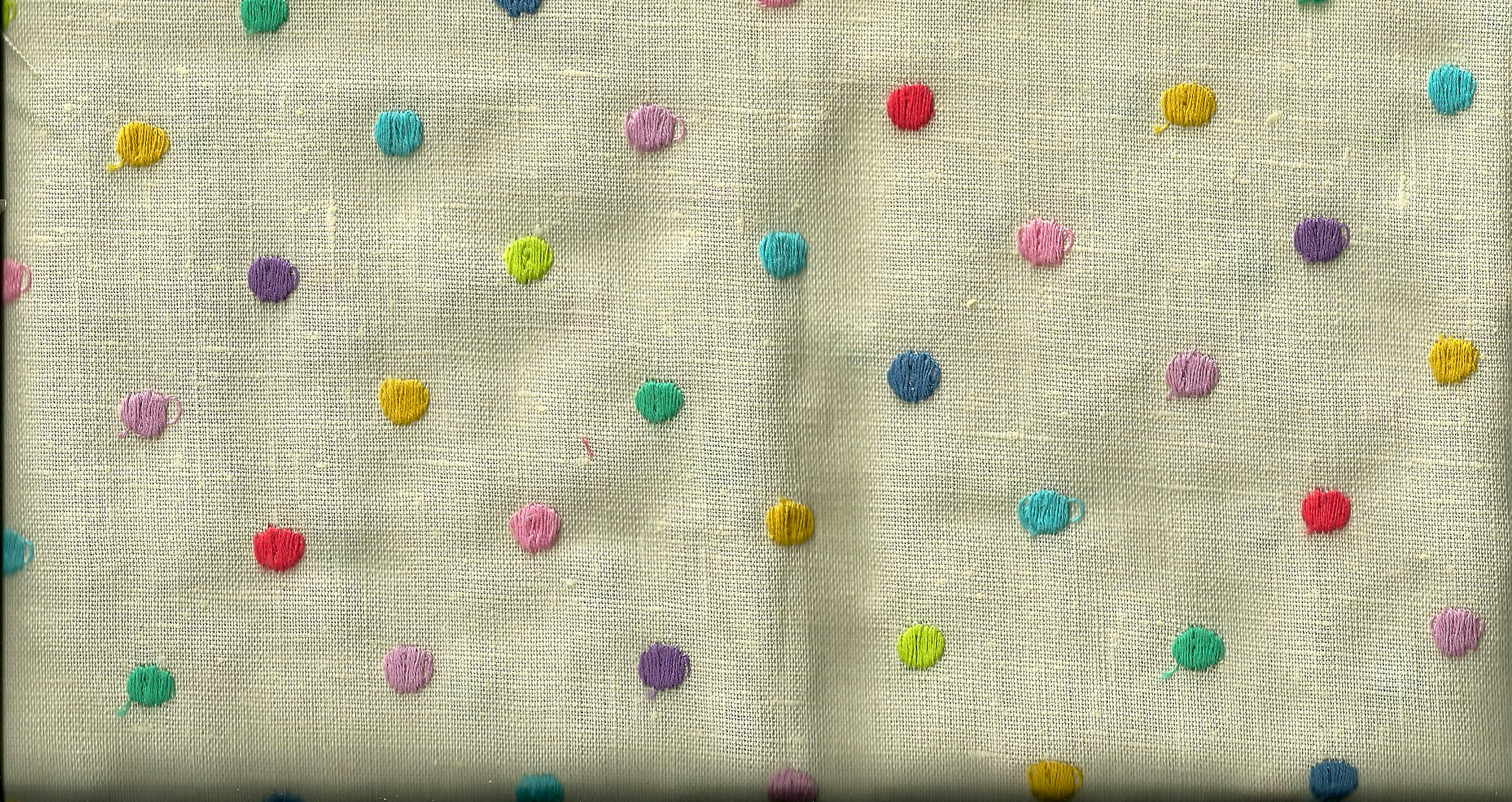
This is a loosely woven linen and cotton blend I purchased from Mood Fabrics a while ago. It is patiently waiting to be cut and sewn . . .
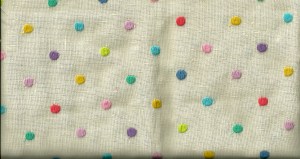
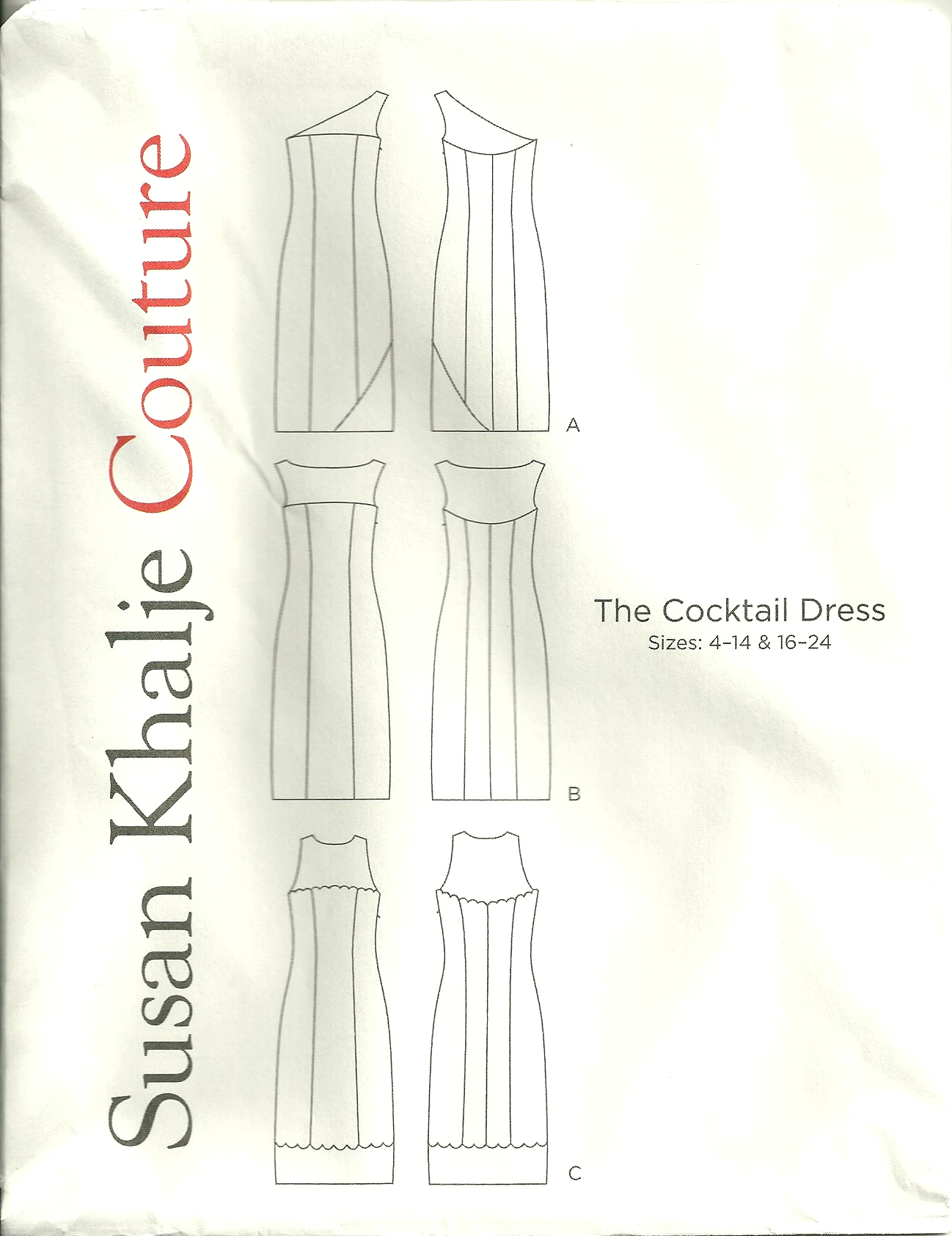
This is a vintage linen, newly acquired by me. Although there is nothing printed on the selvedge, I believe it is a Moygashel linen from the 1950s. I plan to make a sheath dress from this fabric sometime during the Summer of 2014.
William Blake notably said “The road of excess leads to the palace of wisdom.” I must confess I never knew what that meant until I applied it, somewhat sheepishly, to collecting fabrics. It seems the more various and beautiful fabrics I can look at and choose from, the more I am able to determine the perfect pattern with which to pair them. If I own the fabric already, so much the better! Sometimes the fabric dictates the sort of garment I should make and sometimes I have a pattern which leads me to my (excessive?) fabric collection, where I can admire anew and oftentimes choose a long-before purchased length of the perfect silk, linen, cotton, or wool. It is a back and forth process, one filled with visual and tactile components, demanding – and developing – sewing wisdom. It is one of the reasons I love to sew.

 fiftydresses