
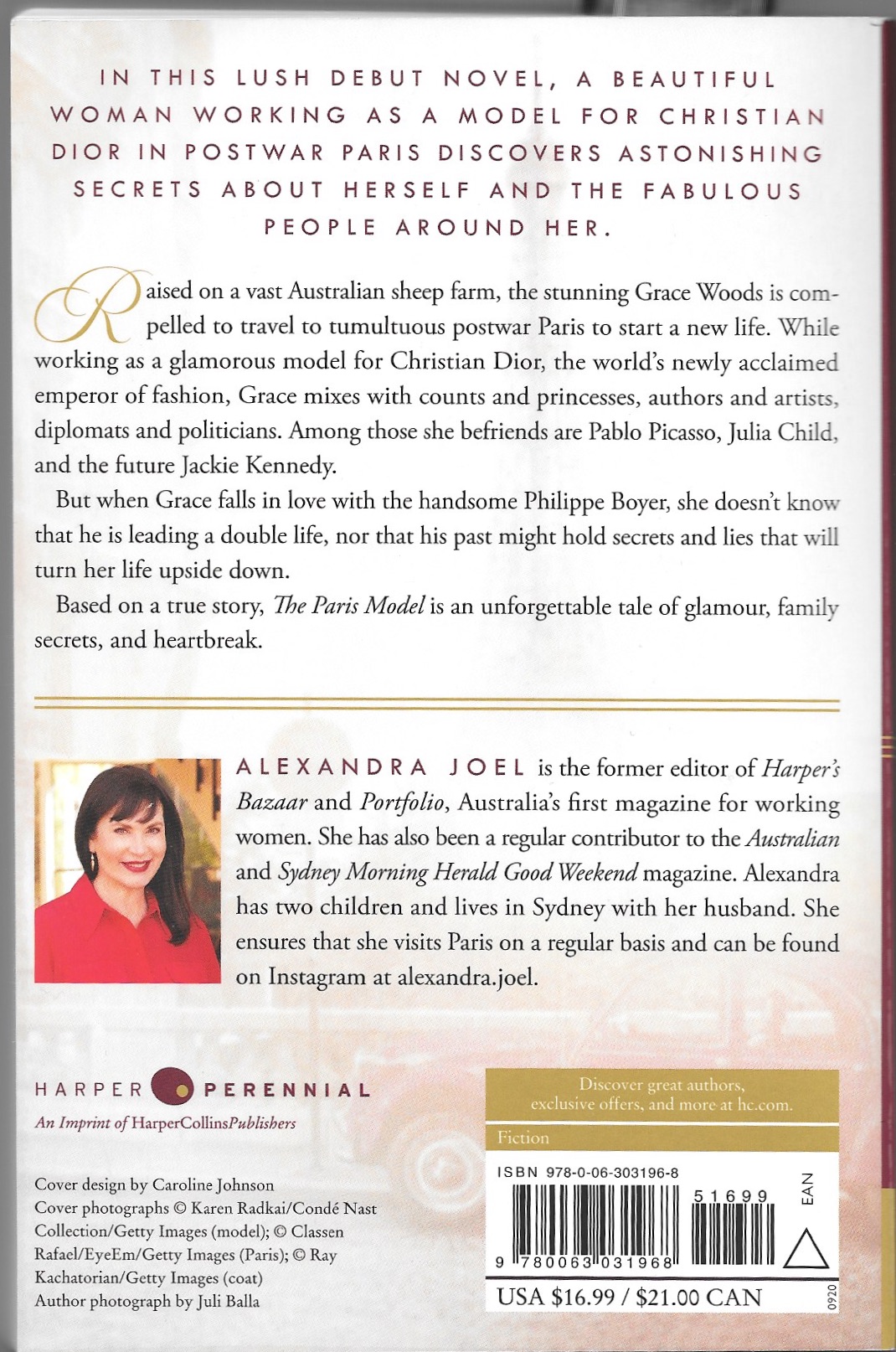
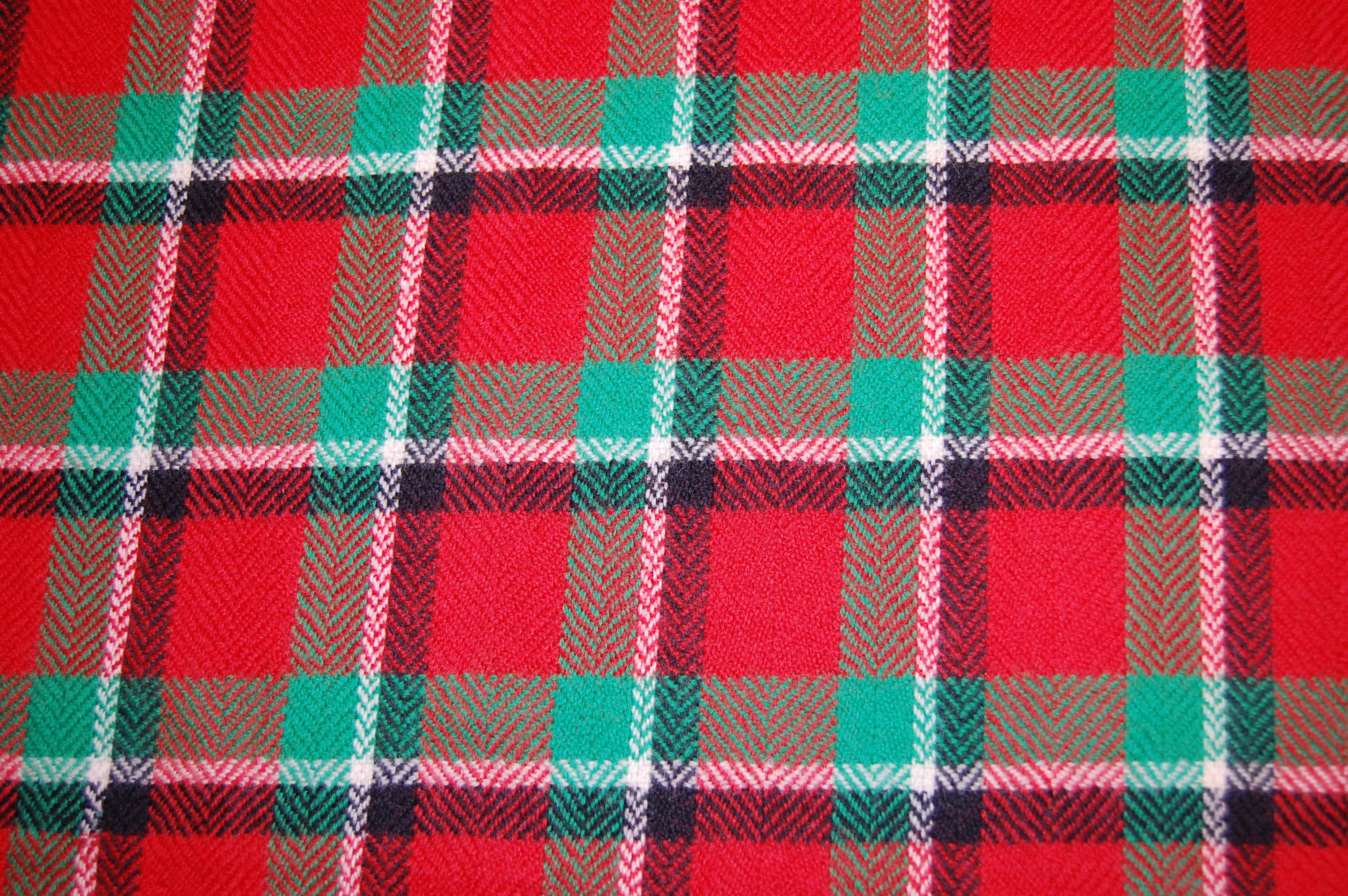
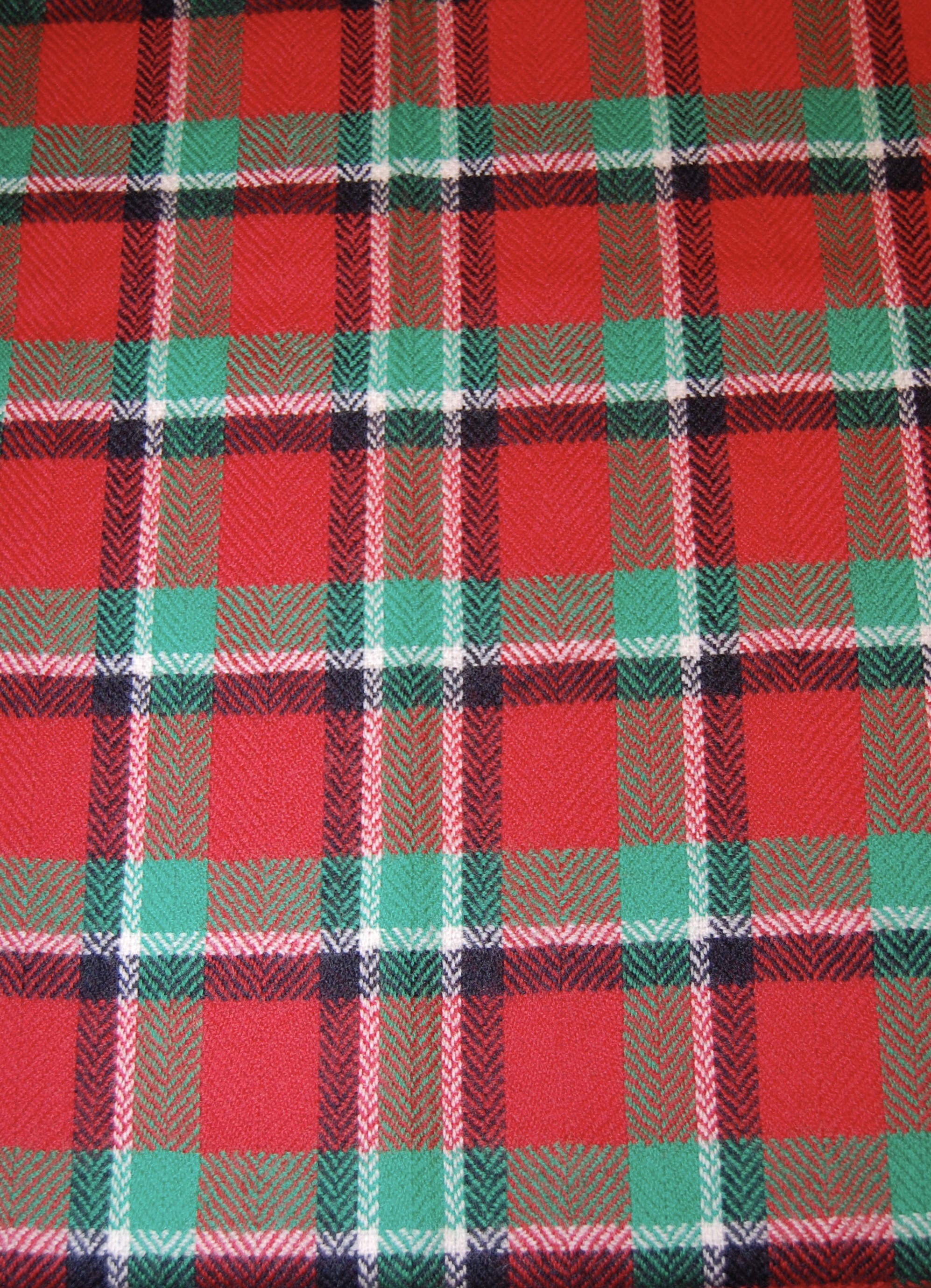
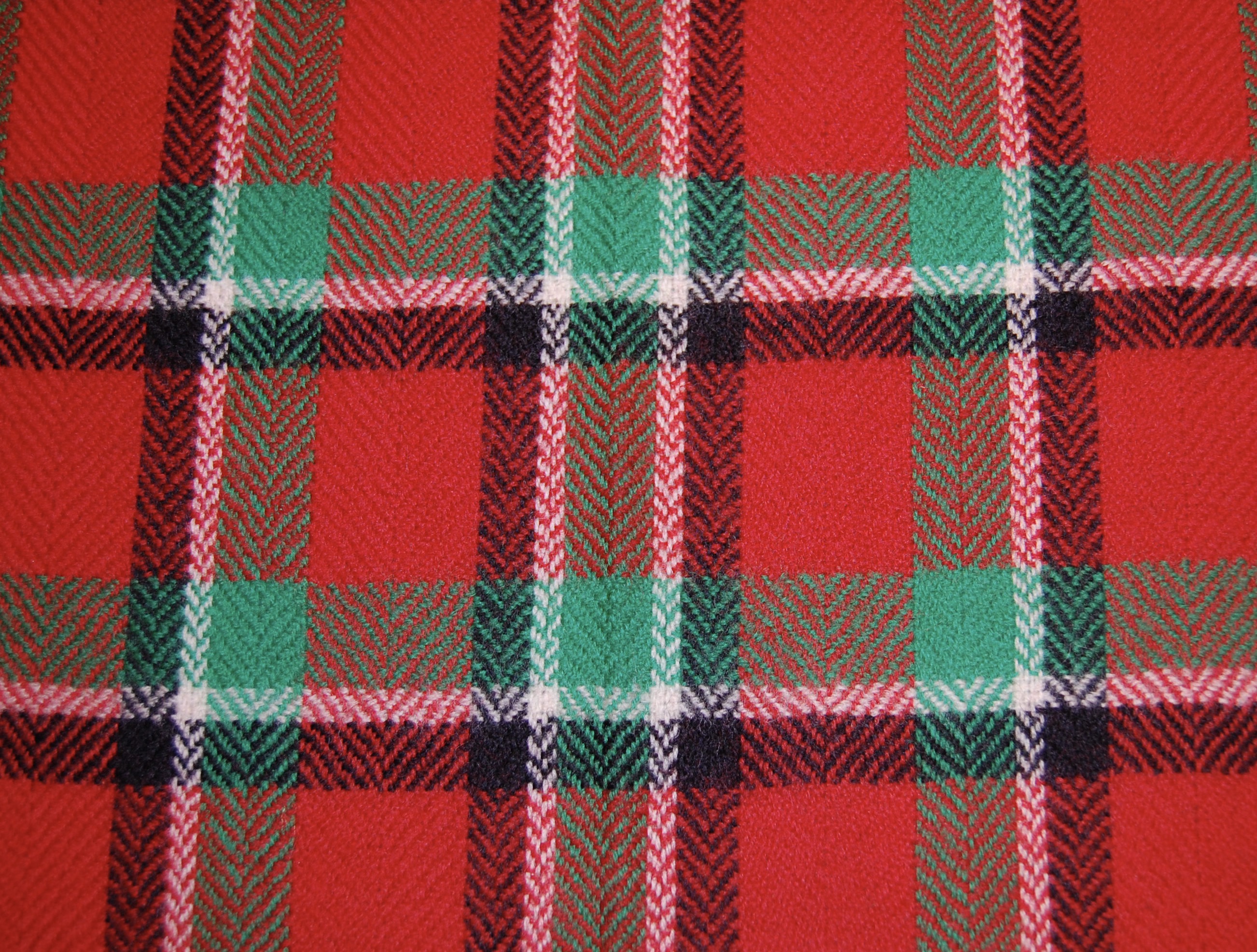
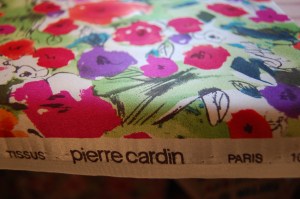
Whenever I am working with vintage fabric, it seems I either have more yardage than I need or, more frequently, less than I need. I have learned over the years there is usually a way to work around having less fabric than I really need. I just have to get creative. And that’s what I did when I made this dress.
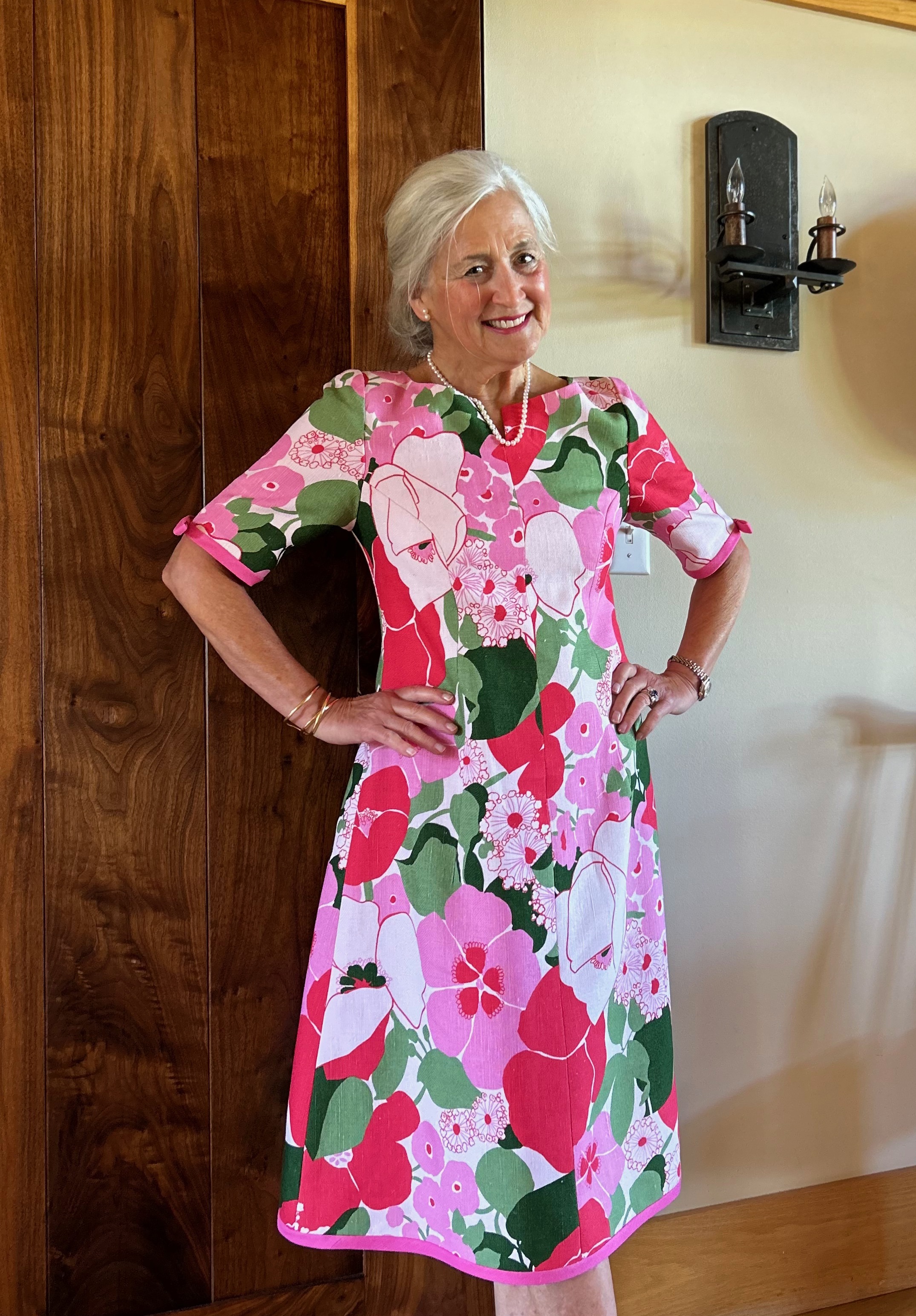

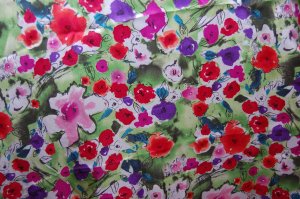
I quickly determined there was no way I could get the dress I wanted by placing the pattern on the lengthwise straight-of-grain. The flare of the skirt, which I wanted to be mid-calf, precluded any notion of such a layout. At 45” wide, I knew I could just get the dress length I wanted if I laid out the pattern on the cross-grain, from selvedge to selvedge. Linen is a very stable fabric, so I was confident the cross-grain would work. In addition, there were no directional limitations in the floral design of the fabric. Barely fitting my pattern – from shoulder to hem – on the fabric from selvedge to selvedge, however, would leave no extra fabric to turn up for the hem – or even to face the hem. I decided to worry about that later. First I wanted to determine how I could get the four pieces for the dress and the two lengthened sleeves placed on the fabric, keeping in mind three important things: 1) although this was not a fabric to be matched per se, the all-over design of the fabric needed to be on the same plane in contiguous seams; 2) I wanted to space out the larger floral motifs so the dress would be balanced as best as possible (looking critically at the dress I made when I was 23, I clearly could have given this more thought!); and 3) I wanted to avoid large demonstrative blooms at the bust. Then, and only then, would I worry about the hem.
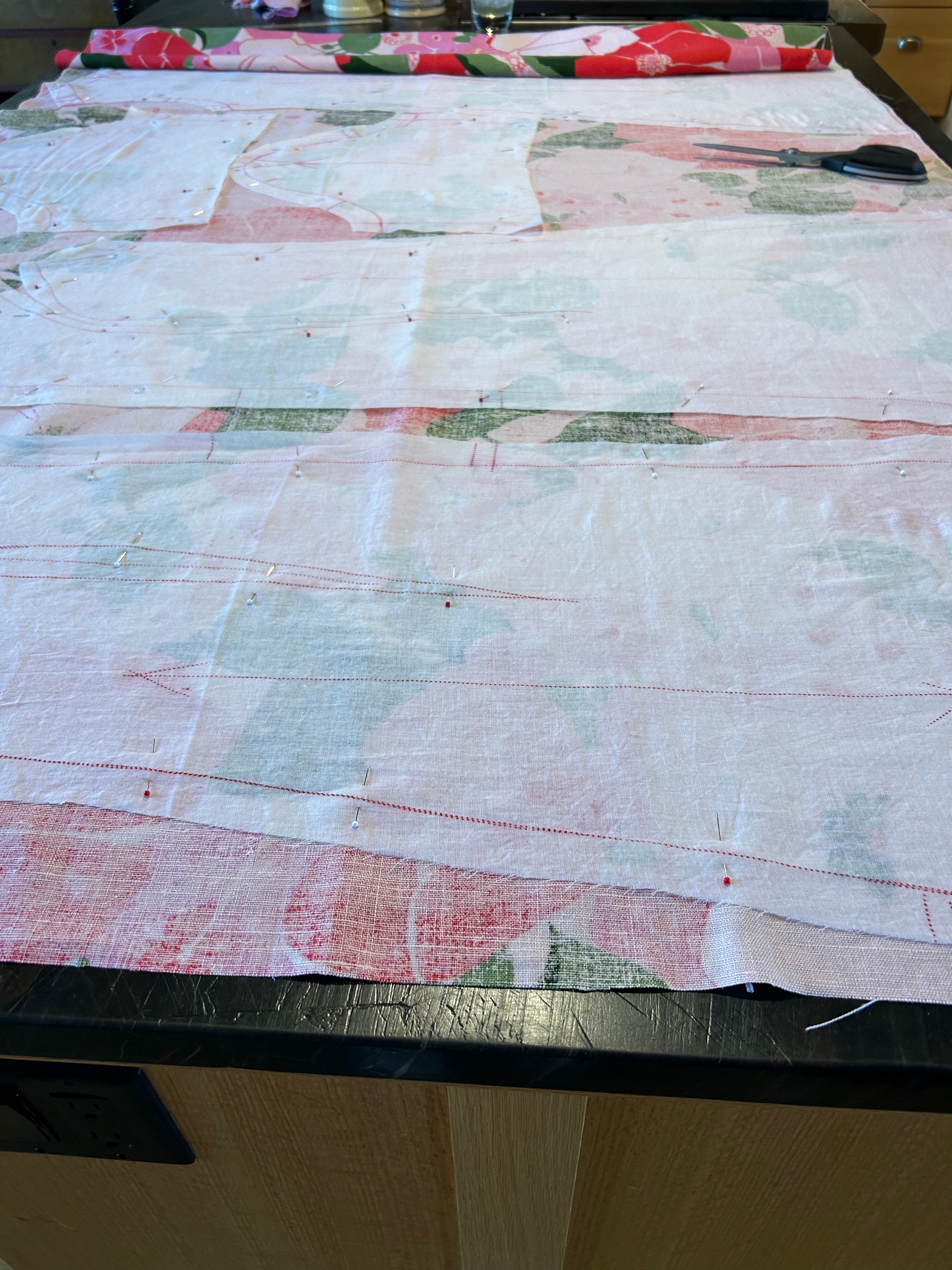
Once I was happy with this placement, I had a eureka moment when I knew I could accomplish two things with a simple bias trim made from the yardage of deep pink linen which coordinated nicely with the floral. 1) I could preserve the full 45” of cross-grain length by applying bias trim to the hem edge instead of turning it under, and I could do the same with the sleeves. And 2) the trim would add interest to the dress, just as I had vaguely imagined. (A quick aside here – I have ample yardage of the solid deep pink linen to make a coordinating coat at some point. Every dress needs a coat, right?)

I underlined this dress in a very lightweight, pre-washed, cotton batiste, then I lined it in Bemberg rayon. Moygashel linen washes beautifully, as does Bemberg lining, which is why I chose Bemberg over silk for this dress. I eliminated the neckline facing, choosing instead to bring the lining up to the edge of the neckline seam, then under-stitching it to secure that edge in place.
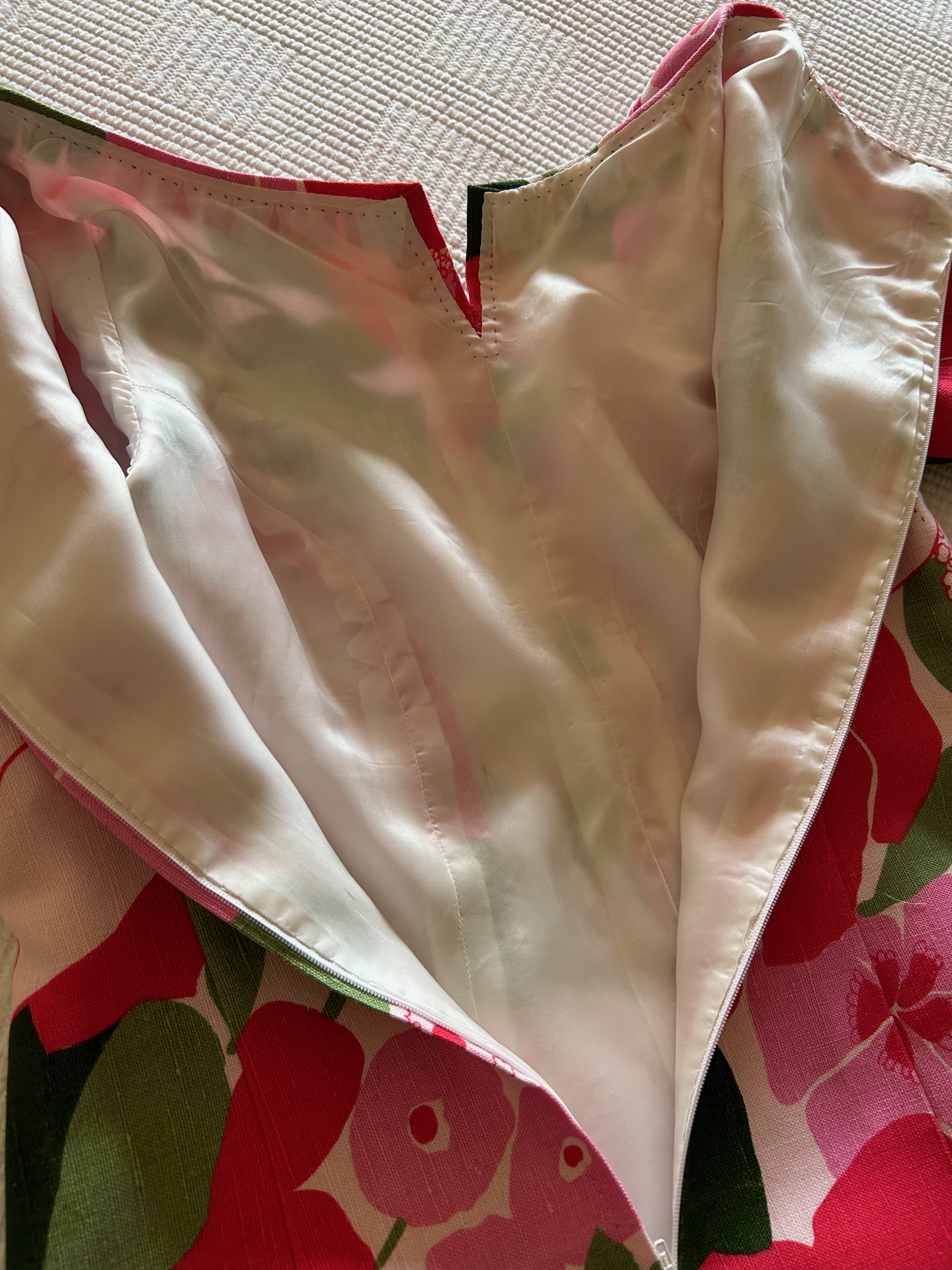
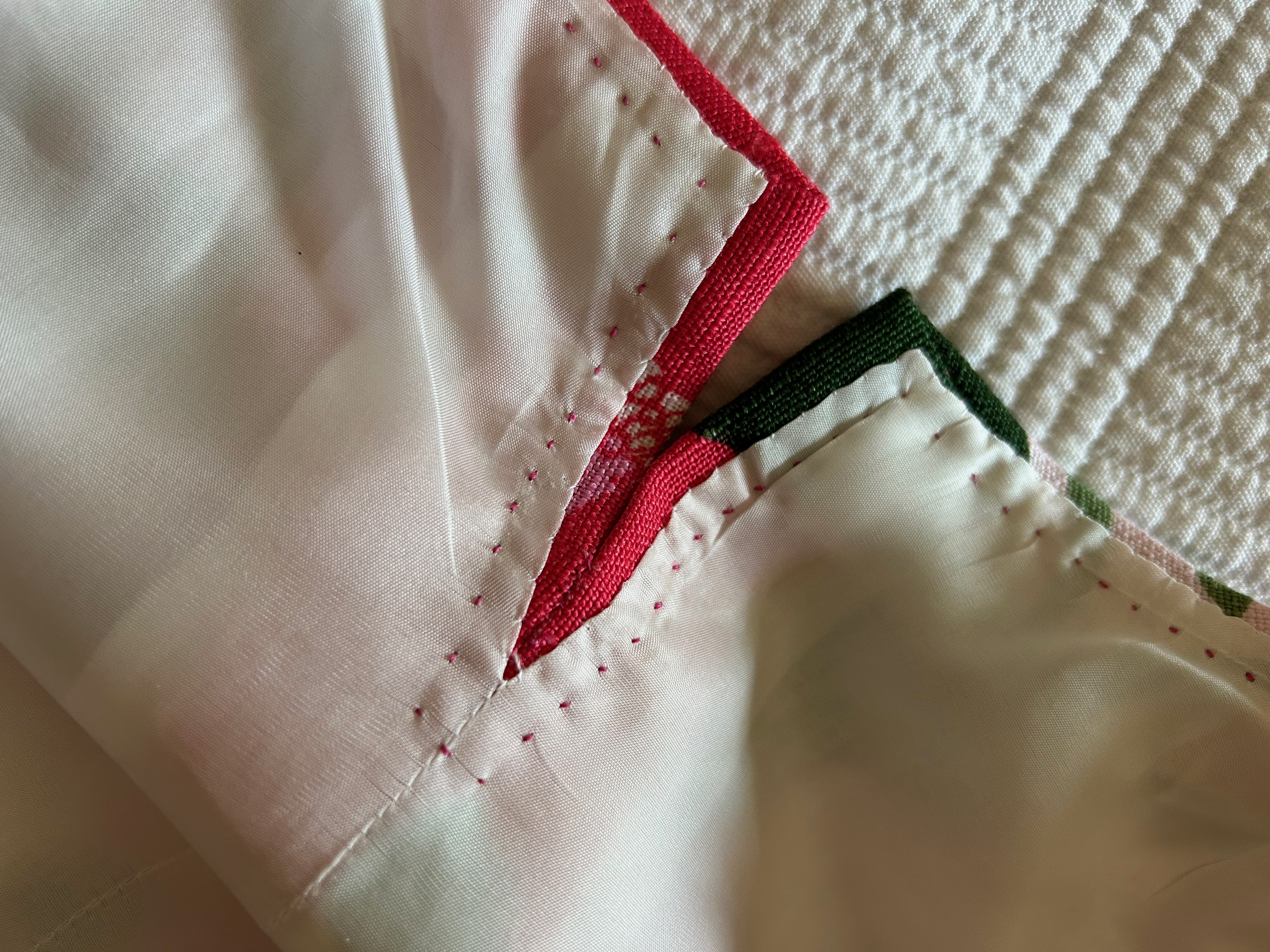
I chose to do a hand-picked, lapped zipper, an application which I think looks so lovely. Interestingly, I hand-picked the zipper in the dress I made in 1973, although it is a centered application.
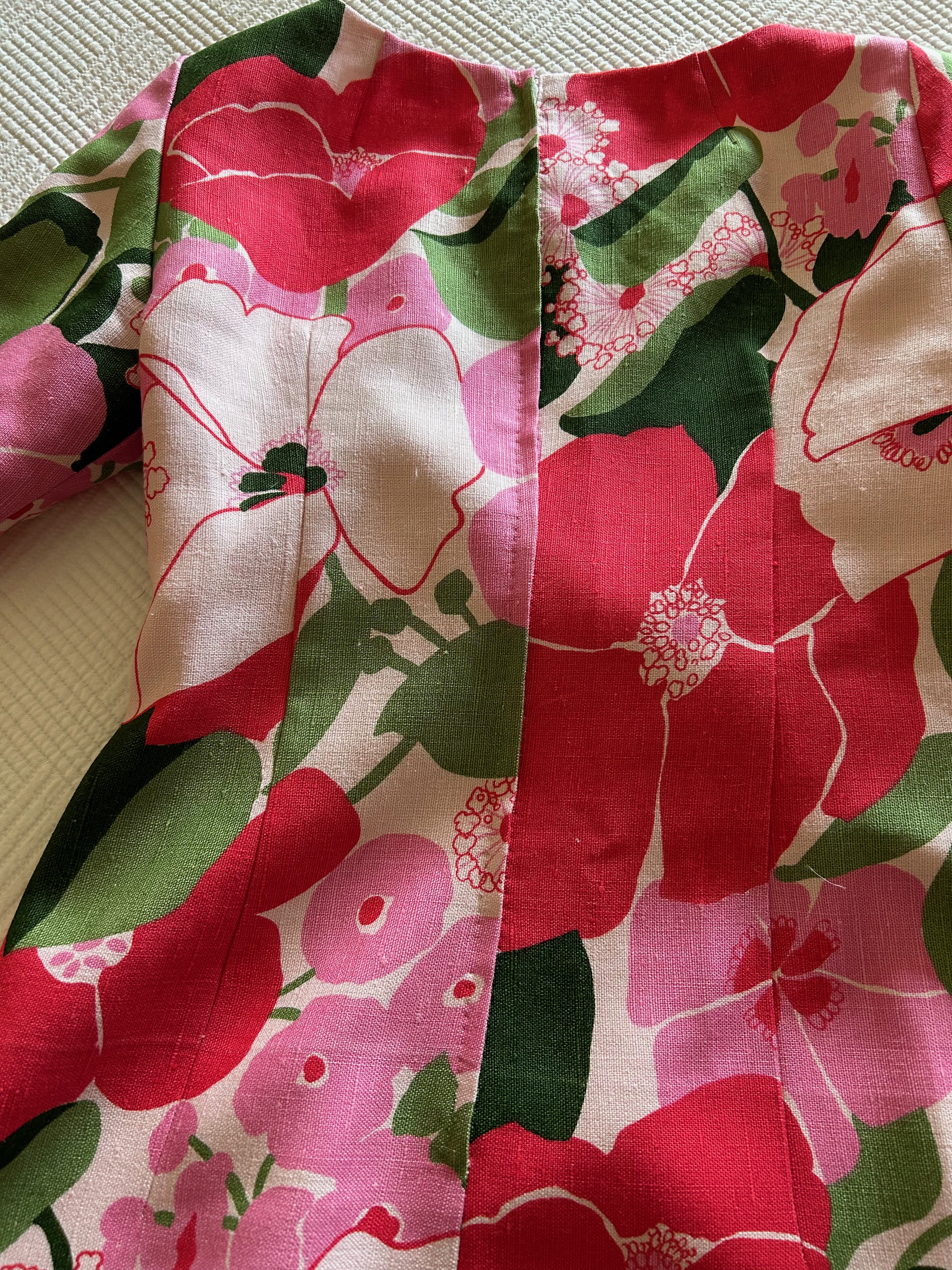

When it came time to apply the bias-cut trim to the hem and sleeves, I had to experiment around a bit. I didn’t want it too wide, but it needed to be substantial enough to look like it was meant to be and not an afterthought or decision made in desperation! I finally settled on an exposure of 1/2”.
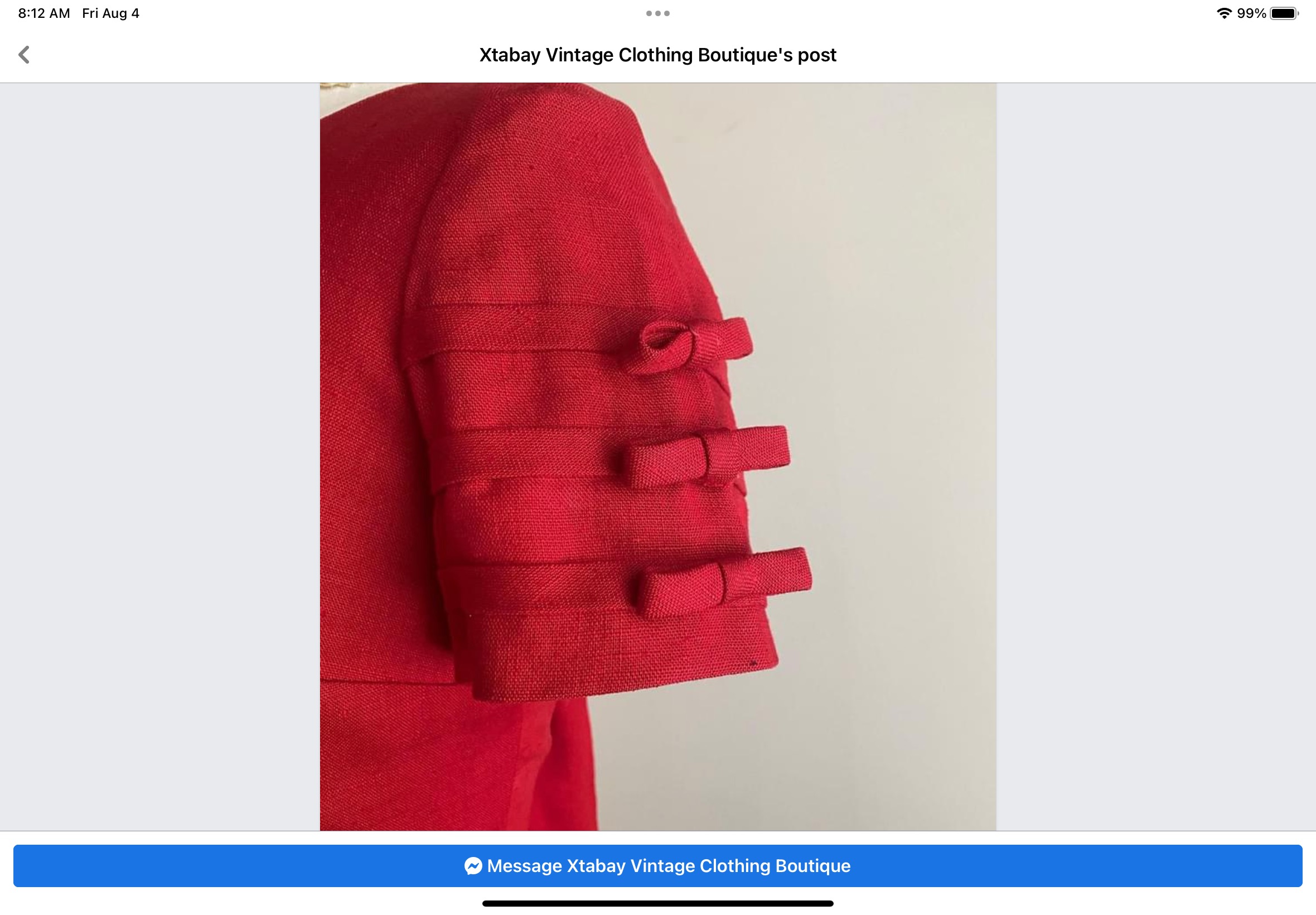
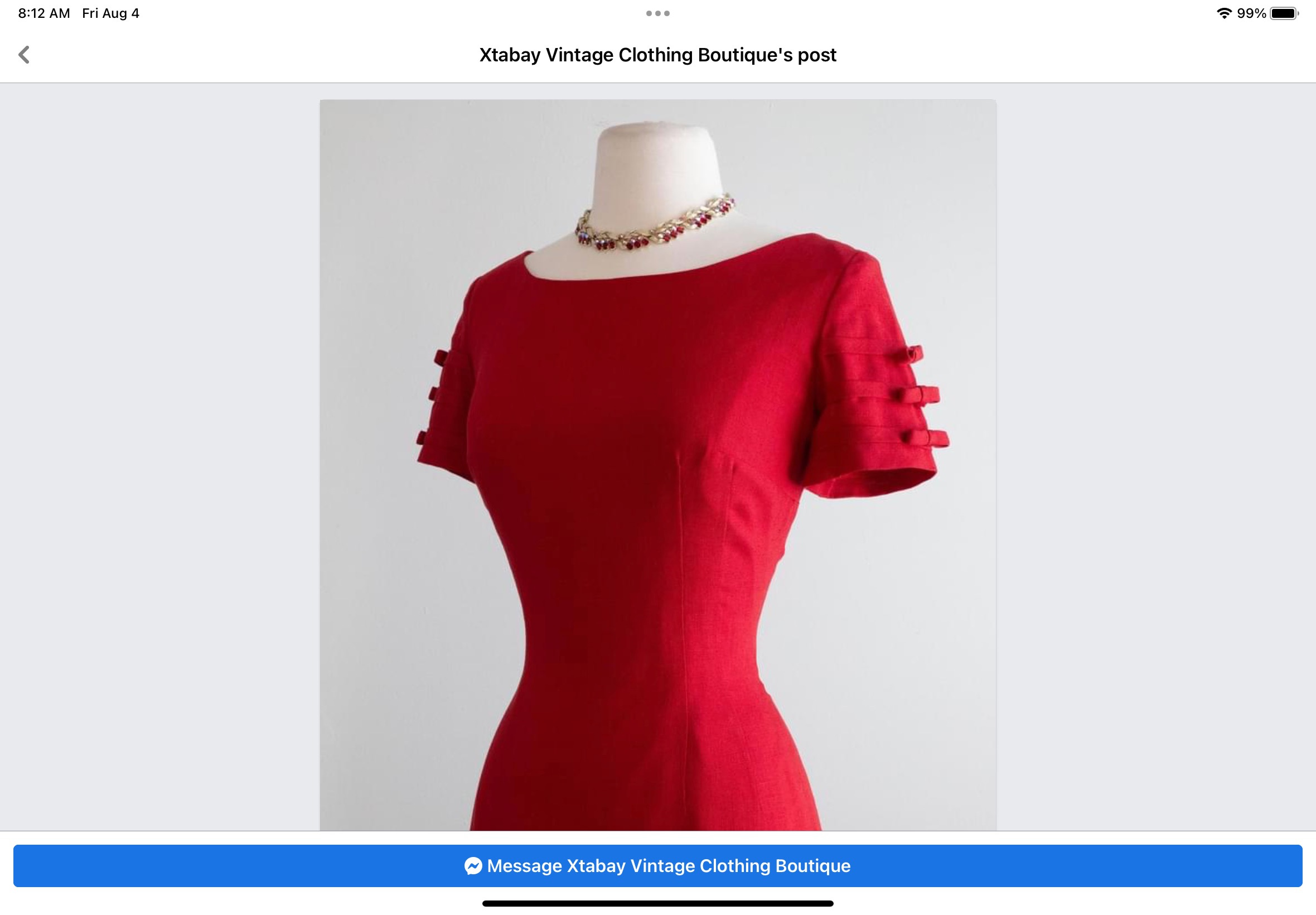
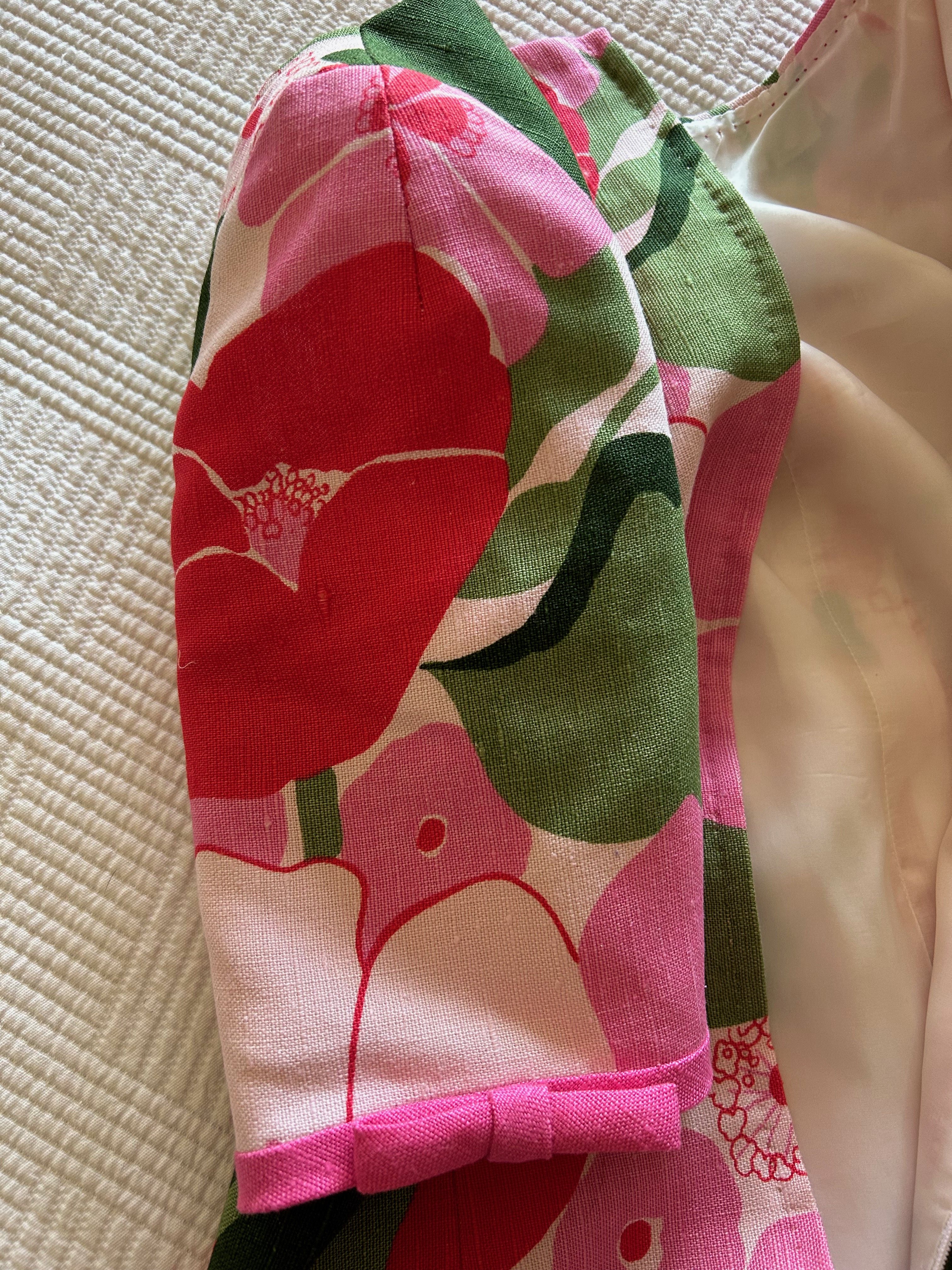
Now this is where it gets interesting. A few weeks ago I saw a vintage dress on a Facebook/Meta post by Xtabay Vintage Clothing Boutique. It is obviously Moygashel linen (I can tell by its weave and color), but what really caught my eye were the bias strips and low-profile bows adorning its sleeves. I tucked this idea in the back of my mind for future consideration. What I didn’t know was that the future was right around the corner! Yes – I “borrowed” this idea and added a single bias-cut bow to each sleeve. Somehow, it just seems to finish the dress.


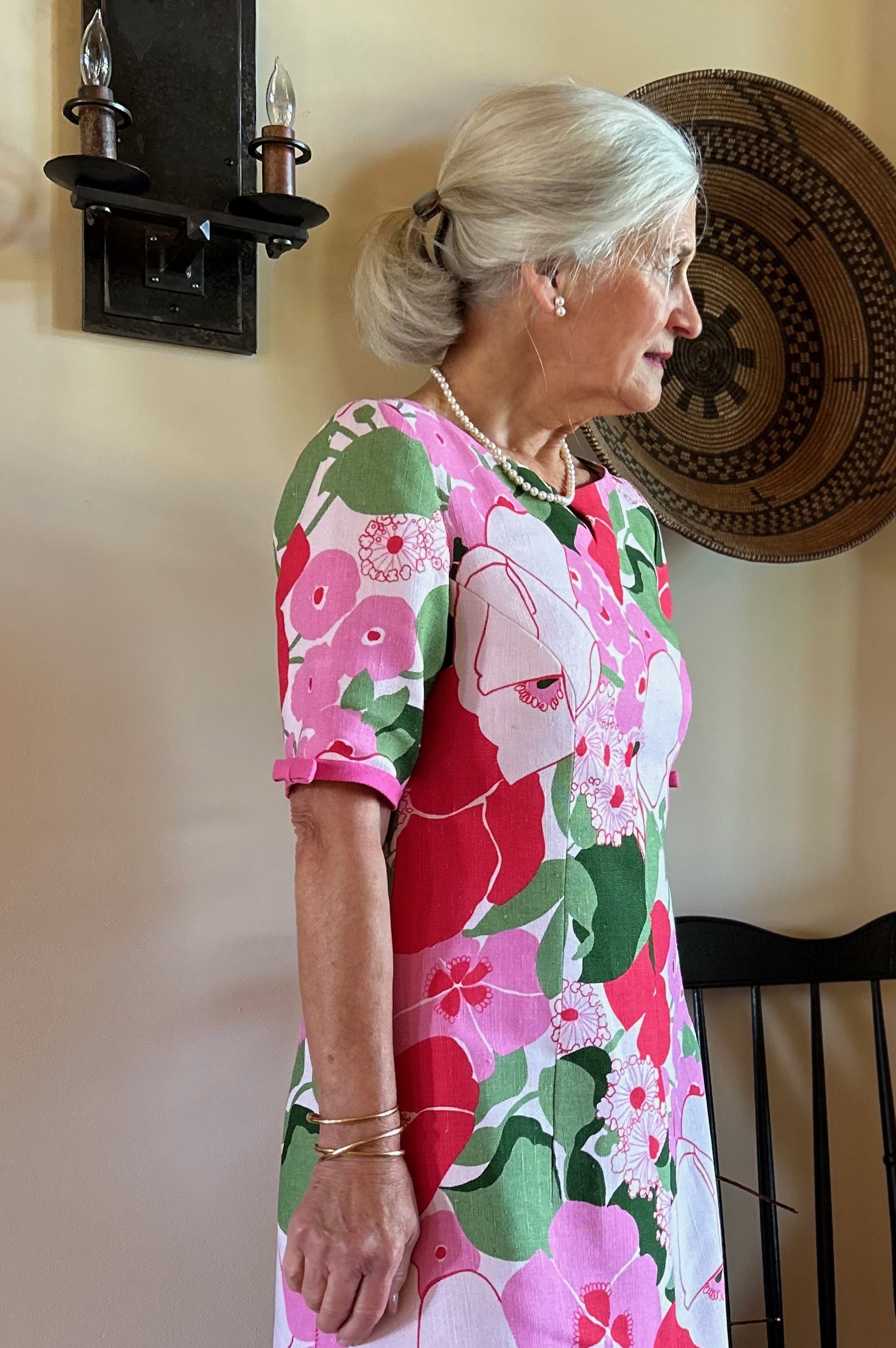

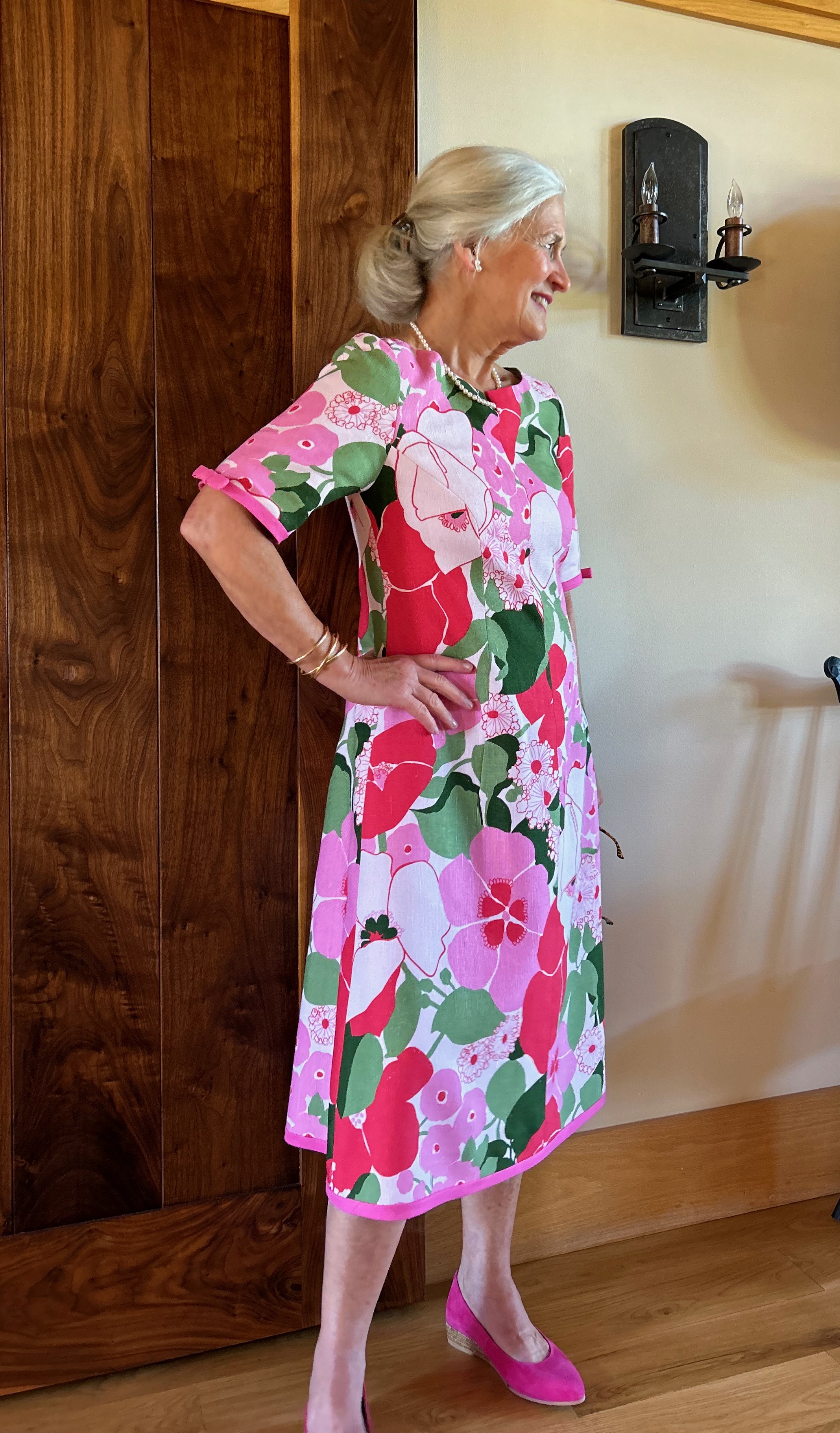
Well, you may have guessed by now the reason for making this dress this year. I will wear it next week when my husband and I celebrate our 50th Wedding Anniversary. I have changed a lot in those 50 years (and so has my husband!), but I still love pink in all its shades and I still love Moygashel linen (and I still love my husband, too!)


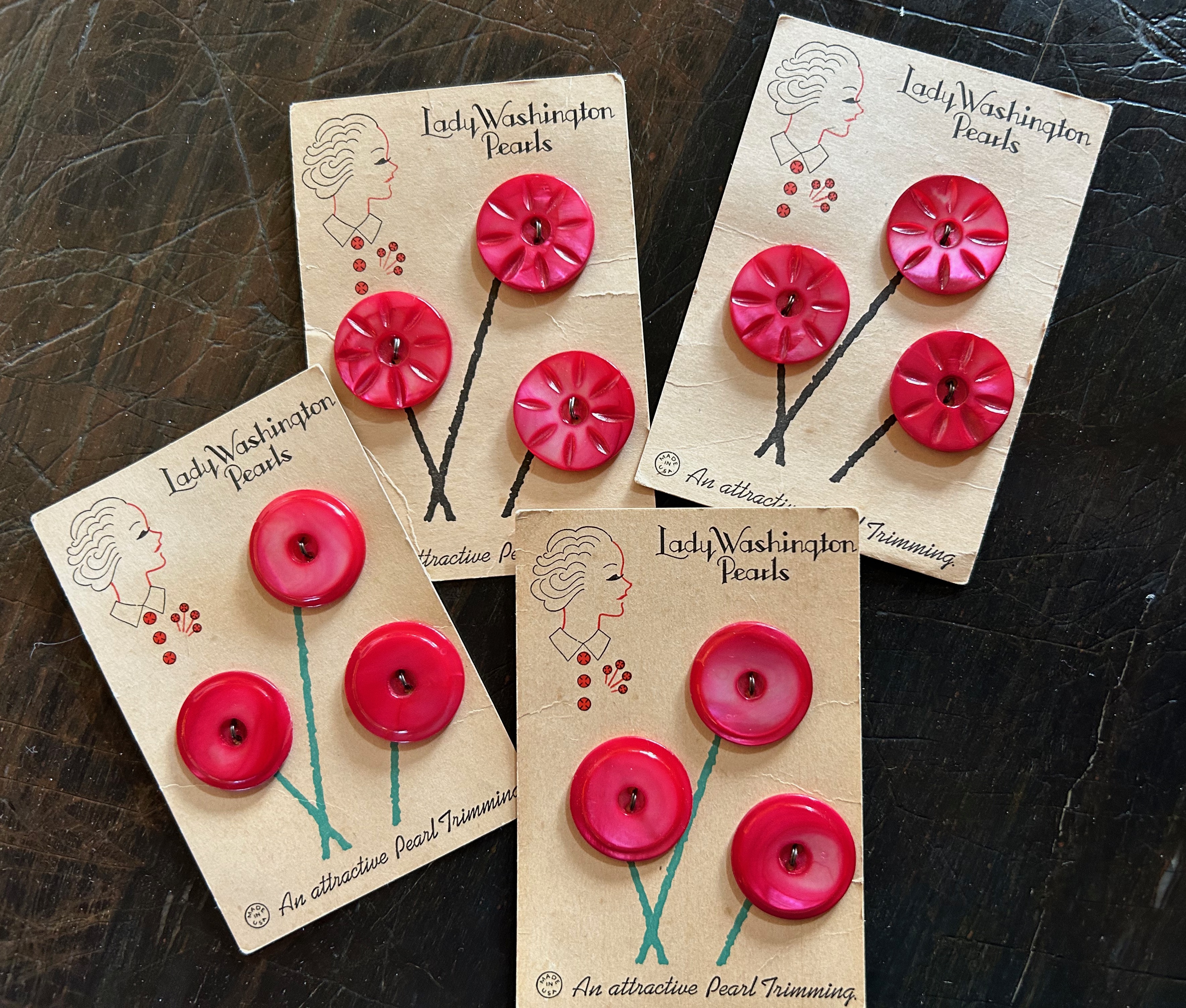

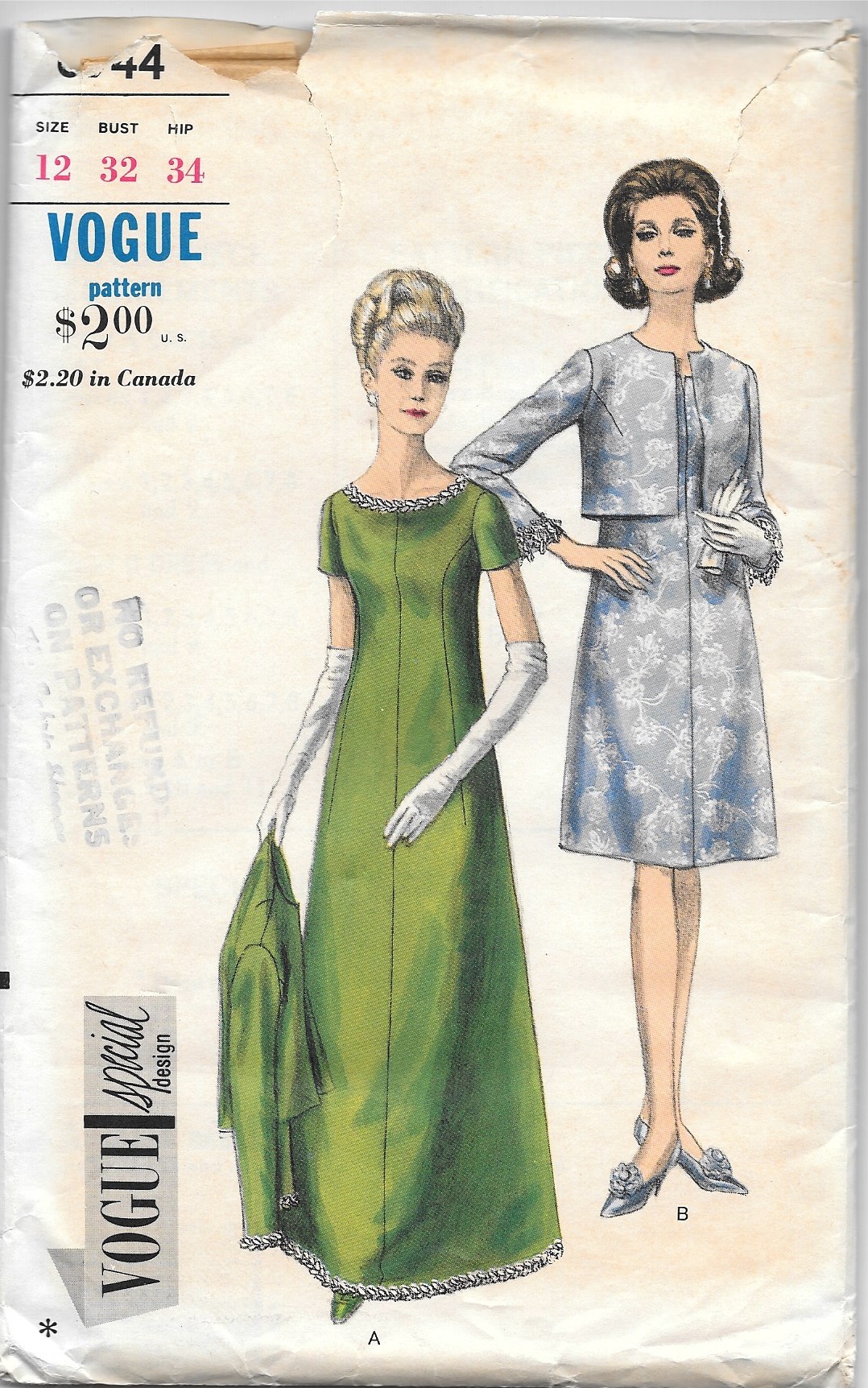





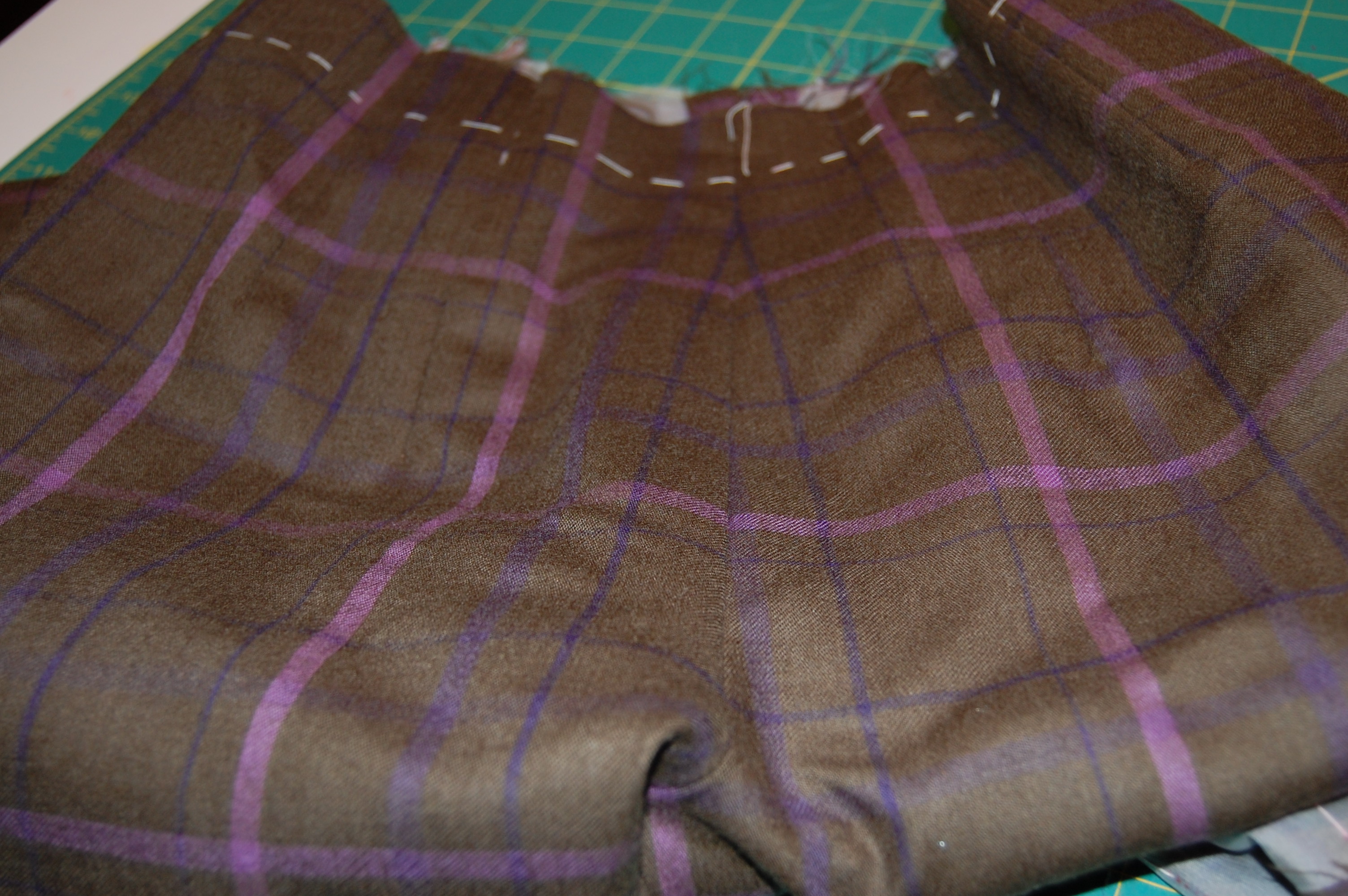
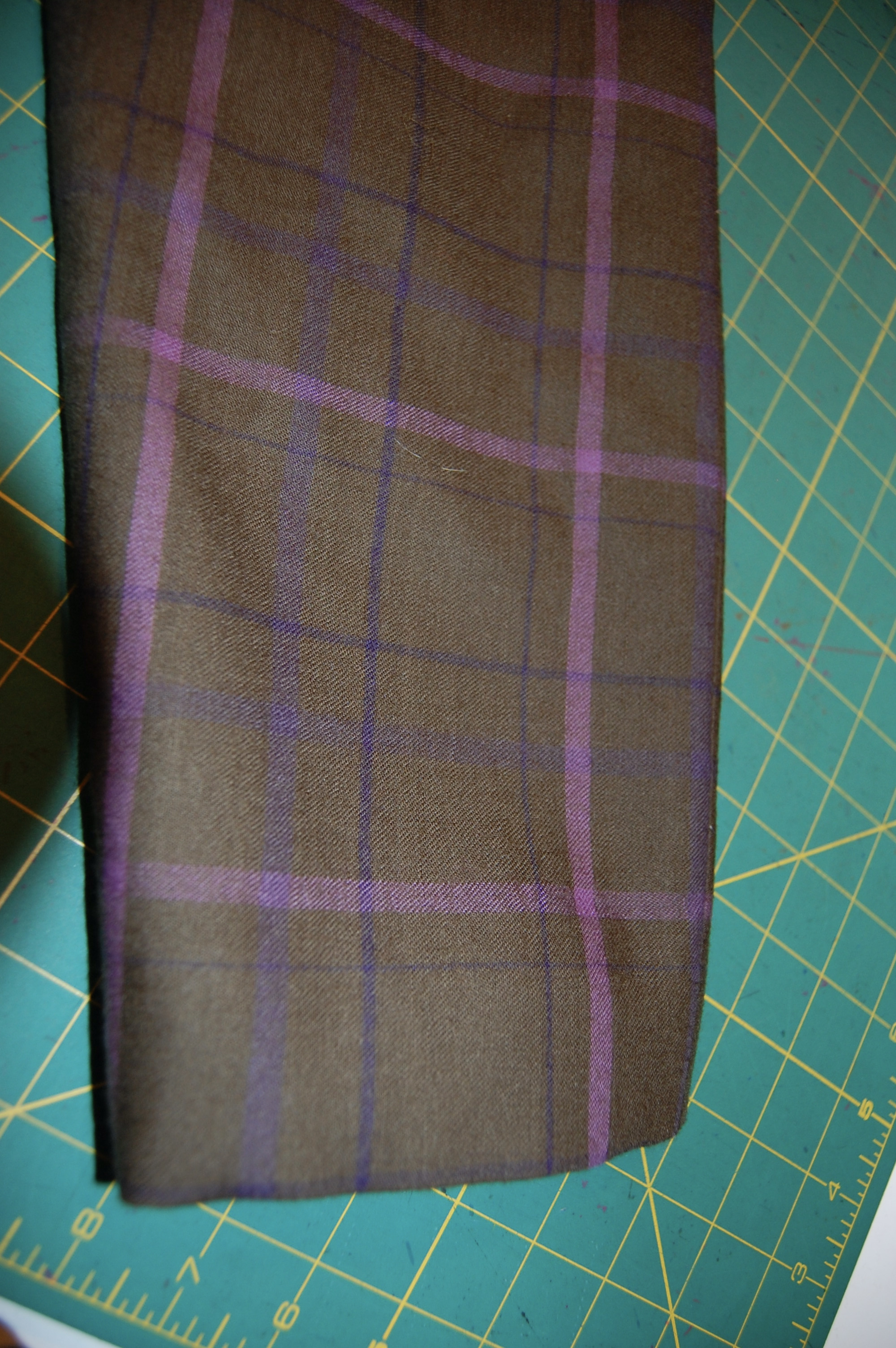
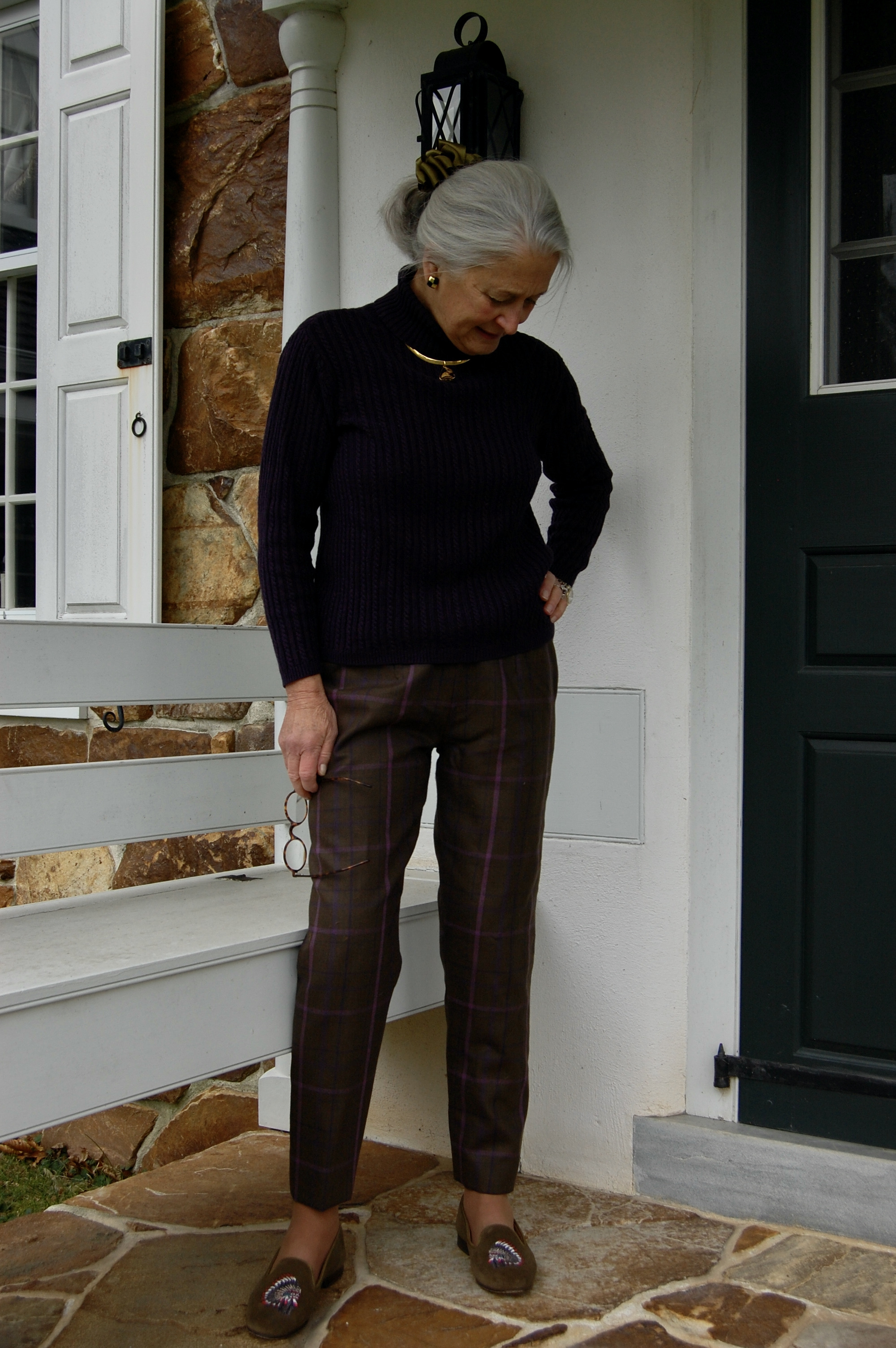
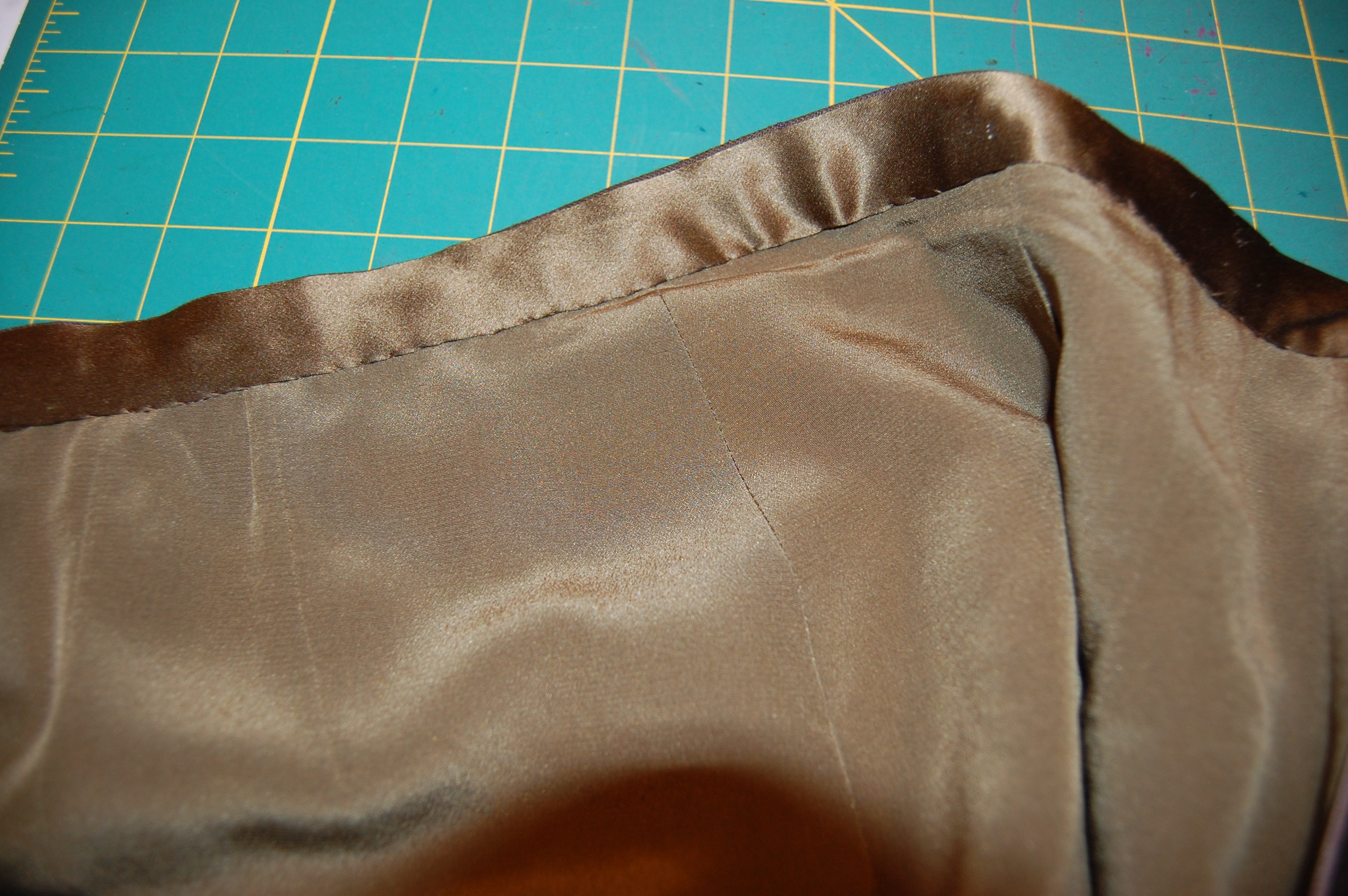










 fiftydresses
A Book Review: The Dress Diary of Mrs. Anne Sykes – Secrets from a Victorian Woman’s Wardrobe, by Kate Strasdin.
Every once in a while, I find myself having fallen under the spell of a particularly noteworthy and engaging book. Such was my fate with this remarkable story of an Englishwoman (1816 -1890) and her journal of fabric swatches, saved from her own life and collected from family, friends, and acquaintances over the course of decades, beginning in September of 1838.
With over 1200 fabric entries, the diary – or journal – gradually revealed its secrets to the author, a fashion historian, who painstakingly transcribed the often sparse notations accompanying each fabric sample, piecing together the fascinating life and times of Anne Burton Sykes. The research is meticulous, and the author, Kate Strasdin, shares her eureka moments which allowed her to expand not only Anne’s life, but those of her friends and family as well. Written in an engaging style, this non-fiction book often reads like a novel, a wonderful story of love, friendship, adventure, and vibrant personalities.
There is so much to learn here about Anne’s life in the larger context of world history and events, but it is the personal experiences and expressions which spoke so loudly to me. Yes, there are many details which, by the nature of the journal, must be extrapolated and surmised, which the author is careful to note. But the picture of Anne – and her husband Adam – which evolves is one of two very likeable people, engaged in their community, industrious and thoughtful, friendly and adventurous, and undoubtably well-dressed.
The first entries in the journal, of Anne’s wedding attire, were actually placed and annotated by Adam. He was the one to give Anne the journal on their wedding day. He refers to her as “my charming Anne.” Not beautiful, not sweet, not dear, but “charming.” That single selection of adjective spoke volumes to me about each of them.
She also must have been brave, enduring a four-month sea voyage from northern England to Singapore, where Adam’s business took them two years after their marriage. There they built a life among other English-speaking neighbors and acquaintances, in the stifling heat and humidity of the south China sea. After seven years in Singapore, they went on to Shanghai for two years (where the diary goes silent for the duration), and then back to England.
Anne’s friendships with other women throughout her life are apparent in the swatches she receives from so many in her circle. The exchange of gifts and tokens of friendship take form in dress-goods (cotton, wool, silk), ribbons, pieces of lace, and snippets of sashes. There appeared to be a remarkable camaraderie among all ages and between the sexes.
The author has done a masterful job in deciphering the life and persona of Mrs. Anne Sykes through so many diverse fabric swatches. Anne’s kindness, her circumspection, her devotion to family and friends, and her small place in history make for a wonderful, enlightening story. I am very grateful to have had the opportunity to read and savor this book.
11 Comments
Filed under Book reviews, Fashion commentary, Fashion history, Uncategorized, Vintage fabric
Tagged as Book reviews