Tag Archives: 1950’s Vogue patterns

Quiz #2: Match the fabric to the pattern

Of all my sewing projects, which are either in the works or in the planning stages, two of them will be completed shortly. (At least I hope they will be.  Everything always seems to take longer than I anticipate…  Does anyone else find that to be true?)   However, I’m just not ready to report on either of these “almost-finished” endeavors yet.  . . . So I thought I would take this opportunity to expand a bit on my infatuation with Moygashel linen – and give you, my readers, some more beautiful vintage fabrics to see – and to allow you to imagine them all dressed up and ready to wear.

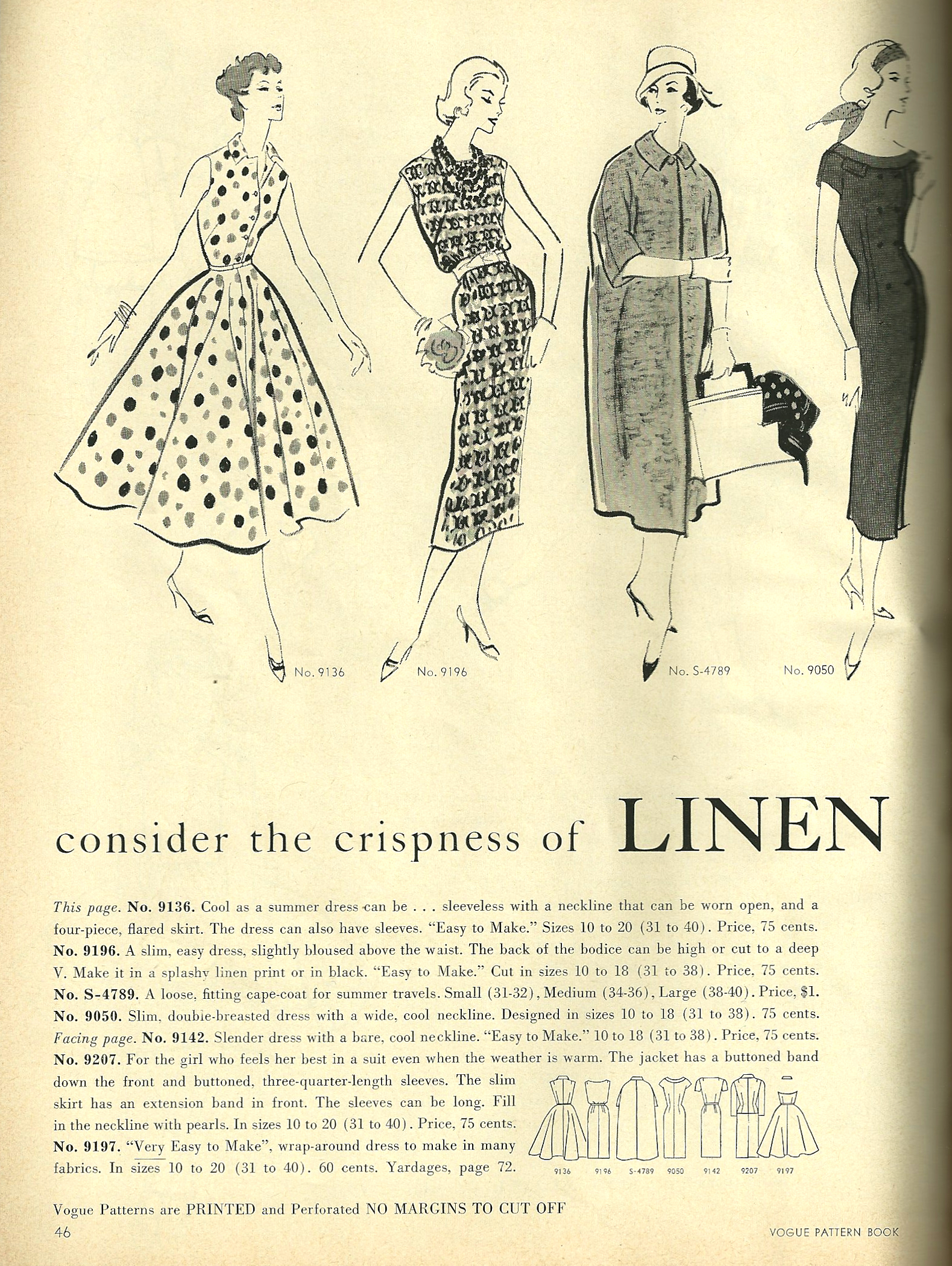
In the Vogue Pattern Book from Summer of 1957, one of the articles implores the reader to “consider the crispness of LINEN”.

This June/July issue is perfect to feature linen - it is a great fabric for Summer - cool, crisp, washable, and the perfect weight for dresses and suits.

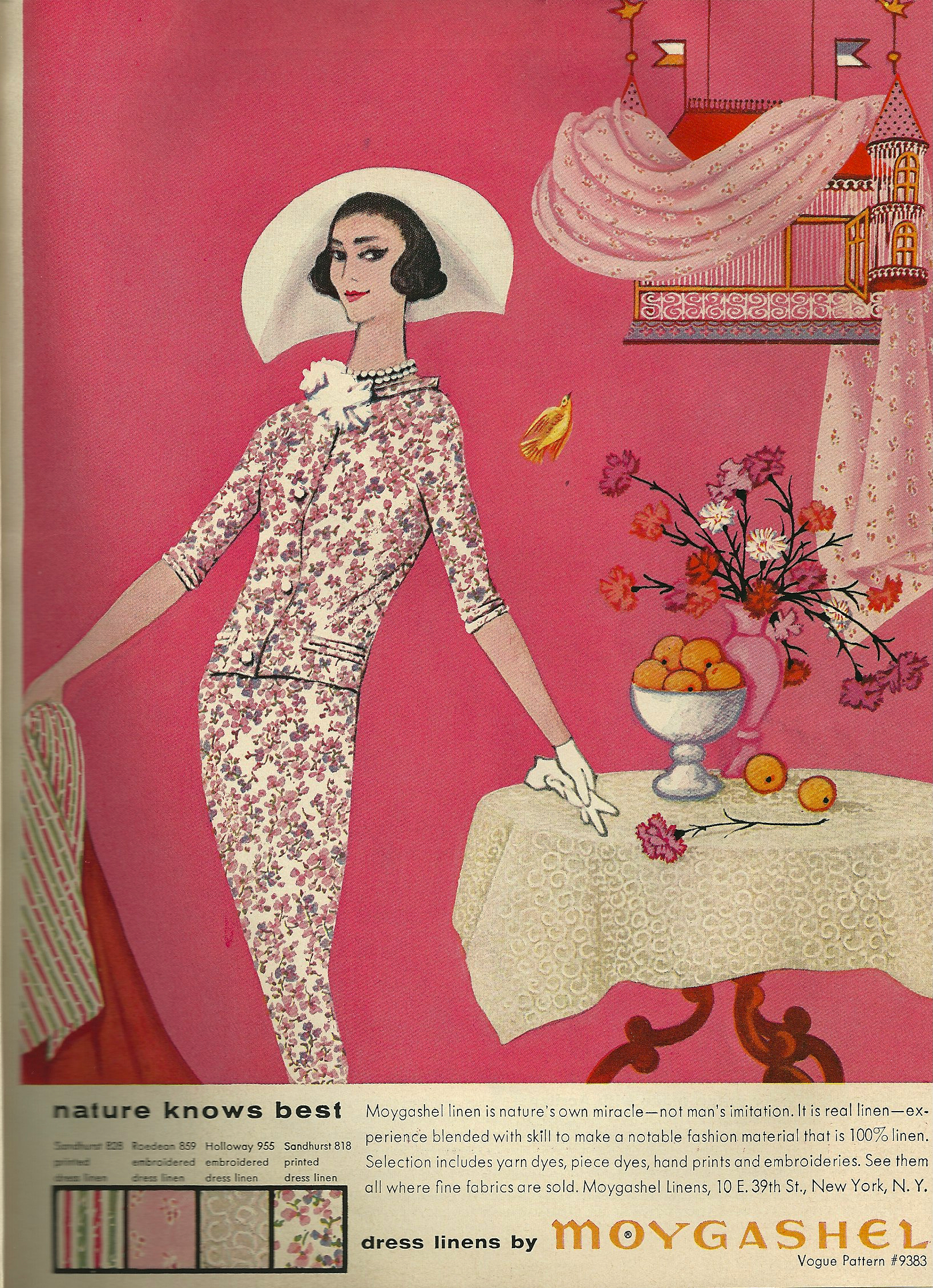
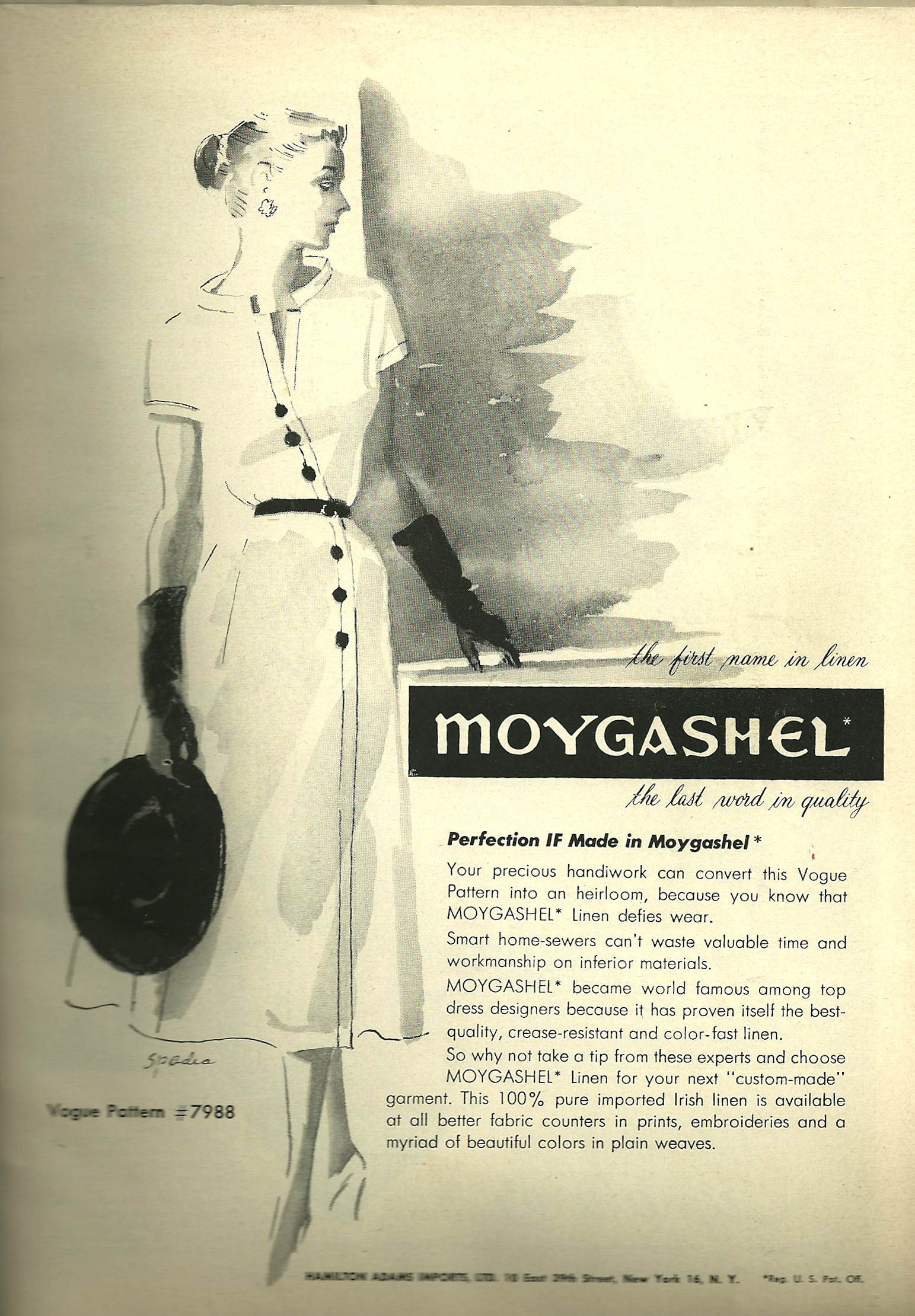
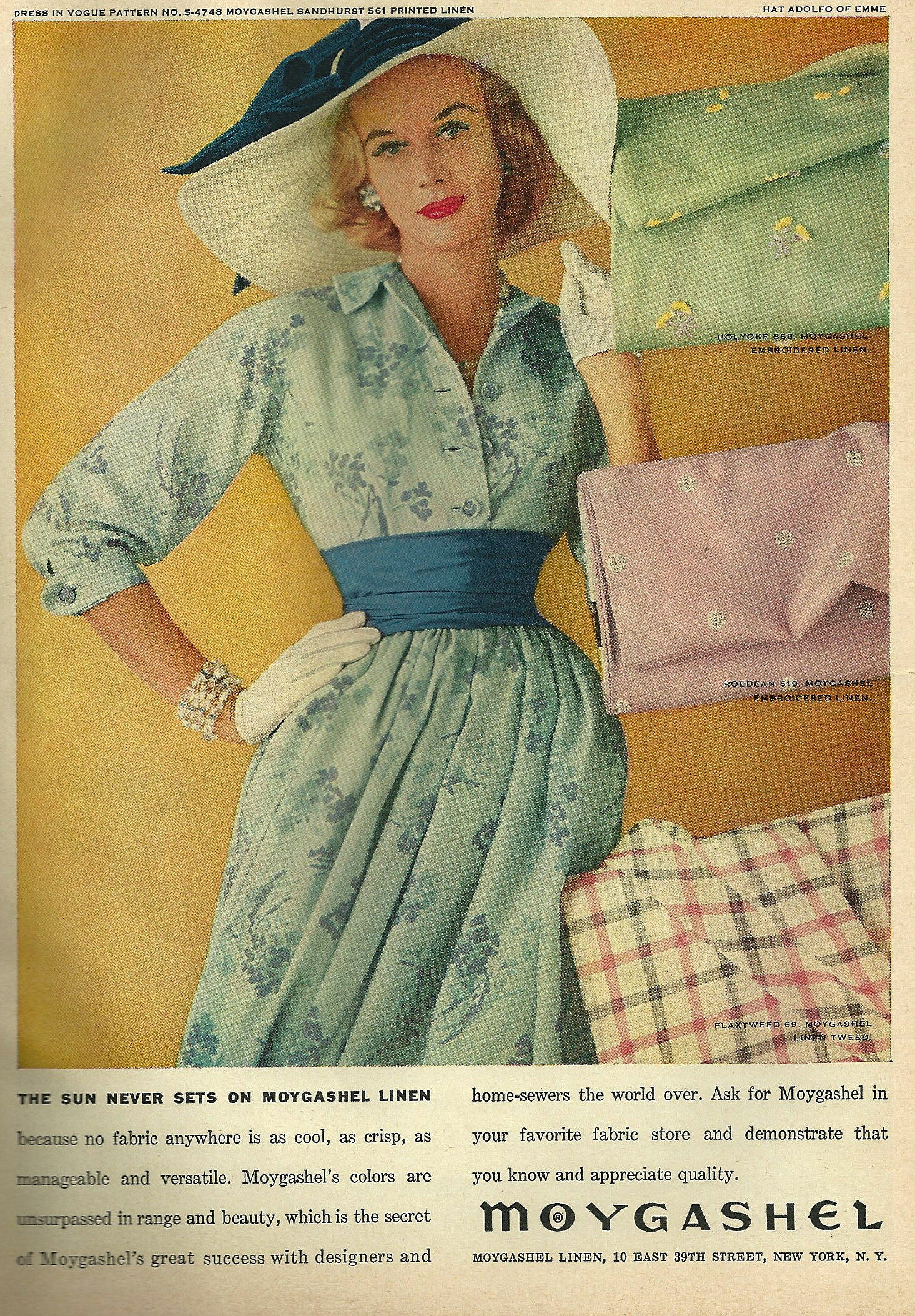
Articles like this, and ads for linen fabrics, showcase the popularity of sewing with linen in the 1950s, ‘60s, and ‘70s.  I shared a few Moygashel linen ads with you recently, and here are three more, which illustrate the range of designs and colors available to the mid-century home sewer.

This almost whimsical illustration depicts four designs of Moygashel linen. It appeared in the February/March 1958 issue of Vogue Pattern Book magazine.

This ad states: "Your precious handiwork can convert this Vogue Pattern into an heirloom, because you know that Moygashel Linen defies wear." Those words were certainly presentient! It appeared in the April/May 1953 Vogue Pattern Book magazine.

Here are four more Moygashel linens, featured in the February/March 1957 Vogue Pattern Book magazine.

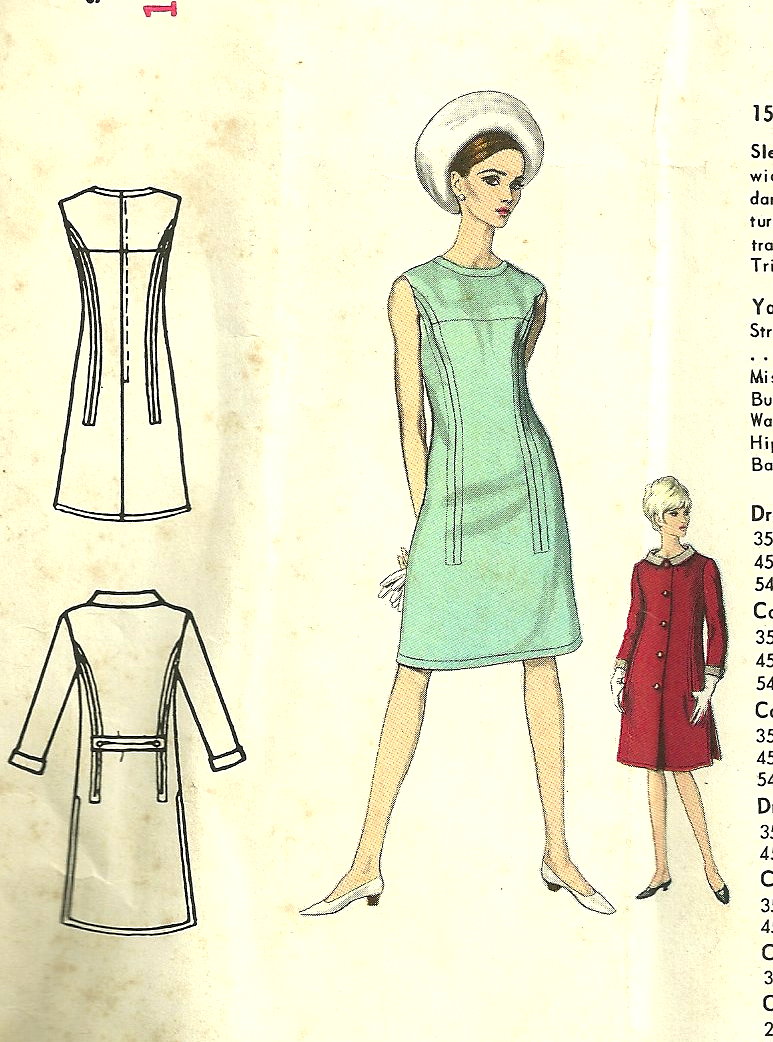
I certainly decided to “consider” linen when I purchased this 1965 Vogue pattern a few months ago:

This pattern is for a paring of coat and dress, but the dress stands alone beautifully.

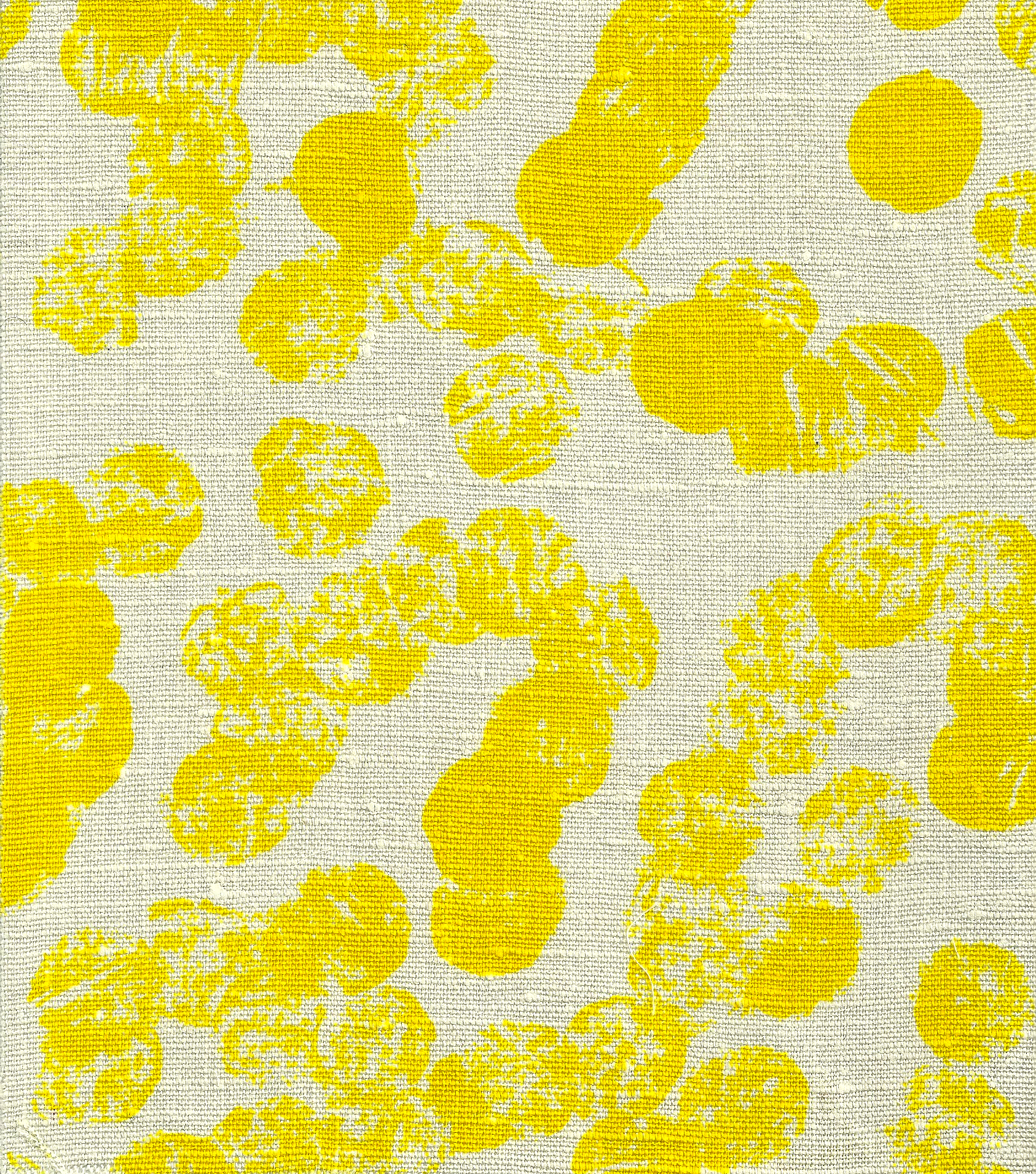
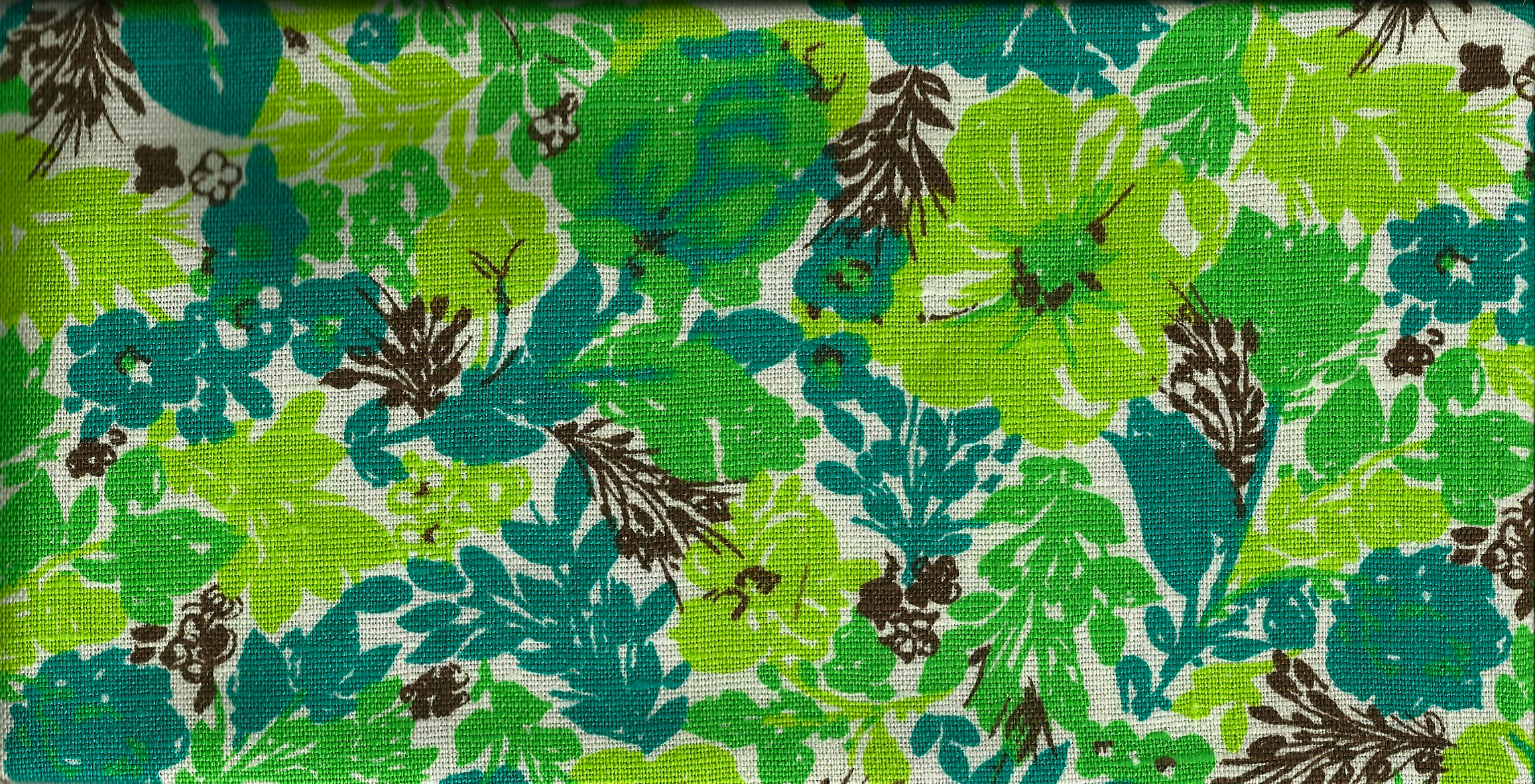
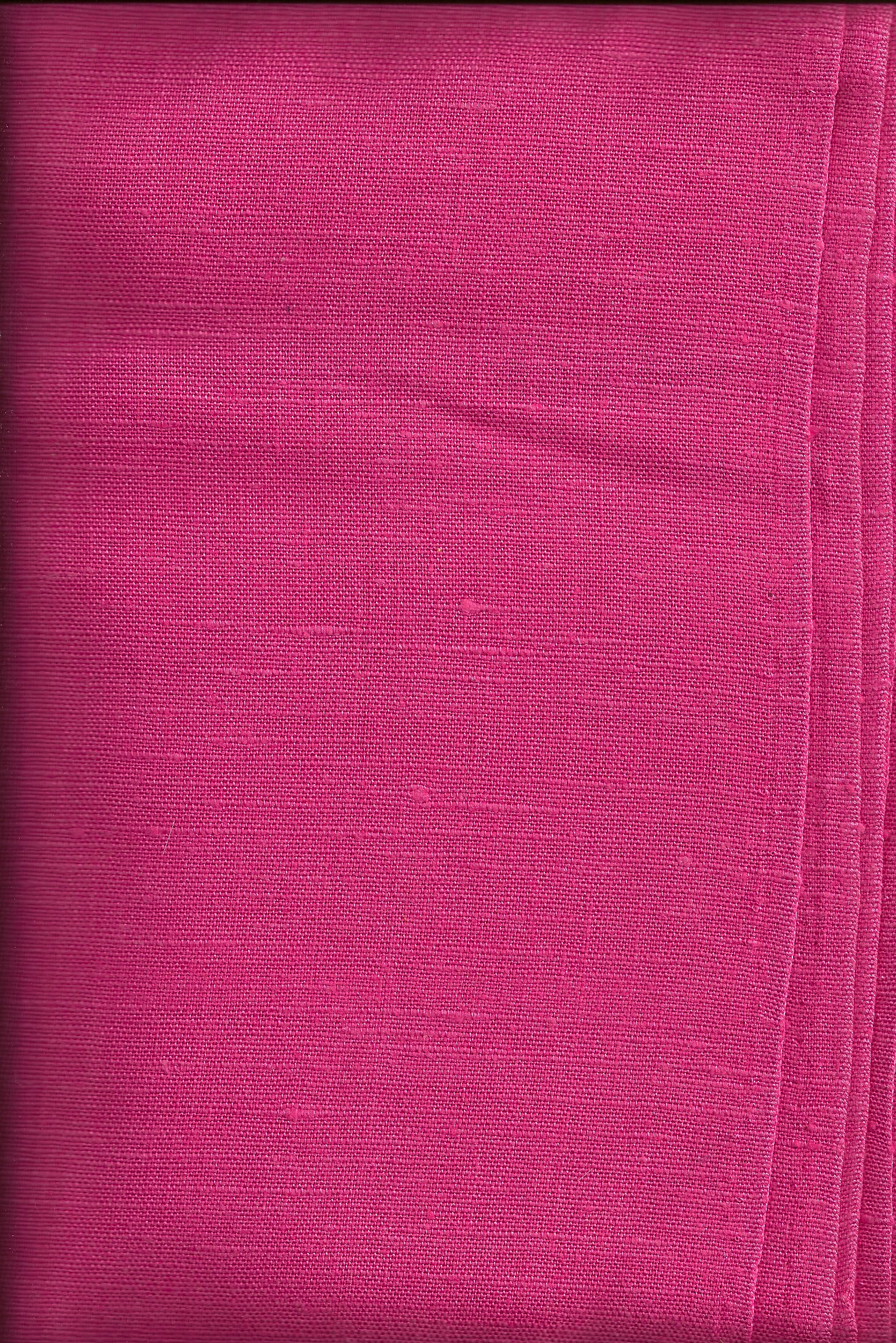
My intention was to make the dress only – a lovely sheath with some distinctive seaming and top-stitching.  So I went to my fabric closet to see what linens I could “consider” for a crisp Spring/Summer dress.  Here are the four that I decided to choose from:

#1 - Bright and sunny, this design is a subtle play on the polka dot theme.

#2 - The colors in this design are very 2012-current-and- fashionable!

#3 - Decorative topstitching on this solid pink linen would be quite attractive.

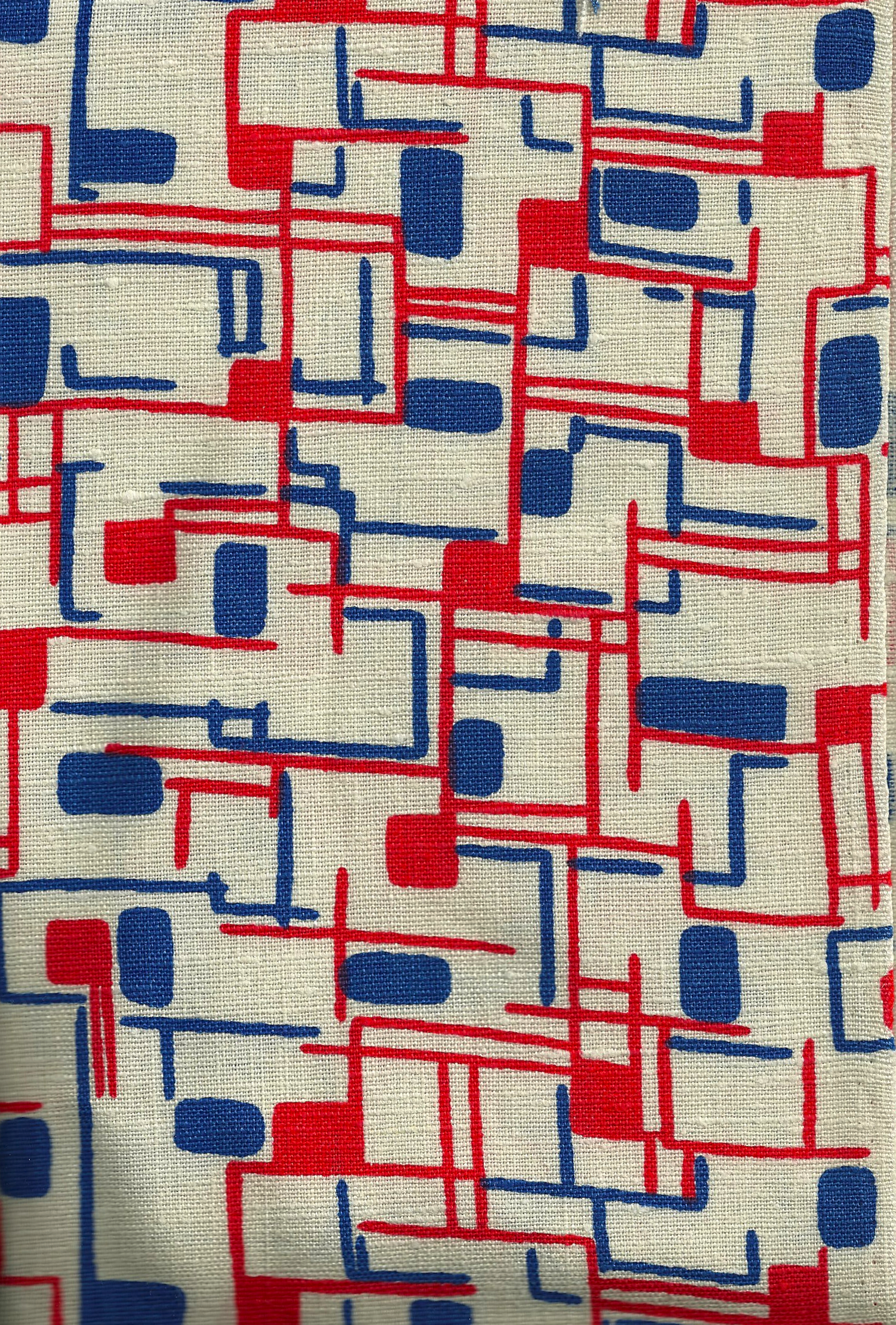
#4 - This geometric print is probably from the late '60s, so it would make up beautifully in a pattern from the '60s!

Which fabric would you choose for this dress pattern?  Which one do you think I chose to make into this dress?

6 Comments

Filed under Linen, Polka dots, Uncategorized, vintage Vogue patterns from the 1950s, vintage Vogue patterns from the 1960s, Vogue patterns

Project complete! Well, kind of…

One day this week I sewed the final stitches on my wool suit.  Yes, doing the skirt hem finished it off, and now it is ready to wear.  For those of you who read my last post and ventured a guess on which pattern I used, you were correct if you chose number three.  As a reminder, here it is.
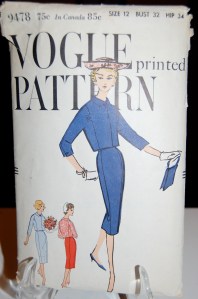
I made a few small alternations to this pattern, including shortening the skirt to just below the knee.

However, I did not choose it for the reasons you might think.  Here is how I made my decision:

1)   With such a bold plaid fabric, I thought a shorter jacket would be a better look.

2)   I thought the square tabs on the front of the jacket would compliment the windowpane check.

3)   The kimono sleeves are such a classic mid-century look that I couldn’t resist trying them.

4)   And, I love a challenge!  Even though the sleeves are “kimono” type sleeves, which means while there is no sleeve cap to match plaids, they do have seams down the middle of them cut on an angle.  Plus the jacket has side, front and underarm seams, a rounded collar which puts the plaid on a curve, and, finally, the skirt has six seams.  And, I needed to make sure that the check also matched, up and down and side to side, from jacket to skirt.  So, that’s a lot of matching.

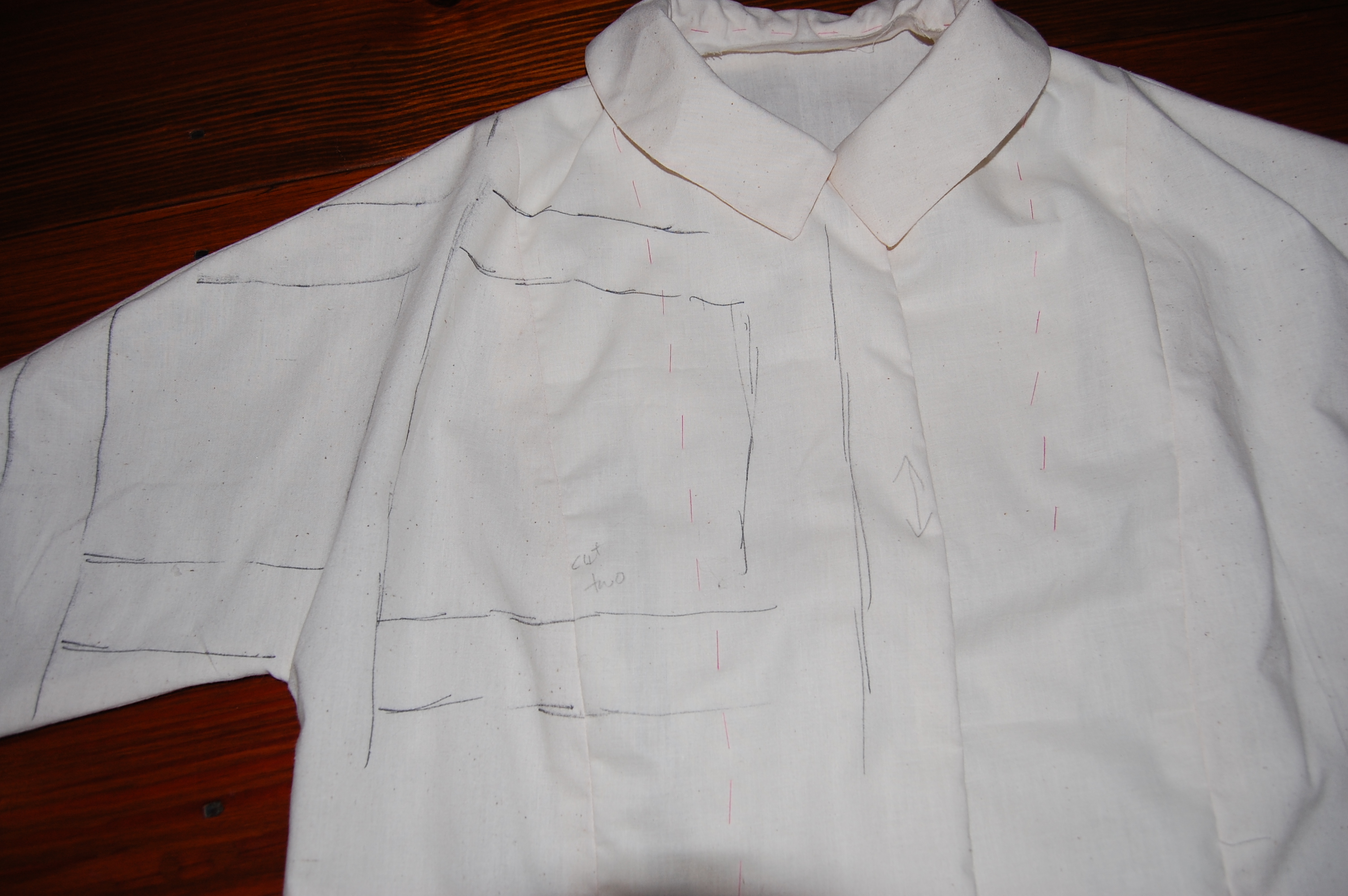
The first thing I did was make up the jacket in muslin.  From that I determined that I needed to add a couple inches to its length, and I decided to make the sleeves ¾ rather than below elbow length.  Then I got nervous about the windowpane check looking good in kimono sleeves, so I got out my magic marker and “drew” the check onto the muslin, so I could visualize it.  Okay, I liked it!
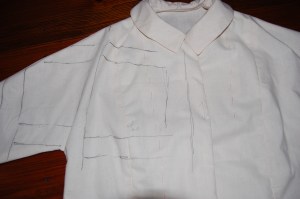
Here is my muslin - can you see the magic marker lines I drew on it? I sew my muslins using up bobbin thread that's left over from other projects - and I always baste in leftover contrasting thread.

Then I laid out the pattern pieces, and oh my gosh, what a puzzle of matching notches and checks.  I knew I couldn’t make a mistake, so after I laid it out, I let it sit overnight.  The next day, after cogitating on it overnight, I realized I had not properly matched up the check on the shoulder seams.  I made the adjustment, double and triple checked (pardon the pun), made sure I would have the same reveal at the hem of the jacket as on the skirt, and confidently (actually about 92% confidently) cut it – and the lining –  out.

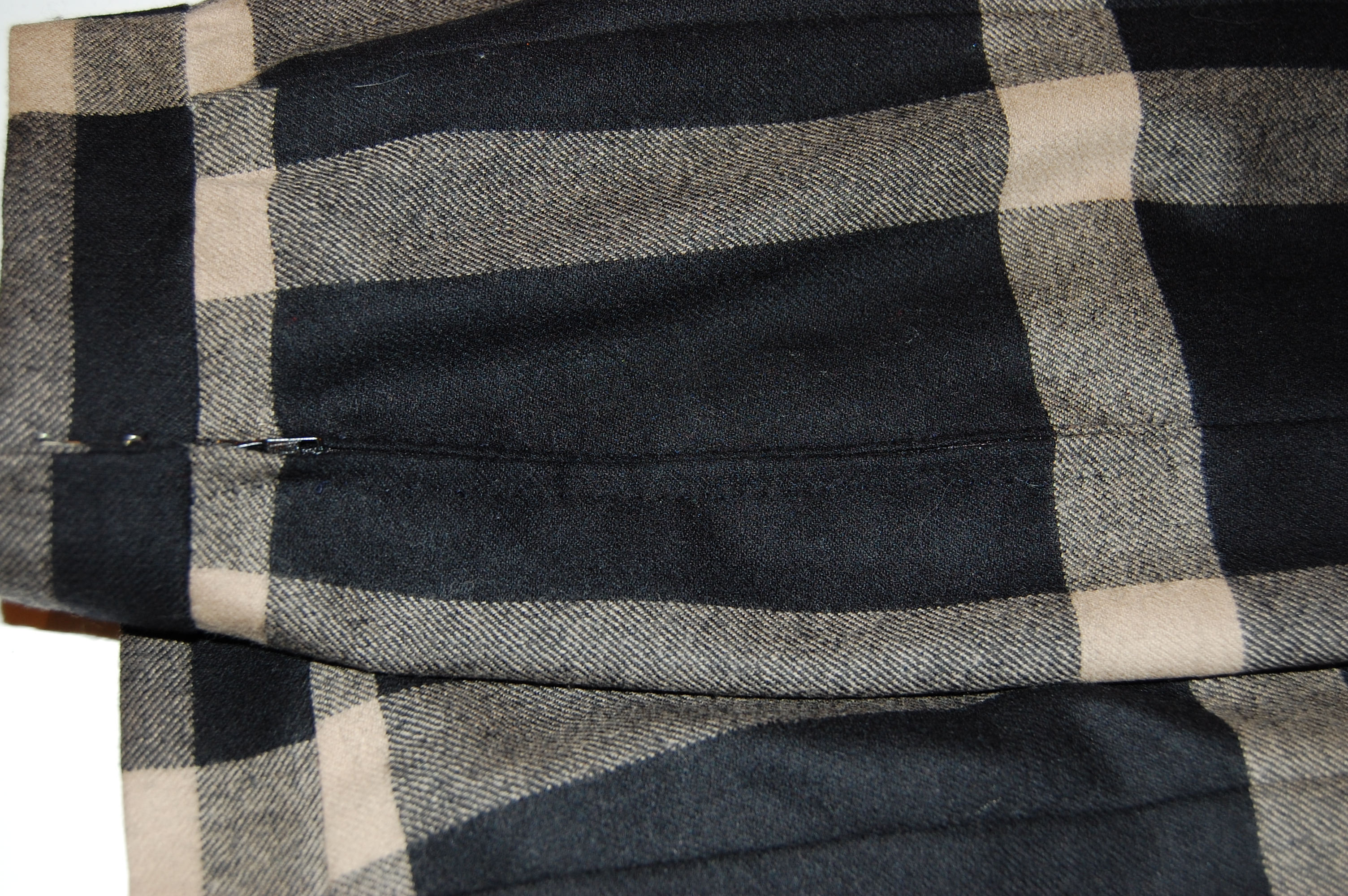
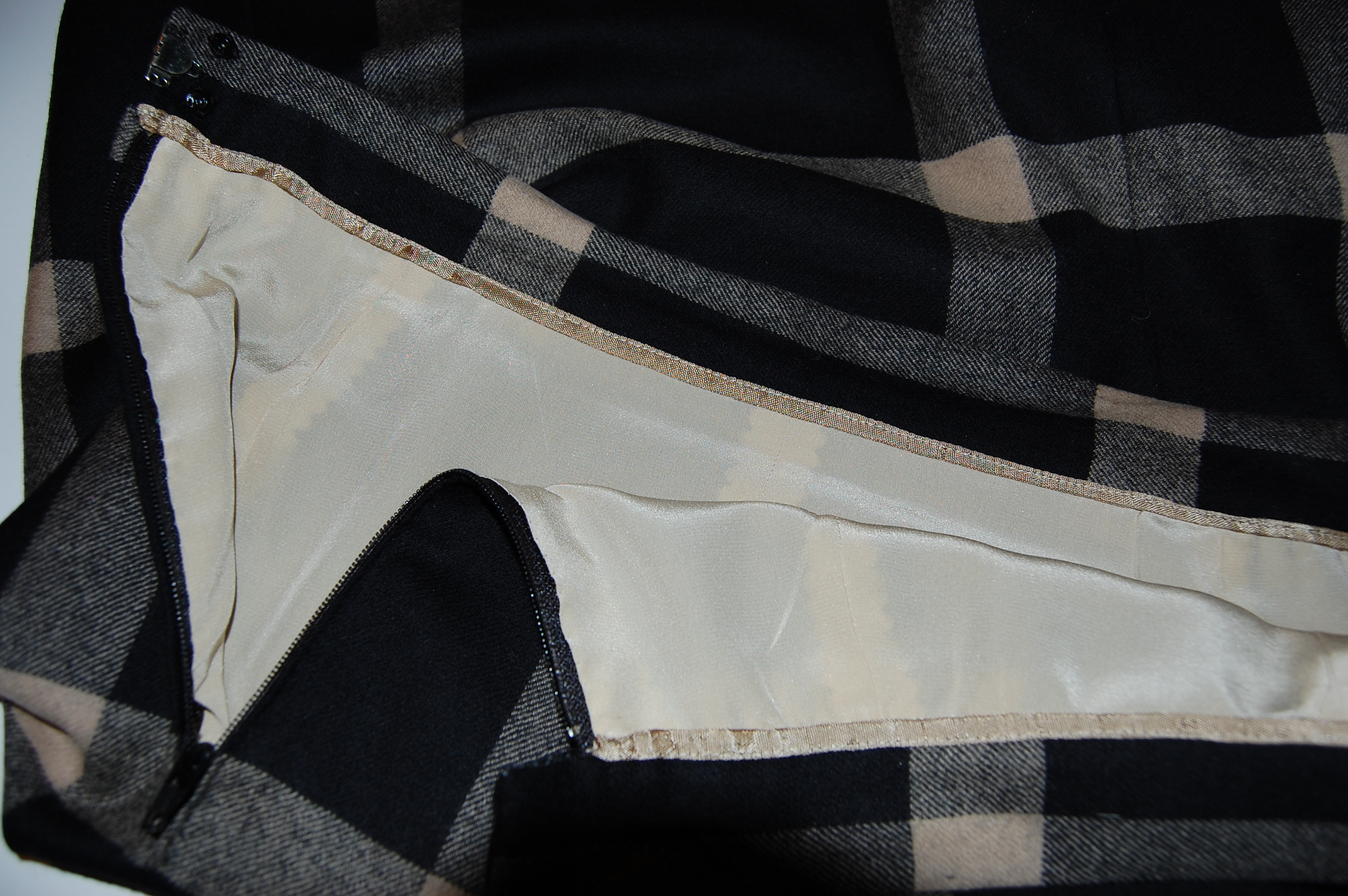
First, I made the skirt (except for the hem).  I like to put my zippers in by hand, as I just think it makes a nicer look.
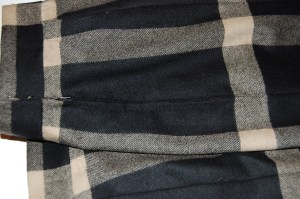
Here is the zipper, set in using small back stitches.

And here is how I finished the waistband inside:
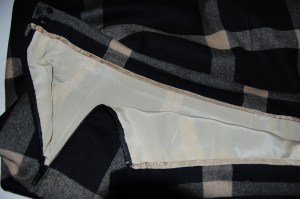
I bind the raw edge with a soft seam tape and then catch-stitch underneath to the waistband seam. This makes a nice, unbulky finish.

By the way, have you noticed how it is now almost impossible to find a ready-made skirt or pants with a waistband?  Another reason to sew!

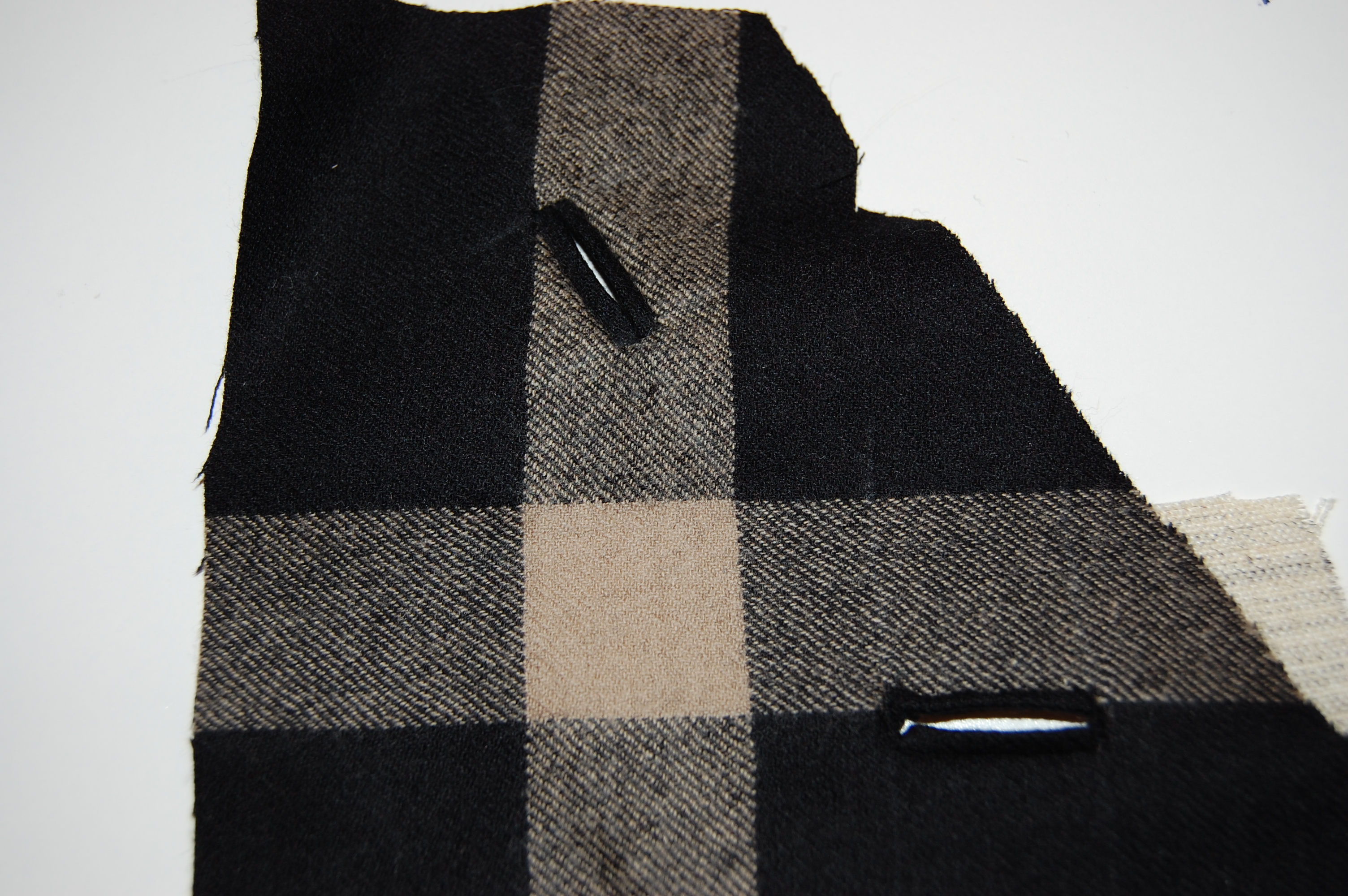
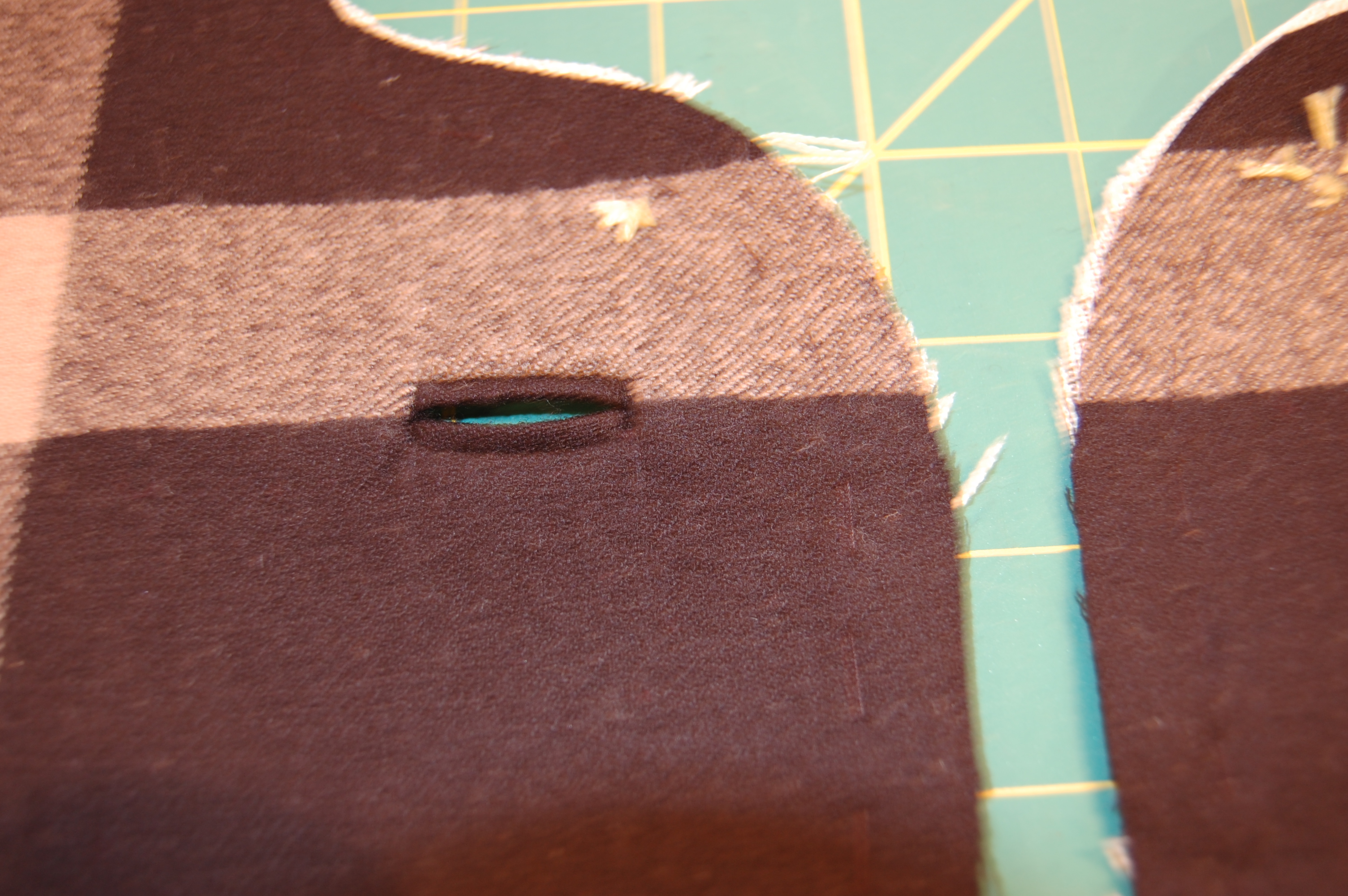
The jacket called for five bound buttonholes: one at the neck, on the two tabs on the front of the jacket, and in the sleeve plackets.  (This, of course, meant that I had to find buttons first.  A trip to the local fabric/craft store produced some, which I immediately recognized as “perfect.”  They are made by La Mode, an old button company still going strong after 125 years.)  Whenever I am making bound buttonholes, I like to make a couple of “practice” ones.  Every fabric handles differently, and with this fabric, I also needed to decide what part of the fabric I would use for the “bands”.  Here is my practice piece, which will help to explain what I mean.
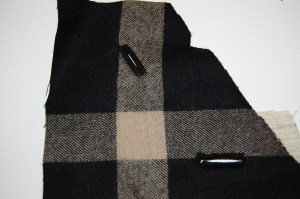
Here were two of the three "trial" buttonholes I made. I decided to use all black bands where the buttonhole would be on a light part and light bands on all black. These trial runs helped me make my decision.

It always strikes me as being “out of sequence” when practically the first thing I have to do is make the buttonholes, but so it is with these bound beauties!
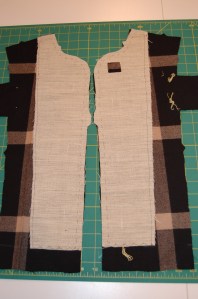
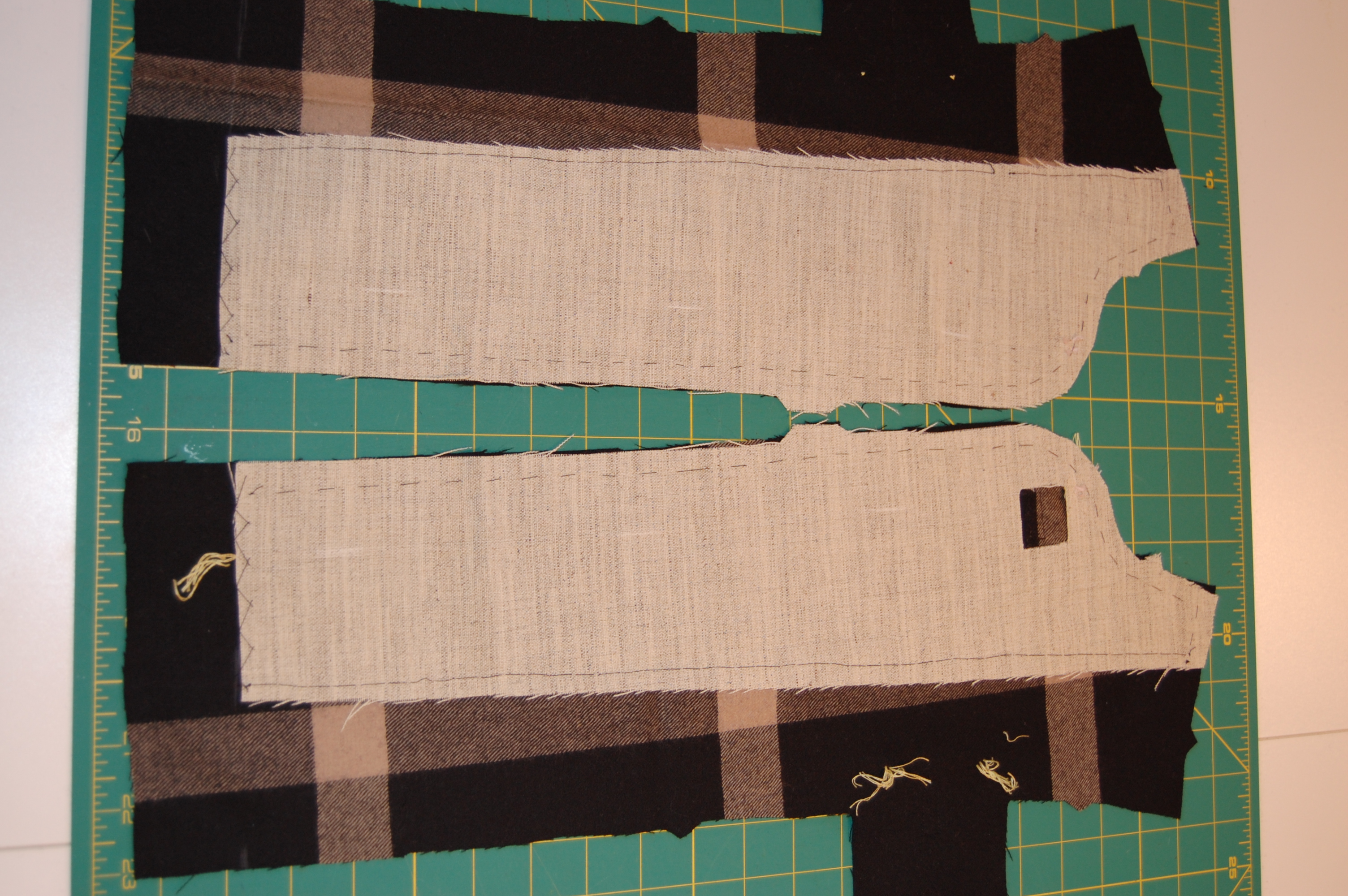
Of course, before the buttonholes comes the interfacing. I cut a small square out of the interfacing on the right side in order to accommodate the bound buttonhole.
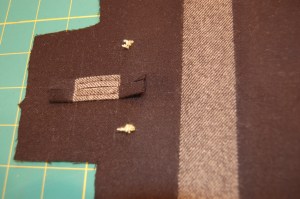
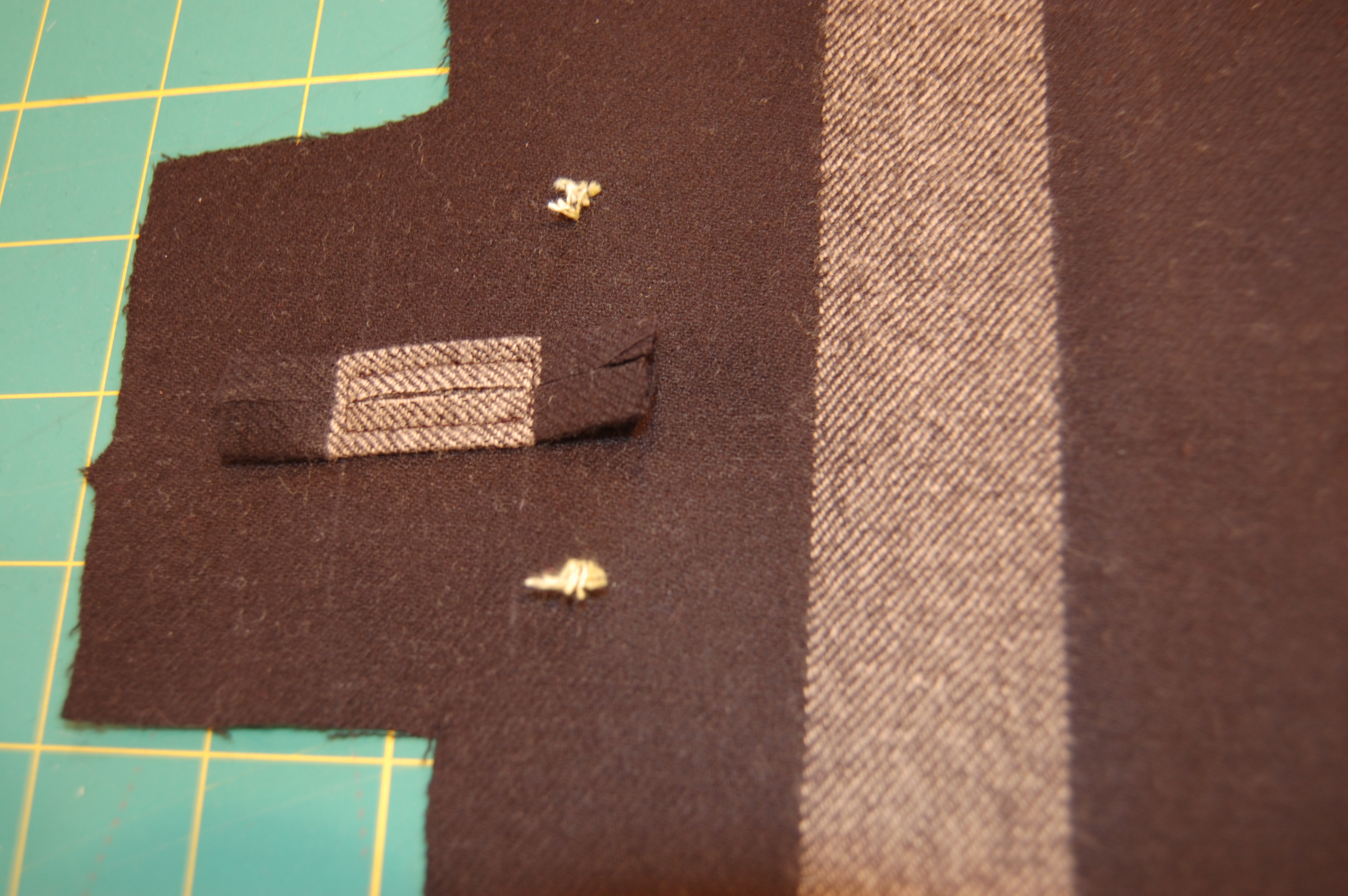
Here is the start of the buttonhole on one of the "tabs". The yellow fuzzies are tailor tacks.
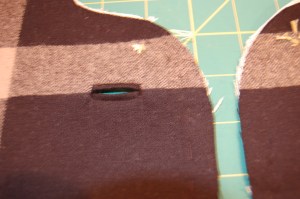
Here is the buttonhole at the neckline.
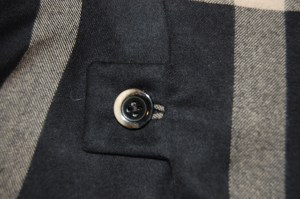
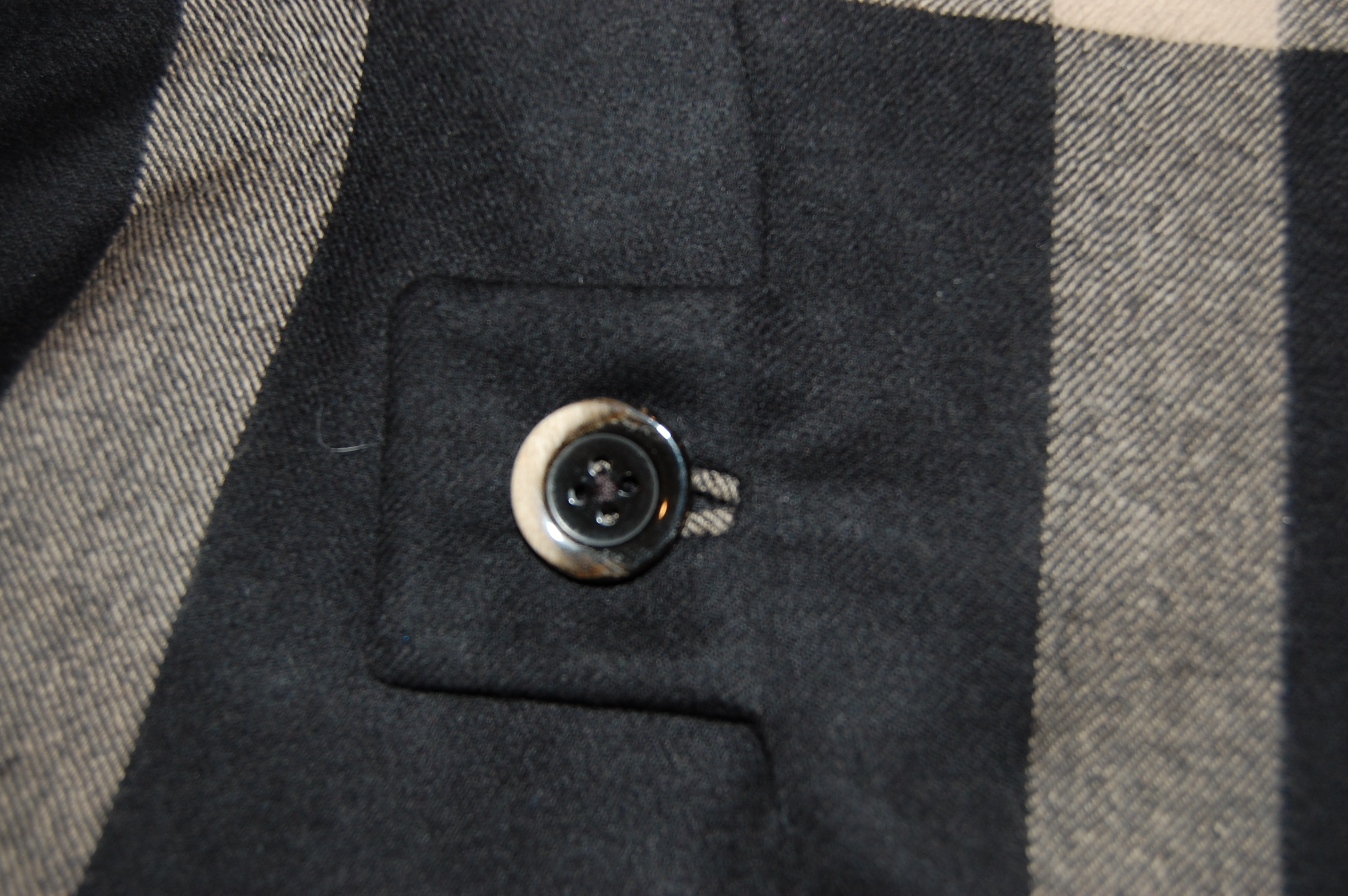
Here is the finished buttonhole on one of the tabs, sporting buttons which I think are perfect for this suit and fabric.
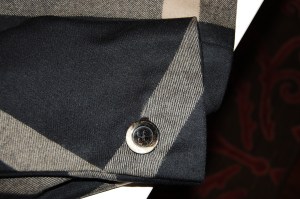
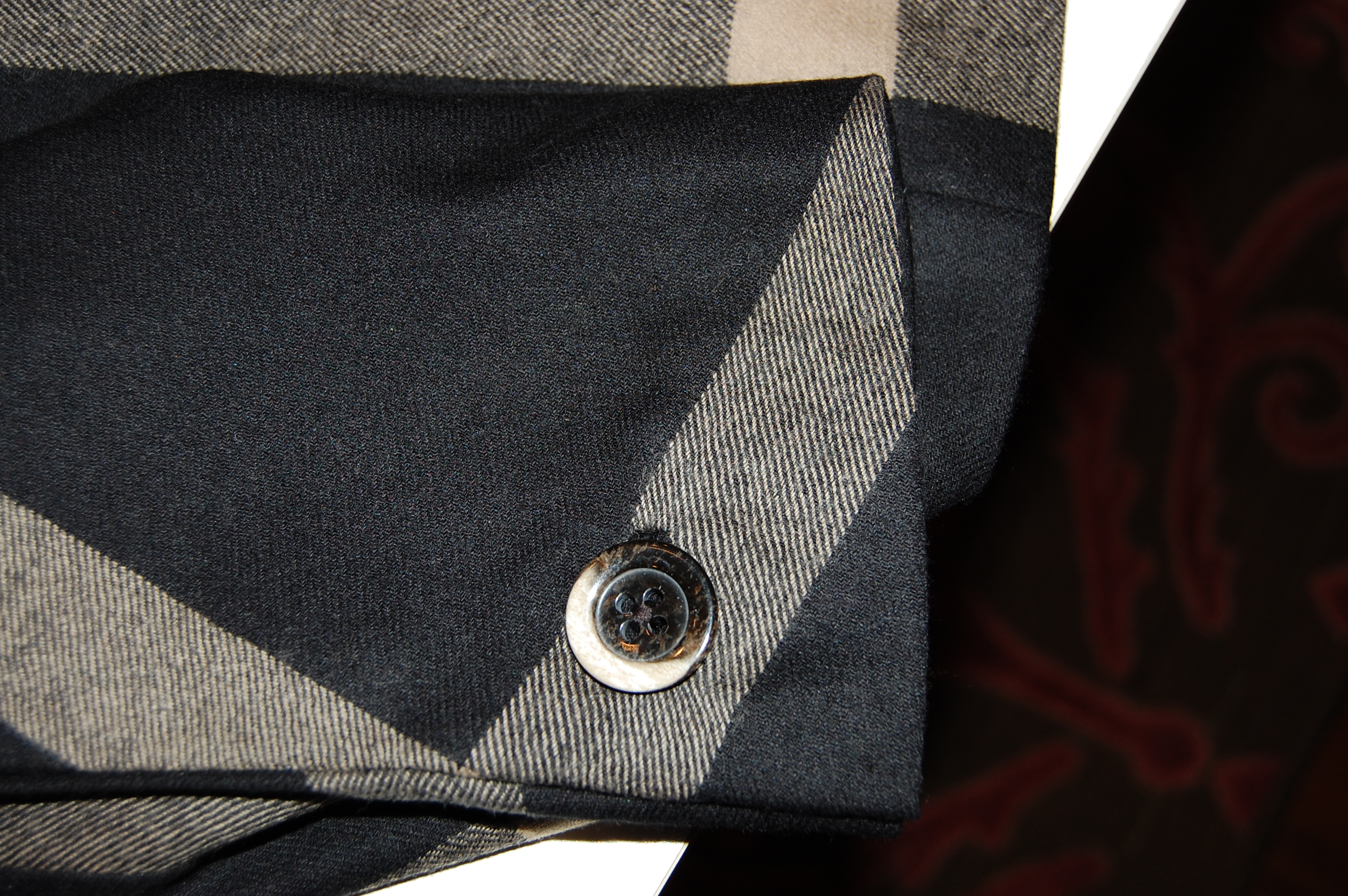
And here is one of the sleeve plackets, all finished!

The rest of sewing the jacket was fairly straightforward, just time-consuming!  The collar was a dream to do because there was a separate pattern piece for the two-piece, bias undercollar.  A bias undercollar makes the top part of the collar finish up with a smooth and neat turn.  Vogue Patterns – I love you!

I lined both the skirt and the jacket in a silk crepe de chine which I ordered online from fabrics.net/The Fabrics Network.  This company, in Spokane, Washington, carries beautiful solid silks and other fabrics.  I got swatch/color cards from them last year and have purchased several pieces of fabric from them, all of them lovely, excellent quality goods, quickly delivered.

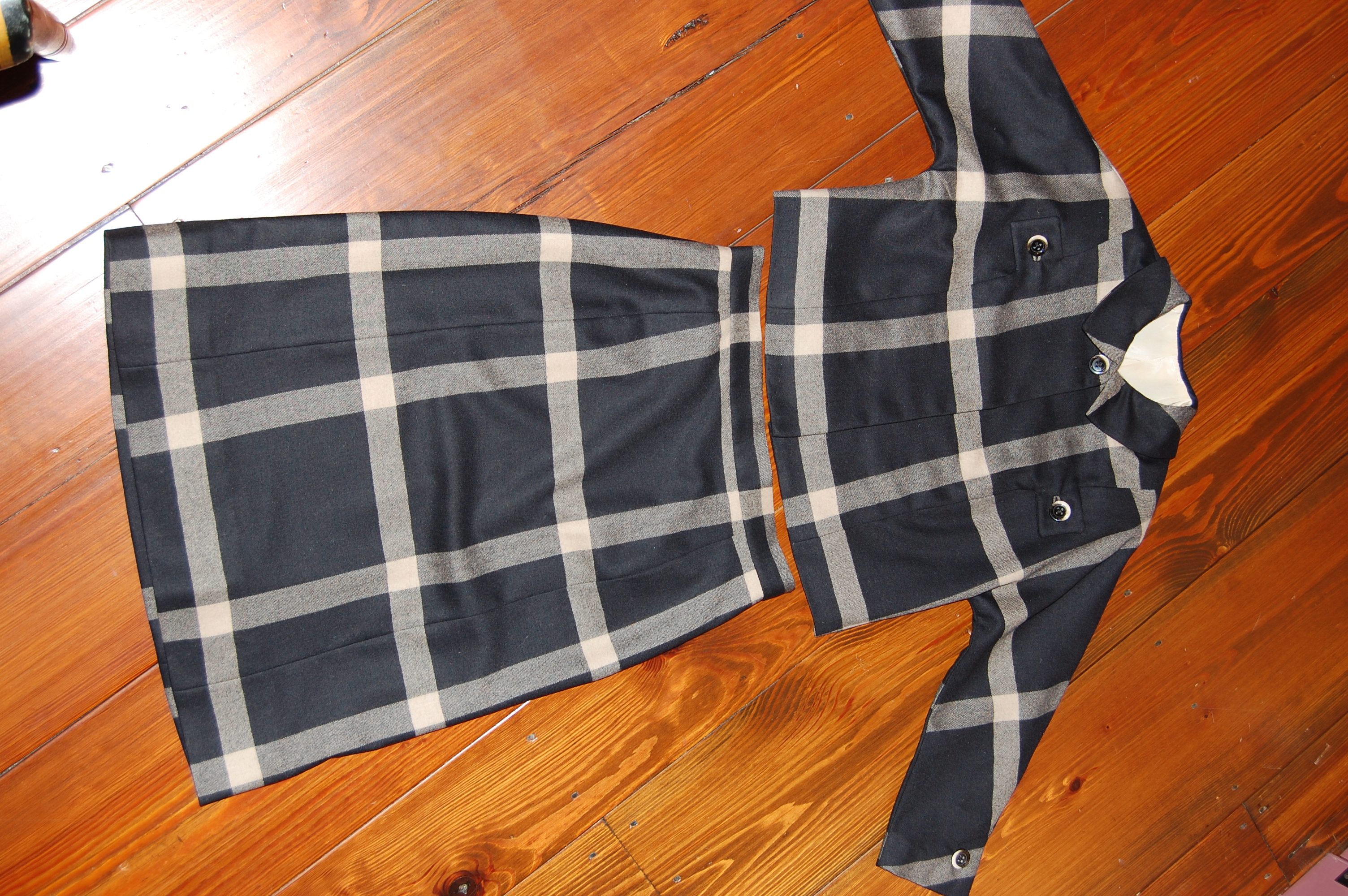
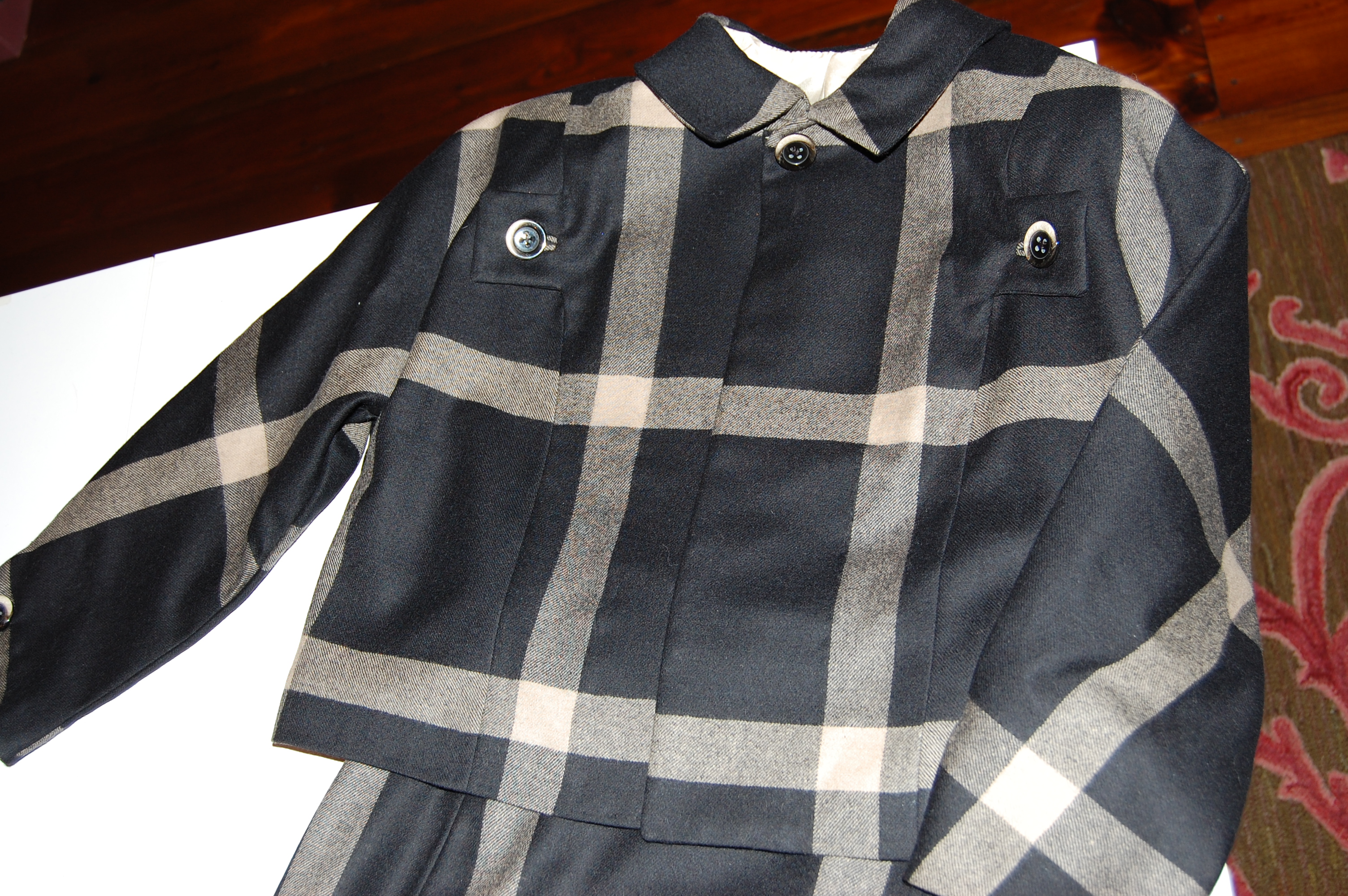
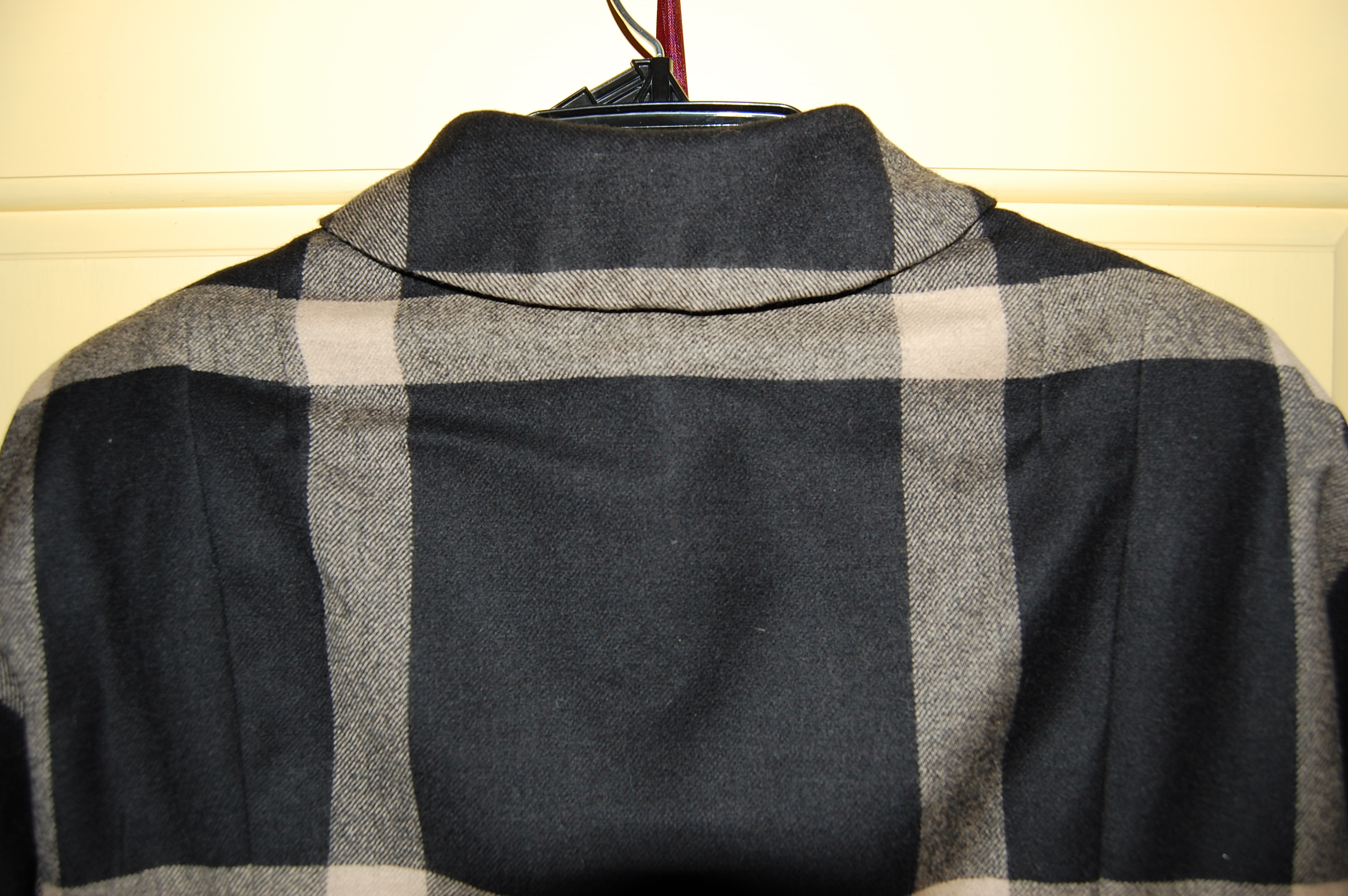
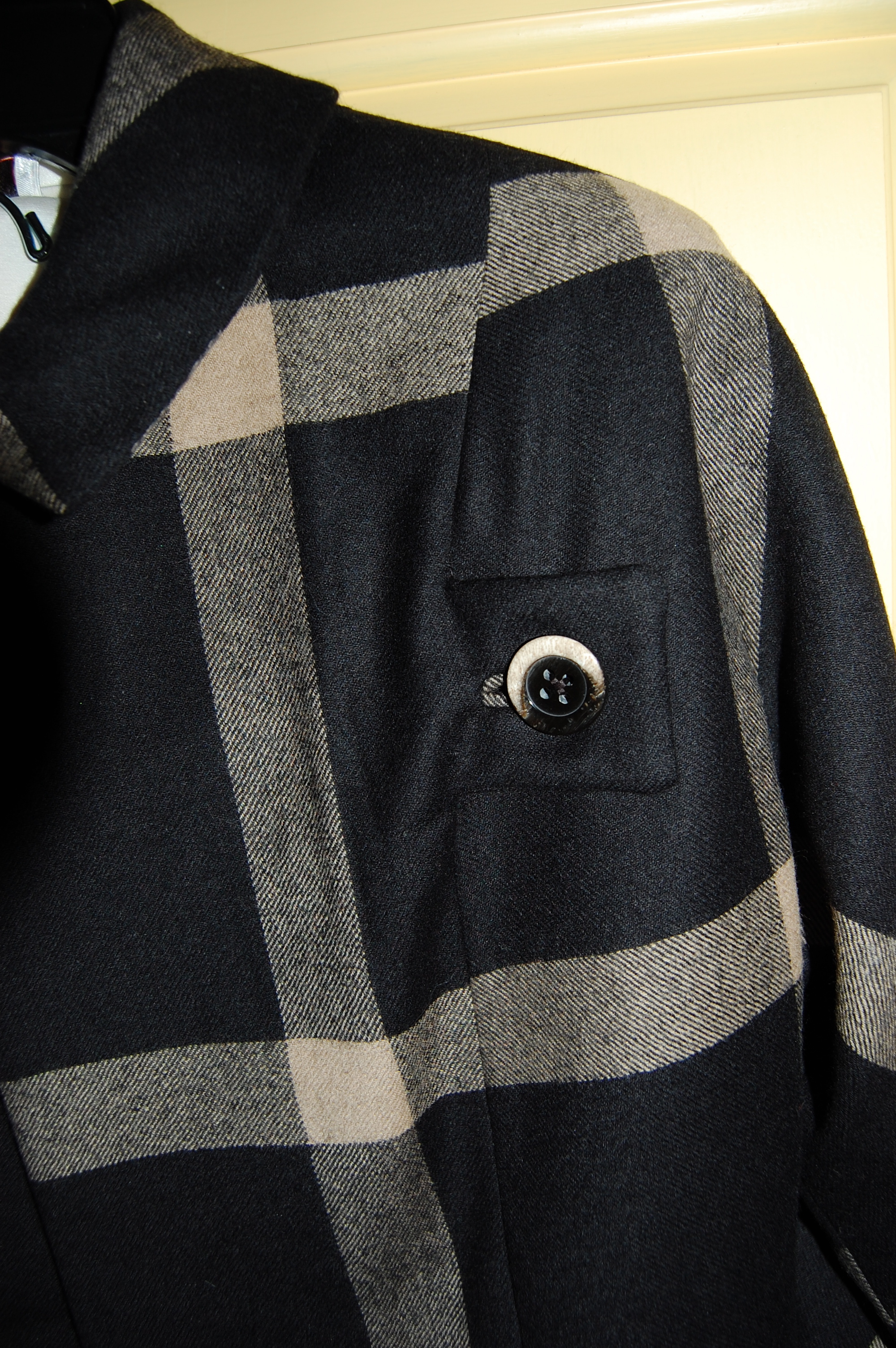
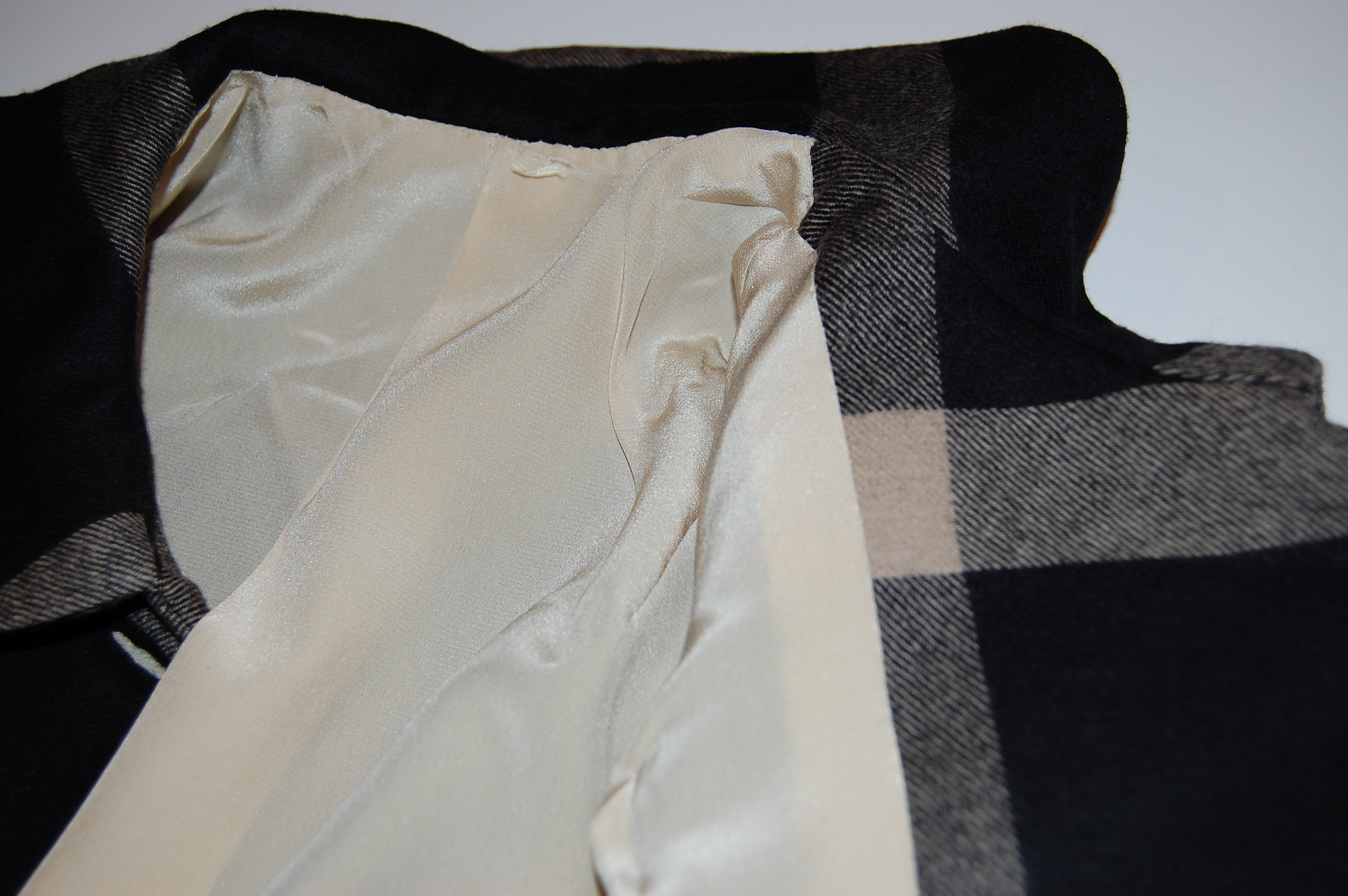
So here are some shots of my finished suit:
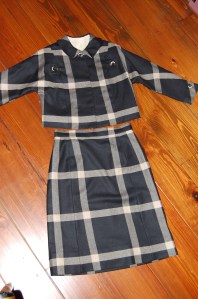
My suit, laid out on my sewing room floor - definitely prostrate from being worked on for so long!
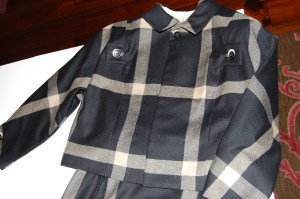
Here is a close-up of the jacket.
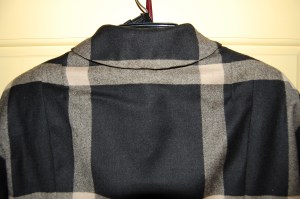
Here is an example of the puzzle of matching the check up and down and side to side. When I am wearing the jacket, I want the collar to match up to the back of the jacket. I think I was fairly successful with my calculations!
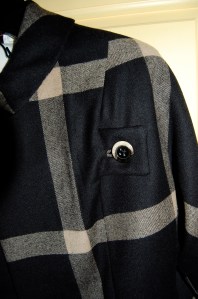
And here is a view of the one area which could not be matched, as that seam serves as a dart for the bust. But somehow, it looks okay, I think...
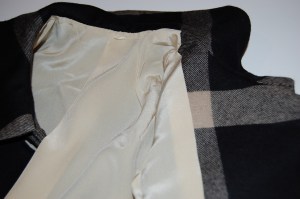
Finally here is a view of inside the neck, showing the lining and just a bit of the collar.

So – why did I say this project was “kind of” complete?   Well, wouldn’t a simple  blouse in that same lining silk be lovely?  I just happen to have enough fabric to make one (!) – and I’m thinking about using this pattern:
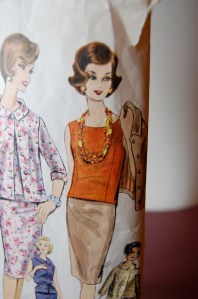
I think this simple shell would make up beautifully in that beige silk. What do you think? (I would wear it tucked in.)

Also, when I purchased the wool, I bought plenty to allow for matching those checks, and the wonderful salesperson at Britex cut the piece generously for me as well – many thanks, dear lady! So – I have enough left to make a simple lined  overblouse, which could be worn just with the skirt for a variation on a two-piece “little black dress.”  Memo to self:  move this idea to the top of my “sewing to do” list for next Fall!

3 Comments

Filed under bound buttonholes, kimono sleeves, Uncategorized, vintage Vogue patterns from the 1950s, Vogue patterns

Quiz: Match the fabric to the pattern

If you follow this blog, you’ll know that I have promised a “next” post on a suit which I’ve been working on.  Another project (non-sewing) has taken me away from it for a few days, so it’s not quite finished yet.  However, to keep my promise, I’m offering a teaser:  can you pick the pattern which I am using to make my suit?

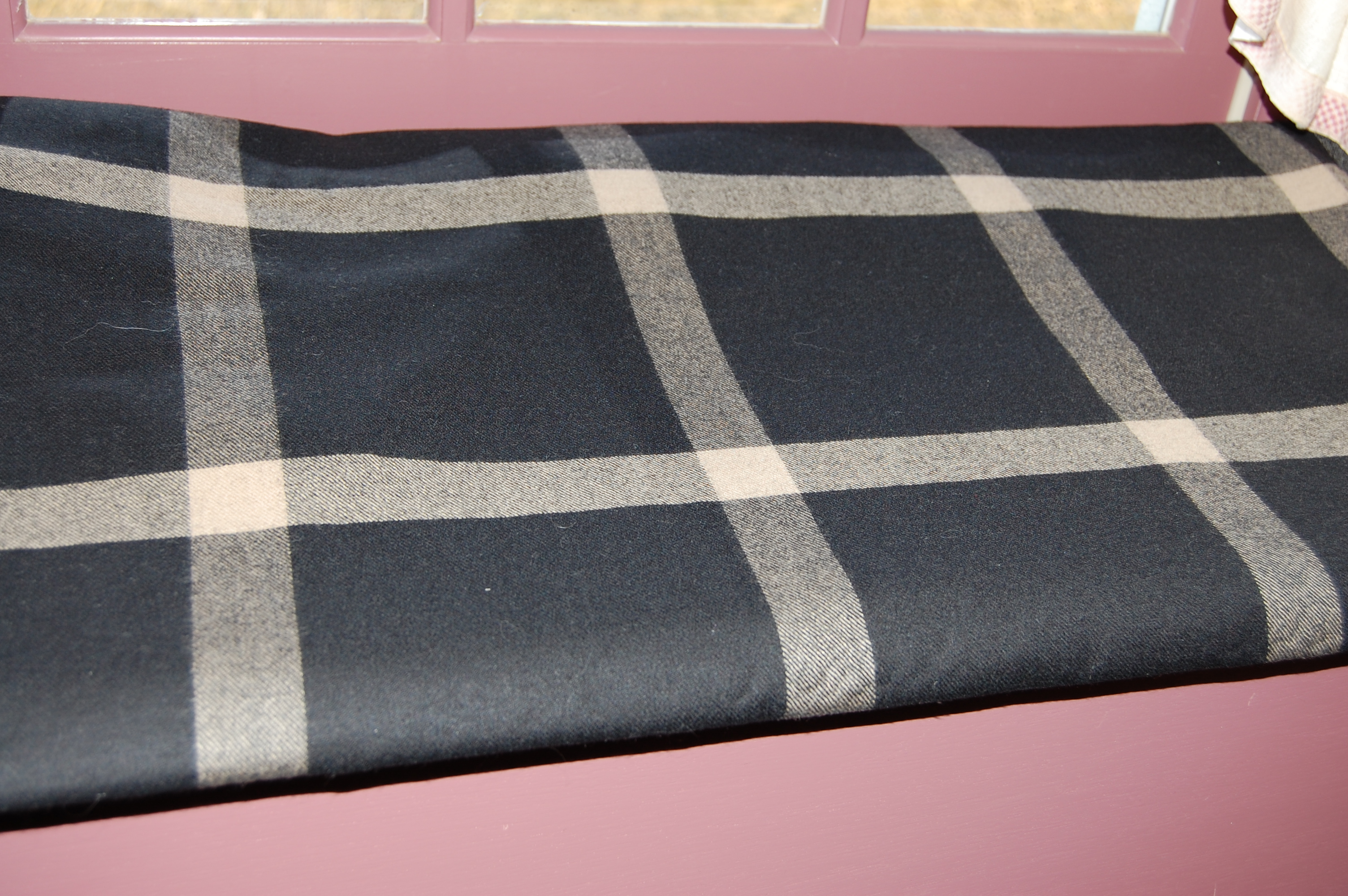
Here is the fabric, a lovely, finely woven and incredibly soft, windowpane check wool from France, which I purchased at Britex last summer in San Francisco:

The repeat on this fabric is 7", so it's a fairly bold check in soft black and beige

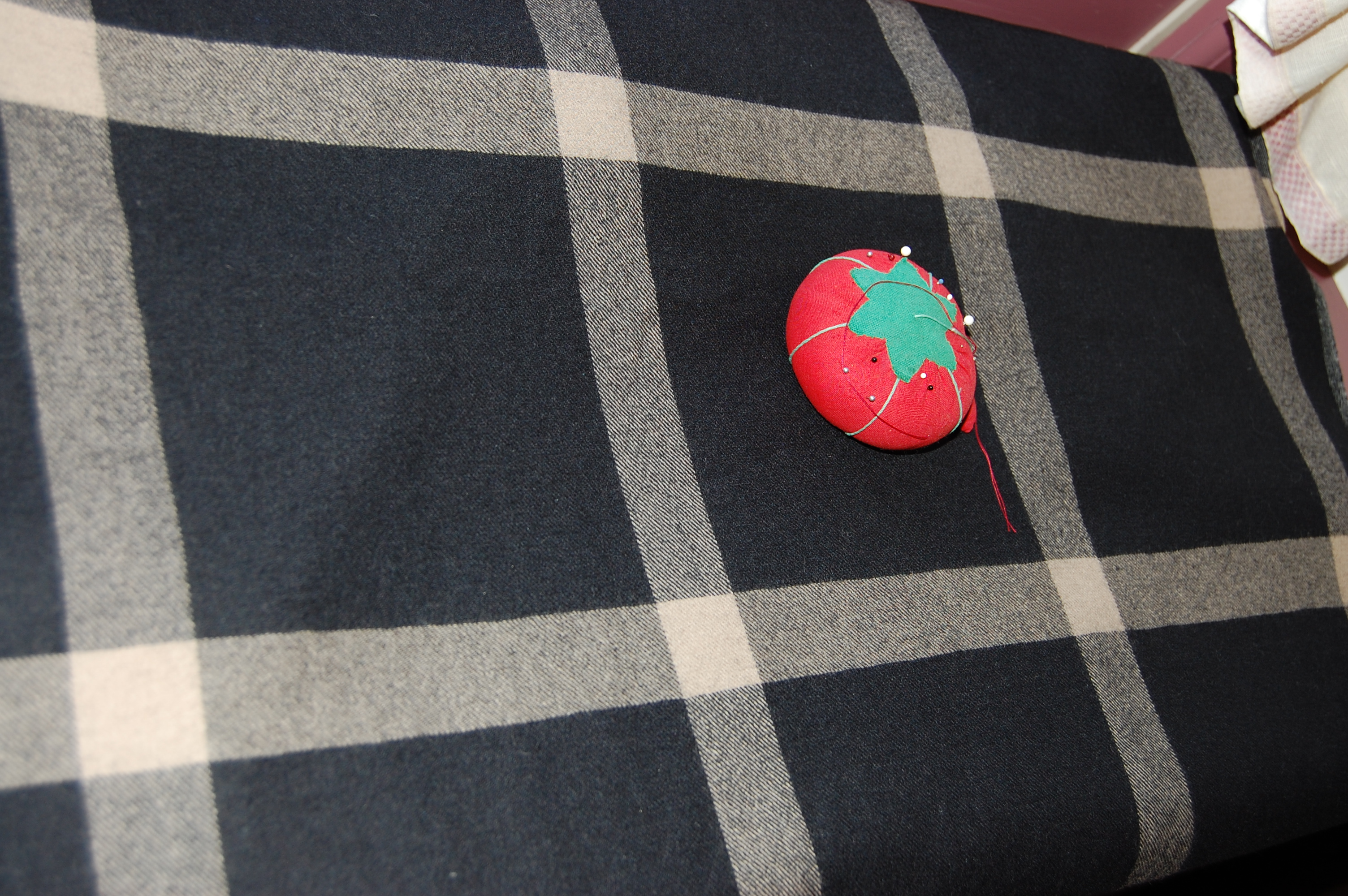
Here is another shot of the fabric, with my tomato pin cushion on it to help you determine its scale.

And here are four patterns.  Which one do you think I selected to make in this fabric?  (Click on the photos to see the patterns in more detail.)

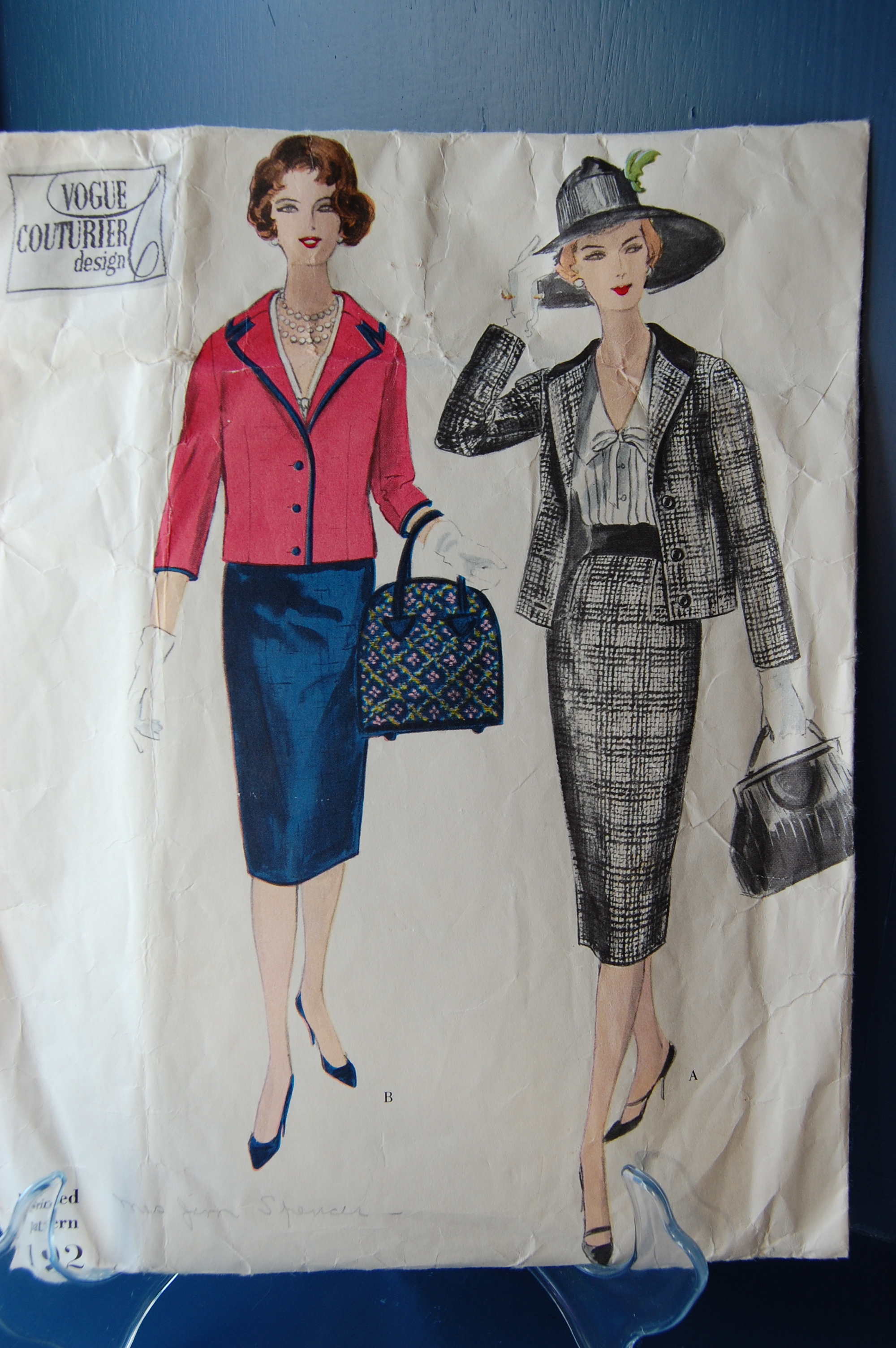
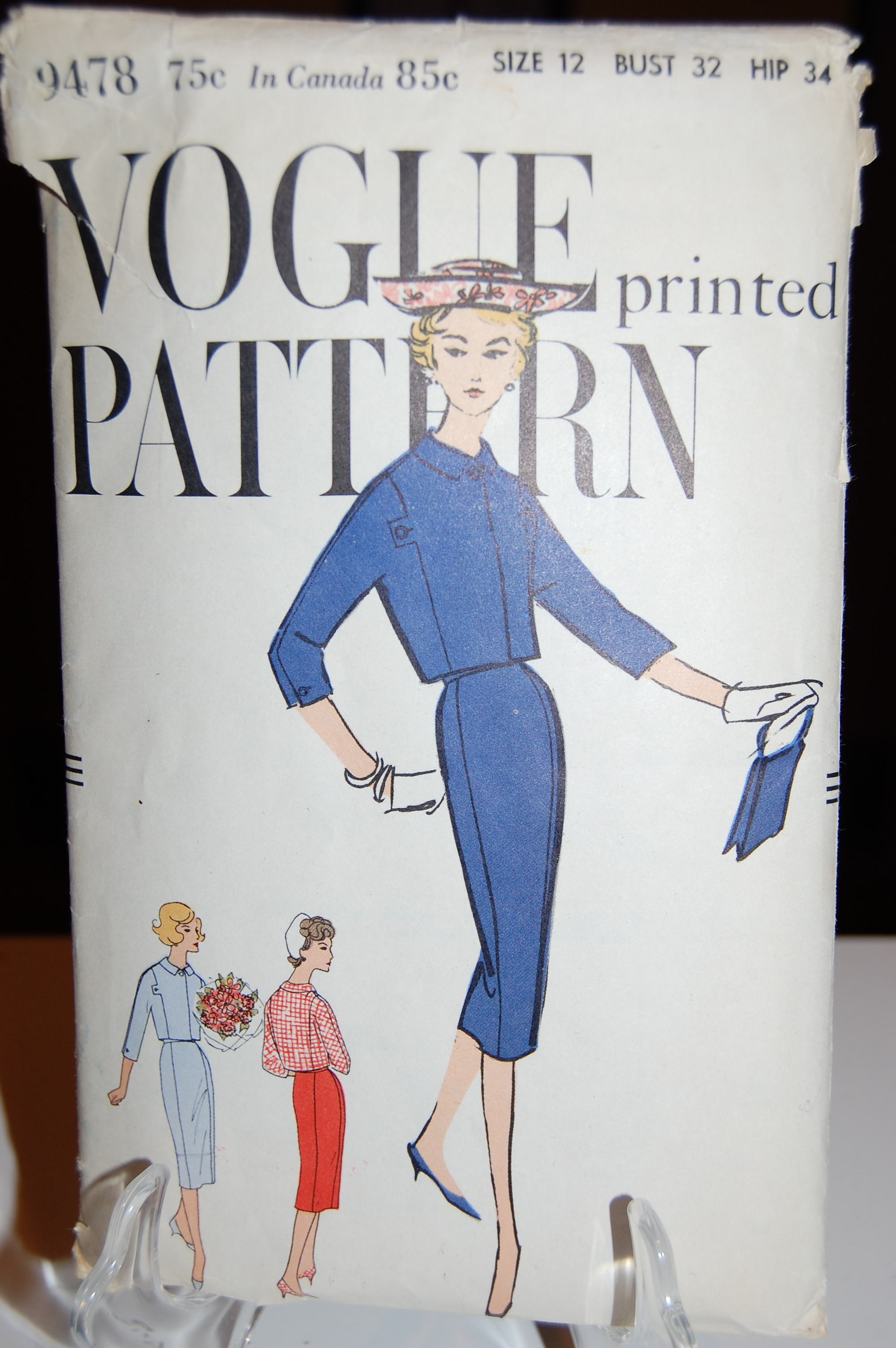
Choice # 1: This pattern is copyright 1958. I featured it in an earlier post.

Choice # 2: Here is another pattern which I have already featured in an earlier post. It is copyright 1959. This pattern includes the blouse pattern, too.

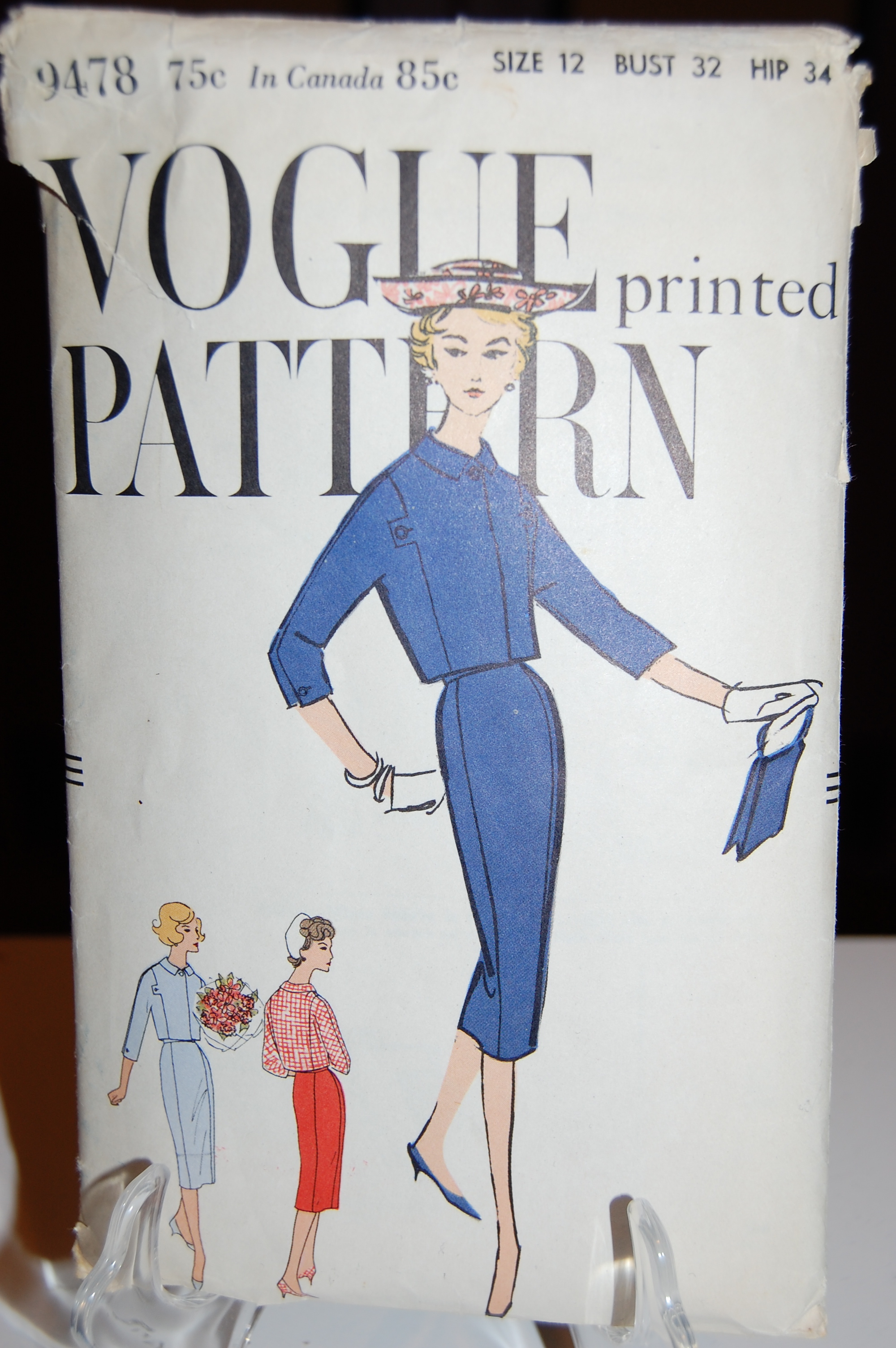
Choice # 3: This pattern is also copyright 1958. It has kimono sleeves rather than set-in sleeves, and the skirt has no darts; rather the seams are curved to fit the hips and waist.

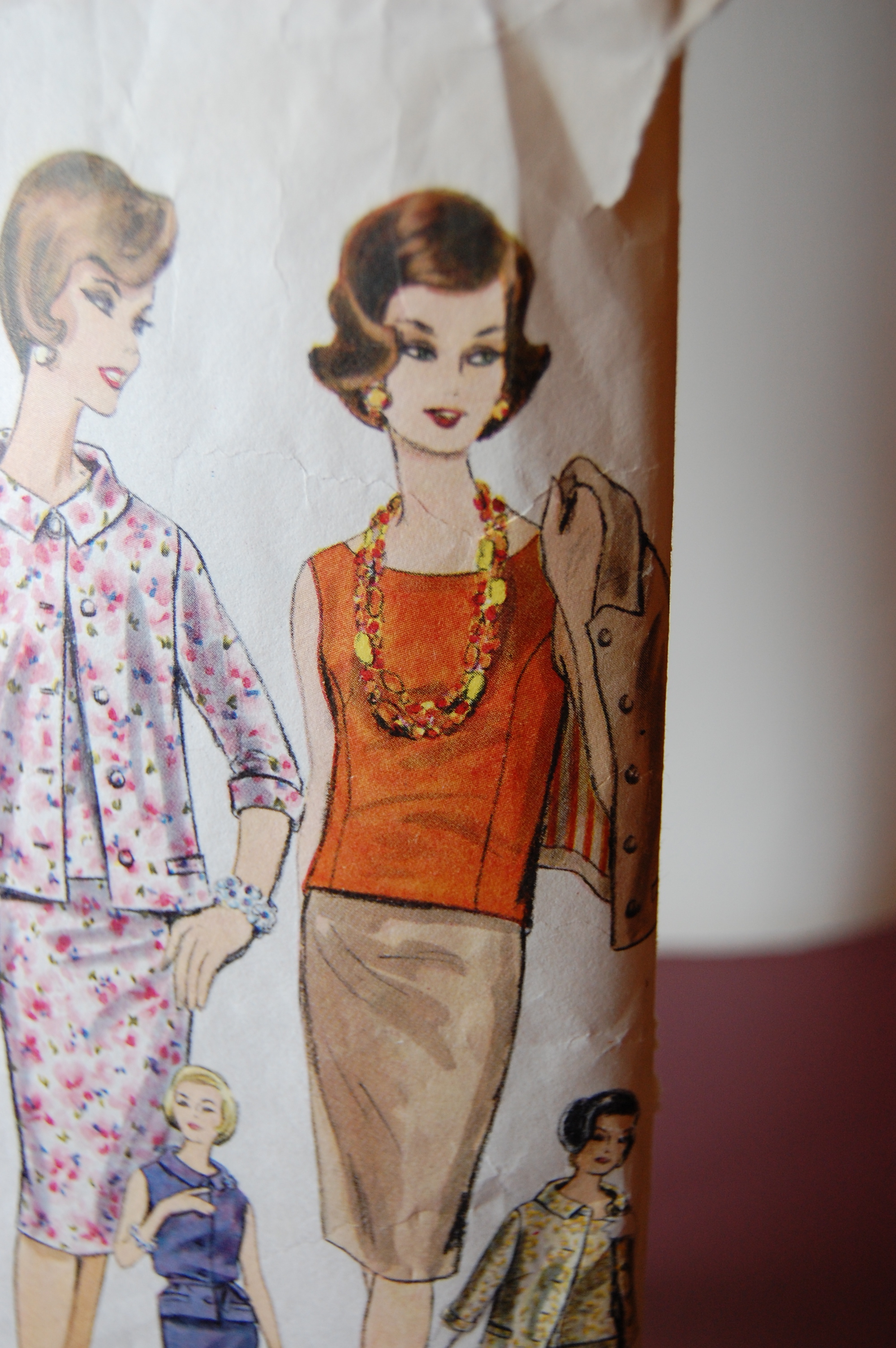
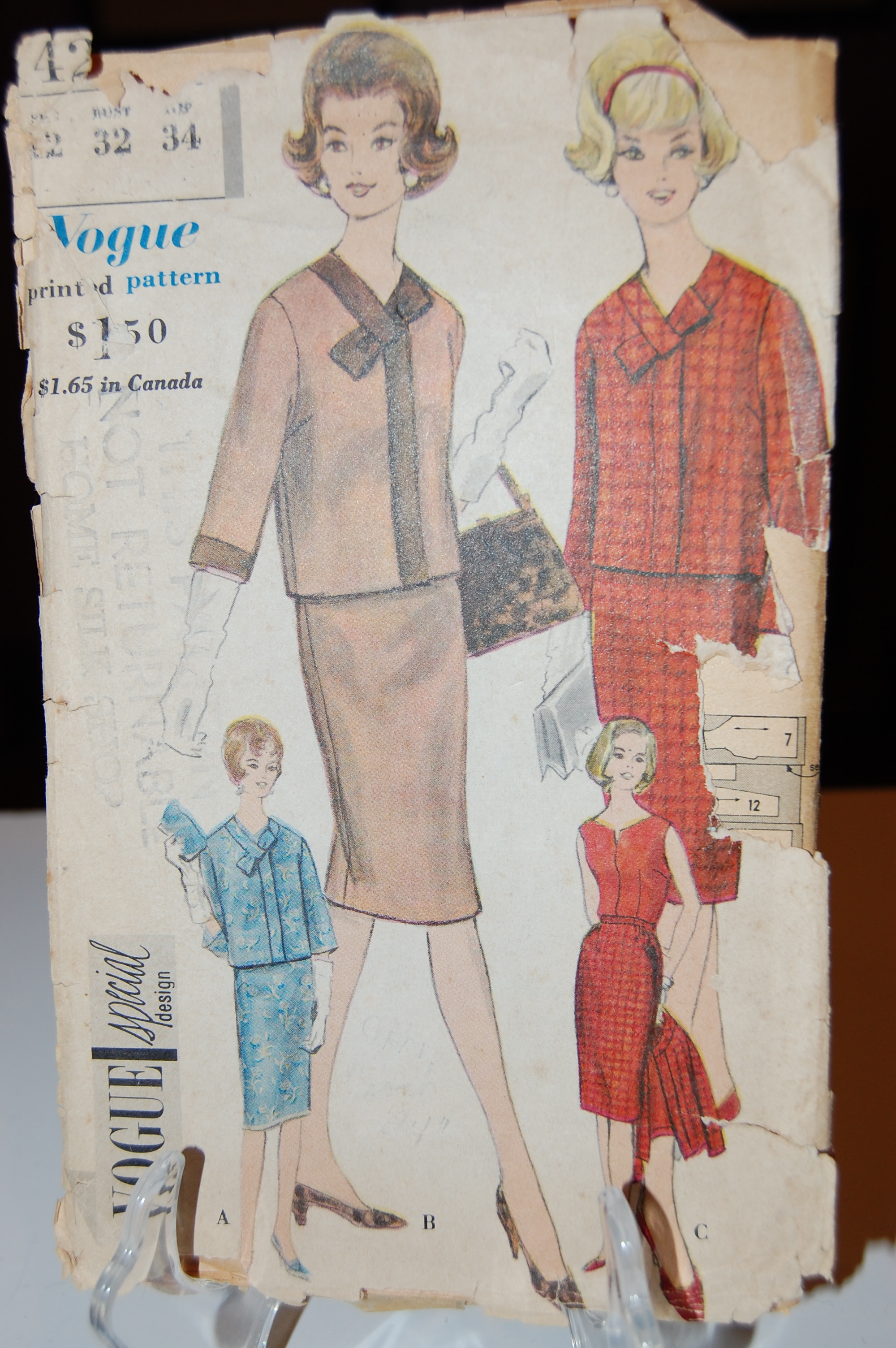
Choice #4: There is no copyright on this pattern, but I judge it to be from about 1962 (the hairdos and the increased pattern price are good clues!) This pattern also includes the blouse pattern.

Keep in mind that this fabric presents significant “plaid matching” challenges, which I had to consider when I decided on the pattern.  The more seams in a pattern, the higher the challenge (usually).  So – was I safe and cautious, or gutsy and daring?

5 Comments

Filed under The Conde Nast Publications, Uncategorized, vintage Vogue patterns from the 1950s, vintage Vogue patterns from the 1960s

Buttons, blouses and bijoux*

One of the often minimalized components of making a garment is the selection of fasteners (ie., buttons).  It’s easy to put so much attention to pattern and fabric, that when it comes to deciding on buttons, it’s “Oh, well, these will do.”  However, the wrong buttons can, quite simply, ruin a blouse, dress, suit, jacket, or coat.  And, the right buttons can add just the perfect accent.  So – how do you know what kind of buttons to choose?  Here are my guidelines:

First, the obvious.  Just as you match pattern to fabric to suit its weight, weave, seasonality, and ambience (how dressy or non-dressy it is), so should you choose buttons accordingly.  This includes texture of the button (rough, smooth, ribbed, etc.), style (fancy, sporty, novelty, etc.), size (usually the more buttons a garment needs, the smaller they should be), and weight (light weight fabric needs more delicate buttons, for example).

Second, I believe color is hugely important.  To select the correct color, I try to visualize the finished garment with different color buttons.  If you do this, your brain will automatically sort out what will work and what won’t work.

Finally, I think about what jewelry* (bijoux is an Archaic French word meaning an elegant jewel!) and/or accessories I will be wearing with a garment, and I take that into consideration when choosing buttons.  This is one reason why those of us who make clothing for ourselves are so fortunate – we can coordinate the look we want from start to finish.

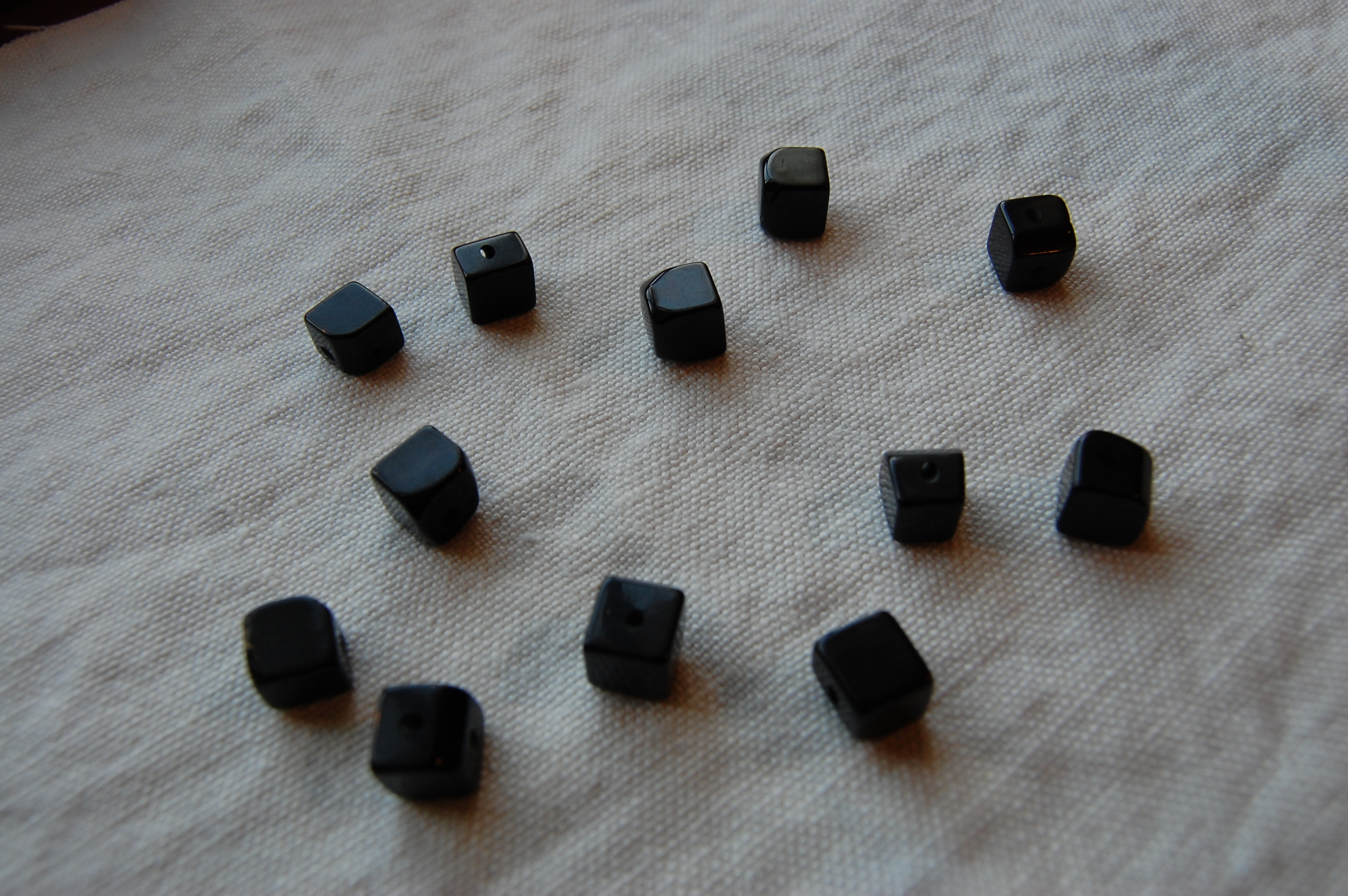
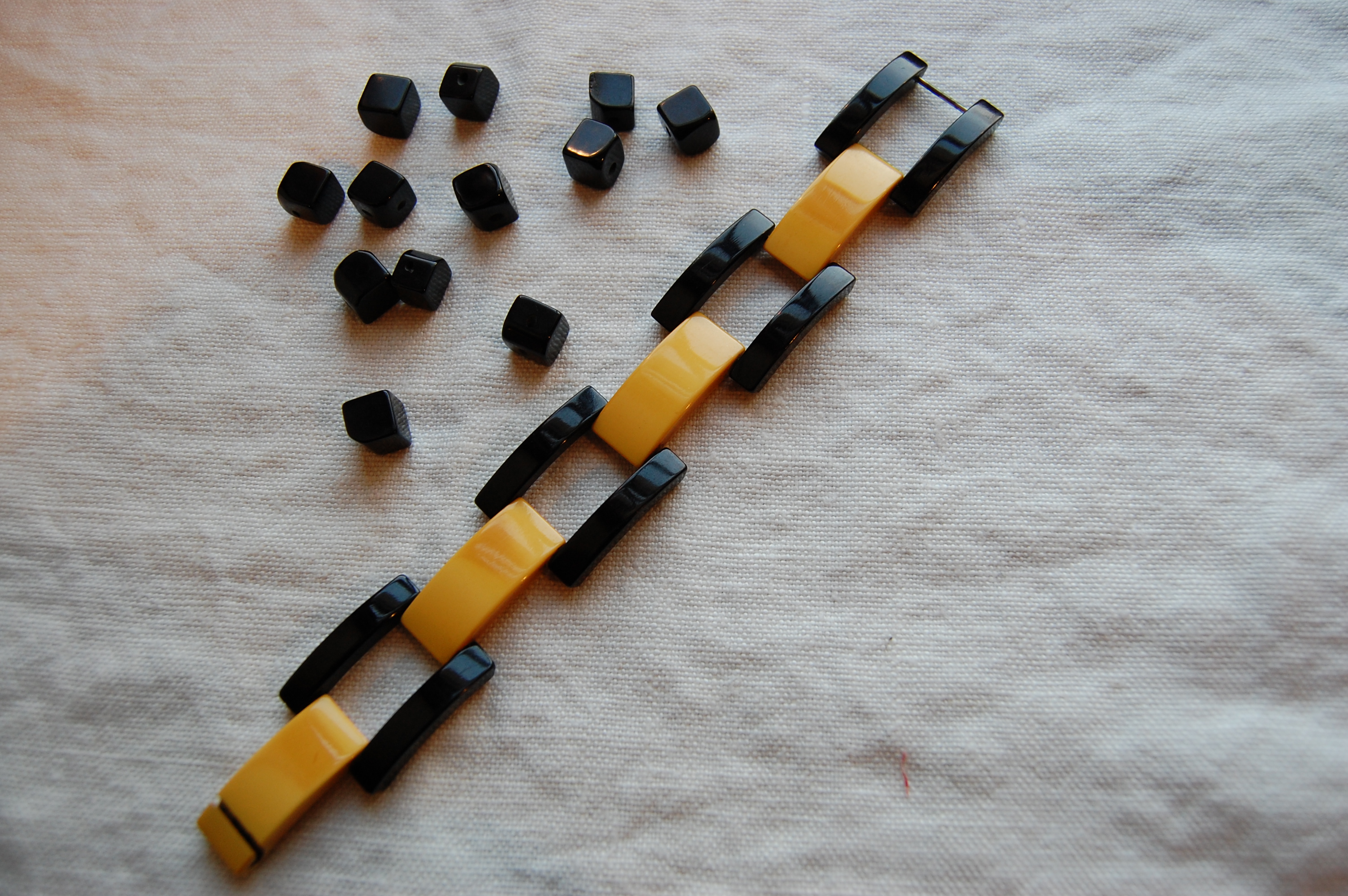
So – I’ll give you a peek at my just completed project, which incorporates these button guidelines.  But first, some background info.  Last July, I traveled to Massachusetts to spend a few fun-filled days with daughter Susanna, who lives in the Pioneer Valley.  We had an agenda (what women do not??), which included two trips to the Brimfield area.  Our first trip was to the Sturbridge Antique Textile and Vintage Clothing Extravaganza.  Susanna wrote about some of our purchases from this excursion on her blog, but here is a picture of a set of 12 black Bakelite buttons which I found at one of the vendors.

My set of 12 Bakelite buttons

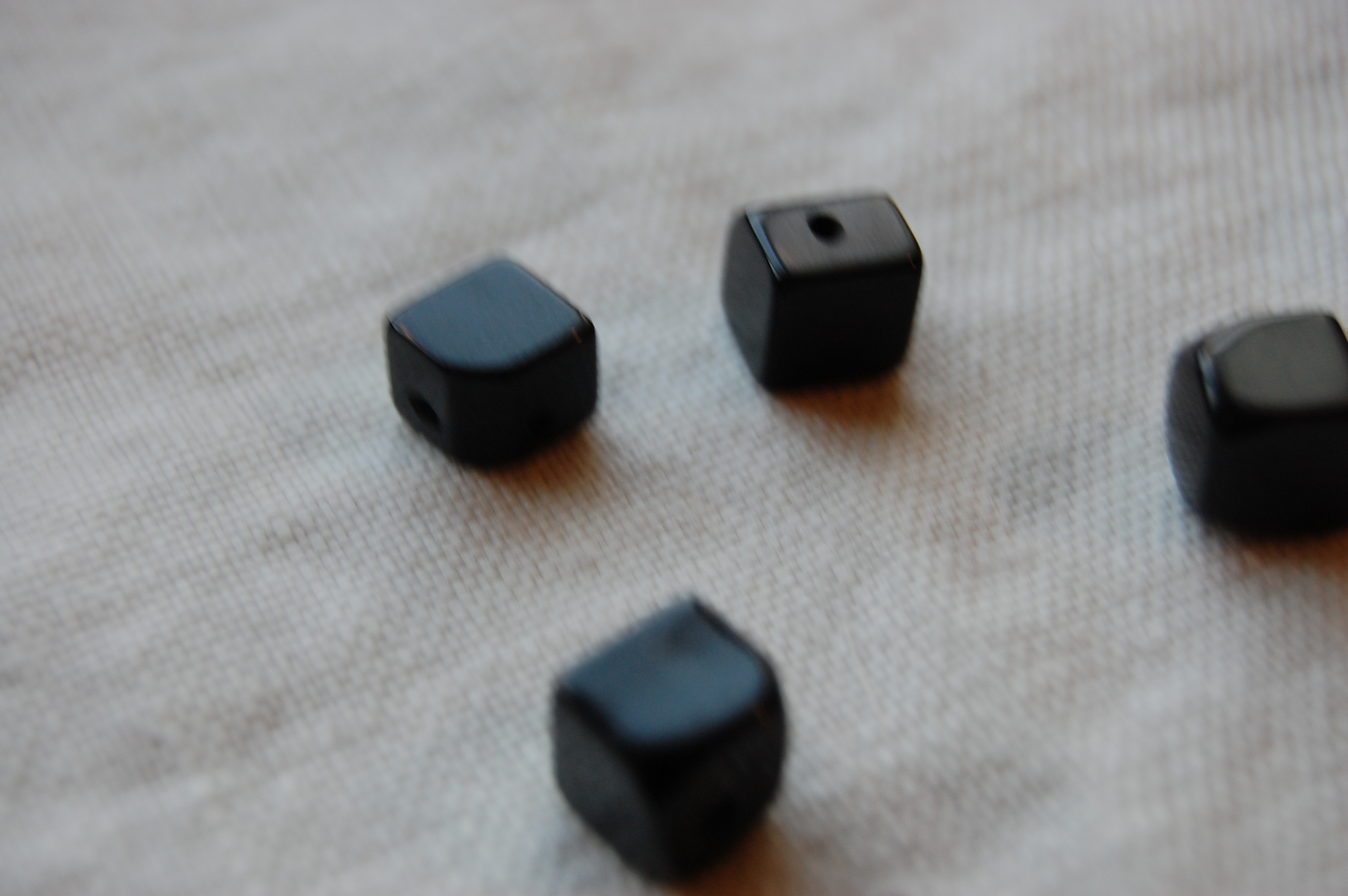
Here is a close-up of some of the buttons. Can you see the rounded corners on some of the cubes? This detail makes them more interesting!
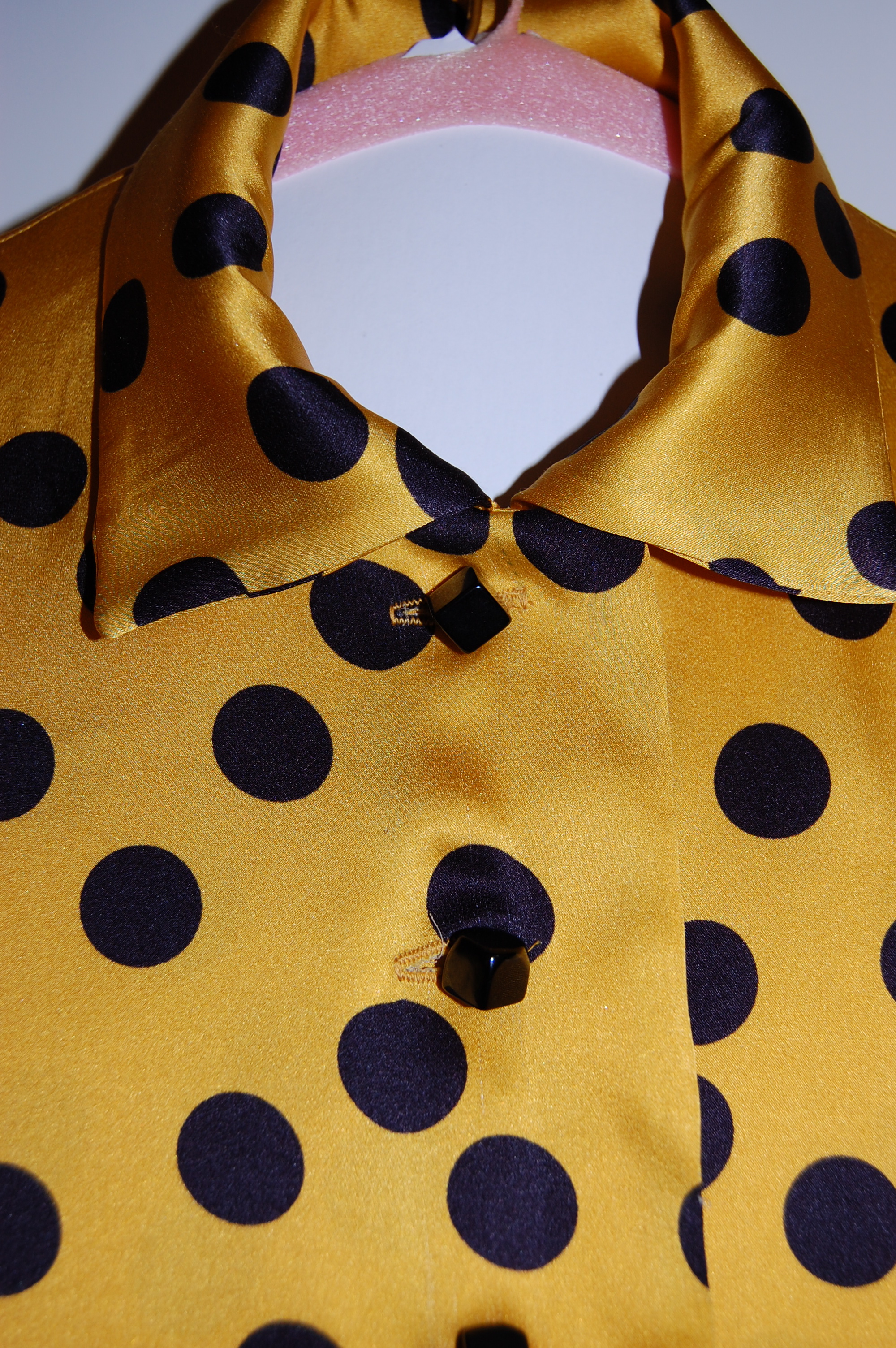
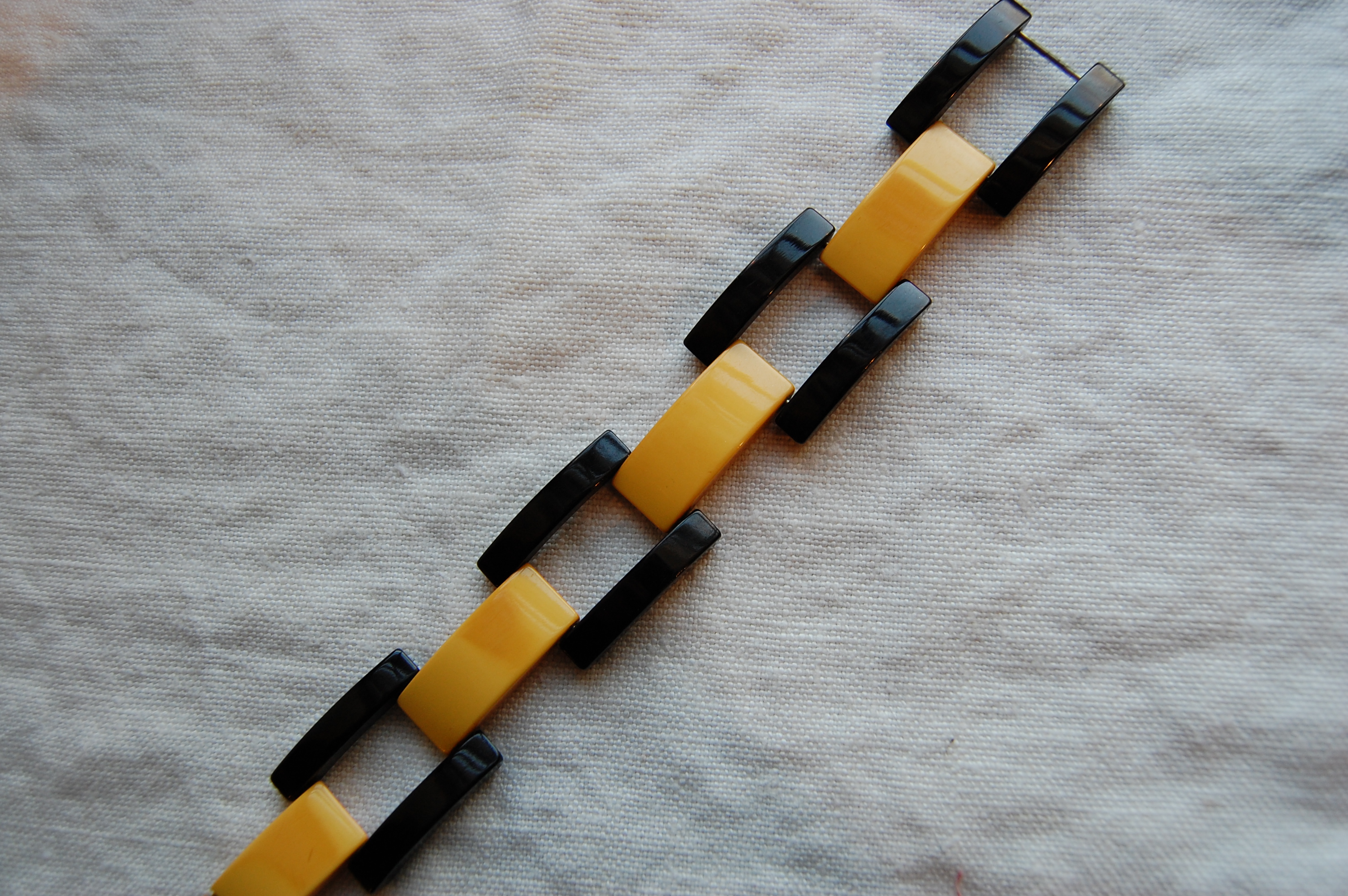
I bought them without knowing how or when I would use them, but they definitely had my name on them – and they came home to Pennsylvania with me!  What I would have loved to have also brought home with me was a black and yellow Bakelite bracelet, which caught my eye at another booth later in the day.  I resisted buying it as we had already done our part to support the economy…! What I did not know was that my sneaky daughter quickly purchased this bracelet while I went to the ladies’ room – and she, her husband Jon, and our son Nate surprised me with it for Christmas!  Here it is:

My Christmas surprise!

Here is the bracelet shown next to the buttons: obviously these were meant for each other!

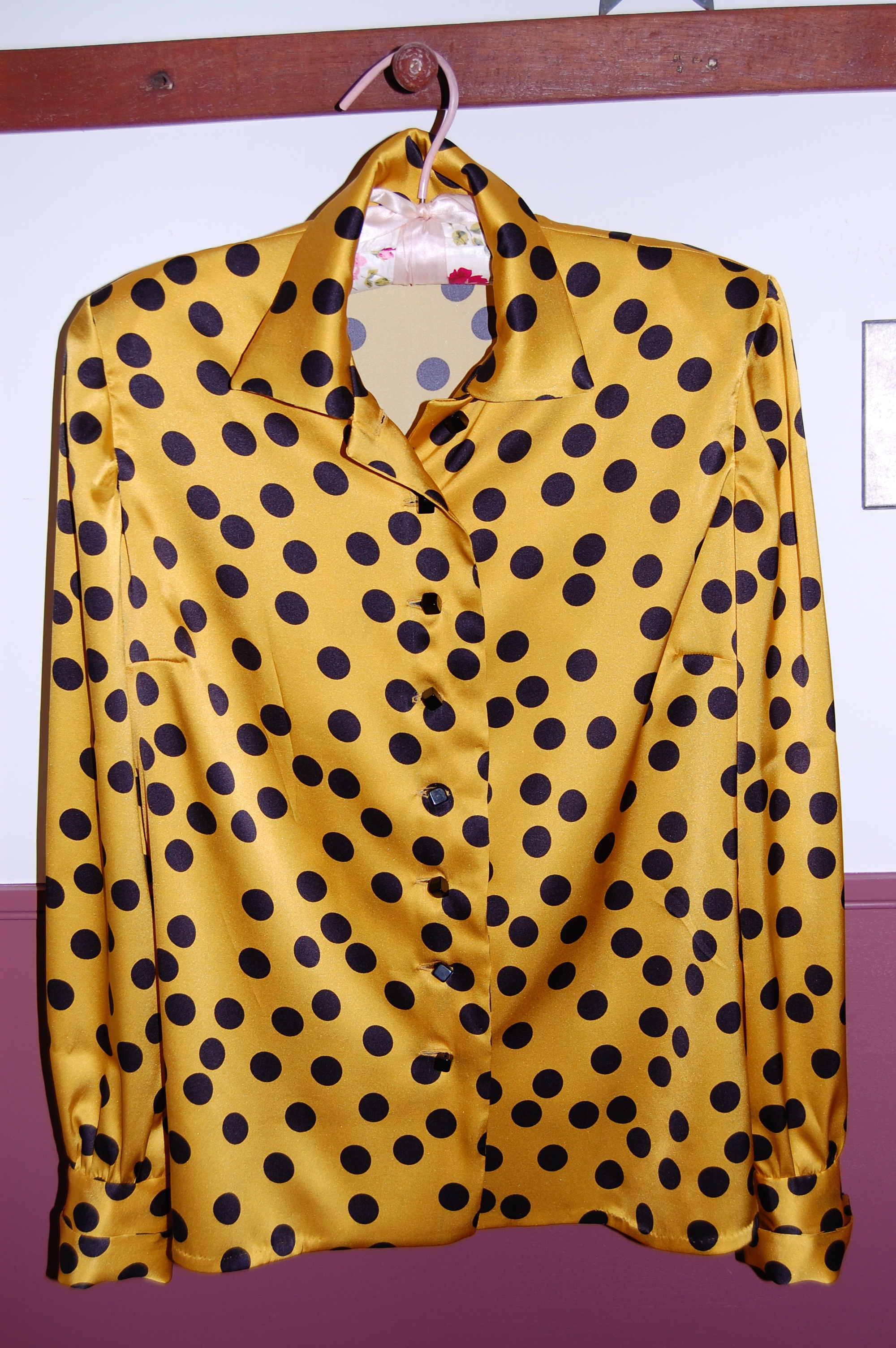
Now fast forward to the completion of this silk blouse:

The finished blouse made from a vintage Vogue pattern, complete with vintage Bakelite buttons

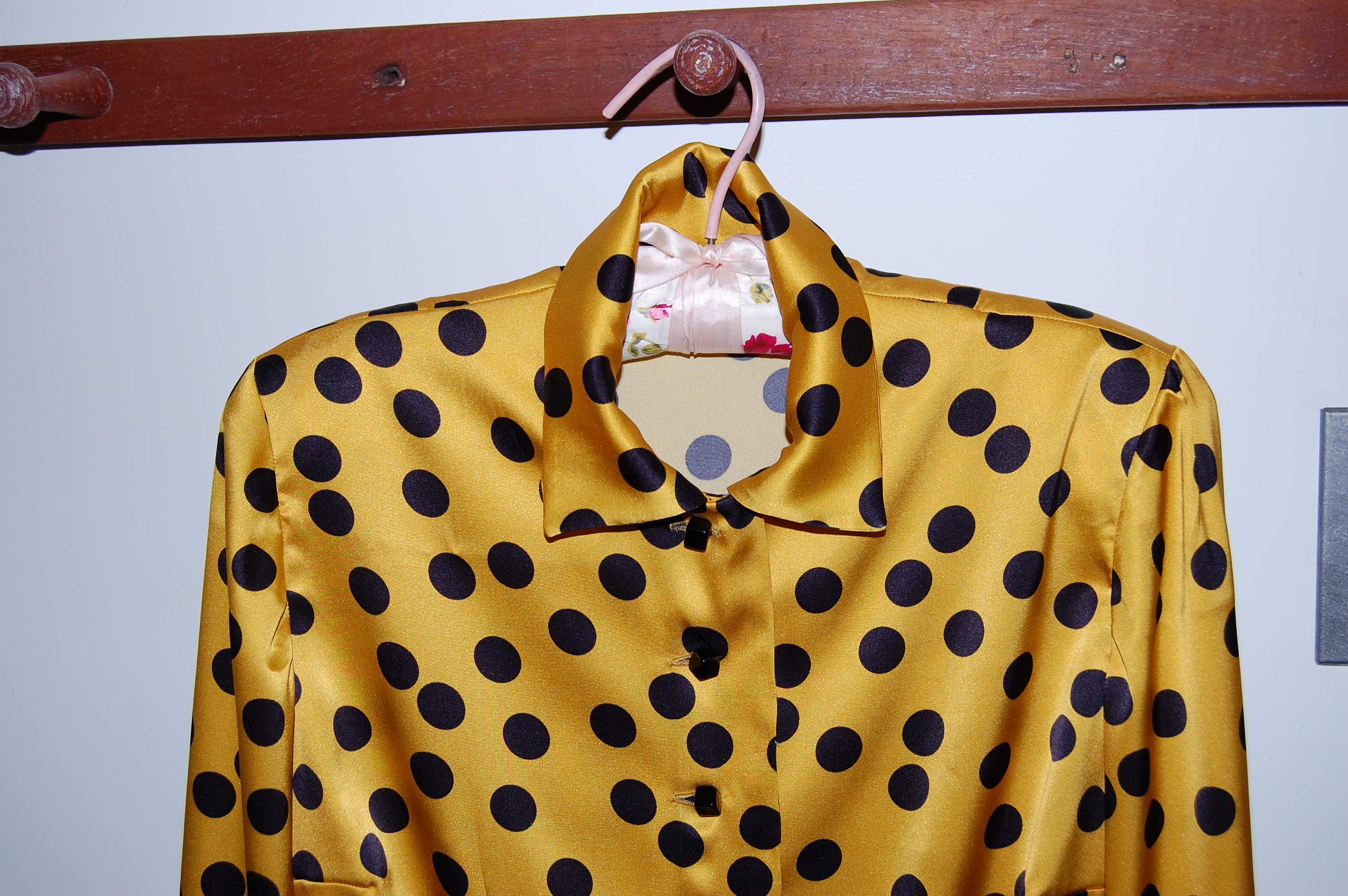
Here is a closer view of the blouse

Yes, I decided those Bakelite buttons would be perfect for it, and here is why:

–  The fabric, both in design and color, makes a statement, so it needs buttons which are not wimpy.  The square-ish shape of the buttons helps them stand up to those demonstrative polka dots without distracting from them.

And an even closer view...

–  Black is the only color I could picture using with this fabric (gold, yellow, white pearl or gray pearl did not visualize well for me…).

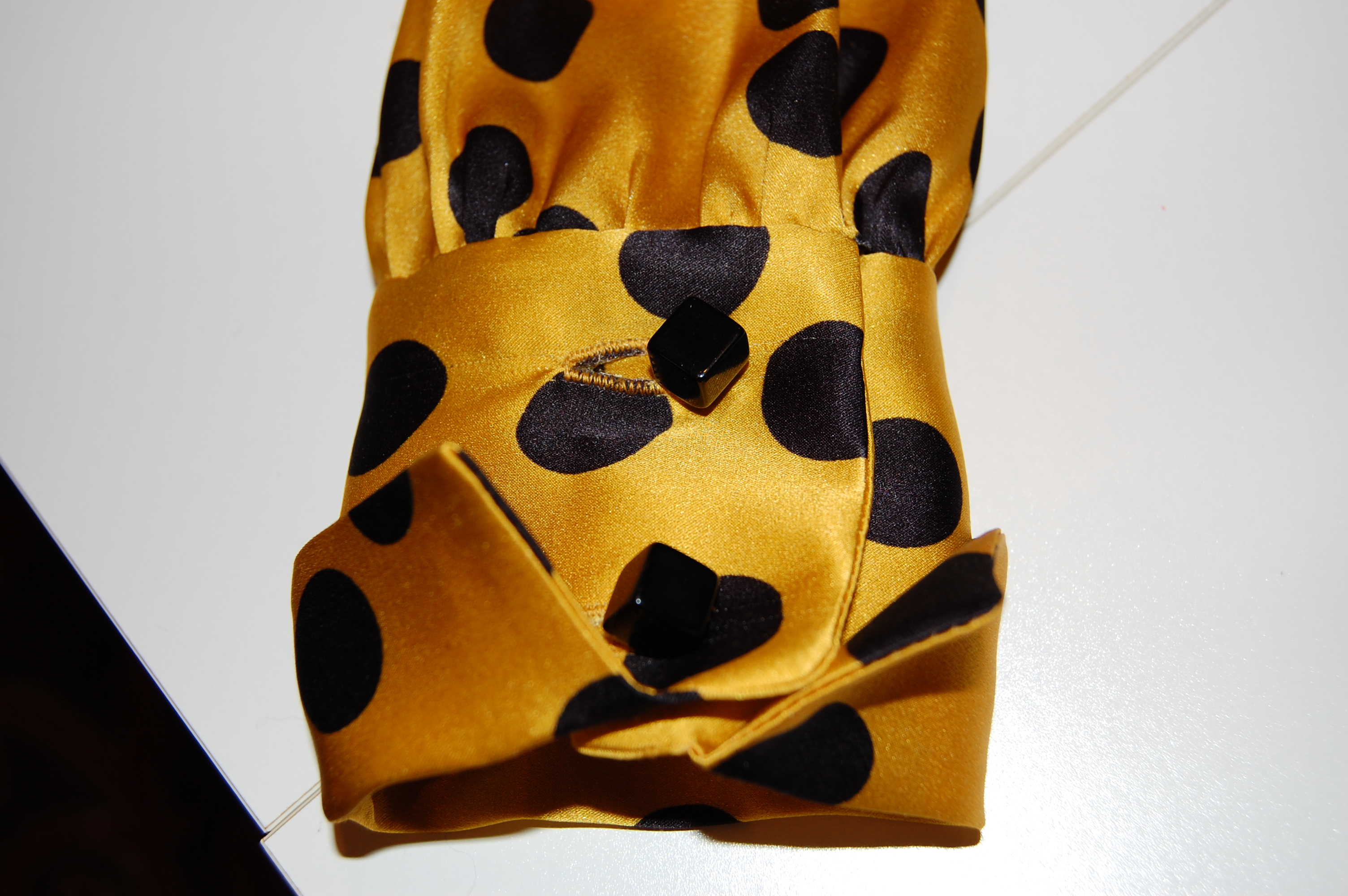
–  I thought the French cuffs (which I love) on this pattern would show to more advantage with buttons which have some heft to them.

Here is a close-up of the French cuff

These buttons are just heavy enough for the weight of this fabric, and finally…

–  I knew I would be wearing my Bakelite bracelet with this blouse!

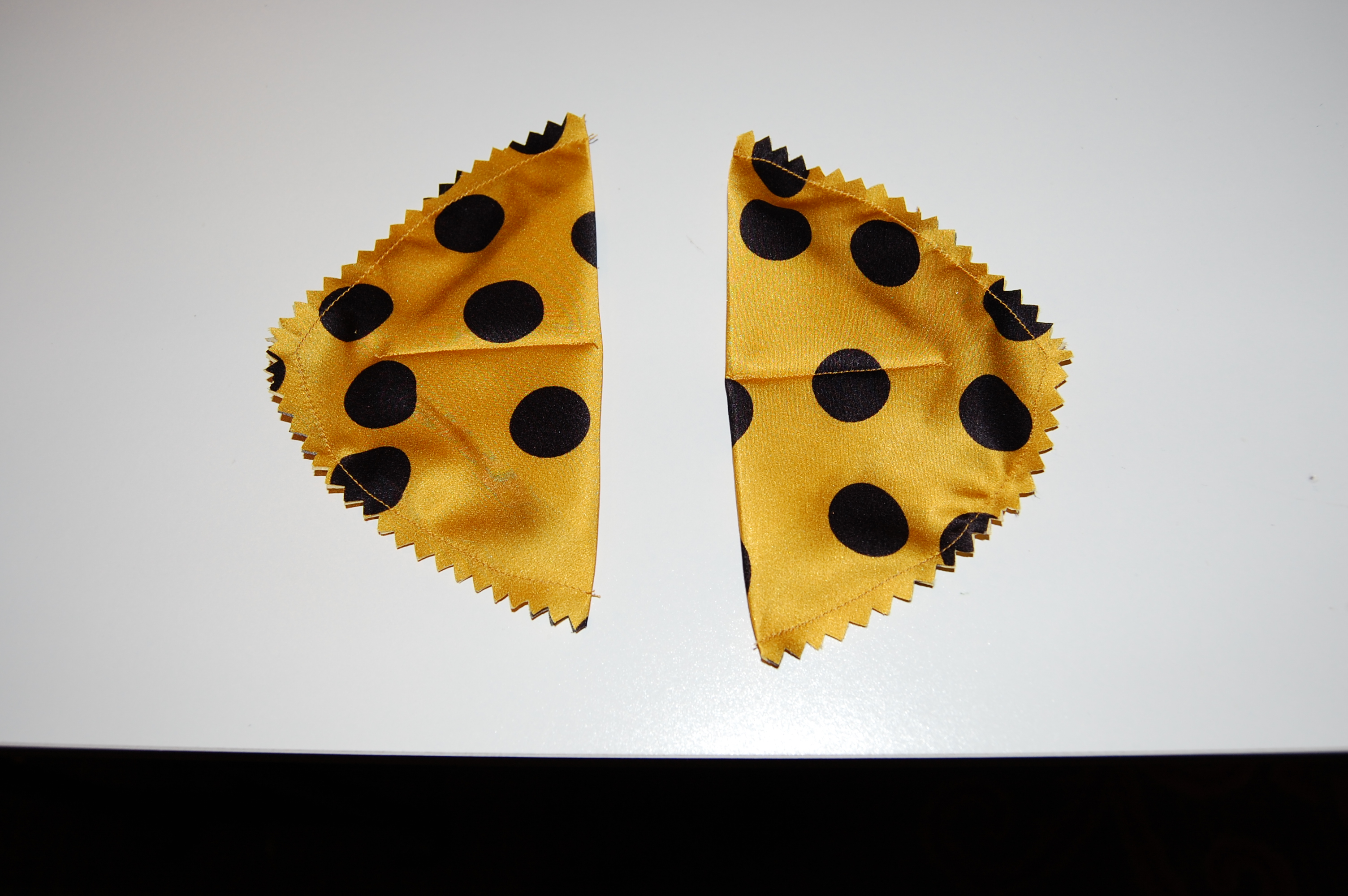
Well – I can’t end this post without showing you the shoulder shapes which I made fromVogue 7503, view F.

Here are the shoulder shapes before I positioned them in the blouse. The crosswise stitching makes them fit over the shoulder beautifully.

They turned out perfectly and are just the right thickness/softness/size for this blouse!

6 Comments

Filed under Bakelite buttons and/or jewelry, Blouse patterns from the 1950's, Buttons - choosing the right ones, Polka dots, Shoulder shapes (shoulder pads), Vogue pattern 7503 for shoulder shapes, Vogue patterns

Who has time for Resolutions when there is so much to be sewn?

Since my last post (before Christmas), my sewing room has gone from being Santa’s Workshop, wrapping station extraordinaire, and gift hiding space … back to SEWING ROOM (the seriousness of the subject demands the capital letters!).  All those satiny ribbons, and empty boxes (where can be found the occasional prickly tree needle or left over tissue paper), and straggly ends of wrapping paper rolls are all properly stored away for Christmas 2012, and all my sewing projects just marched out from the closets, jumped up on my work tables and are demanding attention – which I am only so happy to give!

So – here’s what’s happening:

In a switch from dressmaking, I am in the middle of making bed hangings to go on a “flying tester” (what is this??? you may ask), which will go in the master bedroom.  It’s a complicated project, which I’ve been working on for a while, and which will take a good bit longer to complete.  Once it’s done (and hanging), I’ll do a complete post on it, but here is a teaser for right now:

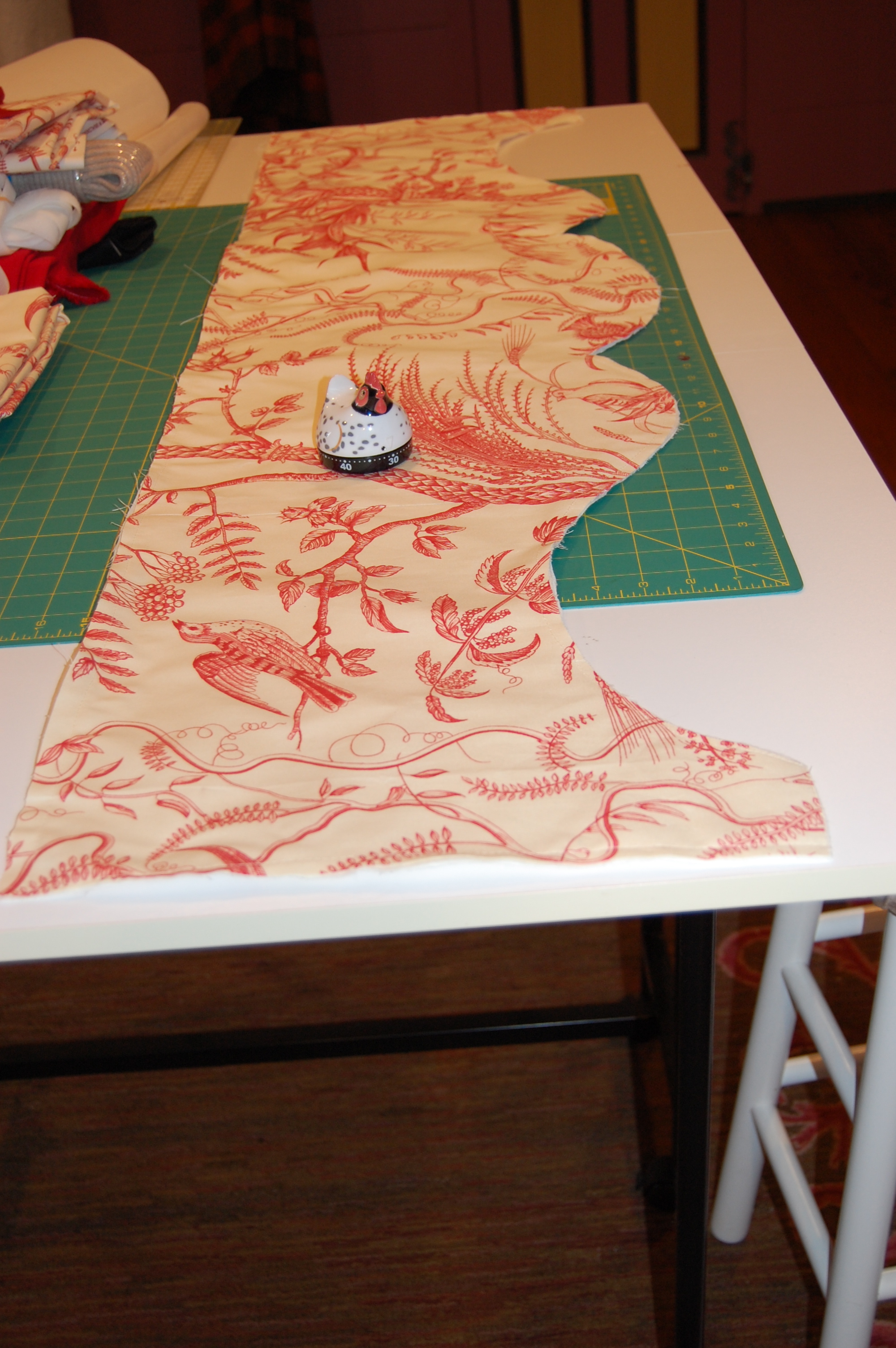
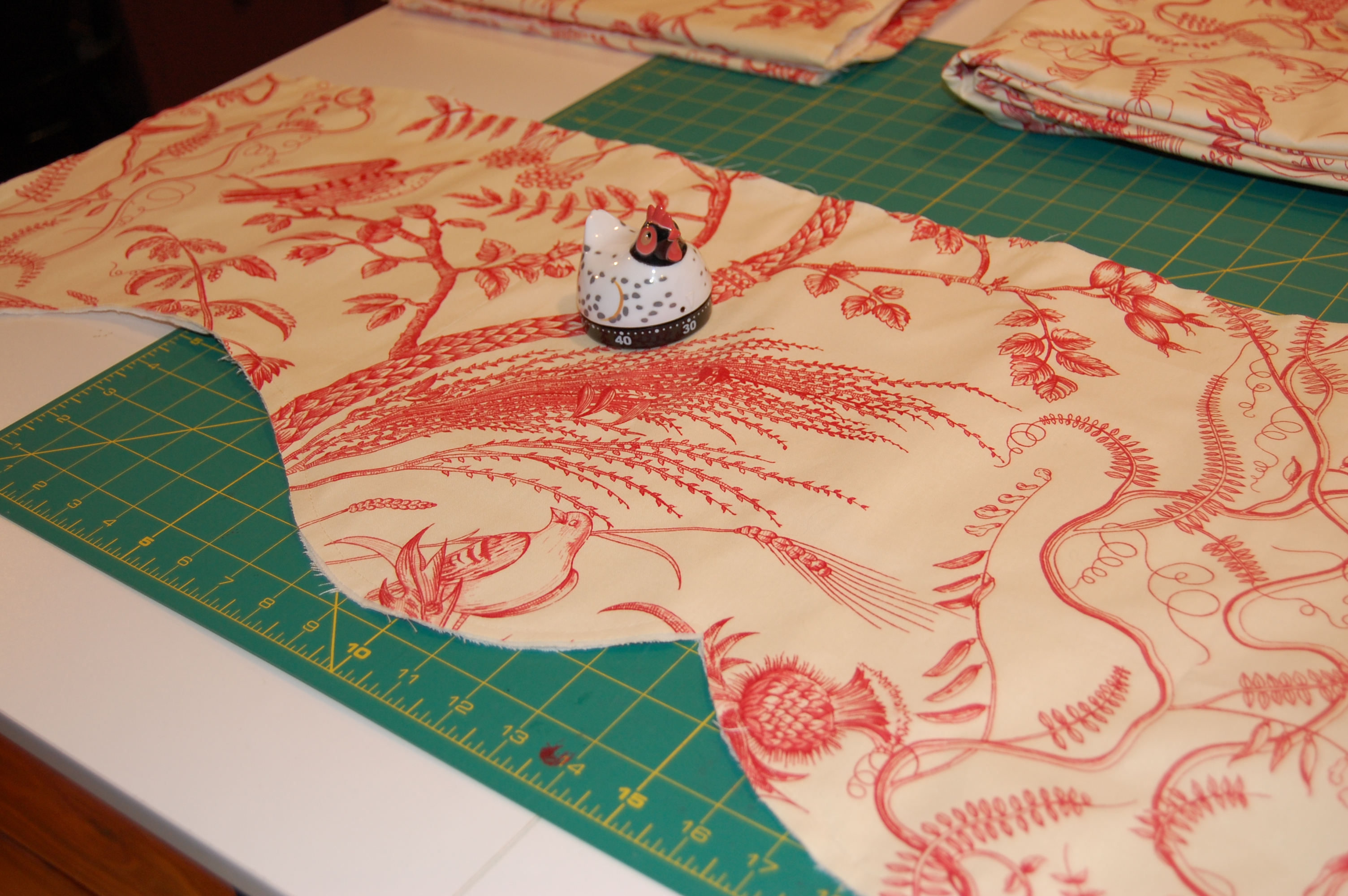
I have all the fabric panels and valances cut and ready to sew.  To make the pattern for the valances (these hangings will be structured ones rather than the more informal ones with gathered valances), I traced the scalloped headboard of our bed.  I copied the design exactly for the valance for the foot of the bed and added two more “scallops” to make the side valances fit the longer length properly.

This photo shows the scalloped design copied from the headboard of our bed.

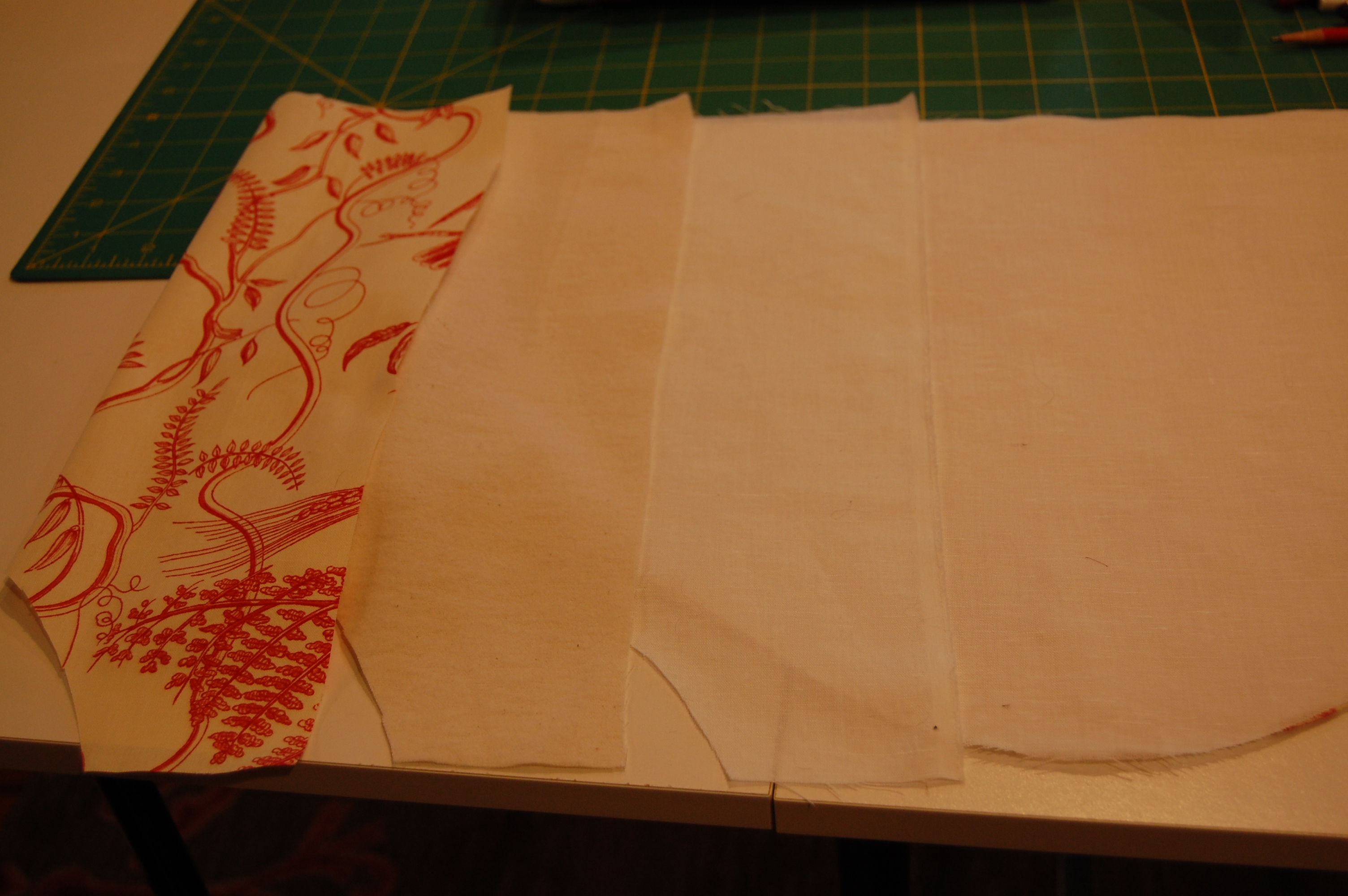
Each valance will be three layers thick – the decorative fabric (Brunschwig and Fils Bird and Thistle pattern), an interlining of drapery flannel, and the lining, which is a linen/cotton blend.  This should give them the correct “heft.”

Here are the three layers for each valance. From left to right, the decorative fabric, then the flannel interlining, and the linen/cotton lining

I have cut out yards and yards of bias tape in a lovely red linen blend and will be hand-applying this tape to the three finished sides of each valance.   I know it has to be hand-sewn to look right, so beware – I may be blogging from the funny farm before I get all this done.

Because I don’t enjoy making curtains, bed hangings, pillows and such, as much as I enjoy dressmaking and personal sewing, I fit these projects in, in smaller segments of time.  My most successful trick is setting my “chicken” timer (thank you, Barby R. for giving it to me!) for 45-60 minutes once every day or two and devoting that time to these projects.  It’s amazing how much I can get done this way and it’s never overwhelming or too boring.

Here is my trusty chicken timer sitting on her big project!

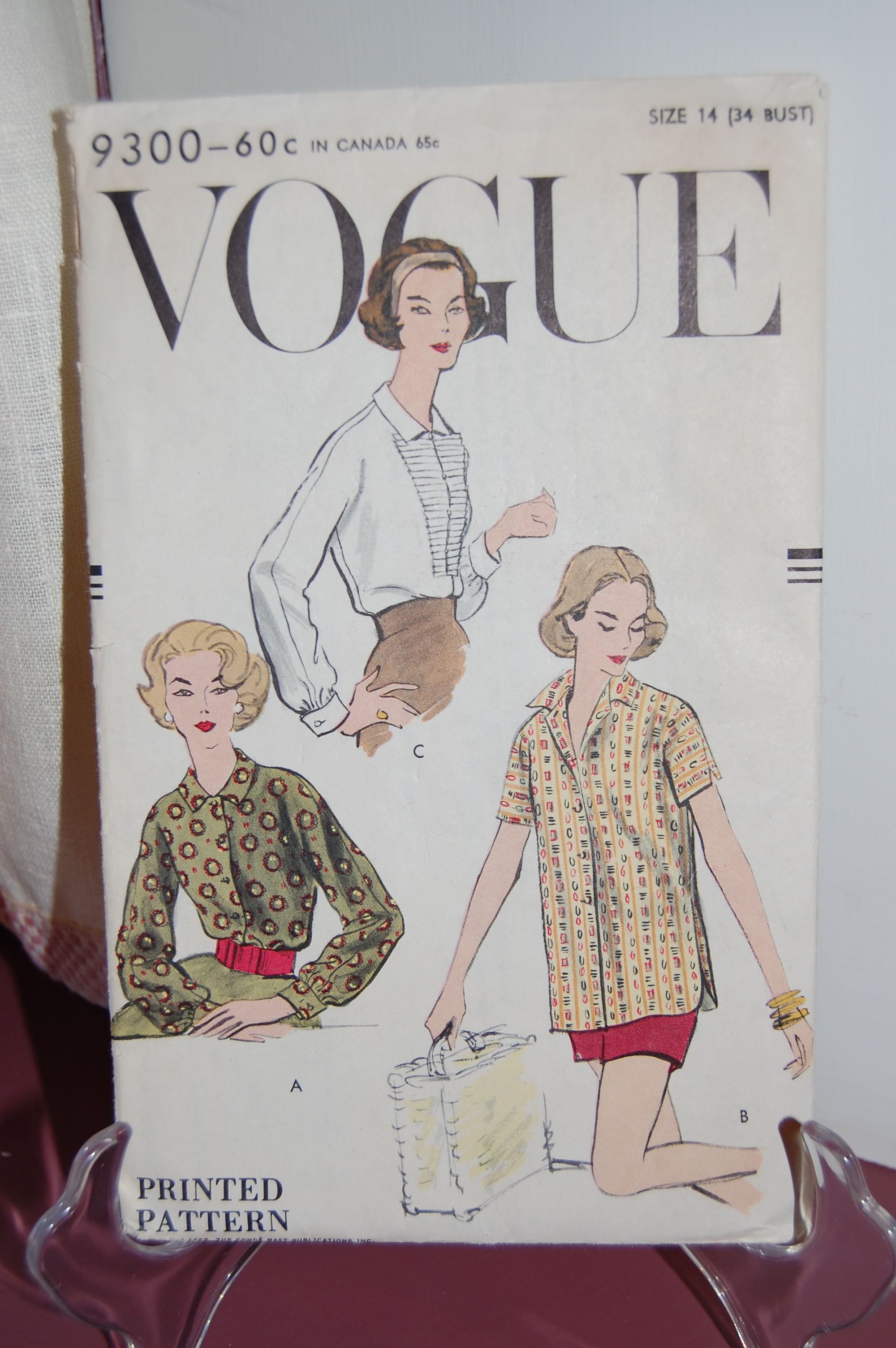
Now  – on to other things.  My first personal project for January is to make a long-sleeved blouse out of that yellow and black polka dotted silk I showed you back in November.  I found this pattern, which I bought with that fabric in mind:

I purchased this 1957 pattern, thinking that View A would make up well in the polka dotted silk fabric.

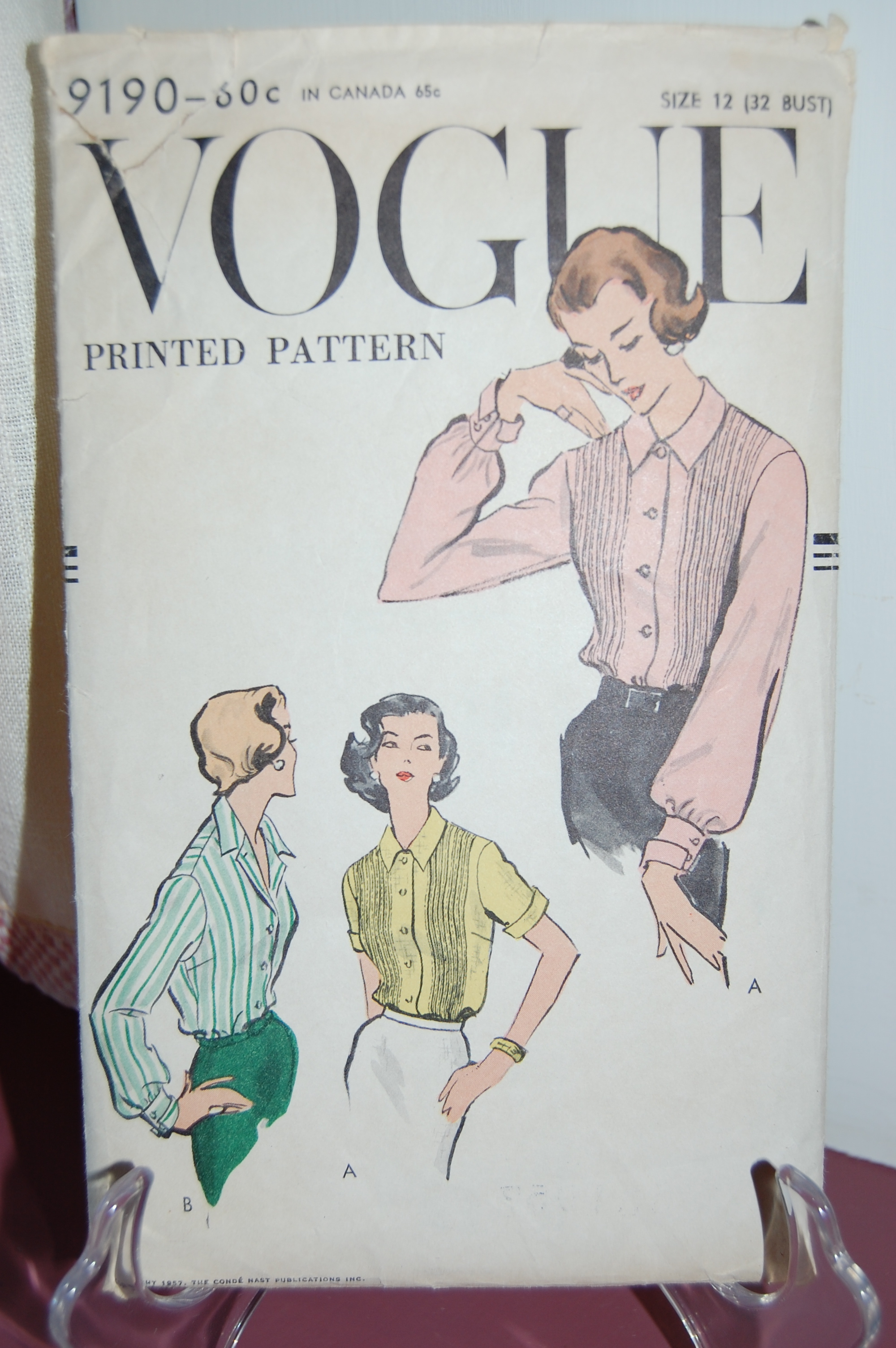
Unfortunately, as is sometimes the case with buying vintage patterns, I had to buy it in a size larger than I wear, and I was also a little concerned about the kimono – or dolman – sleeves, so I made it up in muslin first.  This was a good move, as I decided I wasn’t quite ready to make up such an expensive fabric in a pattern without as much “shape” to the body of the blouse as I had envisioned.  However, I love the shape of the convertible collar.  In the meantime, I came across this pattern on Etsy:

This pattern is also from 1957. I love the tucks in the pink version, but they would not be appropriate to use with a polka dotted design. View B is constructed without tucks - perfect!

It has set-in sleeves, which I like; very petite French cuffs, which I love; a few darts to make the fit a little tidier; and it was available in my size, which takes some of the guess-work out of it.  The only thing I don’t like as much is the collar, which has a longer point than I want.  To fix that, I overlaid the one collar pattern on the other one and drew a new collar.  Voila!  I am ready to cut it out.

And – Yes, I actually do have some Resolutions for 2012 (besides all the normal ones).  For one, I’m going to use my chicken timer to help me get my kitchen cupboards and pantry shelves all cleaned and reorganized.   Cluck, Cluck!

2 Comments

Filed under Blouse patterns from the 1950's, Polka dots, Uncategorized, Vogue patterns

Lessons from 1953

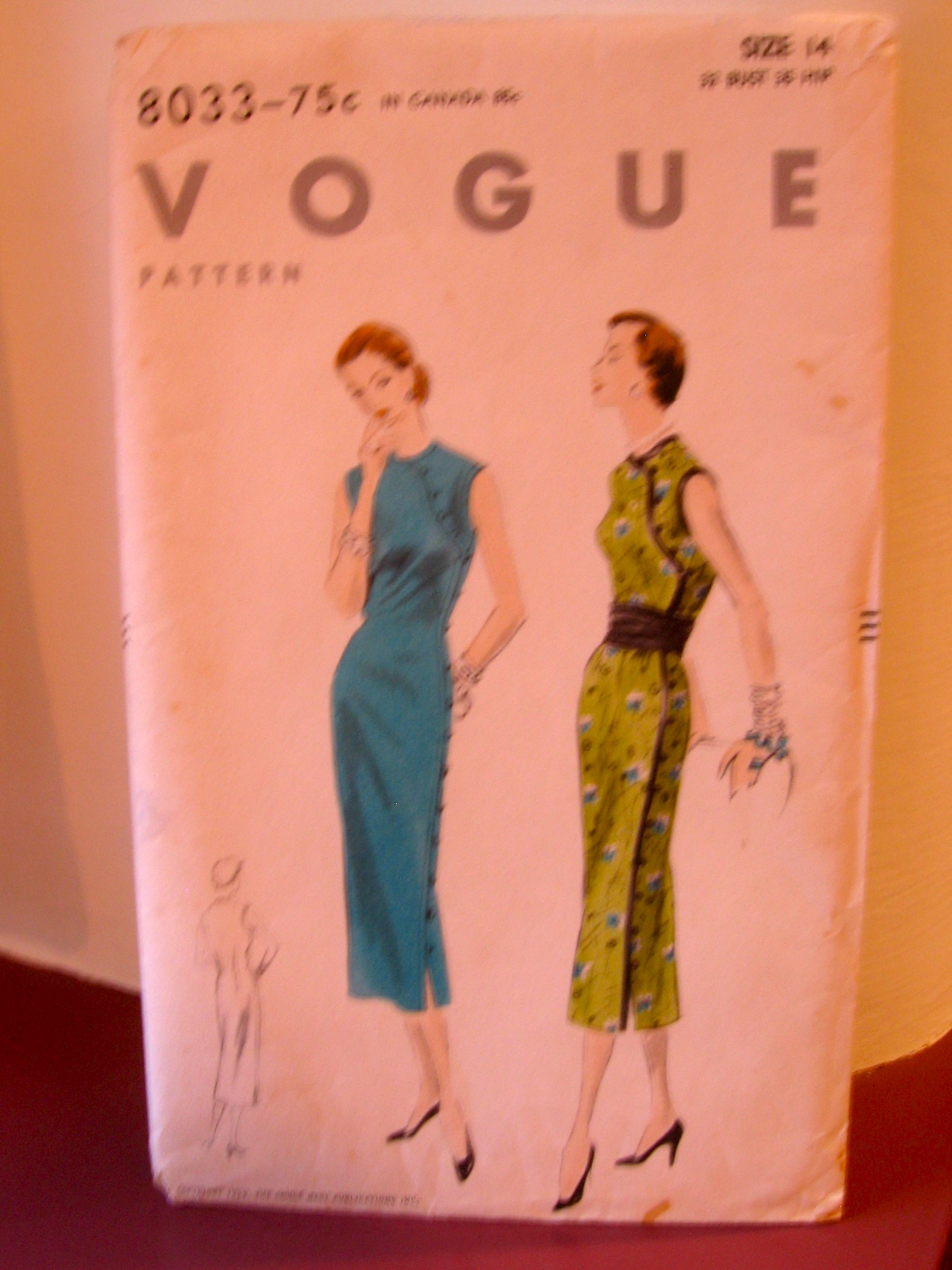
When I first discovered vintage Vogue patterns on eBay last Spring, I was delighted to find that most of the patterns from the 1950s were dated, usually with a line which stated, for example, Copyright 1956 The Conde Nast Publications, Inc..  It took me a couple of weeks to realize that I should also be looking for another important bit of information on the pattern cover: the words Printed Pattern.  I discovered this the hard way;  I purchased a pattern, dated 1953, that was not printed.

I've always liked Asian-inspired dress designs, and I thought this one from 1953 was so pretty. Do you see the size on this pattern? Yes - it's a 14! That's the size one wore in 1953 to fit a 32" bust and 35" hip.


I remember my mother mentioning how difficult unprinted patterns were to use – and I was about to find out why! The tissue pattern pieces were only marked with small holes of varying sizes;  to try to make sense of these markings, I had to look at the instruction layout sheets and translate if they were for a dart,  a stitching line, a pivot point, or some other detail.

These particular pattern pieces had never been used – and I must admit I felt a little guilty taking them from their envelope where they had quietly lived for so many years and pinning them onto my fabric, but pin I did.  I cut that baby out, marked that nebulous galaxy of pattern holes as best I could with chalk, and proceeded to sew, following the directions precisely.

The first thing I realized was that the bust darts were a little too high, but that was an easy fix (seam ripper and redrawing the dart lines).  These early patterns say that the dress should be fitted over the proper foundation garments.  (I don’t think they meant just comfy bra and cotton panties.) Anyone who has watched old movies or even Mad Men recognizes that mid-century look of the pointed and properly perched bosom! That’s one mid-century look I’ll forego.   So that was adjustment # 1.

I lowered the bust line by re-placing the darts.

Next, do you see that band that runs the length of the dress?  The pattern pieces for that were shaped to match the curve of the neck and across the chest.  I thought to myself – now why not just use a bias piece of fabric, which I felt would take the curves better and be easier to topstitch without puckers.  But I followed the pattern exactly – and wouldn’t you know, I had exactly those problems topstitching the curved areas.  As if that were not bad enough, when I tried on the partially completed dress, the neck fit too high and tight, rumpling up the shoulders and it looked awful.

I was going to have to re-cut the neckline, to make it larger. In doing that, I knew the neck area of the band, as it was cut out, would no longer match the new neckline.  I was going to have to piece in another section.  This was not fun, and I was beginning to think this lovely blue dupioni silk was going to end up as a skirt instead of a dress.  But I went back to my original thought – and cut a bias piece to fill in that recut section.  It worked!  That was BIG (ver-r-r-ry BIG) adjustment # 2.

Here is the recut neckline. I was able to hide the pieced seam under the front flap.

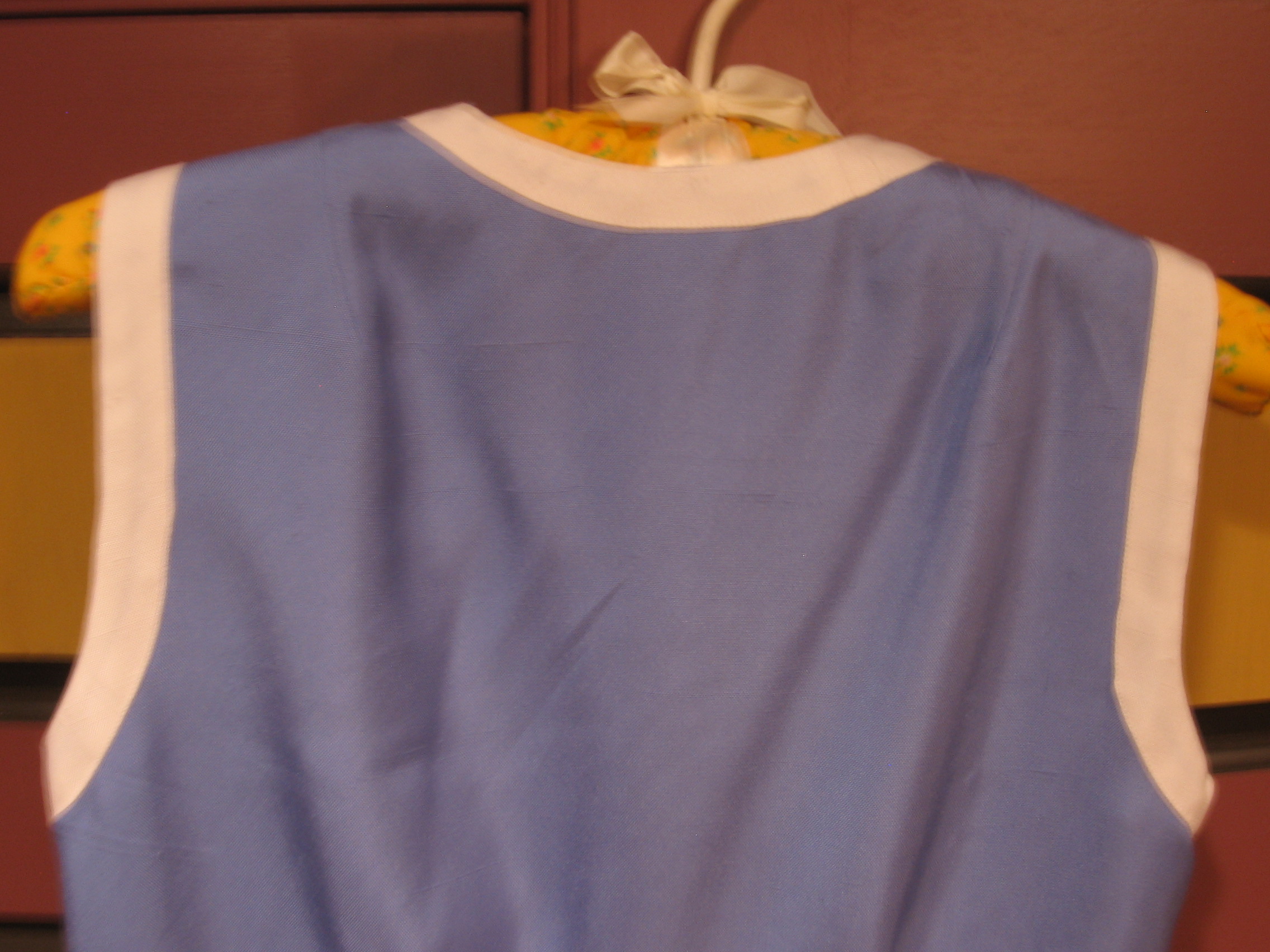
Here is the back of the neckline after I recut it.

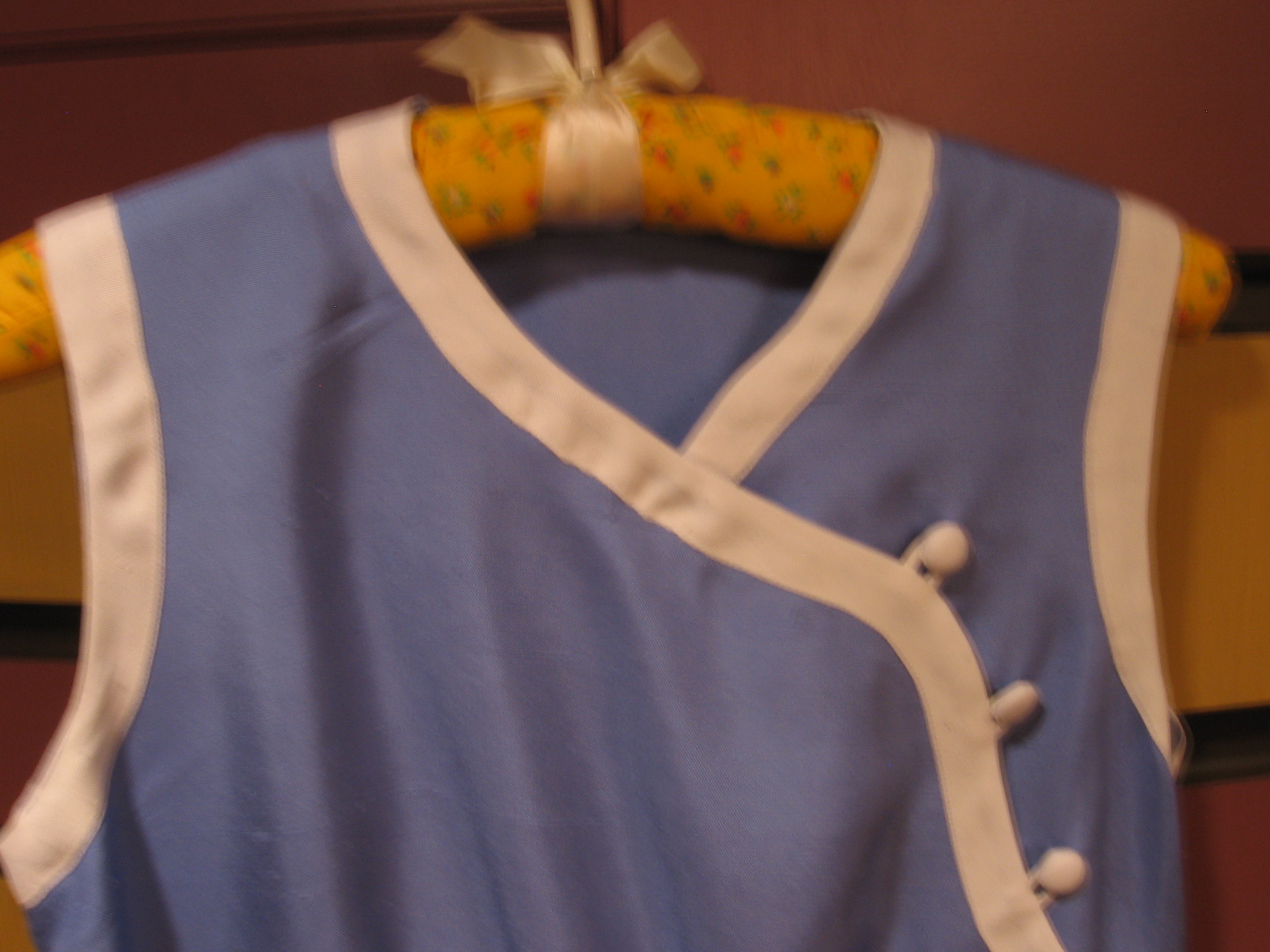
Here is a close-up of the bodice and armhole band.

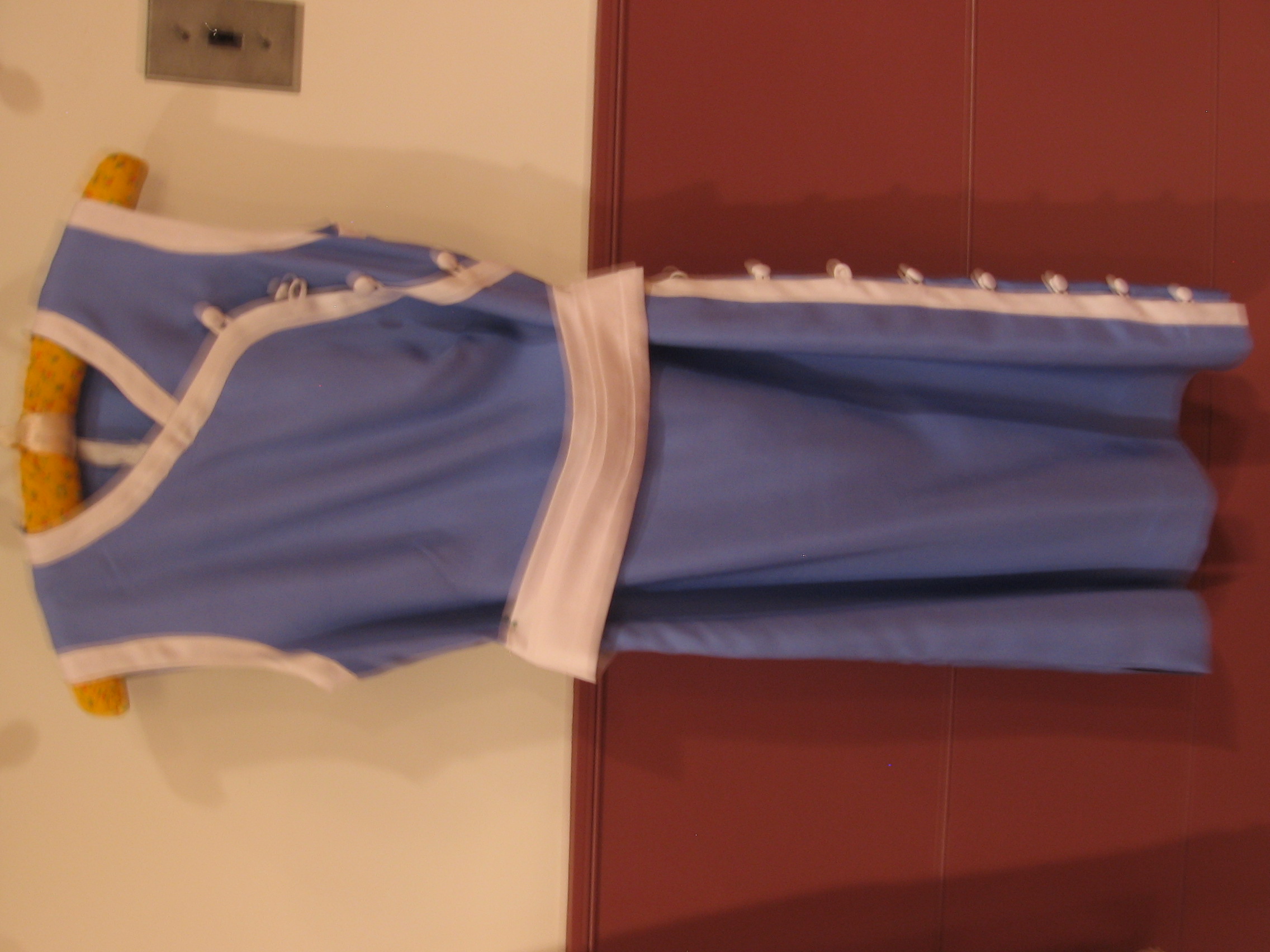
By now I was sick of this dress.  I still had buttons to cover and attach, armholes to do, interior snaps, the hem, and the cummerbund to complete.  Well, you can see from the photos that I did finish this dress, although it was late summer before I sewed the last stitch.

The completed dress. You can see I shortened the hem from mid-calf (as shown on the pattern envelope) to just below the knee.

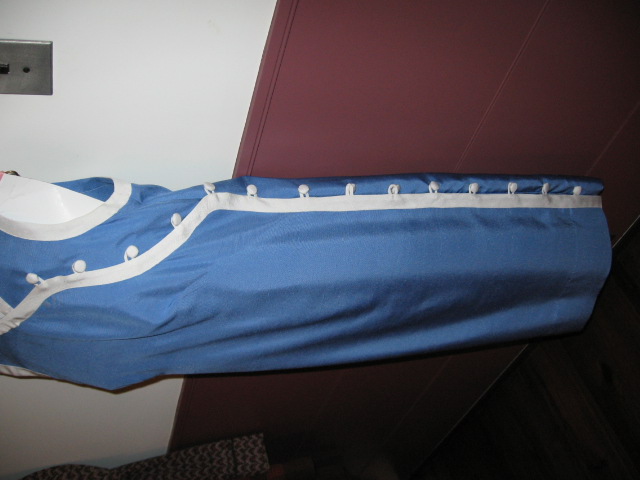
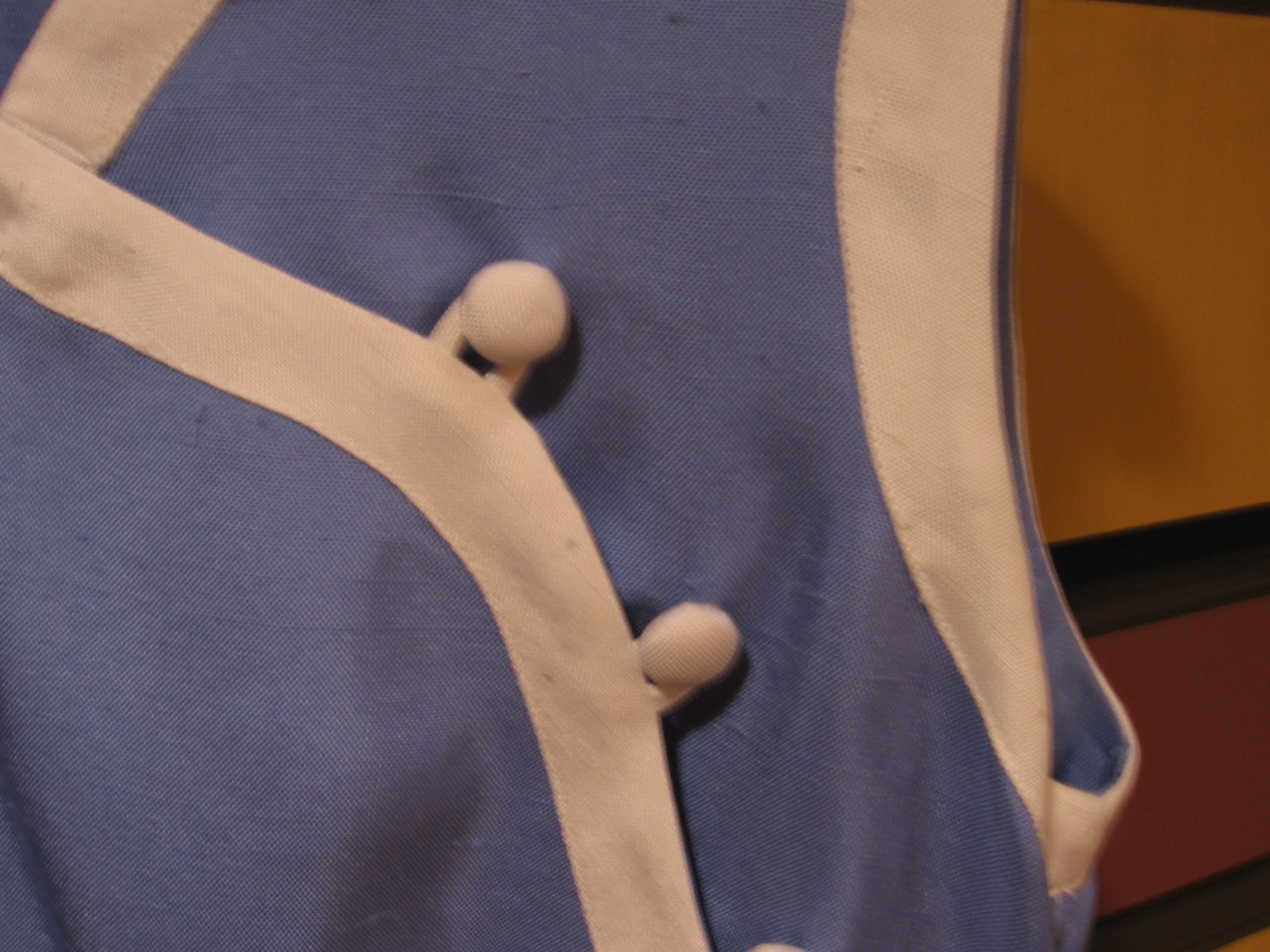
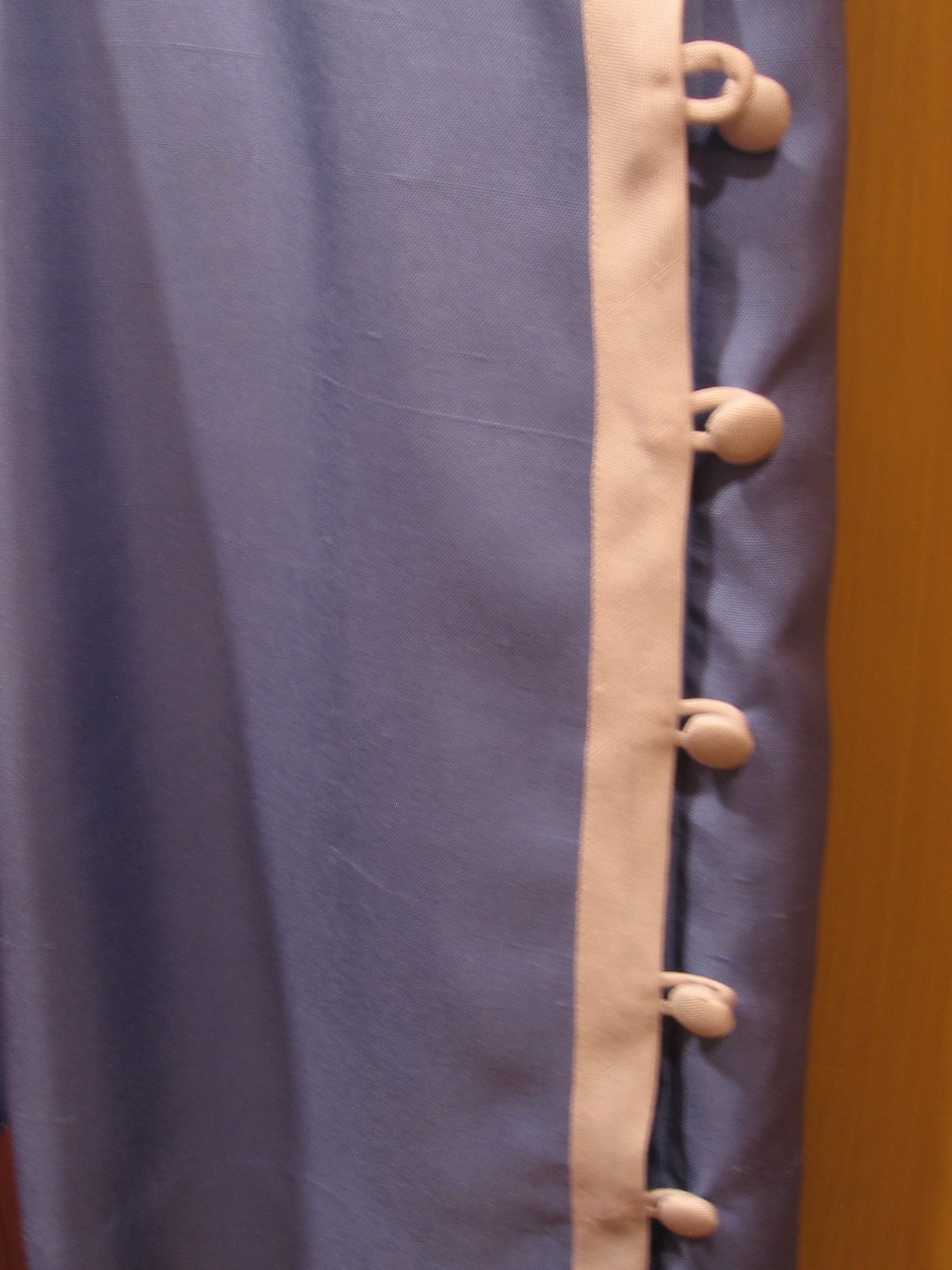
Here is a close-up of the covered buttons and button loops.

I’m still not completely happy with it, but it provided me with these valuable lessons:

1)   Stay away from unprinted patterns.

2)   Check the bustline placement before marking and sewing the darts.

3)   When in doubt, trust my instincts (I should have used all bias for that band and those armholes.)

4)   For best results, make the pattern up in muslin first.  If I had done this, I could have made the bust and neck adjustments before I cut the pattern out in the blue and white silk.

I had a chance to wear this dress during the warm September we had here in eastern Pennsylvania – and I am sure no one suspected I was wearing a dress designed in 1953!  Amazing!

3 Comments

Filed under Asian-inspired dress designs, The Conde Nast Publications, Uncategorized, Unprinted patterns from the 1950s, Vogue patterns