Category Archives: Dressmaker details

Chance of Sprinkles

Whatever possessed me to decide to make a coat during this hot, hot Summer?

Actually, I have a (somewhat logical) answer to that question!  For starters, it’s a raincoat.   And how I came to sew a raincoat is a good example of what keeps the wheels in my head turning!

While perusing the website for Britex Fabrics last Summer, I came across its offerings of rainwear fabrics.  Just out of curiosity, I took a look at them, and I was immediately smitten with the “French Winter White Water-Resistant Rainwear Fabric”.
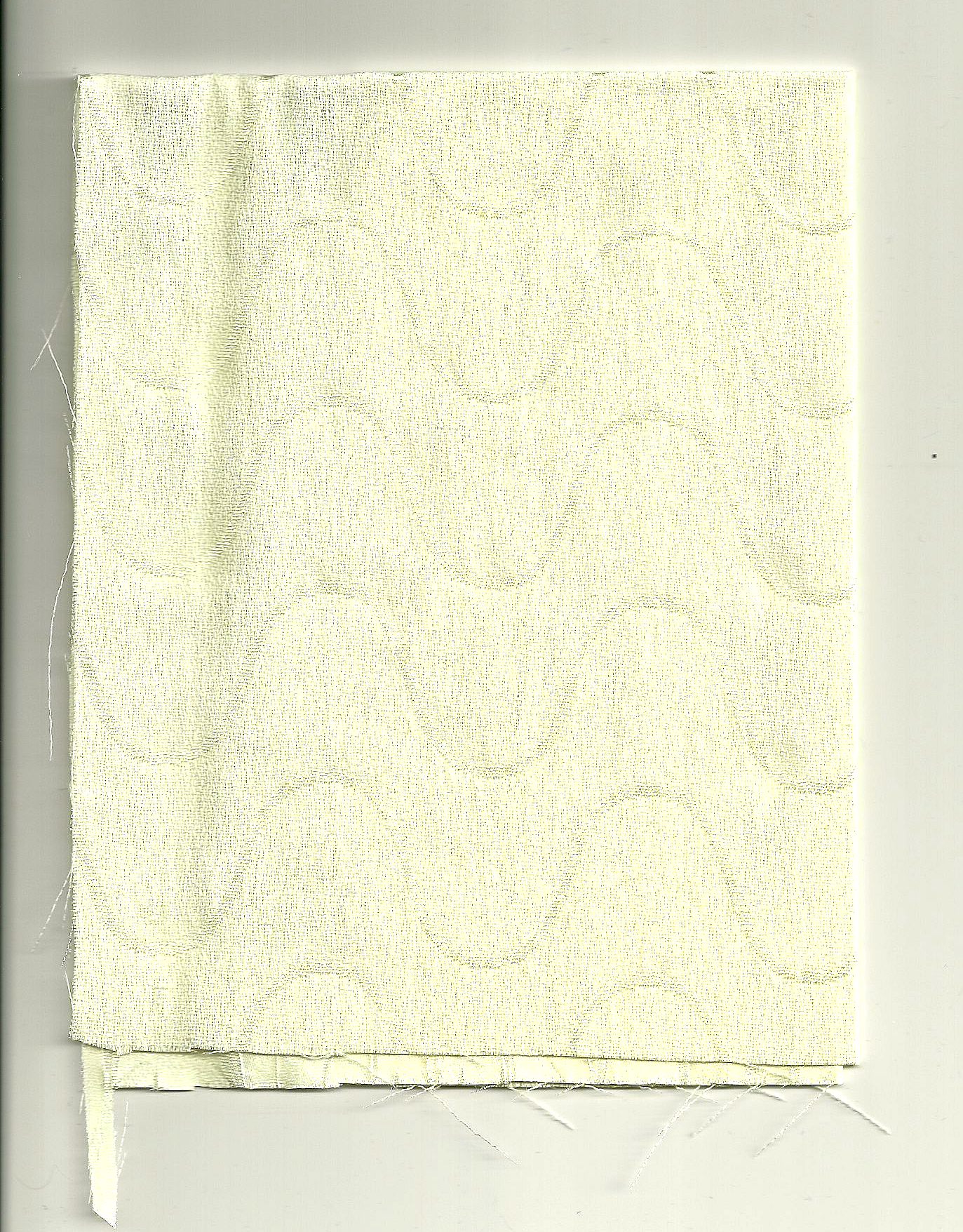
The woven “wave” design in this fabric really caught my attention.

I sent off for a swatch, which confirmed for me the graceful woven design and lovely creamy color inherent in this fabric.  A subsequent trip to California gave me the opportunity to see the fabric in person, and I decided it was time to “commit”!  I had frequently felt the need for a “dressy” raincoat, so I thought, “Why not make one?”  I also knew I had the perfect pattern  – this “swing” coat design from 1957.
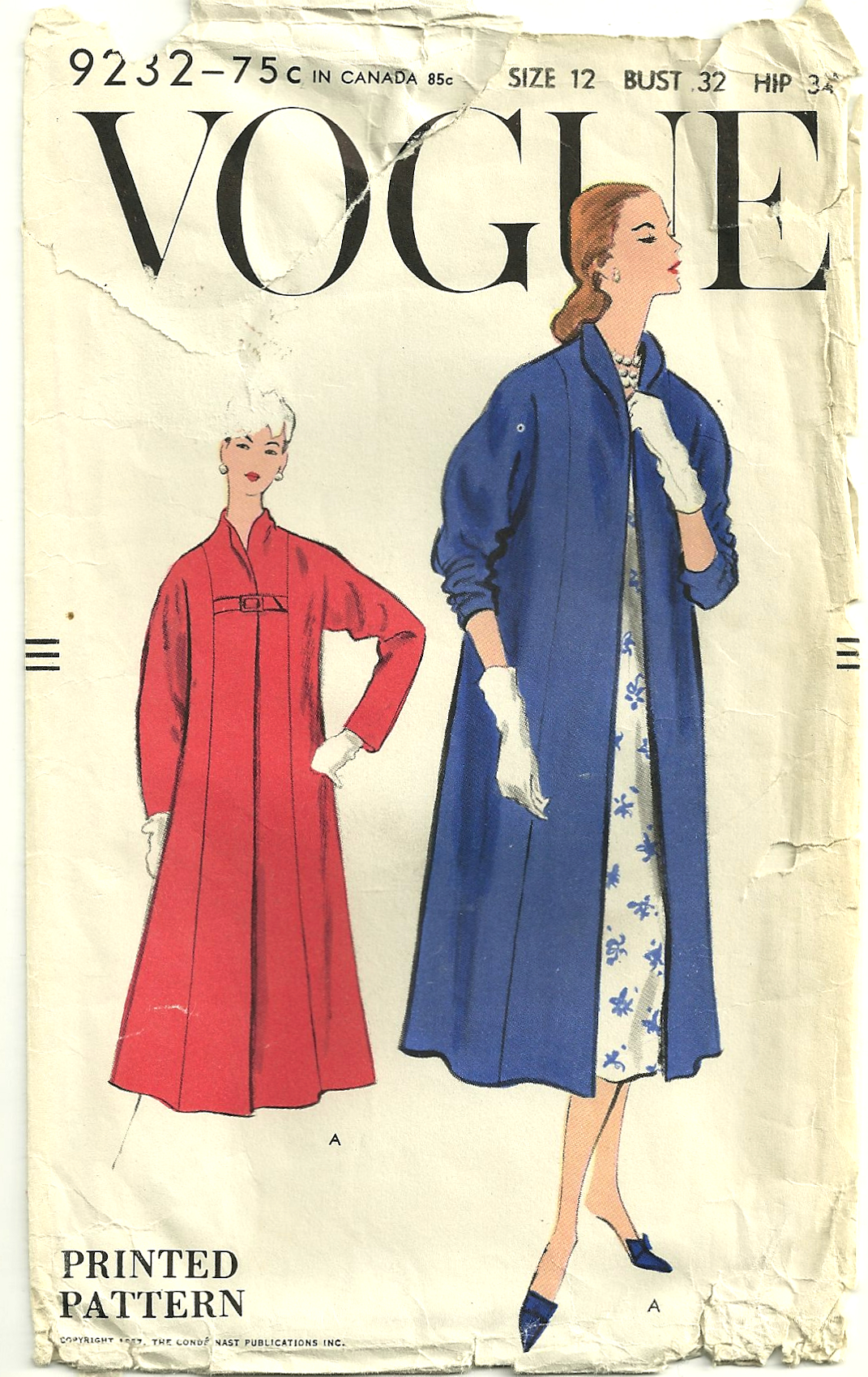
I remember swing coats from my childhood – and now I have one!

I figured the kimono sleeves and the loose fit would be great for wearing over  dresses or suits, and the collar can be worn turned up or folded down, depending on the inclement conditions!  Well, it only took a year to get to it, which I decided was long enough.  Oh yes –  I had one more incentive to “get to it”. When my friend, Nancy C. opened up her family’s button box for me to pick out some treasures, I spied this beautiful single glass button:
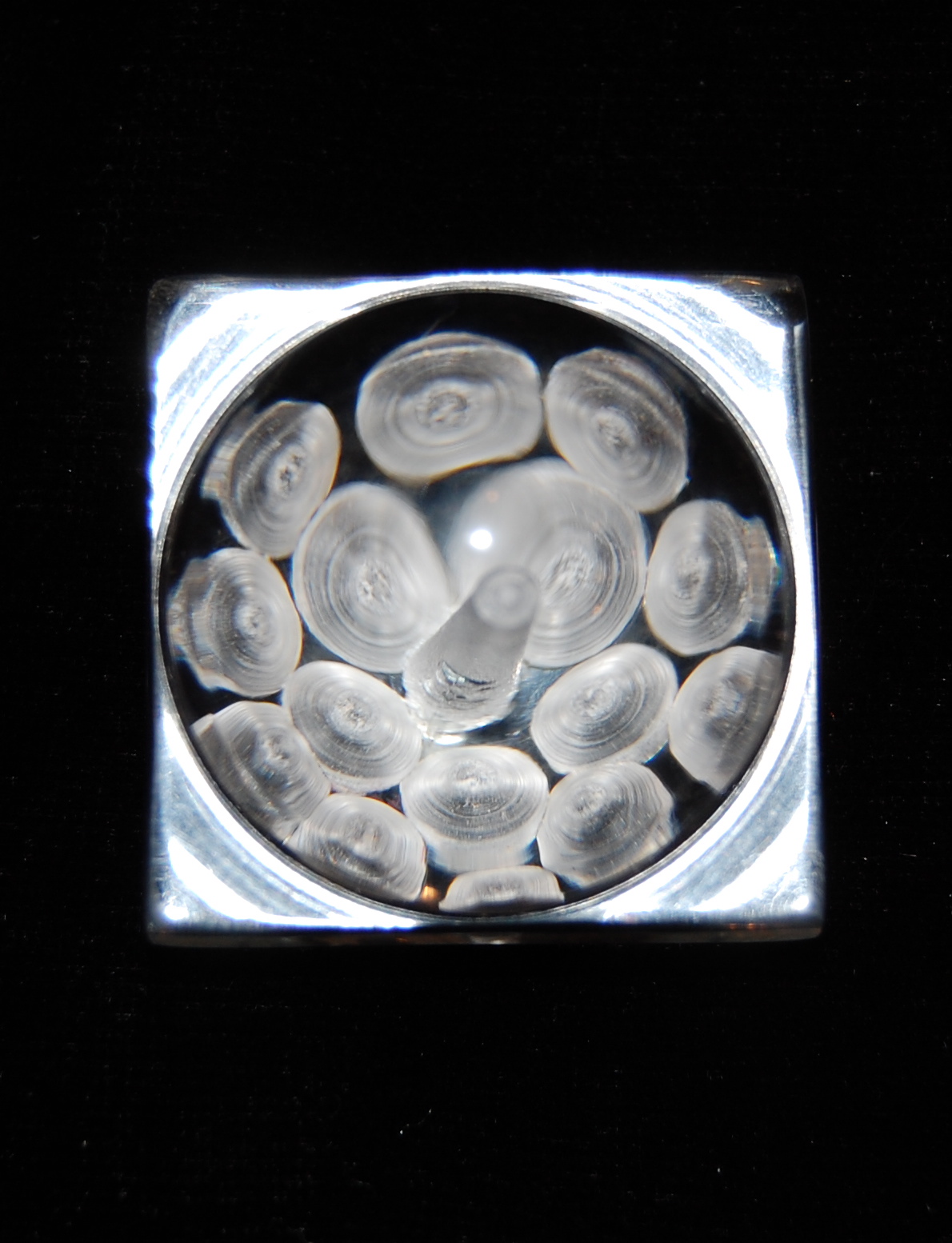
I placed this button on a piece of black velvet so that the design would show up. It is a little more than an inch square in size.

The design in it reminded me of raindrops – perfect for a dressy raincoat, and, I thought, a perfect complement to the fabric, already in my possession.

Of course, every pattern and project seems to demand certain changes or adaptations, and the count for this one stands at four:

1)   I took a little fullness out of the front side panels.  When I made a muslin mock-up of the pattern, it just seemed a little too full for my frame.

2)   I added pockets to the side seams.  I can’t imagine any coat without pockets, but a lot of the vintage styles (dresses and coats) did not have them.
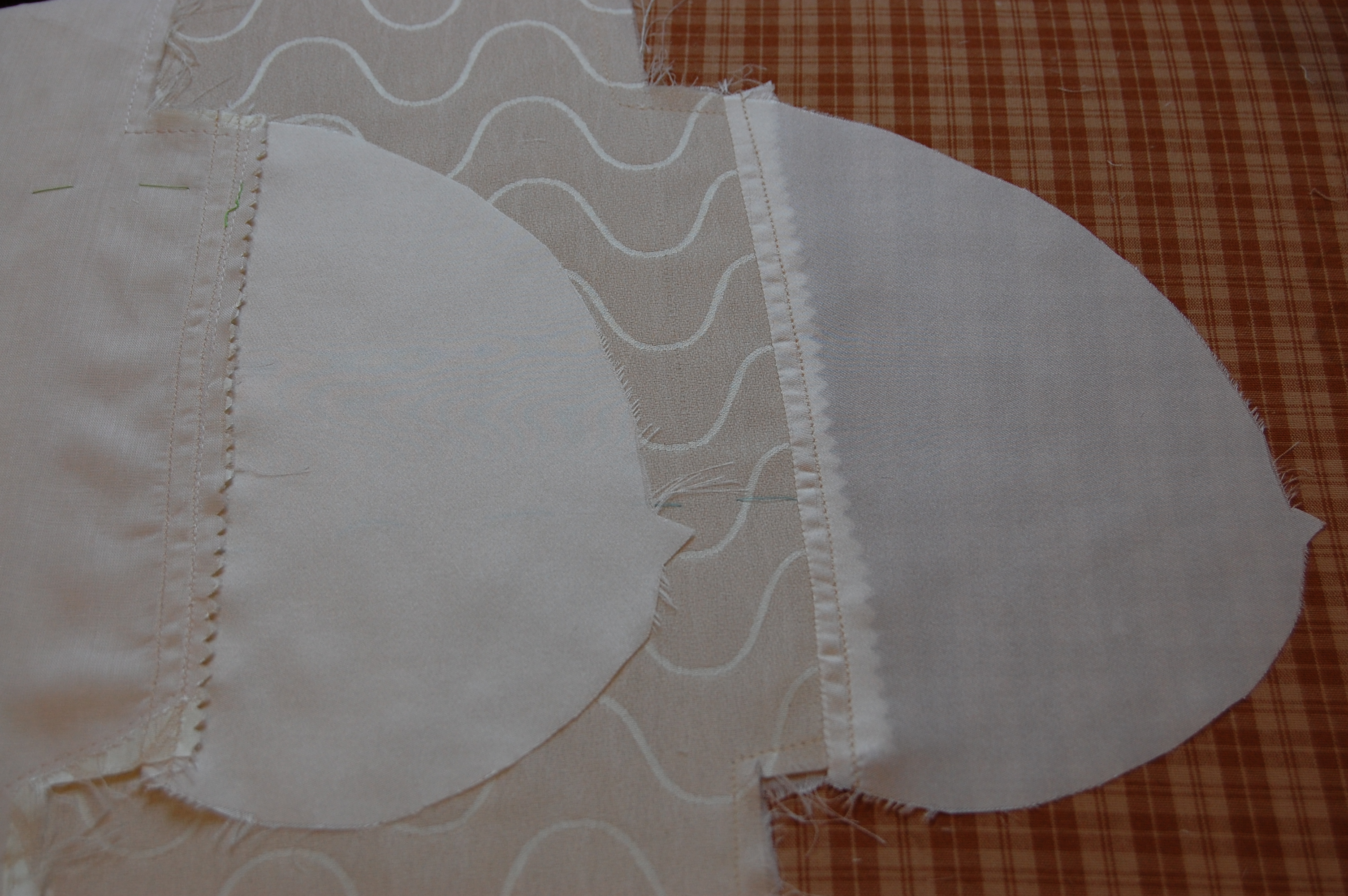
Here is one of the pockets under construction.

3)   Because I wanted to use the glass button, I decided to put in a bound buttonhole instead of using the buckle and band detail as shown on the pattern. (I did make and attach the back belt, however.)
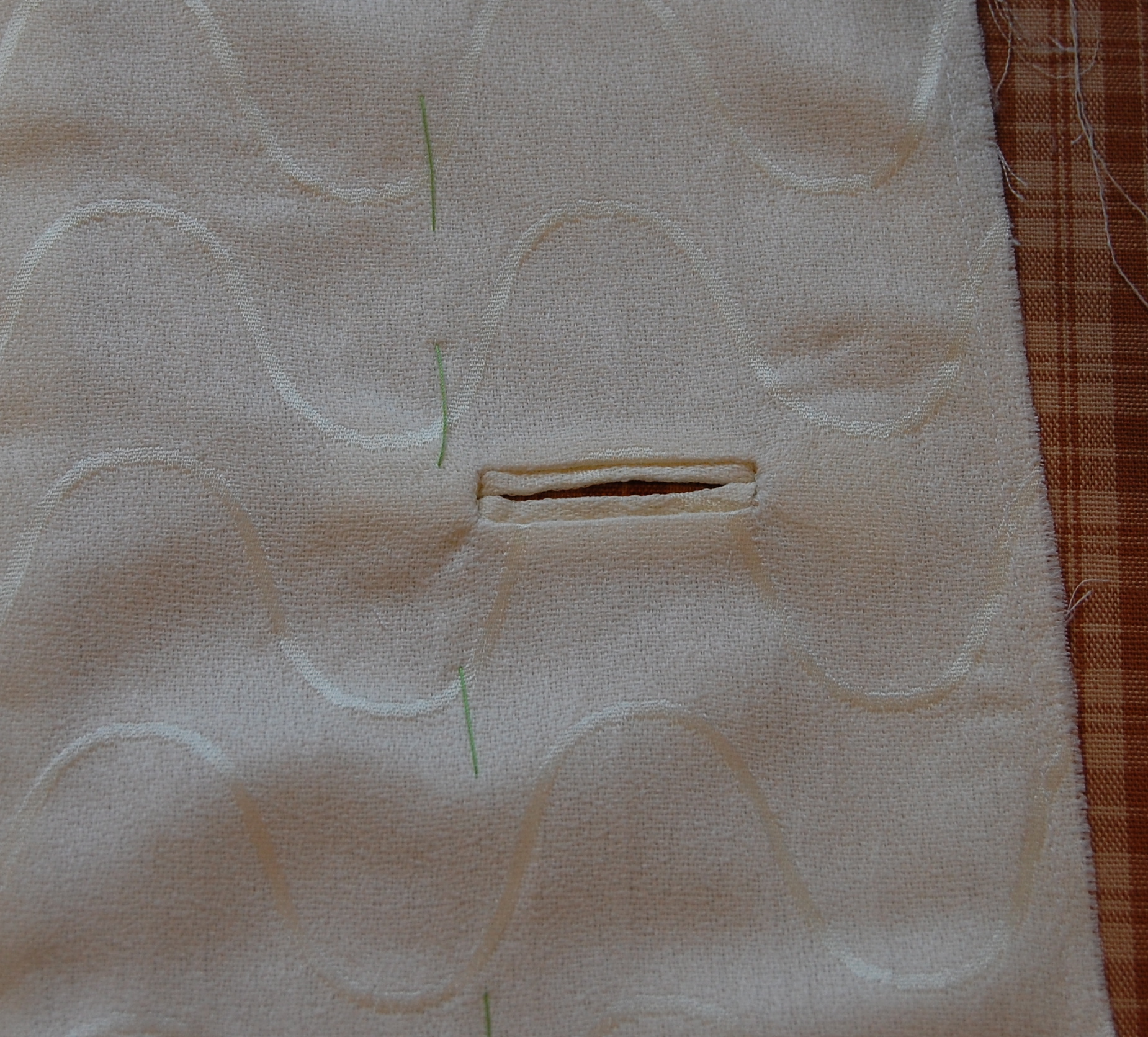
Here is the bound buttonhole placed in the front right section – before the facing is attached.
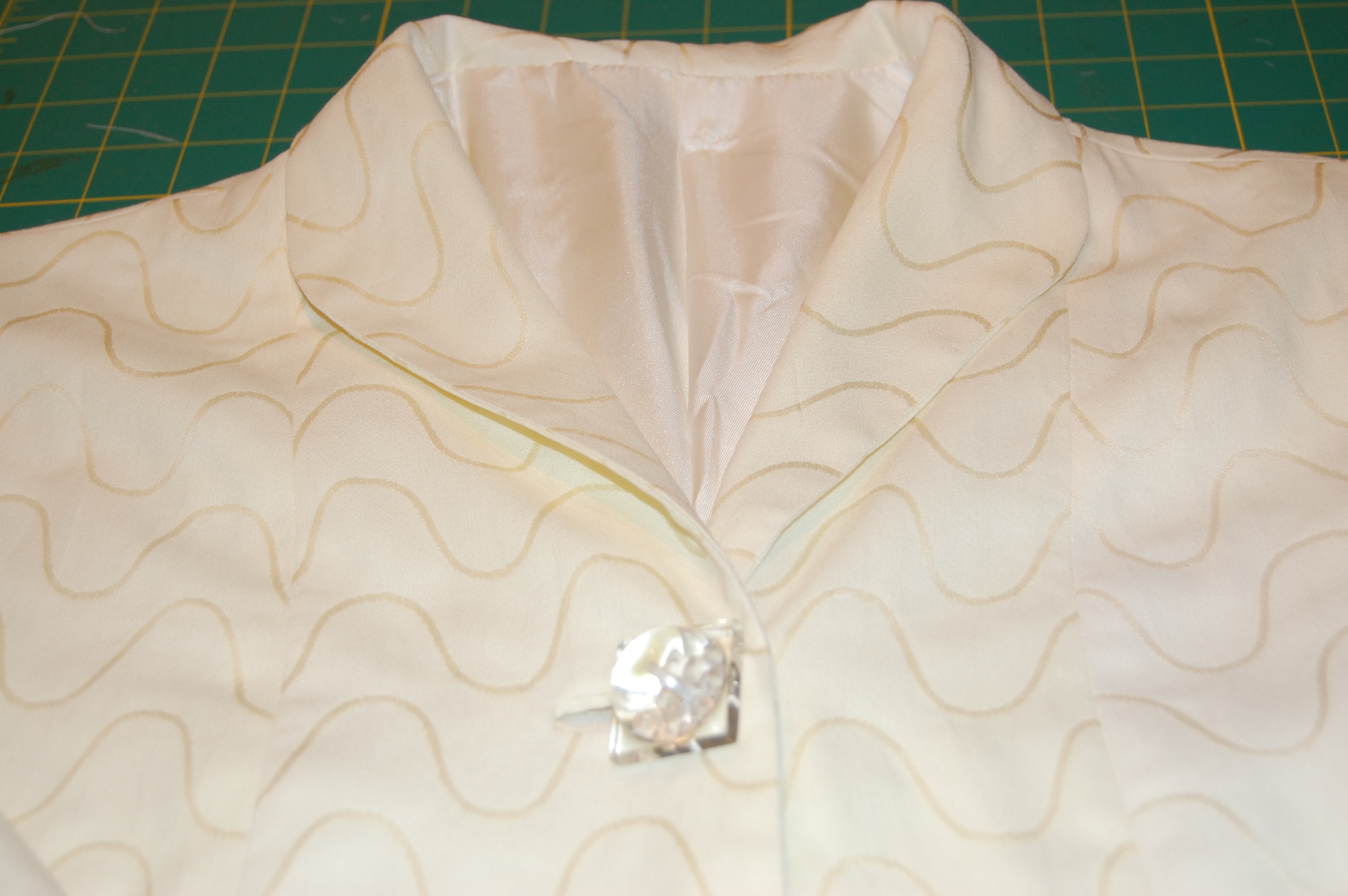
Here you can see the button and finished buttonhole. Click on the photo to see it in detail.

4)   With just a single closure at the top of the coat, I thought I needed something lower on the coat as well, to keep it closed in windy, rainy conditions. However, I didn’t want to interfere with the look of the coat when I might be wearing it open.  Here’s what I came up with:

I made a “tab” with buttonholes on each end.
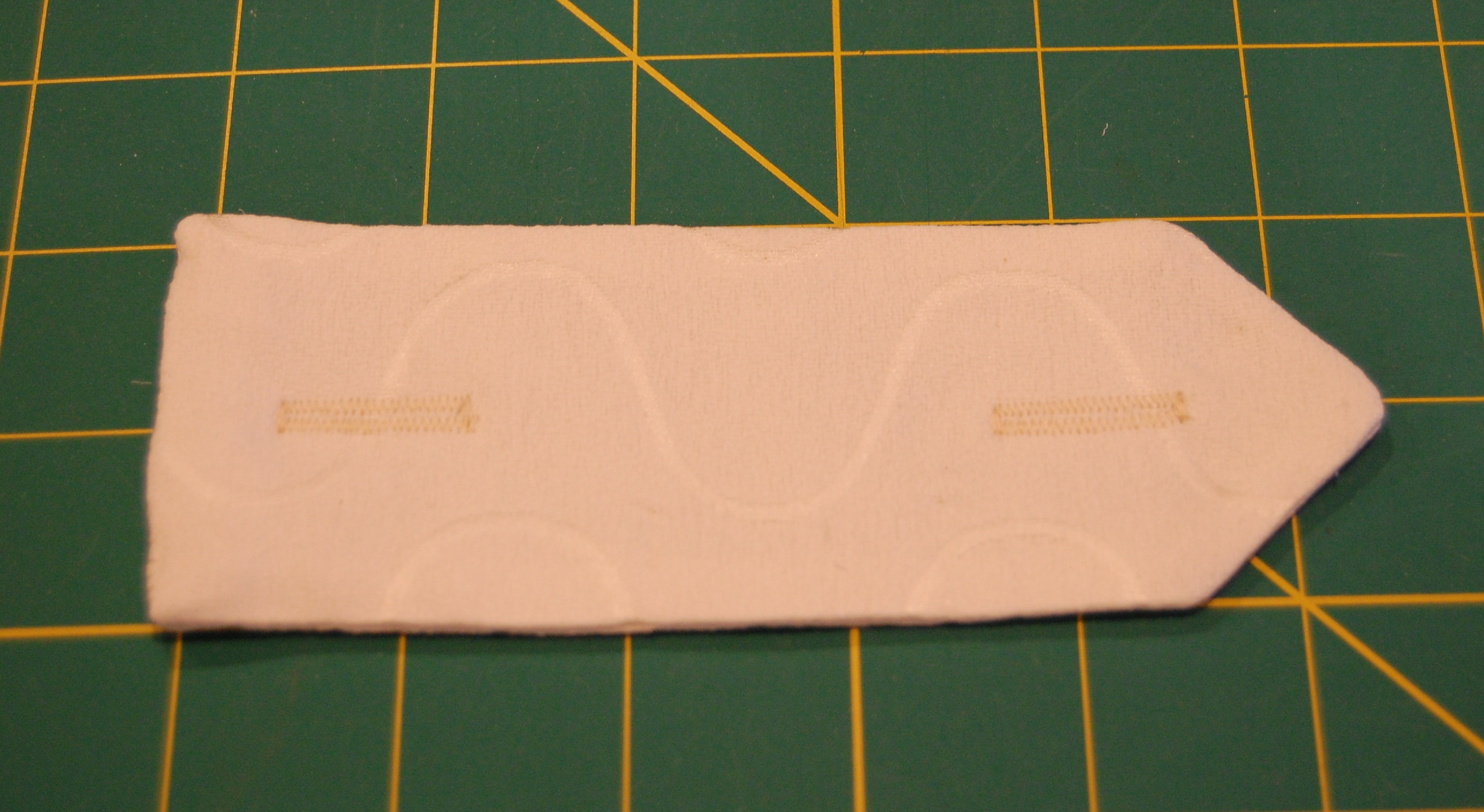
I made machine buttonholes in the tab.

I placed the buttons for it on the inside facings on either side of the coat, about halfway between my waist and  my hips.  It can easily be buttoned to secure the coat, and when I unbutton the left side, the button on the right side allows it to fall down, hidden from view, but easily accessible.
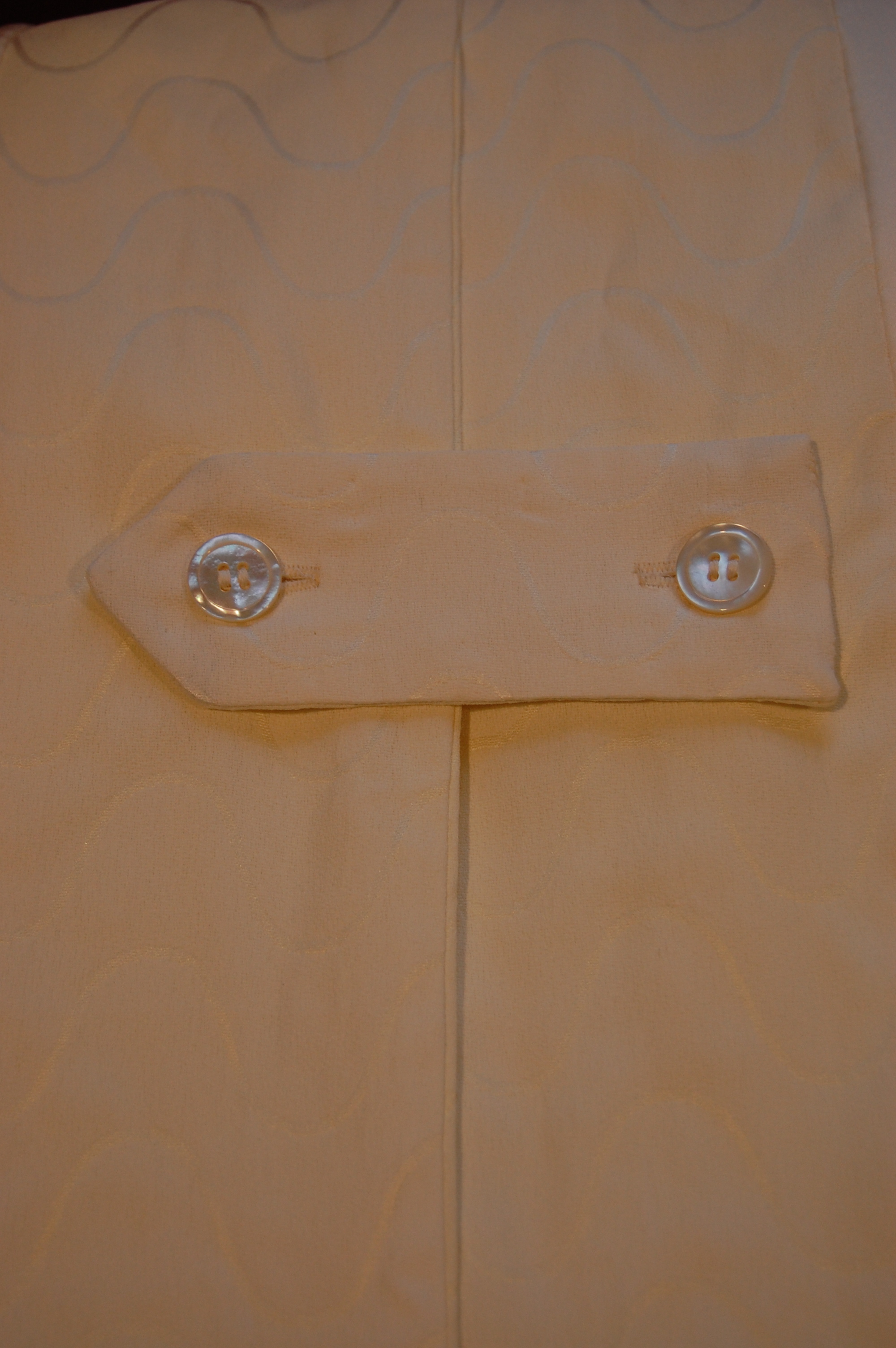
This shows the inside of the coat, with the tab buttoned.
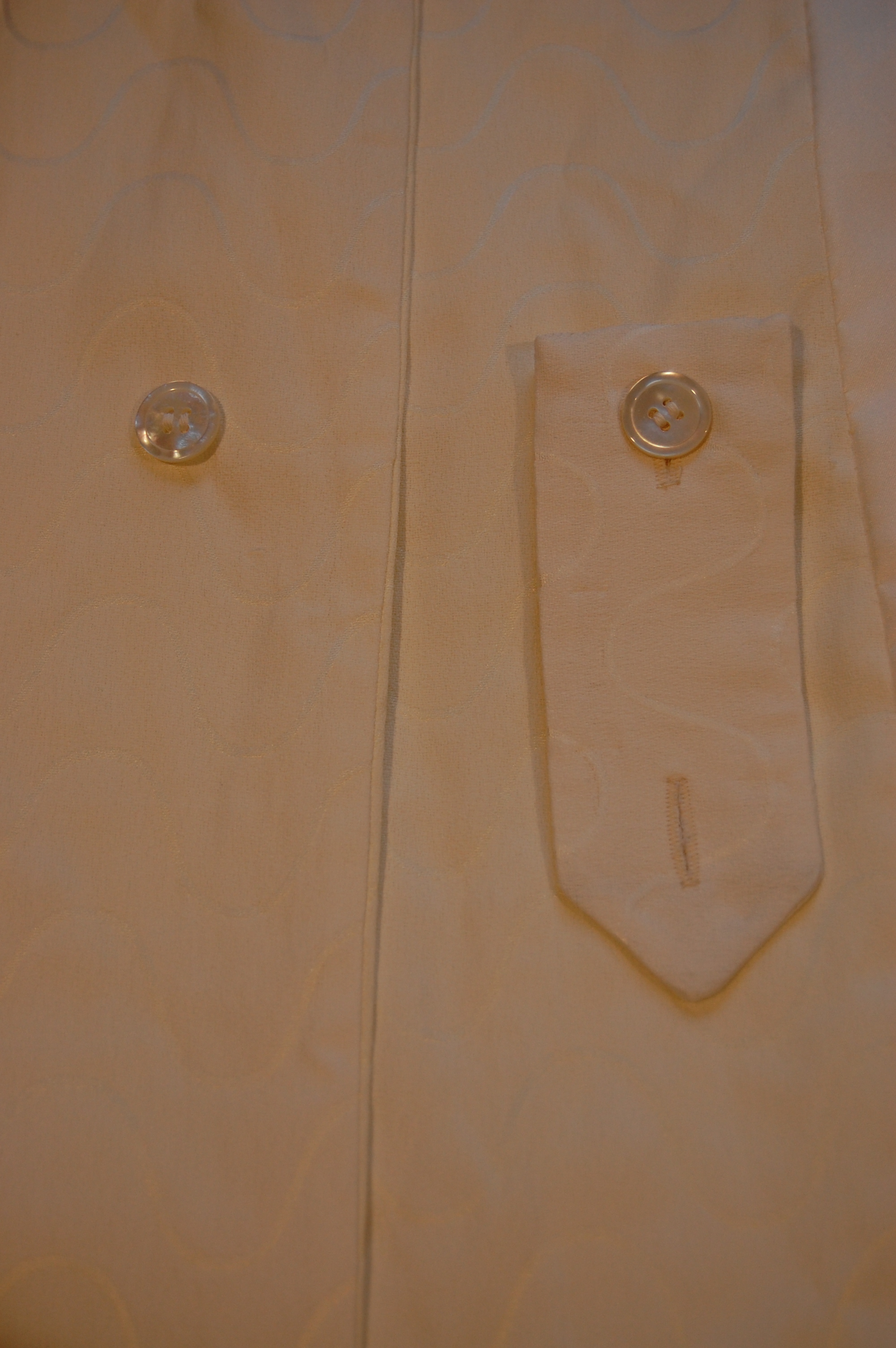
And this shows the tab unbuttoned on one side and hanging down, out of sight – inside the coat.

A few more details about construction:  The rainwear fabric is an acetate/rayon blend which I underlined with rayon voile.
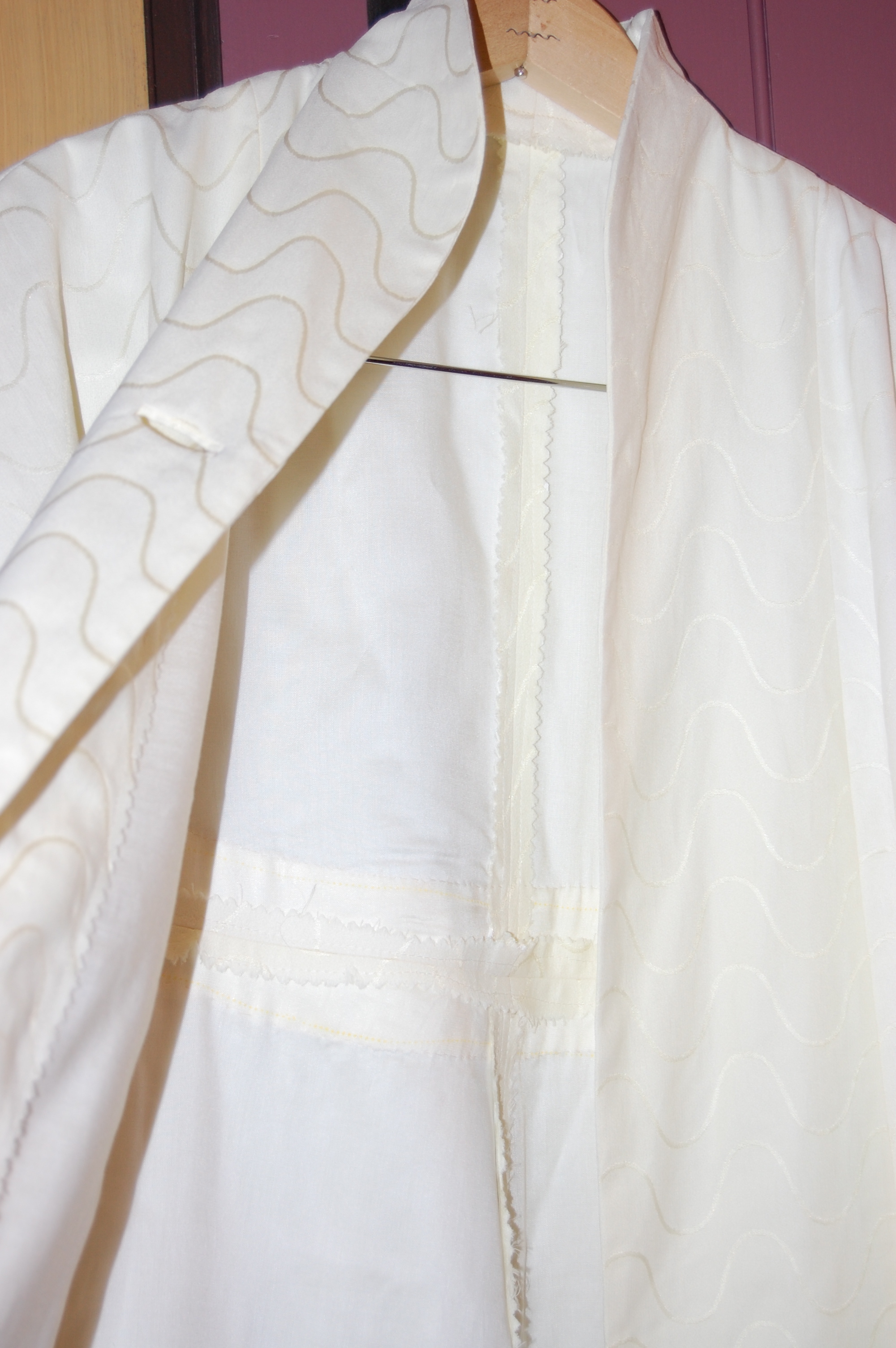
Here is the coat, showing the underlining, before I attached the lining by hand.

I lined it with a pure silk lightweight twill in white.  I would have loved to have lined it with a neat polka dot silk, but I didn’t want any “shadows” of a printed lining to show through.  Guess I’ll just have to dress it up with polka dot scarves instead!  The rainwear fabric was very easy to work with – surprisingly easy, actually.  It drapes beautifully for a pattern like this.  Speaking of patterns, this one was so precise and cleverly engineered (especially the collar), turning it into a really fun project!

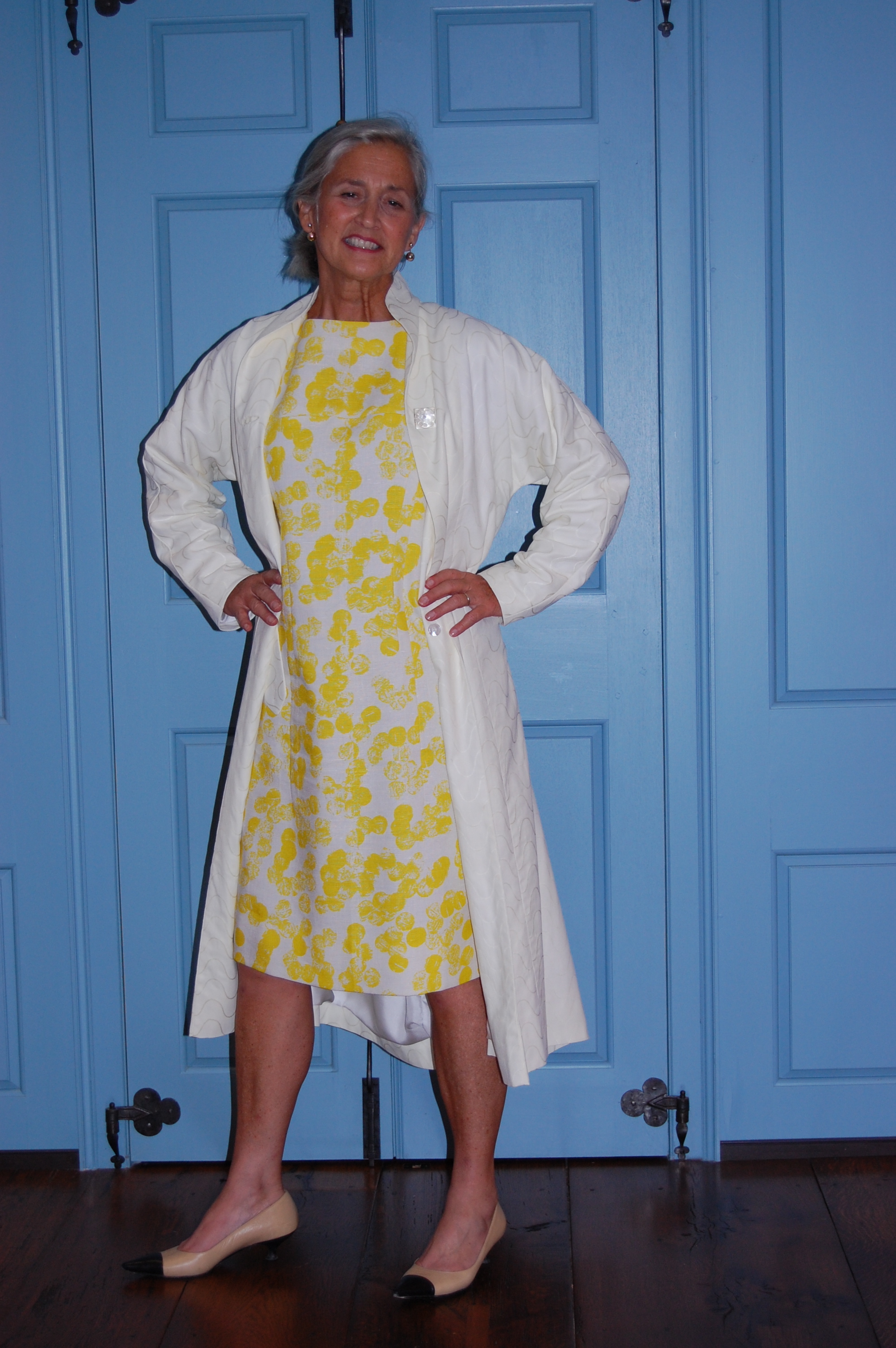
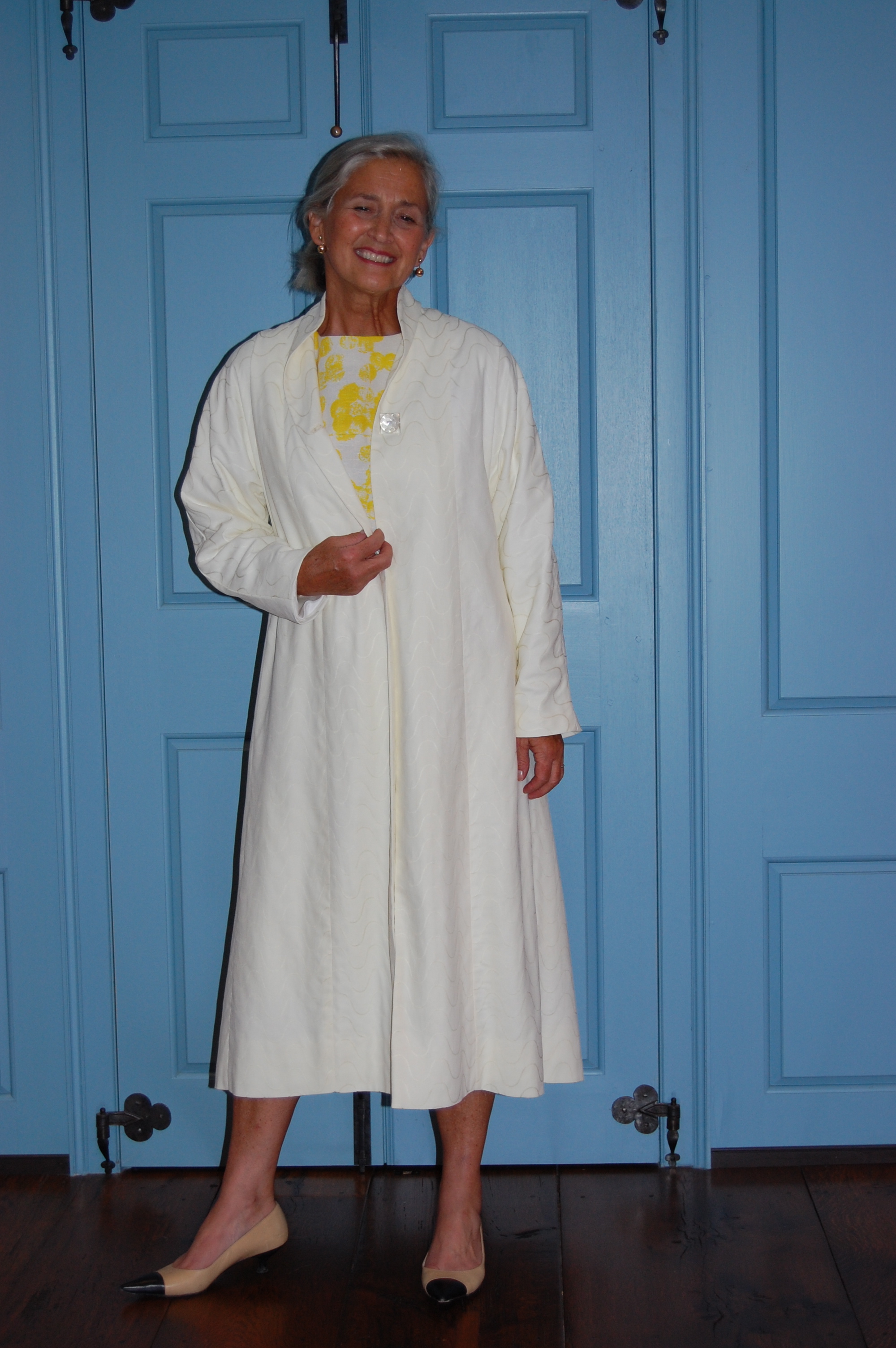
Here are some finished views of my new dressy raincoat:
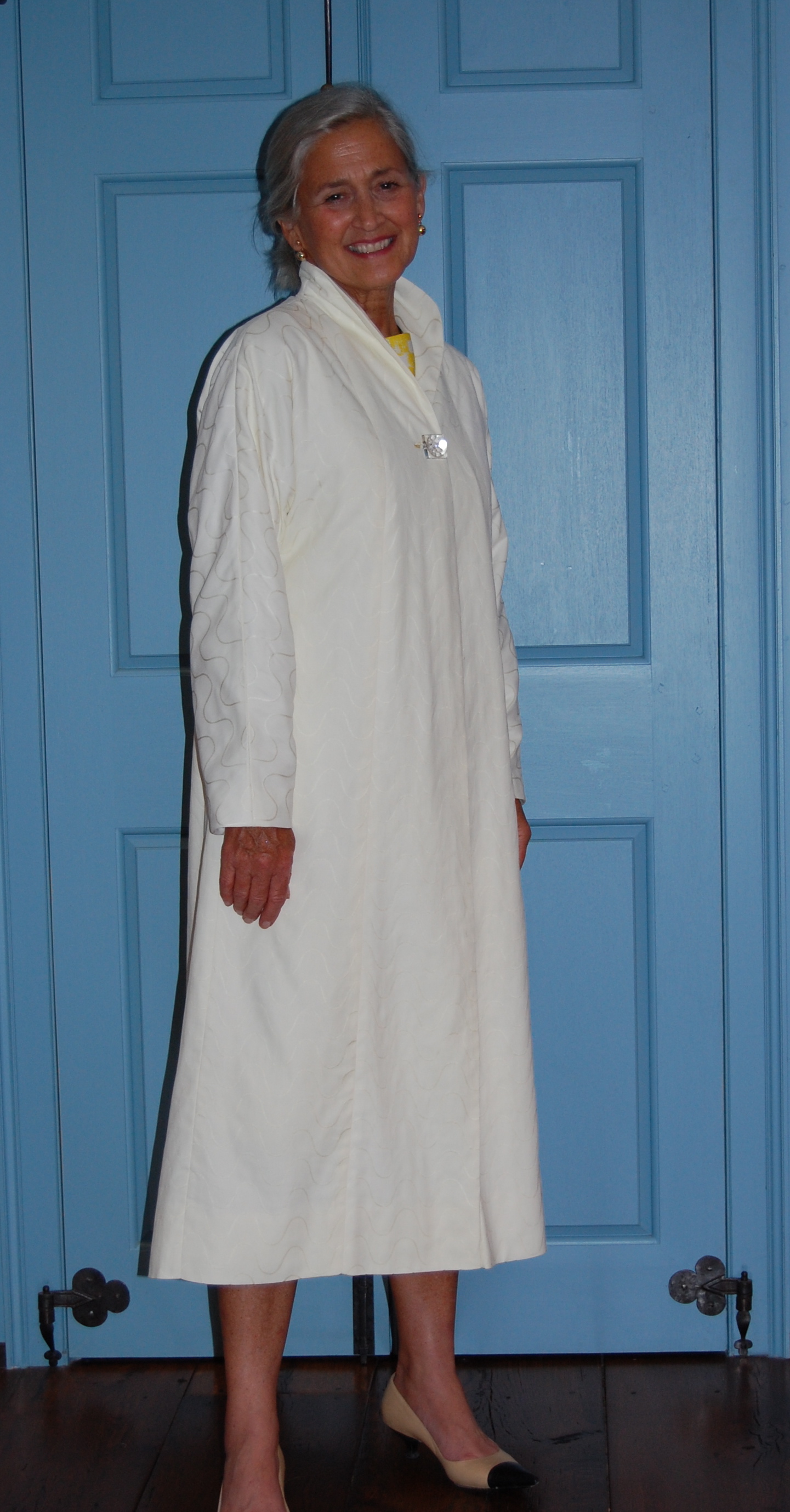
More of the same…
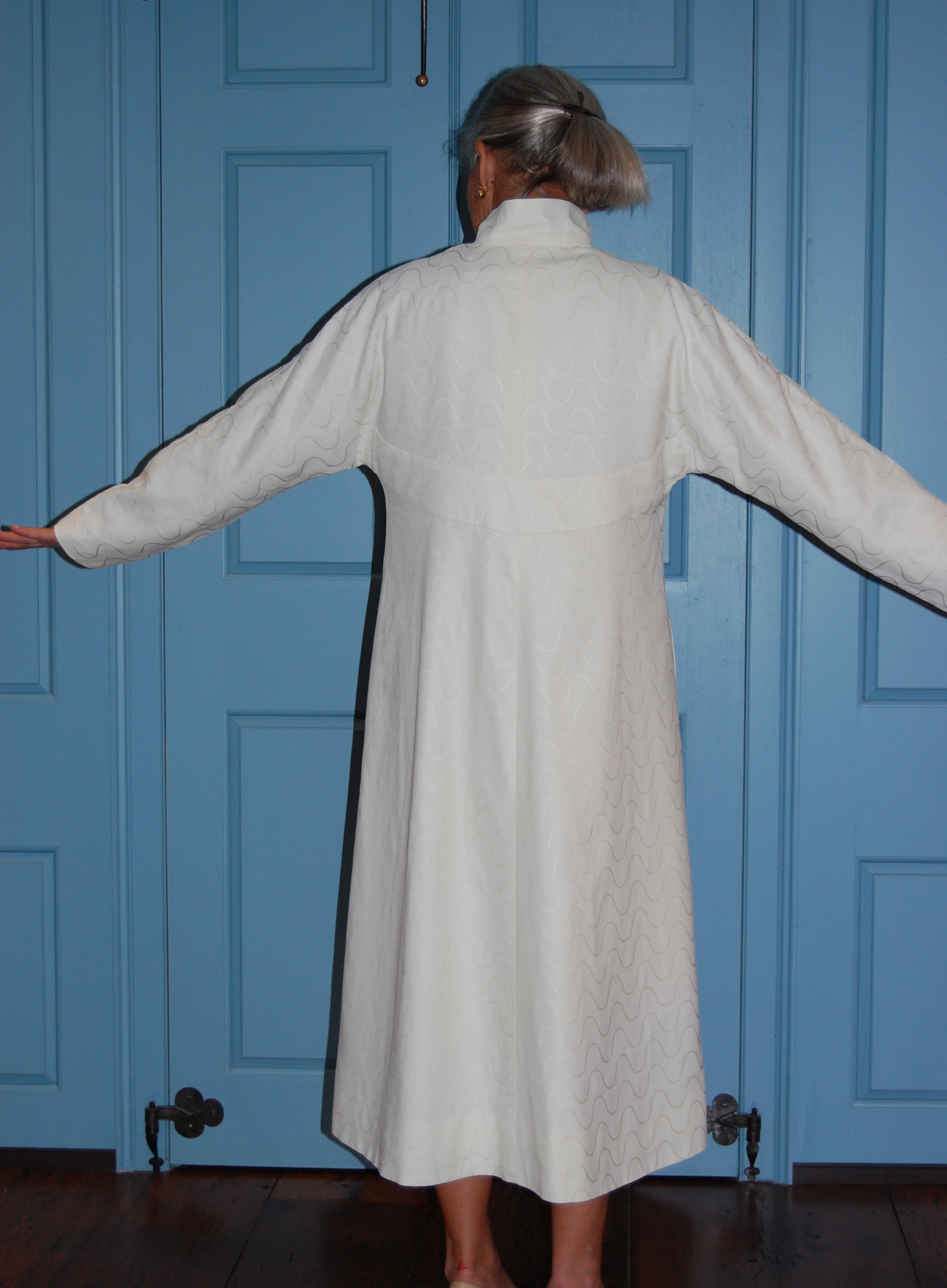
Hopefully you can see the “belted” back in this view.

Making a garment like this during the Summer months means that I had to be prepared for “delayed gratification” as I probably won’t have a chance to wear my new raincoat for at least a couple of months.  However, when a future Fall or Winter forecast is for “Chance of Sprinkles” – or even full-force rain – I’ll be ready!
13 Comments

Filed under bound buttonholes, Buttons - choosing the right ones, Coats, Dressmaker details, kimono sleeves, sewing raincoats, swing coats, Uncategorized, underlinings, vintage buttons, vintage Vogue patterns from the 1950s, Vogue patterns

A Dress for the Duchess

Do you ever read a book and feel enchanted by its storyline, or its life lessons, or because it speaks to you on many different levels of meaning?  How often is that book a children’s book?

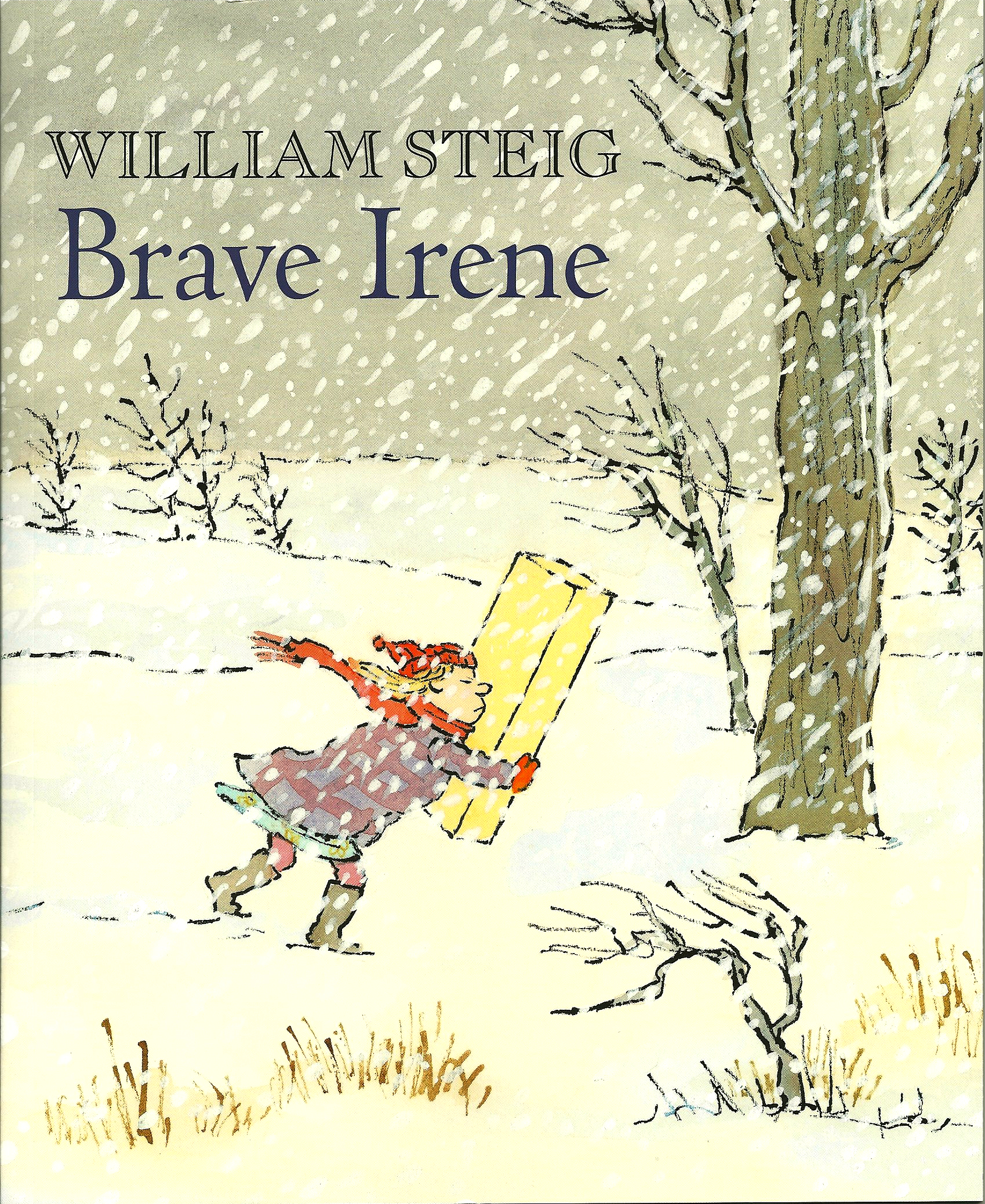
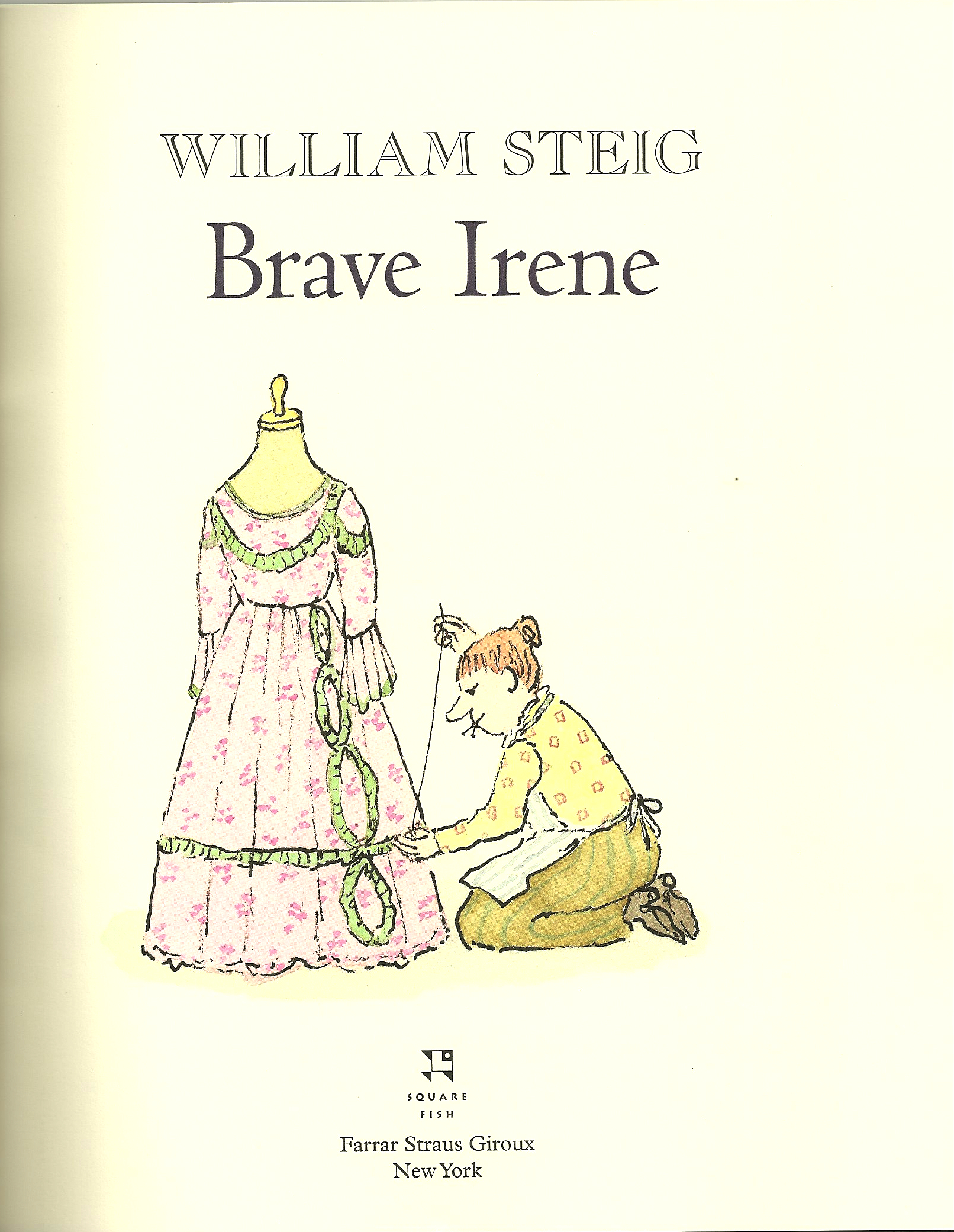
Since I started writing this blog, I’ve been thinking a lot about the influences that the written word can have on the process of sewing – and vice-versa – and I have found my thoughts  going back time and again to a skinny little paperbound book first published in 1986.  My daughter was five years old at the time, the perfect age to have this small story by William Steig read to her.  Its title is Brave Irene.  If you sew and you haven’t read it, you should; even if you don’t sew, you should read it.

This book is still in print and available on Amazon, of course!  The publisher is Farrar Straus Giroux.

Quite simply, it is the story of Mrs. Bobbin (how perfect is that name?), a dressmaker who has just finished a fancy pink and lacey gown for the Duchess to wear at the evening’s Ball.

Mrs. Bobbin, the dressmaker, puts the final stitches in the ball gown.

However, Mrs. Bobbin is too ill to get the dress to the palace.  Her young daughter, Irene, takes charge – putting her mother to bed with blankets and tea – and then, with the dress carefully boxed and tight in her arms, setting off to deliver the beautiful dress to the Duchess.   Everything that can go wrong, does.  It is snowing mightily, and the wind is so strong that Irene can barely walk with her large precious parcel.  Suddenly the wind grabs the box and whips the dress out of it.  Away it flies.

“How could anything so terribly wrong be allowed to happen?  Tears froze on her lashes.  Her dear mother’s hard work, all those days of measuring, cutting, pinning, stitching … for this?  And the poor duchess!  Irene decided she would have to trudge on with just the box and explain everything in person.”

As if this humiliation were not enough, Irene steps in a hole buried beneath the snow and hurts her ankle.  At this point she just wants to go home, but forward she persists, ignoring her pain and searching for the palace in the swirling snow.  Finally she sees its glittering lights, and as she approaches it, she sees the most wonderful sight: the beautiful gown is spread out on a huge tree trunk, held in place by the hateful wind which had torn it from her.

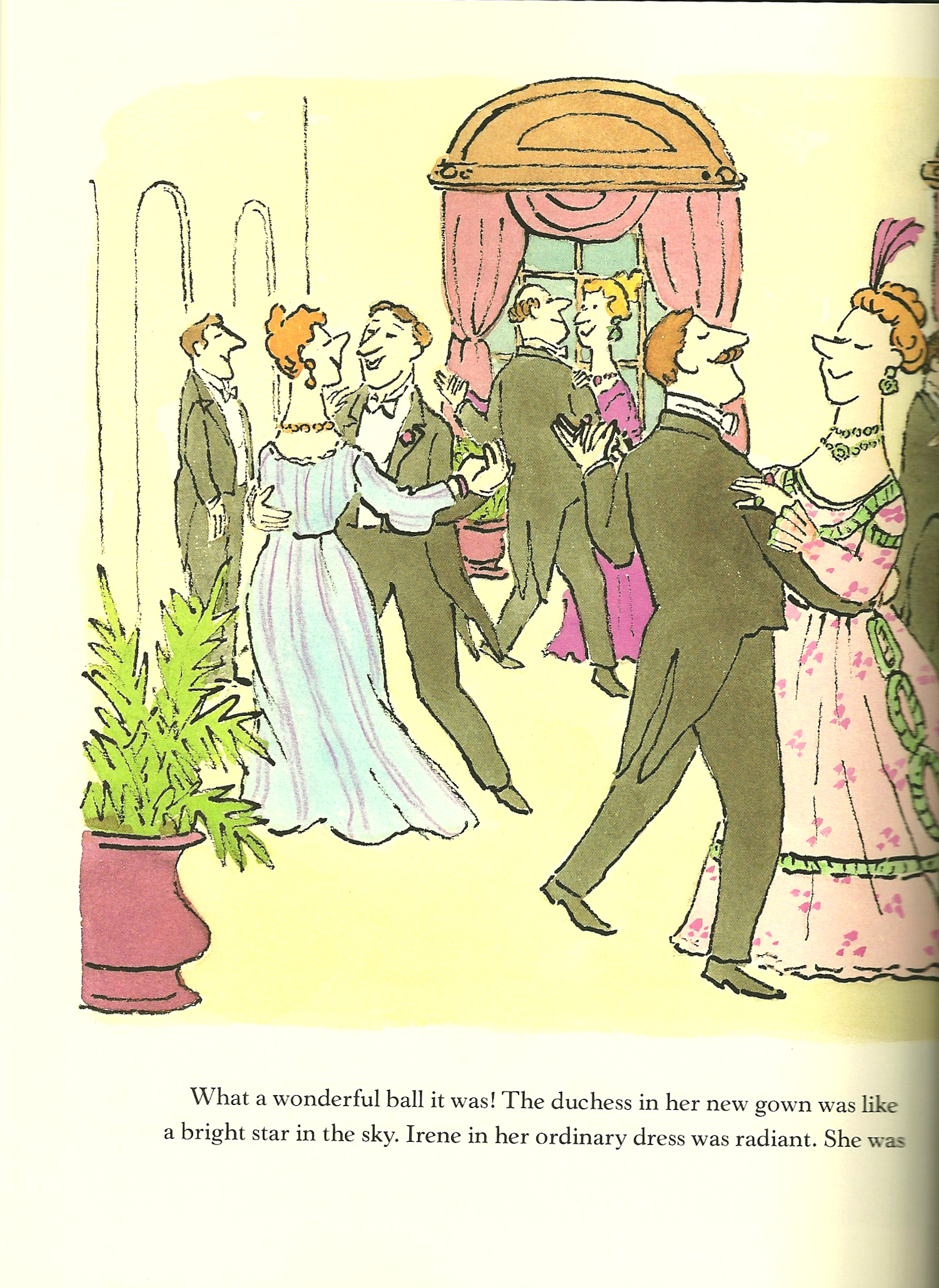
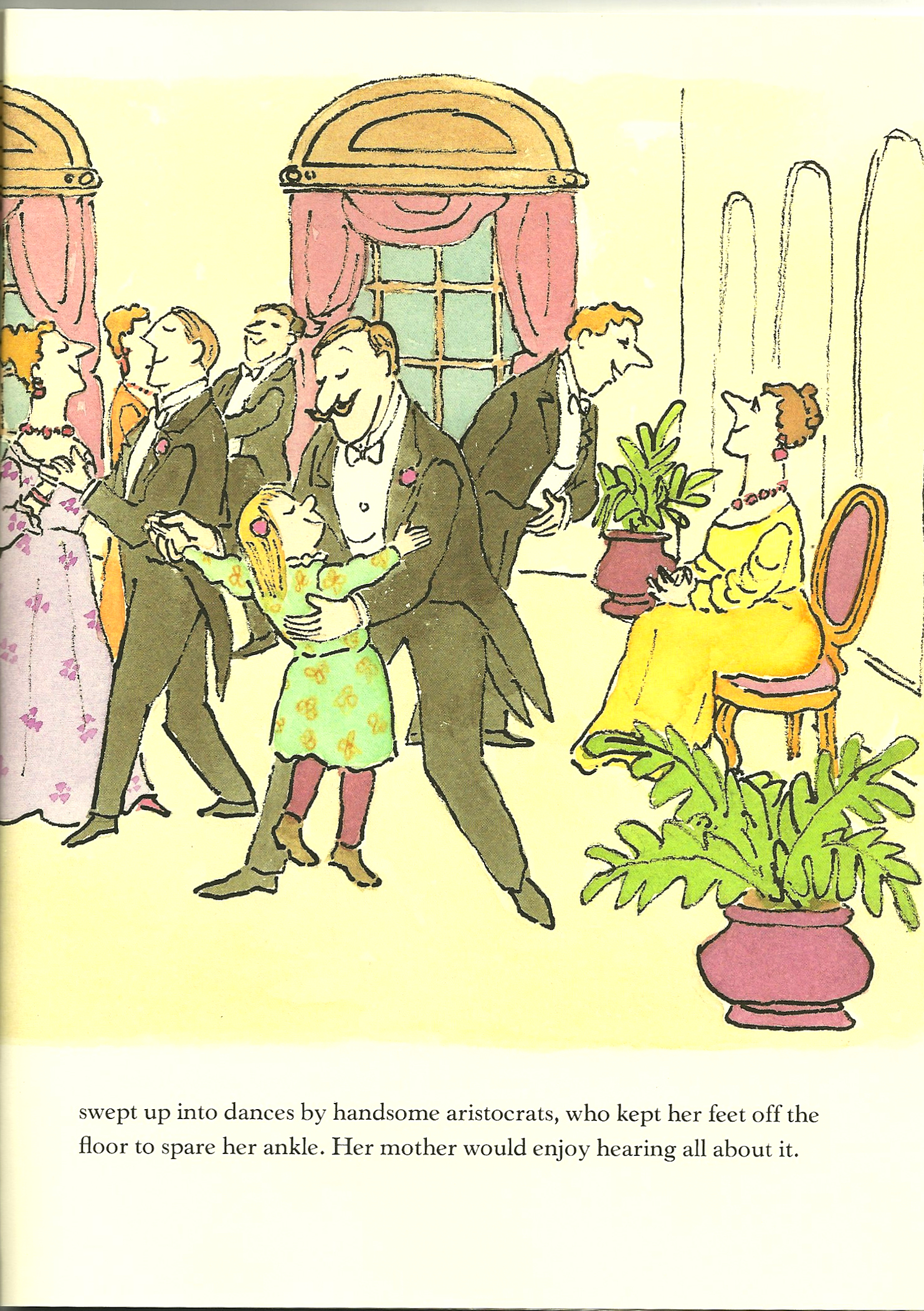
So – Irene and the dress arrive at the palace with much fanfare.  Needless to say, the ball is a wonderful success with the Duchess in her glorious new gown and Irene, in her simple dress, is just as glorious.

The Duchess in her new gown . . .

. . . and Irene, brave and honorable, enjoying the Ball!

The next morning Irene is accompanied home by two footmen, a doctor for Mrs. Bobbin sent by the Duchess, presents from the Duchess to Mrs. Bobbin, “along with a note saying how much she cherished her gown, and what a brave and loving person Irene was.”

Here are the things I love about this story:

1)   The art of dressmaking is in full display, with pride in accomplishment and recognition of the intricate, time-consuming, and complicated work that goes into the construction of such a gown.

2)   Irene’s love for her mother and understanding of the immediacy of delivering this important dress to the Duchess instill in her a take-charge attitude.  We all know those times in our lives when we must take charge – they choose us, we don’t choose them.

3)   Irene was not going to give up, even when she thought all was lost!   She was determined to do the honorable thing.

4)   Irene attended the Ball (as an unexpected guest of honor) in the only clothes she had with her – her simple dress.  However plain her attire, her attitude made her radiant.

5)   Sometimes a piece of clothing will take on special significance because of the circumstances under which it is worn.  I daresay Mrs. Bobbin’s beautiful creation was thus for the Duchess!

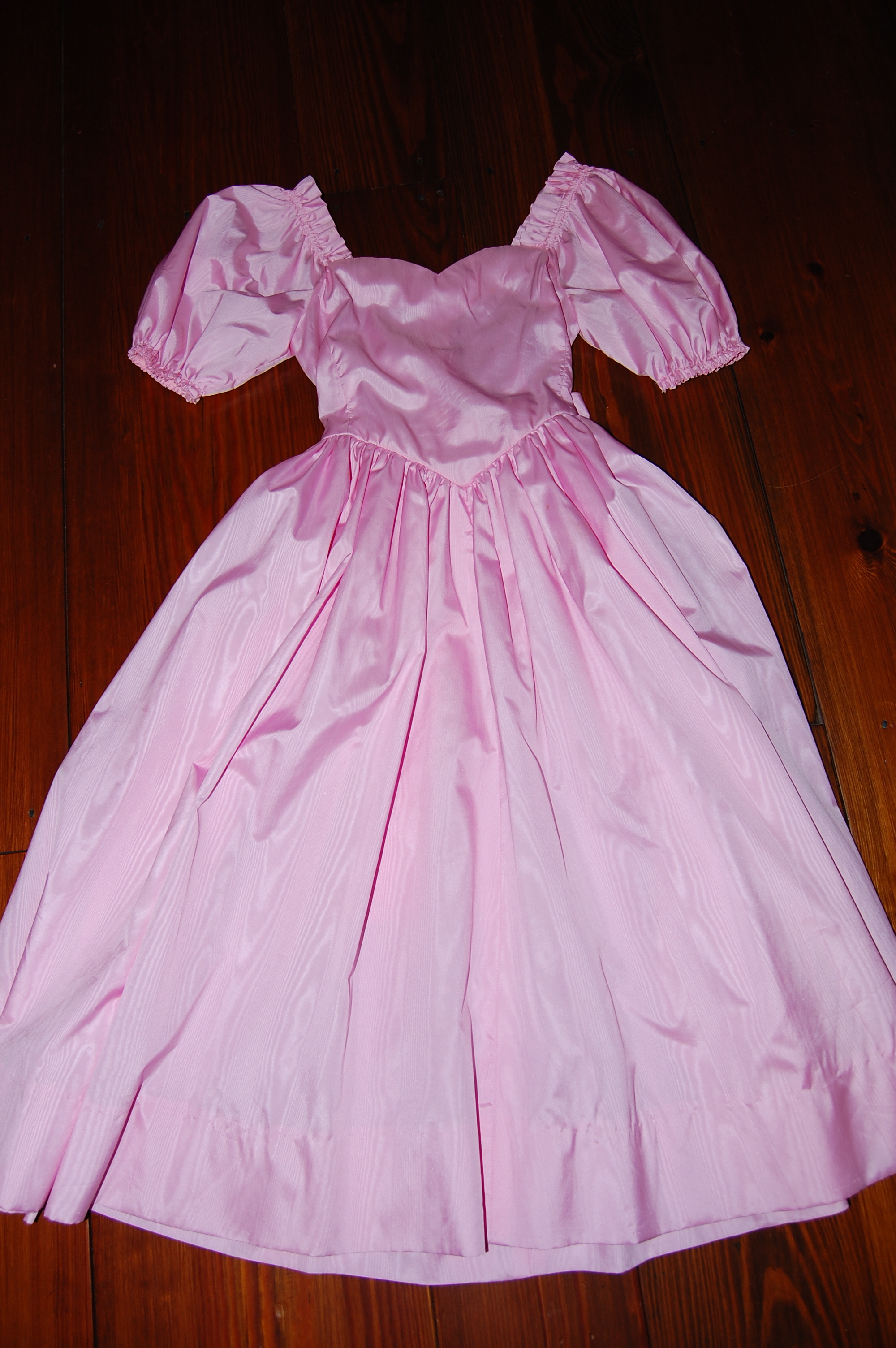
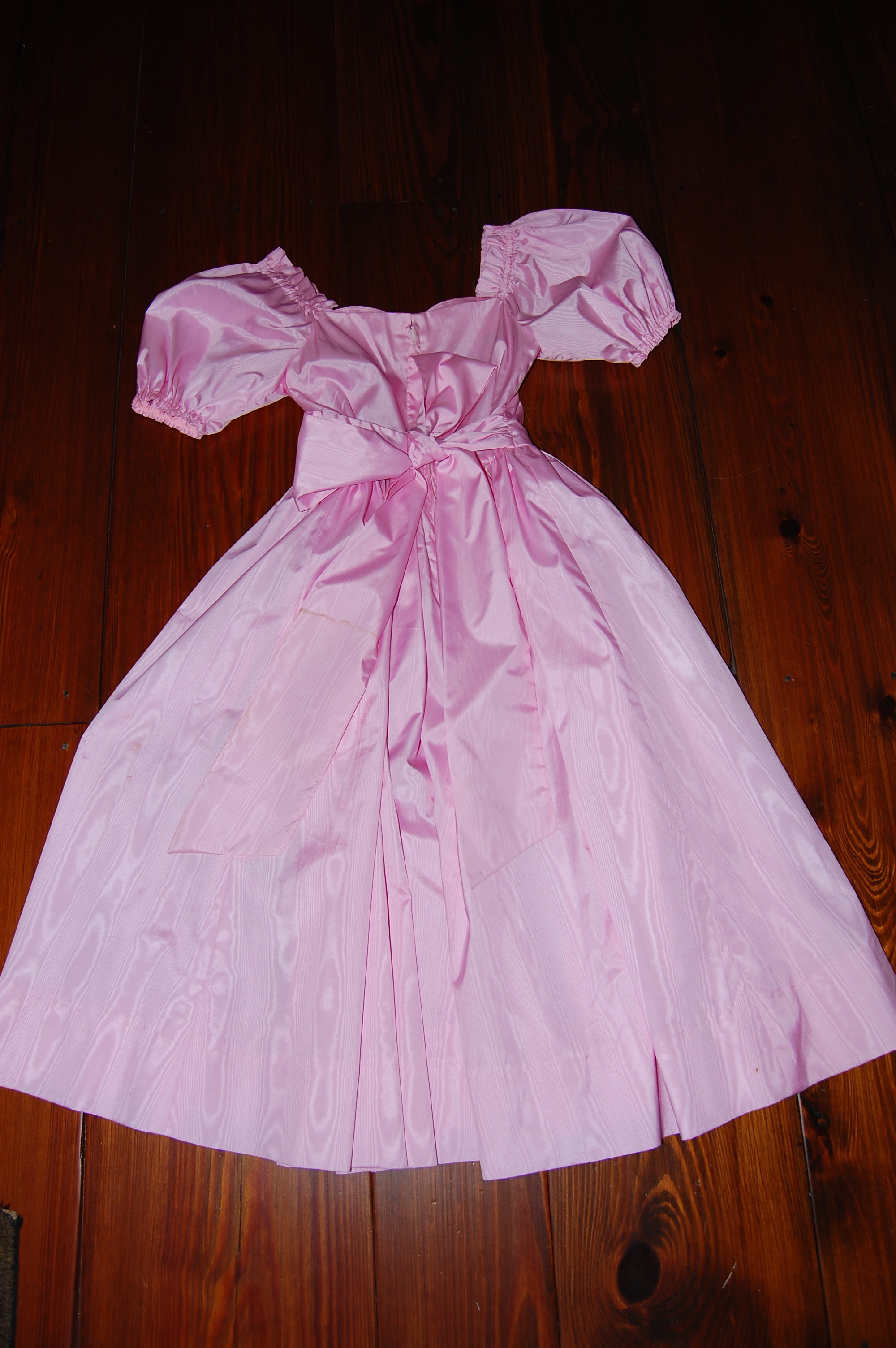
A couple of years after this book was published, I made a “Duchess” dress for my daughter to play in.  Here it is:

A dress for playing out the storyline of  “Brave Irene”.

Here is the back of the dress, with its beautiful bow.

And then a couple of years after that, I needed to make a contribution to a fund-raiser at my son’s school.  So – I put together a “Brave Irene” auction item, which consisted of another “duchess” dress, this one a little fancier, with lace flourishes and silky ribbons.  I lined a sturdy, new cardboard box with shiny white paper, addressed it to the “Duchess c/o the Palace” (with Mrs. Bobbin’s return address, of course!); placed the dress in the box, with a new copy of the book, and a wool scarf for “Irene” to wear on her journey.   In retrospect, I should have included a tomato pincushion, too, and maybe a tape measure ….

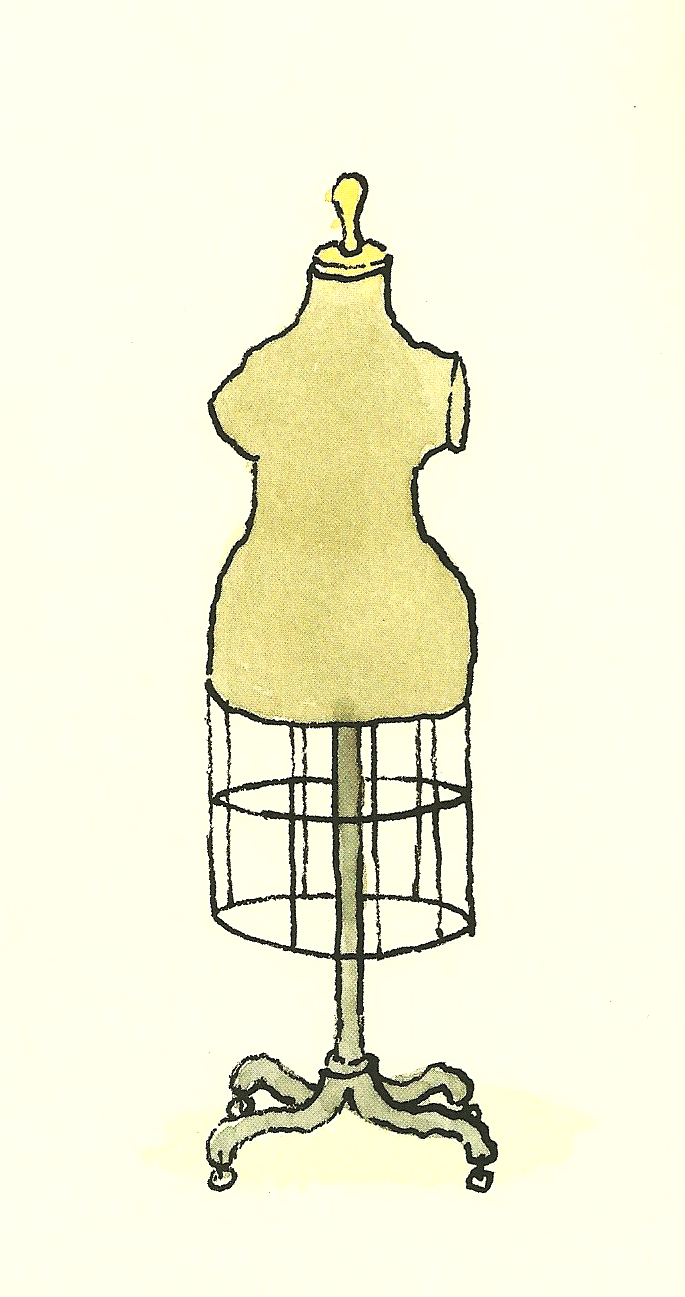
Mrs. Bobbin’s dress form (called a “dummy” in the book).

Whenever I read this simple story, I wonder if William Steig might have been inspired by this quote by Isaac Bashevis Singer:  “What a strange power there is in clothing.”   Indeed!

6 Comments

Filed under Dressmaker details, sewing in silk, Uncategorized

Spring-Summer Fashion Show – A Day Remembered from 1976

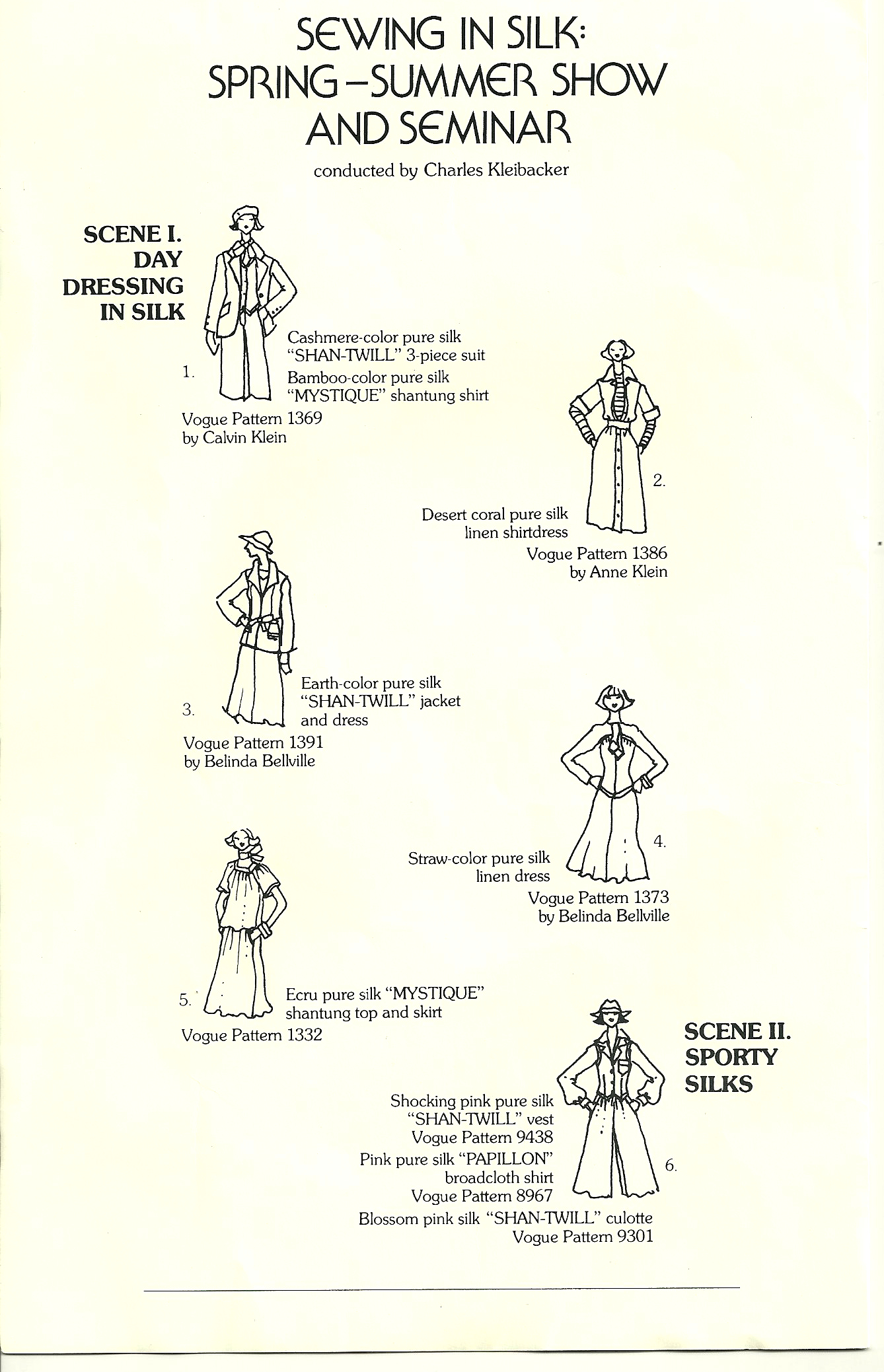
I was working in center city Philadelphia in 1976.  The venerable John Wanamaker Department Store was just a few blocks away from my place of employment – and often I would grab a quick yogurt and crackers for lunch and then head over to the Fabric Department to spend the remainder of my lunch hour dreaming among the bolts of silks and linens, cottons and wools.  It was about this same time of year – mid-March – when I saw a notice about a fashion show, which was going to be held at the store.  It was to feature Vogue patterns, and the sole fabric of choice was to be American-made silk.  Well, this was quite enough to make a girl’s heart go pitter-patter; this was one show I was not going to miss!

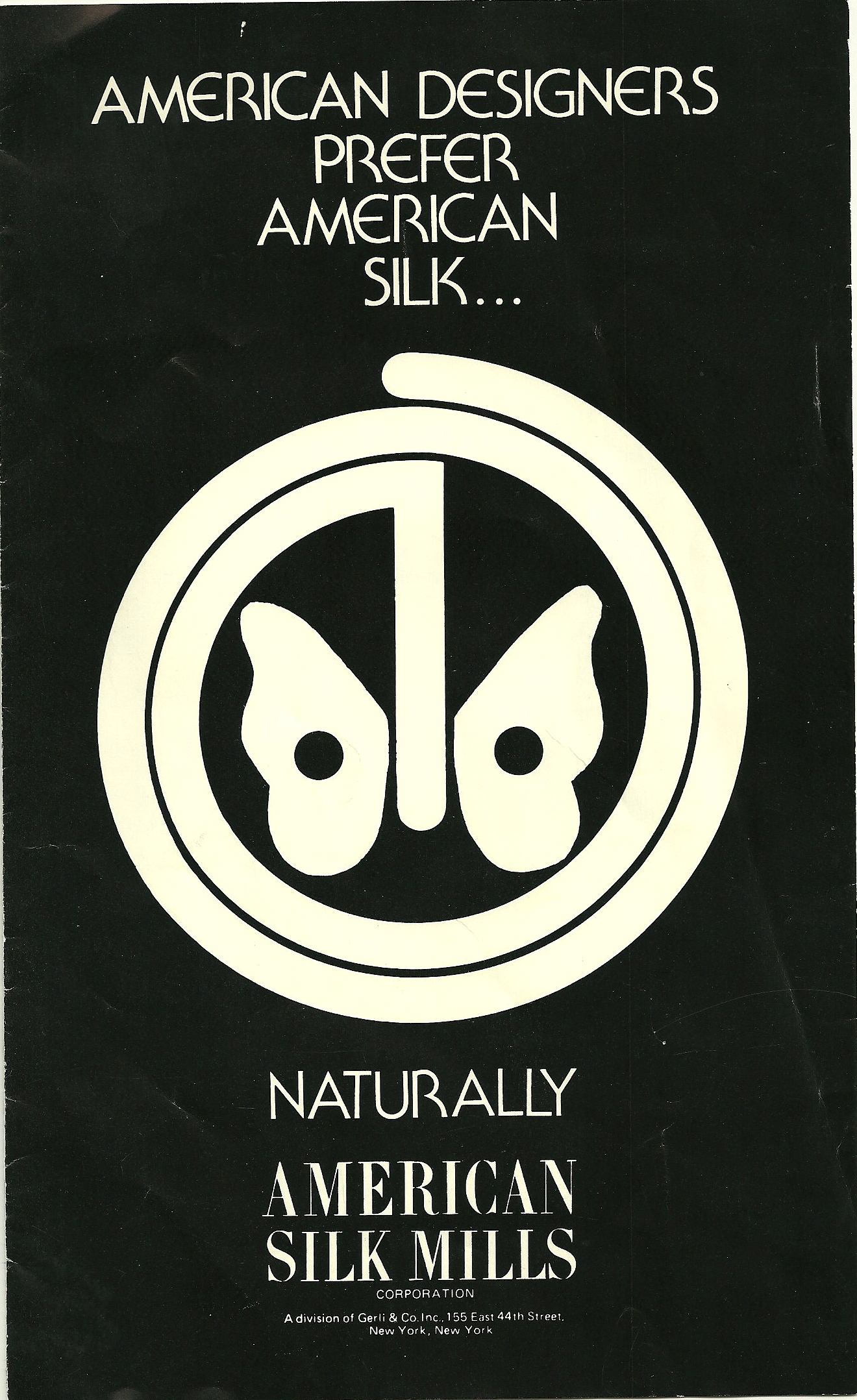
When the appointed day arrived, somehow I carved out the time from work and scurried off to the top floor of the Wanamaker building which housed the “designer fashions” department.  I was feeling a little young and naïve among the well-dressed ladies in attendance, but that did not deter me!  I was in heaven as I saw one gorgeous outfit after another, all in glorious colors of the most beautiful silk fabrics.  I came away with the printed “program” from the show and have kept it all these years.  Here is the front of it:

The symbol for American Silk featured on the cover of the Program is still used today.

I came away with a couple of other things as well – a Vogue pattern which had been featured, and a piece of American silk in which to make my chosen design!  First, however, a few words on the company which sponsored the Show – and a few peeks into the rest of the printed program.

Here is the statement at the bottom of page two of the Program:

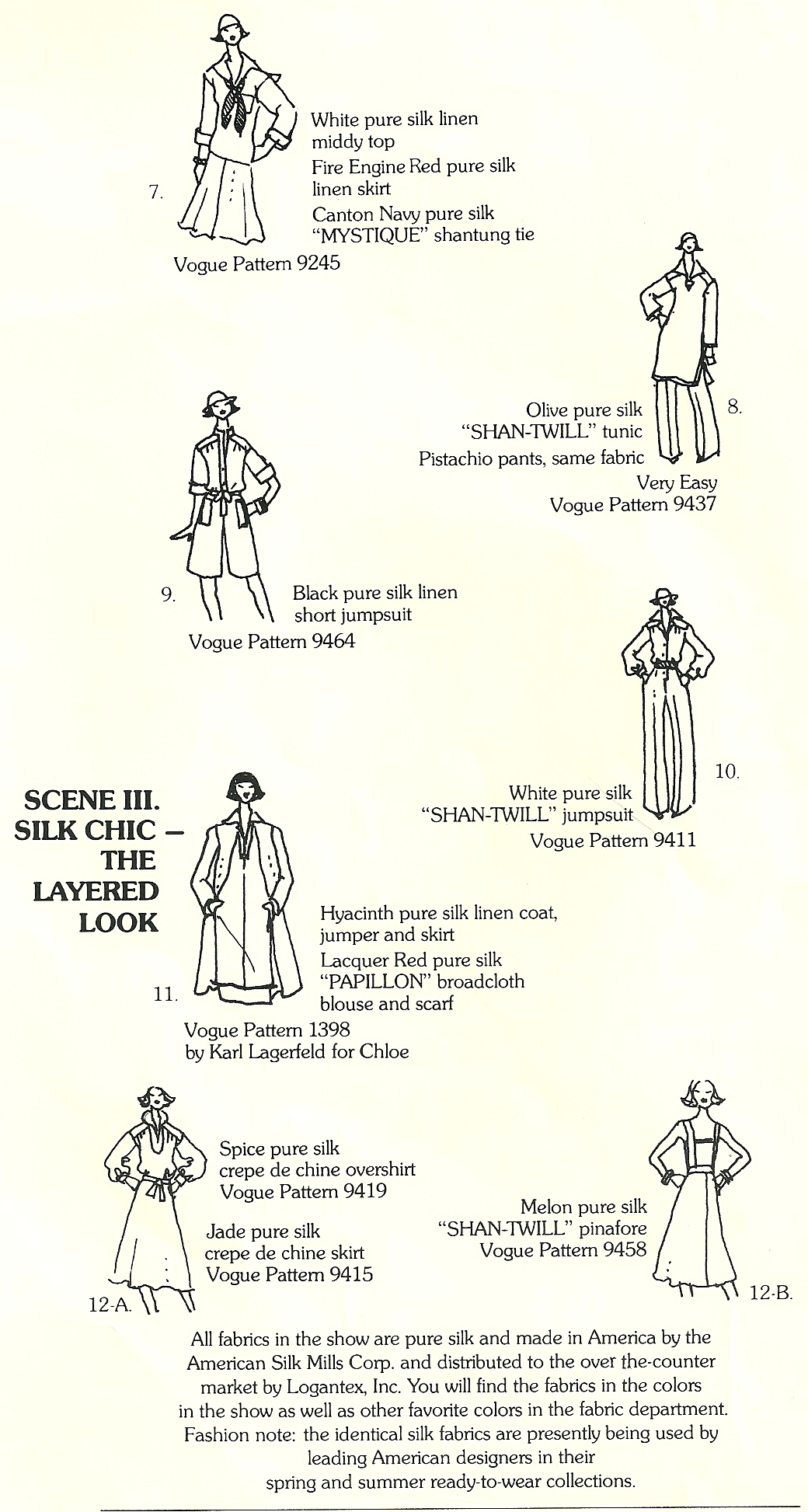
“All fabrics in the show are pure silk and made in America by the American Silk Mills Corp. and distributed to the over-the-counter market by Logantex, Inc.  You will find the fabrics in the colors in the show as well as other favorite colors in the fabric department.  Fashion note:  the identical silk fabrics are presently being used by leading American designers in their spring and summer ready-to-wear collections.”

American Silk Mills is still in operation, but it seems they are no longer producing dress goods, just drapery and upholstery fabrics.  Logantex is still a distributor of fabrics.

The Show was conducted by Charles Kleibacker, whom I remember as very charming and very sophisticated on stage.   He was known as “Master of the Bias” and gave some styling and sewing tips that day on using the bias in dressmaking.  He died in 2010 at the age of 88.

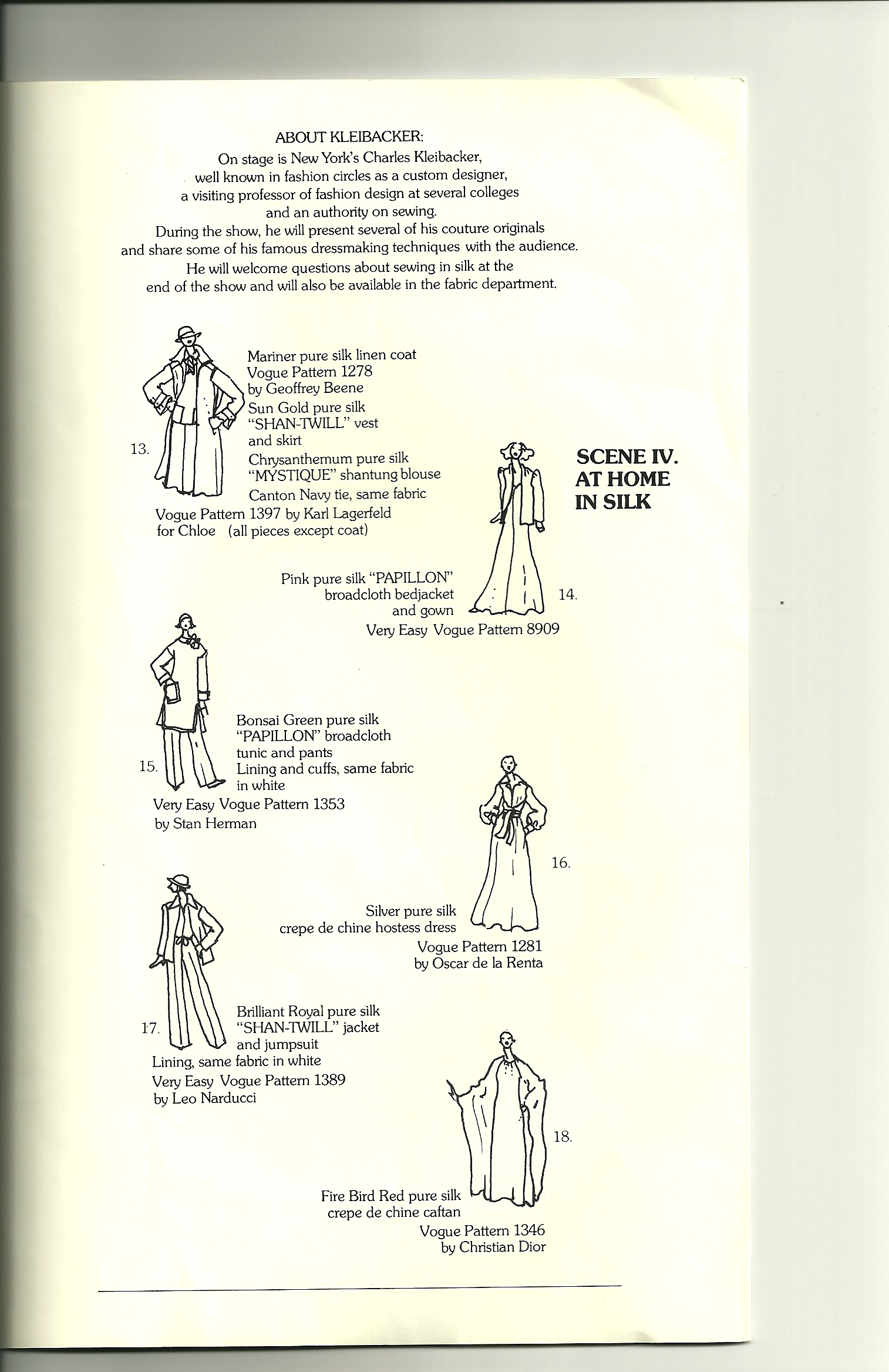
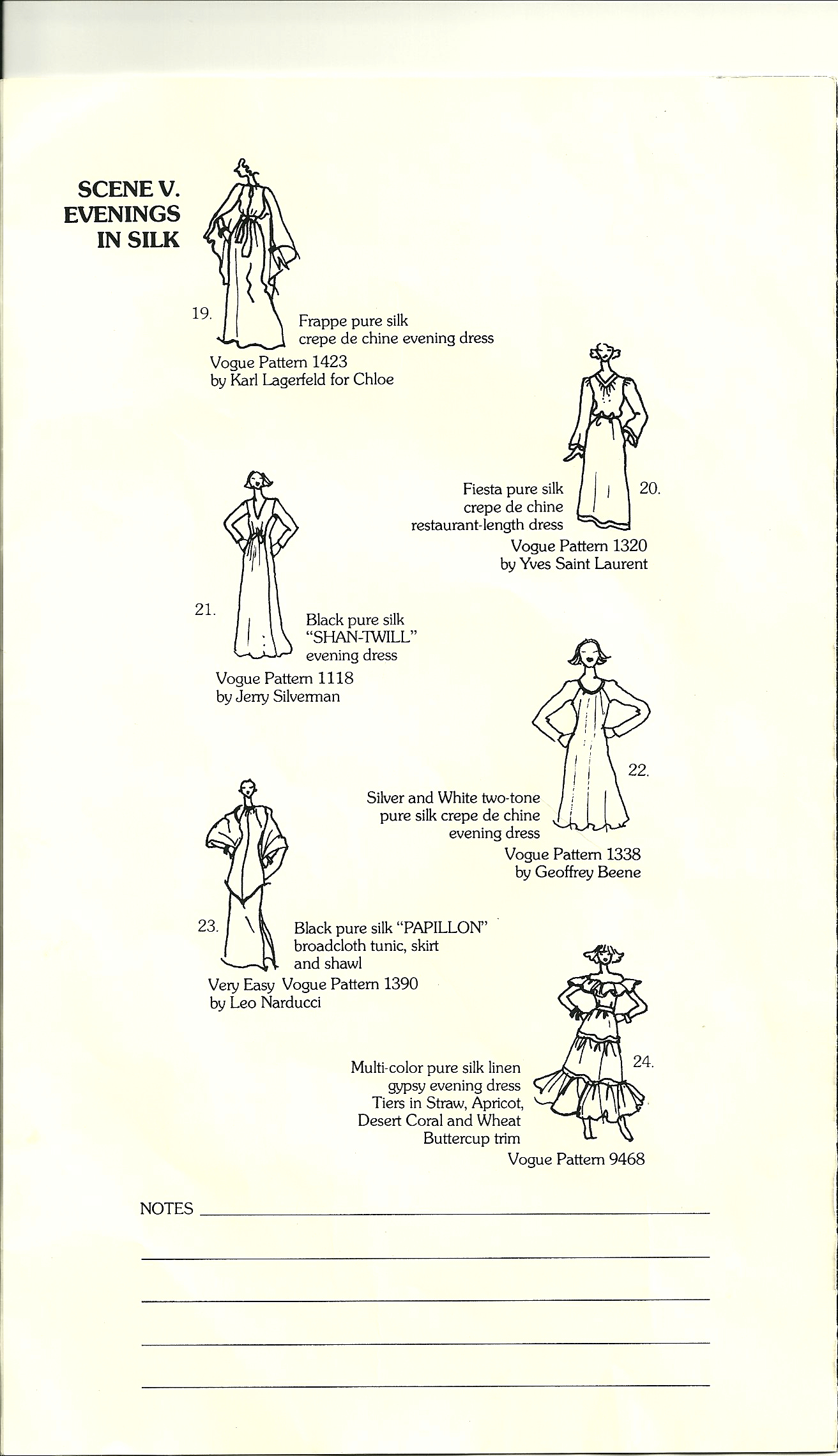
The show was divided into five “scenes”:  Day Dressing in Silk, Sporty Silks, Silk Chic – The Layered Look, At Home in Silk, and Evenings in Silk.  Twenty-eight patterns were featured in twenty-four “looks”.  The diagrams of these outfits are in black and white, but the colors and types of silk used for each are designated in the  descriptions.  Here are the four pages of designs (click on the images to see them enlarged):

Not all the Vogue patterns featured were from their Designer Series, but of those that were, they were all American designers - very appropriate for the Bicentennial Year!

The sailor middy and skirt outfit shown at the top of the page was memorable in its Fire Engine Red, Canton Navy Blue and White.

You can read some more about Charles Kleibacker at the top of this page from the Program.

The designs on this page give a good feel for the various weaves of silk which were featured in this show: crepe de chine, "Shan-Twill", broadcloth, and linen. Shantung was also one of the weaves.

Reading the color descriptions and combinations is totally inspiring.  For example, View 6 featured Shocking pink, Pure pink, and Blossom pink.  Olive and Pistachio were paired in view 8, while view 13 brought Mariner blue, Sun gold, Chrysanthemum, and Canton Navy together in one stunning outfit.  View 24 was a fabulous finale piece in Straw, Apricot, Desert Coral and Wheat.

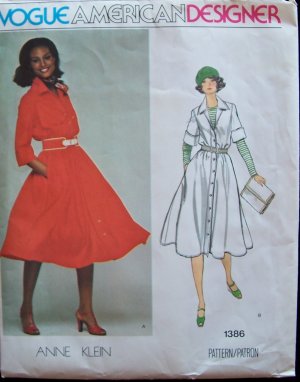
However, the colors which spoke to me the most that day were the Hyacinth silk linen, the Desert coral silk linen and the Melon twill.  I could only afford to buy one length of fabric – I opted for the pattern shown in View 2, an Anne Klein shirtdress –  and I purchased the hyacinth blue silk linen.

I made a wide self belt and wore this dress with the collar up in back as pictured.

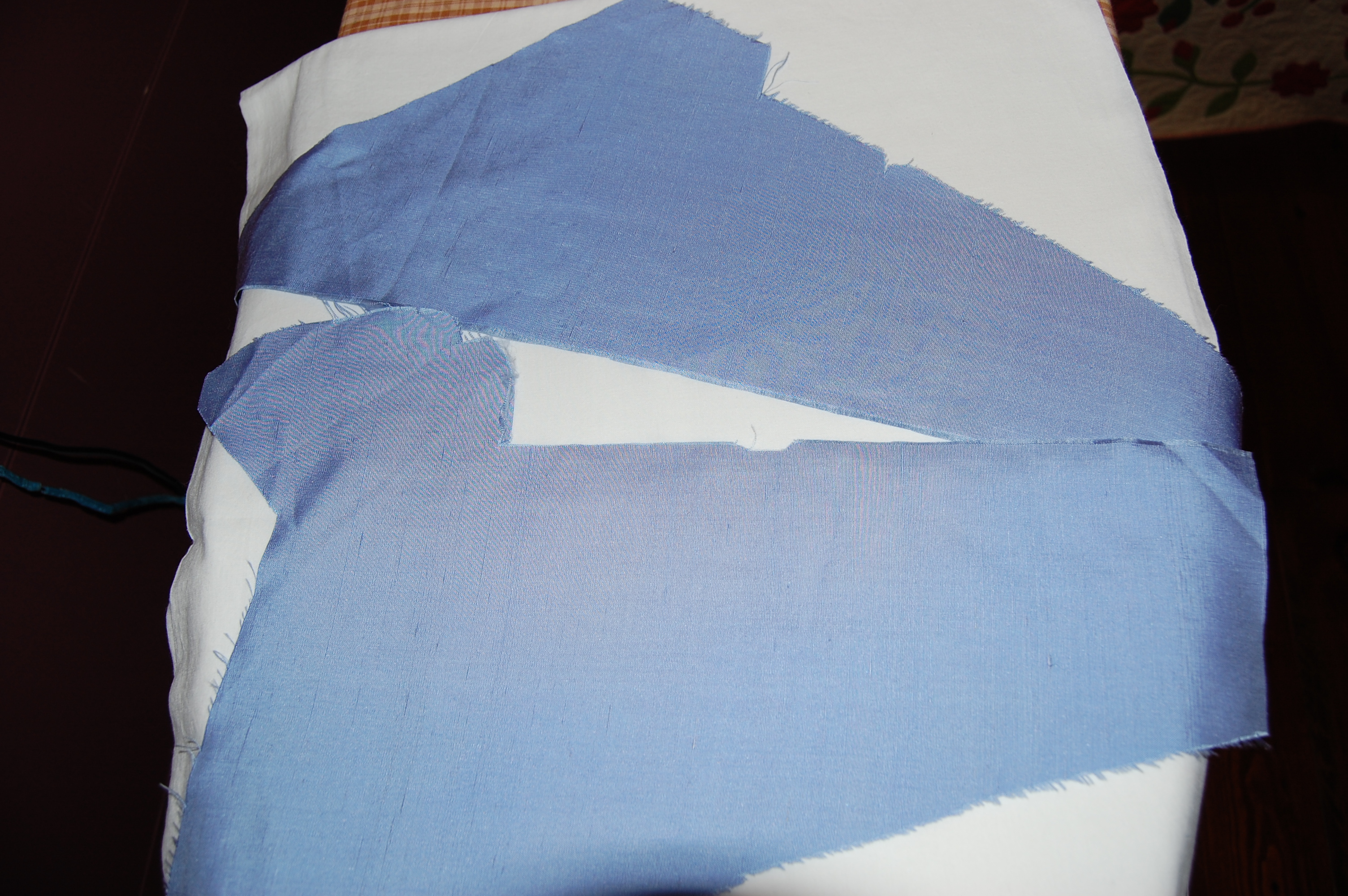
Here is all I have left of the fabric, two scraps!

This photo cannot show you the depth of color saturation, nor the perfect weight and weave of this silk linen.

I remember wearing the dress to parties and feeling very happy.  Isn’t that what beautiful clothes are supposed to do?

5 Comments

Filed under Dressmaker details, sewing in silk, Uncategorized, vintage Vogue patterns from the 1970s, Vogue patterns

Messages from the past: handwritten notes on vintage patterns

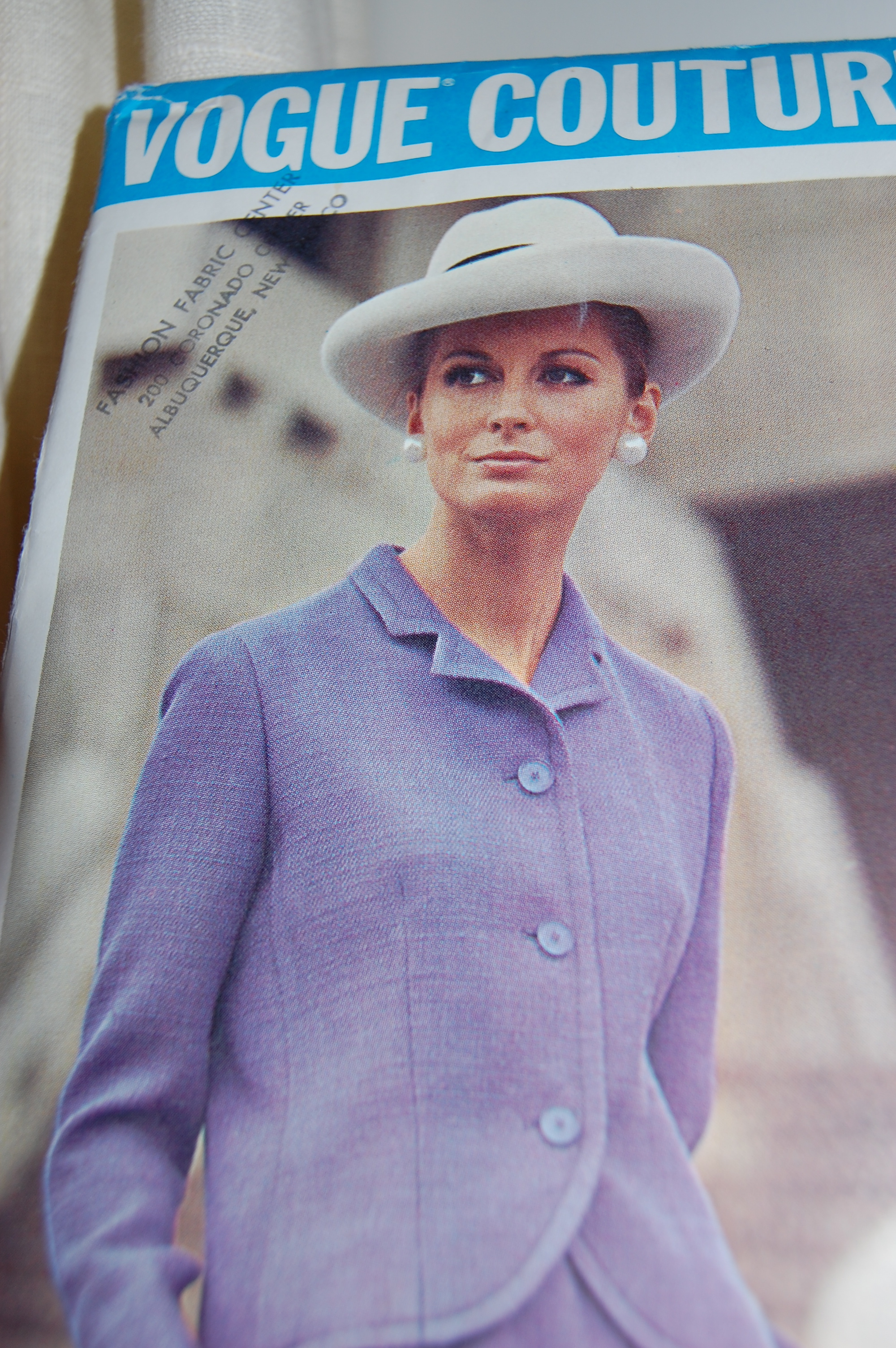
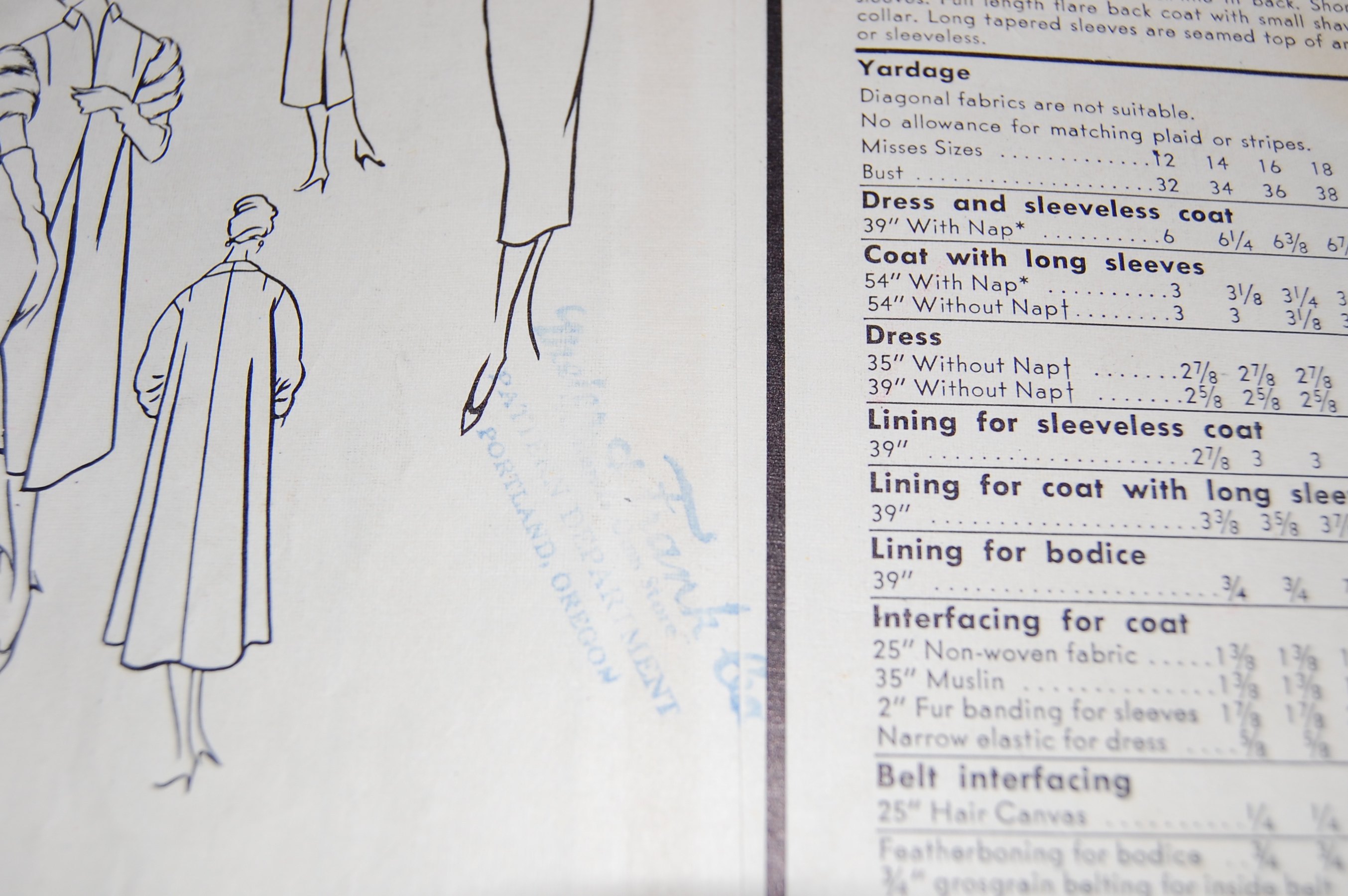
Many vintage patterns have a visible stamp on them which tells the name of the store where it was originally purchased.  (Those of us who sew know that patterns, once purchased, are non-returnable – and it seems it was ever so…)  Sometimes the stamp also lists the location of the store, but not always.  Either way, that stamp is a visible clue to the pattern’s past life.

In the upper left hand corner, you can see the stamp for "Fashion Fabric Center" in Albuquerque, New Mexico. This pattern is from the early '70s.

If you look closely, you can see the stamp on this envelope which tells you it was purchased from Meier & Frank Pattern Department, Portland, Oregon. This pattern is from the 1950s.

I can’t help but visualize a well-put-together woman perched on a stool at the pattern counter of the mentioned store,  thoughtfully flipping through the pages of the Vogue Pattern catalogue, and finally settling on this one pattern.  I wonder what occasion, if any, she was making it for?  Was she, like I was in the ‘60s and ‘70s, agonizing a bit over spending 75 cents or $1 or $3 or $5 for just a pattern, and then loving it once the decision was made?  Was she buying it to make it herself or in coordination with a dressmaker who would be the one to create it for her?  What fabric and color was she intending for the pattern?  Or did she buy the pattern and then, for one reason or another, never make the intended garment?

And then, every once in a while, there is a handwritten note or diagram on a pattern envelope.

These jottings, sometimes cryptic, other times precise, provide clues which begin to answer some of those questions.  In the months I have been buying vintage patterns, I have found myself privy to some of these “messages” from the past – and here are the small stories they tell:

Fit seems to be an important focus.  Kudos to those dressmakers who recorded their difficulties on the pattern envelope!

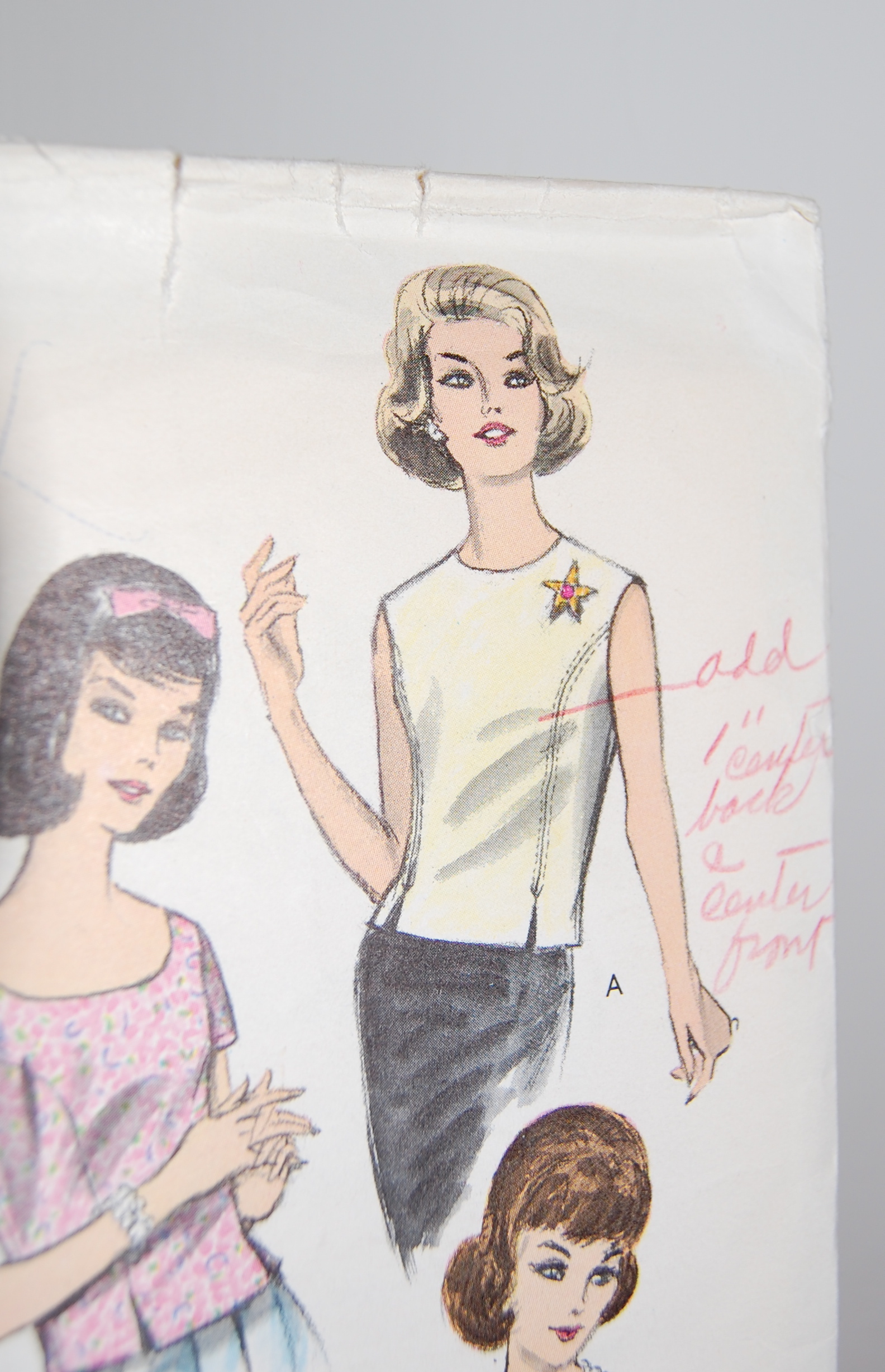
I think this lady should have purchased a larger size! She needed to add 1" center front and center back!

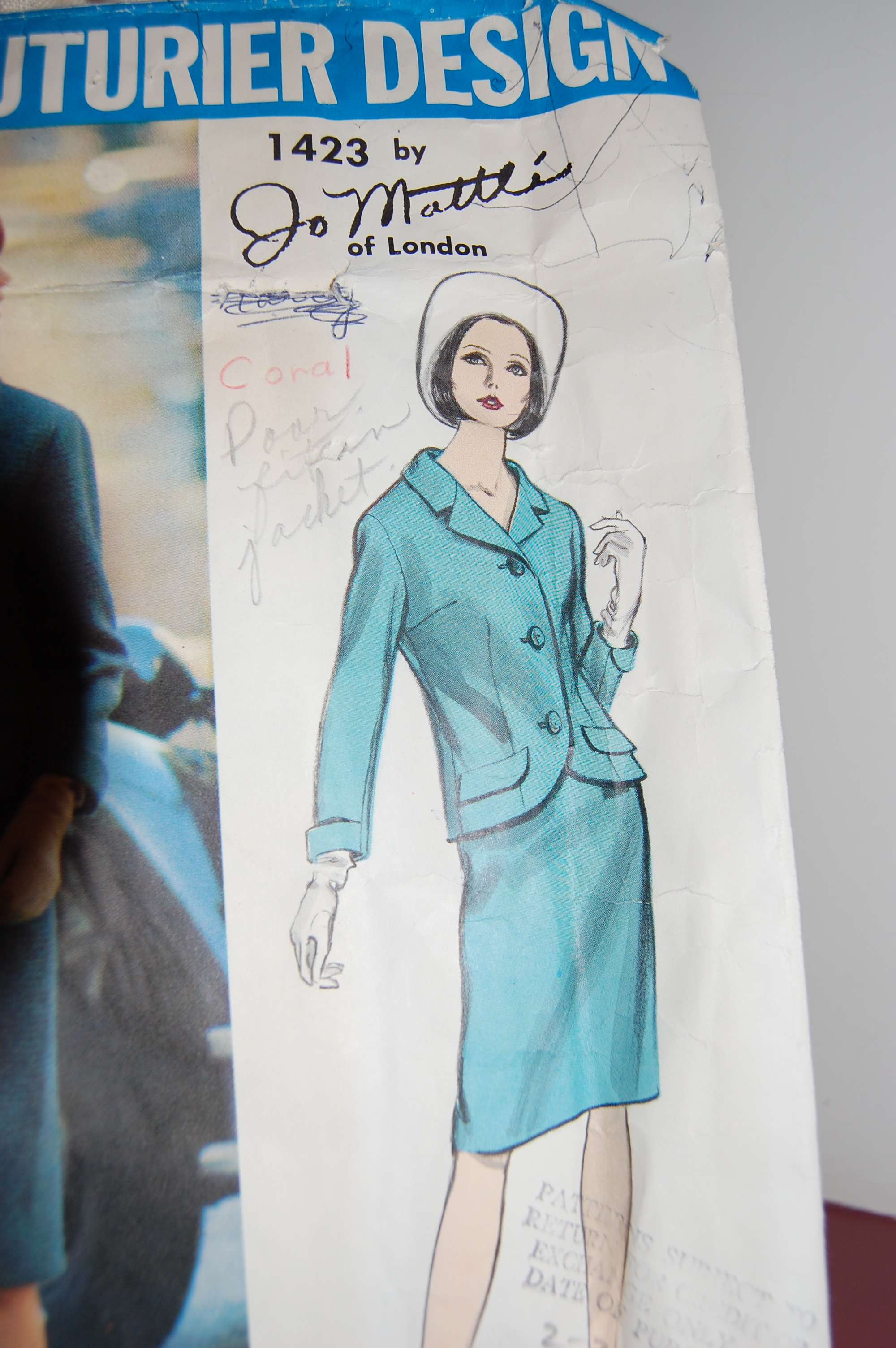
Beware! Poor fit in jacket! But I bet it was lovely in coral nonetheless.

Check out this listing on Etsy to see a rather melancholy note about fit:  “would have been best to have gotten the med. size.”  I guess that pattern ran large!

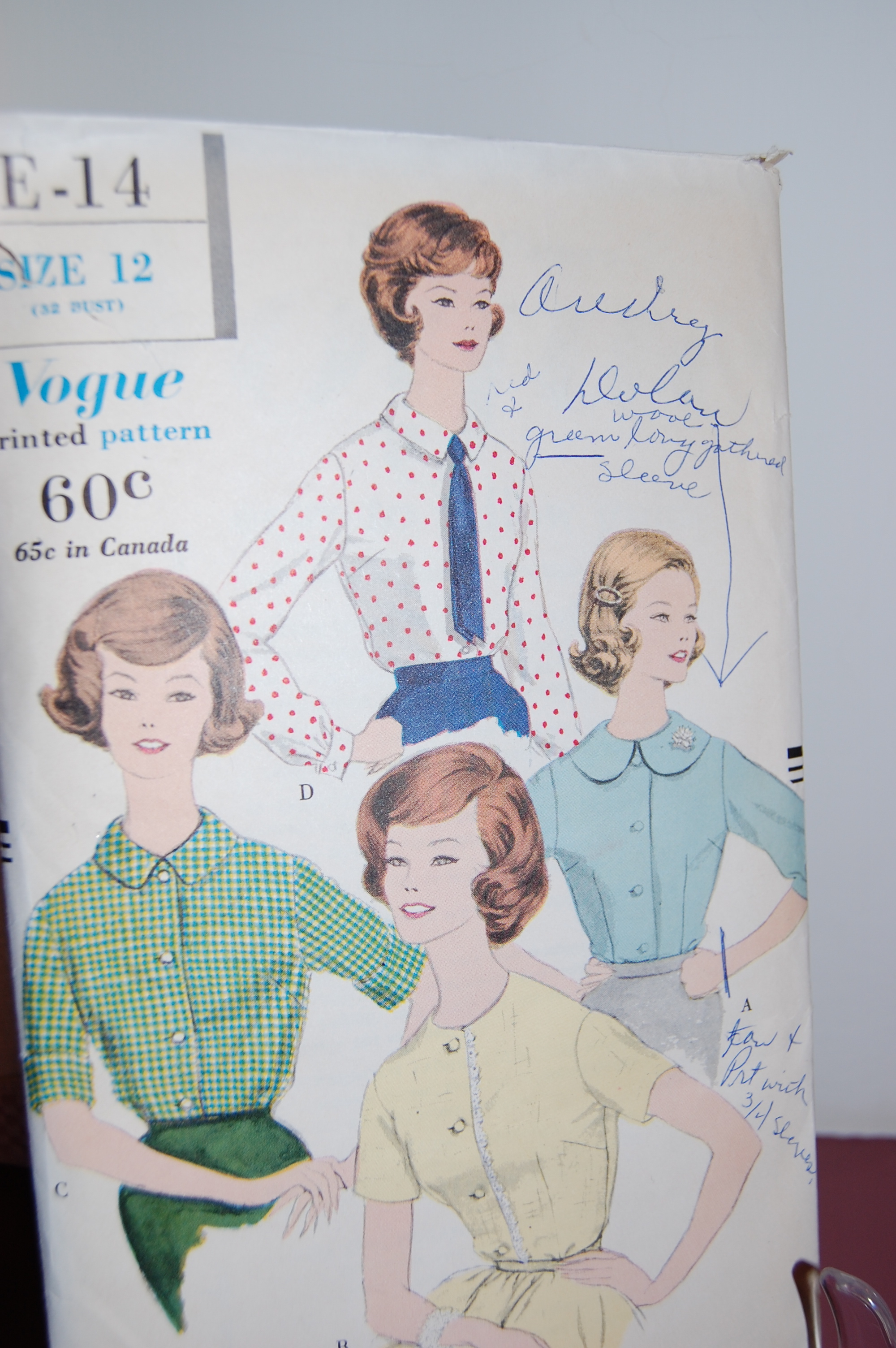
Choice of fabric and color (see above image) are also details which have been noted, sometimes multiple times on the same envelope.

I think this pattern must have belonged to a professional dressmaker. She made it up in red and green wool for Audrey Dolan, with long gathered sleeves. It looks like she also made it in tan and in a print (Prt) with 3/4 sleeves. The pattern tissue is still in great condition, despite all that pinning and cutting!

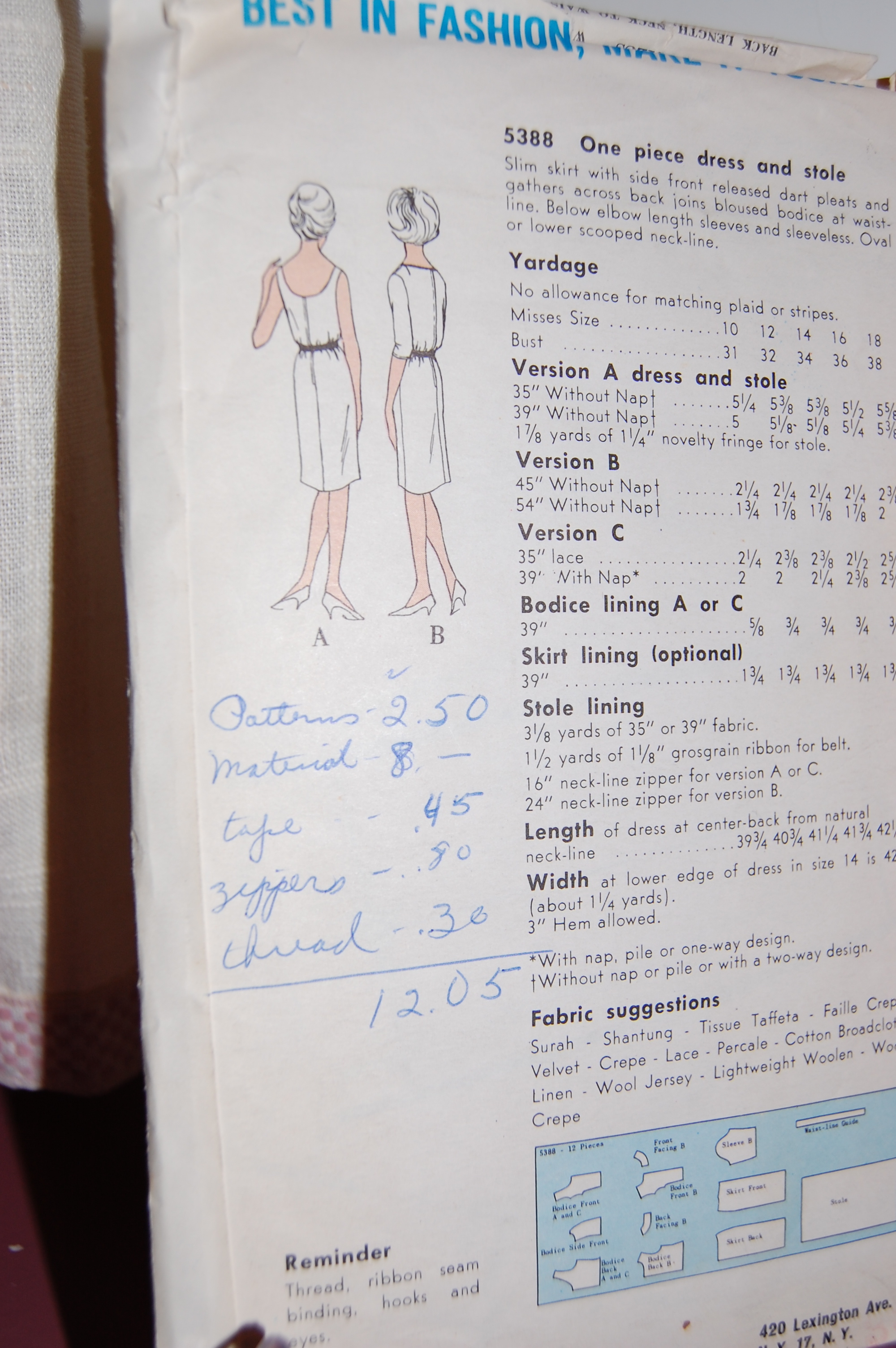
This pattern obviously belonged to a lady who was either a dressmaker, noting her expenses, or a home sewer who kept careful records for her household/clothing budget.

This lady must have made this dress in coordination with another pattern. Both patterns together cost her $2.50. She was also buying multiple zippers, to the tune of 80 cents! Her big expenditure was fabric (material), which she lists at $8.00.

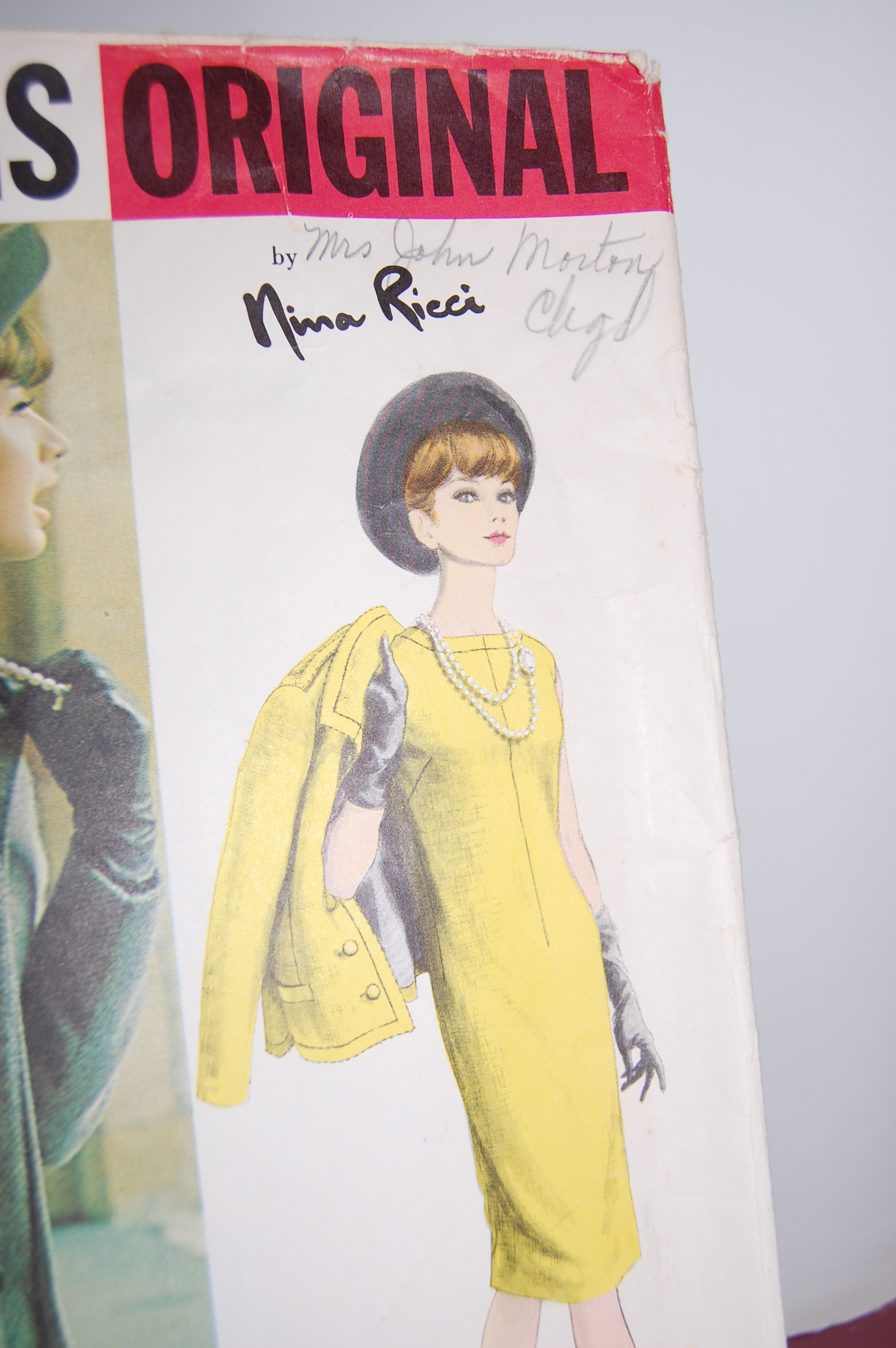
And here is a pattern which Mrs. John Morton “Chgd” [Charged]  Perhaps she did not have to be as careful with her expenditures!

I think Mrs. John Morton was one stylish lady!

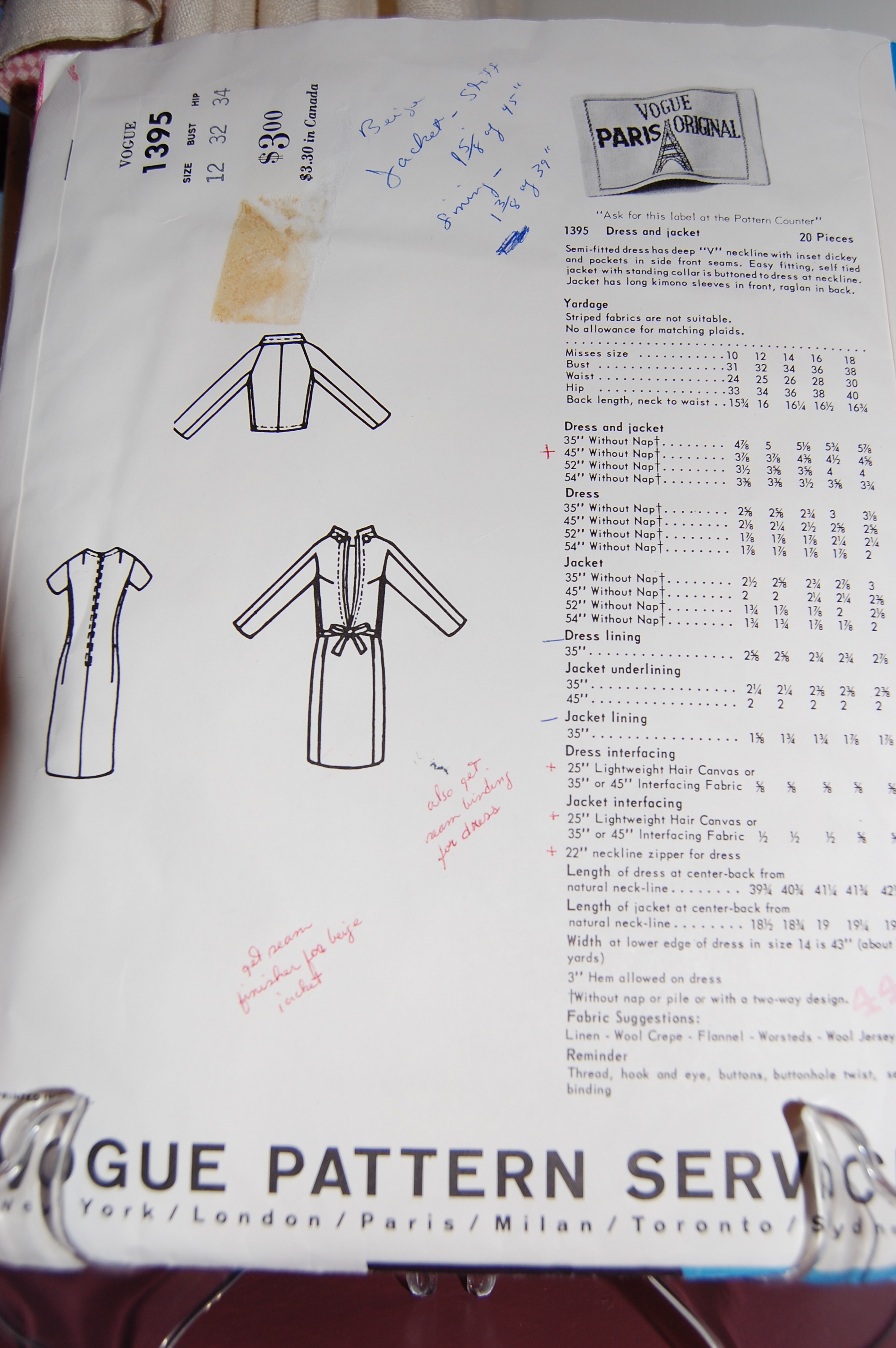
This next pattern is a study in contradictions:  The owner has carefully noted some yardage requirements, written notes to remind herself to “get seam finisher for beige jacket” and “also get seam binding for dress”.  But the pattern came to me uncut, factory-folded and therefore unused, with its original Vogue label included.  I wonder what prevented her from ever making this lovely jacket and dress?

We know she intended to make the jacket in beige, but she doesn't tell us about her color choice for the dress!

Next, it’s always fun to see someone’s intended changes to the line or details of the pattern.  Here are two examples:

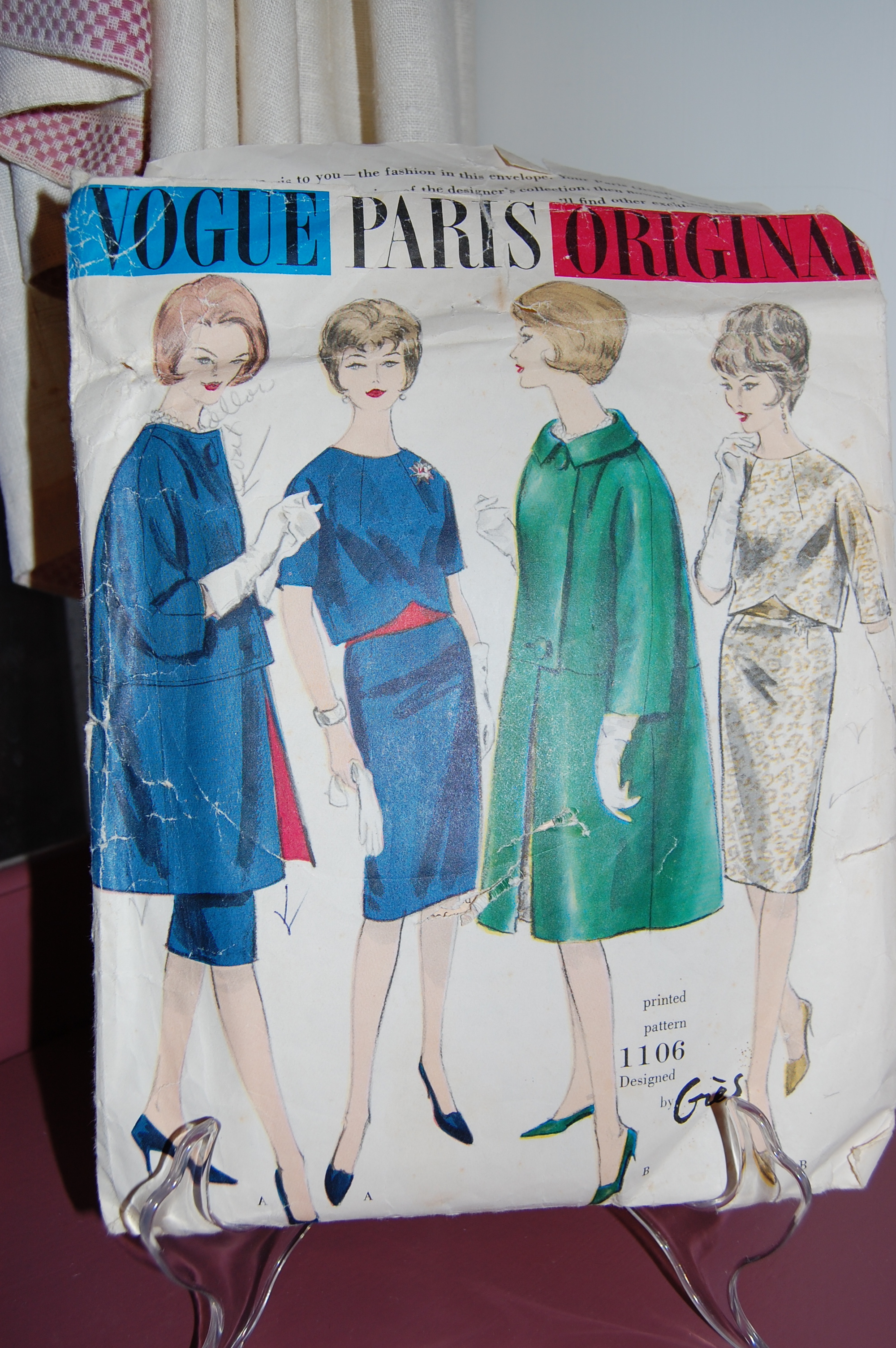
View A on the far left just did not suit this sewer. She wants to extend the length of the coat, and add the collar. What she is really saying is that she wants to make view B, but with top-stitching!

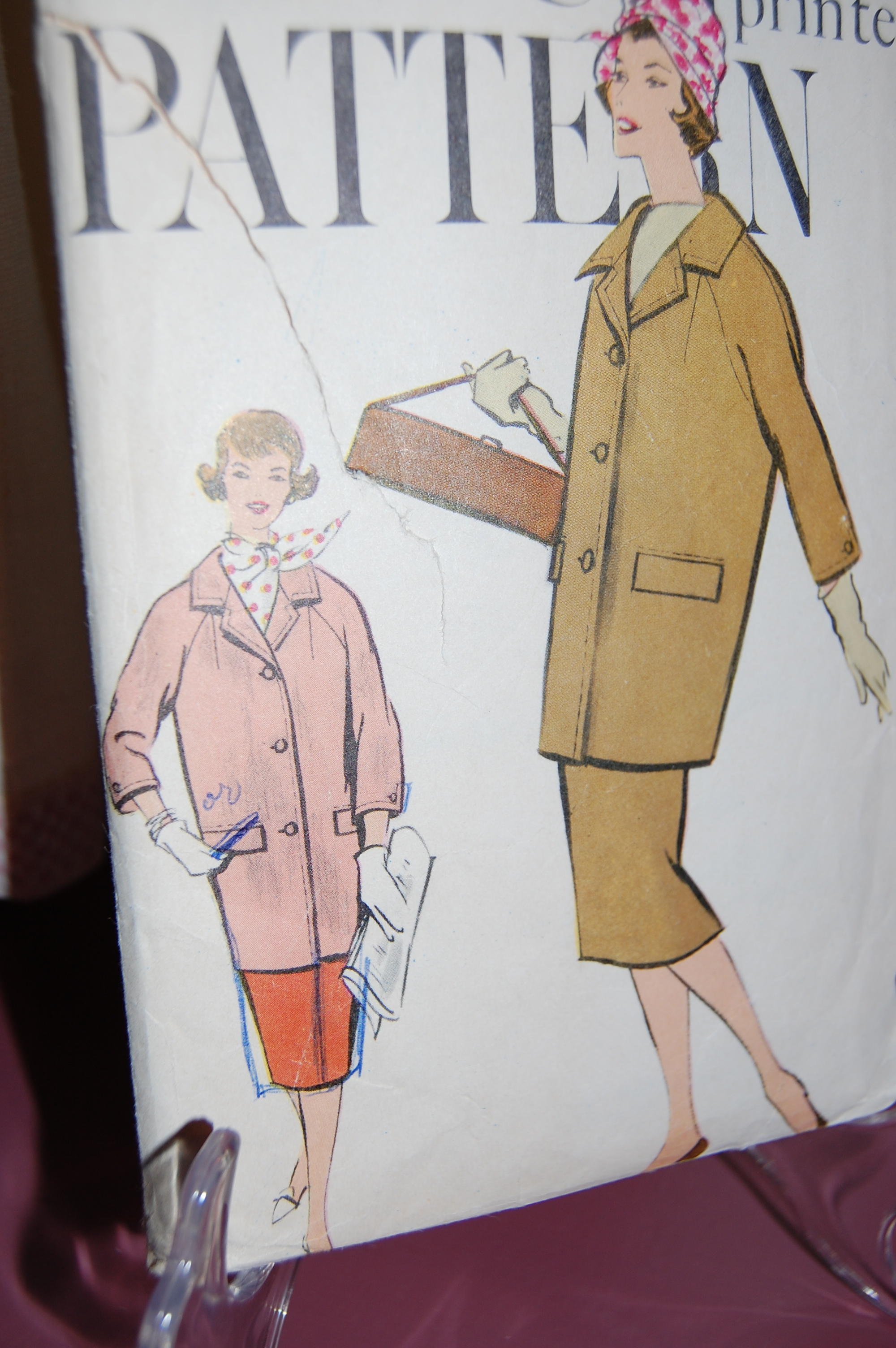
It seems lengthening coats was a popular thing to do! This lady drew the longer version of the coat (on the left) and was still deciding on making the pockets "slash" pockets instead of flap pockets!

Finally, sometimes all that is on a pattern envelope is a name – a simple notation, which quietly transcends the years!

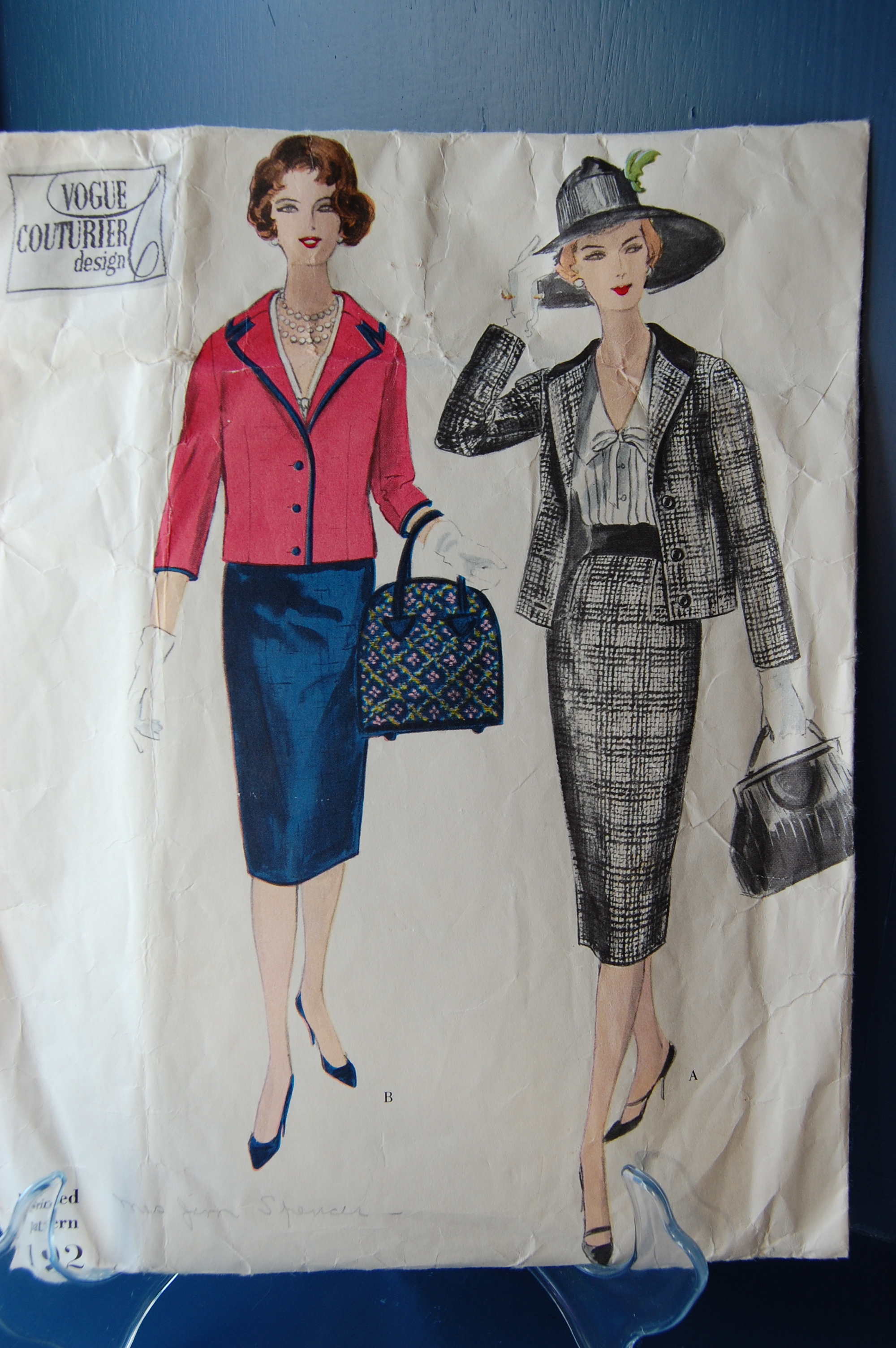
Look below the figure in red and blue for the name written in pencil.

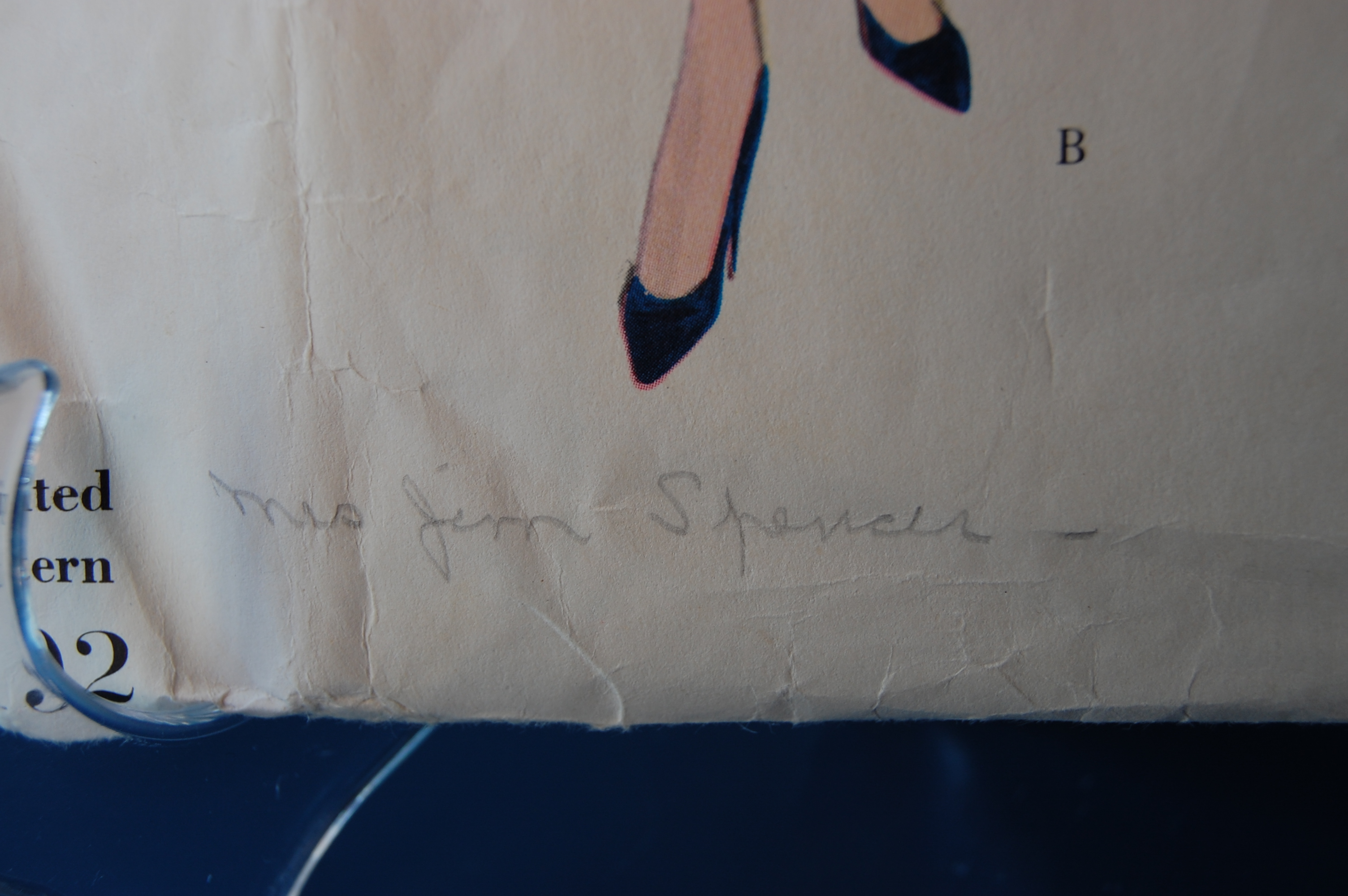
Here is a close-up of the signature. This pattern belonged to Mrs. Jim Spencer.

Mrs. Jim Spencer, I bet you looked fabulous in this suit!

7 Comments

Filed under Coats, Dressmaker details, Uncategorized, vintage Vogue patterns from the 1960s, vintage Vogue patterns from the 1970s, Vogue patterns

D + D = A+

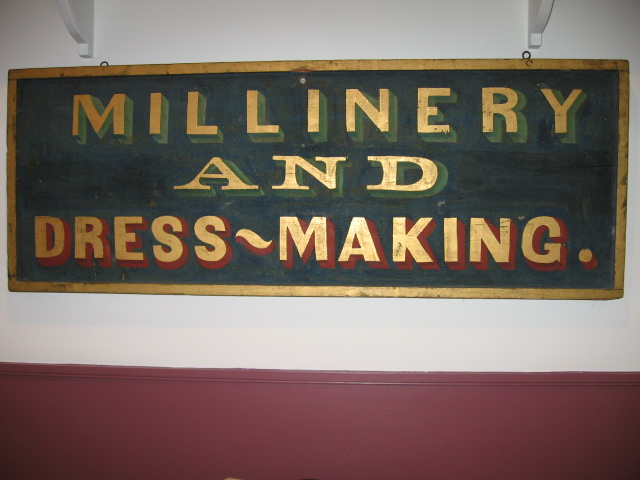
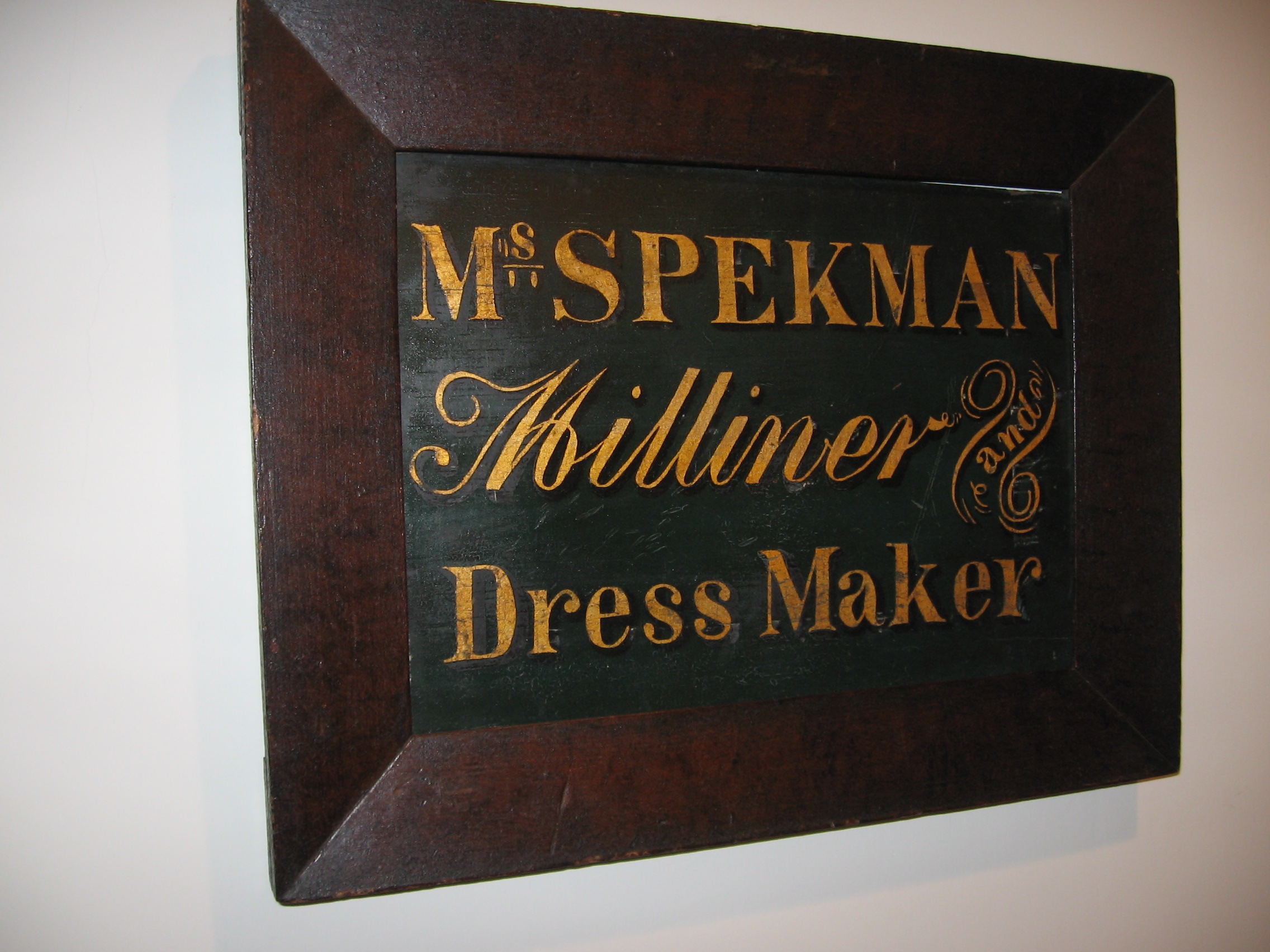
The term “dressmaker” conjures up intriguing, dreamy thoughts for me – and maybe for you, too.  I’ve always liked the connotation of it – obviously a female craftsperson, skilled with a needle and working with patterns, creating clothing for women and children.  It is a term which spans decades, even centuries, in its relevancy (in the 18th century the term “mantua maker” was interchangeable with “dressmaker” and often the preferred term.) I have two 19th-century trade signs hanging in my sewing room, both for Dressmaking & Millinery, and simply their presence gives me inspiration.

One of my inspirational trade signs for dressmaking

Mistress Spekman's sign which now adorns my sewing room

When compared to “fashion designer”, a “dressmaker” might seem to some a bit provincial or less exciting or less creative…

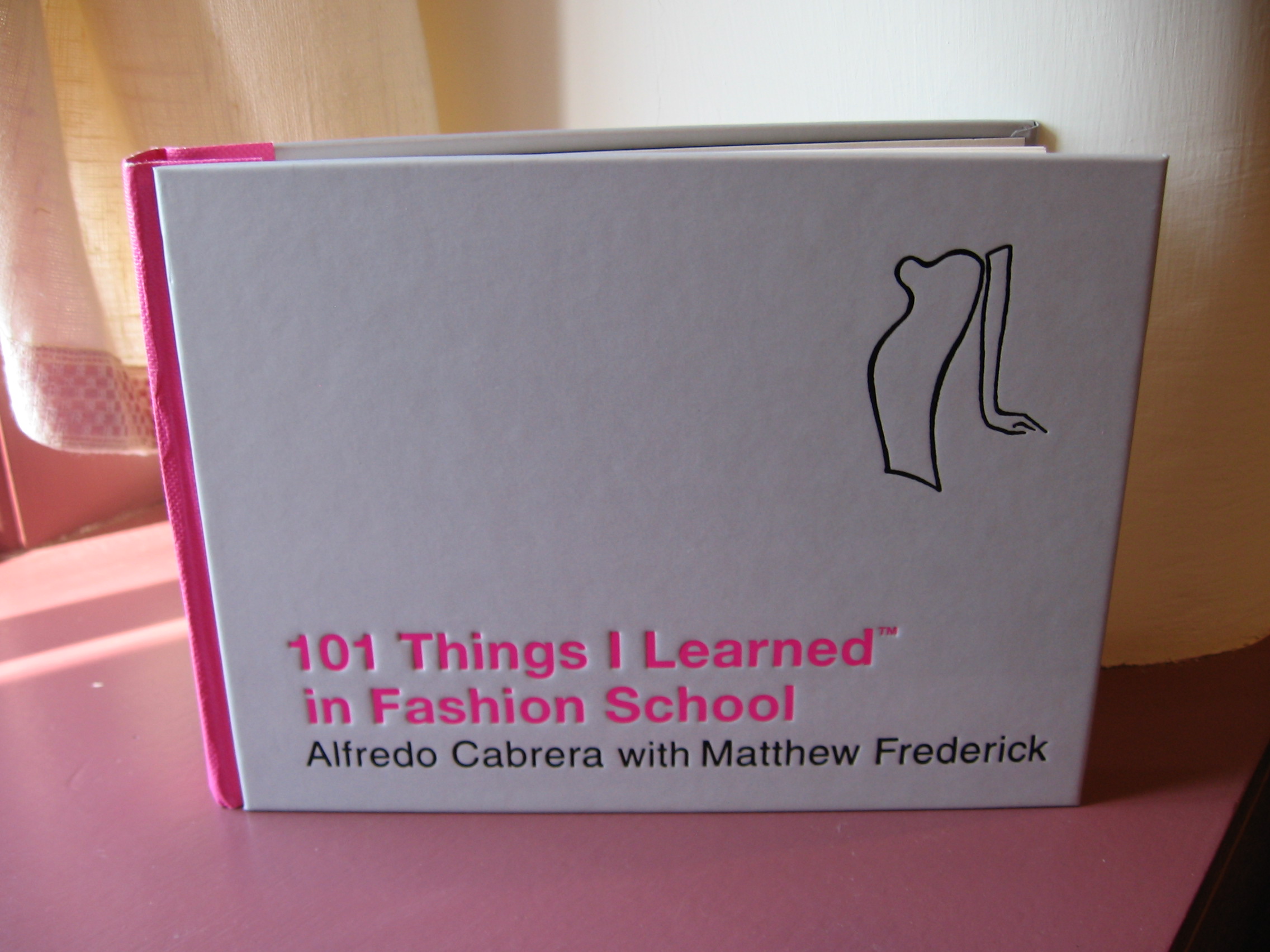
Well, think again.  There is a wonderful entry on “The dressmaker” in a small book entitled 101 Things I Learned in Fashion School (available at Barnes and Noble, where I found my copy).

A little book filled with great information

To quote:

“Dressmakers differ from fashion designers in that they do not design wholly new fashions, but copy or adjust the fashions of the day [or yesterday!  my addition….].  Often they add flourishes such as ruffles, flounces, covered buttons, spaghetti straps, and ribbon trims.  Today, such highly feminized, applied details are still referred to as dressmaker details [my emphasis] whether or not created by a dressmaker….”

The list of possible dressmaker details is a long one, and includes such additional things as choice of fabric, buttonhole treatment, combining two or more patterns (for example, a blouse from one pattern and skirt from another), topstitching, linings, etc.  Hopefully, you can deduce that the possibilities are almost endless, infinitely creative, and require an excellent understanding of fashion design and purpose to be successful.

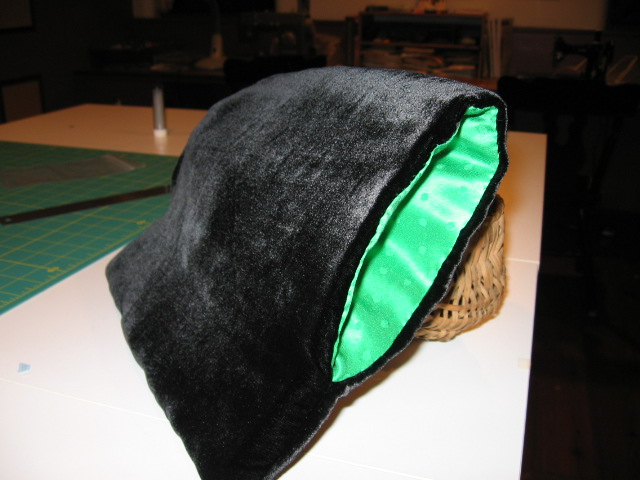
Here is an example of my own added Dressmaker Detail.  I made this evening muff as part of my merchandise for a recent fine crafts boutique/fair.  I made it up in black silk velvet, with a kelly green silk lining.  Made according to the pattern (circa 1959) it was pretty, but not as elegant or eye-catching as I had hoped.

This velvet muff with silk lining was not quite as special as I had hoped.

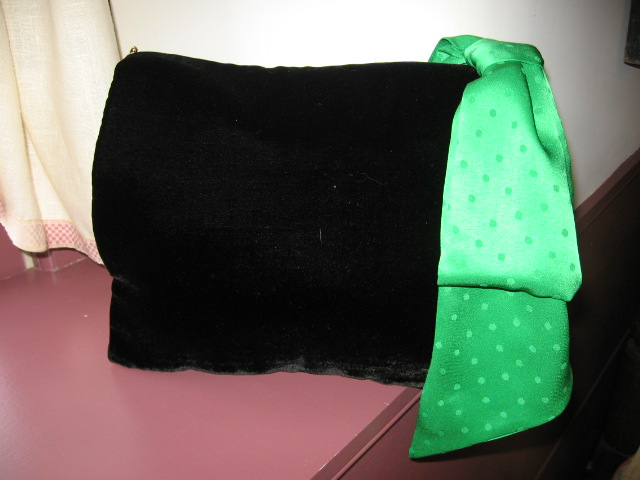
So – I added this constructed bow, which I made out of the green silk – a dressmaker detail which (I think) turns it from nice to  “wow”.

The added silk bow makes a big difference!

Dressmaker           +             Details             =

Absolutely what makes sewing so enjoyable.

4 Comments

Filed under Dressmaker details