
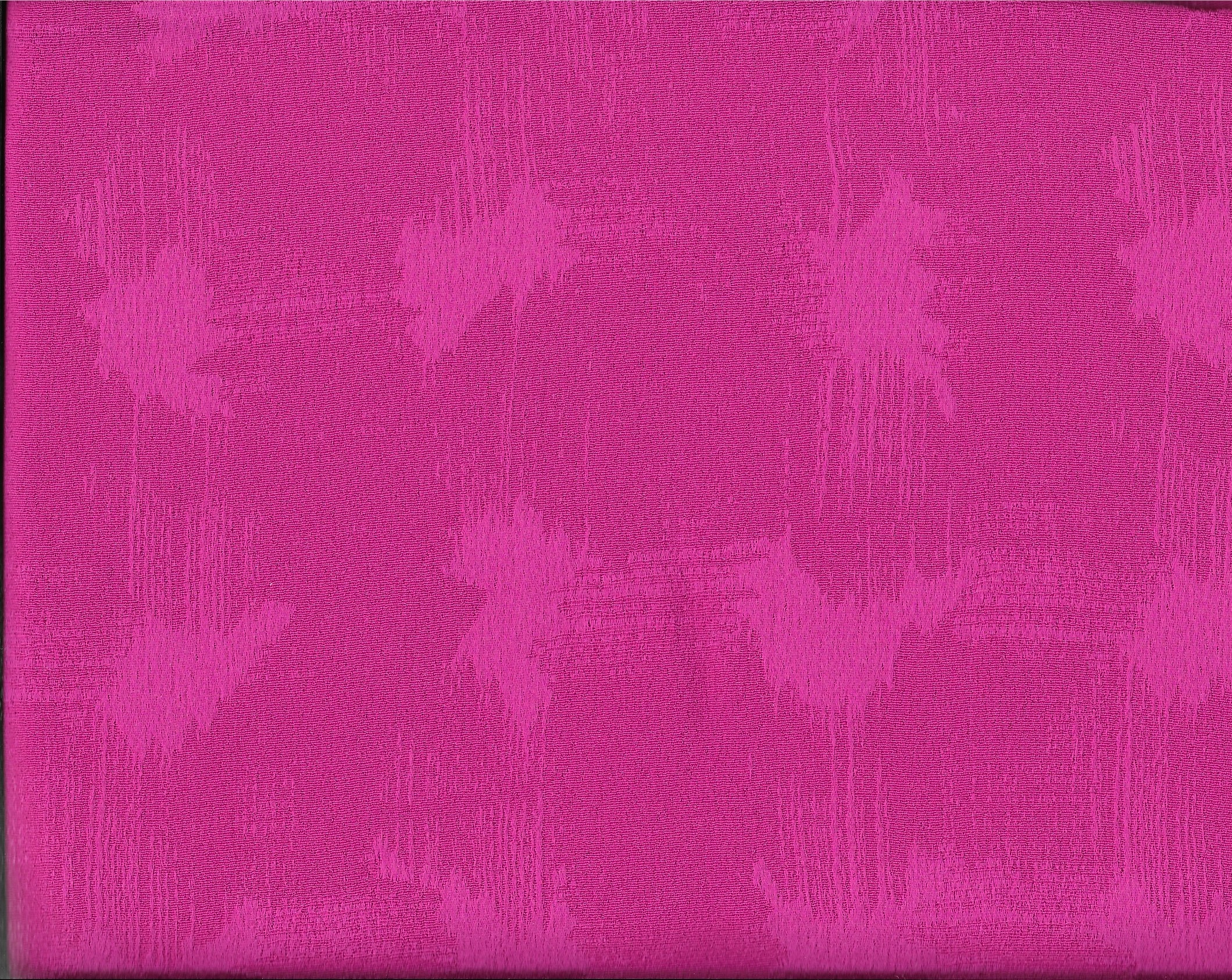
There are now a few scrapes remaining of this fabric:

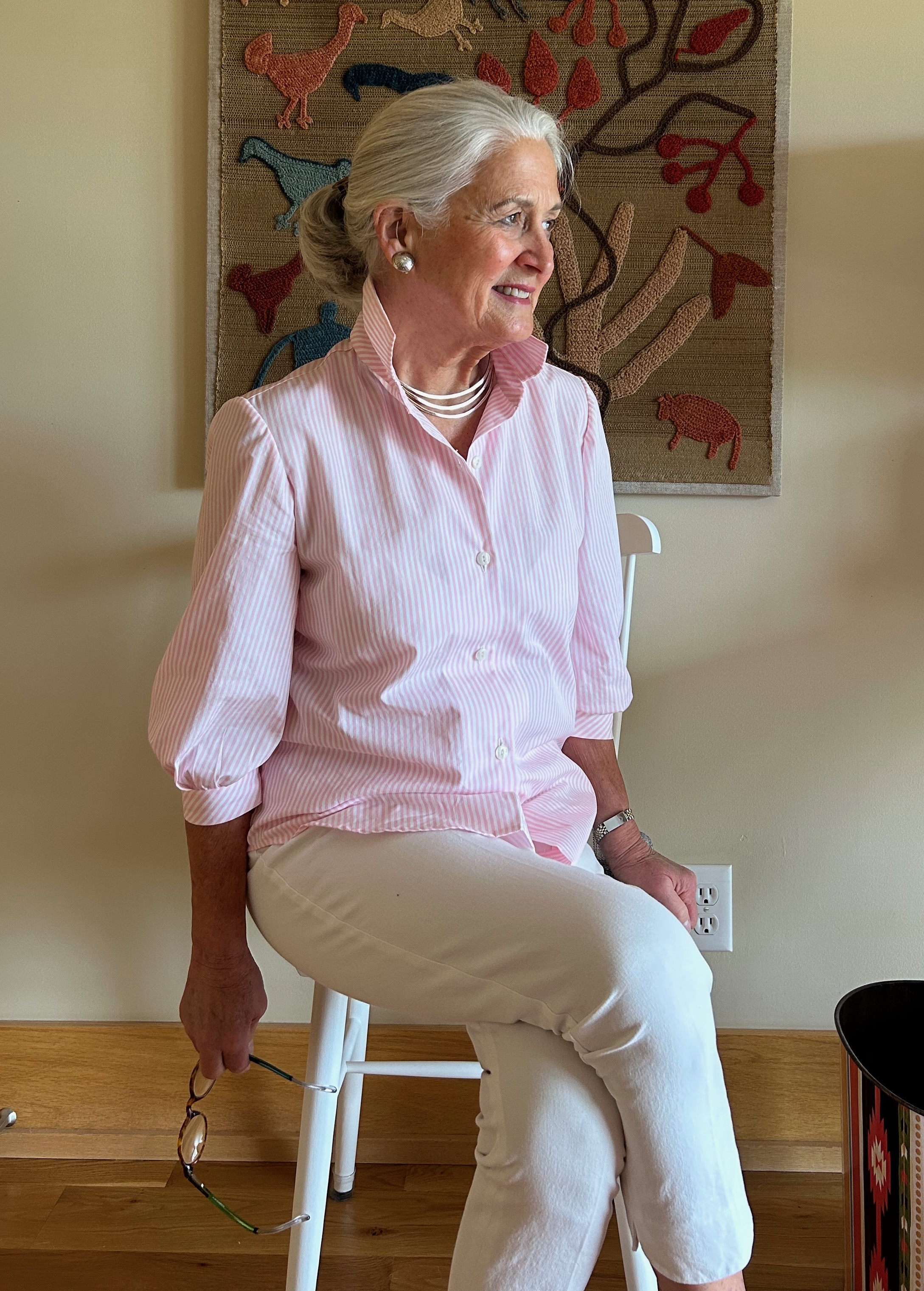
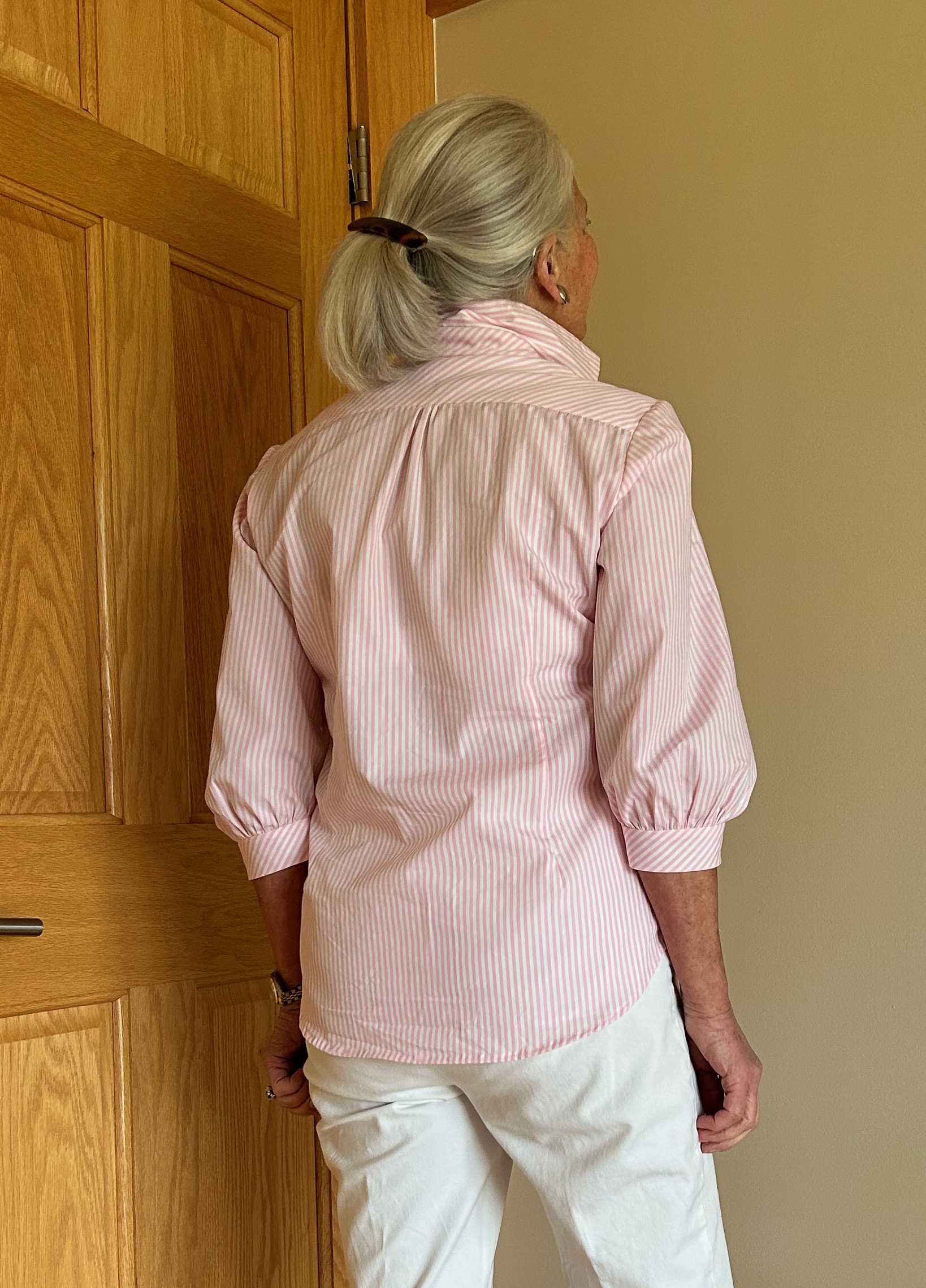
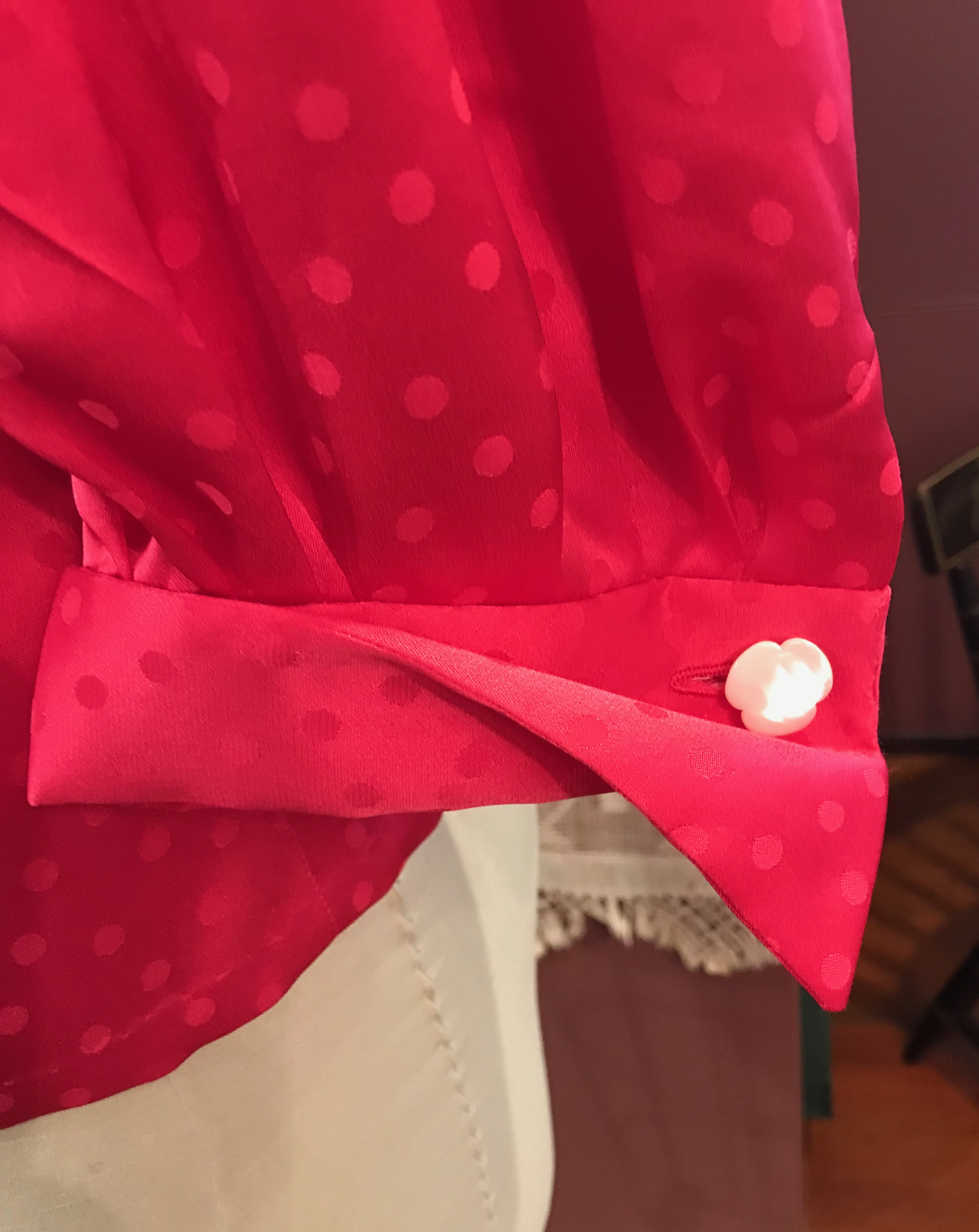
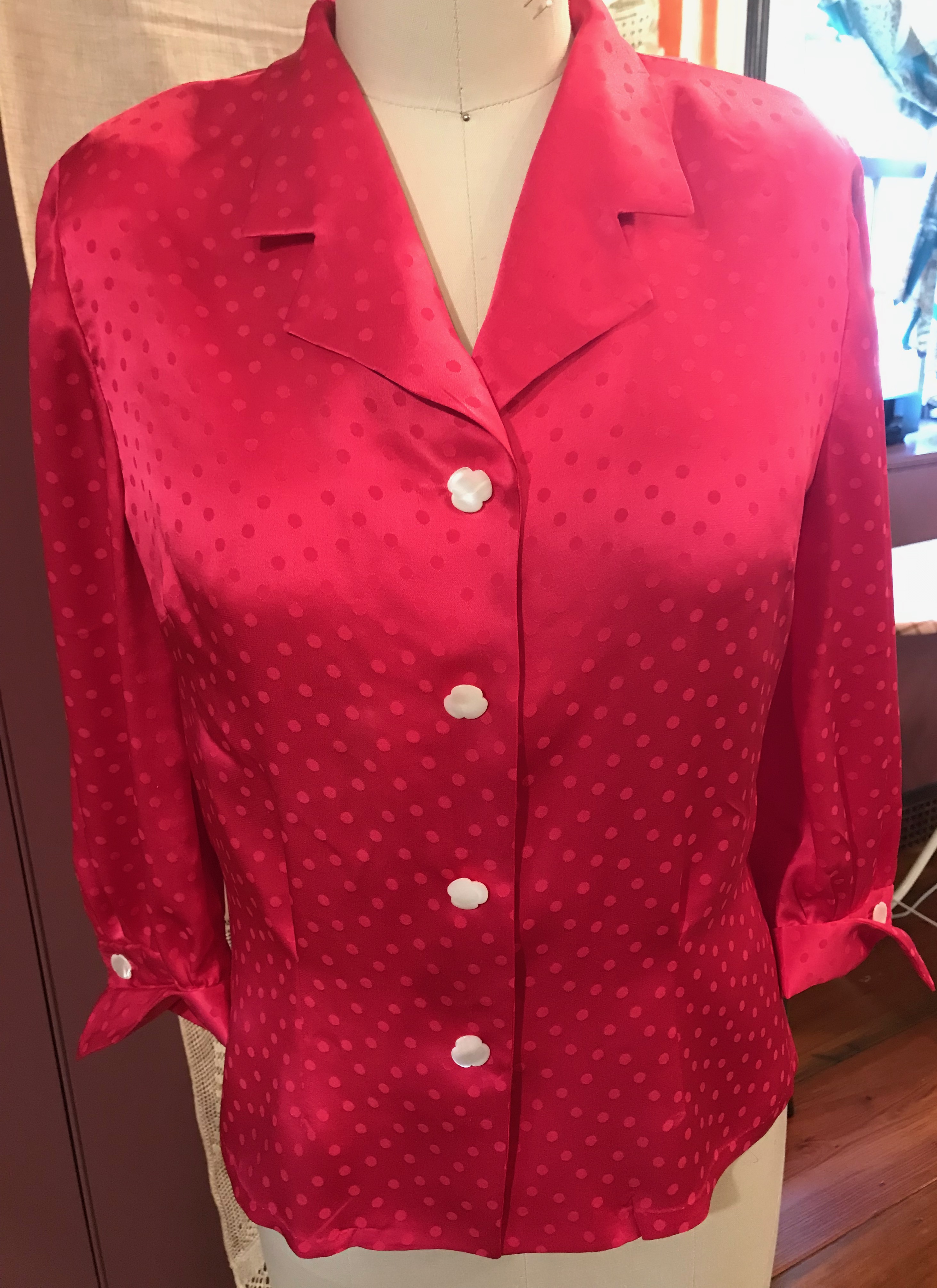
Before the scraps there was this blouse:

Before the blouse there were two Springtime dresses for my granddaughters:

And before the two dresses, there were two Valentine’s Day aprons for my granddaughters:

Sometimes a fabric is just so versatile, it pays to use it over and over. Such has been the case with this pink and white striped cotton I originally purchased from Farmhouse Fabrics back in late January. It all started with my decision to make aprons for my granddaughters for Valentine’s Day. I found a cute pink and red heart print for the base of the aprons. (I sized down this apron pattern for my then-7-and-9-year-old girls.) Then I needed a coordinating fabric for the ties and pockets on the aprons. That’s when this striped cotton came into my life.

Because the apron ties were cut on the bias, it was necessary to buy over a yard of the 60” wide fabric, leaving me a sizable section of fabric after the completion of that project. I put the leftover fabric in my storage closet and didn’t think any more about it. Until….
A few weeks later I geared up to make matching dresses for the girls’ Springtime birthdays. I got some direction from my daughter on the style of dress the girls decided they wanted – off-the-shoulder ruffle dresses. I luckily found a new Liberty of London cotton print, purchasing it quickly before it sold out.
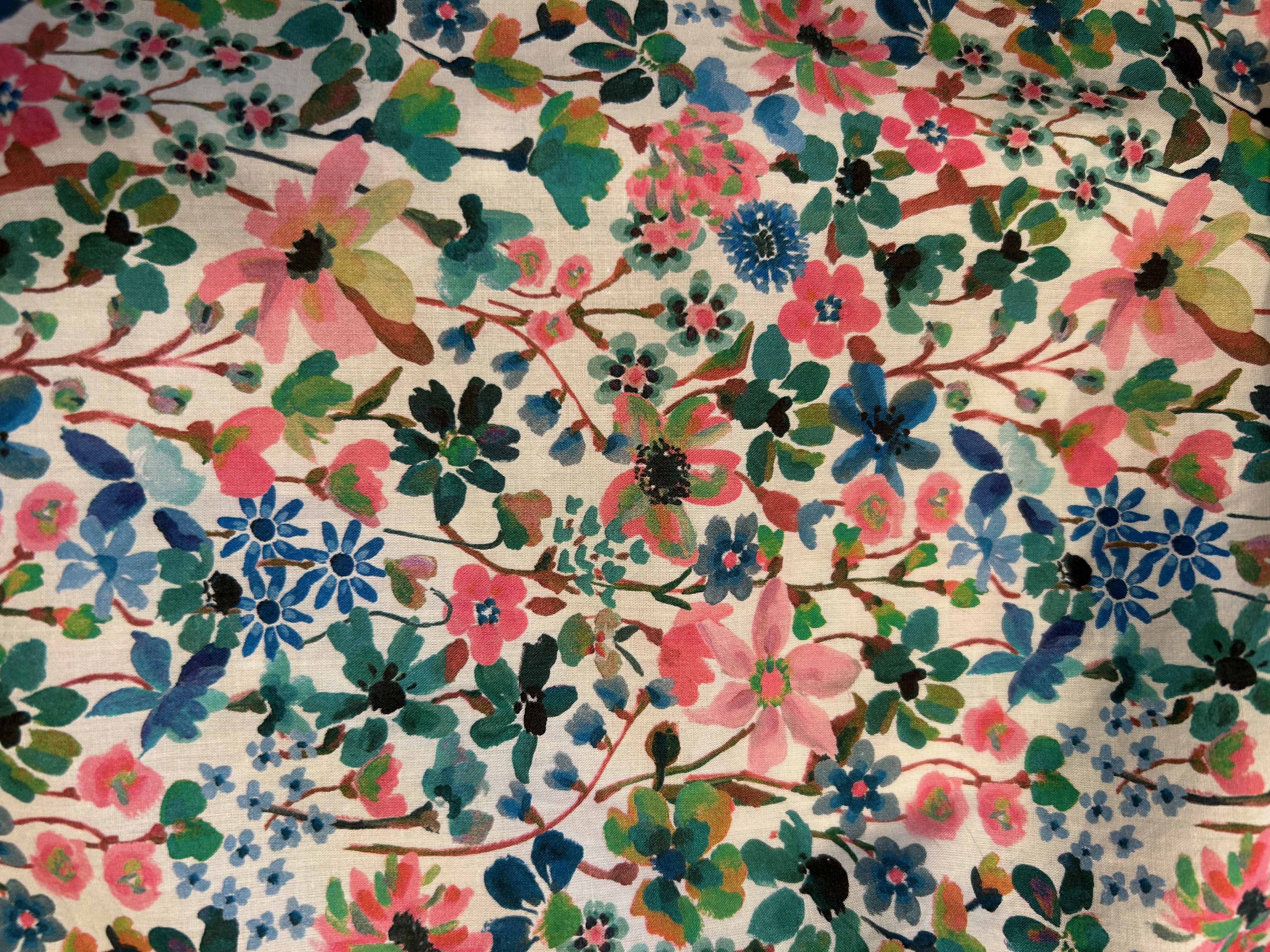
Once I had it in hand, I decided it would look a lot cuter with a contrasting collar and sash rather than the entire dresses out of the same fabric. That’s when I thought of the pink and white stripe I had stored away.
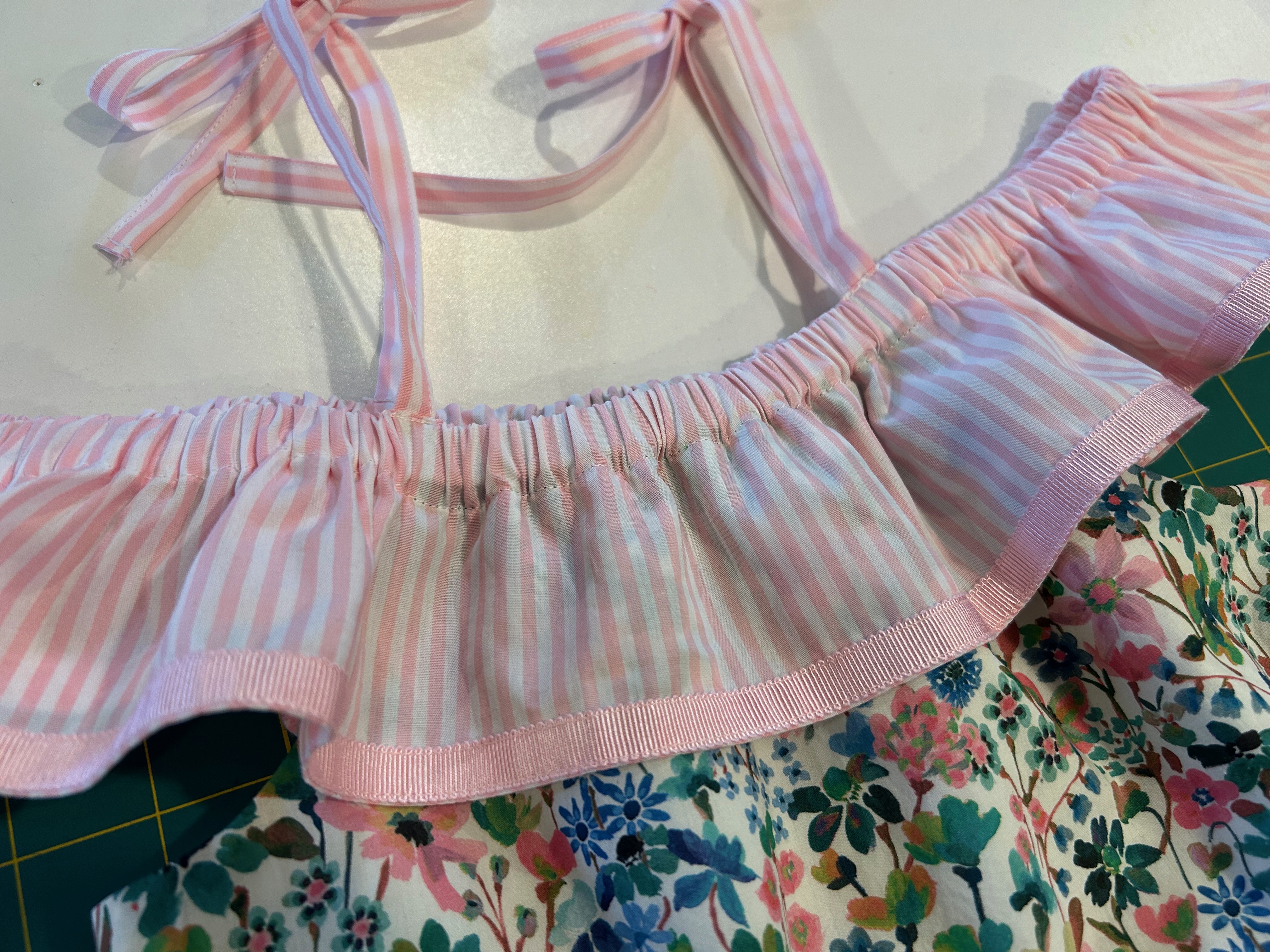
Well, the rest is history, except that to complete the dresses, I needed to purchase more of the striped fabric. Fortunately, it was still available from Farmhouse Fabrics. This time, however, I decided to purchase enough additional of it to make myself a blouse. Why not?
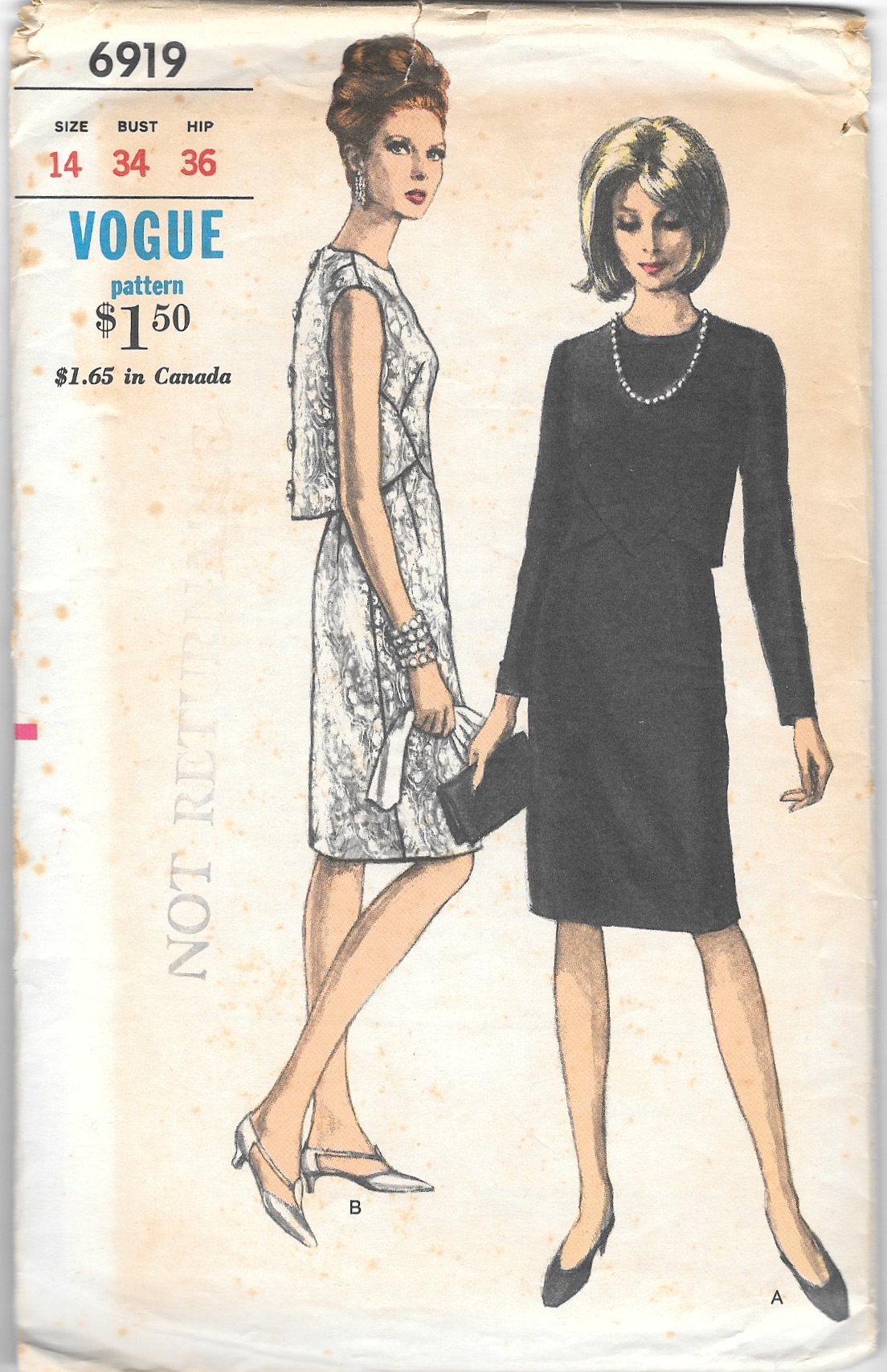
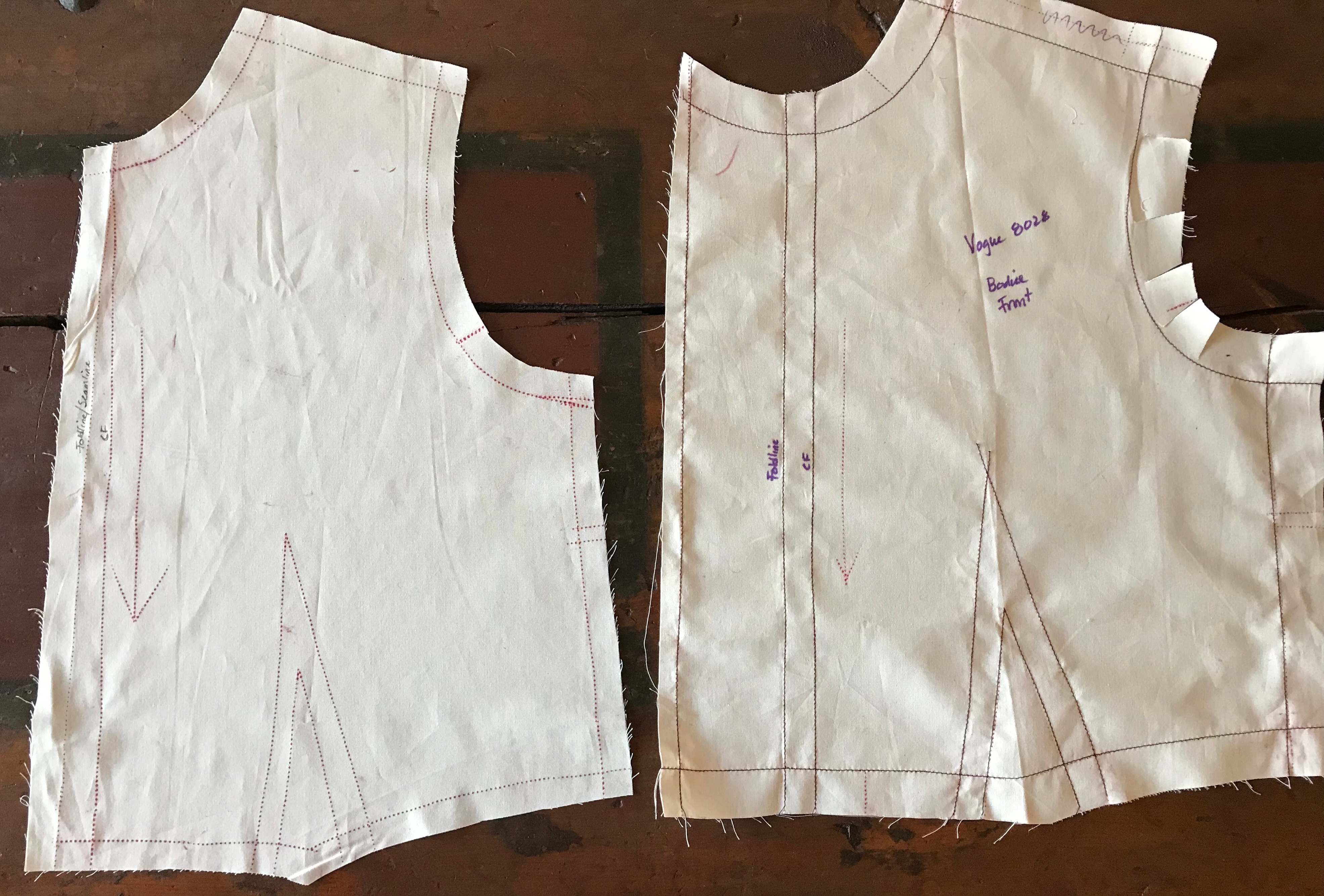
Now, I have made a lot of blouses, many using this pattern:

They are not the most exciting apparel in the world, but I do wear them, a lot. So lately, I have been trying to mix up the details of the pattern when I make a new blouse to make it more interesting. Here is what I did to this one:
- The most obvious change I opted for are three-quarter length sleeves, slightly poofy, gathered into a continuous cuff.
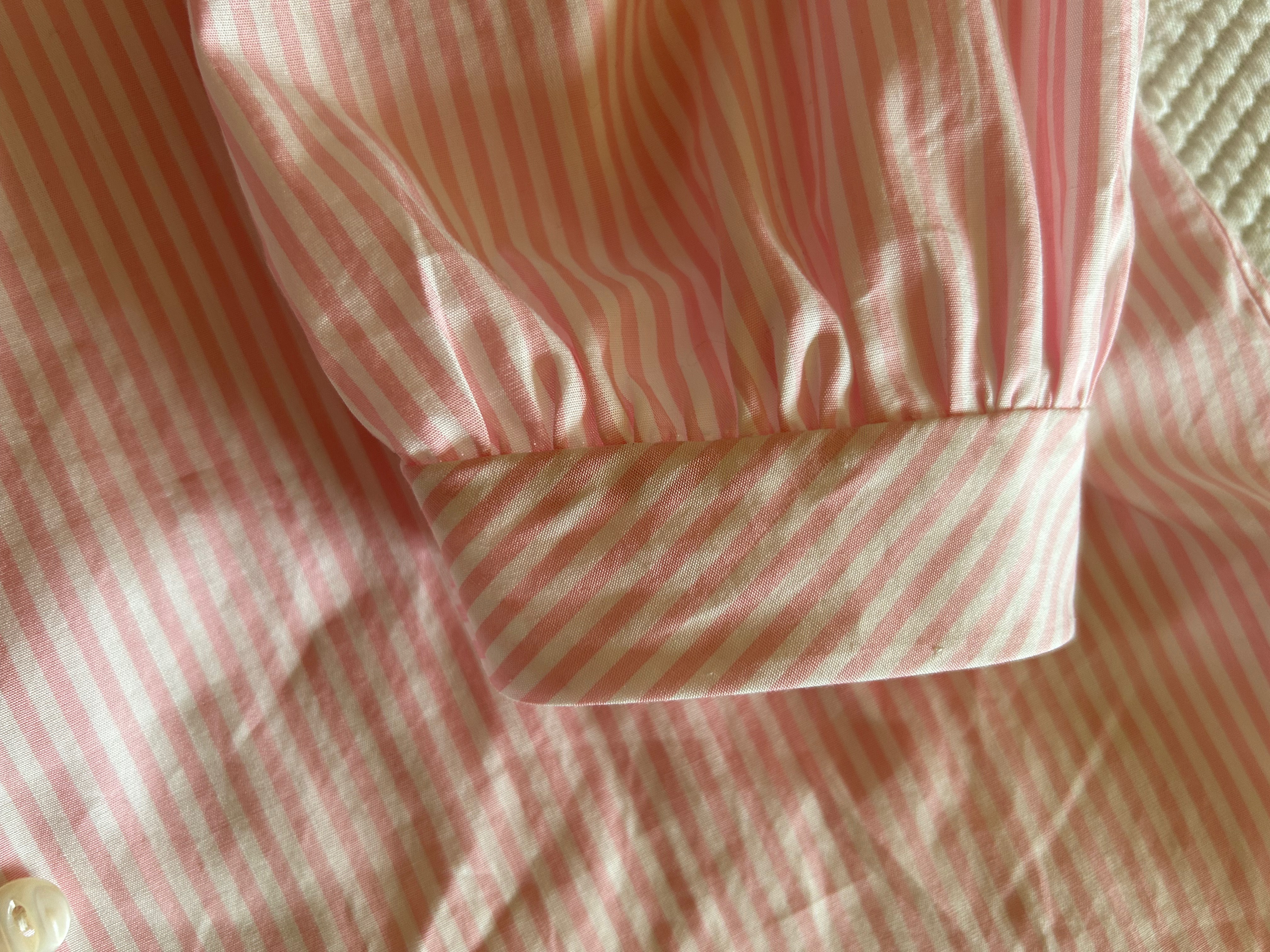
2. I decided to cut the cuffs on the bias and repeated that choice for the back yoke and the collar band.
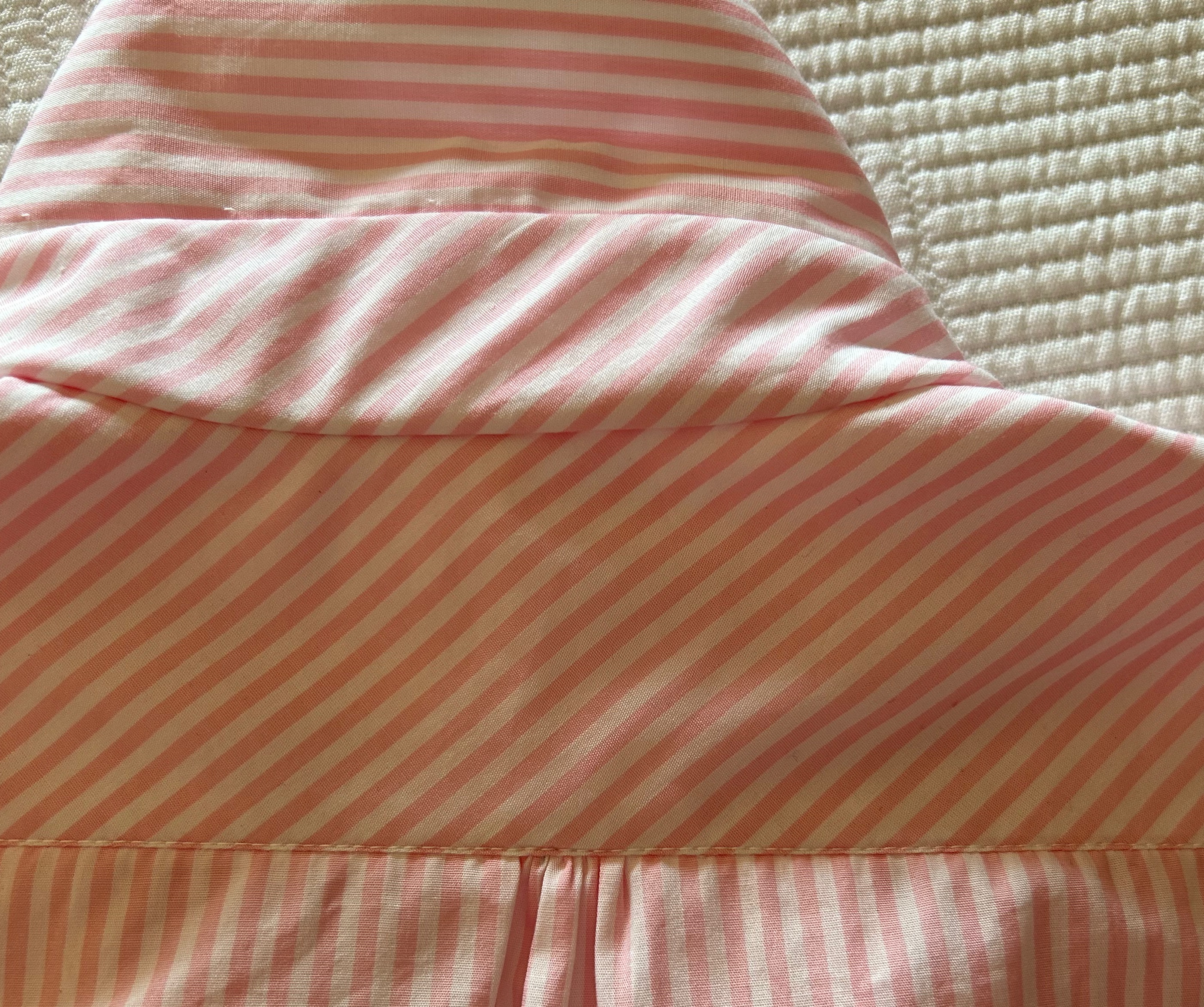
3. I used the collar variation I had originally cut for this blouse, and in addition I took one inch off the length of the blouse.
Again I went to my button collection and found vintage buttons which pick up the striped motif of the fabric.



I think I am now finished with pink and white stripes, but I am holding on to the scrapes just in case….








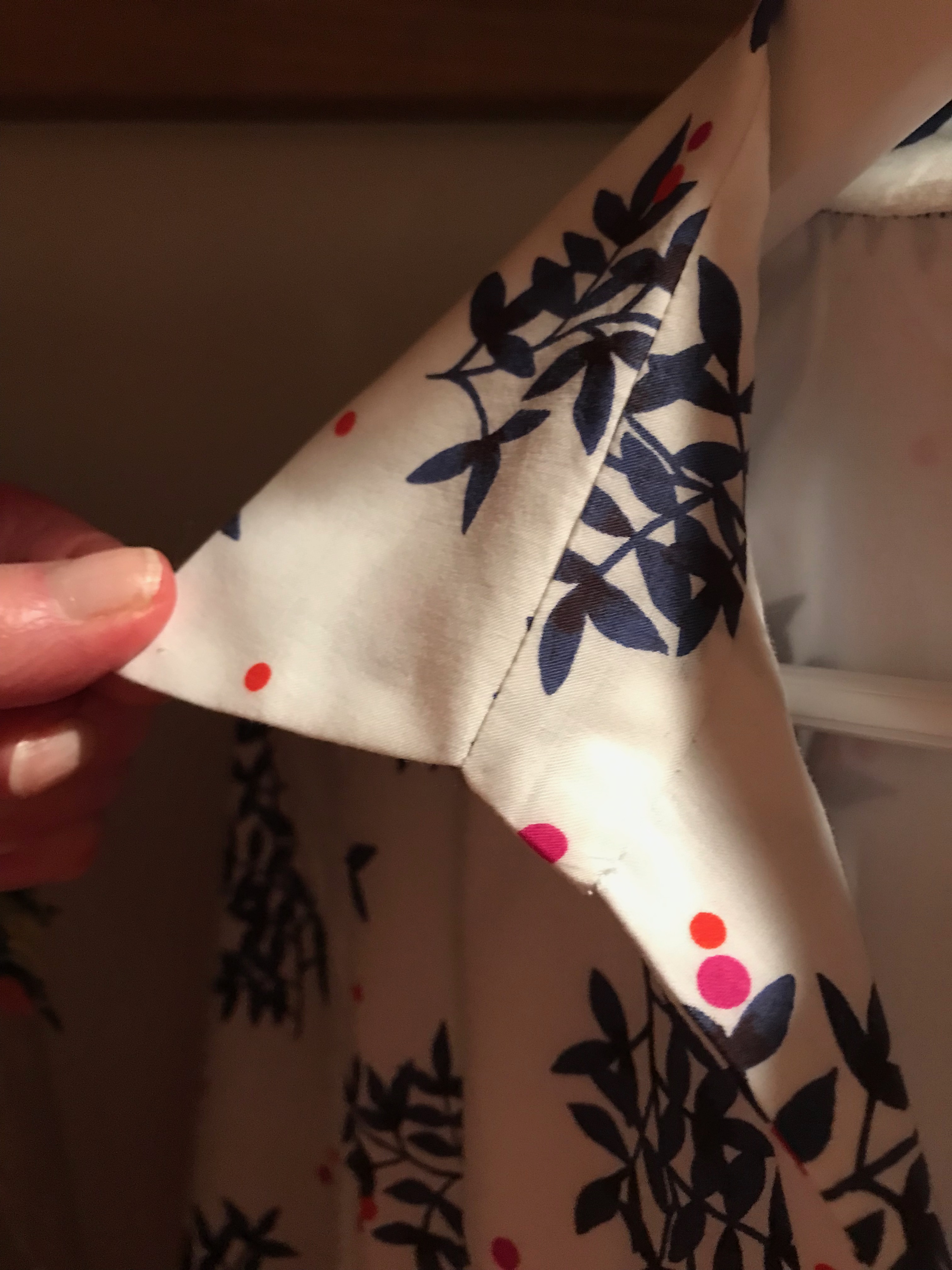
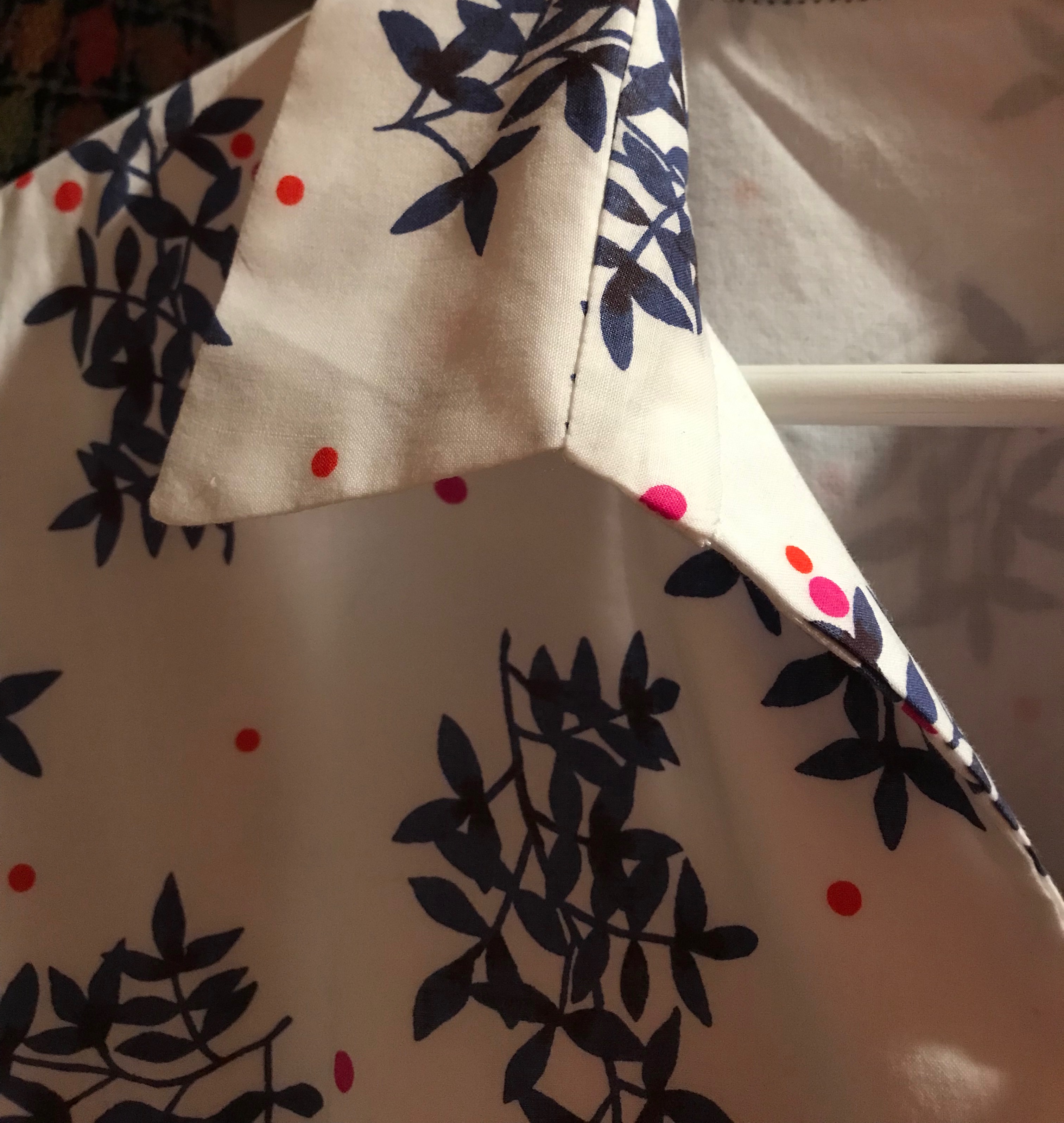
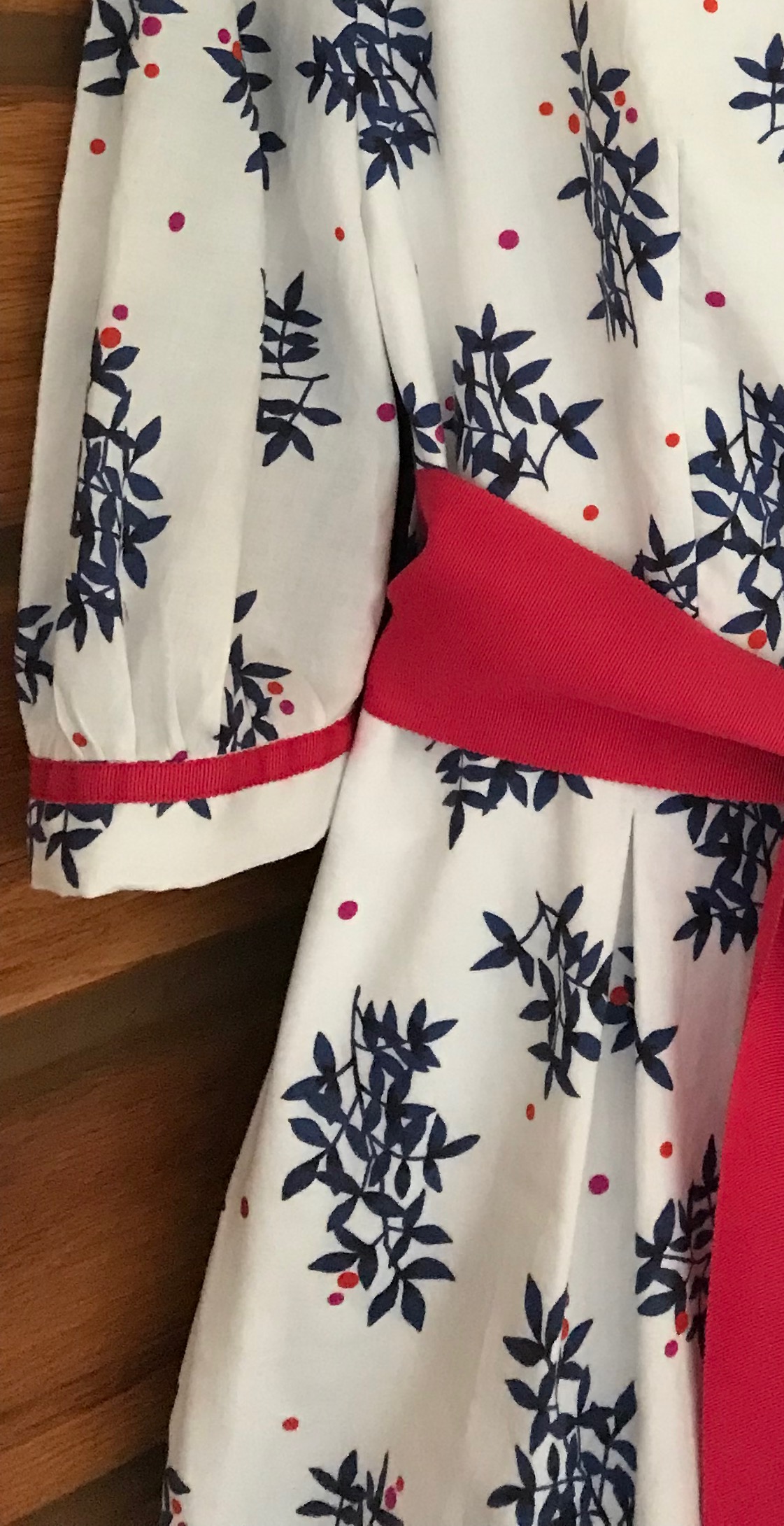
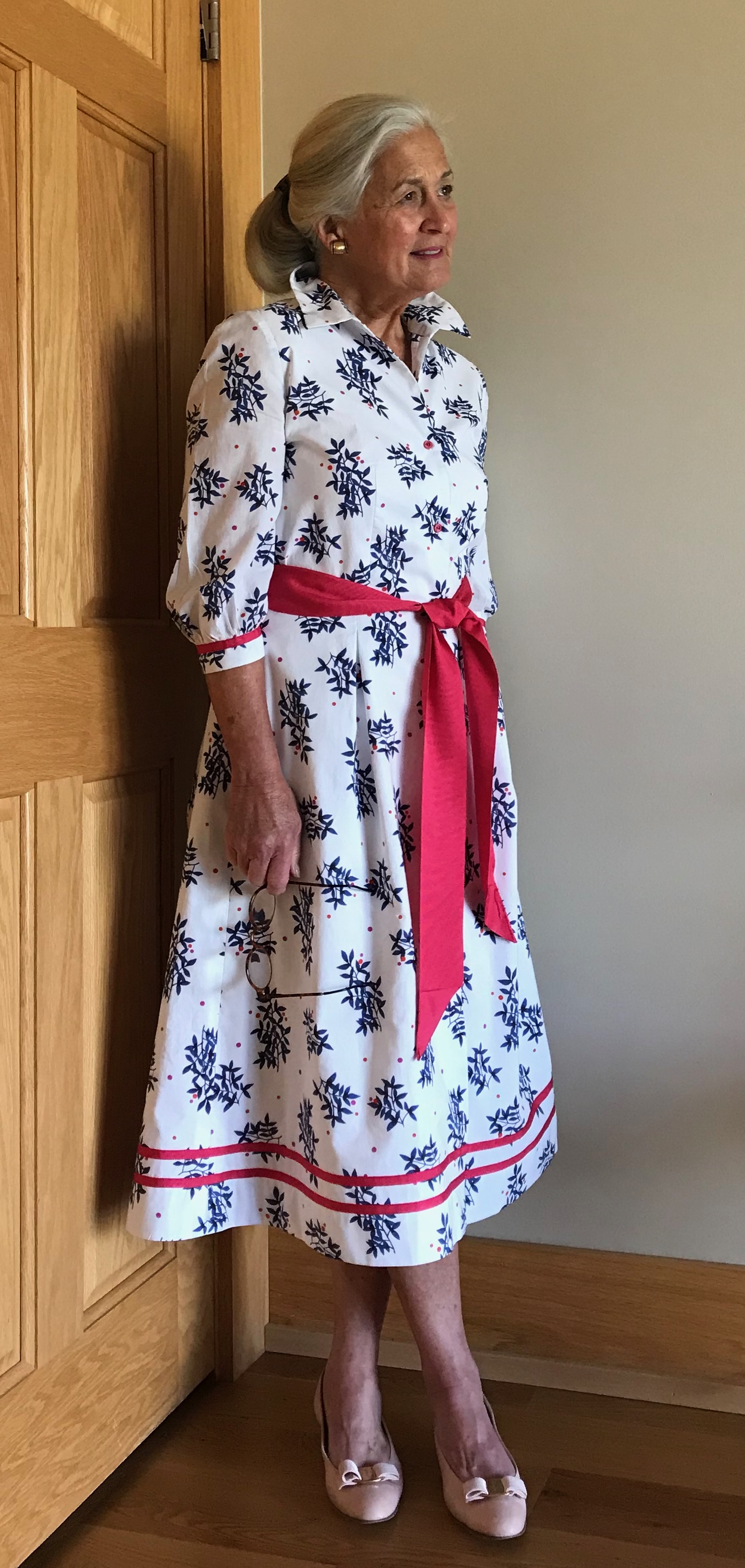


























 fiftydresses
A Blue, White and Pink Tunic Top
Perhaps many of you are familiar with this famous quote from Edith Head (American costume designer, 1897-1981): “A dress should be tight enough to show you’re a woman and loose enough to prove you’re a lady.” When it comes to tunic tops, my very inelegant redo of that quote is: “A tunic should be fitted enough to not be baggy and loose enough to be able to get into it.” I find that combination to be a difficult task. Let’s see how I did with this one:
When I saw this pretty fabric on Emma One Socks’s website, I just knew I needed to purchase a length of it. All cotton, it is finely woven and silky soft. Originally, I thought I would make a dress, but when it arrived, I saw it as a tunic top, trimmed in pink, of course. I have a couple of tunic patterns, but I went back to this one because the front opening is longer than most, making it easier to get on and get off.
The interesting thing about this pattern is that there is no fastener/button indicated for that long opening. I’m not sure how one would keep a degree of modesty – or even keep the tunic properly on one’s body – without a button or at least a hook and eye. More about that later.
There are a couple of features of this pattern I like, besides that long opening in the front. It has shoulder darts in the back, which I always find add just a little necessary fitting finesse.
I also like the way the front facing is constructed, and the width of the stand-up collar. However, the pattern lacks slimming darts in the back. My limited experience with sewing tunics has taught me that without long defining fisheye darts in the back, my tunic is going to be baggy and look like a sack. So, I added them.
I also shortened the sleeves, as I prefer a length just below the elbow, and I took out some of the width of the “trumpet.” Even with a narrower sleeve, I knew turning up a hem on it would result in a less than smooth finish. To get around this, I took the pattern piece for the bottom panel for the long sleeve (shown on the pattern), flipped it, narrowed it, and shortened it to give me a facing which would be a perfect fit into the lower curve of the sleeve.
Back to that front opening: when sewing the facing on, I added a loop to the right side so that I could strategically place a button to keep the gap closed. On this fabric, it seems hardly noticeable, but oh my, is it necessary!
One of the beauties of tunics is there are no rules on how trim is applied or placed or even if it is used. I had purchased two widths of Petersham ribbon for use on this garment, fully intending on using two rows to echo the front opening. However, I determined that would be too much. Instead, I used the narrower ribbon on the collar and as the second row around the hem and the side slits. The sleeves seemed to look better with the wider width of ribbon. The ribbon adds a degree of stability to the hem, especially, which helps the tunic to hang properly.
By the way, sewing all that Petersham ribbon on is helped immensely by the use of Dritz WashAway adhesive tape.
Obviously I have not washed this tunic yet, but in its first laundering the tape securing the ribbon will, indeed, wash away. I expect a softer appearance of the ribbon at that point, which seems to have a few waves in it at present.
Pictures often are the best way to check fit on a garment (even after multiple try-ons to fine-tune it), and I was pleased with the final, slightly fitted, non-baggy appearance of this tunic. In other words, it does not look like a sack! It is easy to slip on, less so getting it off, but still very manageable. (Sometimes a side zipper can be – or needs to be – added to help with this task of dressing and undressing. The abbreviated length of this example precluded that option.)
I’m not sure what Edith Head would have thought about tunics, if anything (!), but I am thinking positively about this one.
27 Comments
Filed under Blouses, Fashion commentary, Loops for buttons, Tunics, Uncategorized, Vogue patterns
Tagged as Emma One Sock Fabrics, fashion sewing, sewing, tunic tops