
Among the highlights on The Paris Tour with Susan Khalje were several visits to fashion exhibitions, shopping excursions to three fabric stores, and one to a fabulous scarf store.
The first exhibit we visited was at the Yves Saint Laurent Foundation.

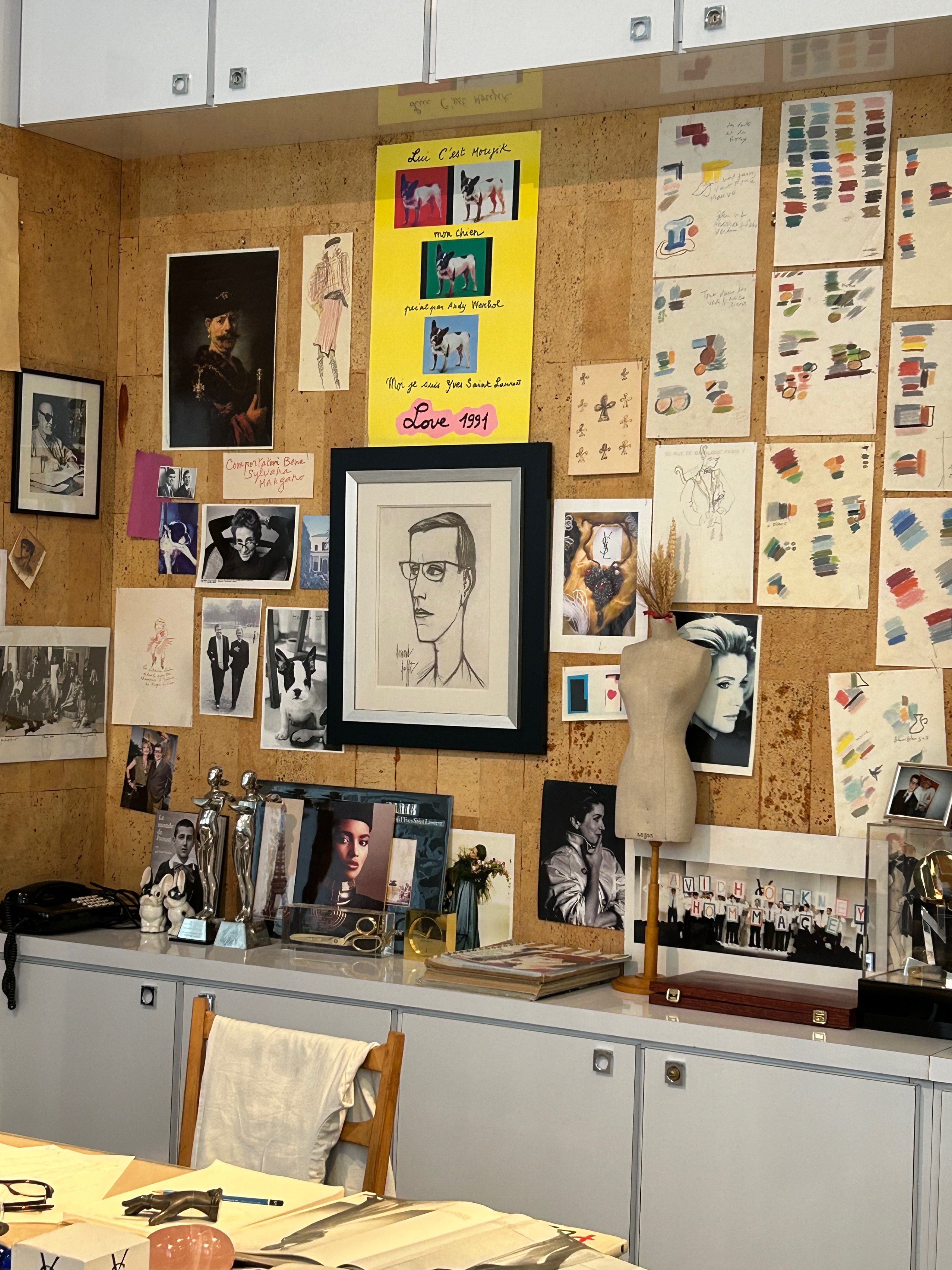
In addition to the selections on display in the current “Sheer: the diaphanous creations of Yves Saint Laurent,” we had the opportunity to see his studio where he worked.


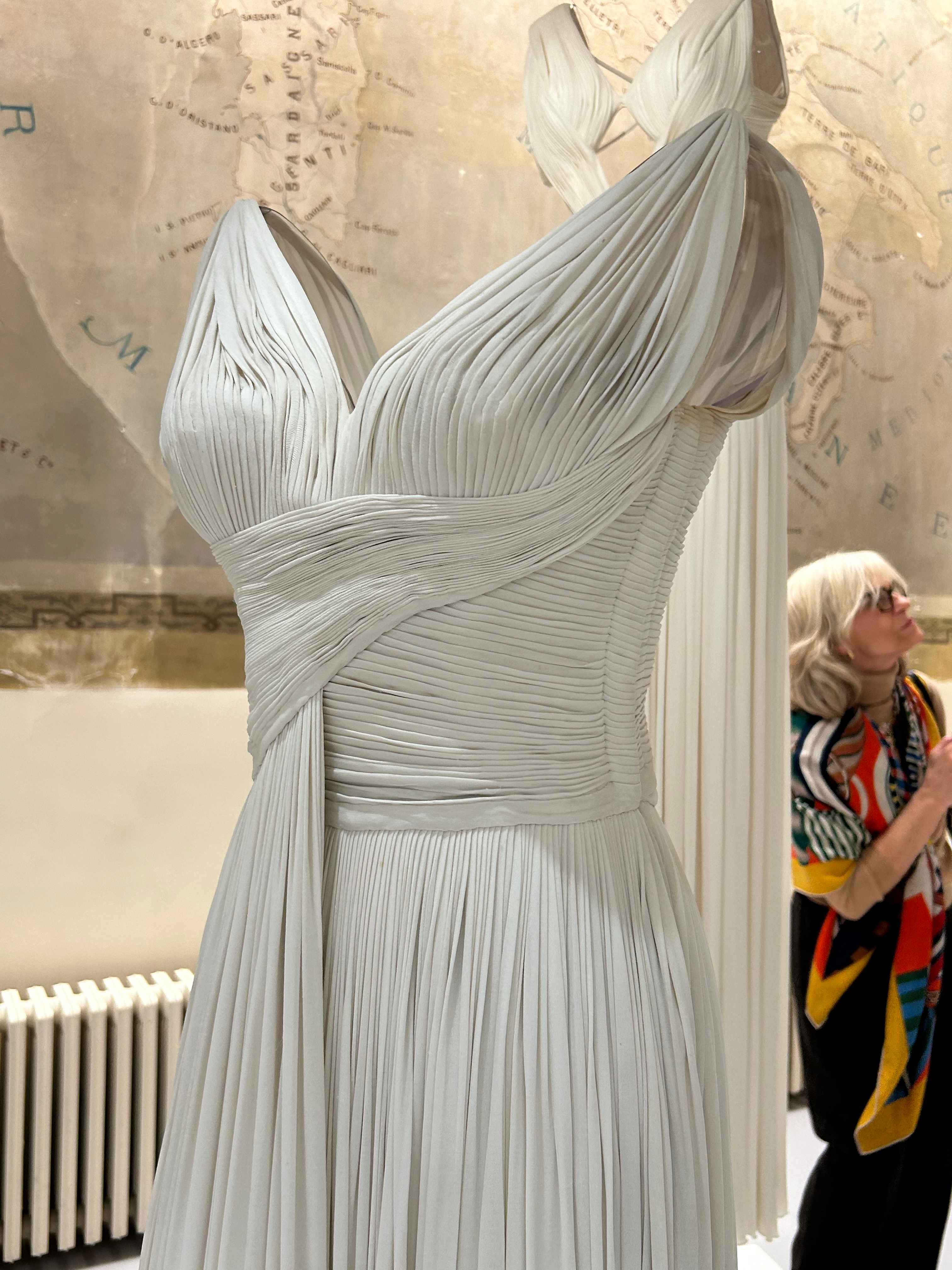
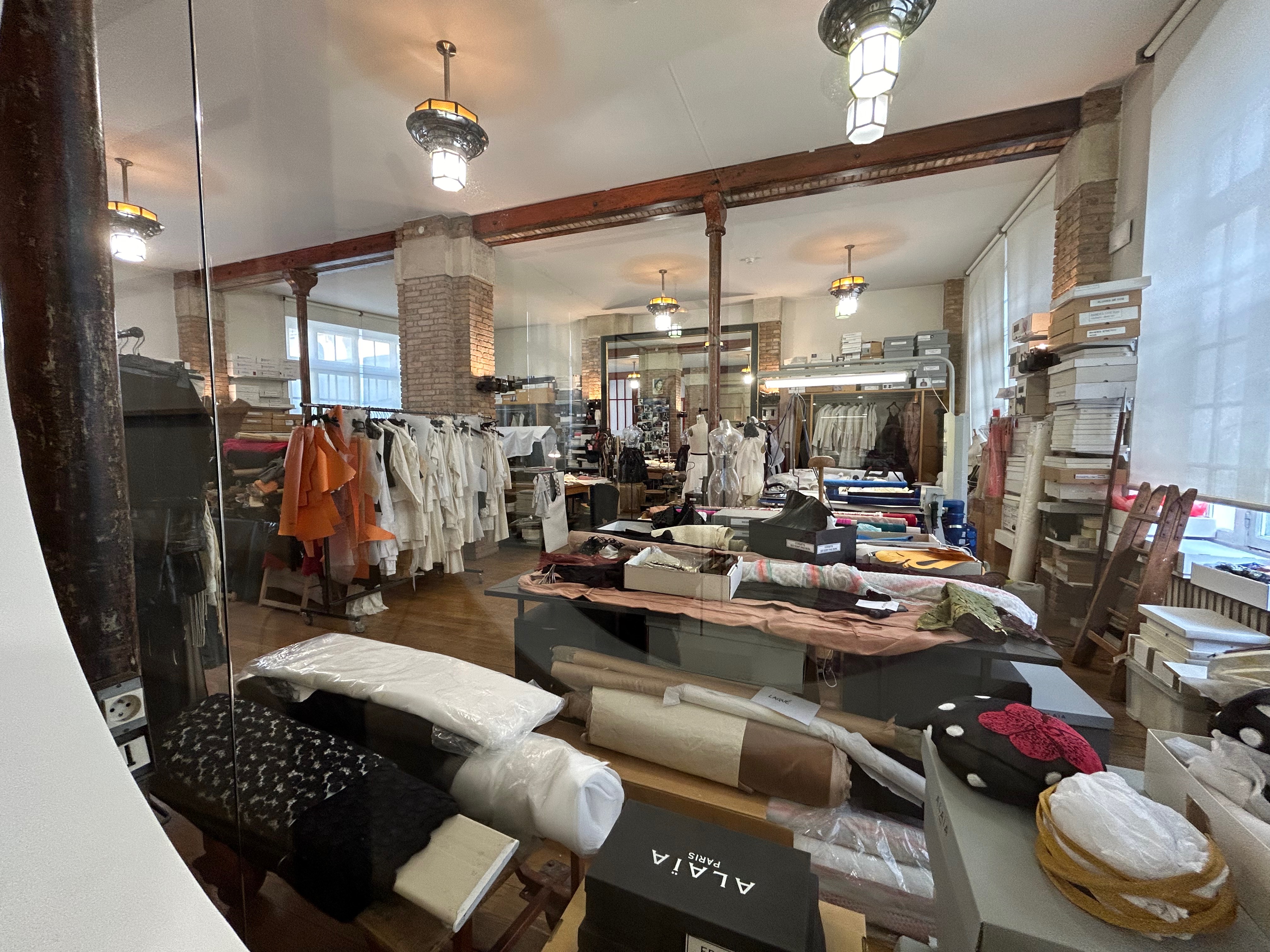
Later that same day, we went to the Musee des Arts Decoratifs where the current exhibit of the works of Iris Van Herpen were on display. Some of the members of our group were quite taken with her designs. I was not one of them. I much preferred our visit to the Alaia Foundation to see the newly-opened exhibit featuring works by Azzedine Alaia and Madame Gres. I have long been a fan of the design aesthetic of Madame Gres. Her works served as a point of great inspiration for Alaia. To see so many of her designs on display, many alongside the more contemporary works of Alaia, was captivating.

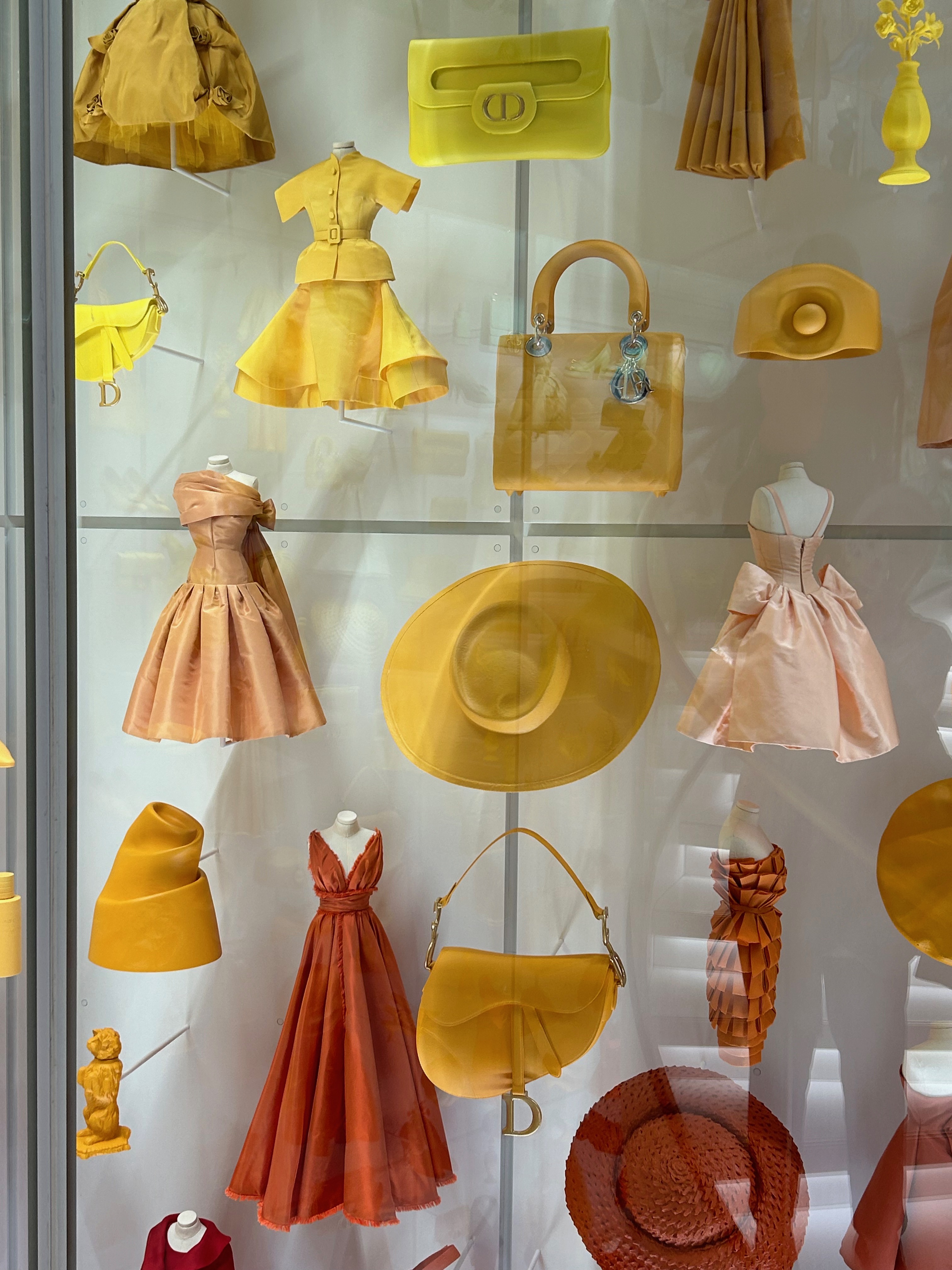
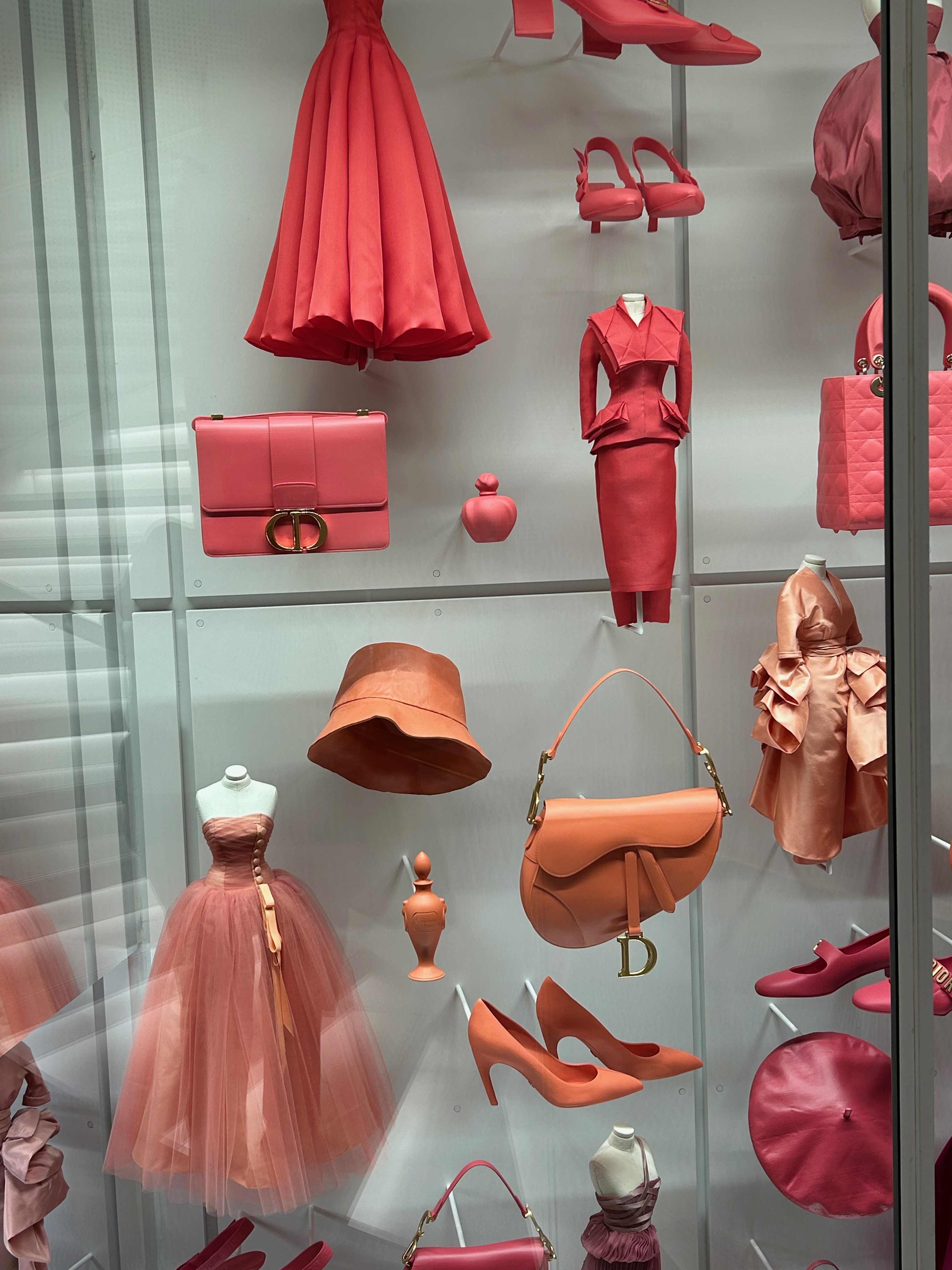
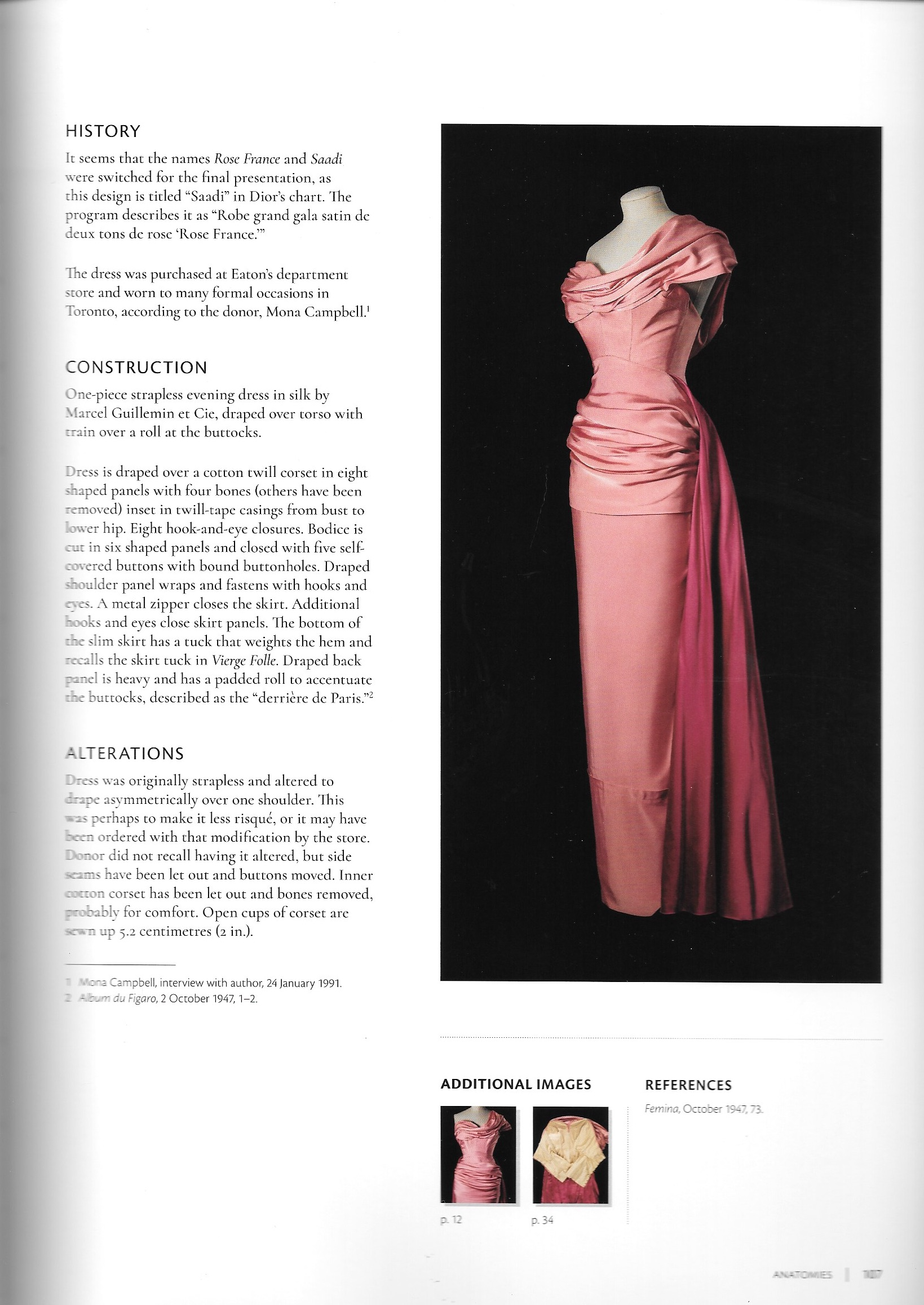
The crème de la crème was our visit to La Galerie Dior, newly reopened and quite spectacular. Having seen the Dior Exhibit when it was at the Denver Museum of Art five years ago, I wondered how similar the two presentations might be. There were obviously some repeats of the iconic dresses and ensembles of Christian Dior before his untimely death in 1957, but somehow everything seemed fresh and newly considered. The building is beautiful, masterfully lit, with a logical, but innovative floorplan. Entrance to the Galerie is by timed tickets, and at no time did the galleries seem crowded or uncomfortable.
I could have spent hours studying the walls and walls of accessories and miniature clothing which lined the stairwell.
.



After all this inspiration, it was fun to go to three fabric stores. The first one on the agenda was Tissus Edre.
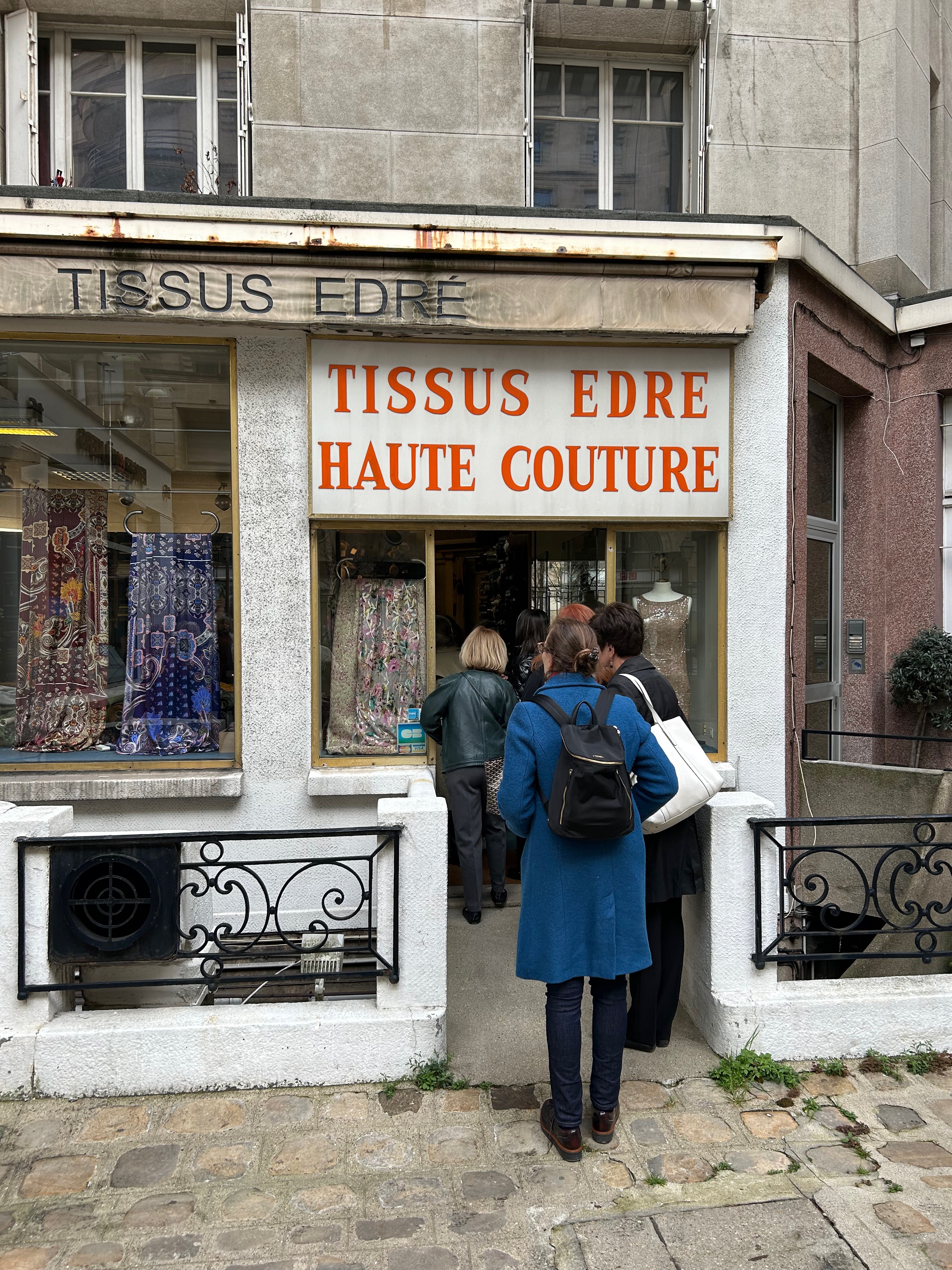
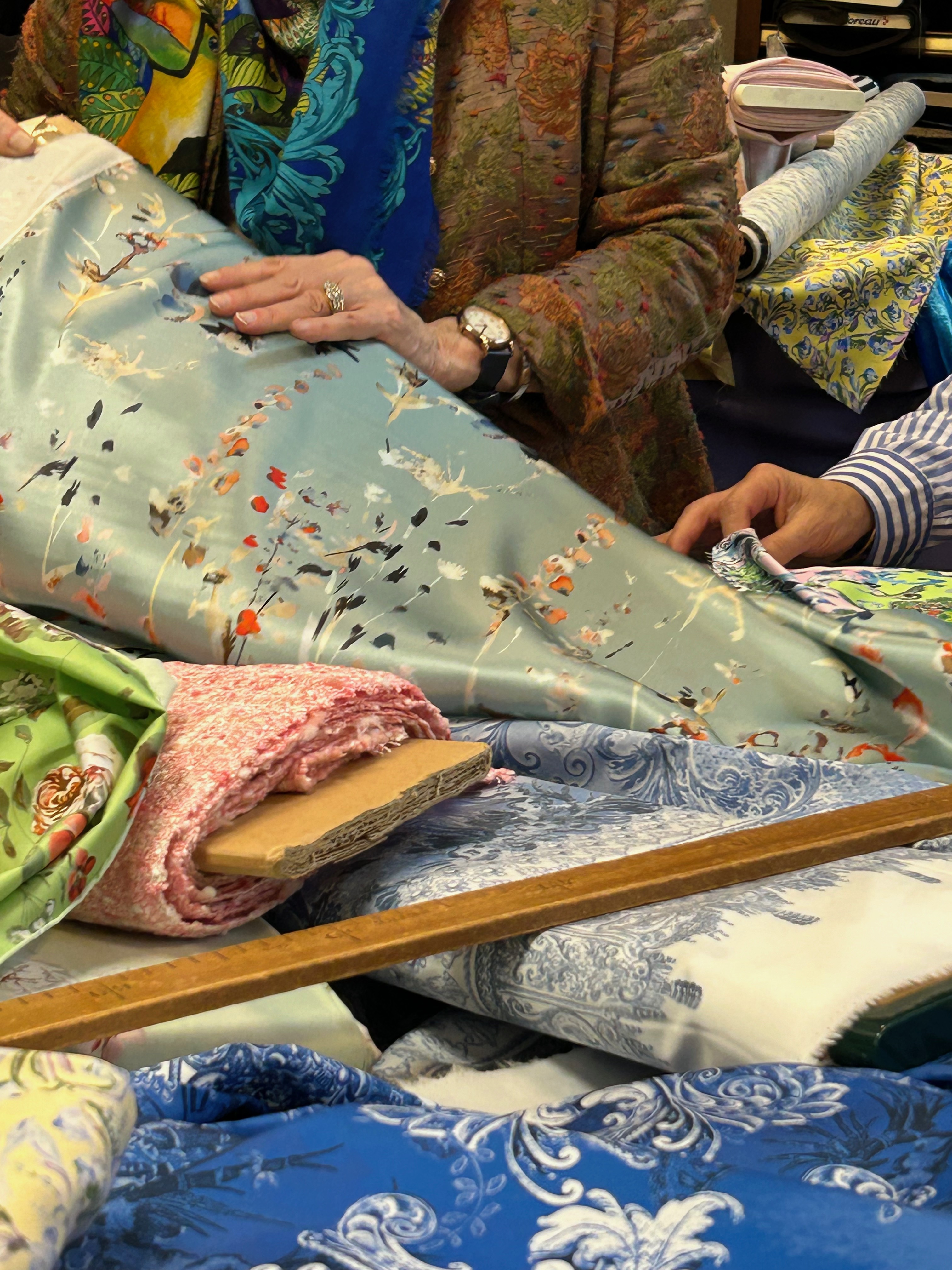
This store sells end cuts from the couture houses, and there is a lot to see. There is not much order to the “presentation” which meant we had to dig our way through the piles of offerings. I admit to having some problems with this type of fabric store.

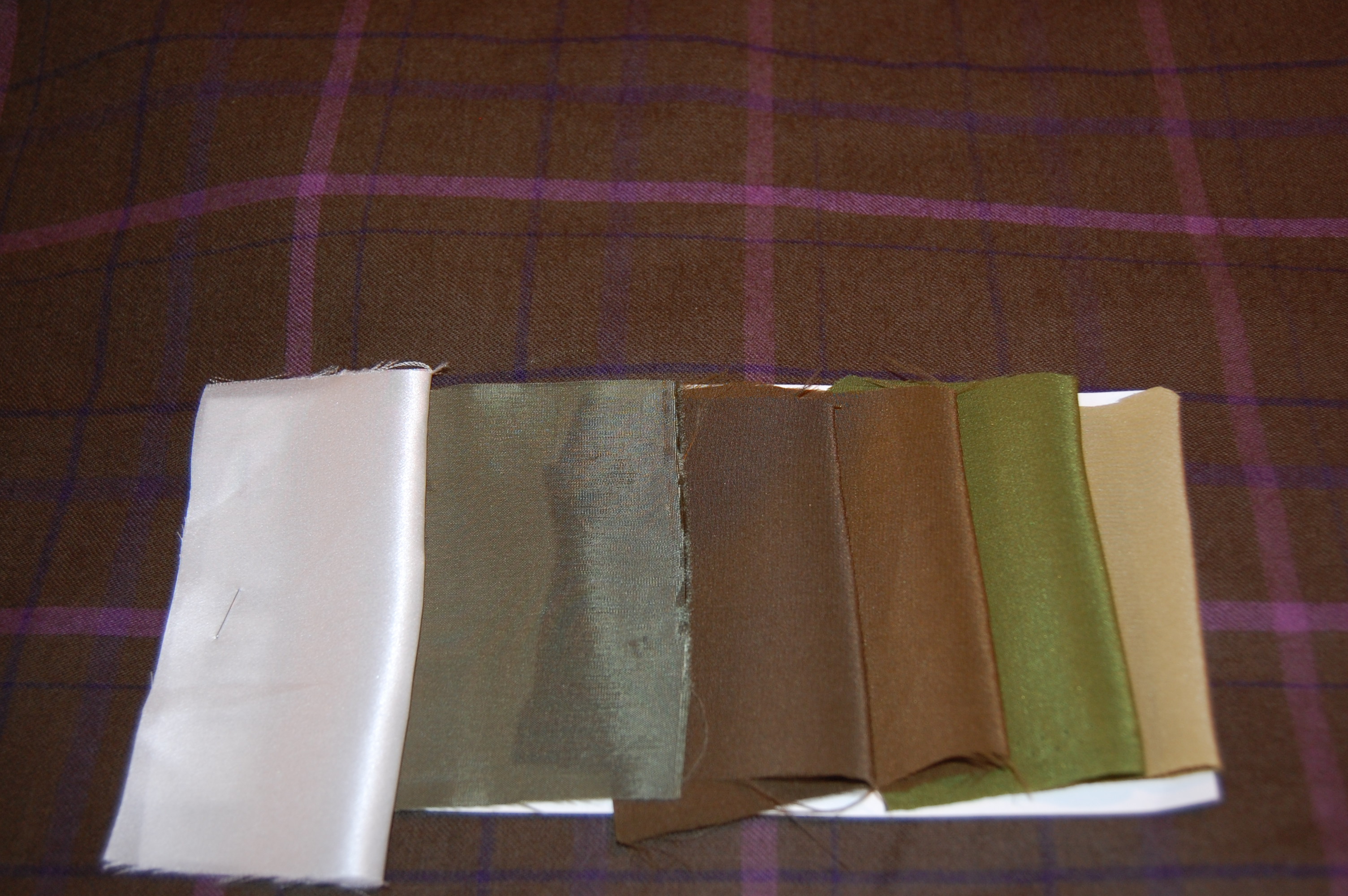
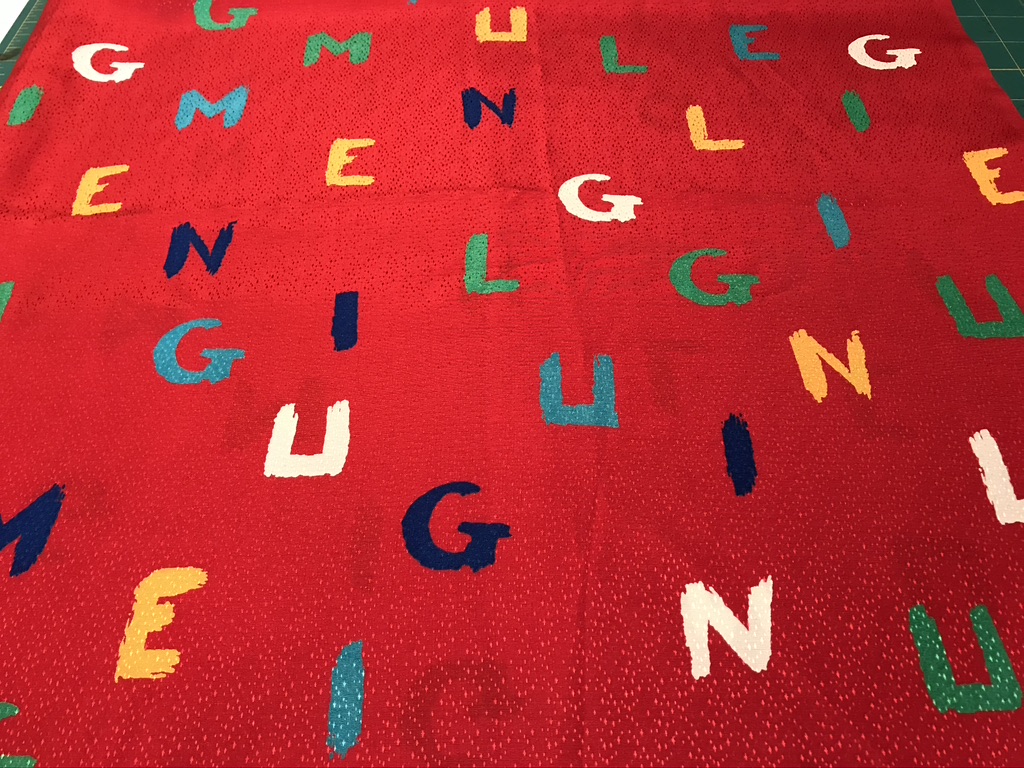
It was only after a fellow member of our group found this silk charmeuse shown below, that I noticed it.
The second fabric store we visited was the world renowned Janssens + Janssens.

This store was the antithesis of the prior one in its ordered rows of bolts of fabrics both upstairs and downstairs. I spent much of my time with the silk charmeuses and twills although this store is probably known best for its exquisite laces.

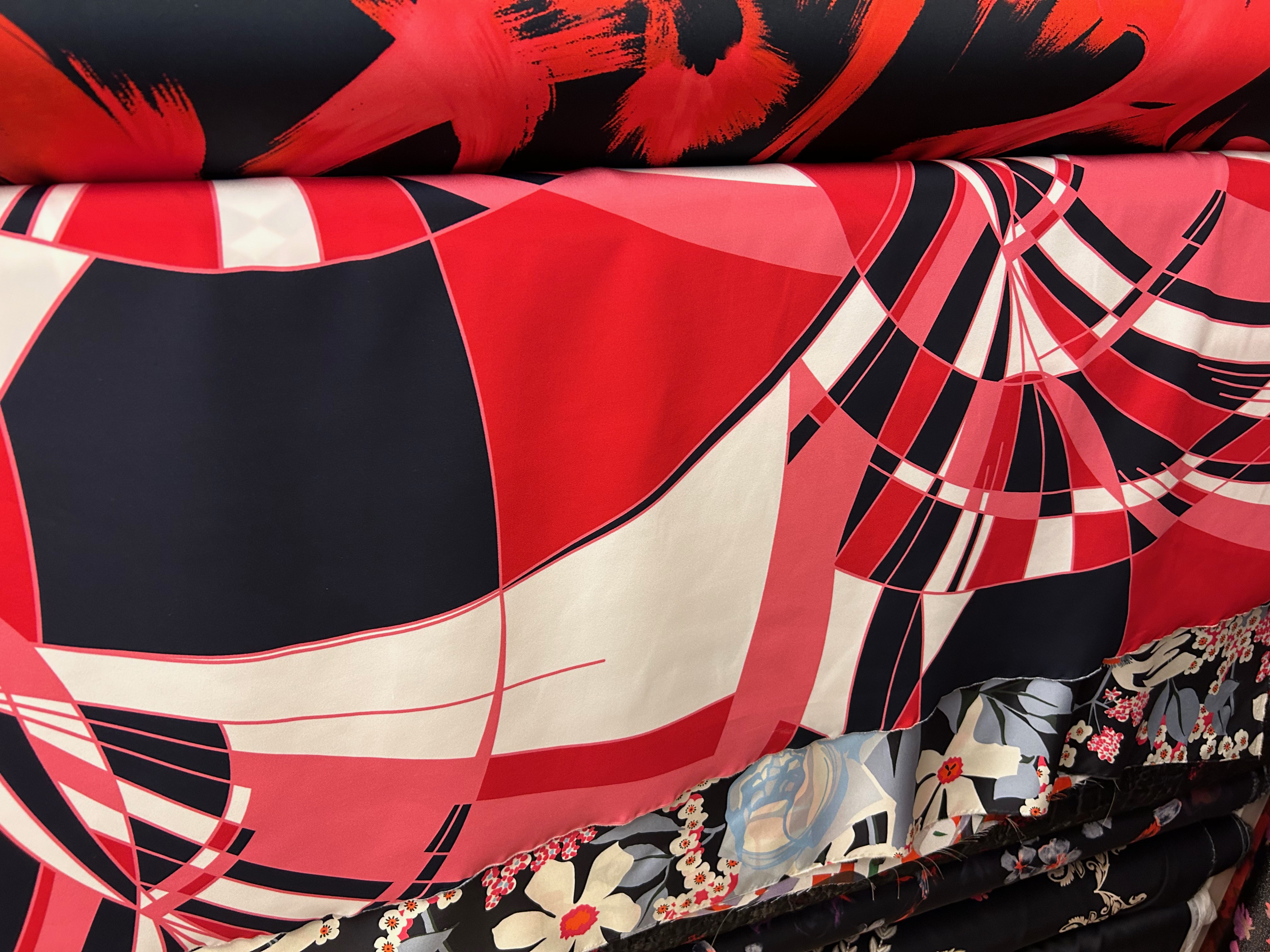
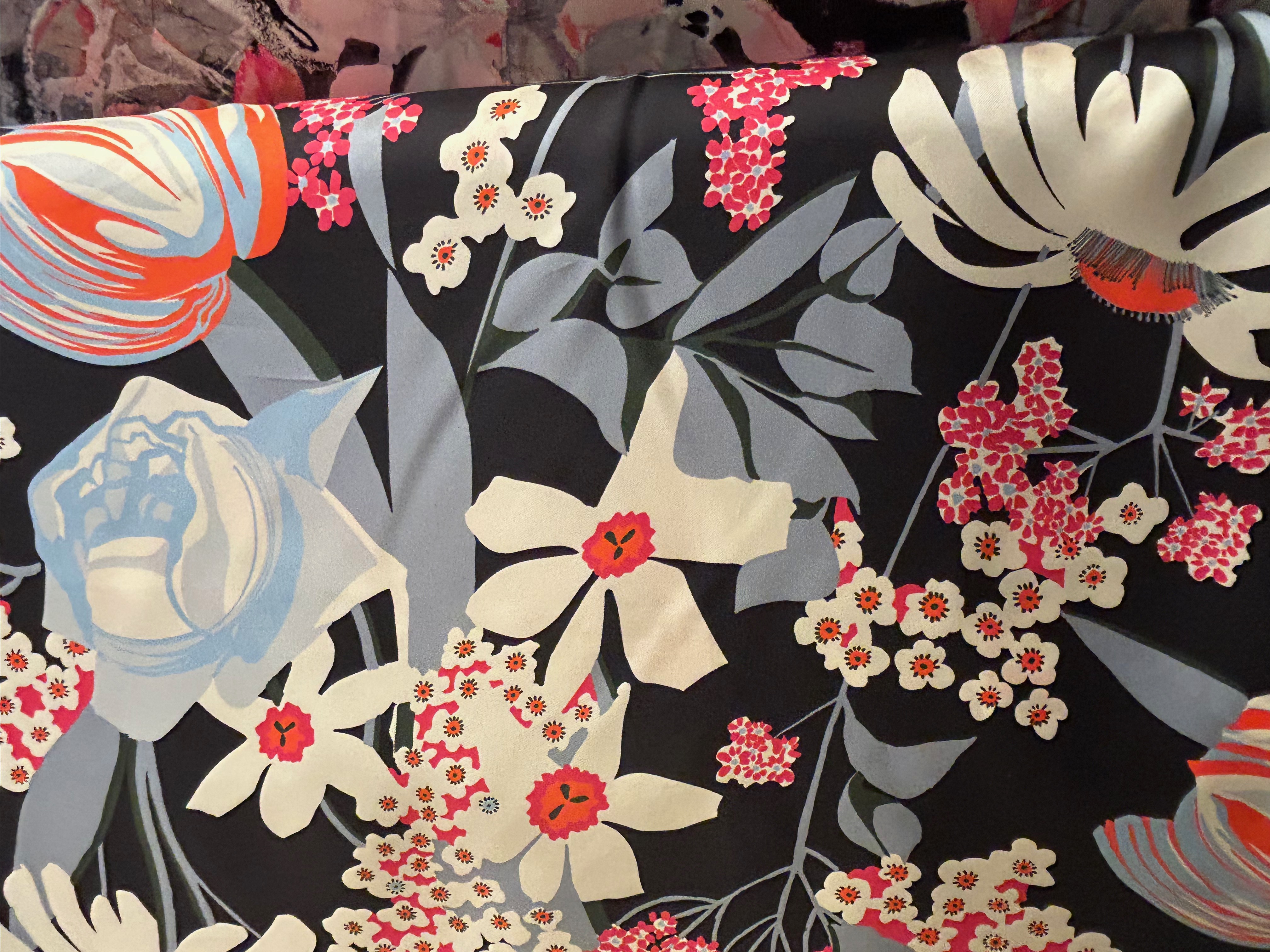

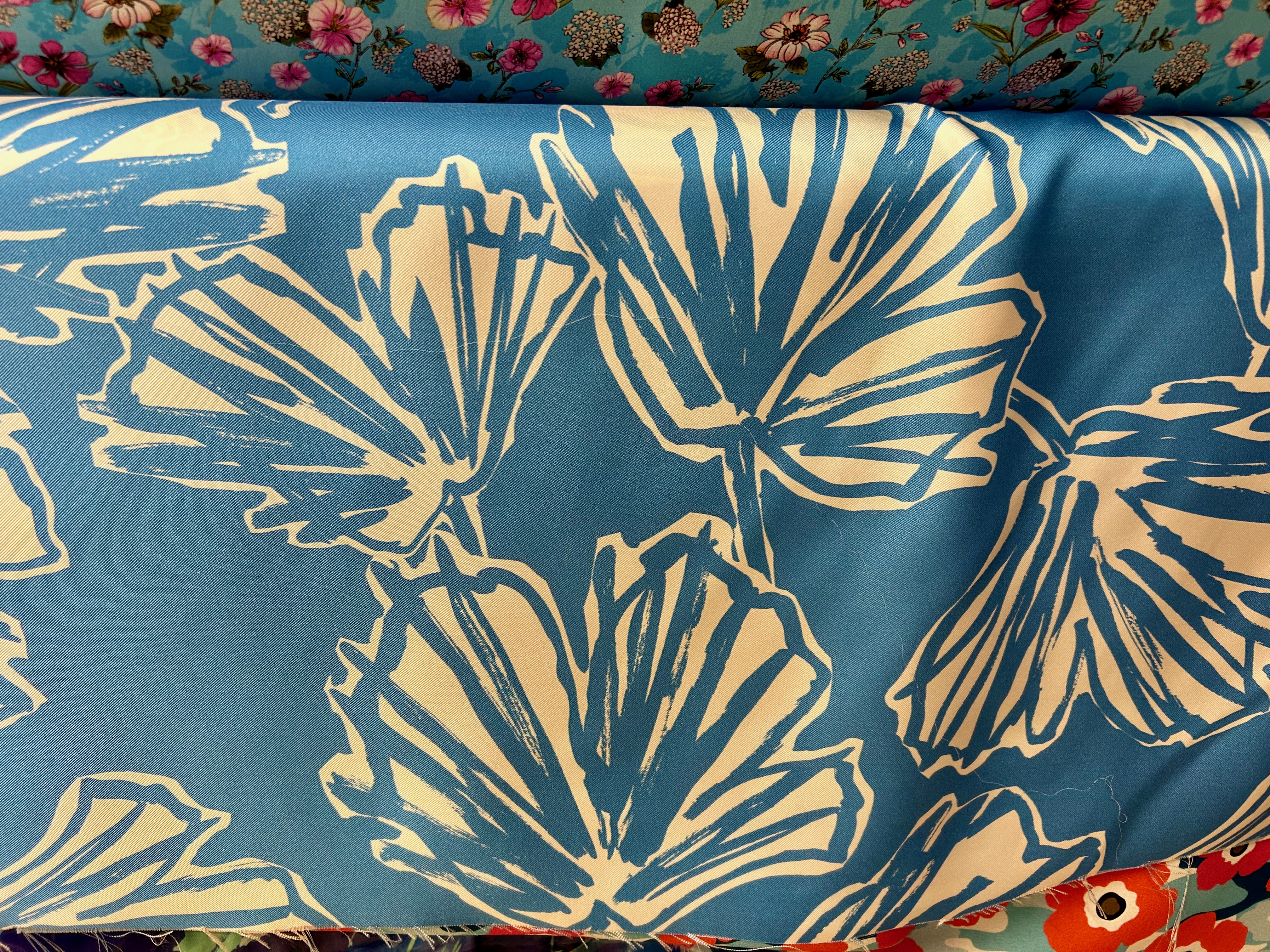
Finally, we went to a fabric store in the garment district by the name of General Diff. It, too, features end cuts from the couture houses among other selections. Again, it was a jumble, with fabric piled high on large tables. They had some lovely lightweight wool, but I declined to be tempted, as my suitcases were reaching capacity at this point.
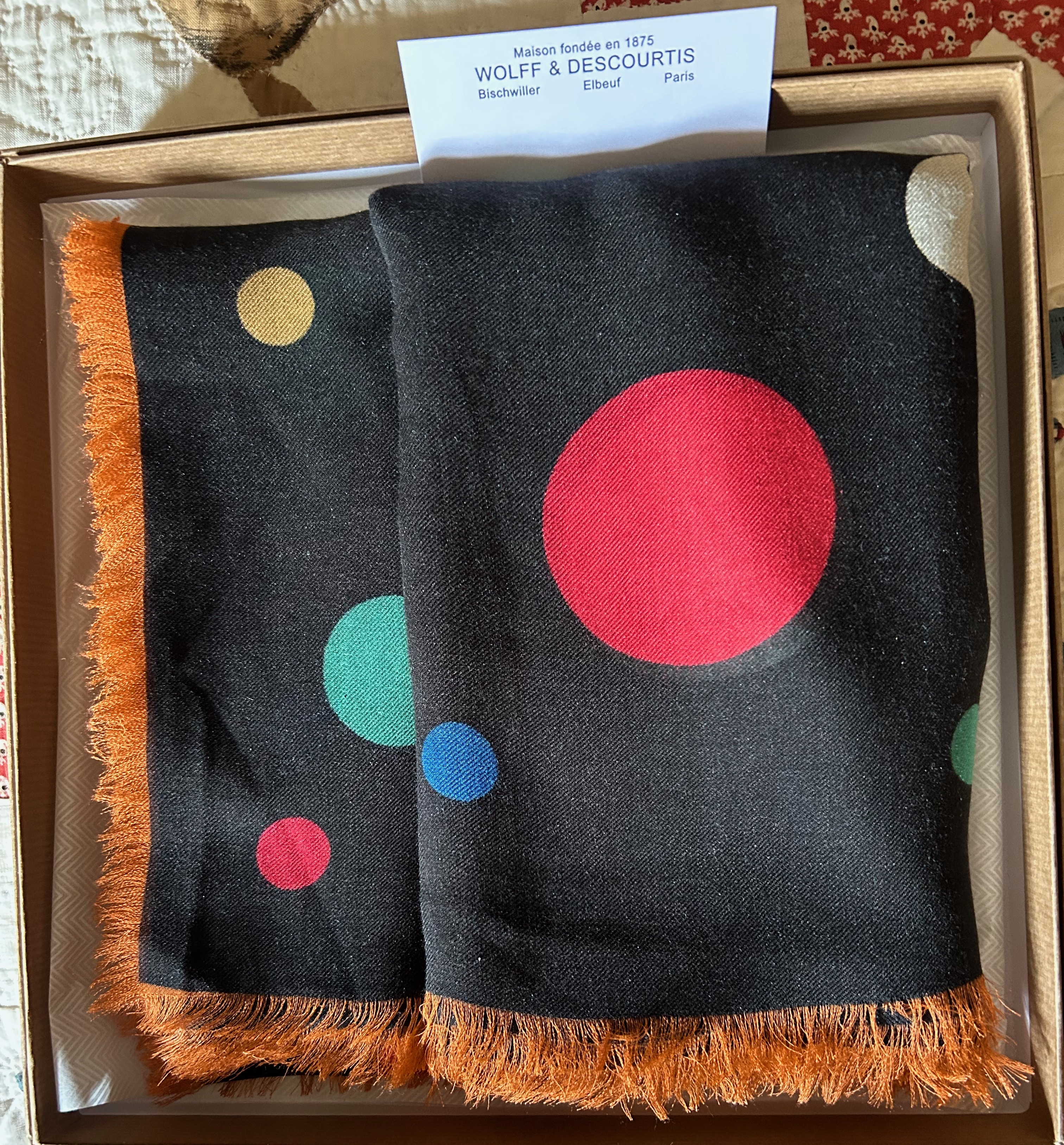
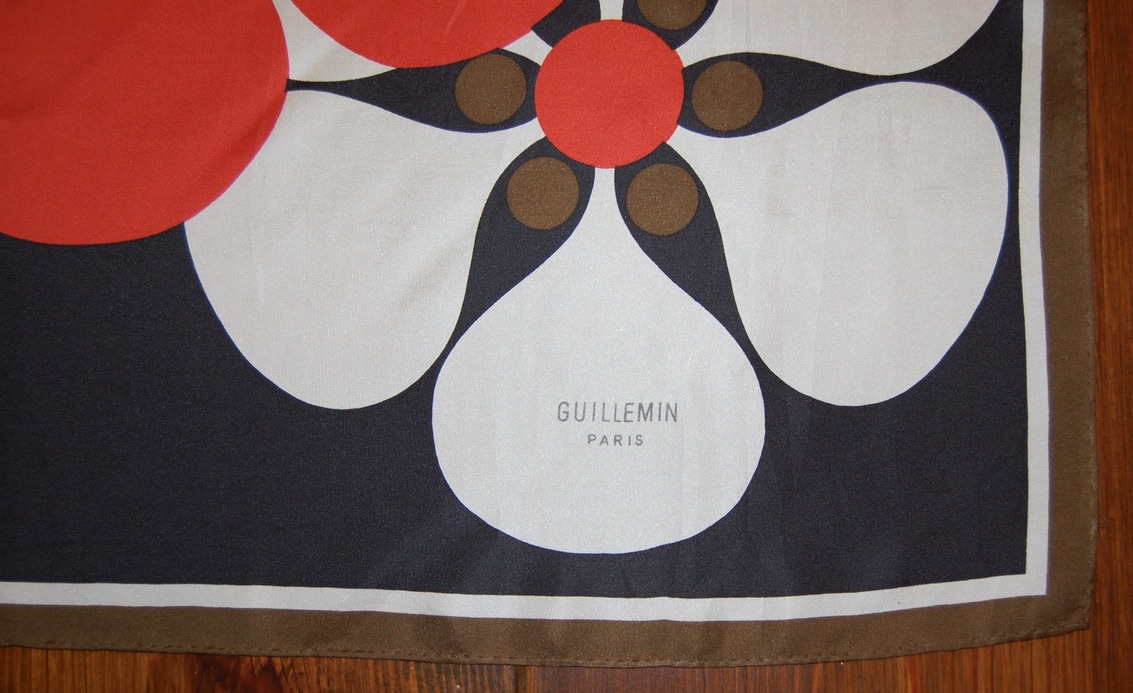
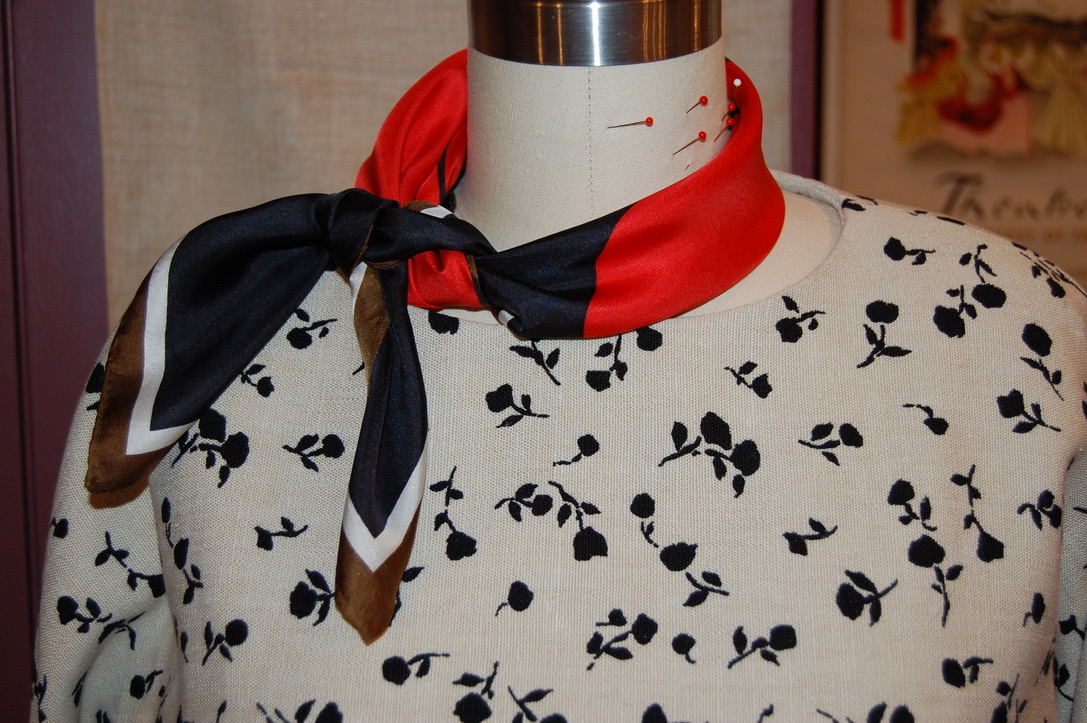
Finally, here are some photos from Wolffe et Descourtis, the wonderful scarf store which captivated us all. This business has remained in the same family for many decades , and indeed the proprietress is Victoria Wolffe, of the original founding family.
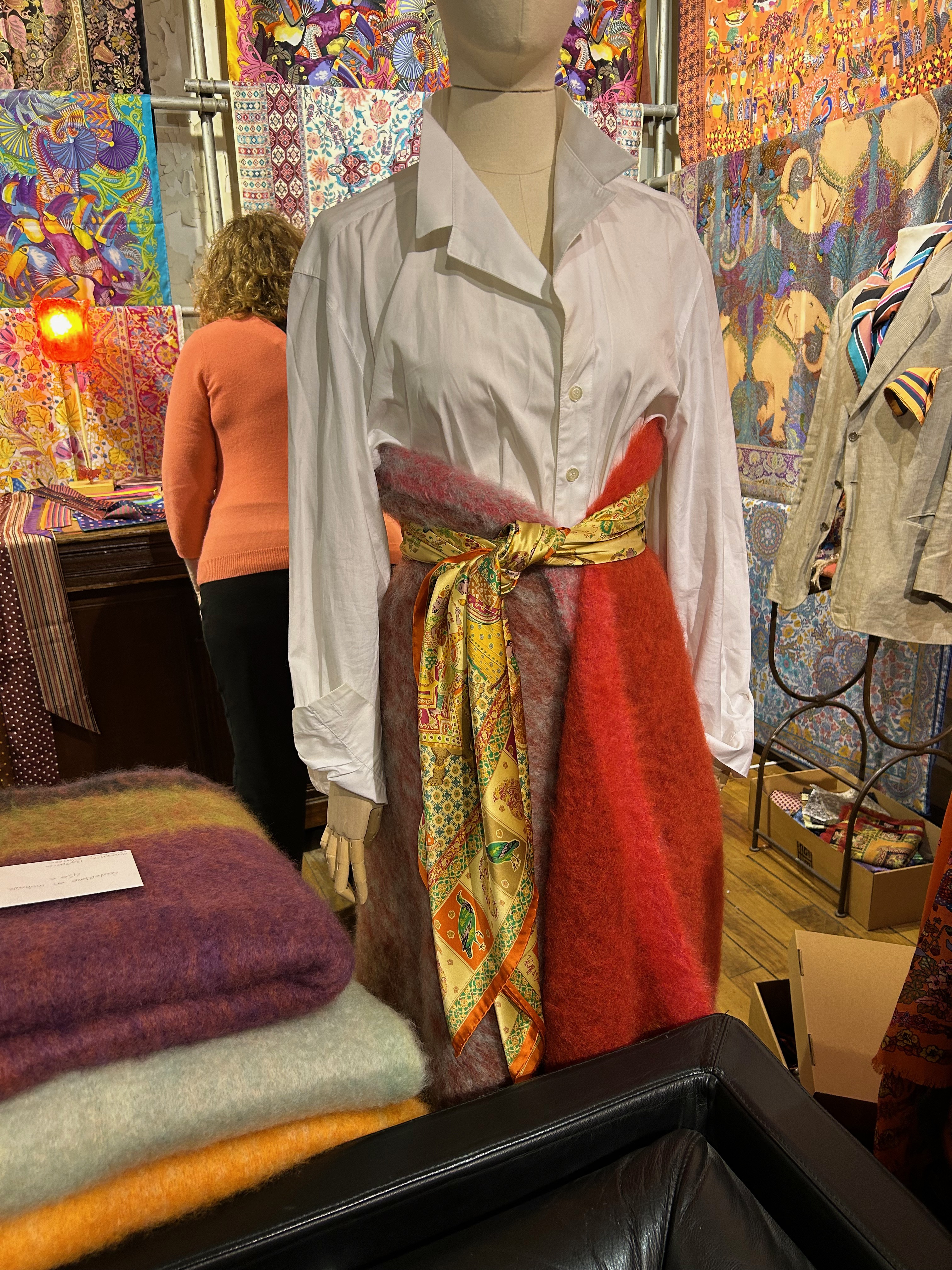
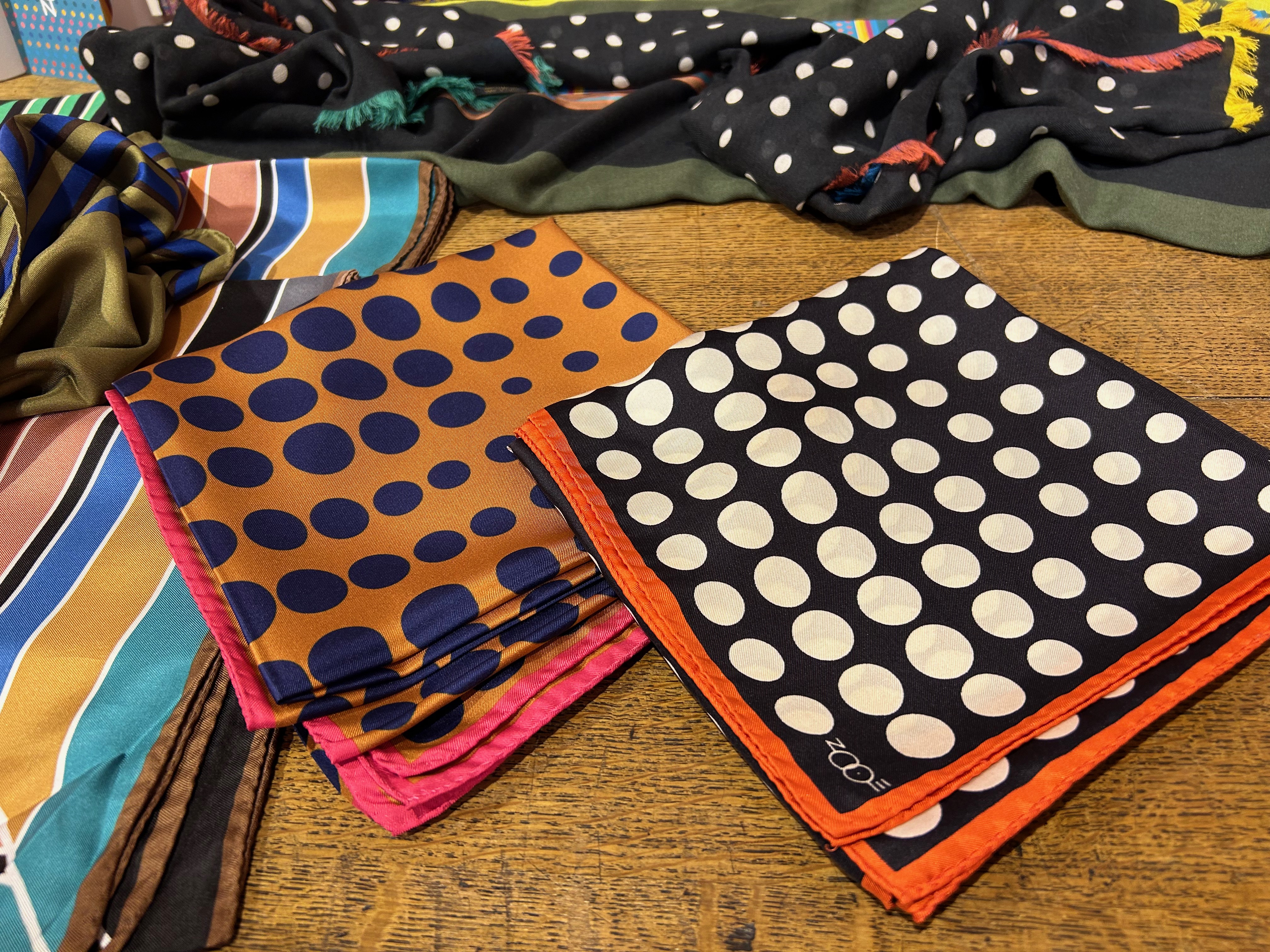

What fun to come home with my beautiful scarf!
This ends my monologue on the Paris Tour, despite there having been additional places we visited, people we met and things we did. Summer sewing has already cranked up, with my attention back here in the States. Happy Sewing June to all of you!





















 fiftydresses
Going Around in Circles
When I purchased this sateen, jacquard-woven fabric from Mendel Goldberg a couple of years ago, I wasn’t sure what it would eventually become. It had a wide repeat to the design (which is something to consider when you know you are facing considerable matching of the design), but it was a lovely 60” wide. I bought just 2 yards (it was expensive) and hoped I would have enough fabric to finagle something.
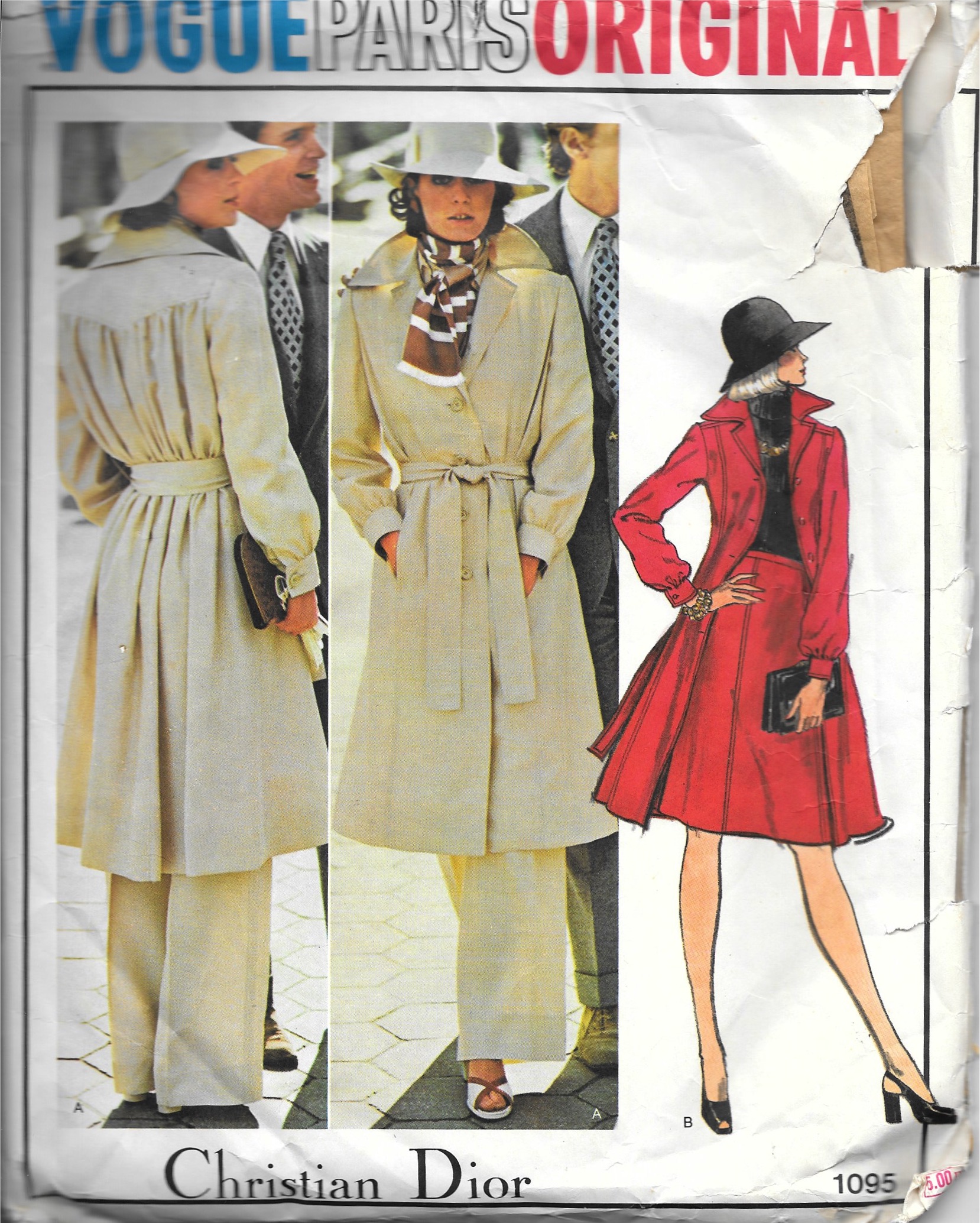
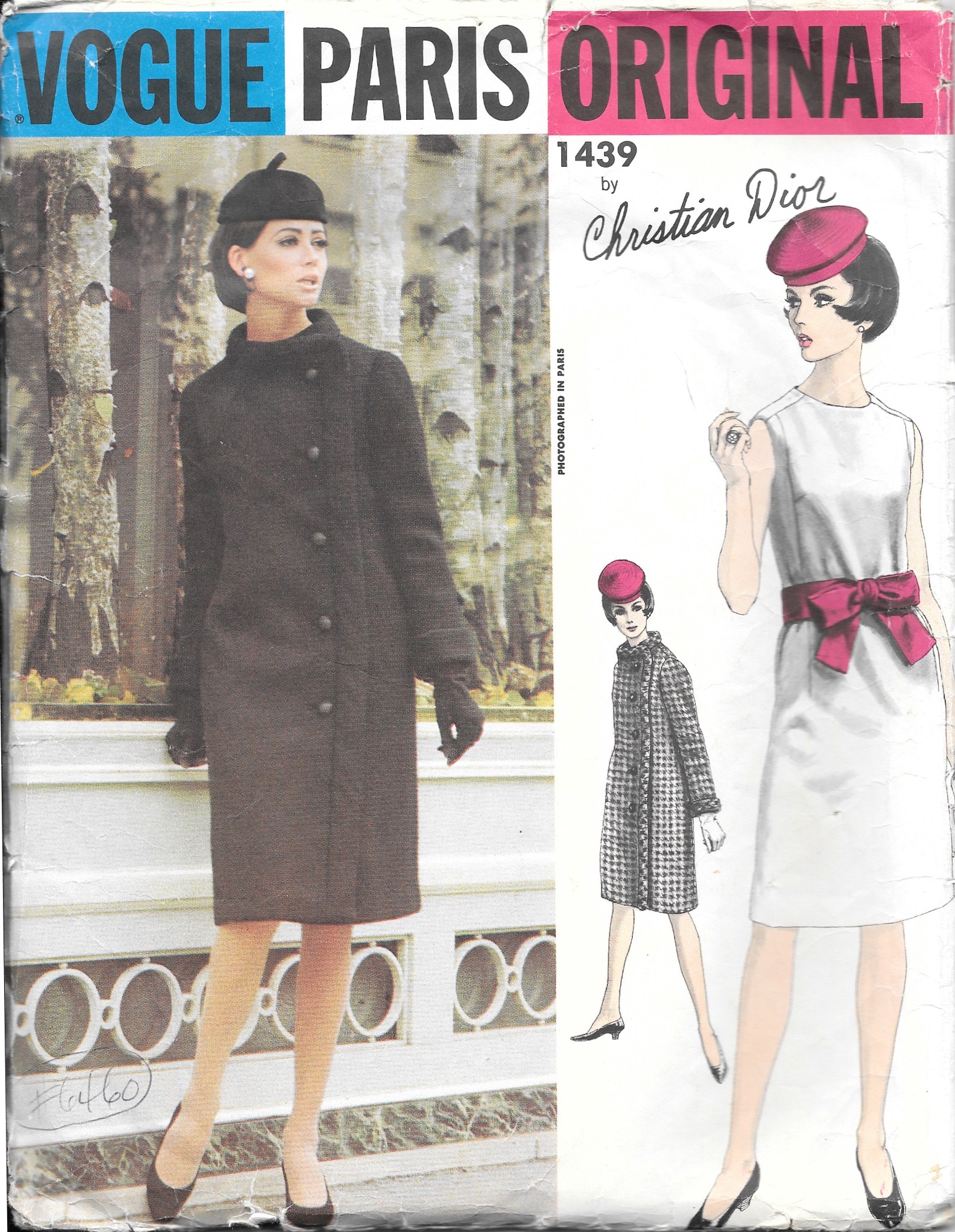
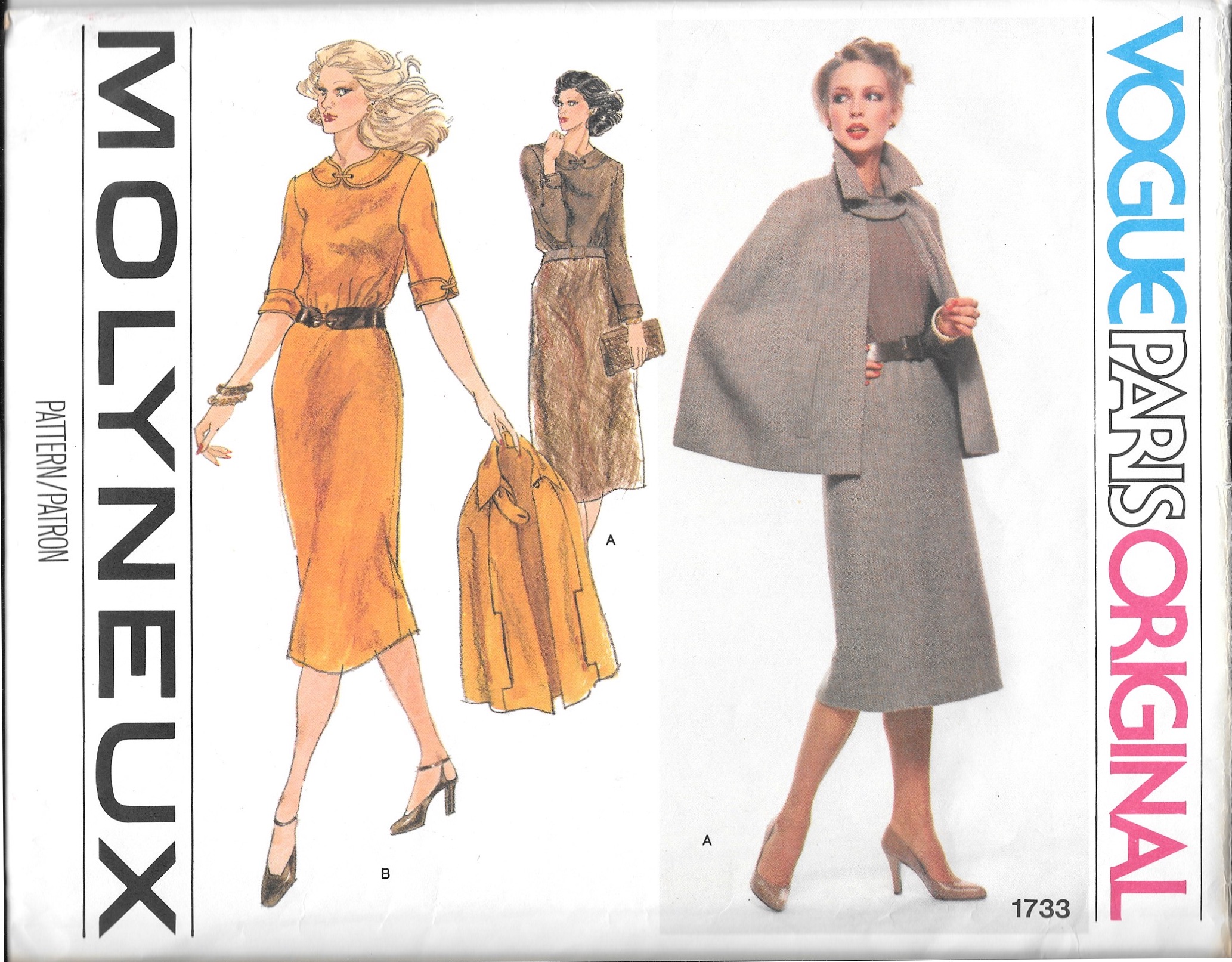
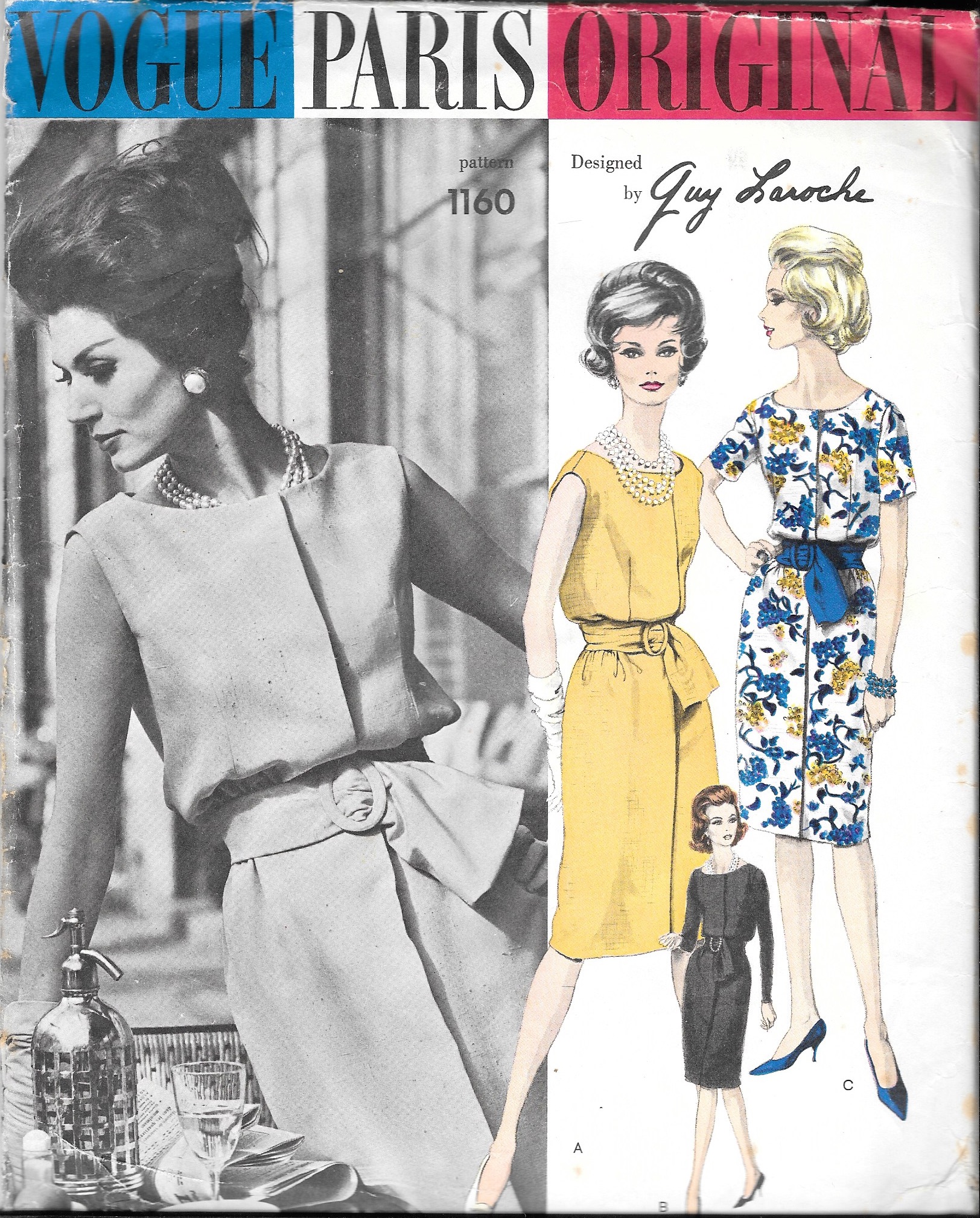
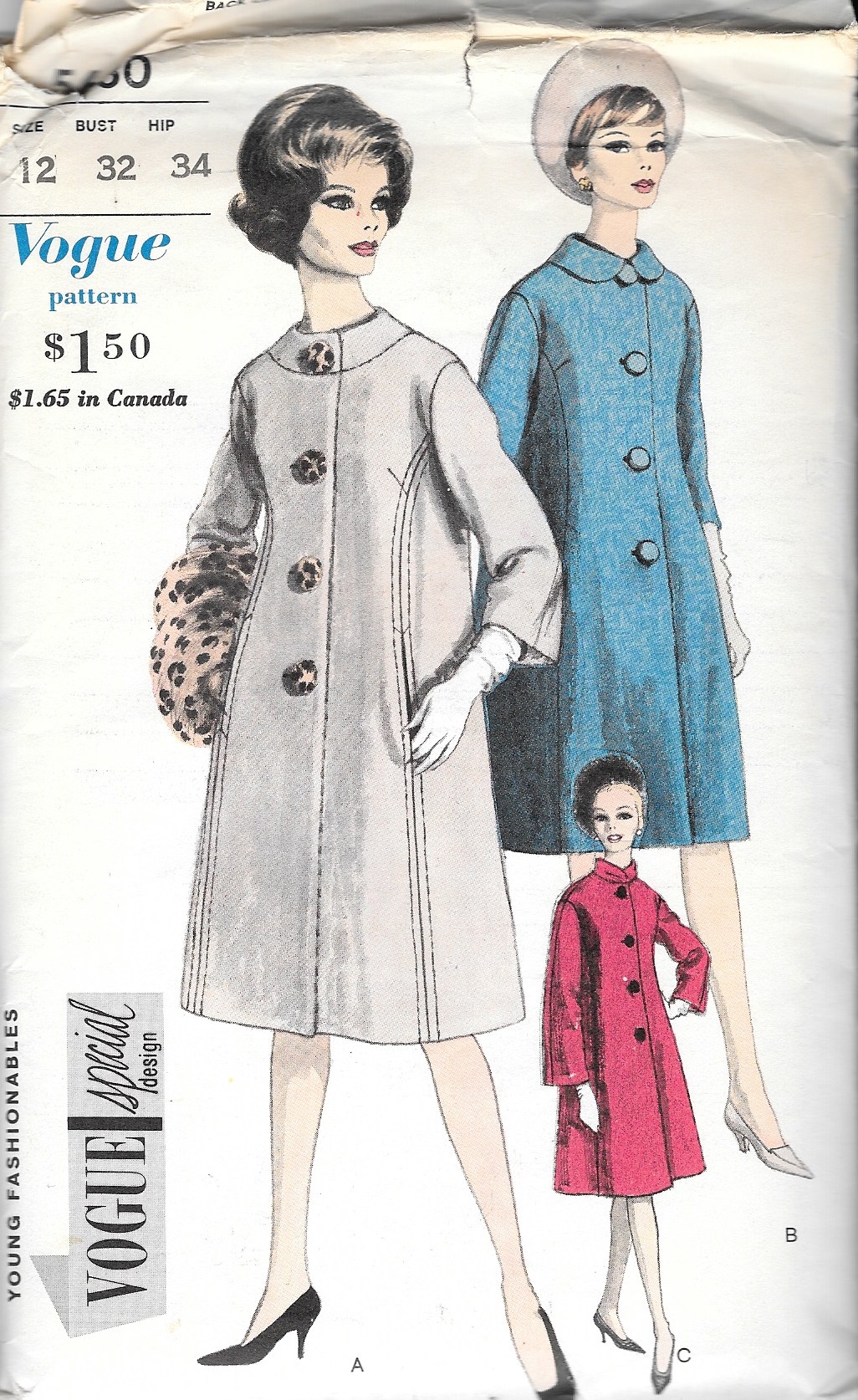
First I thought I would make a midi-skirt to wear with a pretty silk blouse or something. I even got so far as to make a muslin for a longish skirt, but it just wasn’t going to work. I didn’t have enough fabric to match the design and create the skirt I wanted. The next task would be to find a dress pattern which would work. I kind of viewed this fabric as a good Fall and Spring transition weight, so I wanted sleeves. And I wanted a pattern which would show off the circle design to its best effect. One of the patterns in my collection which I have seemed to dwell on frequently is this one:
I like the styling of both the dress and the coat. I thought I’d take a stab at eyeballing the pattern on my fabric, to see if it might work. Well, it was going to be a squeaker, but I thought I could manage to get the dress out of the yardage I had – and match all those circles and dots as much as possible.
One thing I had to consider was the placement of the large dots and the smaller dots on my body. Working with dots can be a little tricky – you certainly don’t want prominent dots on top of each bust apex, for example, and a row of large dots around the waist might not be all that flattering. I thought the row of the largest dots would be best as an anchor at the hemline. That would place the wide band of smaller dots just over the waistline and somewhat below. This configuration would place one medium size dot over one bust, but I was okay with that since the dot on the other side was off to the side, and therefore not symmetrical. I also liked the repeat row of largest dots across the upper chest where they were not too obvious. And – the sleeves followed the line of varying size dots in a pleasing manner, I thought. It turned out, I had just enough fabric to get things lined up properly – except for the front facing. No way could I match that to the front of the dress.
Now, obviously the facing does not show on the right side of the dress. Still, I like to match across seams if possible. Which it wasn’t. I had to give myself permission to have a mismatched facing, and then I moved on. (I forgot to take a picture of the facing, unfortunately.)
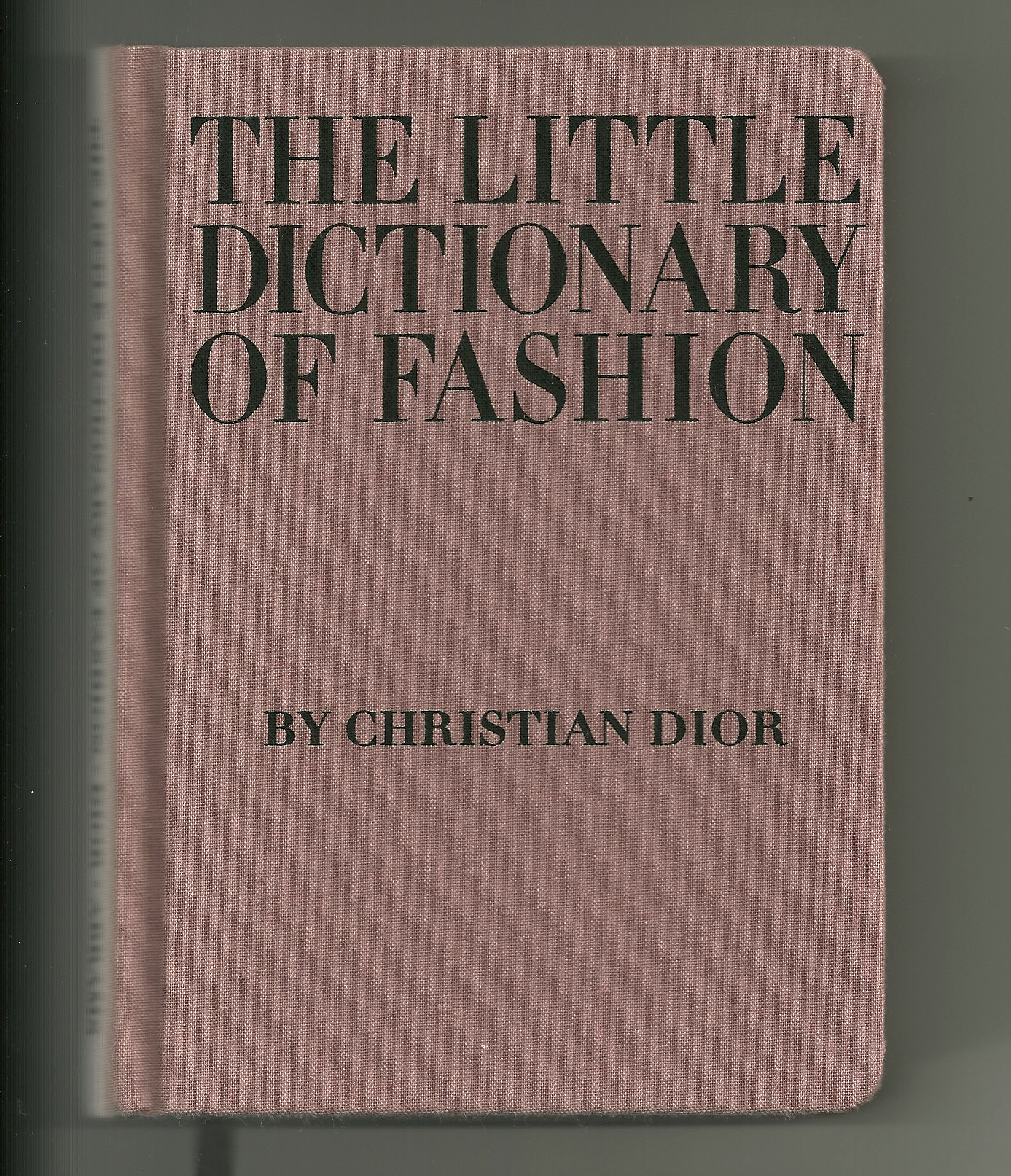
A word or two about the fabric before I go on. According to Fairchild’s Dictionary of Fashion, (Third edition, by Charlotte Mankey Calasibetta and Phyllis Tortora, Fairchild Publications, Inc., New York, New York, c2003, page 395) sateen is a “smooth glossy cotton fabric made in the sateen weave with floating crosswise yarns on the right side, giving a lustrous finish.” This fabric is a combination of cotton sateen, with circles created by a damask weave on a jacquard loom. It makes for a striking fabric. And I think the fact it is done in navy blue makes the contrast more definitive. Christian Dior was a fan of navy blue, calling it “the only one [color] which can ever compete with black, it has all the same qualities.” (The Little Dictionary of Fashion, Abrams, N.Y., 2007, page 14). It is a wonderfully versatile color.
I made a few changes to the pattern. I cut the neckline a little wider, I shortened the sleeves by a couple of inches, and the big change was I lined the dress in a lovely silk batiste I purchased at Farmhouse Fabrics. (The pattern did not have instructions or pattern pieces for a lining.) The pleat in the front of the dress was a bit tricky to line, but I figured it out after quite a bit of thought. By the way, I underlined the dress with silk organza.
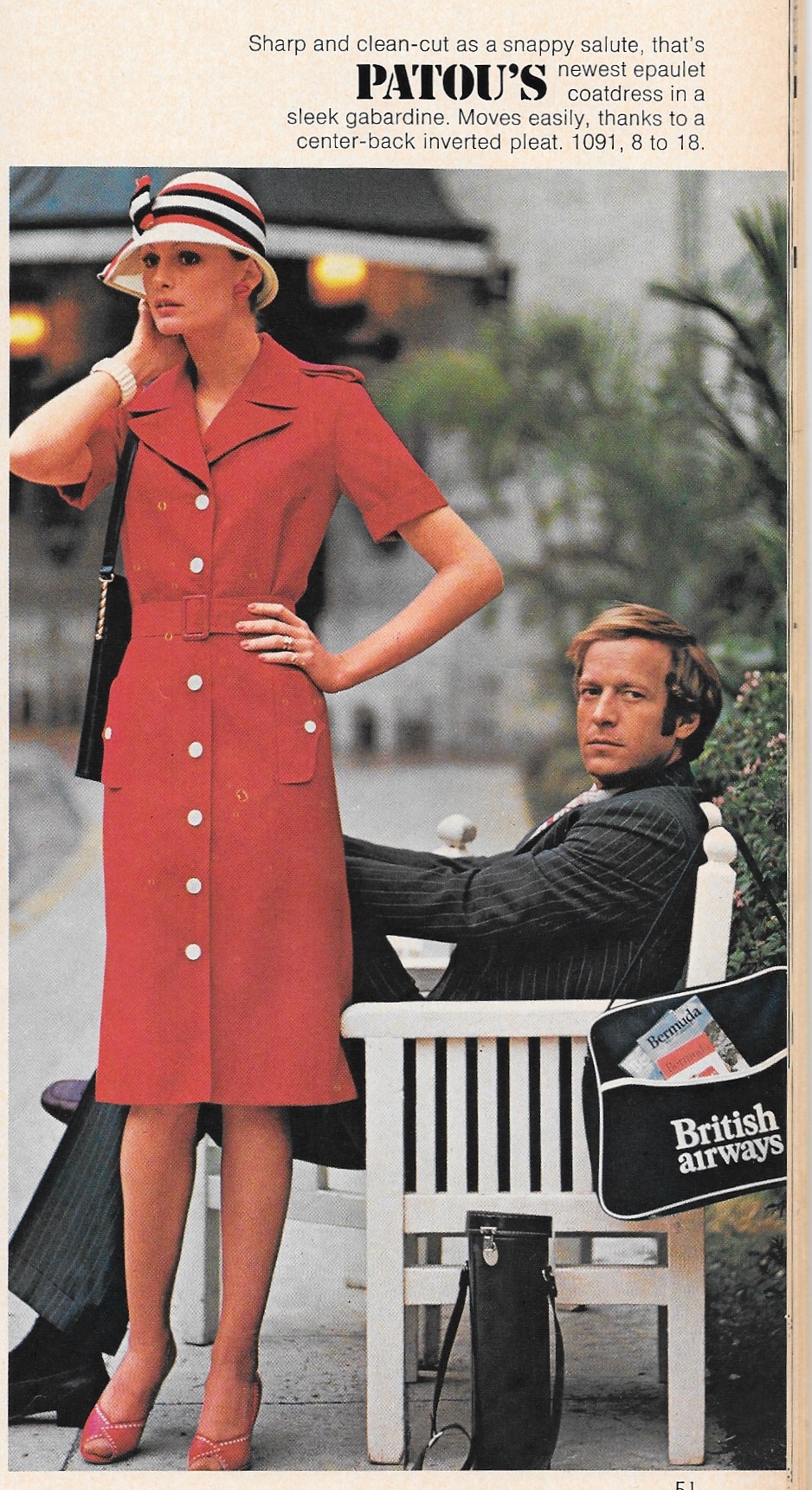
One more thing about the pattern and the dress. With the pleat in the front of the dress which extends to the hem, it gives the appearance of a coat dress. However, it is not. Again Fairchild’s gives us a precise definition of a coat dress: “Dress fastened down front from neck to hem, like a coat, in single- or double-breasted style, either belted or unbelted. A classic since the 1930s.” ibid., page 84. Someday I’ll make a coatdress, but this was not it.
As I mentioned in an earlier post, I made this dress to wear on my Paris trip, but alas, I never had the opportunity to do so. I feel certain it will eventually get its debut, but not in Paris!
26 Comments
Filed under Buttons - choosing the right ones, Christian Dior, Fashion commentary, Loops for buttons, Mid-Century style, Polka dots, Sateen, Uncategorized, underlinings, vintage Vogue patterns from the 1960s, Vogue patterns
Tagged as Choosing buttons, Farmhouse Fabrics, fashion sewing, Mendel Goldberg Fabrics, polka dots, sewing, vintage fashion, vintage Vogue patterns