
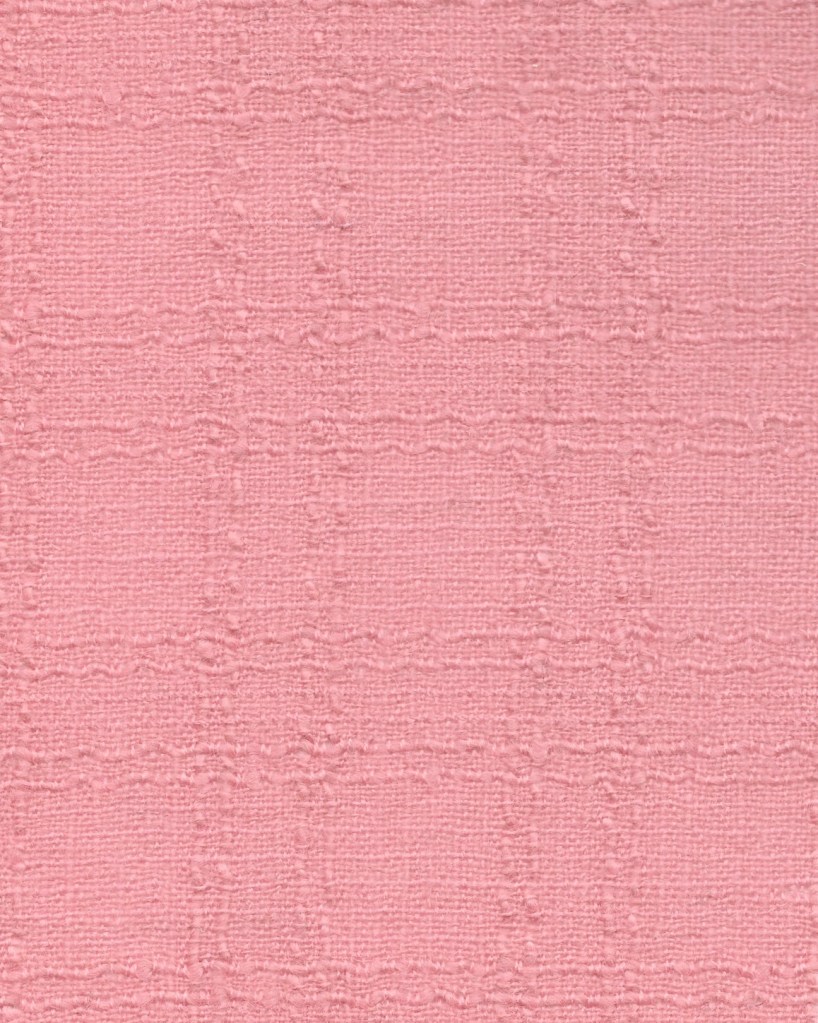
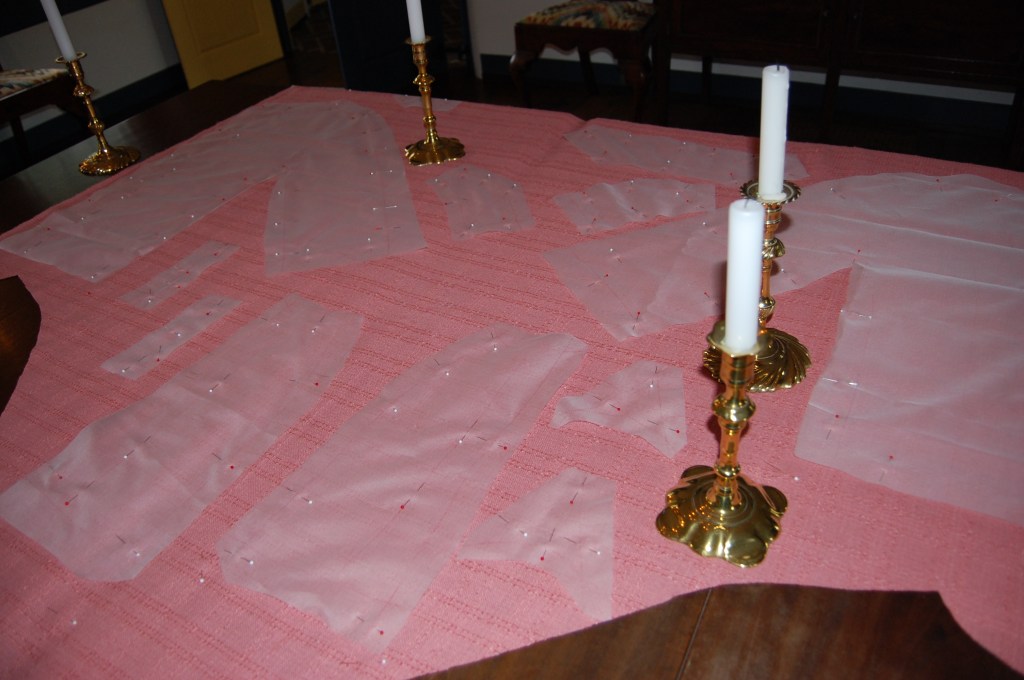
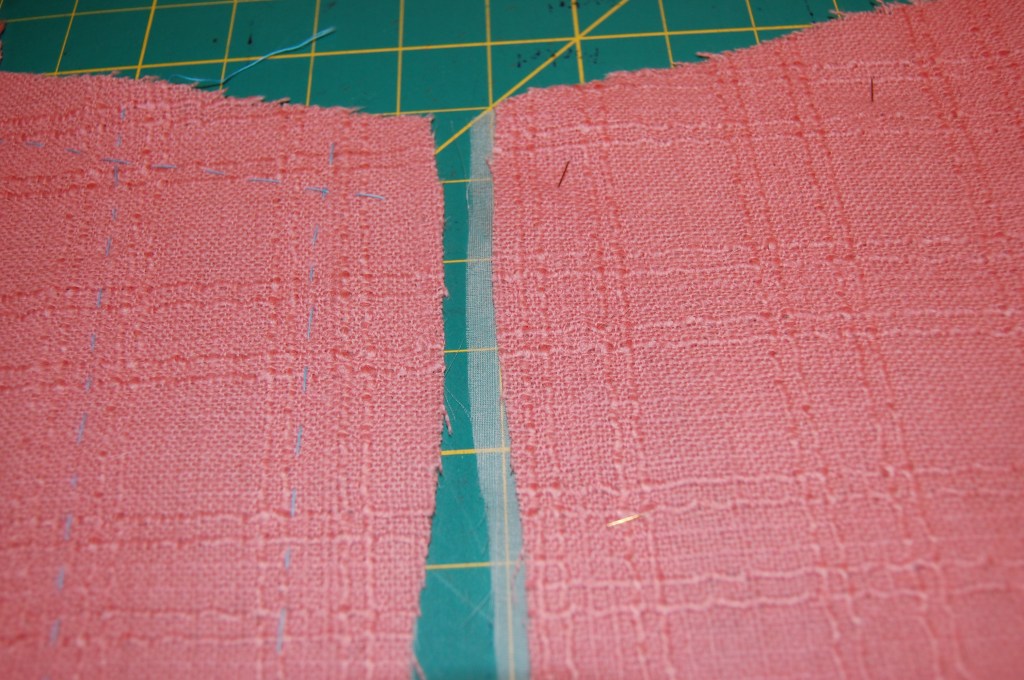
Several years ago I purchased a piece of vintage French Lesur wool, which I subsequently made into one of my favorite pieces ever, my pink Christian Dior-designed coat.
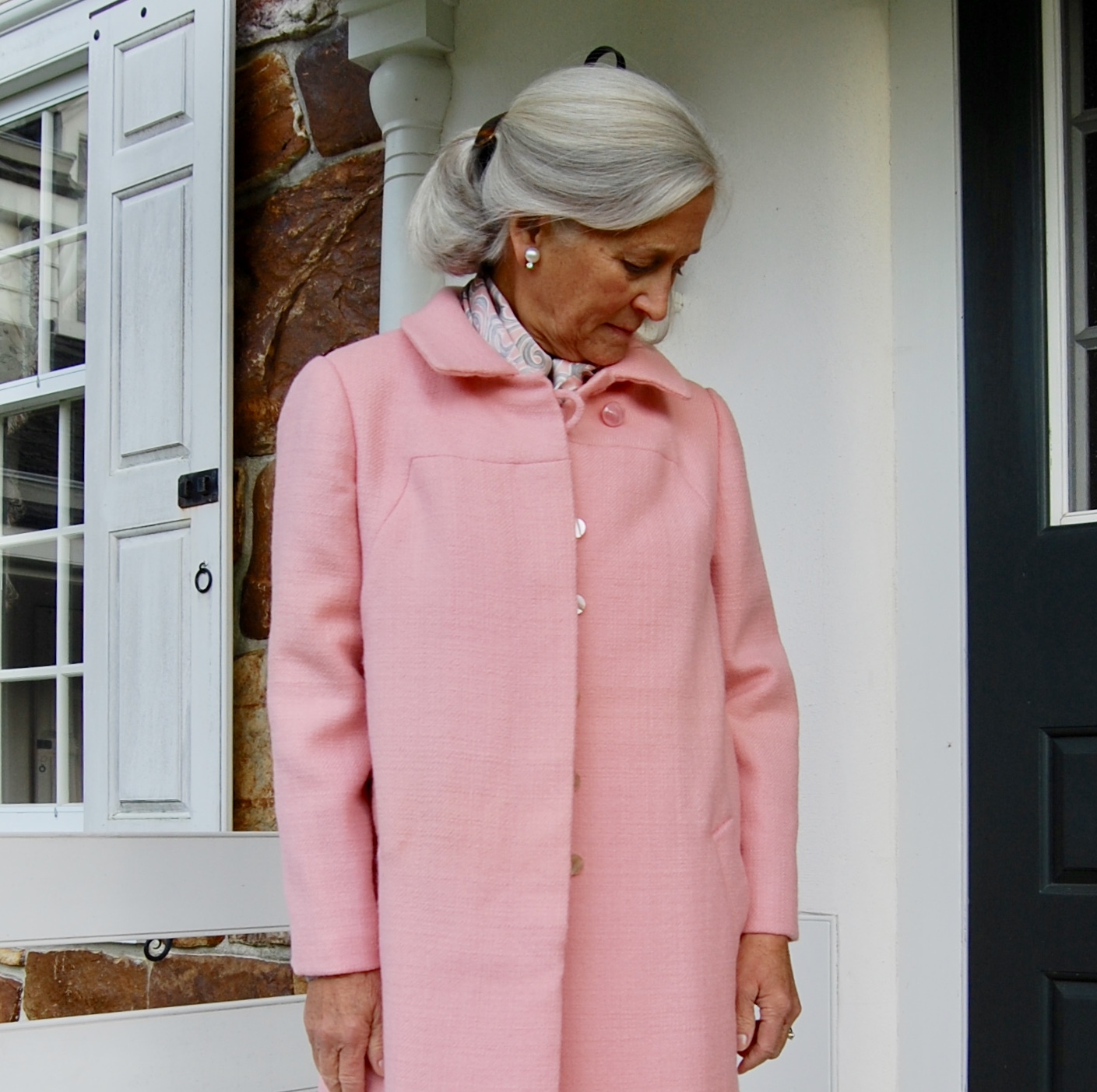
When I received the length of pink wool from the eBay seller, I wrote her a note to tell her how excited and grateful I was to have the opportunity to purchase that fabric. It apparently had been from the estate of an accomplished dressmaker, known for her good taste. The seller then kindly offered me another piece – very different in aspect – from the same collection. The photos she sent me showed a wool plaid which looked to be a medium khaki background with purple and lavender lines woven into it. It wasn’t exactly what I usually gravitate to, but I knew the quality of the fabric would be superb, and being a pushover for vintage fabric, I decided to purchase a five-yard length from her.
When the fabric arrived, it wasn’t at all what I had expected. This is one of the downsides of purchasing fabric – especially vintage fabric – online. You don’t always get what you think you are getting. This fabric was deep brown and the purple and lavender intersecting lines were more the colors of eggplant and lilac. It seemed kind of dark to me. Except for black and navy blue, I’m not usually a dark-wearing person. The quality of the fabric, however, was indeed superb. Soft, lightweight with a beautiful hand to it.
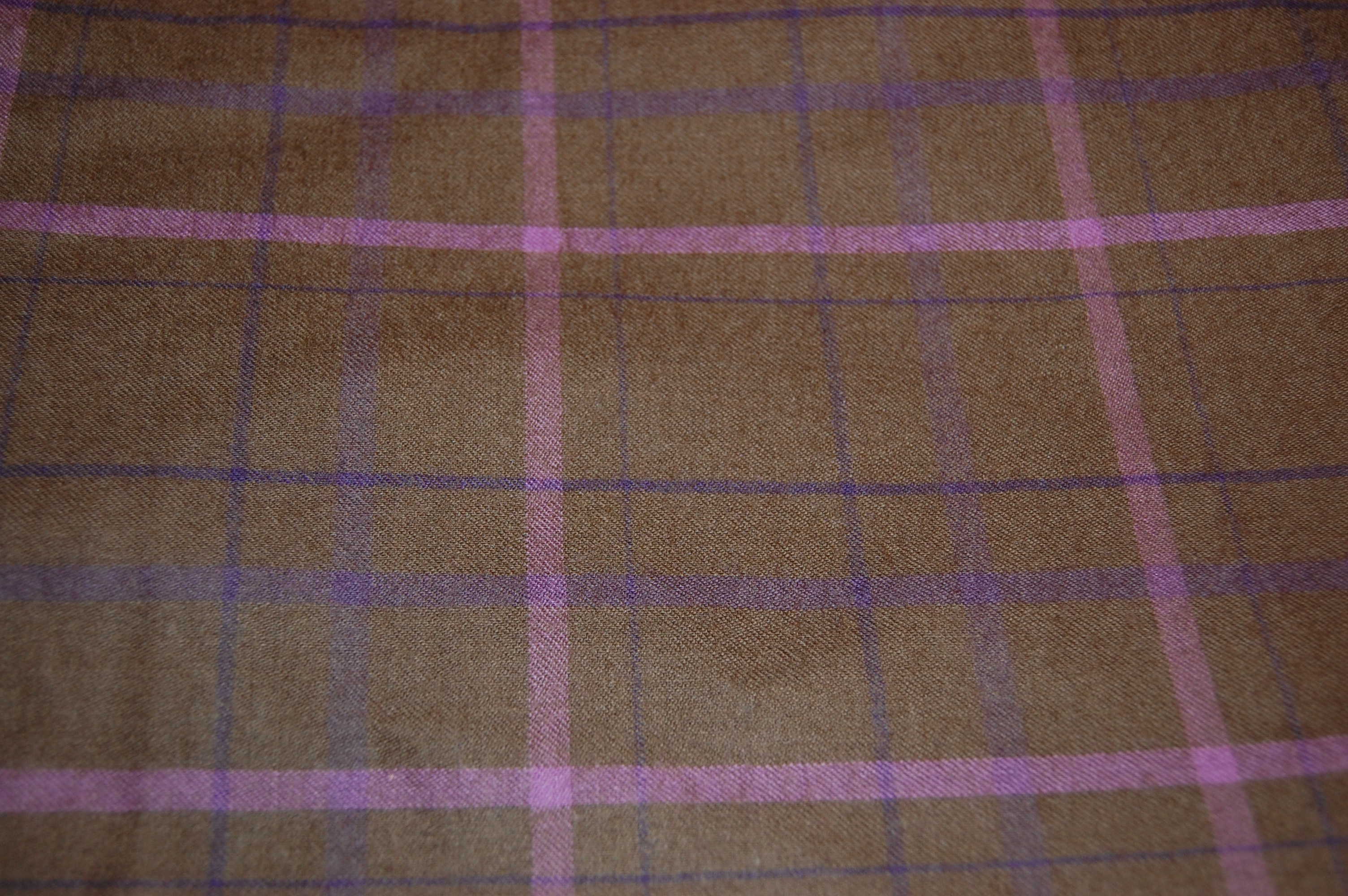
I was a little disgruntled about this purchase, though. I don’t like to spend money frivolously, and this suddenly seemed like an unwise decision. But – it was done, so I put the fabric in my fabric closet for storage. Every once in a while I would take it out and ponder it. I started to like it more and more, but I couldn’t for the life of me figure out what to make with it – all 5 yards!
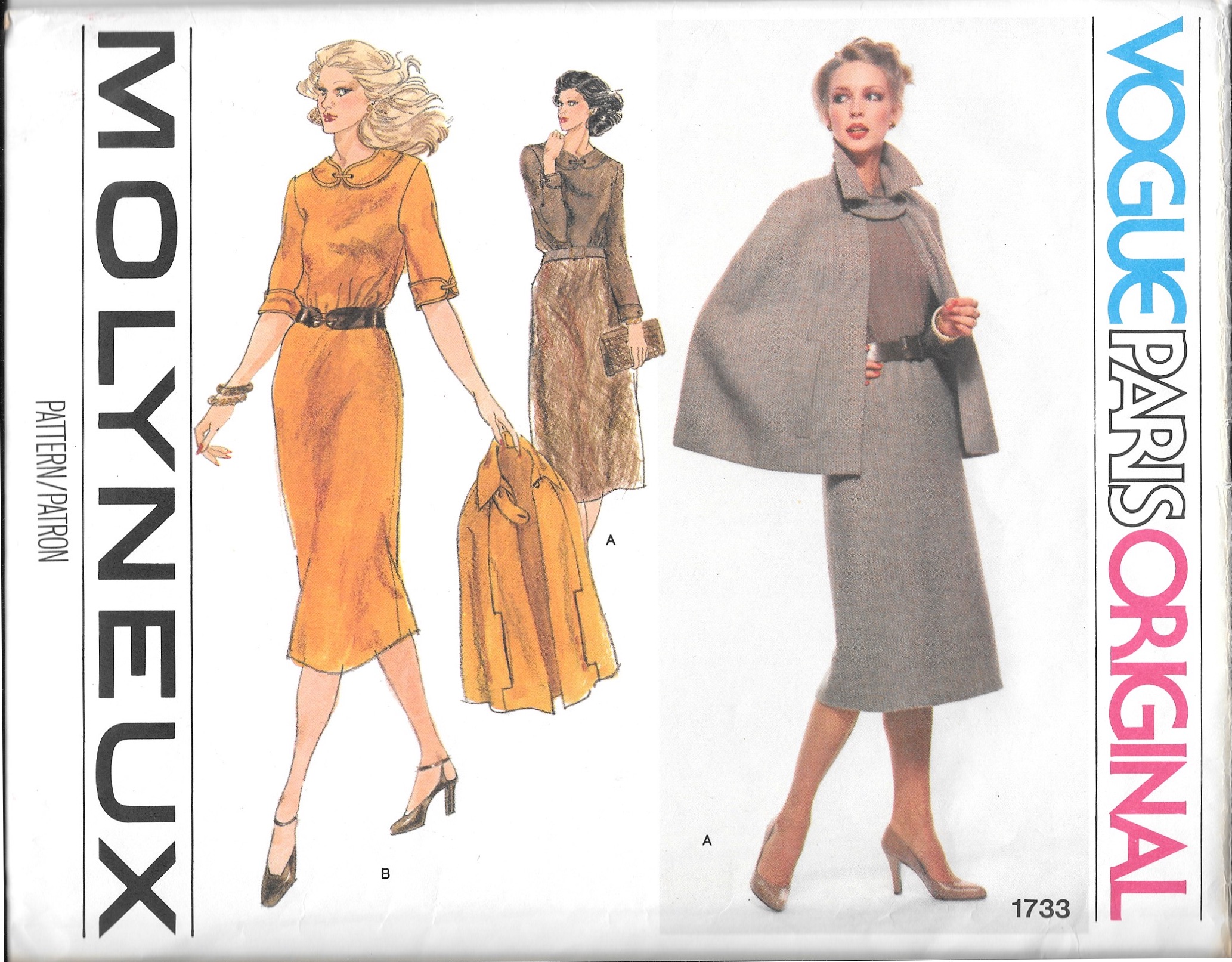
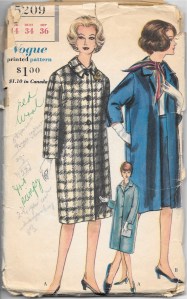
Now. . . I have discovered with fashion sewing, that sometimes time allows creativity and inspiration to blossom, and that is what happened with this fabric. At some point over the summer, I decided this wool would make beautiful slim slacks. But what to do with all that remaining fabric? Somehow, a matching jacket did not appeal to me at all – and then I remembered a lovely vintage Vogue pattern, designed by Molyneux, I had in my collection at home in Pennsylvania. I knew it would be perfect with the pants – and the fact that I had long wanted to make its featured hip-length cape sealed the deal!
In preparation for this project, I needed to order lining fabric, both for the pants and for the cape. I selected 5 shades of brown silk charmeuse on Emma One Sock’s website and sent off for swatches. (I often prefer to use a contrasting color for a lining, but in this case I determined a matching lining would allow me greater flexibility in wearing the cape with something other than the matching pants.) The swatches arrived in short order, and I was astounded to discover that not one of them was even close to a matching color.
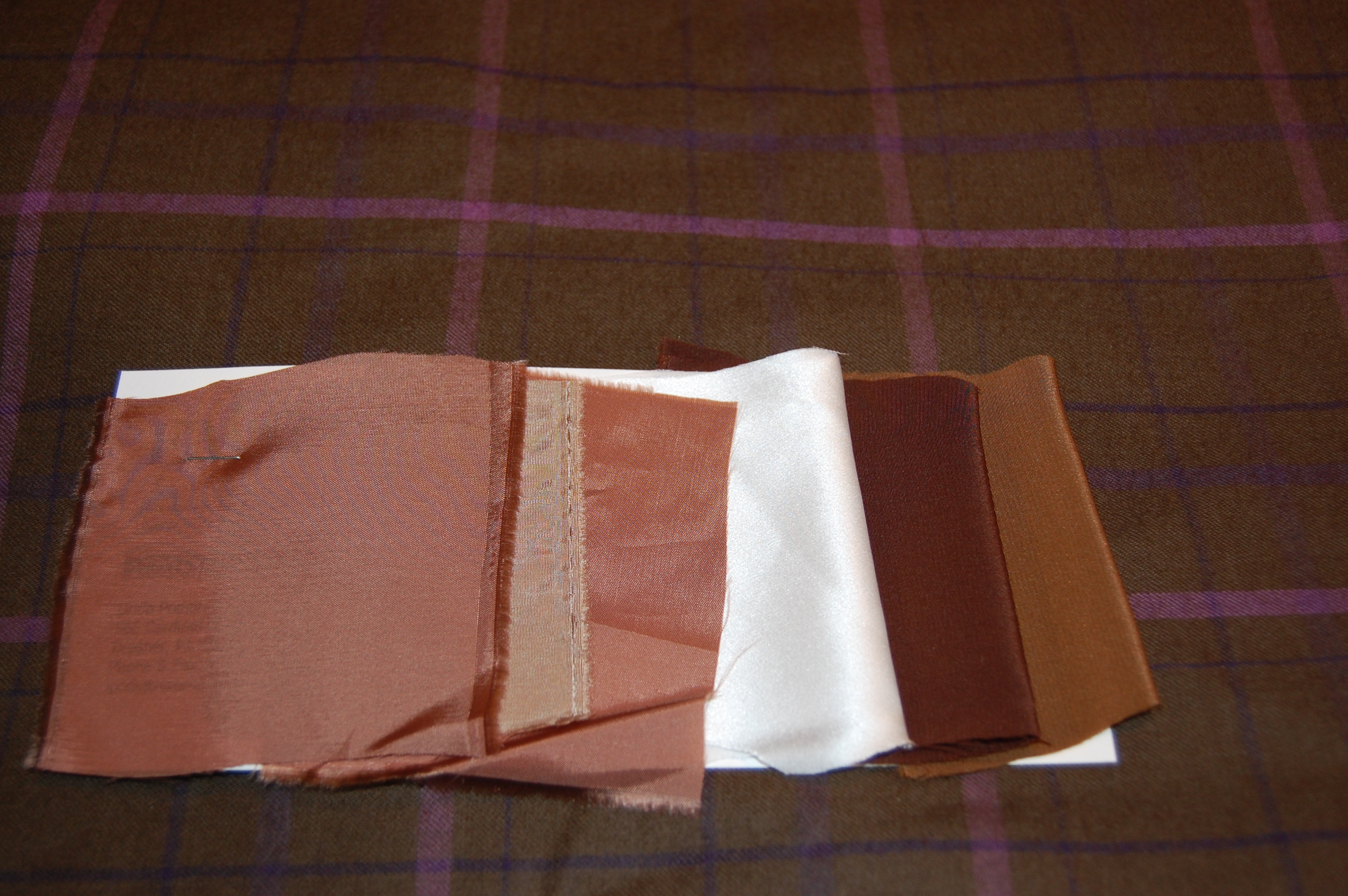
And then it hit me – like an iron in the face! – this wool was not brown, it was a true olive green! No wonder it had started to appeal to me. I have long been a fan of olive green, which I now know to be a little bit of an enigmatic color. Off I sent for 5 more swatches of silk lining, this time in shades of deep green. When the swatches arrived, it was a Bingo moment. One was clearly a perfect match.
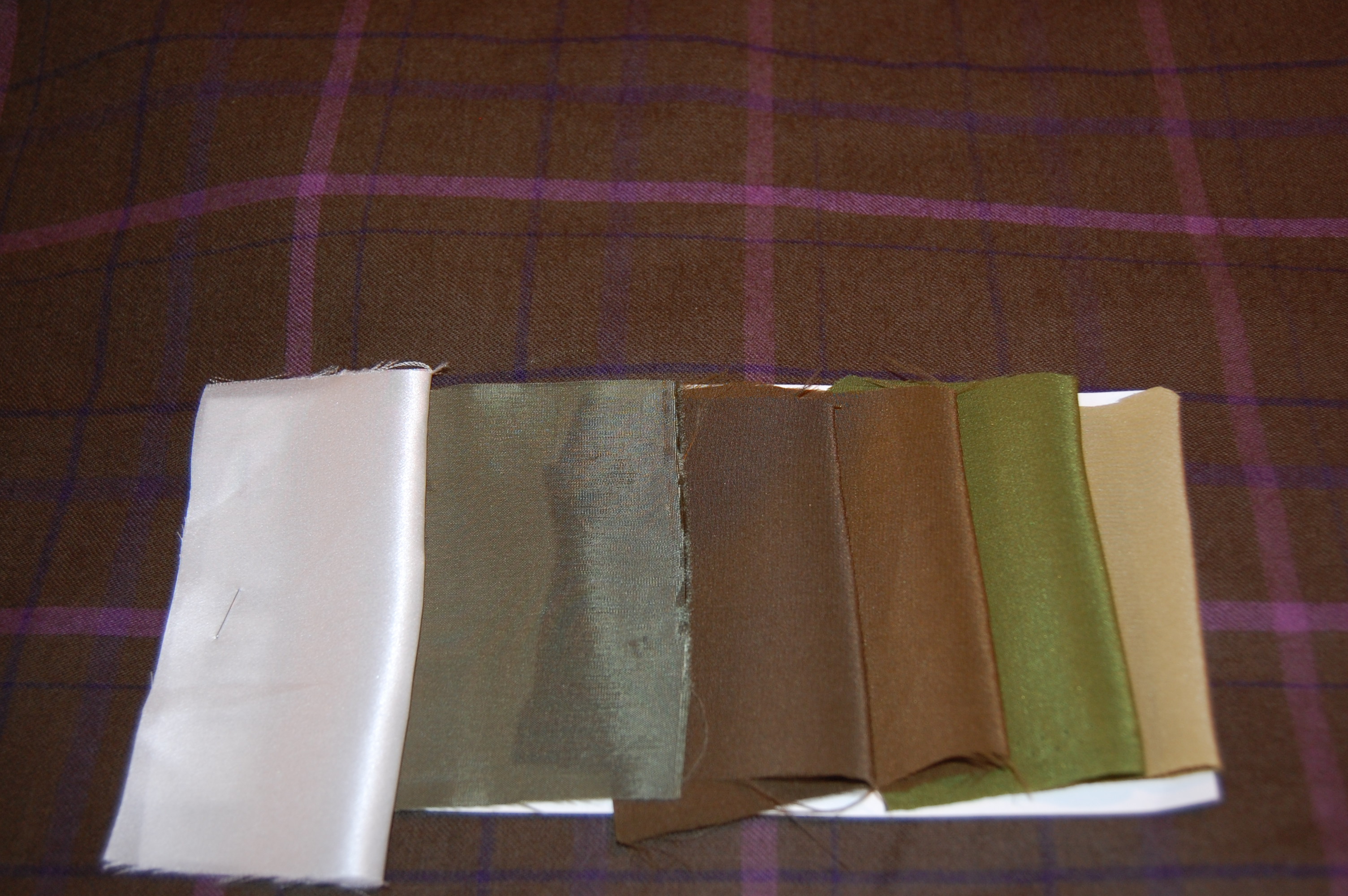
Please stay with me in the next couple of posts, as I work through this two piece outfit – a project whose time has finally come.
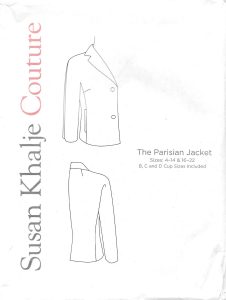
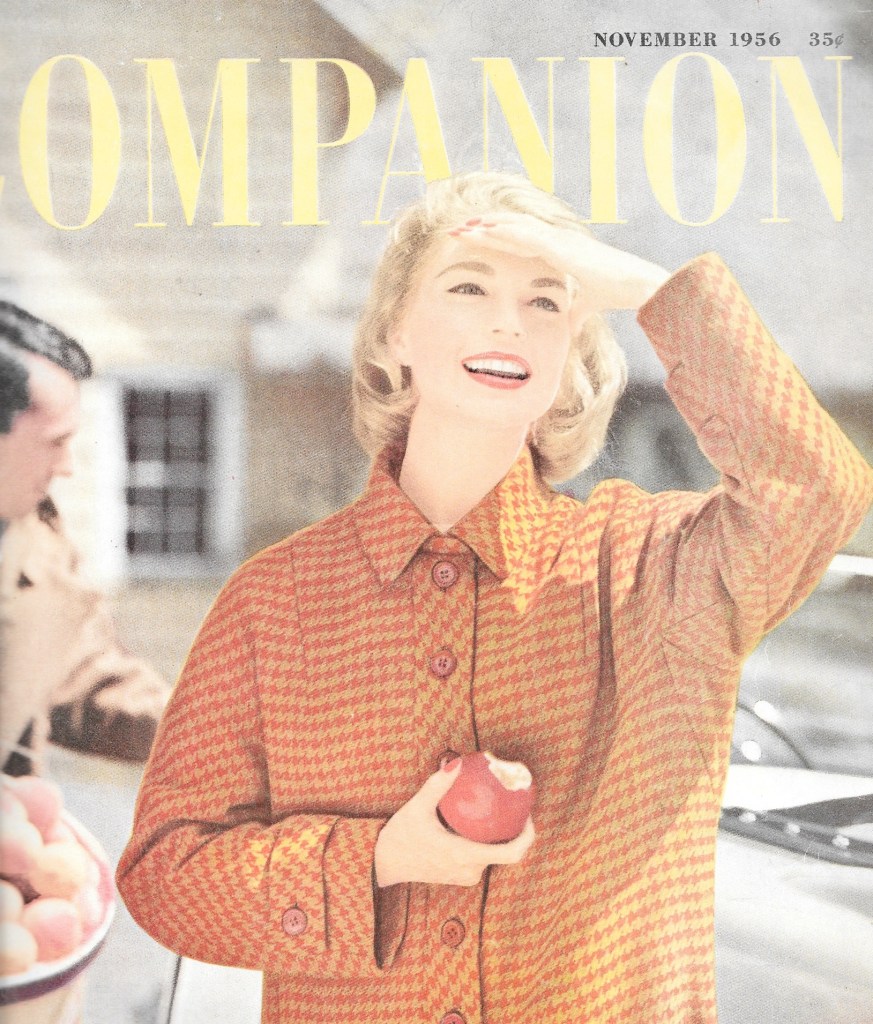
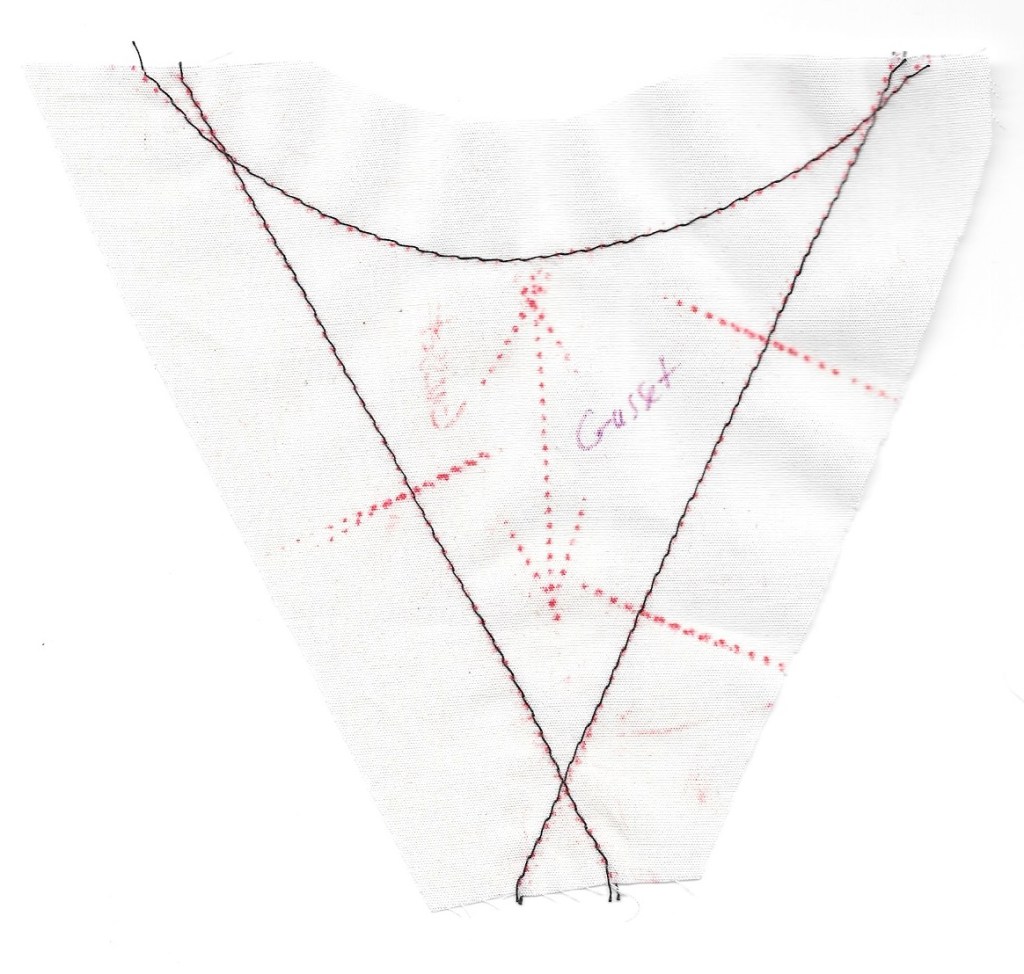




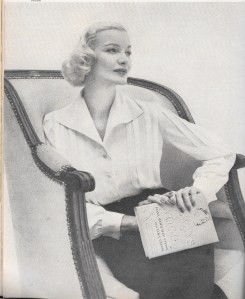
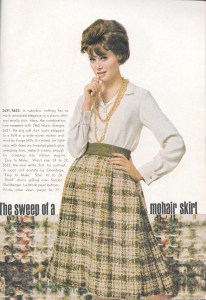
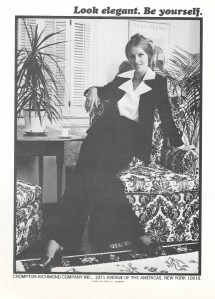
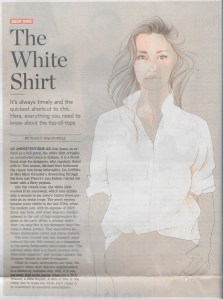











 fiftydresses
What Do You Think of Pockets?
Do you love pockets and add them to your sewn creations wherever you can? Would you be happy never to have to sew another pocket? Do you tolerate them in a garment, preferring to do without if possible? Many people have very strong opinions about pockets or the lack thereof. I think those of us who sew are among those with the strong opinions, primarily because we have it in our power to add them or delete them. My personal mantra on pockets is “Let’s see if we can do without them, unless we can’t.”
I generally divide my thoughts about pockets into three categories: those in dress pants (slacks), those in dresses and skirts, and those in dressier coats and jackets. (A little caveat is probably useful here before I get any further. Yes, jeans should have pockets, as should hiking and/or activewear pants and shorts. And absolutely, pockets are part of the functionality of active outdoor coats and jackets and vests. Those categories are not part of this discussion.)
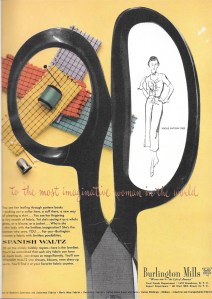
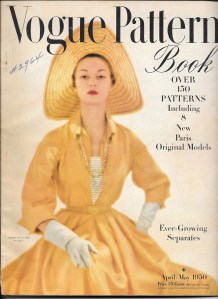
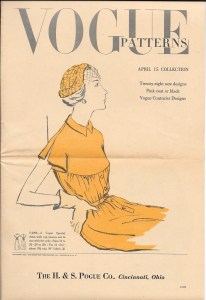
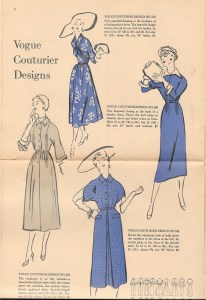
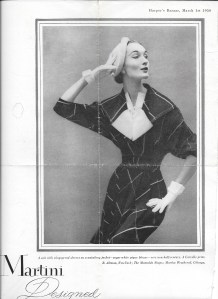
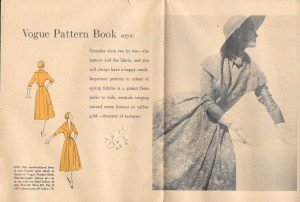
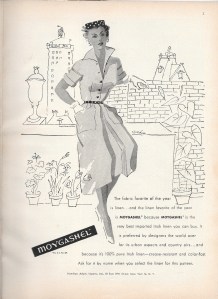
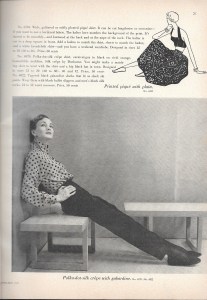
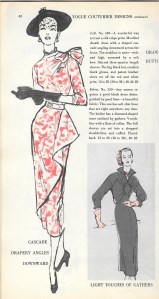
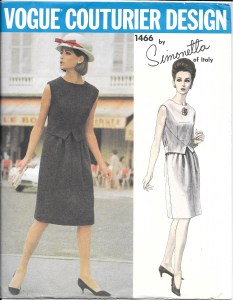
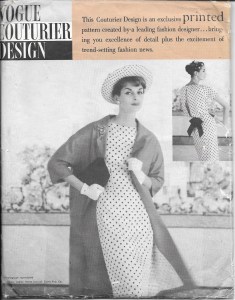
It was over two decades ago when I first started thinking about the dilemma pockets in slacks present. I had just purchased a navy blue wool flannel, dressy pair of slim pants, which fit well and were flattering. There were two welt pockets on either side of the front which were basted closed, as is the custom in better clothes (leaving it up to the purchasing customer to remove the basting.) I left the basting in and preserved the slim silhouette of the slacks. Had I removed the basting, the front, I am sure, would have “pooched” out at those two spots and, well, not done my tummy any favors. Once I started buying vintage patterns a decade ago, I began to notice the slacks in the patterns from the 1950s generally were pocketless. (I have long thought fashion and style in the decade of the 1950s was at its zenith, both in elegance and in silhouette, which is a topic for another discussion.) Here a few examples of patterns from the 1950s:
In my mind, pockets in dress slacks are superfluous at best, detrimental at worst, and just unnecessary. Although I rarely make pants and slacks, I have yet to put a pocket in any of them.
Dresses and skirts are a bit more complicated. Fuller skirts often provide the perfect camouflage for in-seam pockets. I have sewn at least three such styles, the patterns for which included pockets in the side seams. Interestingly, two of them were vintage Diane von Furstenberg patterns from the 1970s; the other is a more recent Vogue shirt dress.
There was a charming article appearing this summer in a Weekend Edition of The Wall Street Journal by author Jasmine Guillory and her “perfect dress” which, alas, has pockets. (Check her website here to read the article under “About”.) Here is what she wrote, “The only element that mars this dress’s perfection is its pockets. This might be a controversial statement, but I don’t like dresses with pockets. They pooch at my hips, even when empty, and if you put something in them, it’s worse…. What’s this great need for dresses with pockets?” She goes on to say she regularly takes her dresses with pockets to the dry cleaner to have the pockets removed. (Alas, again! Her dry cleaner closed during the pandemic, meaning that her “perfect dress” still has its pockets, making it “almost perfect.”)
But what about slimmer silhouettes? In-seam pockets could cause the same “gapping” situation, which begs the question “Would you put anything in those pockets which would cause that pocket to gap even more? Probably not. I would place my hankie or my cell phone or lip stick in my handbag, not in my pocket – and that goes for fuller skirts as well. (Besides, like Jasmine Guillory, I am quite smitten with handbags.)
However, what about in-seam pockets which are part of the design? Here is a notable example:
And then, of course, applied pockets are often part of the design, but not really intended for practical use. Take a look at this evening gown:
You might be able to tell I have decided I am not so keen on pockets in skirts and dresses either – UNLESS they are integral to the design.
Which brings us to coats and jackets. I think one’s first reaction to this category would be “Well, of course, jackets and coats need to have pockets.” And for the most part, I would agree with that. Often pockets in coats and jackets are part of the design and add stylistic interest as well as functionality. Here are a few examples of coats I have made, with such pockets:
Here is a jacket pattern which is in my sewing queue for 2022. I absolutely love the pockets.
And where would a Classic French jacket be without its pockets? They are not really functional, but undeniably integral to the design.
Not all coats have pockets, however. Take a look at this Madame Gres design which I made in a lavender linen. It has no pockets, nor would I want them in this Spring coat.
And here is a “summer” coat which I think is just so chic. No pockets.
I have made this coat pattern twice – once with pockets and once without.
The wool version has in-seam pockets which I find useful:
But here is the same pattern, made as a “cocktail” coat. I made it pocketless and love it.
Clearly there is much to consider when it comes to pockets. When we add them to a garment, or delete them, or change their placement, or baste them shut to eliminate that dreadful “pooch” problem, we are admitting that not all pockets are equal. Some are perfect in every way, some not so much, and some – are never missed.
30 Comments
Filed under Coats, Day dresses, Fashion commentary, Mid-Century style, pockets, Uncategorized, vintage Vogue patterns from the 1950s, Vogue patterns
Tagged as 1950's Vogue patterns, fashion sewing, pockets, sewing, vintage fashion, vintage Vogue patterns, Wall Street Journal Fashion coverage