Category Archives: Love of sewing

Can a Coat be Glamorous?

And what exactly is glamour? A recent quote by Carolina Herrera – “It’s important for women to feel glamorous and feminine but always themselves” – prompted me to look up the definition of the word “glamour” – and I was surprised by what I found. Here is how Webster’s defines it in its noun form: 1) the quality of fascinating, alluring, or attracting, esp. by a combination of charm and good looks 2) excitement, adventure, and unusual activity, like the glamour of being an explorer 3) magic or enchantment; spell; witchery. And then there is the definition of “glamorous”: 1) full of glamour; fascinatingly attractive; alluring 2) full of excitement, adventure , and unusual activity: to have a glamorous job.

Glamour was the last thing on my mind when I started out on my current coat project. Making a muslin (toile) can be time-consuming and tedious, especially when it shows you that some serious alterations need to be made. Fortunately, my coat muslin revealed only some small changes to the shoulder of my raglan sleeve coat, compensating for my square shoulders. My go-to book to guide me through these complexities is Fitting and Pattern Alteration, by Liechty, Rasband, and Pottberg-Steineckert (recommended to me by Susan Khalje.)
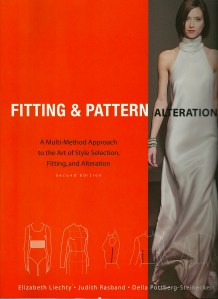
I highly recommend this book.

I highly recommend this book.

One of the things I love about this book is that it covers all sorts of situations. Square shoulders for Raglan sleeves? Not a problem.
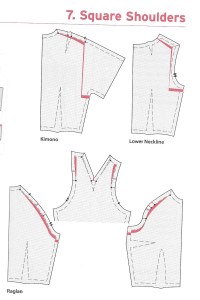
The diagrams take the guess work out of alterations to patterns.

The diagrams take the guess work out of alterations to patterns.

Once I had my muslin adjusted, my silk organza interlining marked and cut (to be used as the pattern for the wool), I felt like I was off to the races. Not so fast. A careful steaming of my wool fabric revealed three small “thin” areas (not holes, but thin enough that I would need to work around them). This is not unusual for vintage fabric, and is one of the reasons why a careful pre-steaming or pre-pressing of any fabric is important, but especially so for vintage goods.
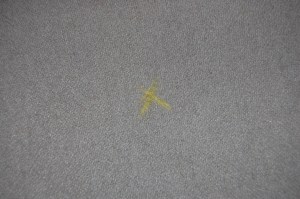
I marked these small imperfections with yellow chalk.
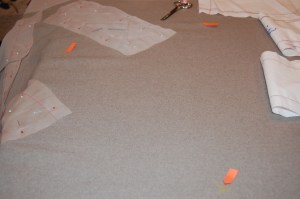
I marked these small imperfections with yellow chalk.

And then double-marked the areas with orange post-its when I was arranging the pattern pieces.

And then double-marked the areas with orange post-its when I was arranging the pattern pieces.

After untold hours of basting the layers of silk organza and fashion fabric together, I was finally ready to sew.   And this is when I think it began to get glamorous. The first major details to be completed were the pocket plackets. I thought I might faint when I had to make that first cut into one of the side panels of the coat front. But bravery saw me through!
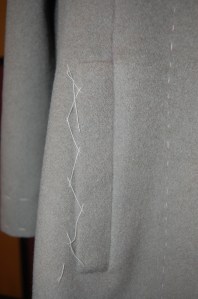
I have the placket catch-stitched temporarily so it does not get caught on something while I finish the remainder of the coat.
I have the placket catch-stitched temporarily so it does not get caught on something while I finish the remainder of the coat.

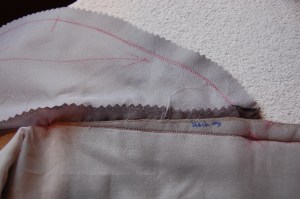
Here is the inside of the pocket and placket.

Here is the inside of the pocket and placket.

With the first pocket and pocket placket successfully completed, the second pocket placket was simply fascinating and alluring, my progress encouraged by the charm and good looks of the first one. Definitely glamorous!
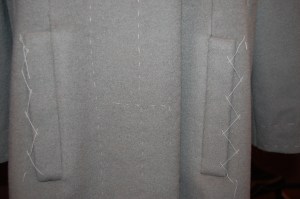
Progress - both pockets/plackets finished!

Progress – both pockets/plackets finished!

More seams ensued, each one carefully pinned, sewn, pressed and catch-stitched. Particularly rewarding were the shoulder seams of the raglan sleeves. Properly clipped, pressed and catch-stitched, the seams lie beautifully and look good, too.
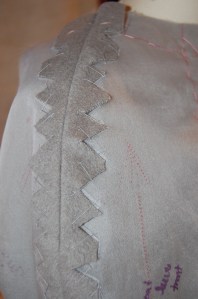
The benefits of a silk organza interlining (or underlining) are manifold, but not least of which is a foundation upon which to secure the seams.

The benefits of a silk organza interlining (or underlining) are manifold, not least of which is a foundation upon which to secure the seams.
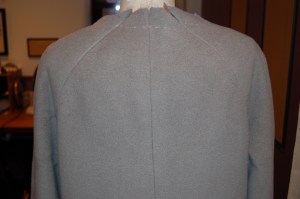
A view of the back of the coat (in progress.)

A view of the back of the coat (in progress.)

Although I have many more hours to go with the construction of this coat, I can’t help but feel that not only is this coat going to be glamorous, with its elegant gray cashmere, its vintage sensibility and all its hidden, inside secrets used to tame those seams, it is also going to be feminine and definitely me.

Perhaps the next question to ask is “Can sewing be glamorous?” It is “fascinatingly attractive, full of excitement, adventure and unusual activity.” It is magical and enchanting, too. The answer would have to be, “Yes, sewing most definitely can be very glamorous!” Even when we are in our bedroom slippers and blue jeans, covered in threads and pins, if we are sewing, I say we are glamorous.
20 Comments

Filed under Coats, couture construction, Dressmaker coats, Love of sewing, Mid-Century style, Uncategorized, underlinings, Vintage fabric, vintage Vogue Designer patterns, vintage Vogue patterns from the 1960s, woolens

Does Sewing Make Us Smarter?

Could it be that while we are planning, fitting, pinning, cutting, stitching, (and re-stitching), we are also using skills that can enhance the ability of our brains to process information and solve complex problems?

I have always loved the fact that sewing demands so many different skills and abilities, but I never thought of it as “brain-enhancing” until I read an article with the intriguing title “Which Professions Can Make You Smarter?” (by Sue Shellenbarger of The Wall Street Journal, December 9, 2015: search here.) The author identified five criteria that indicate the activity or job you are doing, can, according to some neuro-scientists, enhance the “elasticity” and cognitive ability of the brain. One by one, as these criteria were listed, I thought of how apropos they are to sewing. See what you think:

1) “You work at tasks that are difficult enough that you make some mistakes.”

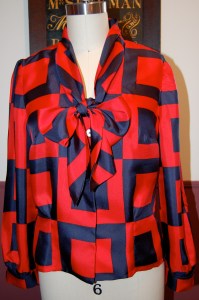
As we all know only too well, mistakes are part of sewing. Why else would seam rippers have been invented?  Have you ever sewn a sleeve in backwards or failed to match a plaid? I immediately thought of this blouse which I made a couple of years ago; while sewing the collar/tie to the front of the bodice, I made the same mistake over and over until I finally got it right.

The Necessary Blouse

2) “You have a job [or avocation] that is continually challenging.”

Whether the challenge comes from the pattern you have chosen, the fabric, the fitting issues you are facing, your time constraints, or any other myriad of potential hazards or goals, sewing is inherently challenging. A good example of a sewing challenge is the use of Marfy patterns. With no written instructions, minimal marking on the pattern tissues, and often complex (but very exciting) designs, Marfy patterns are definitely for the dressmaker who relishes a challenge.
Here is a detail from a dress which I made using a Marfy pattern.

Here is a detail from a dress which I made using a Marfy pattern.

3) “Your work lets you progress to higher skill levels, but you are never able to master it.”

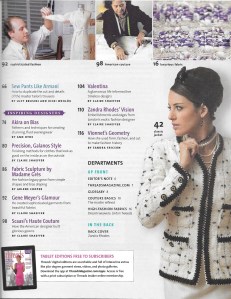
I am always amazed at people who, knowing that I have  taken numerous couture-sewing classes, comment to me that I “must know everything there is to know about sewing.”  I find that the more I learn, the more I realize I don’t know. Just take a look at the Table of Contents of this special Designer edition of Threads Magazine from Summer 2014.   So much to learn, and while every piece we finish expands our sewing knowledge – and abilities – we are still humbled by some of the amazing techniques that would take more than a lifetime to master.

Sewing makes us smarter - designer techniques

Click on the image to read the text.

Sewing makes us smarter - designer techniques - 2

4) “Improving your skills is rewarding enough that you want to keep trying to do better.”

I believe this is one of the most important aspects of sewing. The reward of using – and improving – your skills is something you can wear! Although I love a Classic French Jacket, and want more of them because of their wearability, style, and enduring appeal, I have to confess that after making my first one in a class with Susan Khalje, I immediately wanted to make another one to see if I could improve on the first one. Now I have two more in my queue – and yes, it does have at least some small part to do with making each one better than the one before.

I wanted to add working buttons and buttonholes on my second French jacket, so I devised a way to make slot-seam buttonholes. This definitely took some thinking and a bit of nerve, too!

I wanted to add working buttons and buttonholes to my second French jacket, so I devised a way to make slot-seam buttonholes. This definitely took some thinking and a bit of nerve, too!

5) “You have to pay attention to details while solving more complex problems.”

The details in sewing are legend! The darts, the seams, the proper alignment of your fabric, using the correct thread, choosing buttons, marking – well, the list goes on and on and on. We do all of this as a matter of course in our sewing, but we also know that if one of these details is not done well, it can affect the outcome of the entire garment. So, for example, while I am working my way through some complex instructions such as the sheet below, I have to be completing each detail, no matter how simple, with mindfulness and skill.

This is from one of the more complex patterns I have in my collection. It is a Jo Mattli Vogue Designer pattern for a coat and dress.

This is from one of the more complex patterns I have in my collection. It is a Jo Mattli Vogue Designer pattern for a coat and dress.

One of the sewing quotes I love so much is from the great American writer, Nathaniel Hawthorne:

“It is a token of healthy and gentle characteristics, when women of high thoughts and accomplishments love to sew; especially as they are never more at home with their hearts than while so occupied.”

It seems we are also at home with our minds while stitching away the hours.


34 Comments

Filed under Chanel-type jackets, Love of sewing, Marfy patterns, Quotes about sewing, Slot-seam buttonholes, Uncategorized

Sweet November

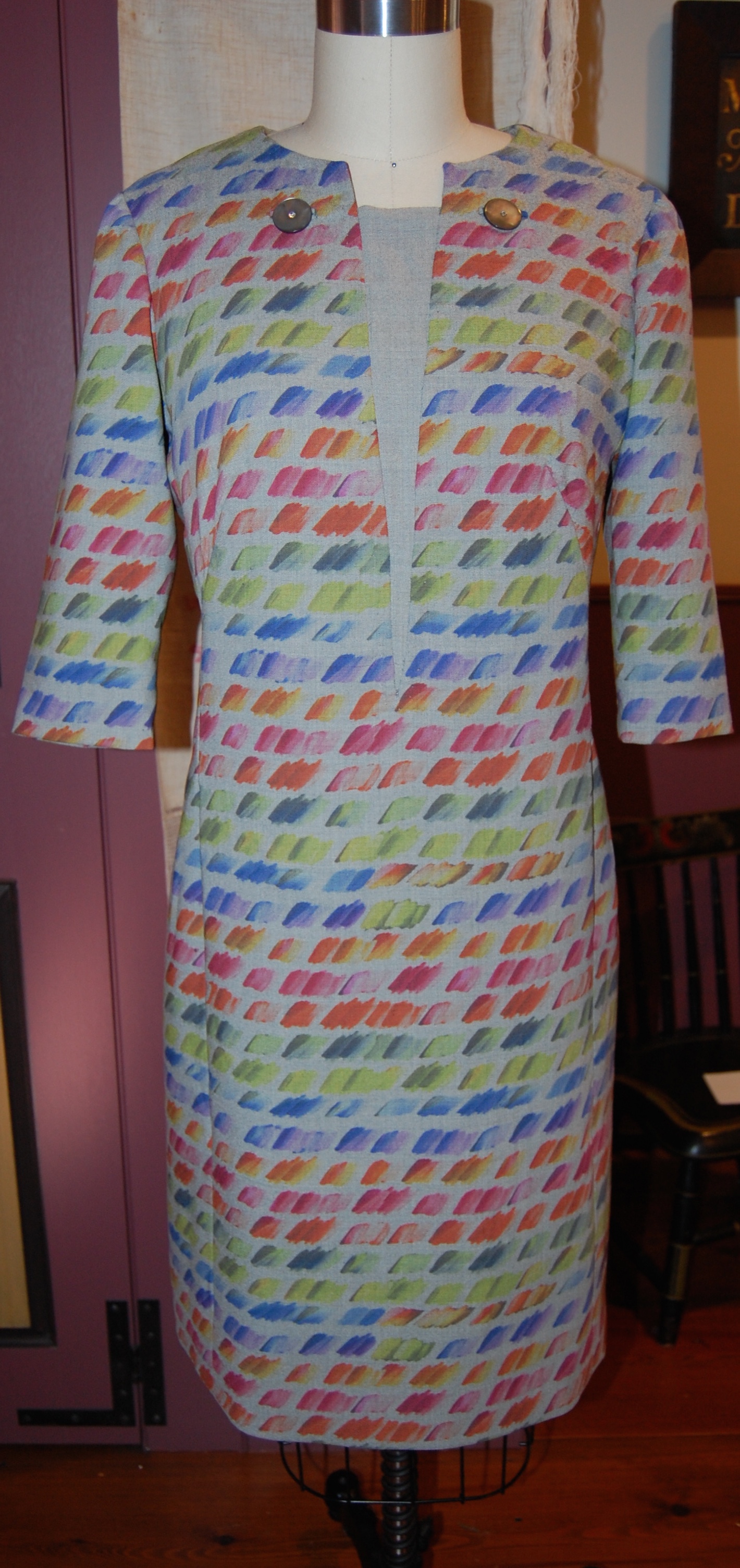
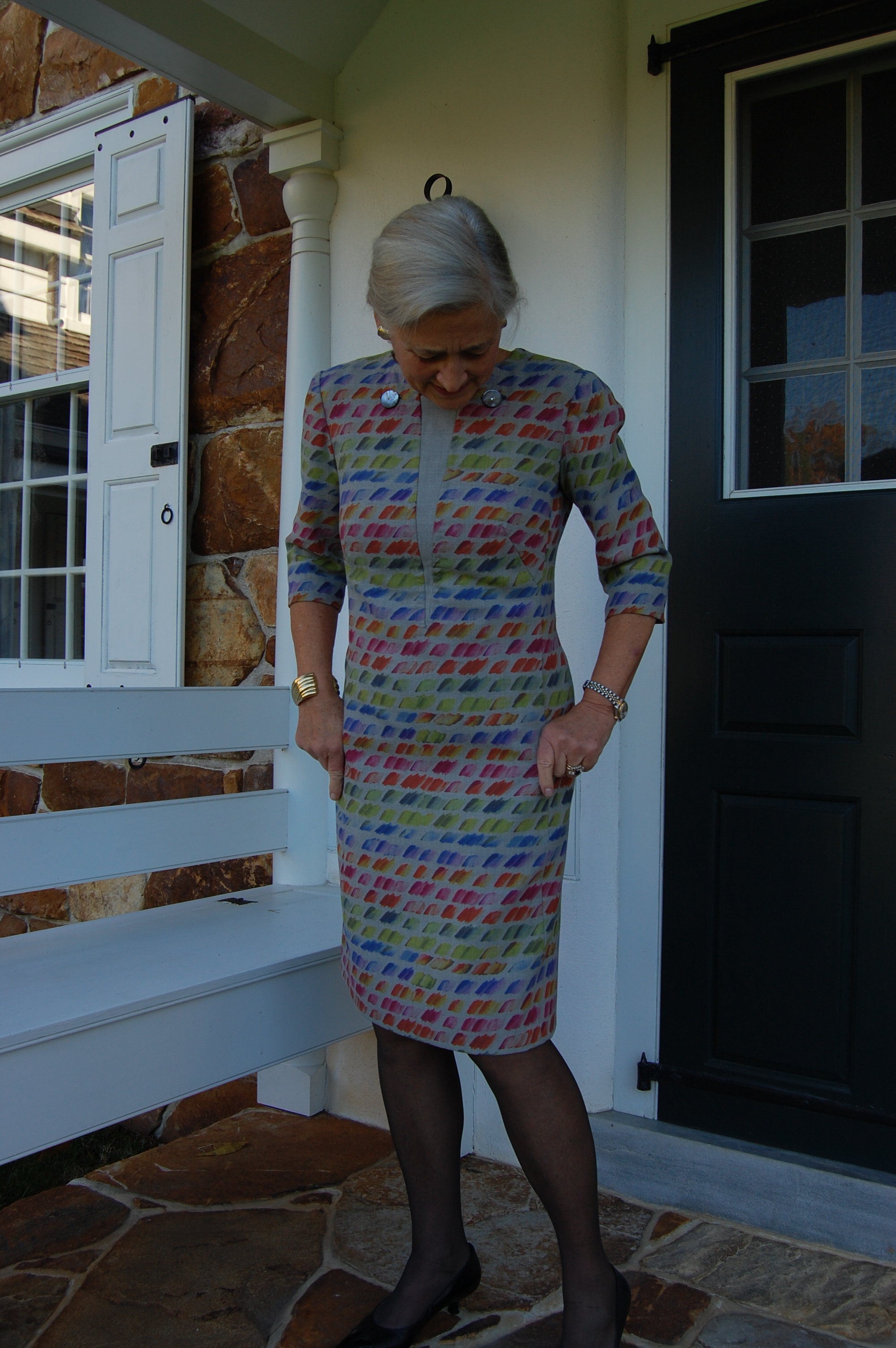
The trickery, which defined my October sewing, finally floated away with the leaves and the goblins, leaving sweet November with her welcome reward, a new dress for Autumn and Winter.

Sweet November

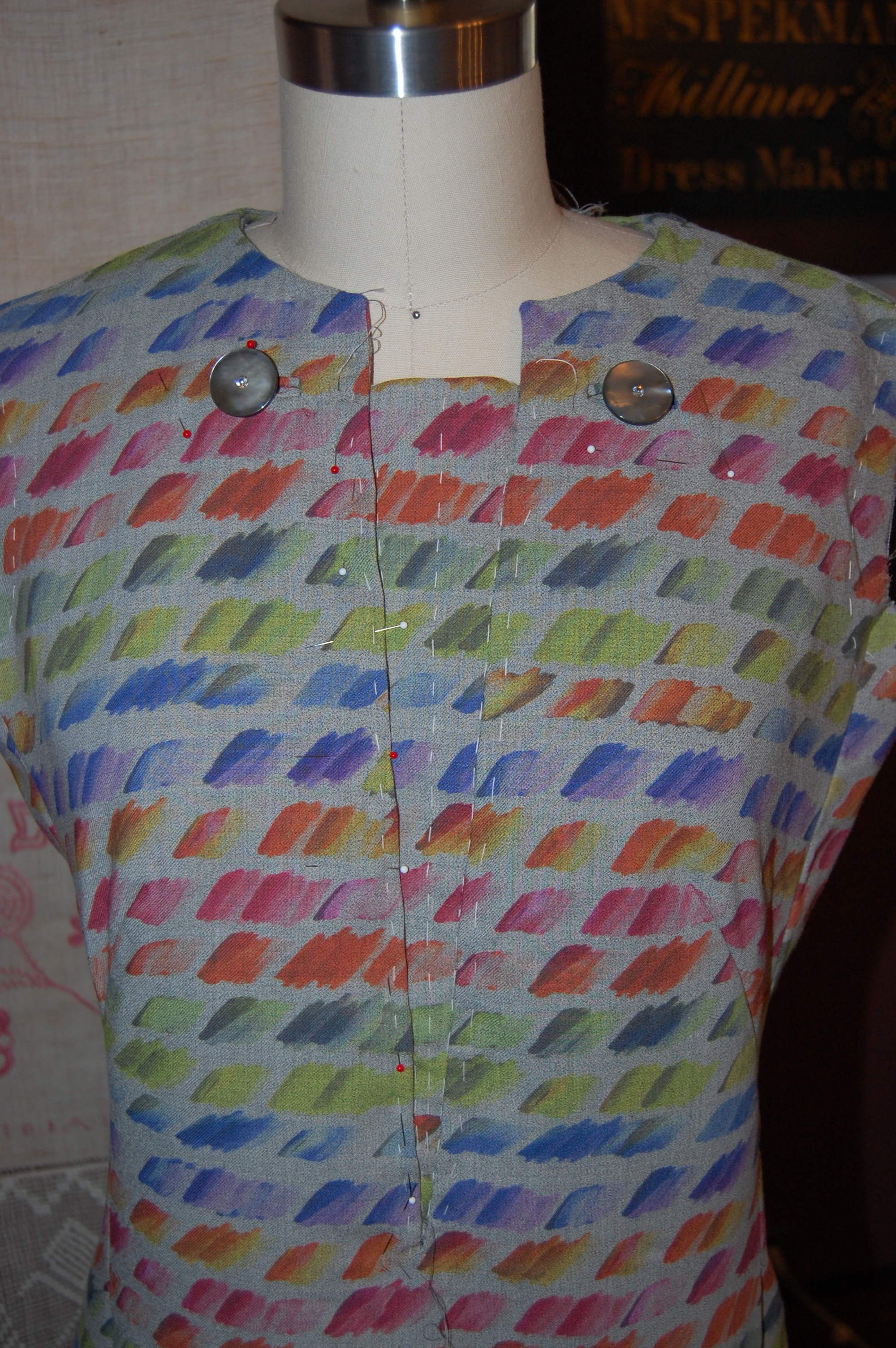
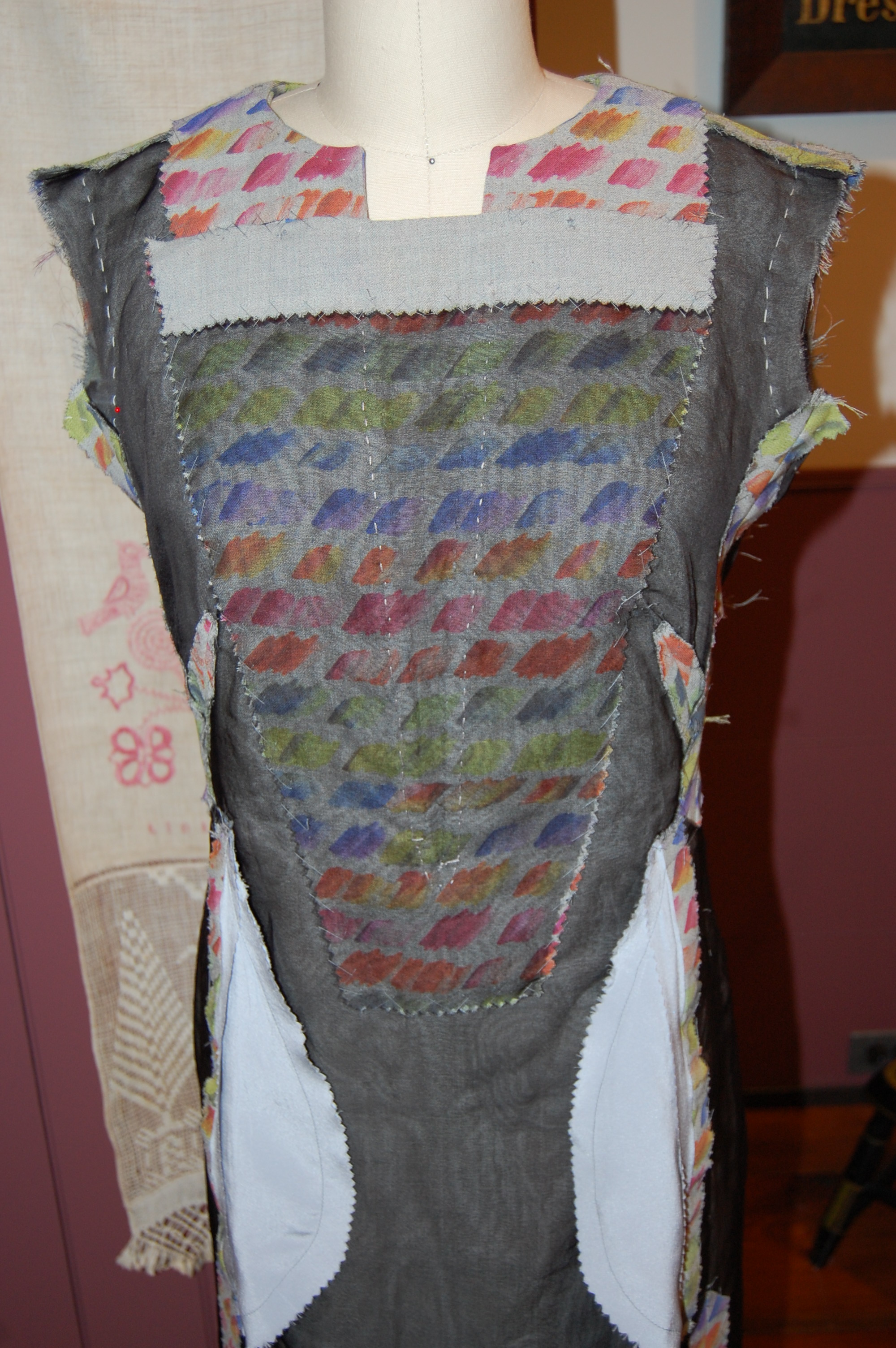
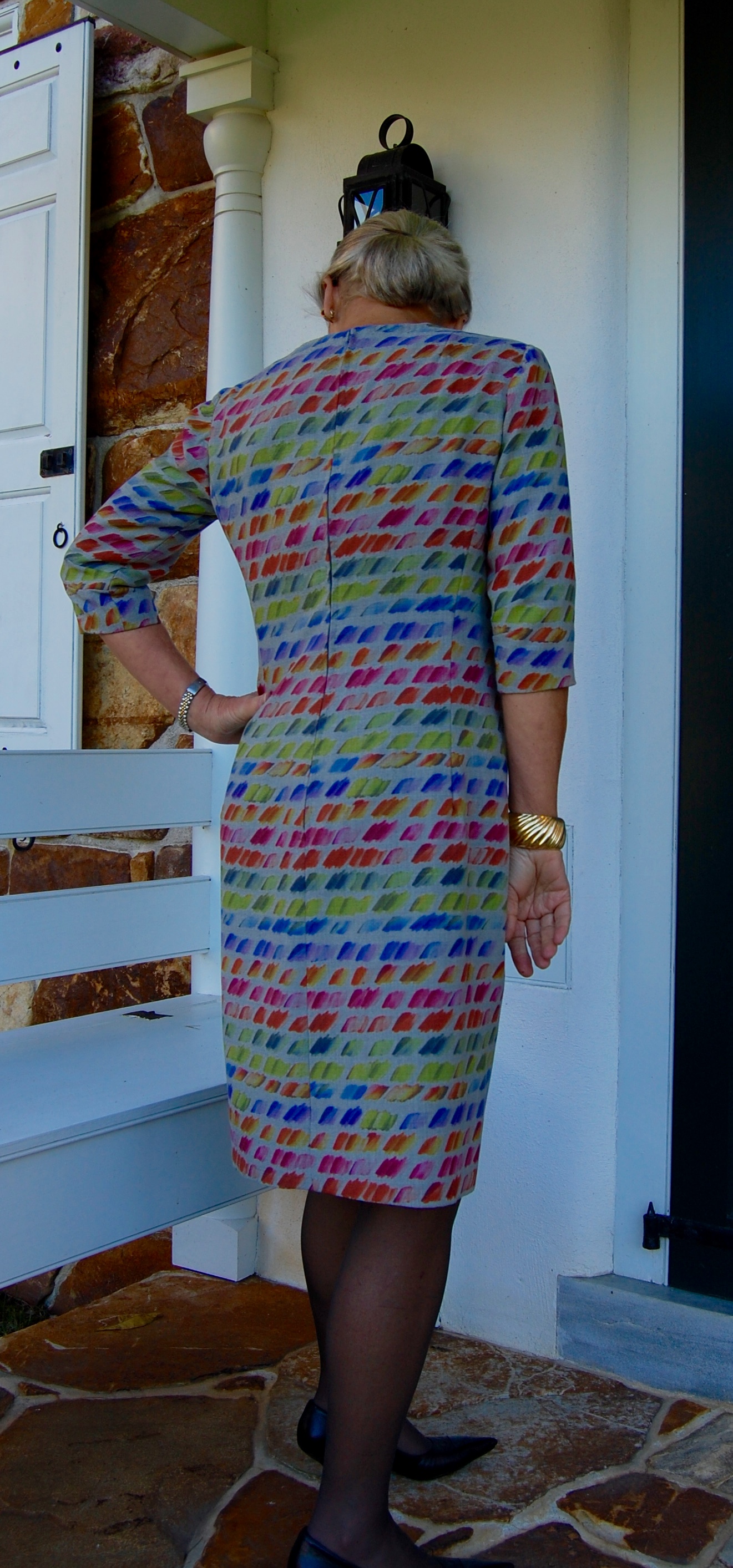
So what made vintage Vogue 1395 such a tricky dress to make? I documented my efforts to get a workable muslin (toile) in a post from early October. Once I had my adjusted muslin pattern, I transferred it onto black silk organza to use as my cutting guide. It was then I realized that, because the design on the fabric, a silk and wool blend, was printed on it, not woven into it, I needed to work from the right side of the fabric in order to match the horizontal “lines.” This meant that I had to flip every piece that I cut out and then exchange the organza with its opposing side. (I hope this makes sense.) It added a bit of uncertainty to the process and I was fanatical with flipping and checking to make sure I kept the design in line. Something told me I should delay cutting out the sleeves until I had the body of the dress together – my sewing godmother at work, I guess – and I am glad I did, as I’ll detail in a bit.

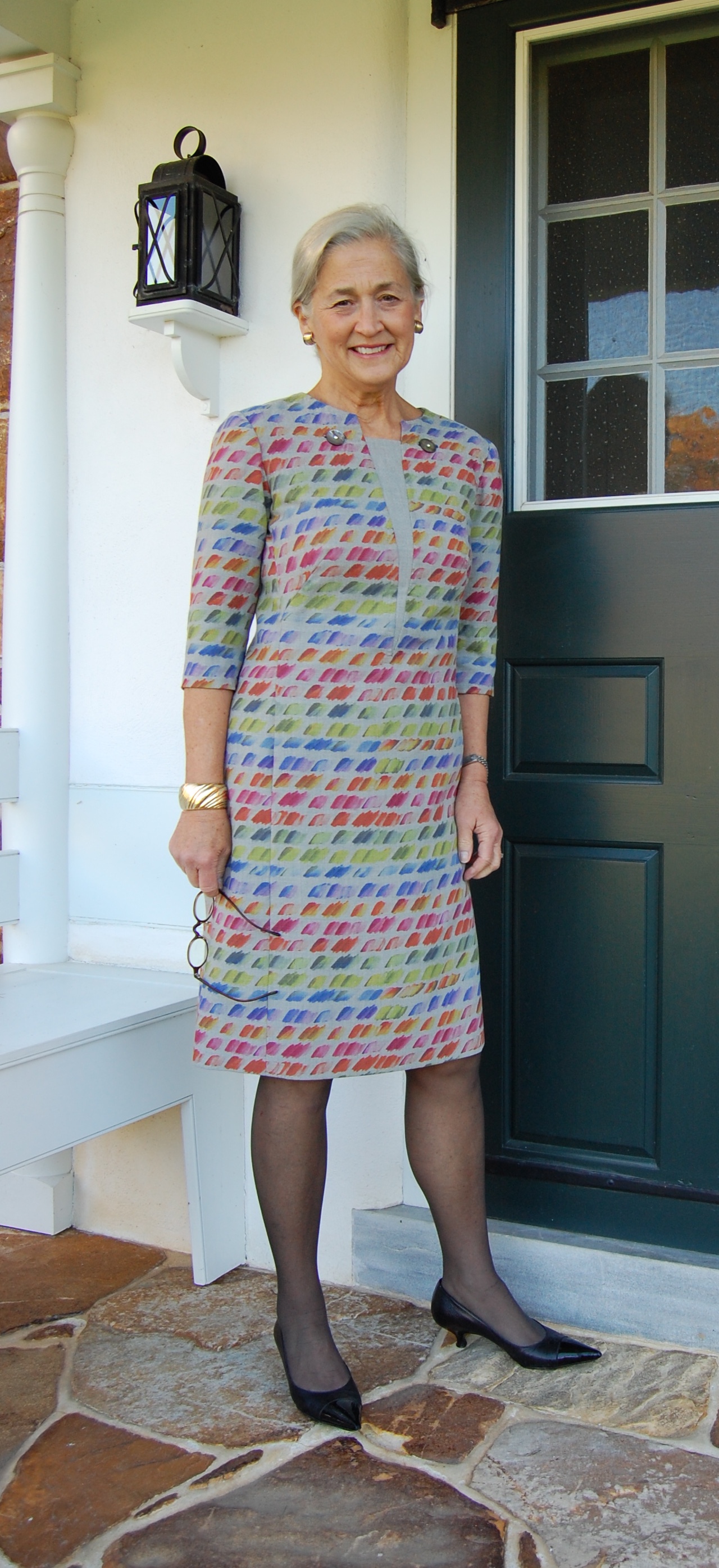
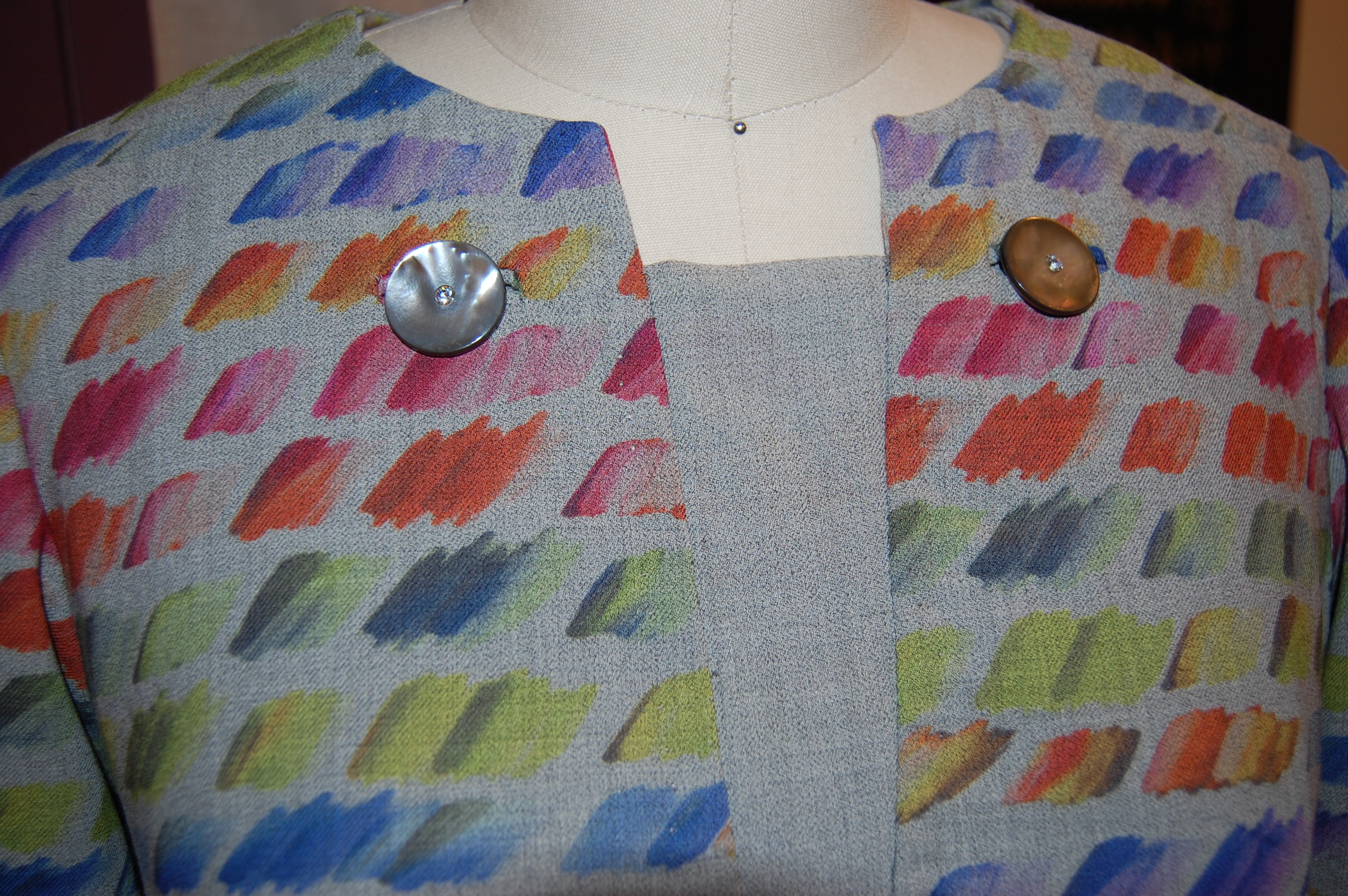
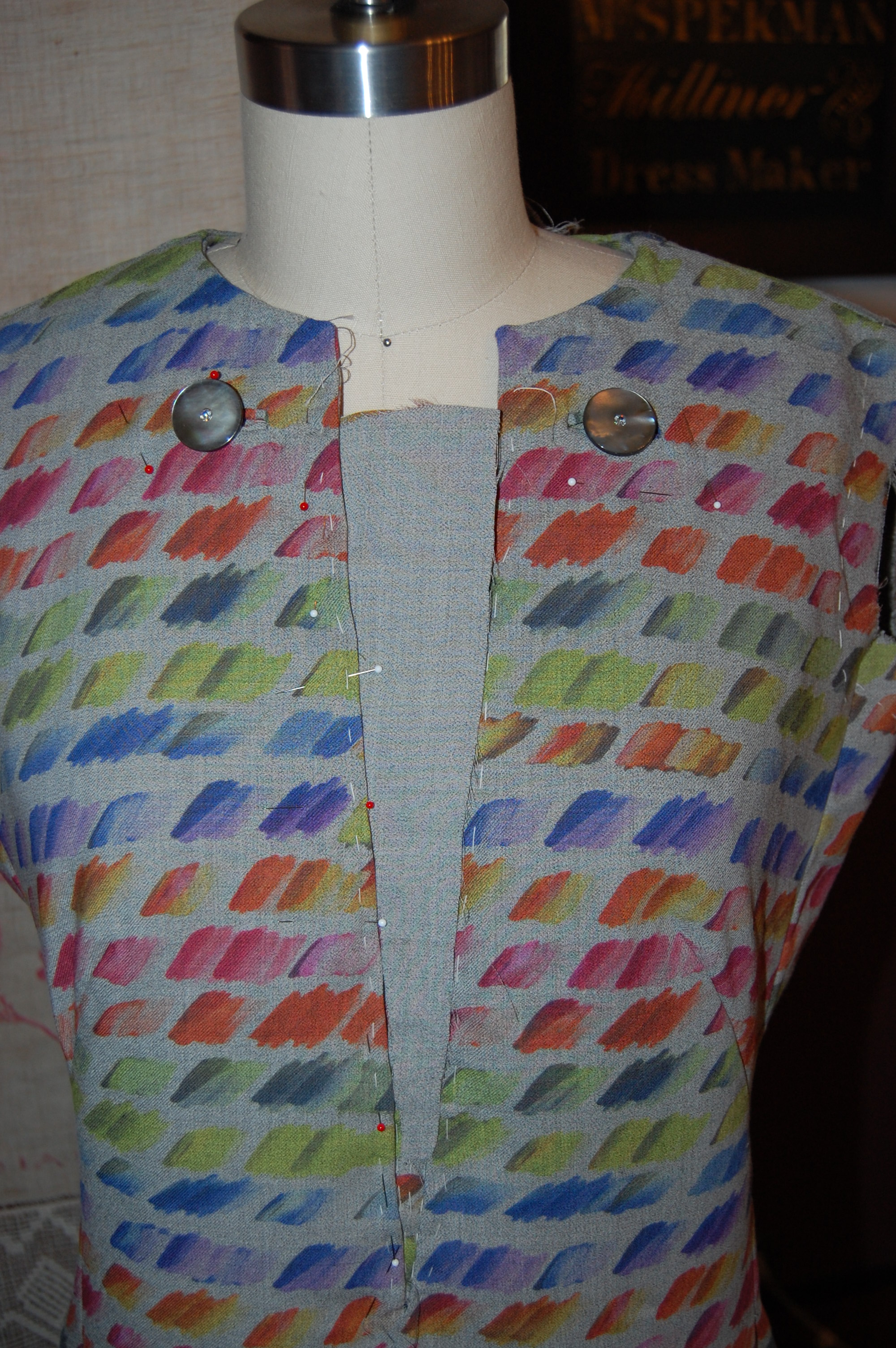
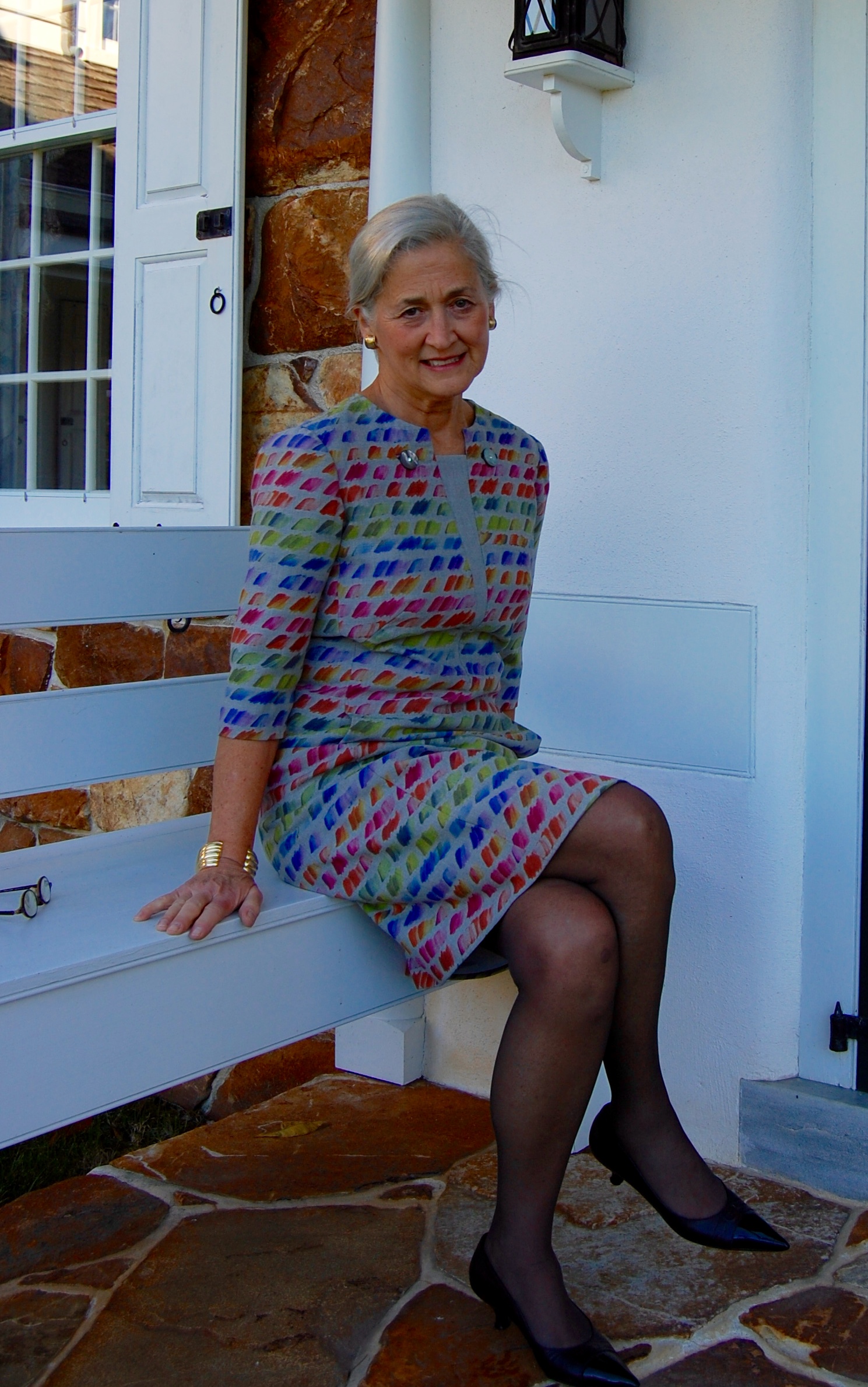
I had made the decision at the beginning of the project to cover the dress’s two buttons in the plain gray “wrong” side of the fabric. But once I “semi-made” a covered button, and tried it out, it was DULL. It added nothing to the dress. I went to my button box and all I could find was a small gray pearl that was close in color. But I loved the iridescence of it and determined that gray pearl buttons were what I needed. I seem to have such good luck with buttons from Britex – even though I am ordering online – and found 1” gray pearl buttons with a rhinestone in their centers. Although I am not a rhinestone-y type of person, something about them spoke to me. I remembered what Susan Khalje said in one of the classes I have taken with her – that couture often has a bit of “whimsy” to it. Well, I ordered those buttons as as fast as I could! I think they are just what was needed!

Sweet November

I had also made the decision to make the “dickey” part of the dress out of the side of the fabric with the printed design – so that the horizontal line would be uninterrupted across the bodice. Here is what it looked like once I had it done:

Sweet November

There was not enough definition between the dress and dickey to make it interesting.

I cut some scraps to see what it would look like with a play gray insert – and it was so much better!

Sweet November

So – I took the dickey all apart and flipped it over so it would be out of the plain gray “wrong side.” By now I was enjoying the versatility of this fabric (which I bought online from Mendel Goldberg Fabrics) and appreciating the serendipity of having this fabric for this pattern, giving me options.

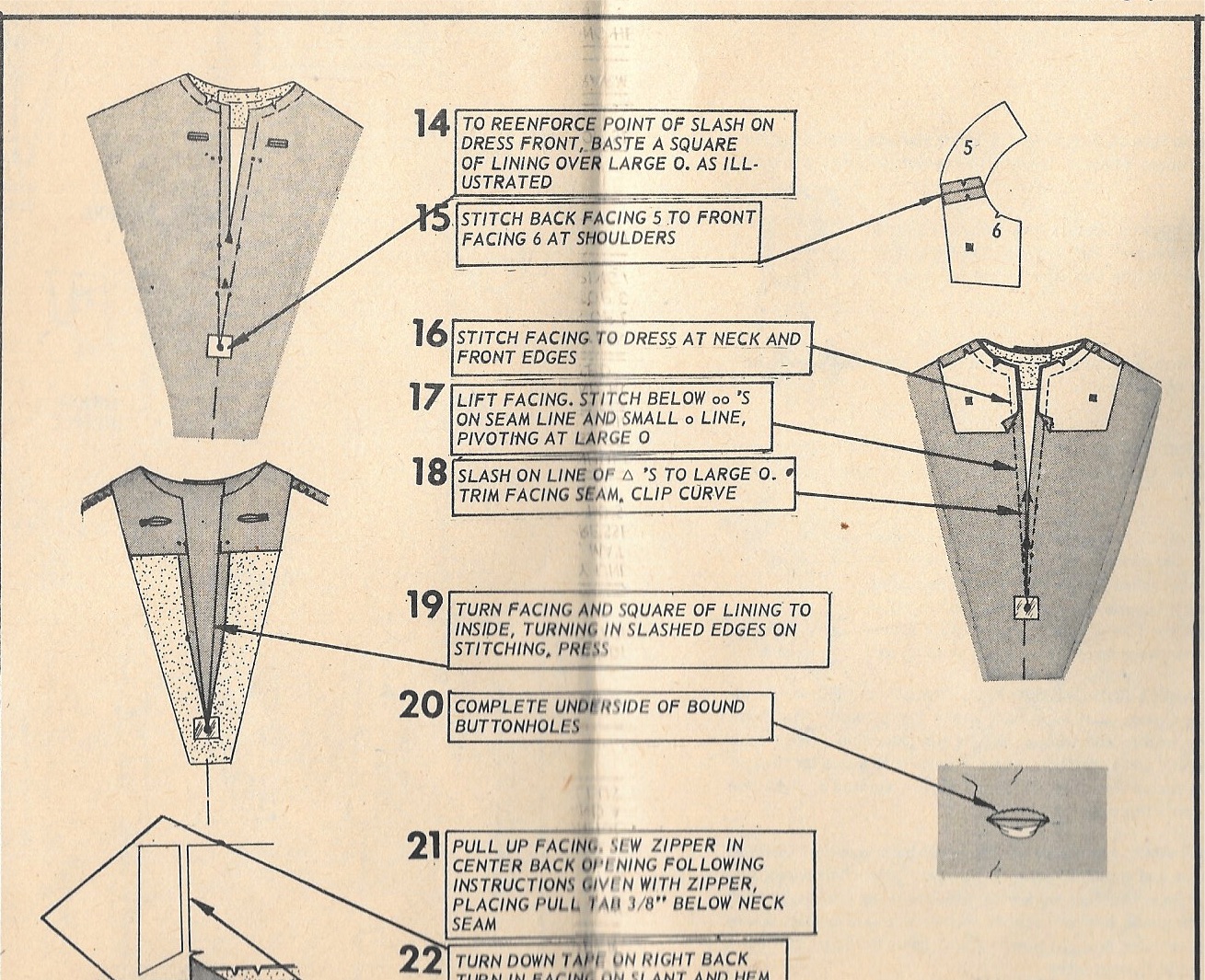
However, the fabric posed another challenge when I got to the point of finishing the front opening in the bodice. This fabric frays enough that I was not comfortable following the directions given in the pattern instructions:

The instructions directed me to just turn back the seam allowance, but because of the ravel-ly nature of the fabric, I was certain it would pull out with wear.

The instructions directed me to just turn back the seam allowance, but because of the ravel-ly nature of the fabric, I was certain it would pull out with wear.

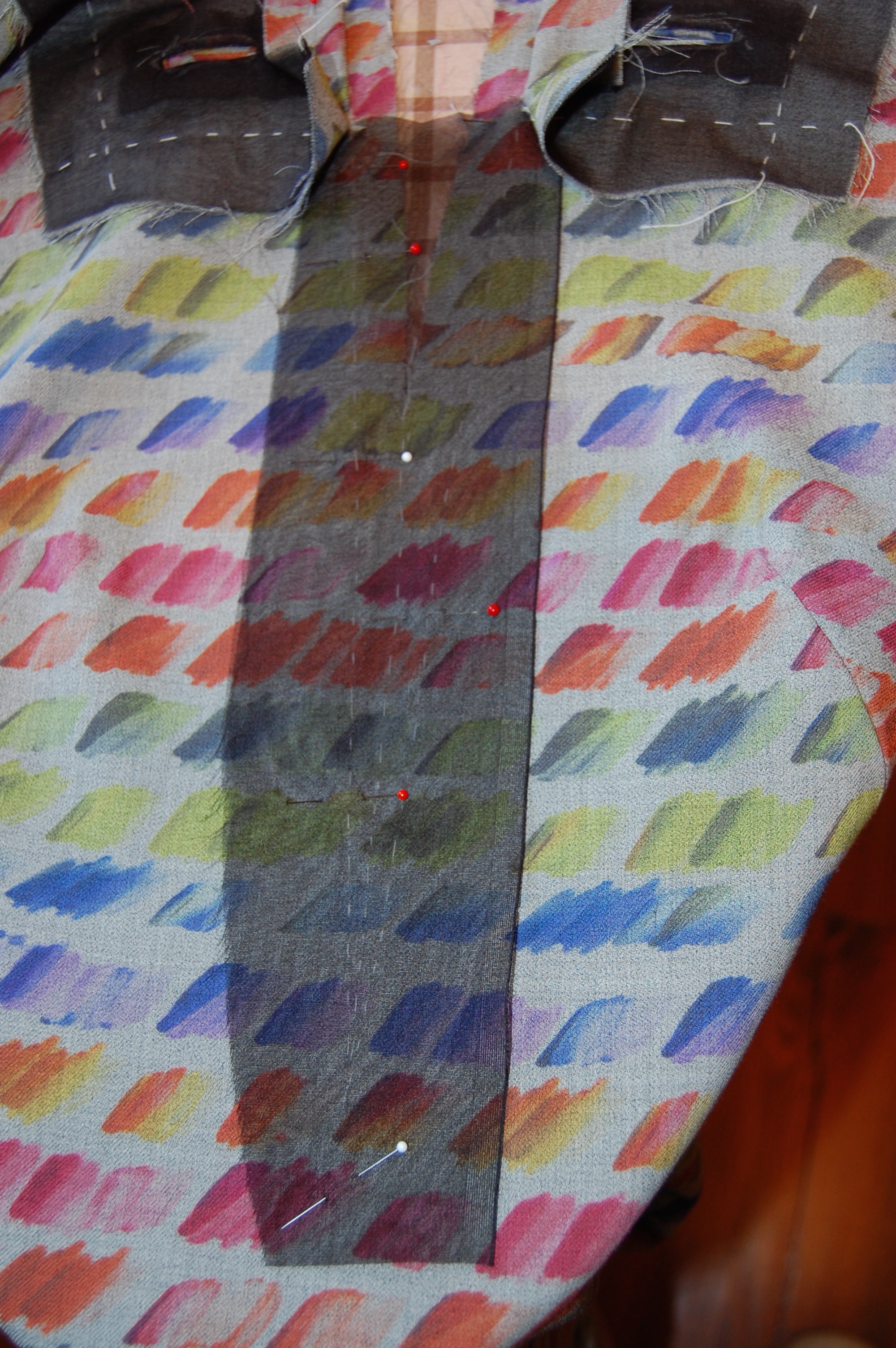
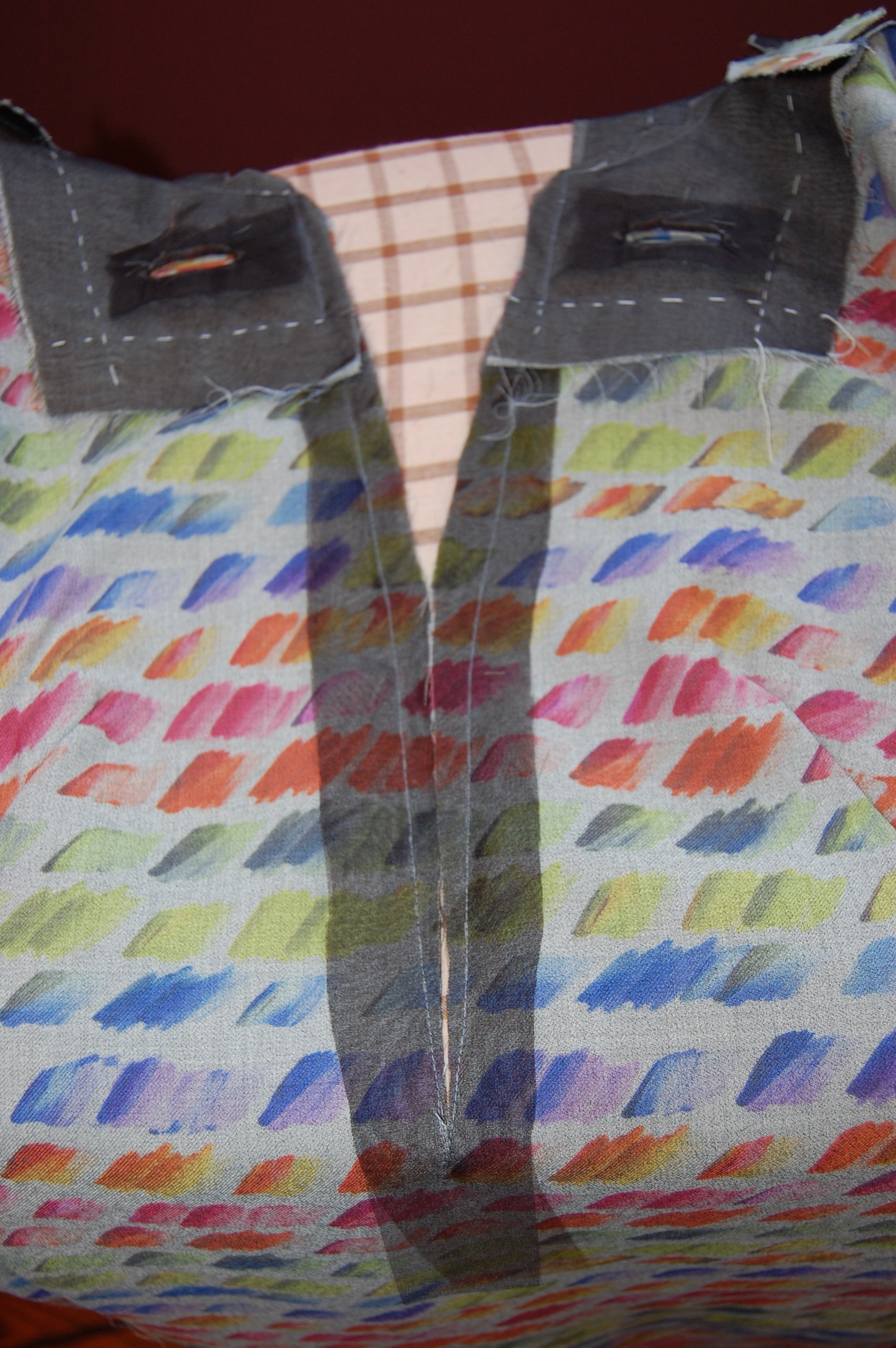
Instead, I opted to make a “facing” for the opening out of black organza. It is situations like this that make me feel so fortunate to have enough “sewing sense” to be able to recognize potential difficulties and then have the ability to work out creative solutions to them.

Sweet November

Silk organza pinned in place.

And here it is sewn in place.

And here it is sewn in place.

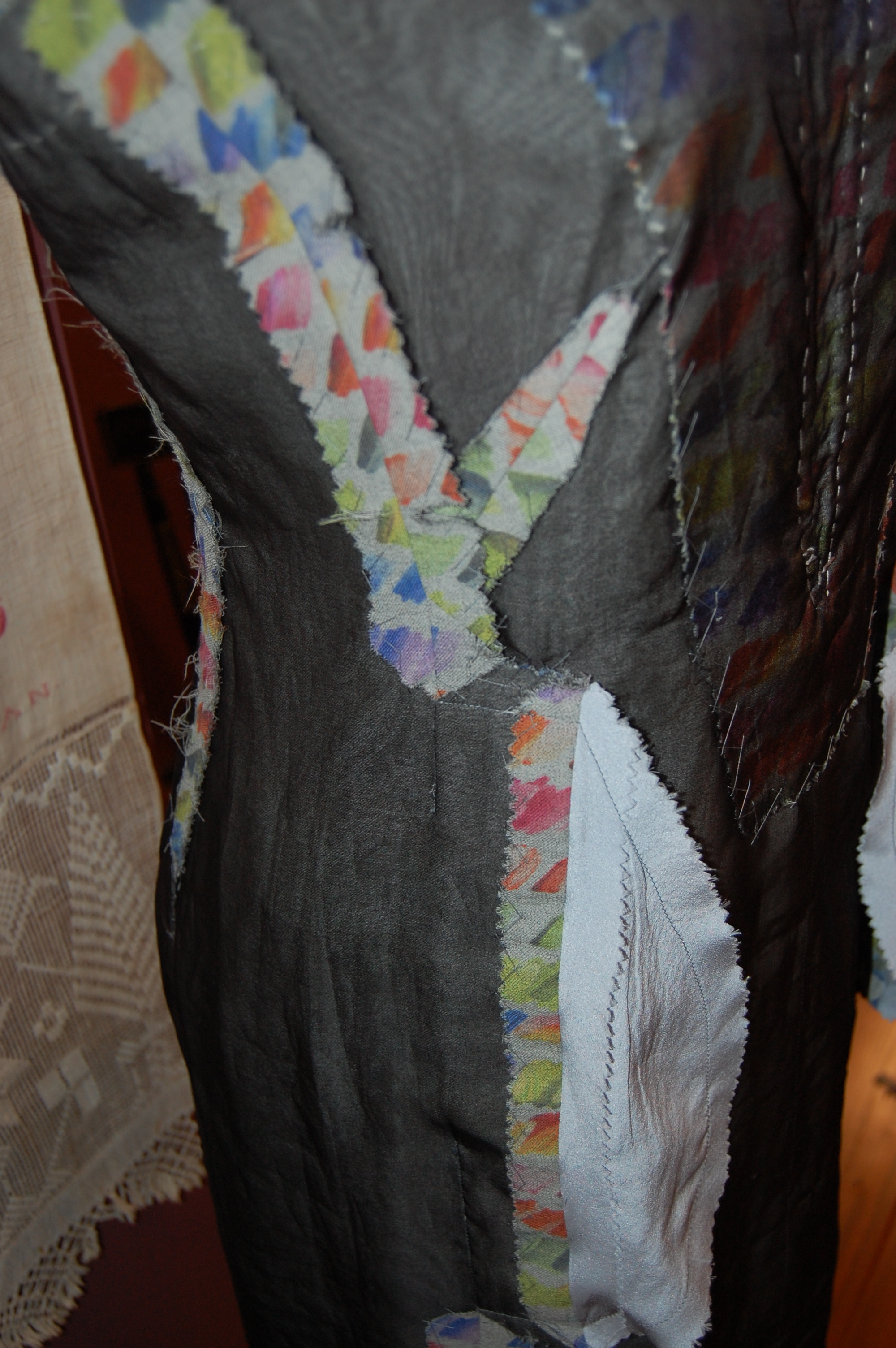
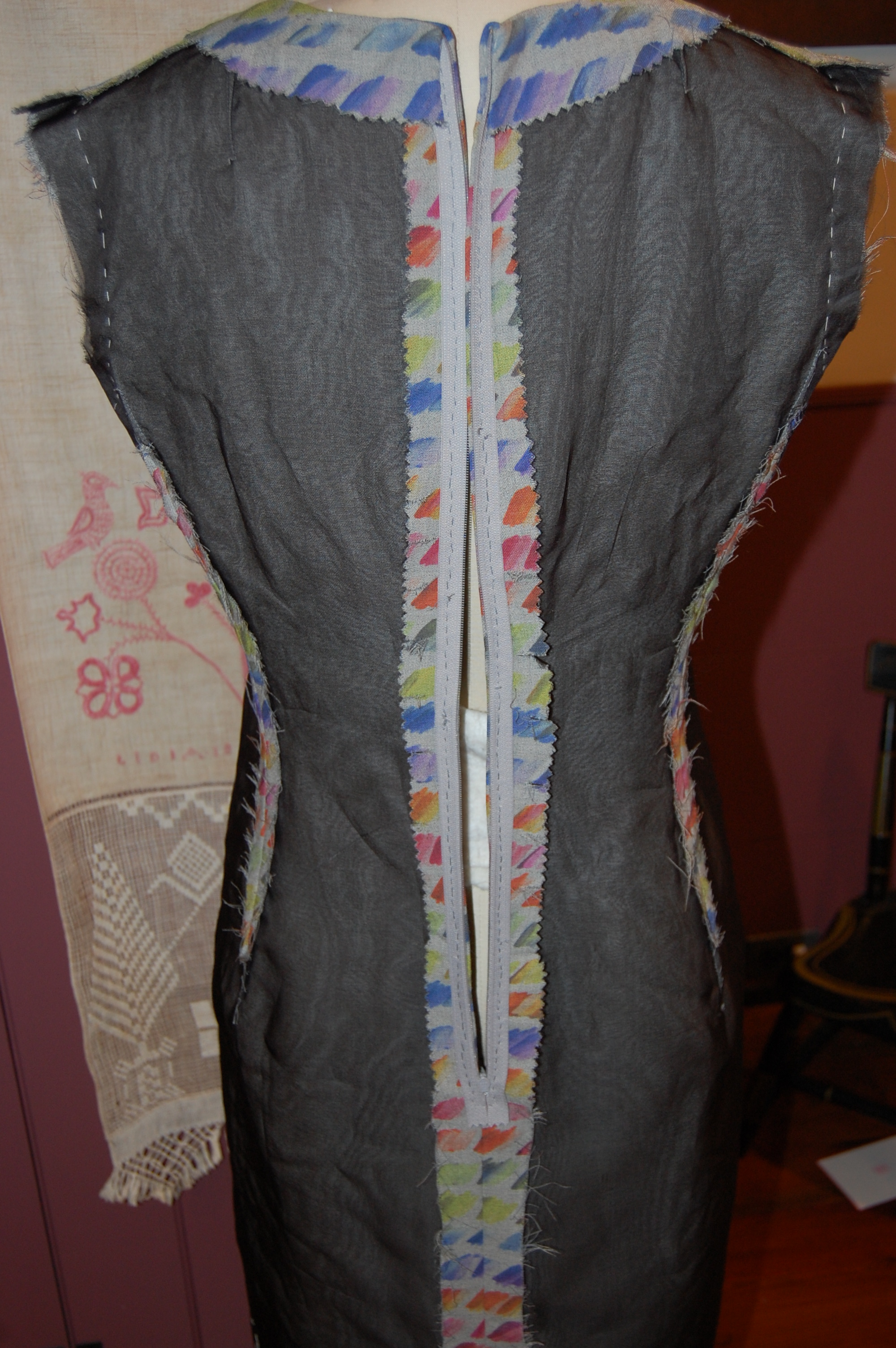
I took some pictures at this point to show the inside of the body of the dress:

Yes, those are pockets hanging on the front.

Yes, those are pockets hanging on the front.

This shows those darts with their slanted orientation.

This shows those bust darts with their slanted orientation.

The zipper is inserted by hand, as usual! Once I had it basted in place, I tried the dress on for fit and determined I had to take it in a bit at the waistline.

Then I tackled the sleeves. I had quite a time determining how to place the sleeve patterns on the remaining fabric. Some of those horizontal lines of “paintbrush strokes” change color across the fabric! And my adapted sleeve pattern has two elbow darts, which changed the horizontal line. I had to make a decision about where I wanted the best match to be, as I determined I could not match it across and up and down as I would normally want to do. I opted for a match across the shoulders – and I now believe that was the best decision.

DSC_0924

I also added a soft “cigarette” sleeve heading to each shoulder seam.

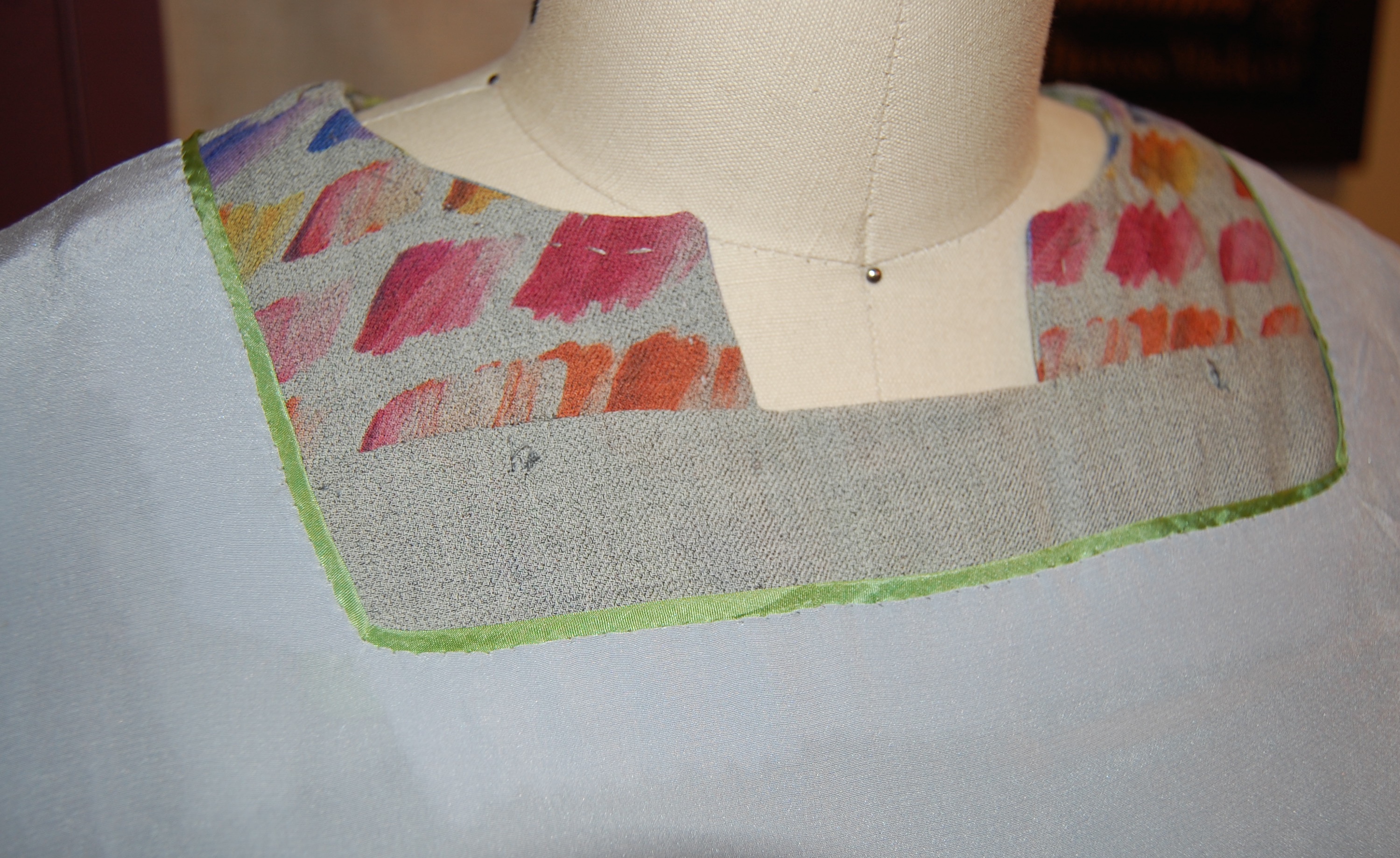
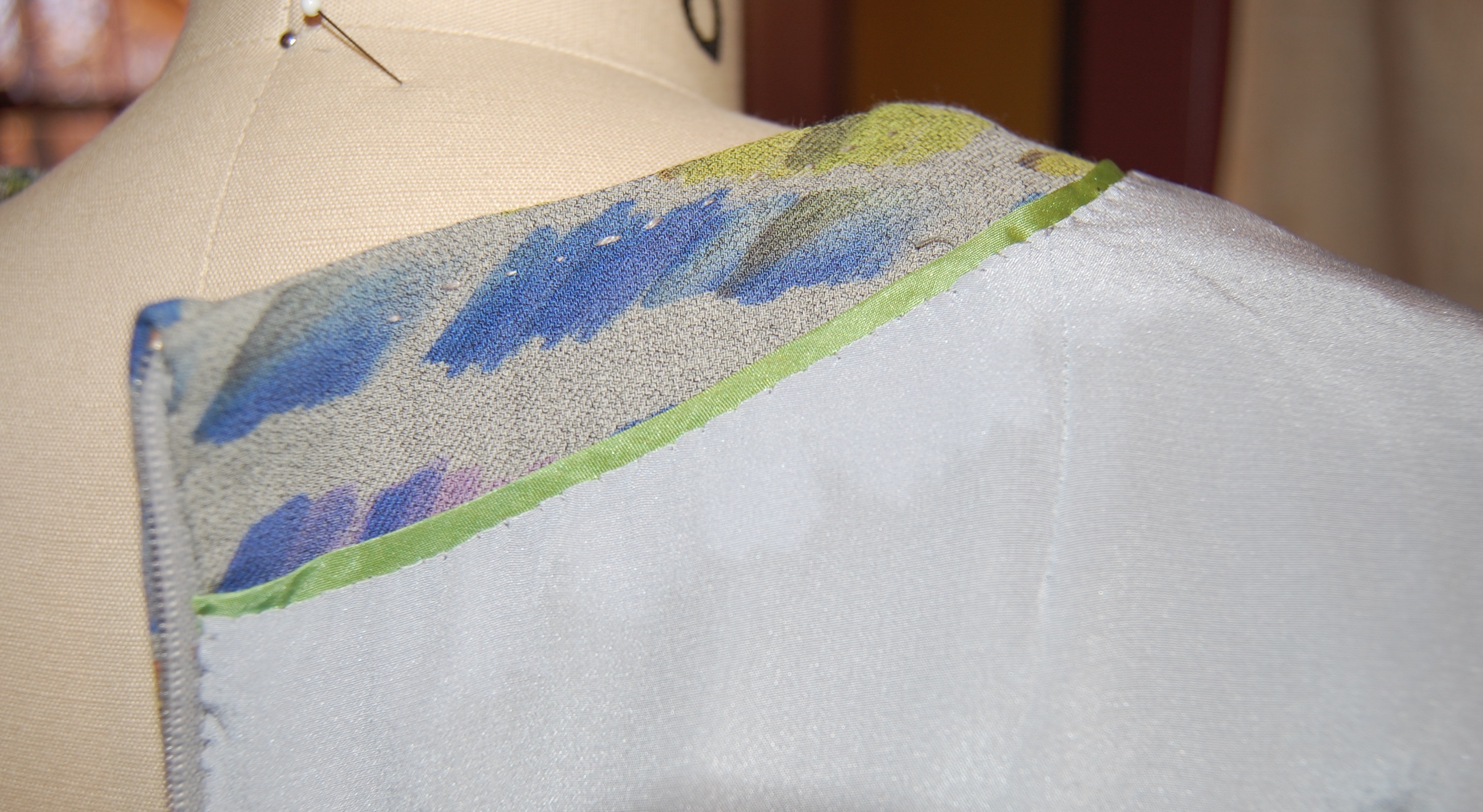
Next to the lining – and bless those vintage Vogue patterns – the lining for this dress included separate and distinct pattern pieces. I made the sizing and dart changes to the lining (in keeping with the dress) and it went together effortlessly. When I got to the point of inserting the lining by hand, I just could not resist adding silk piping to the inside neck edge. I know I am the only one who will ever see it, but it makes me happy!

Sweet November

I used a bias strip of lightweight silk for the piping.

I used a bias strip of lightweight silk for the piping.

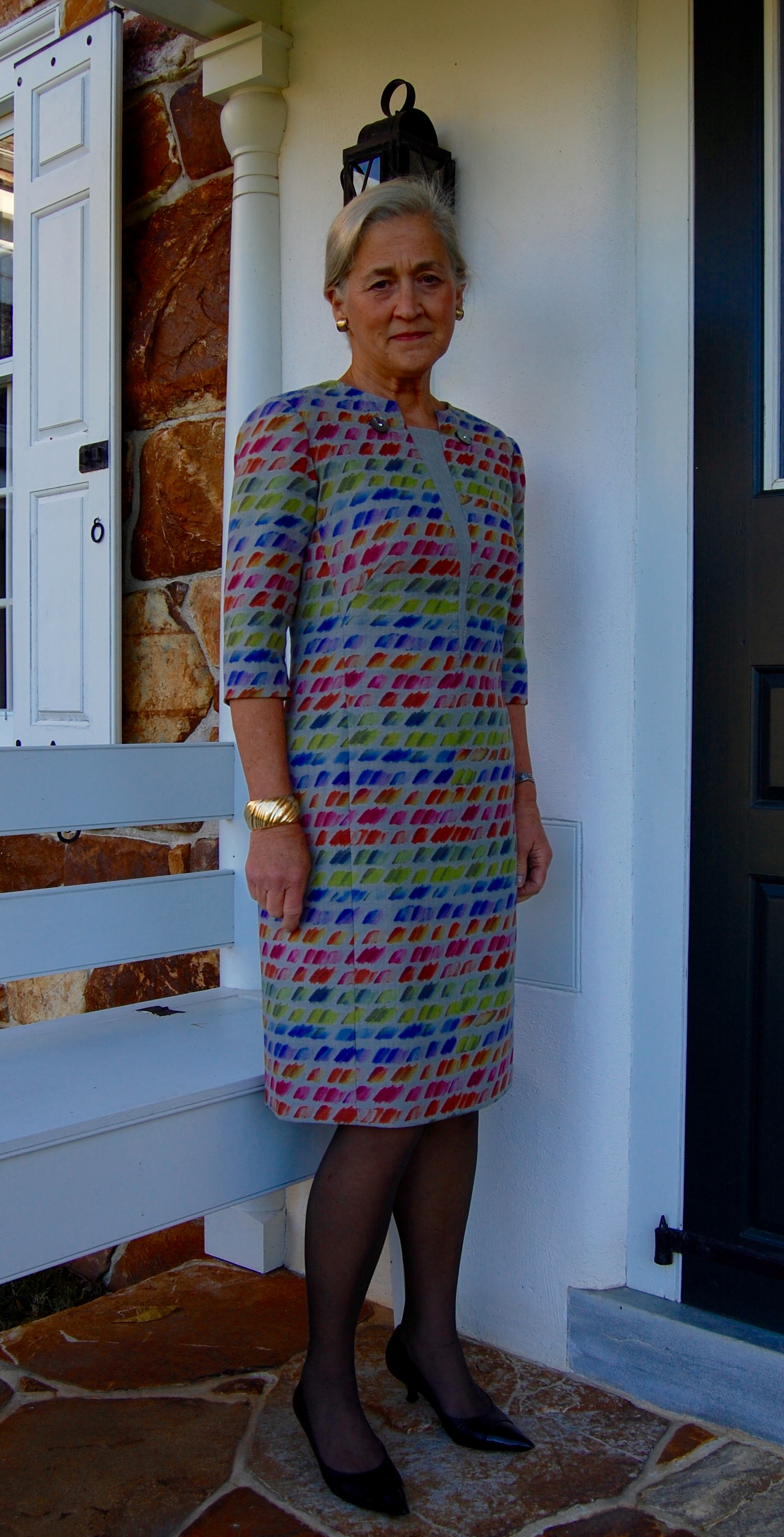
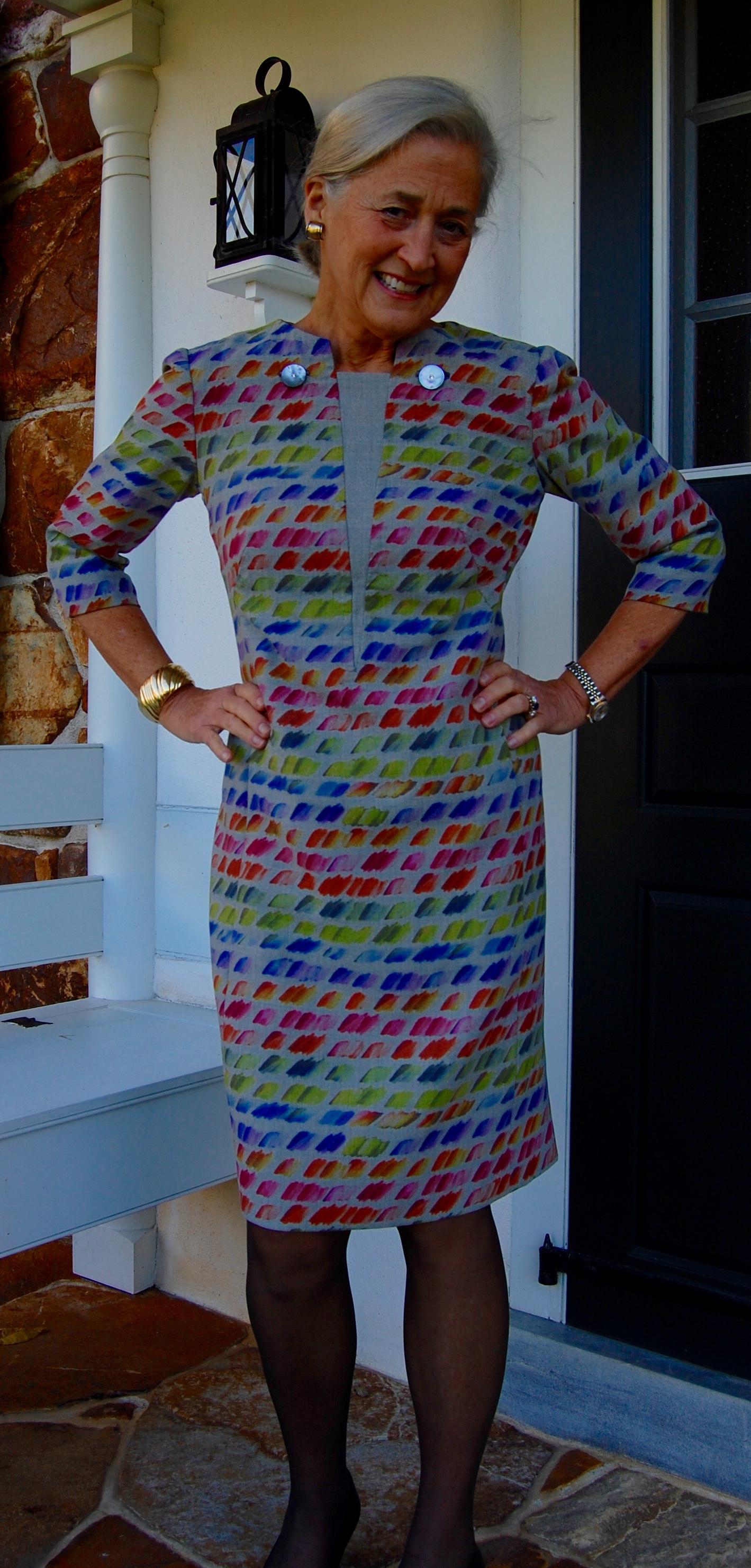
How wonderful to have this dress completed!

Sweet November

The buttons really show in this picture.

The buttons really show in this picture.

Sweet November

Sweet November

Sweet November

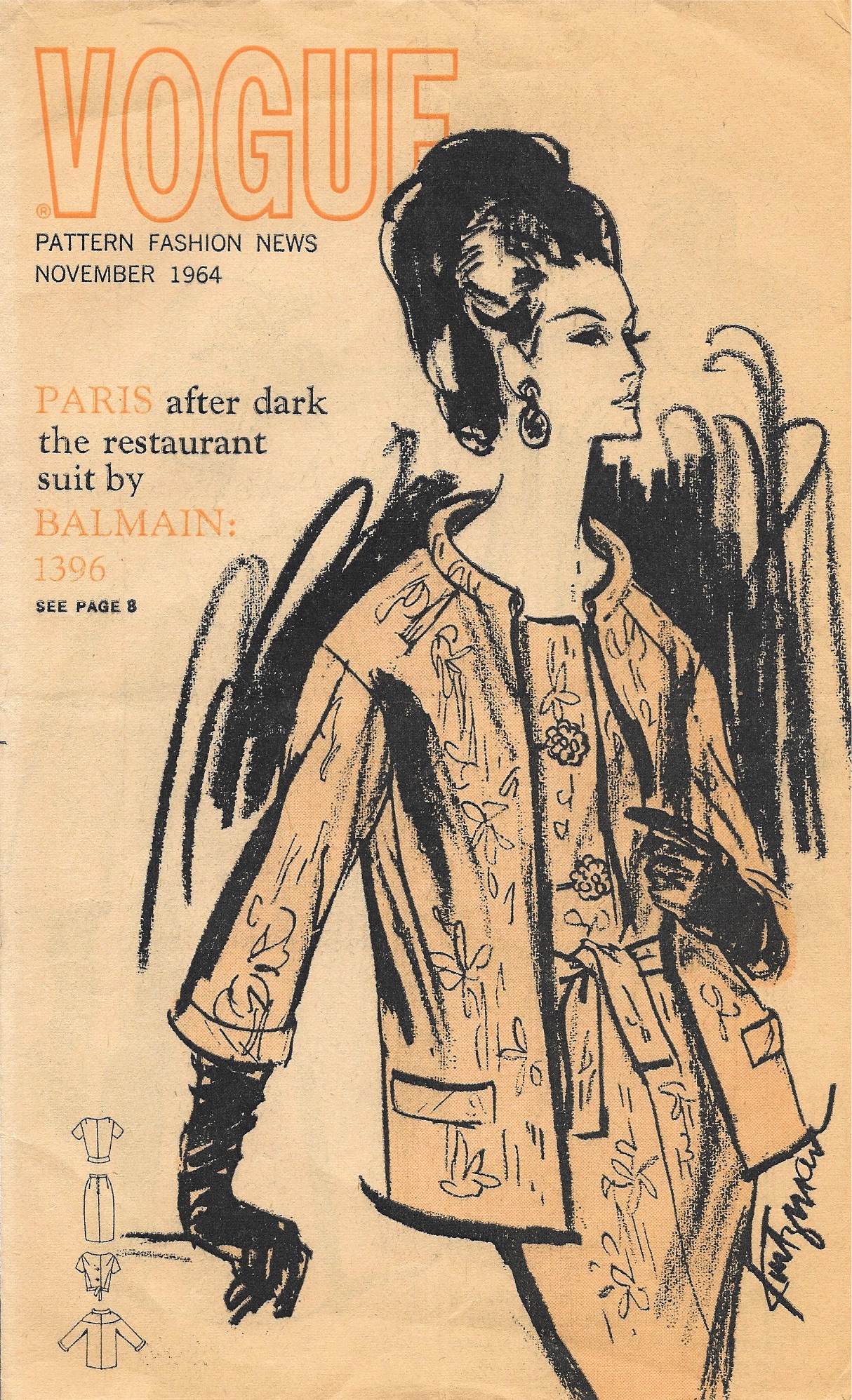
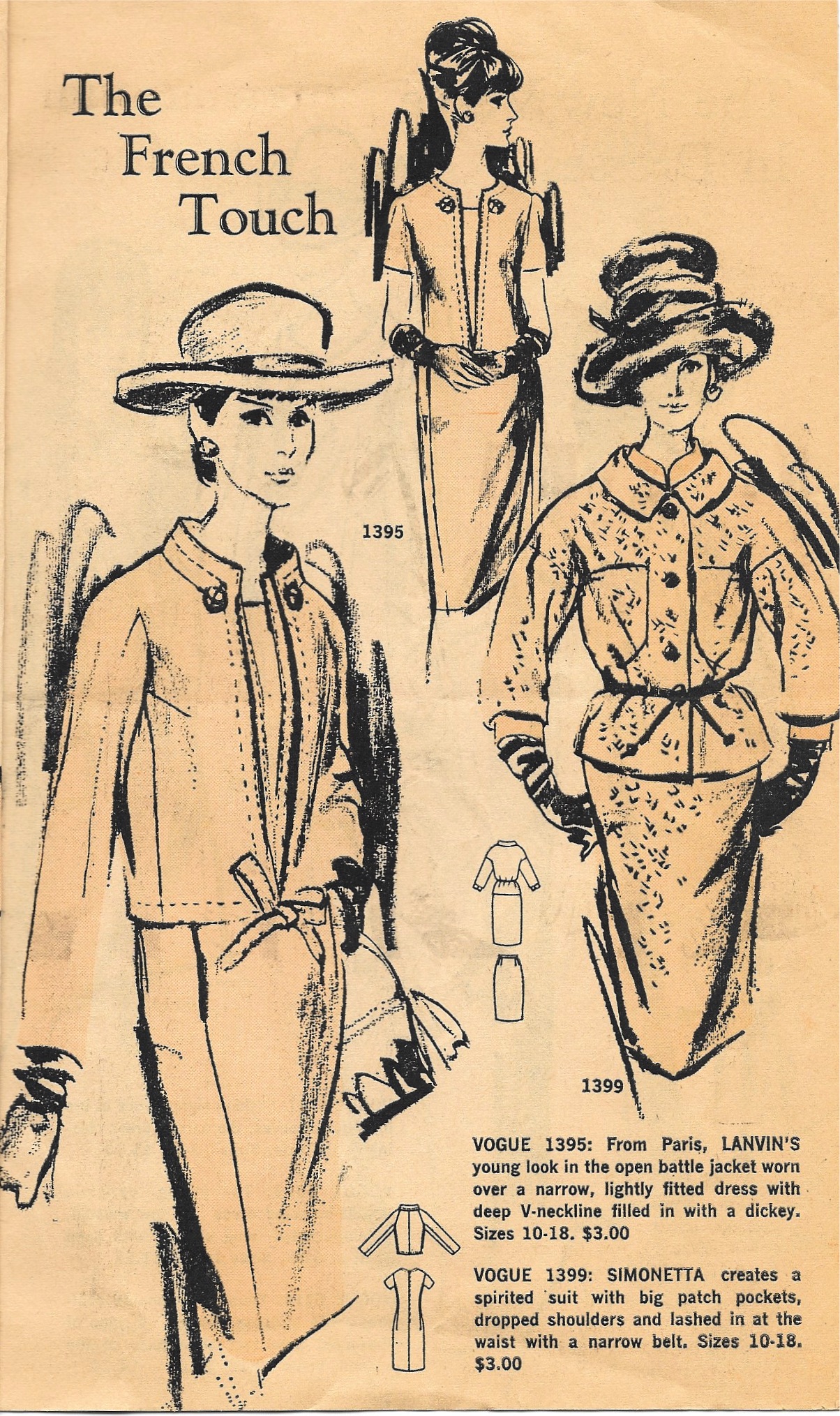
There was one more aspect of serendipity to this project. Those of you who follow my blog know that part of my fascination with vintage Vogue patterns is making connections between the past and the present. I love to “place” a pattern in its correct year – and then wonder in amazement at how classic fashions are so enduring. It was my great good fortune to have this Vogue Pattern Fashion News from November 1964 in my collection of vintage fashion magazines:

Sweet November - flyer cover

Inside on page 3 is, yes, my dress!

Sweet November - flyer illustration

Just imagine – 51 years ago this month, this dress made its debut. Happy Sweet November Everyone!

38 Comments

Filed under Buttons - choosing the right ones, couture construction, Day dresses, hand-sewn zippers, Love of sewing, Mid-Century style, Uncategorized, underlinings, vintage Vogue Designer patterns, vintage Vogue patterns from the 1960s, woolens

A Fitting Finish to Summer Sewing

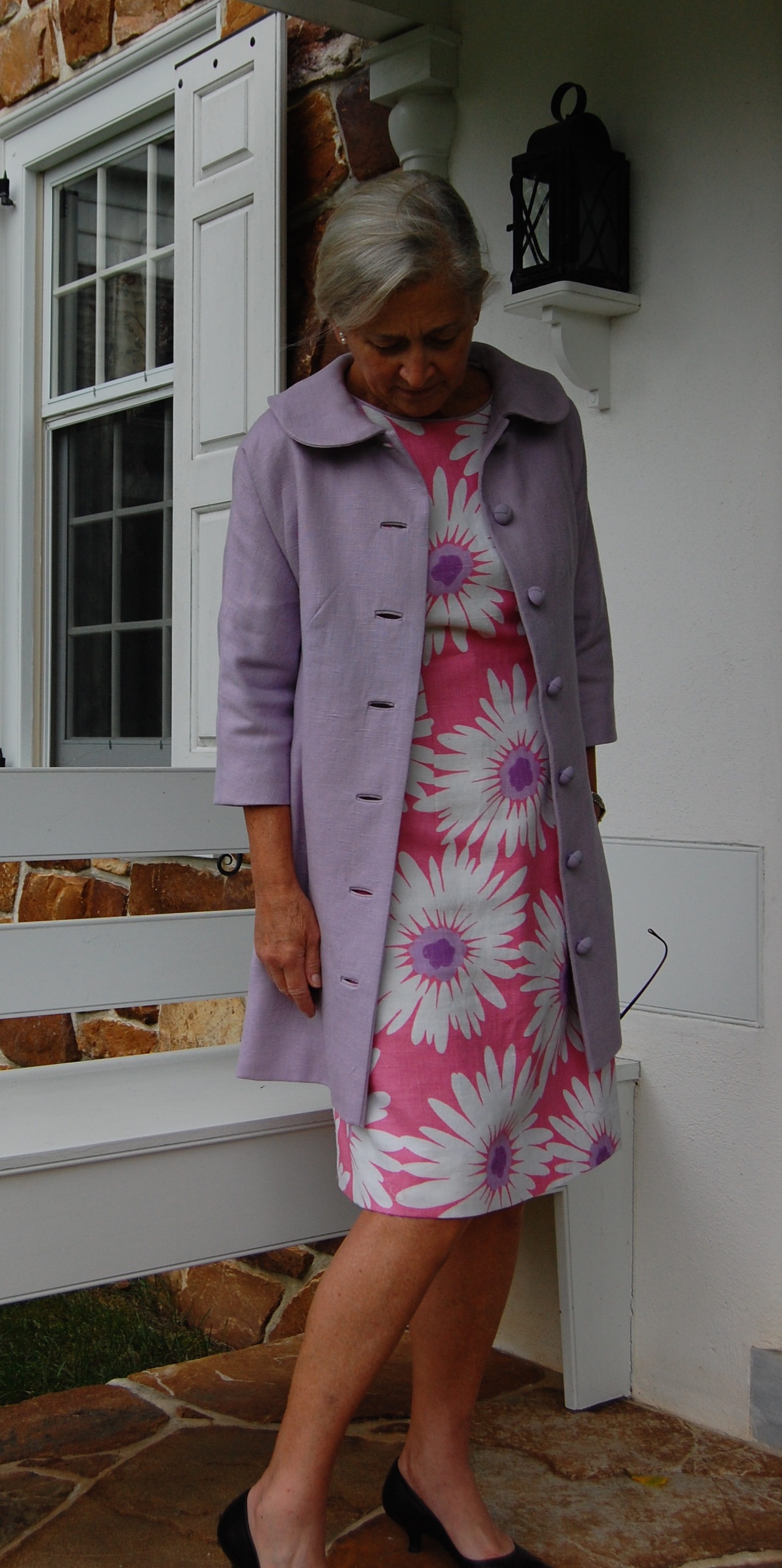
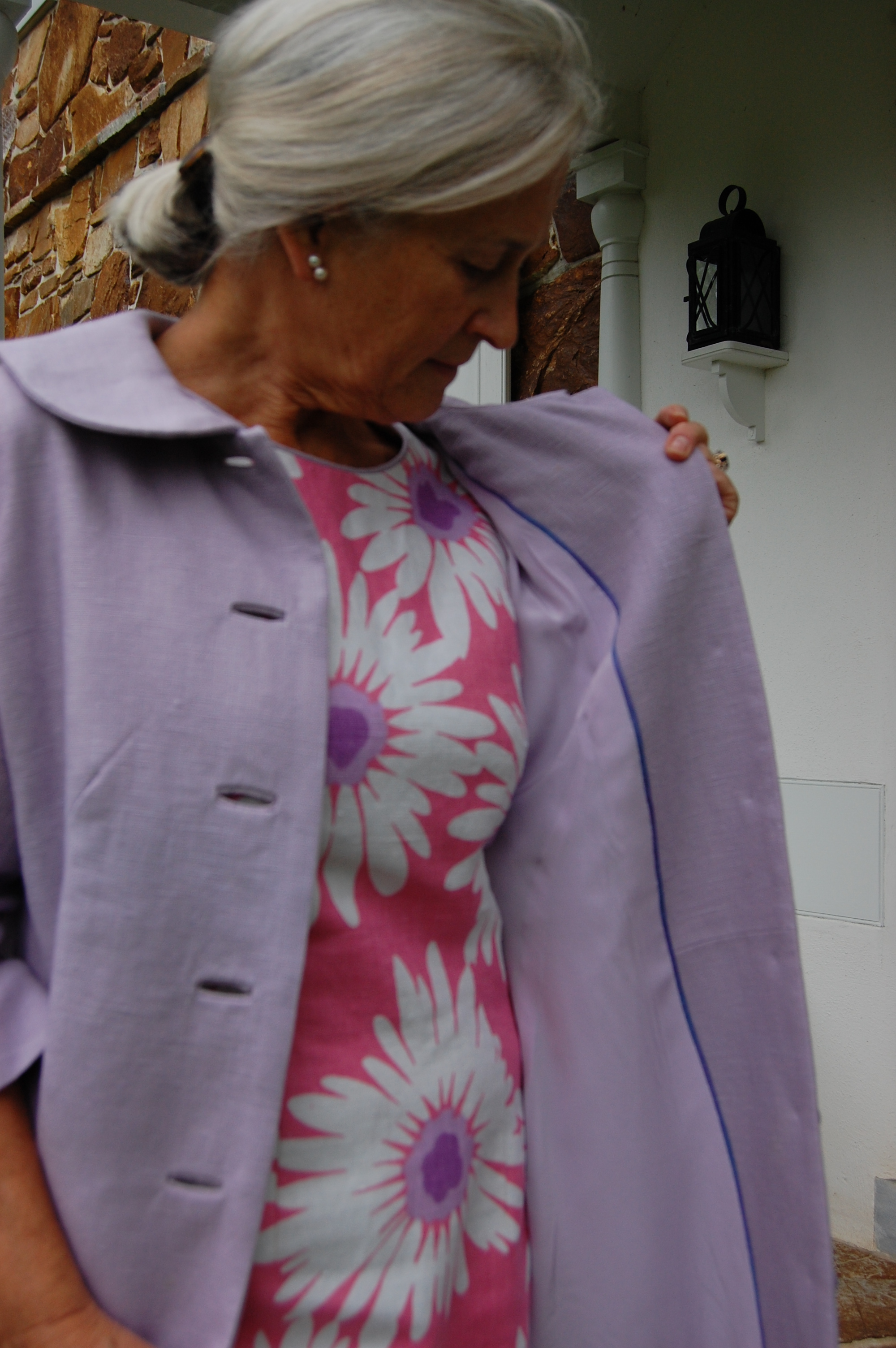
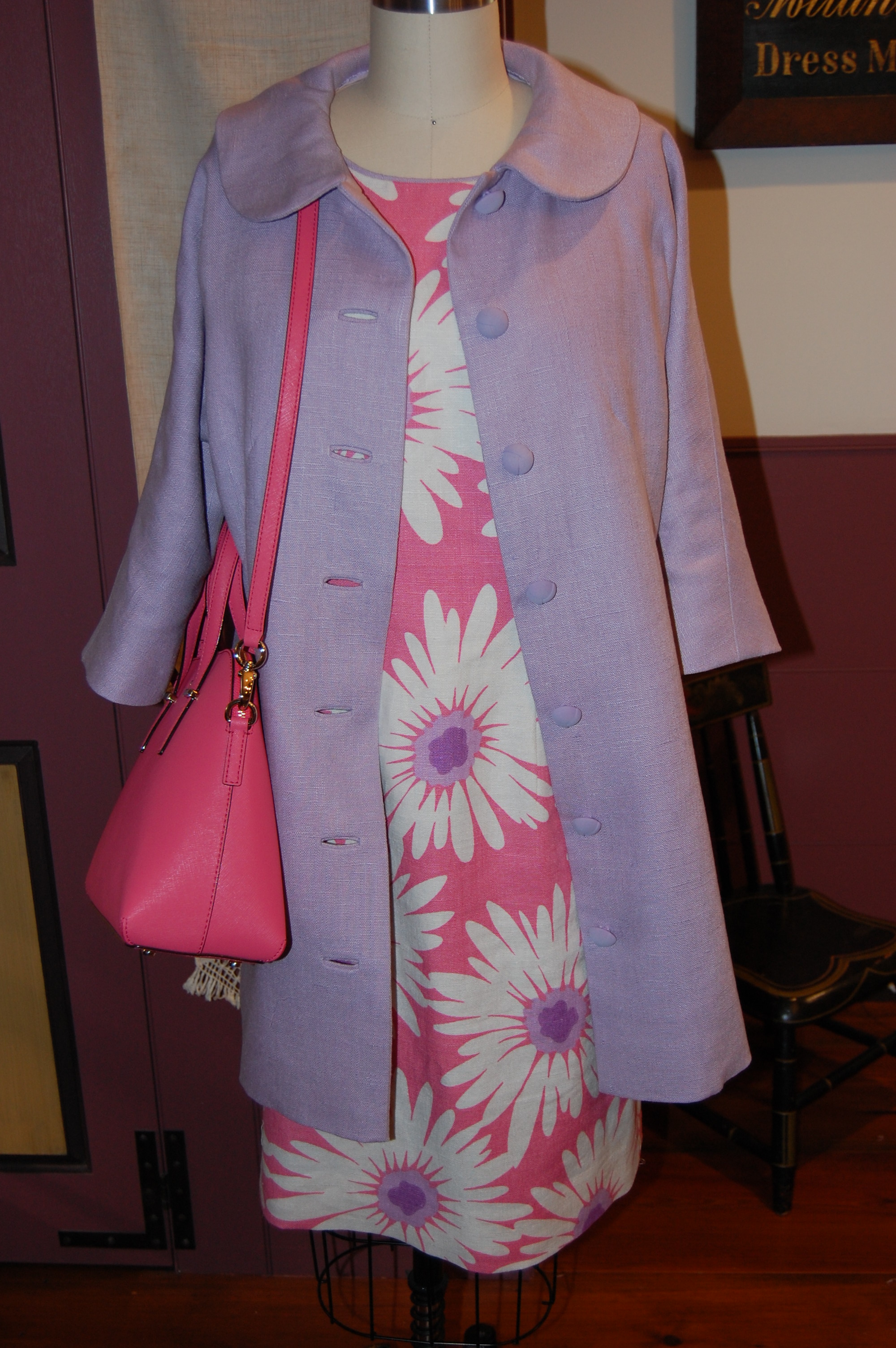
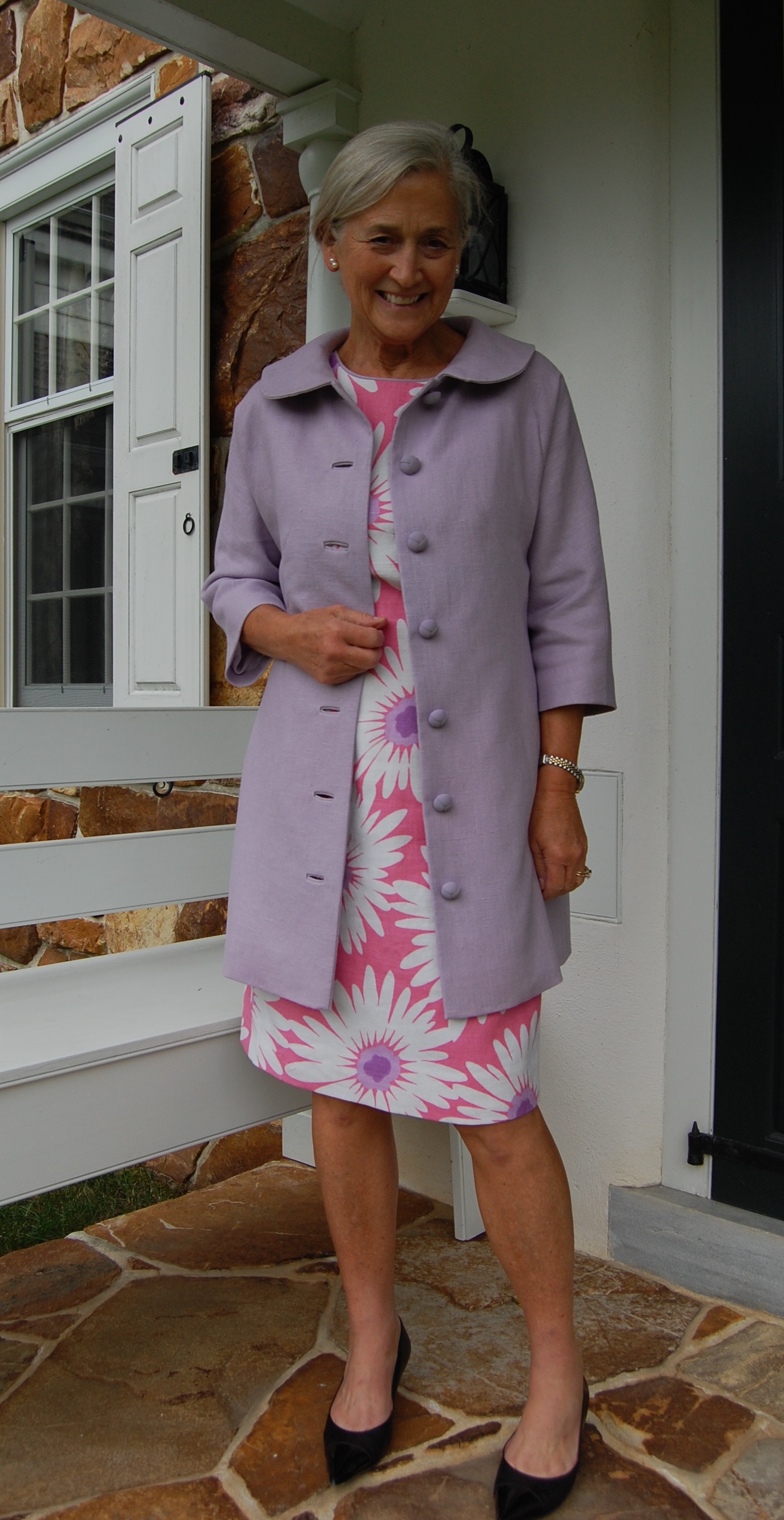
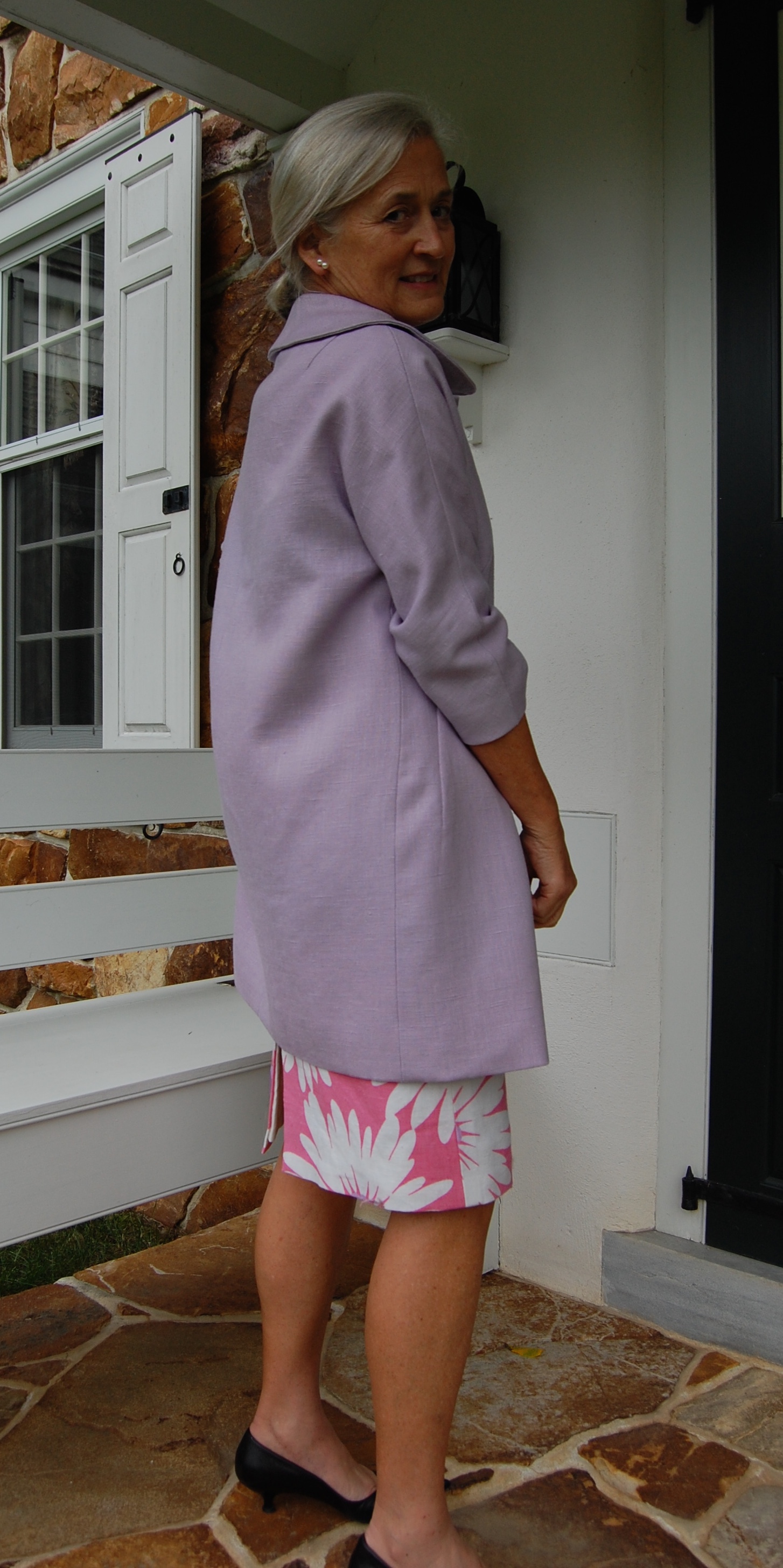
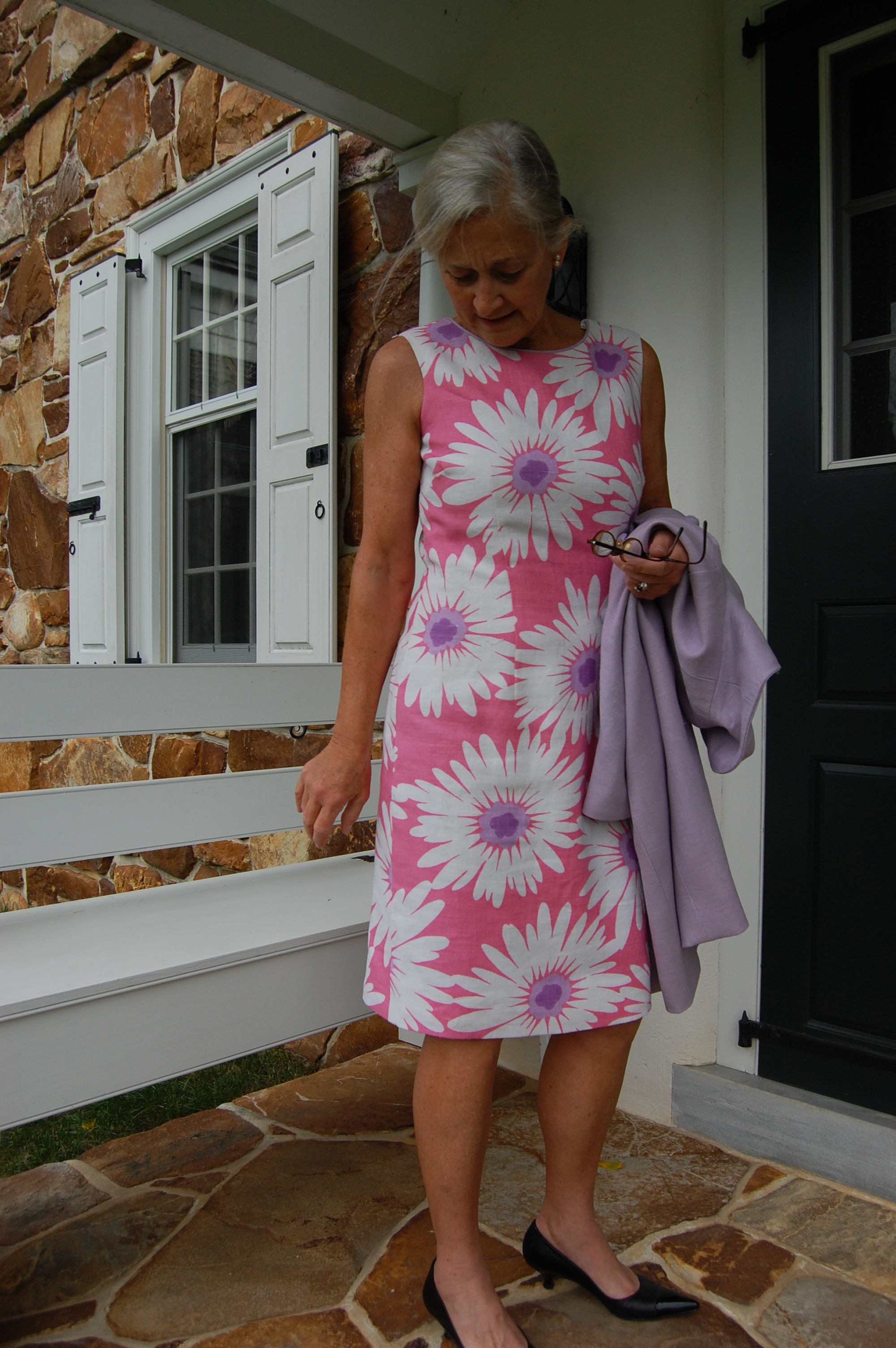
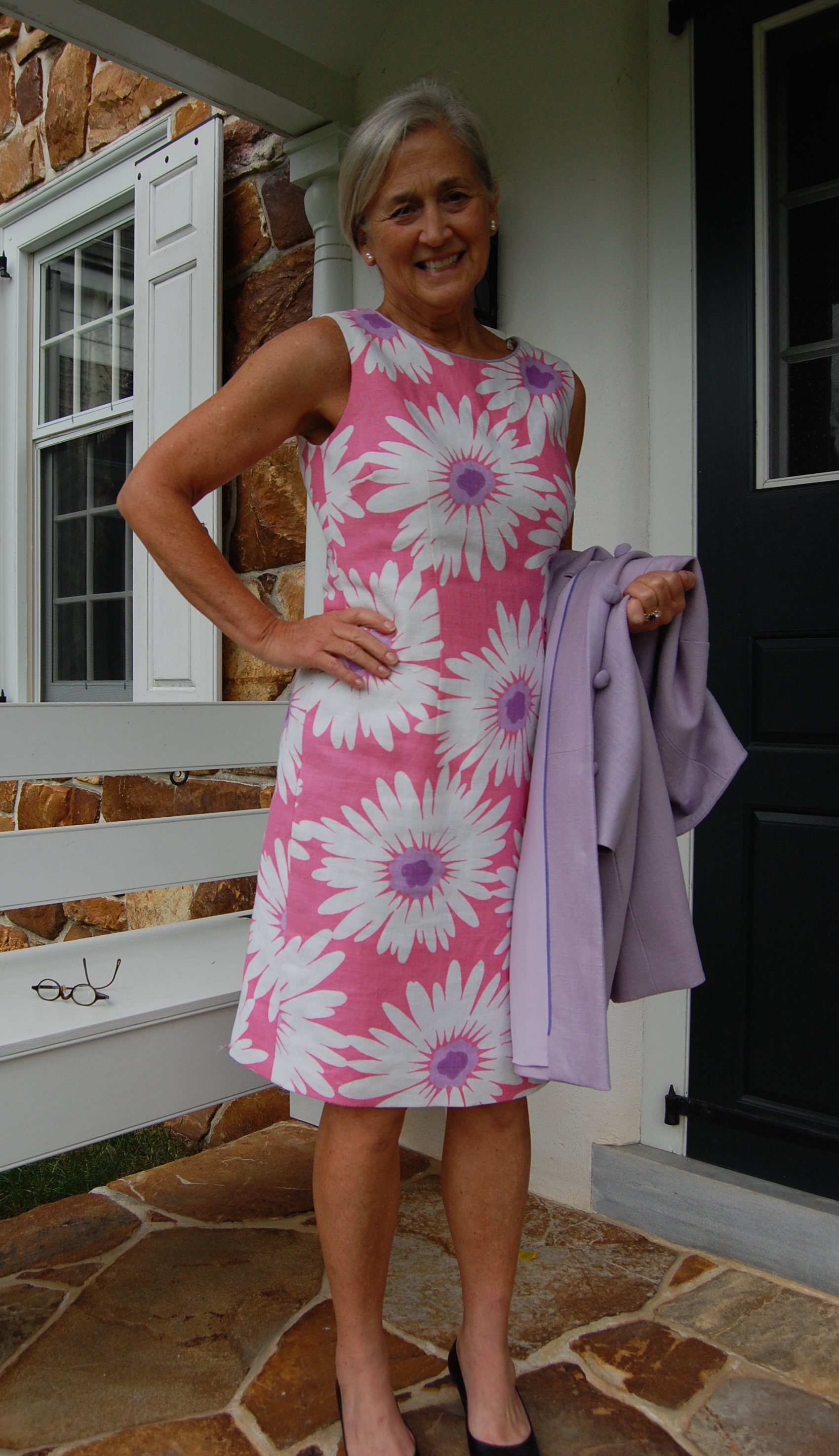
Summer slipped quietly away this week with nary a peep except for the sighs coming from my sewing room. No matter how hard I tried, I could not keep up with the calendar to finish my final Summer project.  However, a few days late on “delivery” doesn’t really upset me, as I can look forward to wearing my Madame Gres-designed coat next Spring.

Vogue Gres coat and dress

DSC_0851

I am not sure I can remember a sewing project which I have enjoyed more. The coat pattern is actually quite a simple design, imaginatively shaped with unusual darts and seams. Perhaps the fact that I made it from vintage Moygashel linen helped make the sewing of it enjoyable, as the linen is so stable. Darts and seams can be crisply sewn and ironed, the grain of the fabric is so easy to see, and the fabric drapes with a fluid sturdiness, if that makes sense.

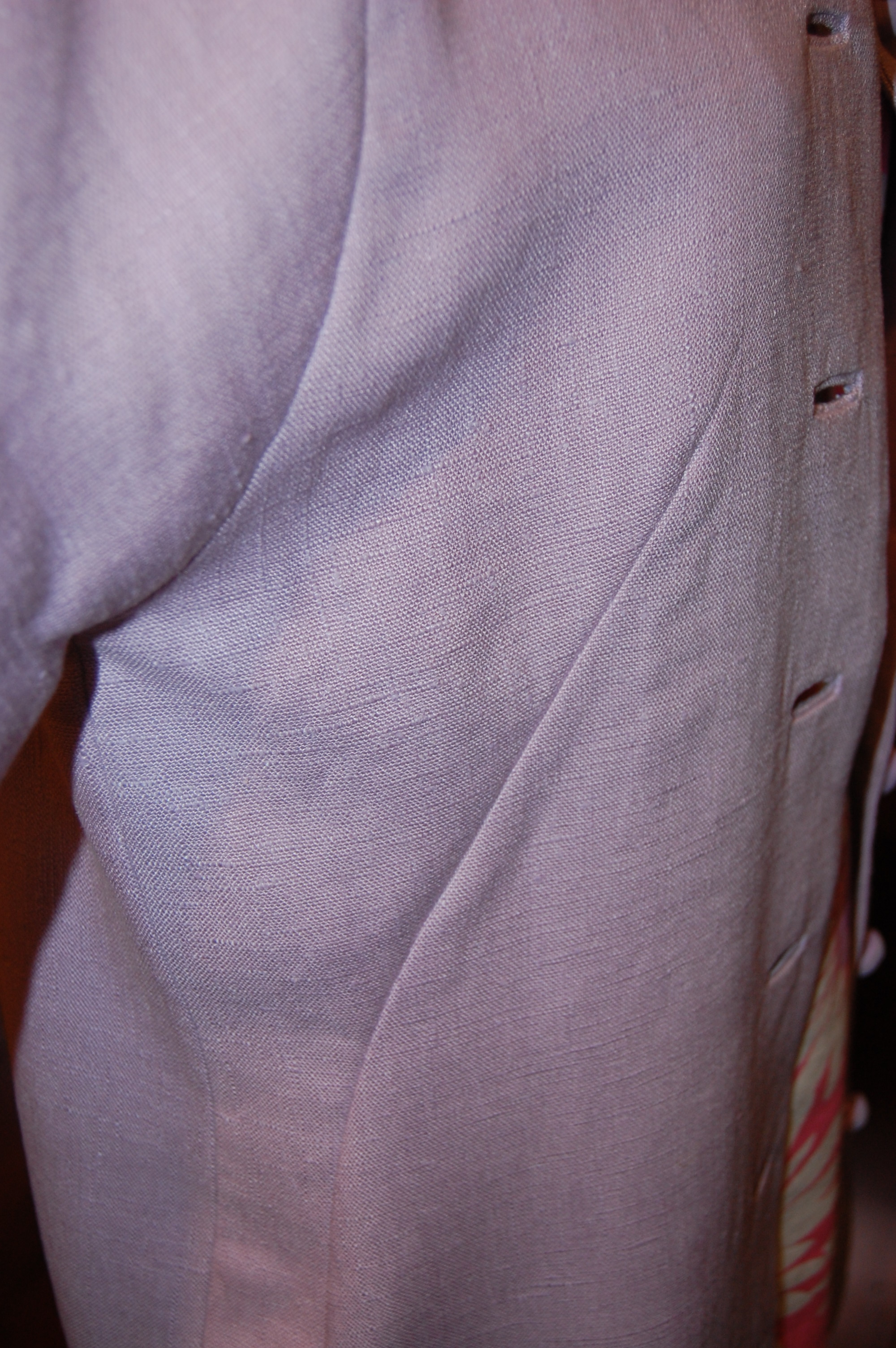
This shows the side darts which shape the coat and the dart/seam at the front of the kimono sleeve.

This shows the side darts which shape the coat and the dart/seam at the front of the kimono sleeve.

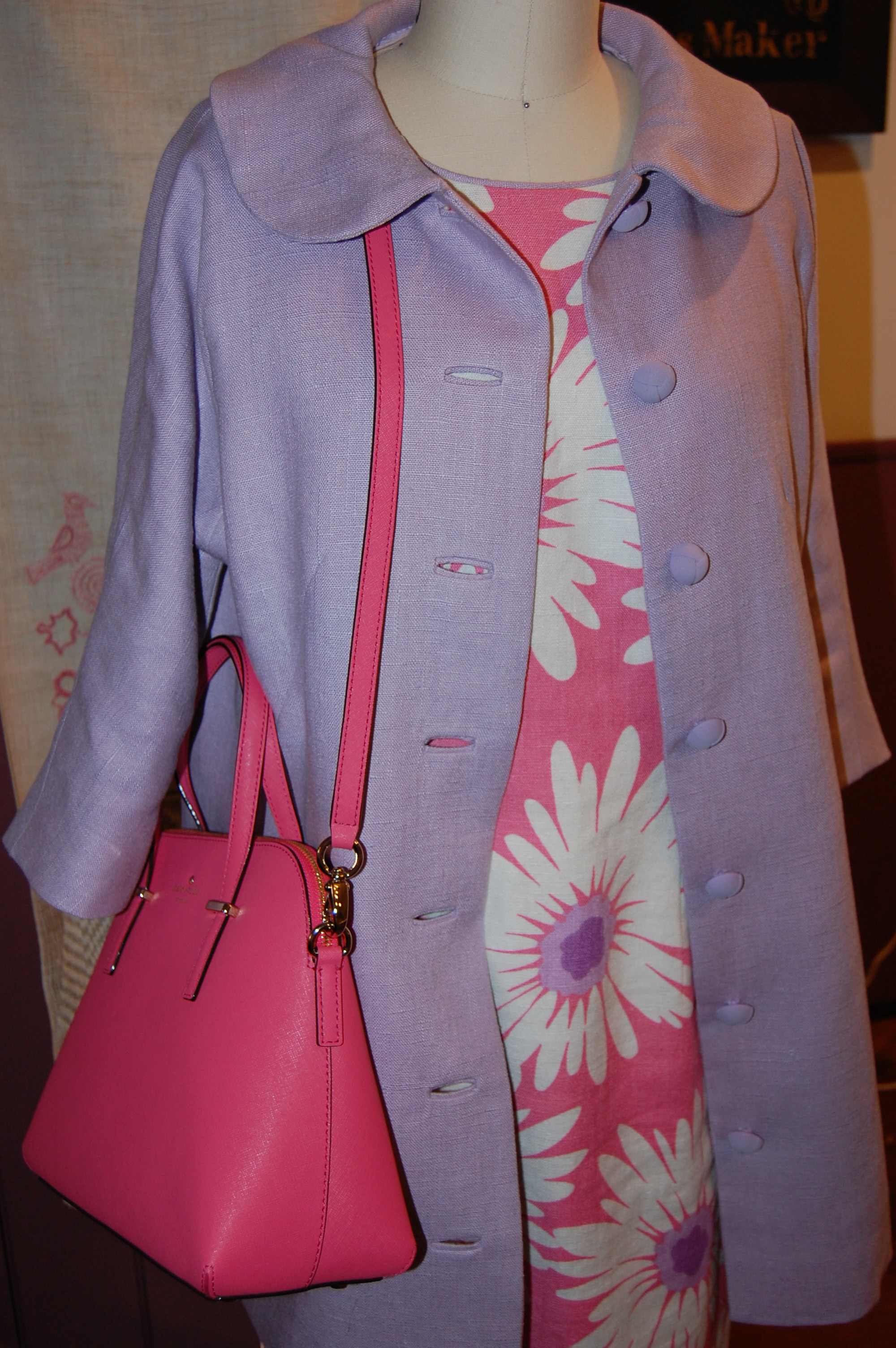
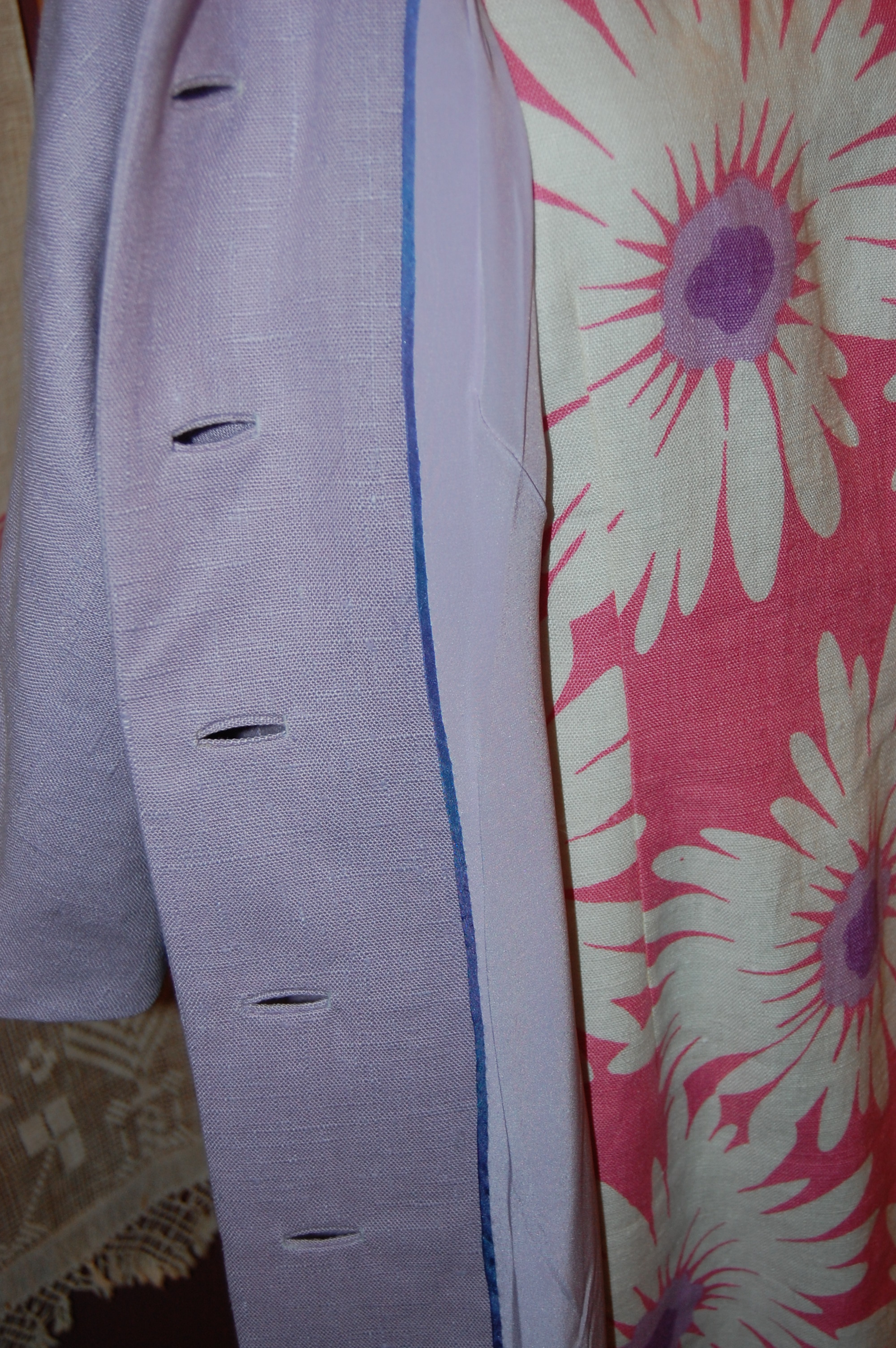
I covered the changes I made to those front darts in an earlier post; those were the only alterations I made to the final design except for lengthening the sleeves by one inch and the length of the coat by 1½ inches. Besides those shaping darts, there is one other feature of this coat which defines it. Do you know what it is?   Yes, it is the bound buttonholes and their buttons. Seven of them, to be precise.

The pattern instruction sheets call for bound buttonholes, as shown here:

I love how these vintage Vogue patterns give such precise instructions; there are various ways to make bound buttonholes, but the method described here is my favorite.

I love how these vintage Vogue patterns give such precise instructions; there are various ways to make bound buttonholes, but the method described here is my favorite.

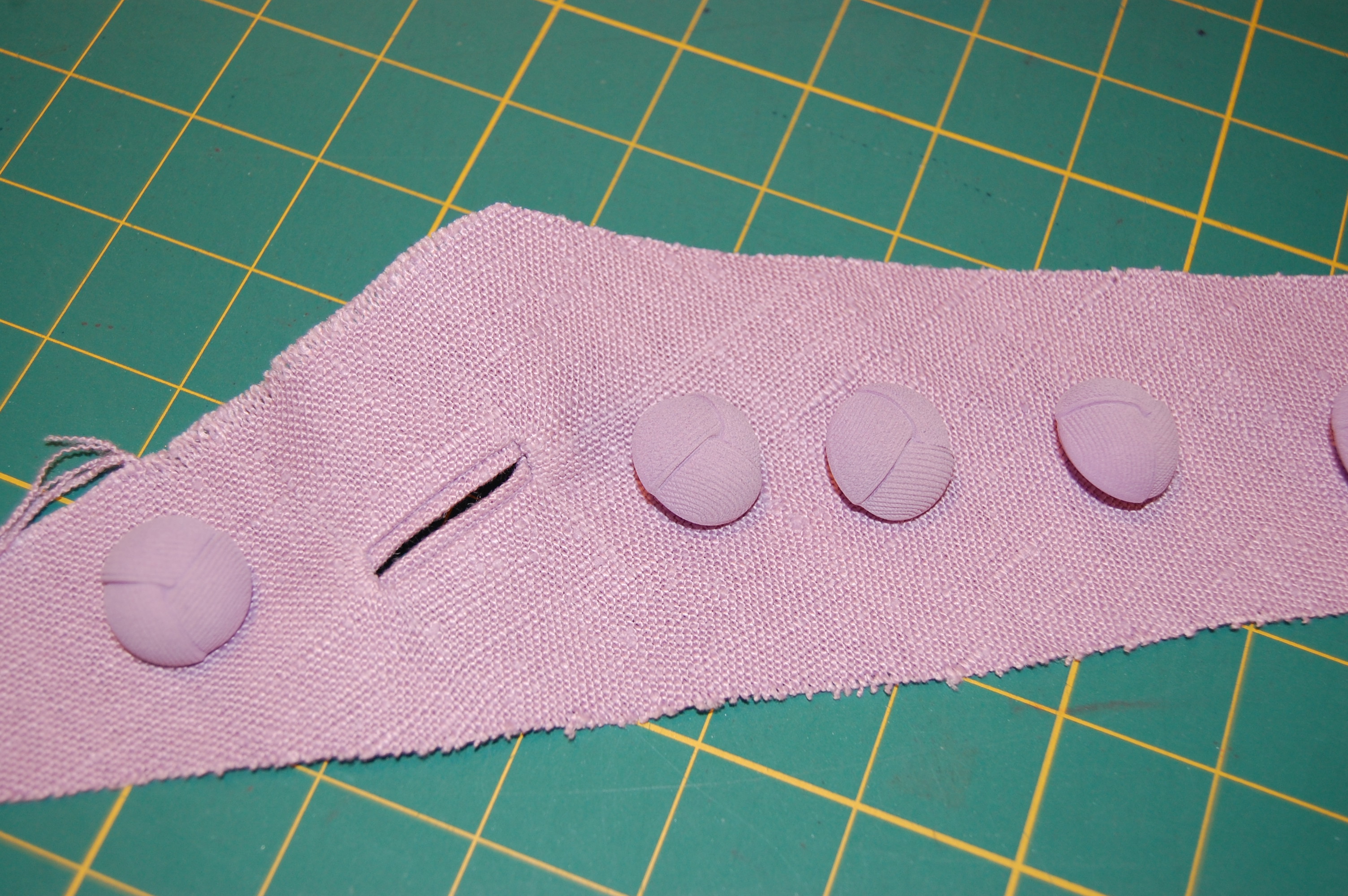
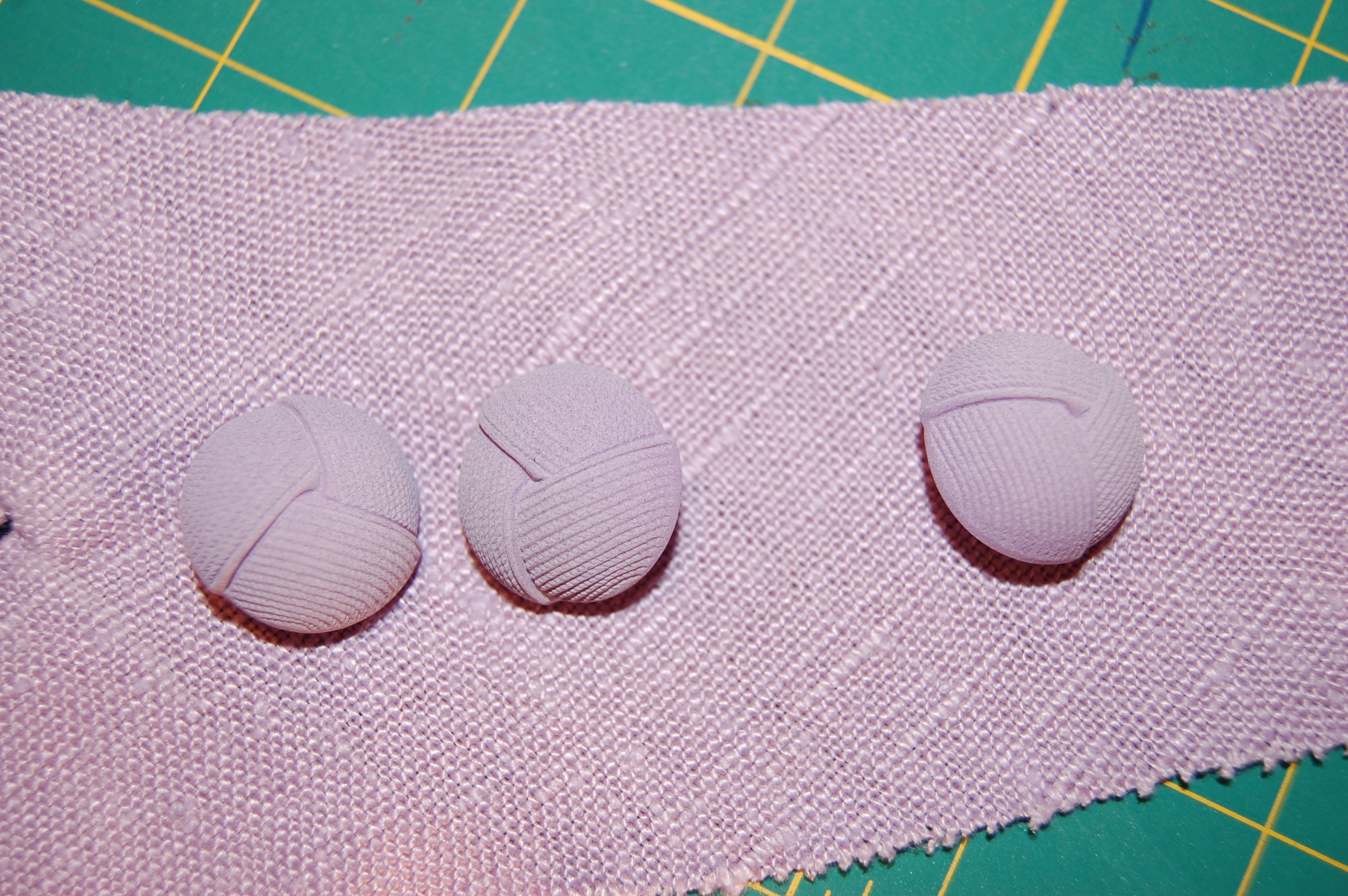
I have made a lot of bound buttonholes in my sewing life, but seven of them lined up as the focal point of the front of my coat is still a little intimidating. First of all, I had to find buttons that were “perfect.” I found some lavender buttons on the Britex website, and although they looked like a good match in color and appearance, ordering something like that online is always imprecise. However, when they arrived, they were, indeed, “perfect!” With buttons in hand, I made a sample buttonhole, as I always do.

DSC_0819

I think this photo shows the "monkey's knot" design in the buttons, which compliments the linen weave, I think.

This photo shows the “monkey’s knot” design in the buttons, which compliments the linen weave, I think.

Then it was on to a marathon buttonhole session one afternoon.

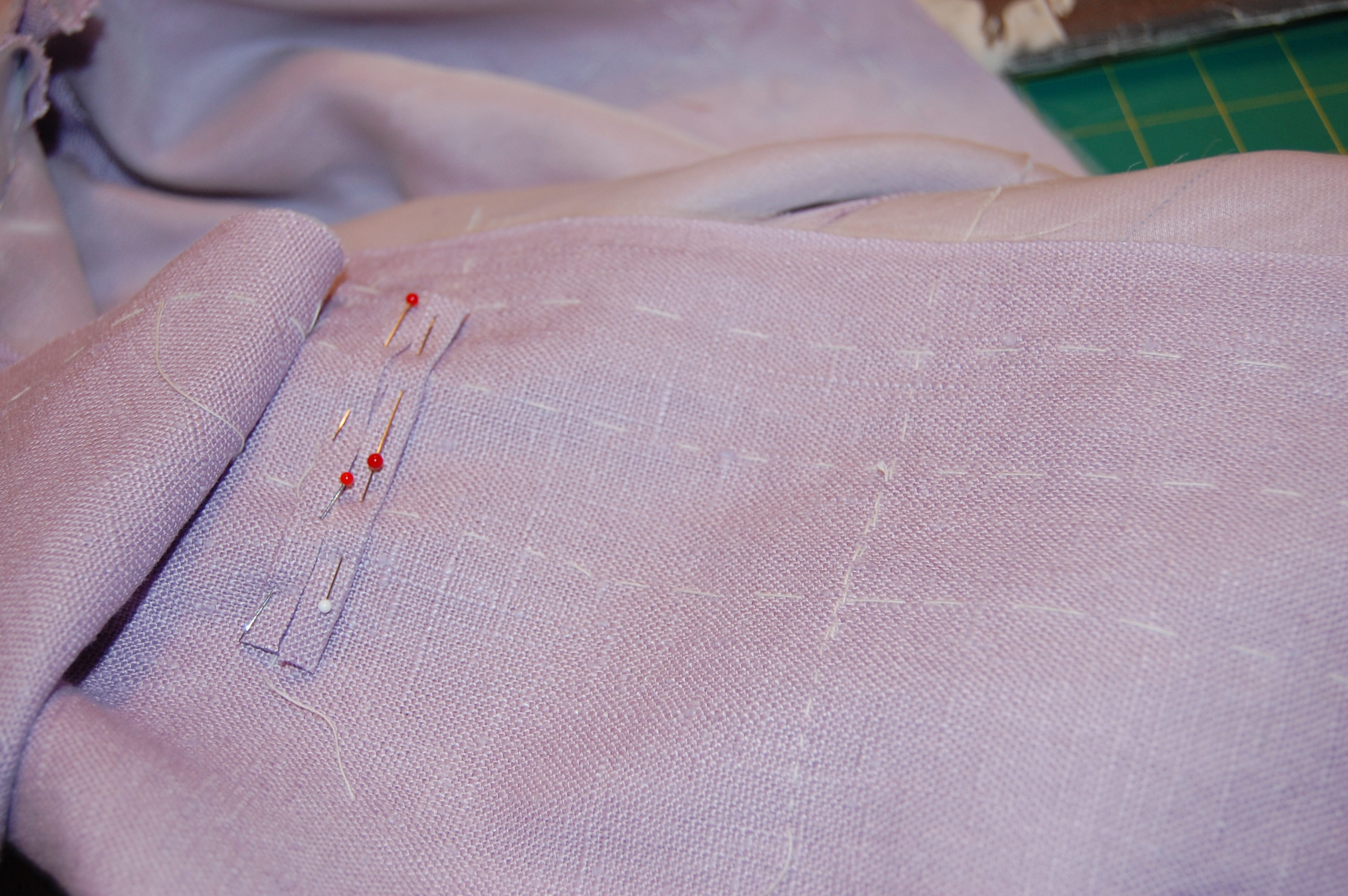
The most important ingredient in making successful bound buttonholes is precise marking.

The most important ingredient in making successful bound buttonholes is precise marking.

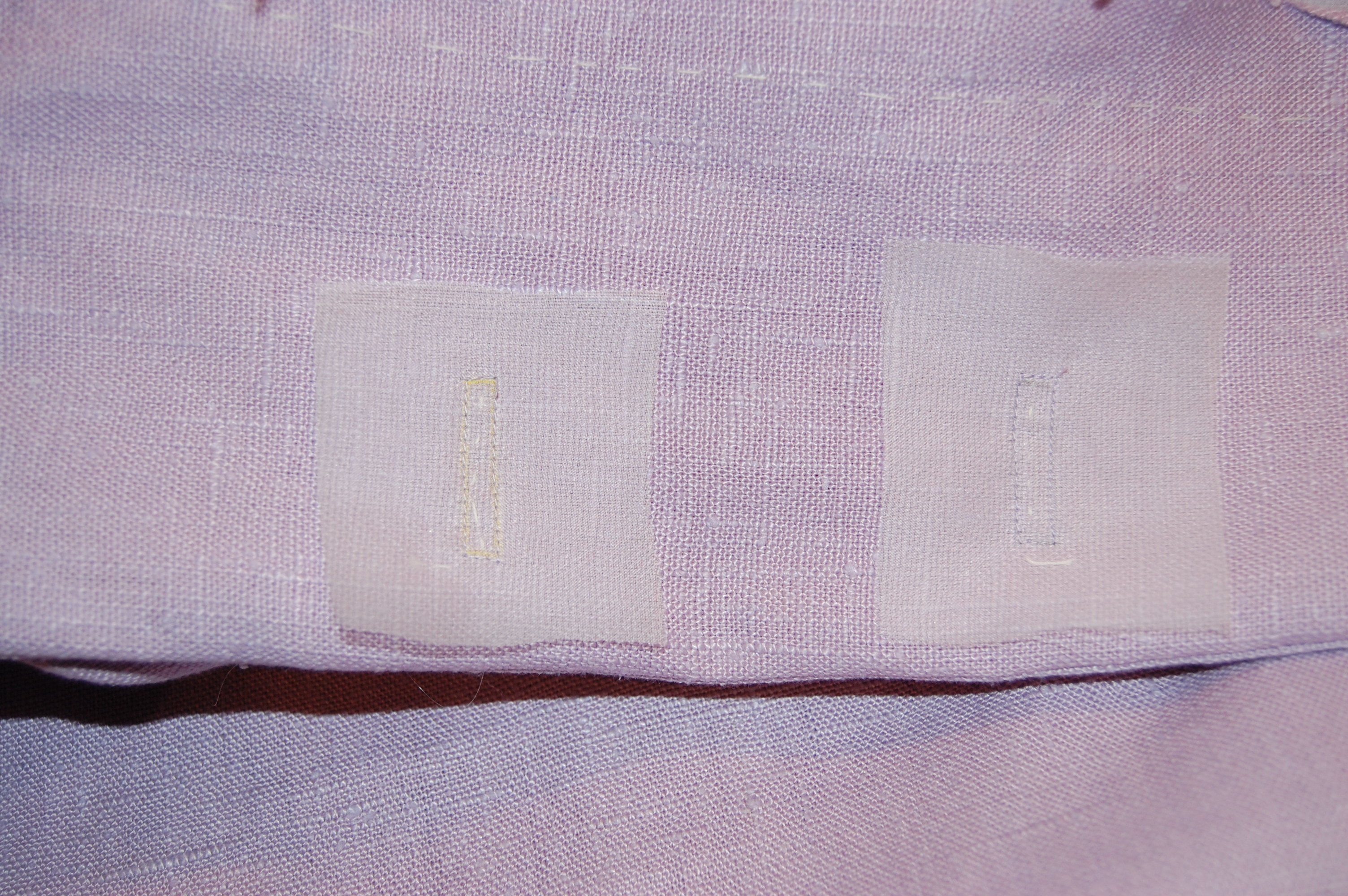
I finished the underside (on the facing) of the buttonholes using organza patches, which makes a beautiful, sturdy finish.

I finished the underside (on the facing) of the buttonholes using organza patches, which makes a beautiful, sturdy finish.

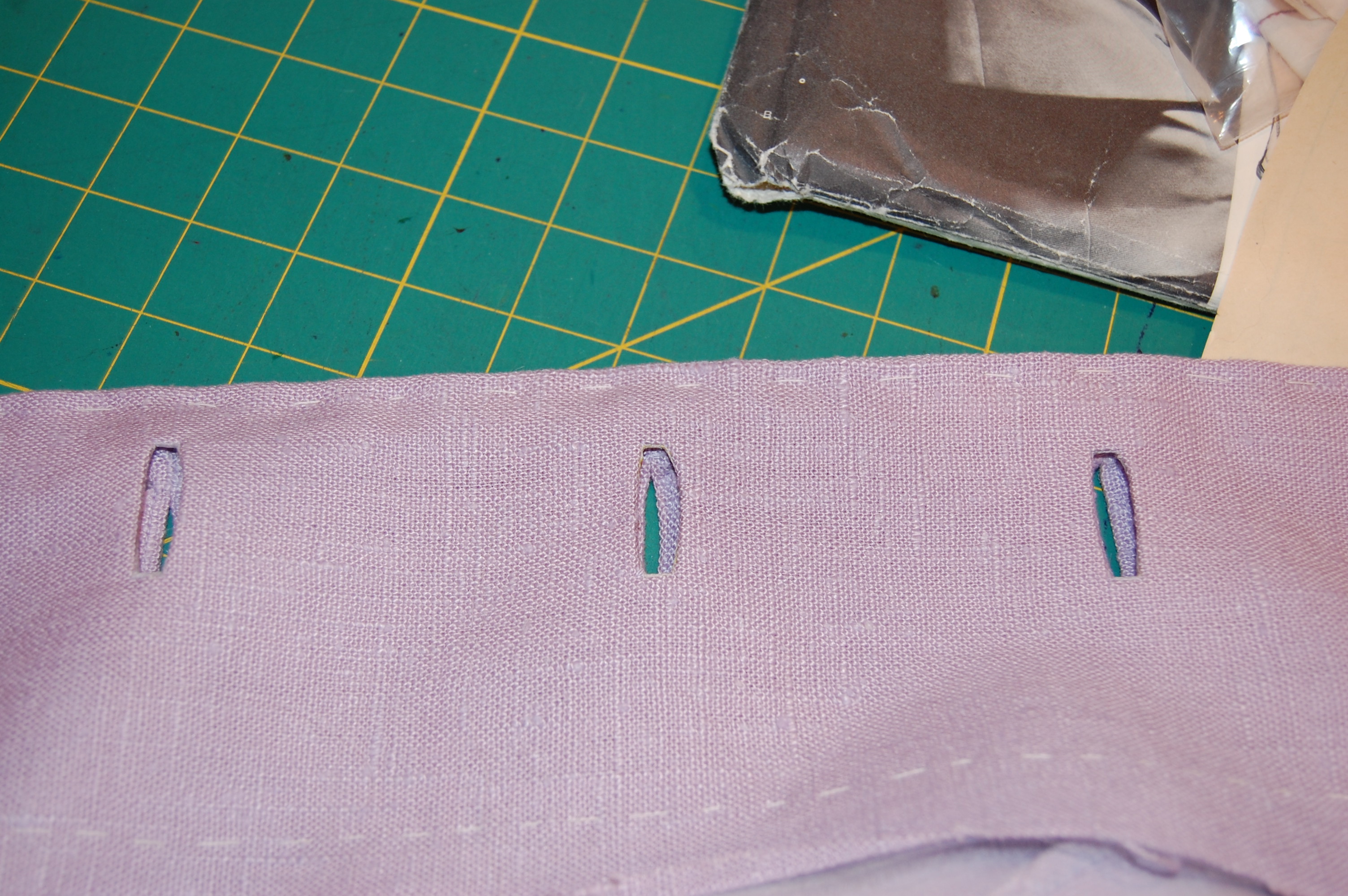
Here is the underside of the buttonholes before I finished the edges.

Here is the underside of the buttonholes before I finished the edges.

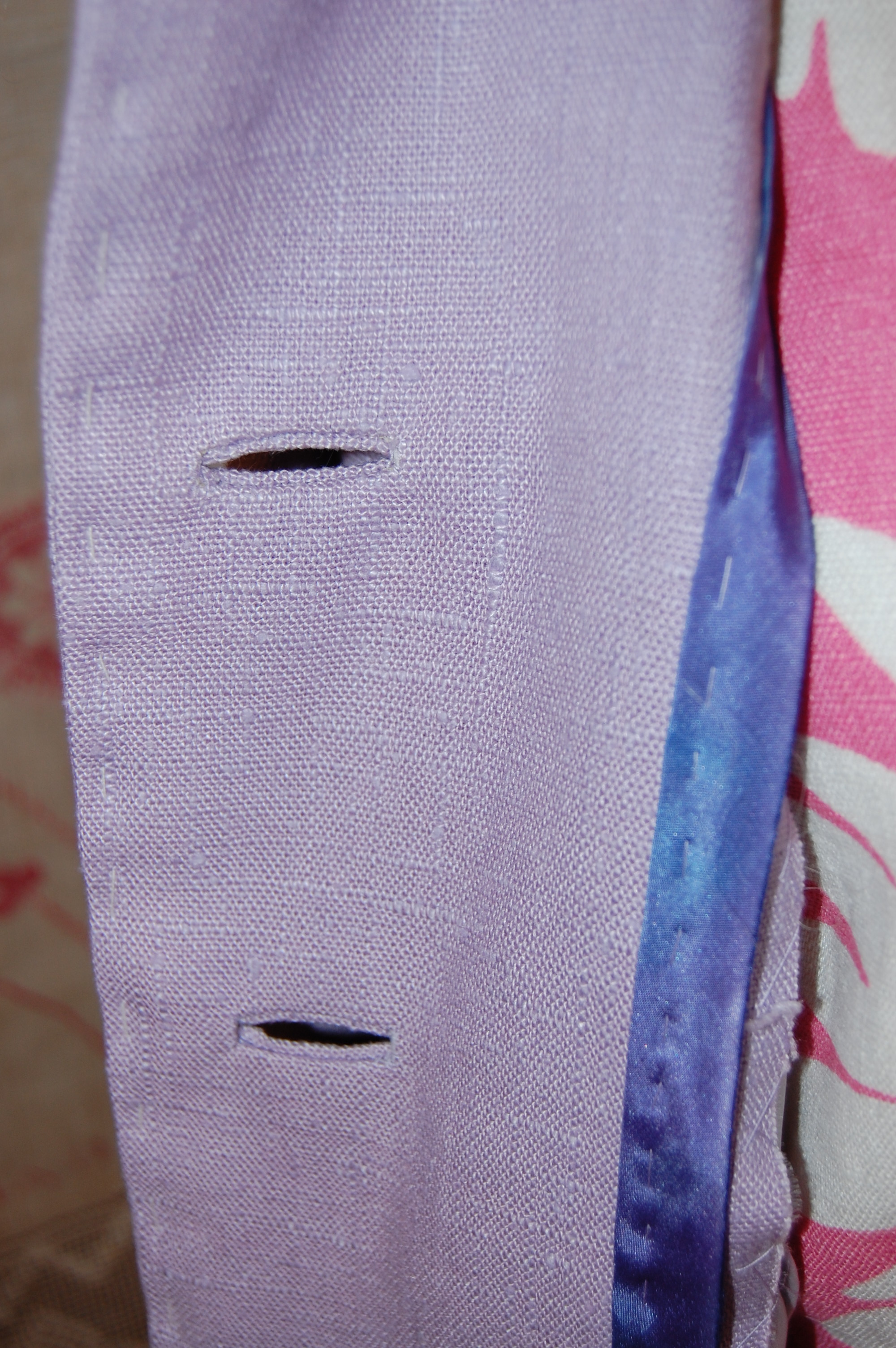
And here is the facing side, finished.

And here is the facing side, finished.

Another charm of this pattern is the coat collar, which is seamed in the center back on the bias, causing it to “turn” beautifully. I under-stitched the undercollar to help keep the perimeter seam properly in line (this is a trick I learned from one of Susan Khalje’s classes):

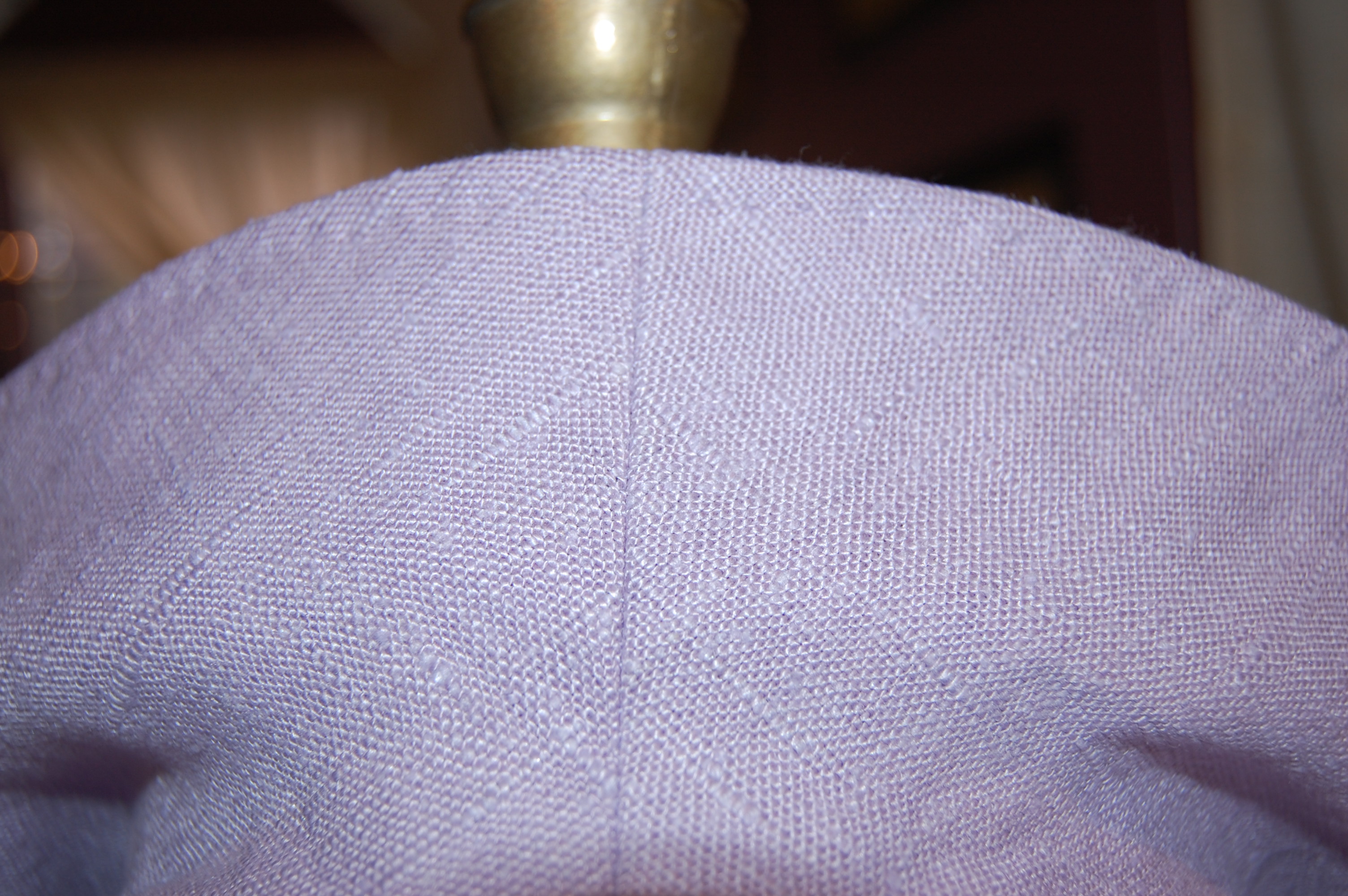
This is the undercover, showing center back seam and the under-stitching I used to secure the perimeter seam.

This is the undercollar, showing center back seam and the under-stitching I used to secure the perimeter seam.

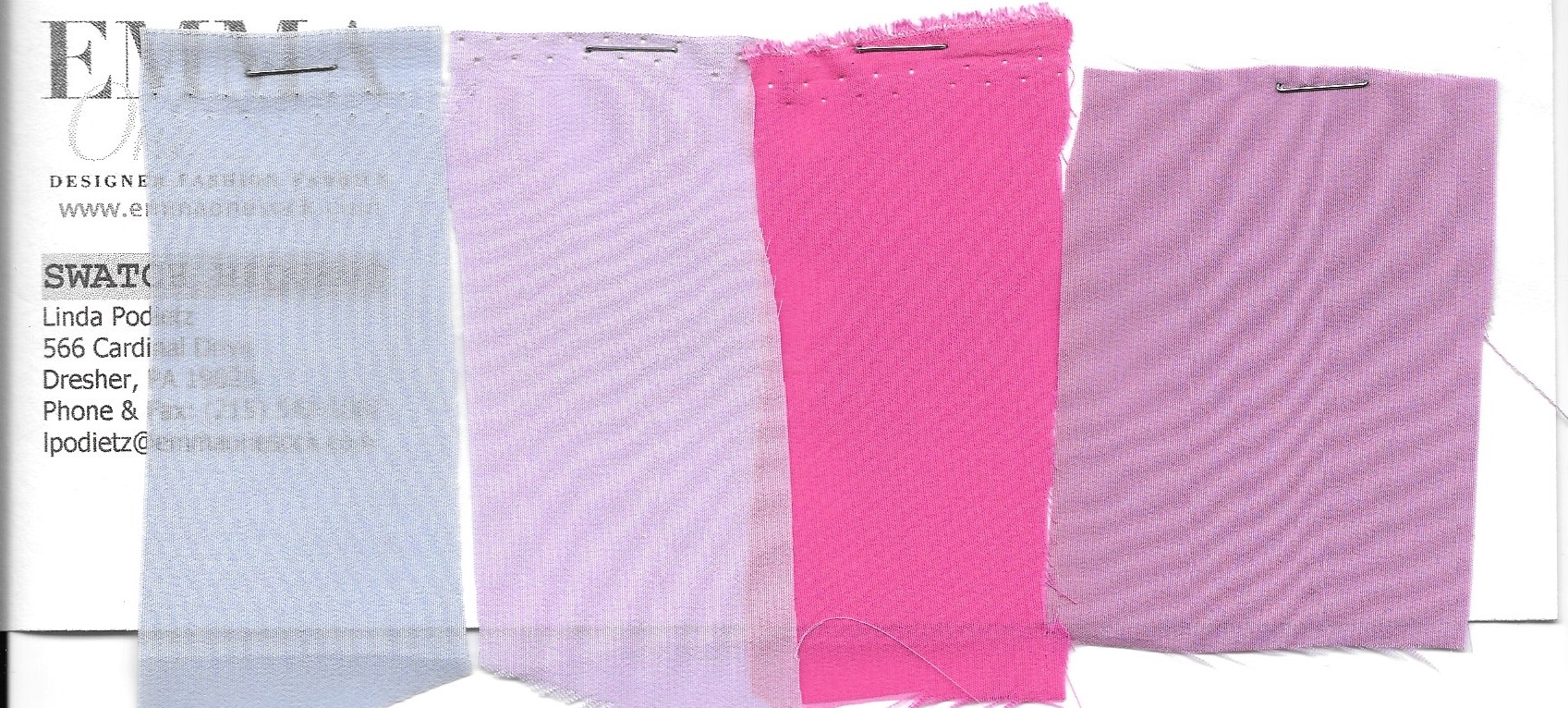
When it came to the lining, I knew I wanted to use silk crepe de chine. I ordered some swatches from Emma One Sock fabrics:

A Fitting finish swatches

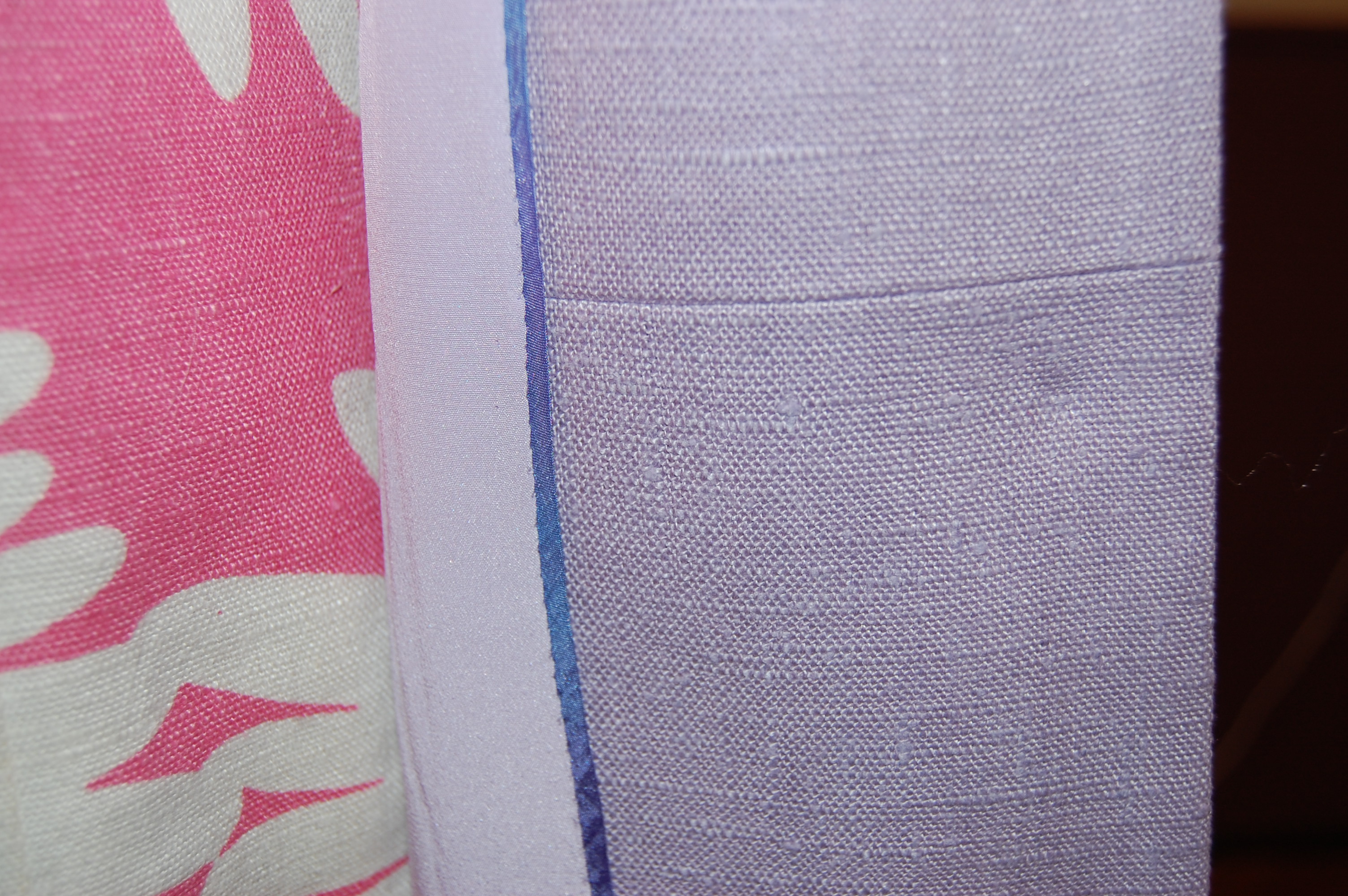
Fortunately my sister was visiting and so I could get her opinion on which one to order. I was a bit smitten with the idea of a bright pink lining, but she wisely asked if I hoped to wear this Spring coat with dresses other than the pink flowered one which had inspired it. Well, yes, I do want that flexibility! That made the decision easy – I chose the pale lavender silk, which is just about a perfect match. I added a bias, flat piped edge to the lining, which is now something I always do with coats and jackets I make. It is so easy and adds so much!

Fitting finish

Some of you may recall that I had to piece one of the facings because I was just a little short of the fabric I needed. Here is the seam on the left facing. I really don't think anyone will ever see it! (Except all of you, of course!)

Some of you may recall that I had to piece one of the facings because I was just a little short of  fabric. Here is the seam on the left facing. I really don’t think anyone will ever see it (except all of you, of course!)

DSC_0844

This is a good look at the bound buttonholes and what they add to the overall look of the coat. If you visualize machine made buttonholes in their place, you will get an idea of how vital the bound ones are to the design of the coat.

Another thing that will add to the total look of my 2016 Spring ensemble is this Kate Spade handbag which my grown children gave to me:

Fitting finish

DSC_0855

Fitting Finish

Fitting finish

Fitting finish

DSC_0837

Now all I need are lavender pumps…

43 Comments

Filed under bound buttonholes, Buttons - choosing the right ones, Coats, couture construction, kimono sleeves, Linen, Love of sewing, Moygashel linen, Uncategorized, Vintage fabric, vintage Vogue Designer patterns, vintage Vogue patterns from the 1960s

Fifty Little Dresses – Part 2

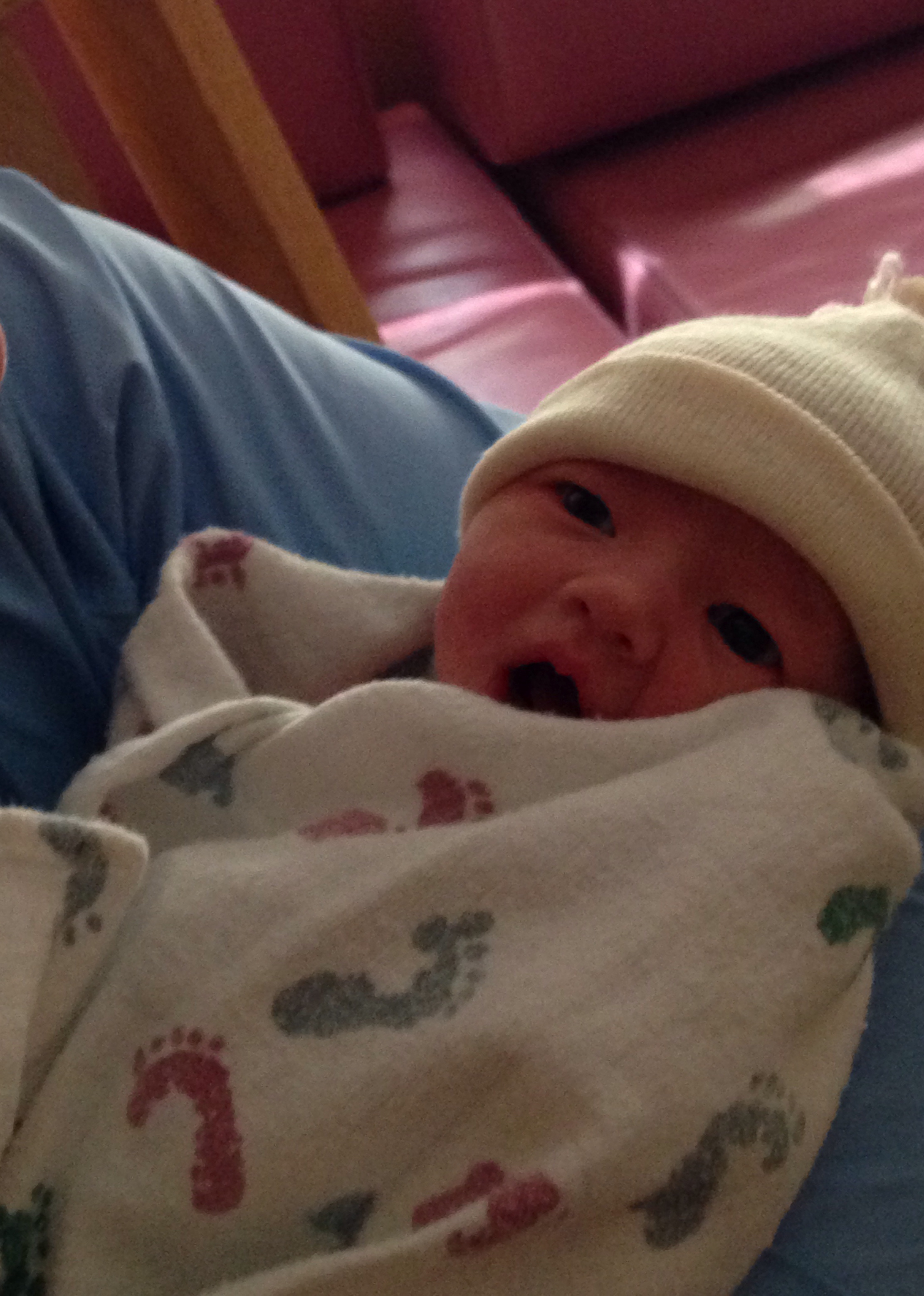
Two years ago I was absent from my blog for a few weeks as I helped our daughter and her husband after the arrival of their first child, a beautiful little girl. I have just returned home after another absence, this time to welcome another beautiful little girl!

The snow is gone, and even the mailbox, battered by the snow plows, looks happy.

The snow is gone, and even the mailbox, battered by the snow plows though it be, looks happy.

For almost three weeks, I cooked, I cleaned, I ironed, I shopped for groceries, I did laundry, I baked, I drove hither and yon as chauffeur, I spent untold fun and busy hours with granddaughter number one, and then I started it all over again – and again – and again!

Just as with their first child, our daughter and her husband chose not to learn the sex of their baby ahead of time, so the arrival of this baby girl was another delightful surprise. Now I wonder if I had a premonition that I would have two granddaughters? In the past two years I have come across a couple of lengths of vintage cottons which appealed to me for their possibilities of being turned into little girls’ dresses.

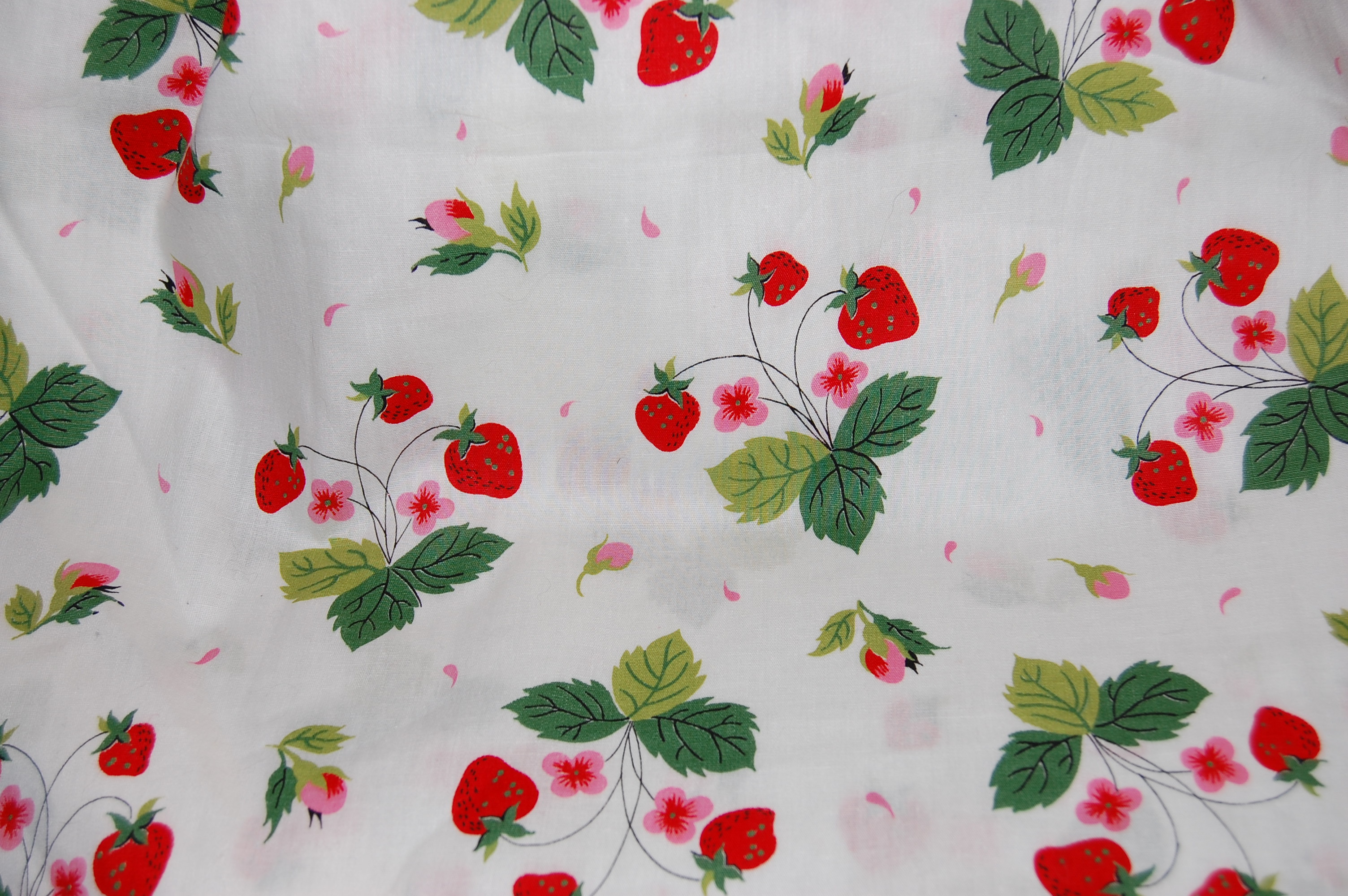
A strawberry print cotton for two little Spring sisters?

A strawberry print cotton for two little Spring sisters?

With navy blue sailor collars and red ties?

With navy blue sailor collars and red ties?

The plentiful yardage of both fabrics will be perfect for matching sister dresses, although it will be a couple of years until Aida and Carolina are ready for that. But still, I can start to plan . . .

Sewing, of course, was not on the agenda while I was on grandmother duty. But sewing is a patient endeavor, and sometimes a forced break can be good. When I left home I was one day away from finishing my complete cashmere suit dress ensemble. I will admit I was a little worn out from it, and when I realized I was not going to be able to finish it before I left home, I was definitely feeling discouraged. I saw every perceived flaw in it, and I knew it would no longer be seasonable when I returned. I would be finishing a dress and jacket that I could no longer wear this year.

But when I walked into my sewing room after my long absence and saw the (as yet, unlined) dress and completed jacket on my dress form, I suddenly felt totally energized again. Hey, I thought, it looks pretty good after all! Some things, like new babies, are worth waiting for, aren’t they?

Welcome to the world, dear little Carolina!

Welcome to the world, dear little Carolina!

31 Comments

Filed under Love of sewing, Sewing for children, Uncategorized, Vintage fabric

Are You a Hopeless – or Hopeful – Dressmaker?

The other day I was rushing around getting ready to go to a meeting. I pulled some heels out of my closet and by the time I had arrived downstairs, ready to put them on, I realized I had picked up an errant white sewing thread, hanging tight onto my stockings. The first word into my mind was “Hopeless!” I really can’t go anywhere in my house without dragging little snippets of thread and fabric with me. This made me start to think about how pervasive dressmaking and sewing are in my day-to-day life. So, of course, I had to make a top-ten list…

You know you are a hopeless dressmaker when …

1) you arrive at your destination, only to find that aforementioned sewing thread clinging to your skirt , or you find a straight pin still holding tight to a finished garment.

2) a sale on Gutermann thread makes your heart go a-flutter.

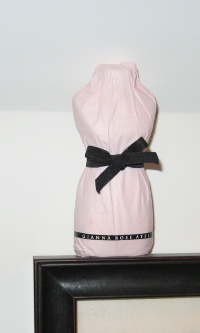
3) you receive a bar of soap in the shape of a dress form in your Christmas stocking!

Wrapped in pale pink paper, this scented soap might be too pretty to use...

Wrapped in pale pink paper, this scented soap might be too pretty to use…

4) you instinctively check plaid lines and design placement in the clothes of everyone you meet to see if they match.

5) a new issue of Threads Magazine or Vogue Pattern Book Magazine (or Burda Style, etc.) arrives and it becomes your nightly reading until you have gone cover to cover.

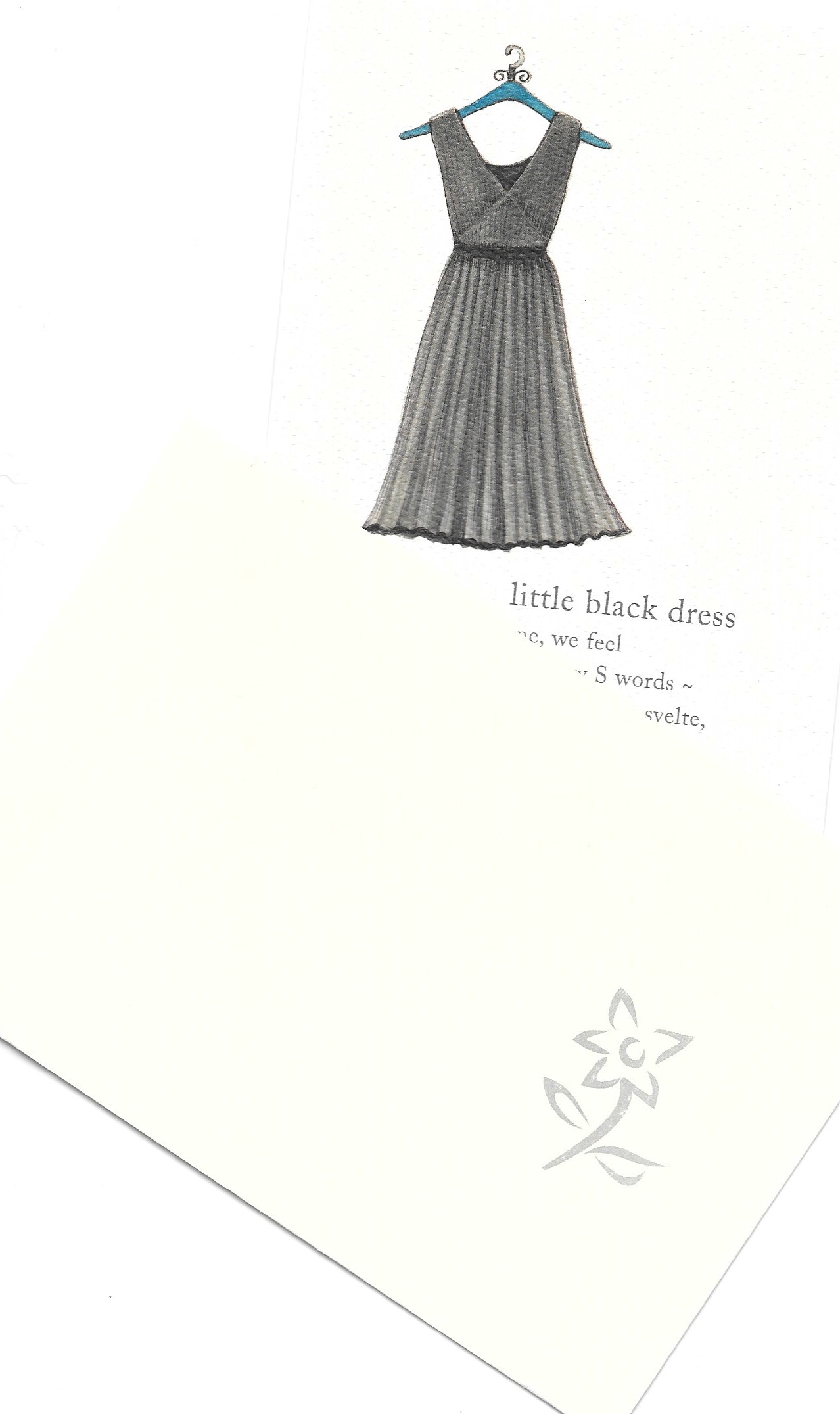
6) you look for greeting cards with a sewing and/or fashion theme (sometimes just to keep for yourself!)

A birthday card for a fashionable friend!

A birthday card for a fashionable friend!

7) you can’t wait to study the instruction sheets in new patterns (in my case, new-to-me vintage patterns).

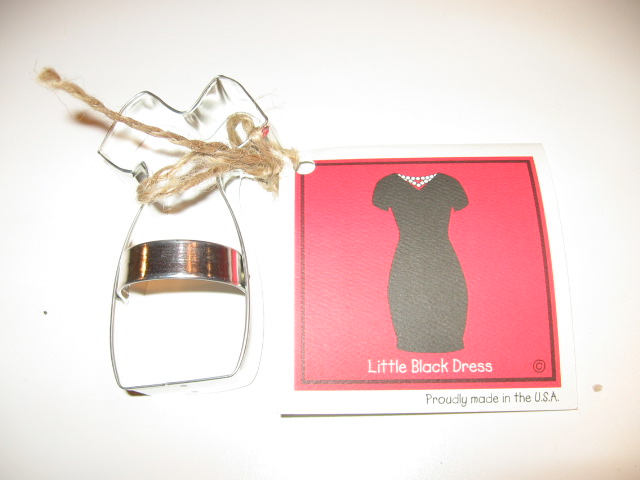
8) one of your favorite cookie cutters is a Little Black Dress.

Hopeless Dressmaker 9) you maintain a steady supply of muslin and silk organza underlining, because you never want to be without these building blocks of couture sewing.

10) your pets wander into your sewing room asking forlornly for their supper, as you have lost complete track of time.

So then – how do you know you are a hopeful dressmaker?

A friend or acquaintance who doesn’t know that you sew, said to you when last you met, “I want your wardrobe!”

It doesn’t get much better than that! Well . . .  in an effort to share a bit of my hopeful hopelessness and have some fun, I’m having a giveaway of duplicates of 1) the dress form soap, 2) the Little Black Dress cookie cutter, and 3) the Little Black Dress birthday card.

To be entered to win these three items, please leave a comment by Saturday, February 14th; I will draw the winner on February 15th

Heart lace

Happy Valentine’s Day to each and every one of you!

48 Comments

Filed under Dressmaker forms, Little Black Dress, Love of sewing

Good Bones

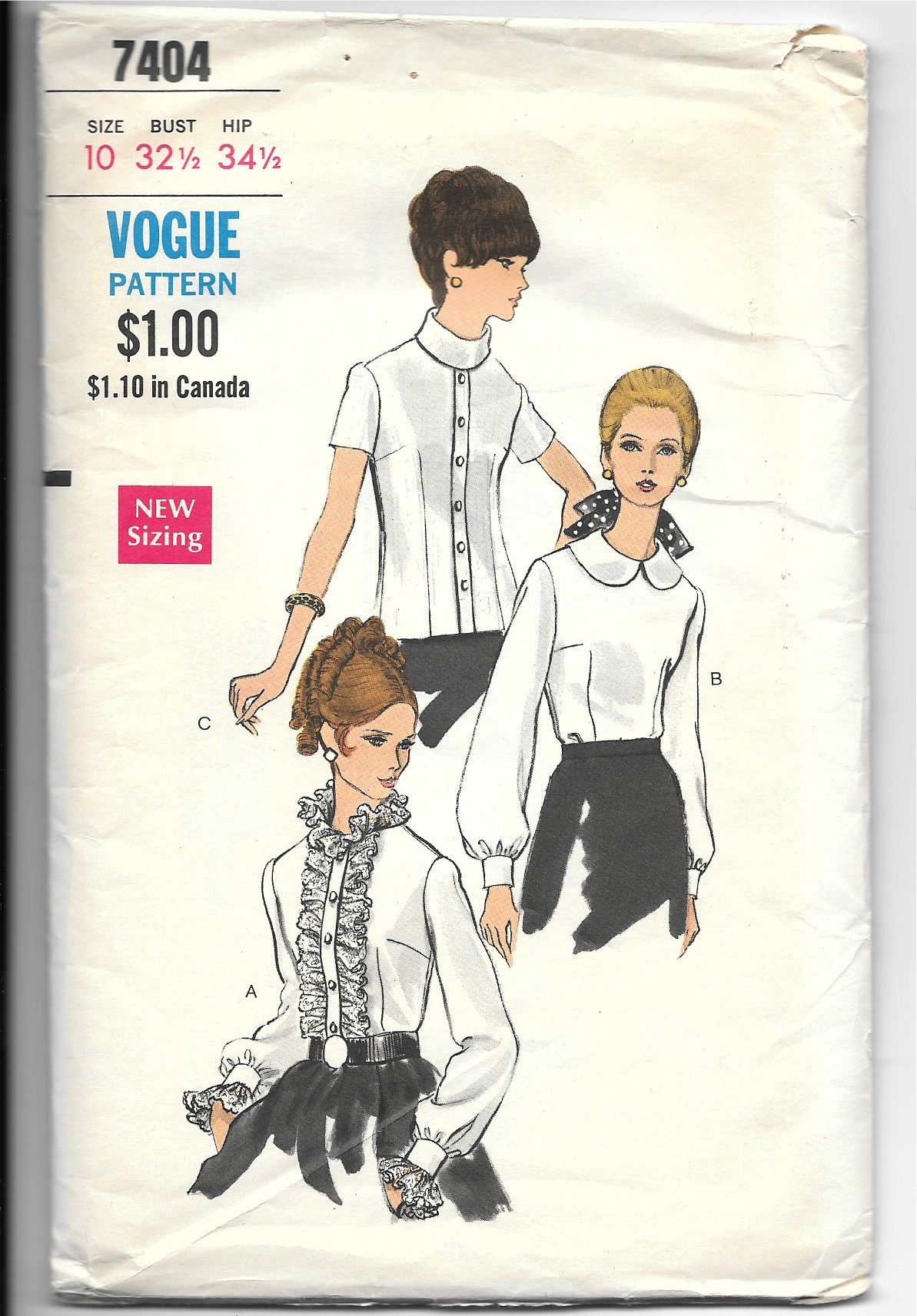
Can a pattern have good bones? I think so. When I purchased this blouse pattern a while ago, I did so knowing that I would not be making a blouse that looked exactly like any of the three illustrated on the pattern envelope.

Blouse pattern - PP collar

I have always liked a feminine-looking blouse that opens in the back, and I have always liked Peter Pan collars (which seem to come in and out of fashion). I also like a blouse that is fitted with darts through the body of the blouse. You can easily see the darts illustrated above. The thumbnail views of the blouses also show the darted fitting in the backs of the blouses.

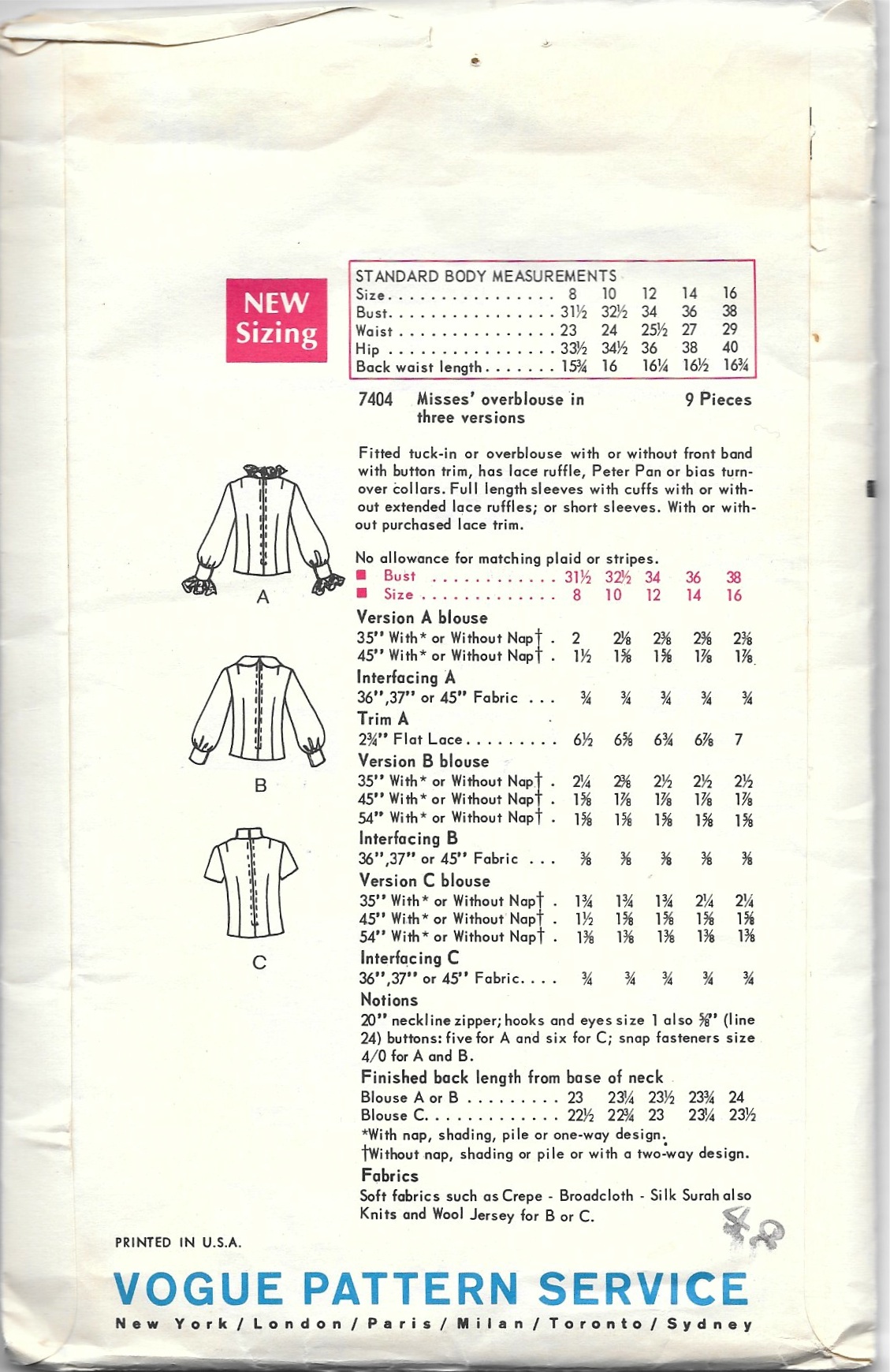
Blouse pattern - PP collar - rear views I found it interesting that these blouses are constructed with zippers in the backs. I am not fond of blouses that are zippered up the back, but I knew that I could easily make the back into a buttoned closure.

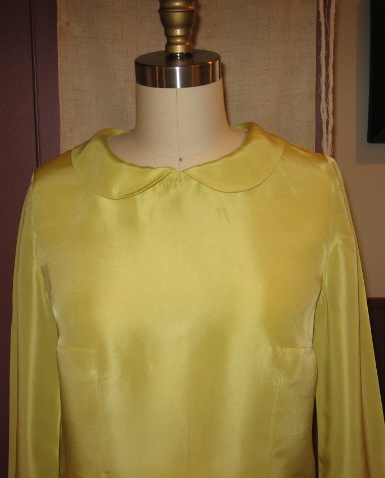
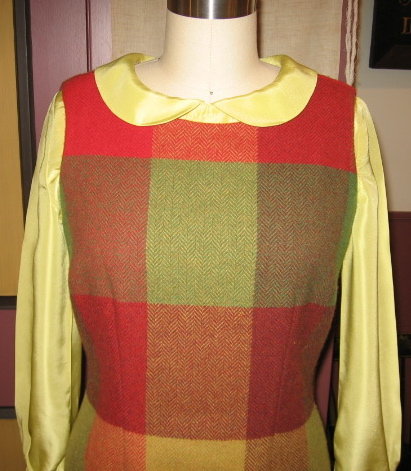
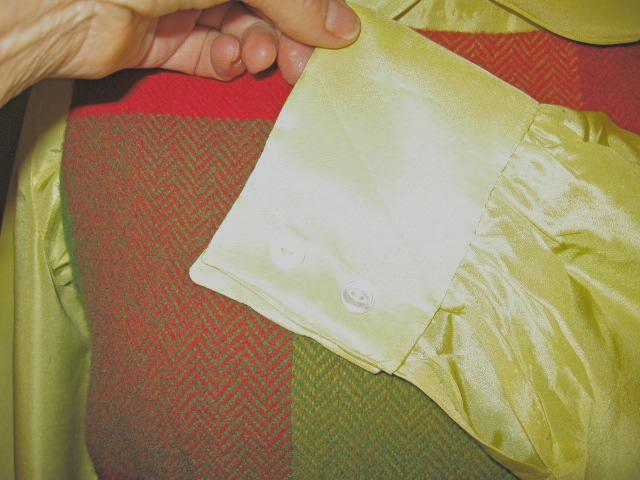
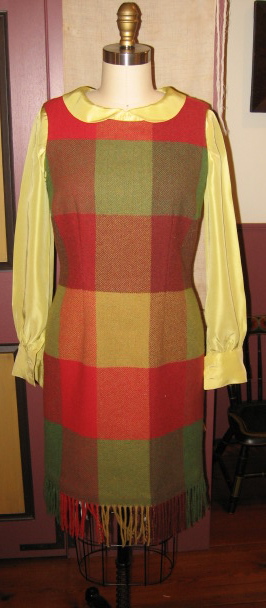
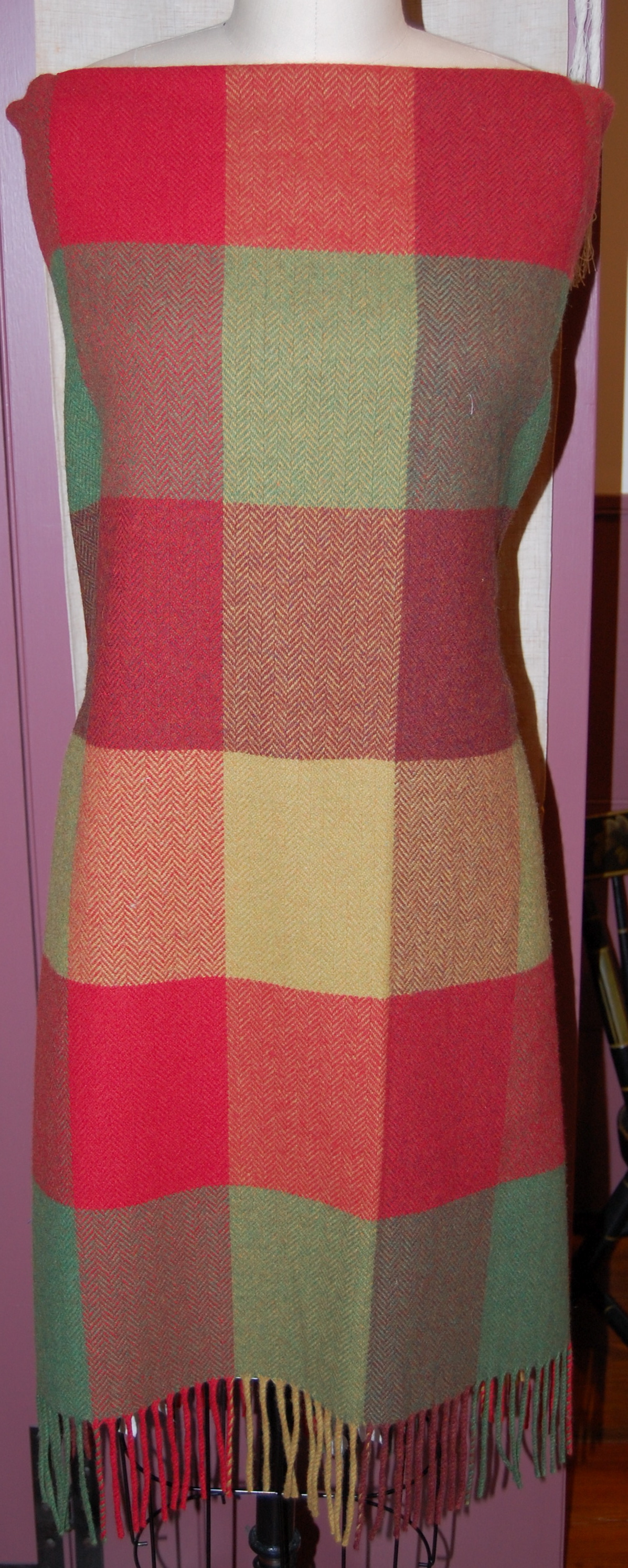
January Jumper blouse Interestingly, this pattern is from a narrow period of time when Vogue initiated their “new” sizing, which added a half-inch to sizes 8 and 10 in the bust and in the hip. I believe this new sizing was only in effect from about 1968 through about 1972 or ’73. In any event, it helps to date this particular pattern.  When I decided to make my blanket dress into a jumper, with a blouse matching the yellow lining, I went to this pattern for its good bones: darted fit, back opening, and pretty sleeves.

I re-cut the neckline so that it was wider, following the neckline on my completed jumper. The Peter Pan collar was too wide to my thinking, so I narrowed it by about an inch. Instead of using facings, I bound the raw neck edge with self bias binding. The hand-stitching on that is hidden beneath the collar.

January Jumper blouse

You can see the wider cut of the neckline of the blouse in this photo.

You can see the wider cut of the neckline of the blouse in this photo.

IMG_1073

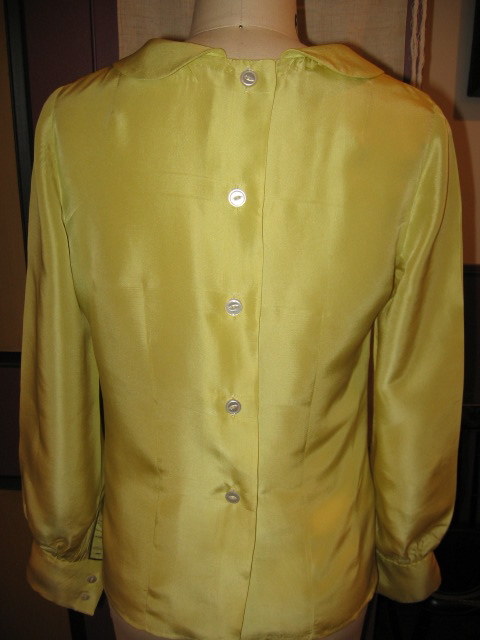
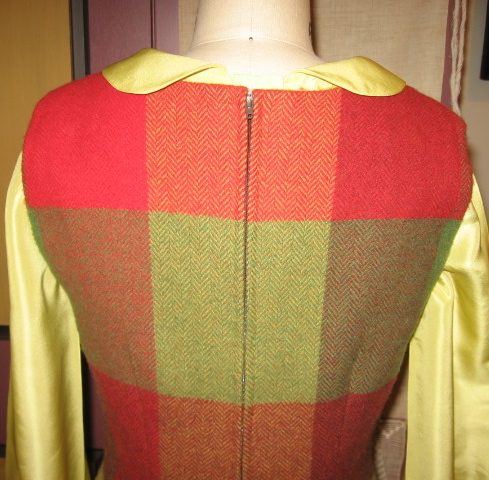
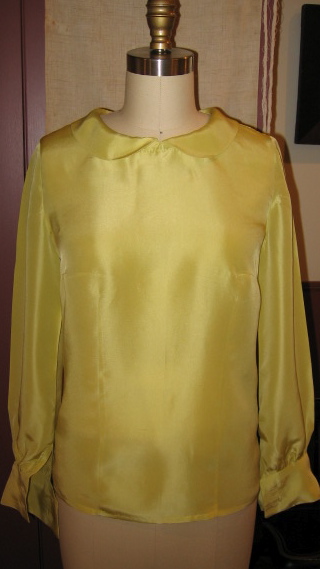
I added two inches to each of the the back seam lines so that I could button , rather than zip, the back, and I took a bit of the width out of the sleeves so they would be a bit less flow-y (is that a word?)

IMG_1069

The slightly fitted bodice helps it to lay without bulkiness underneath the jumper. I found vintage mother-of-pearl buttons in my button box, two smaller ones for each sleeve and five slightly larger ones for the back. Why it always give me satisfaction to use buttons I have on hand, I don’t know, but I was feeling quite delighted with my finds!

IMG_1077

Unfortunately, I am having problems with the main lens I use for my camera, so I had to resort to my old “point and shoot” for these photos, which makes them adequate, but that’s about all. Also, I’ll have to add photos of me actually wearing my new jumper and blouse at a later date, due to this inconvenience. My apologies…

January Jumper and blouse

Less than a month ago, when I was “planning” out 2015’s sewing, I did not envision that January would also produce a blouse to wear with my blanket dress. But that is one of the charms of fashion sewing – the spontaneity of a project that says “Me, Me, choose Me!” And so I did, and I am not only happy with the result, but delighted to have a tried and true “good bones” blouse pattern to use again and again, whether in the plan or not.

18 Comments

Filed under Blouses, Buttons - choosing the right ones, Love of sewing, sewing in silk, Uncategorized, vintage buttons, vintage Vogue patterns from the 1970s

The Year of Magical Sewing

“Just around the corner in every woman’s mind – is a lovely dress, a wonderful suit, or entire costume which will make an enchanting new creature of her.”                                                               —  Wilhela Cushman

For those of us who sew, this statement takes on extra meaning, as it is in our power to create that lovely dress, wonderful suit or entire costume. But have you ever thought about the process of sewing – and how magical it is?   Magical in the sense of being “mysteriously skillful, effective, and enchanting” (as Webster defines one meaning of magic).   I love that I can start with a piece of fabric – or a pattern – or an idea spawned by something I have seen and admired – and, using skills I have learned, proceed to actually make my own interpretation. It’s a remarkable process, when you really take the time to think about it. So I am dubbing this year, 2015, for me, as The Year of Magical Sewing, with emphasis on the transformational qualities and joys inherent in fashion sewing.

So what do I have planned for my year of magical sewing? I am beginning the year with several new vintage patterns in my collection, which are inspiring me no end. Add to that some amazing fabric selections, both vintage and new, and I am already certain I’ll never complete every thing I’d like to!  So – here is a general outline for 2015:

It is always easiest for me to segment the year into its seasons as I think about what I’d like to sew. Starting with Winter, I have two wool projects which will take me into March, I am sure: One is my fringed “blanket” dress, currently underway in my Sewing Room. After that I will be sewing with a piece of navy blue cashmere, from which I hope to squeak out a dress and jacket. (Valentine’s Day will find me interrupting my wool projects to make a sweet treat or two for granddaughter Aida.)

With any luck, I'll soon be wearing my blanket dress.

With any luck, I’ll soon be wearing my blanket dress.

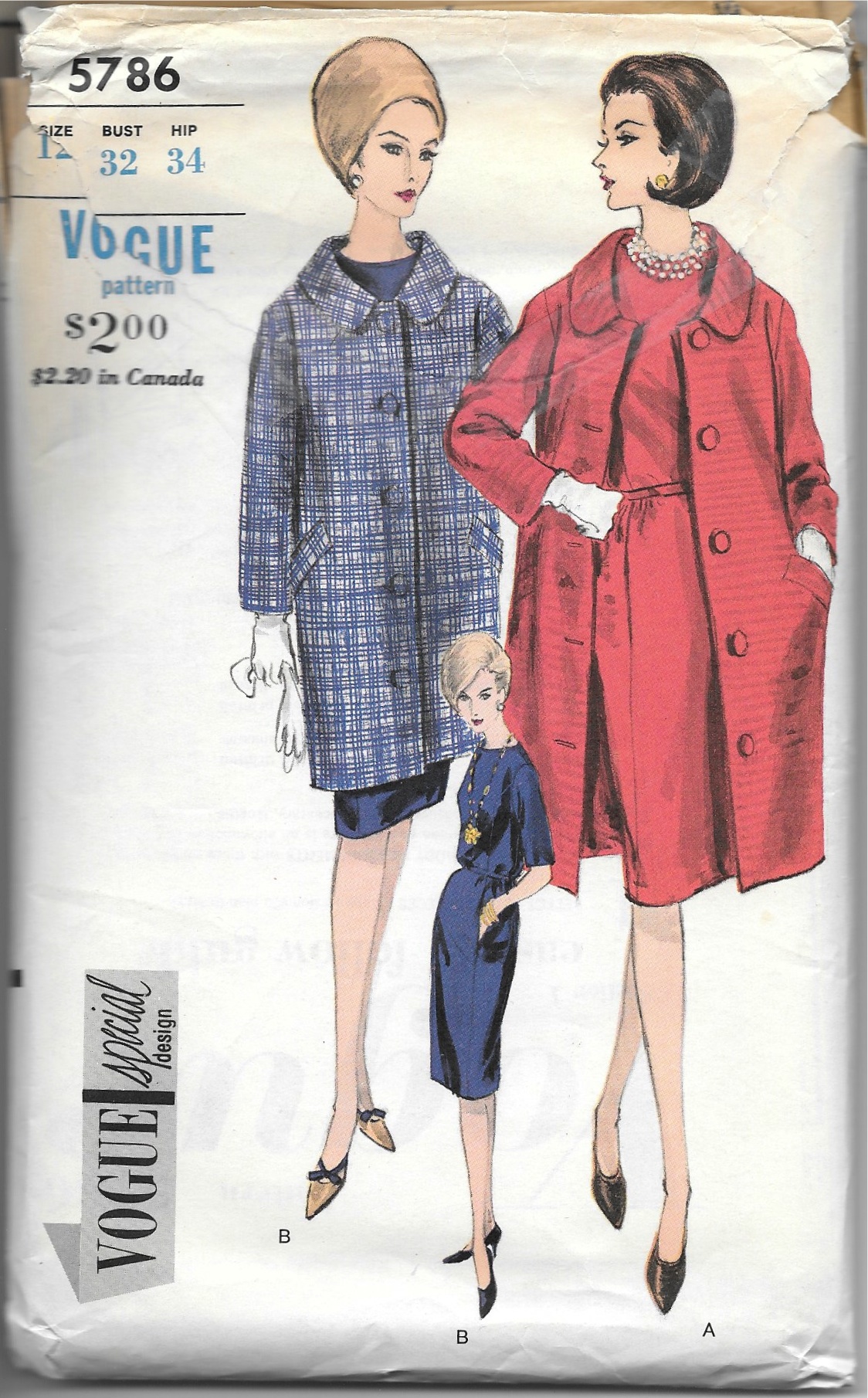
Spring is especially enticing to consider. Somehow I have become obsessed with dress and coat ensembles. Here are two patterns which would make up into “Spring” coats and coordinating dresses. I definitely will be using vintage linen for one of these two-part looks.

I love the knee length coat, although I may substitute another pattern for the coordinating dress.

I love the knee length coat, although I may substitute another pattern for the coordinating dress.

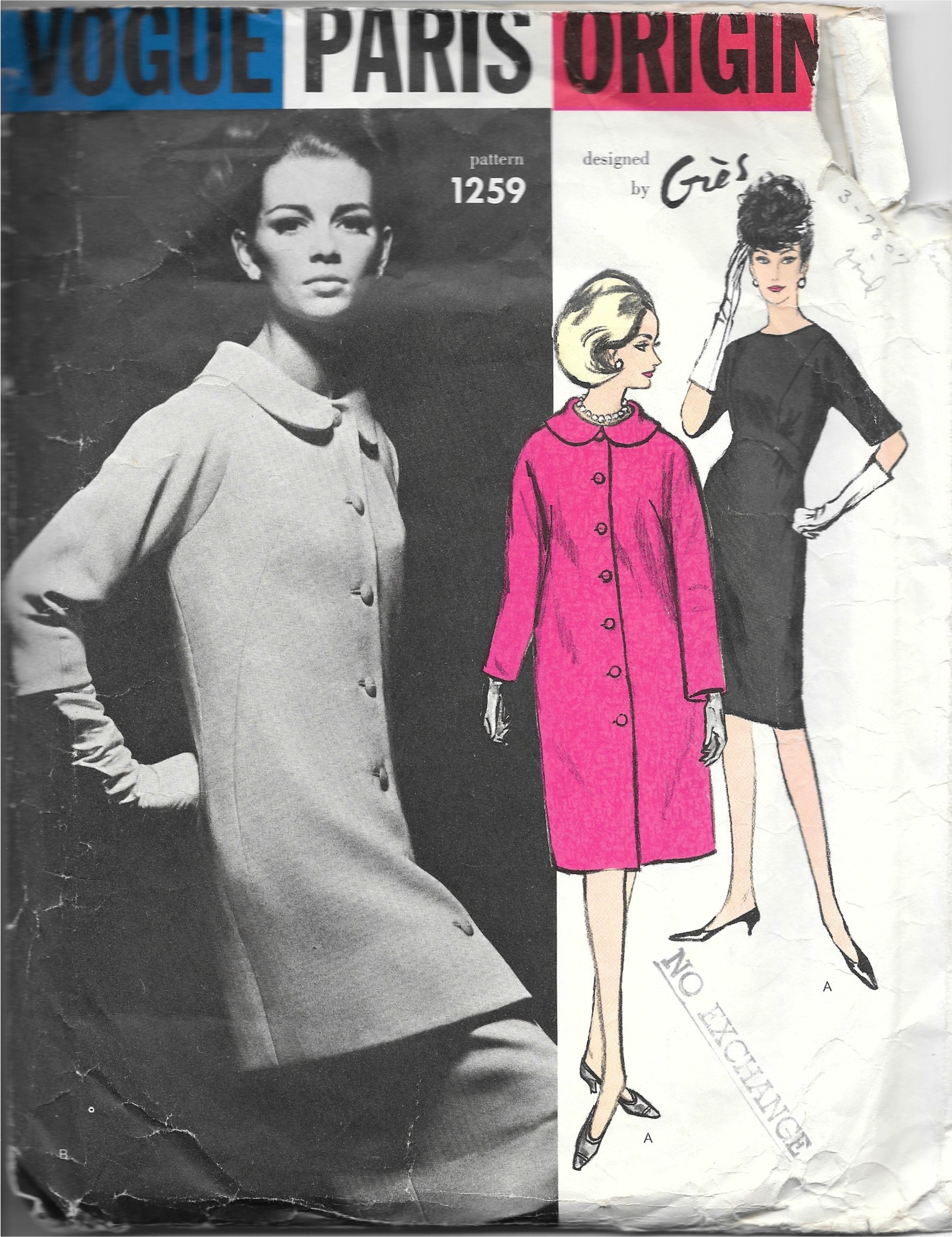
Or I may decide to use this Madame Gres design fopr a coat and dress.  The coat has very unusual darts along the side, which you may be able to see here.

Or I may decide to use this Madame Gres design for a coat and dress. The coat has very unusual darts along the side, which you may be able to see here.

Another Diane von Furstenberg wrap dress is also on my agenda for late Spring/early Summer. Thanks to one of my readers, I was able to purchase some authentic Cohama DvF fabric, so I am excited to contemplate the beginning of this dress.

Circa 1976, this fabric is still soft and lovely.

Circa 1976, this fabric is still soft and lovely.

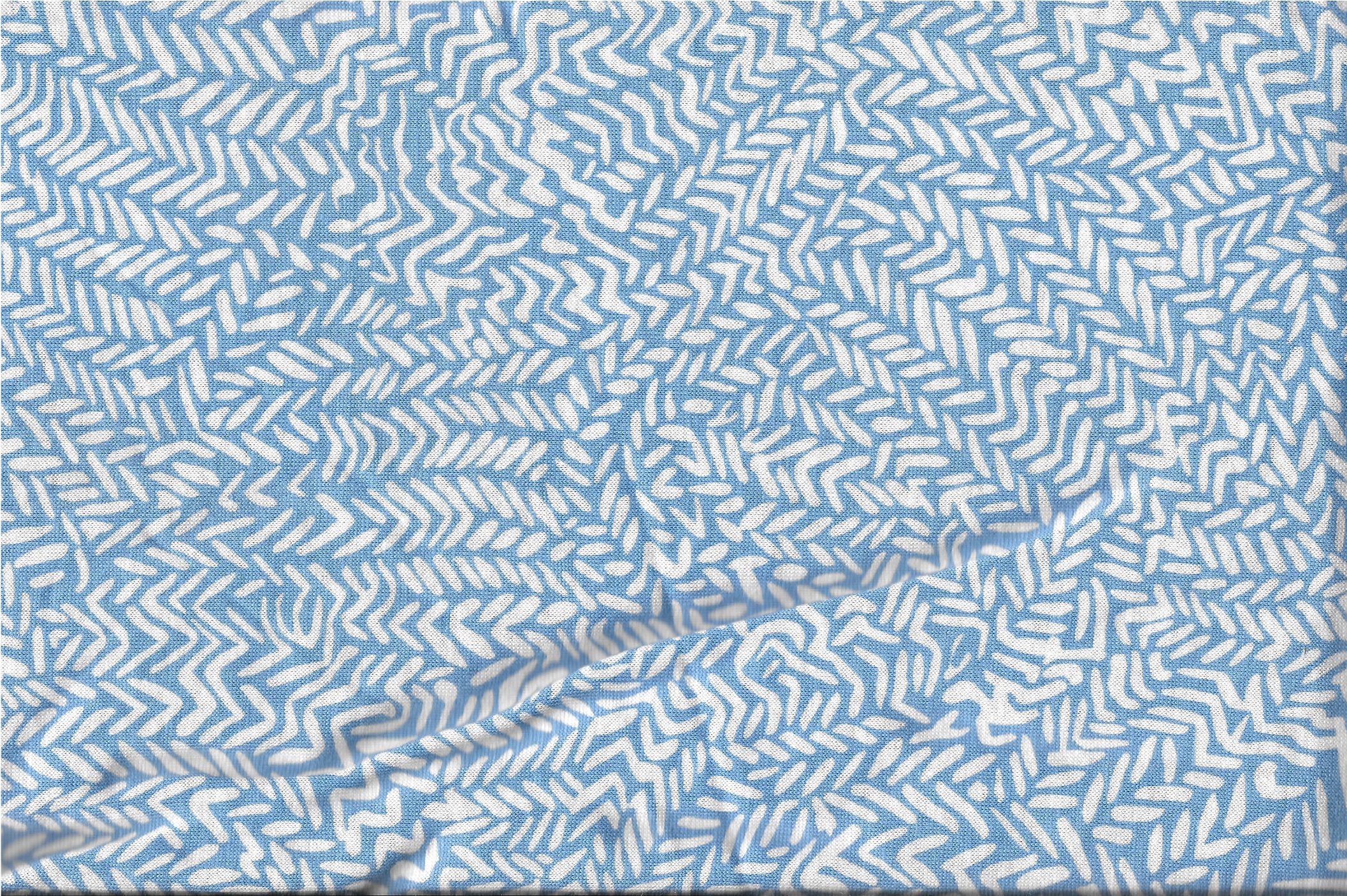
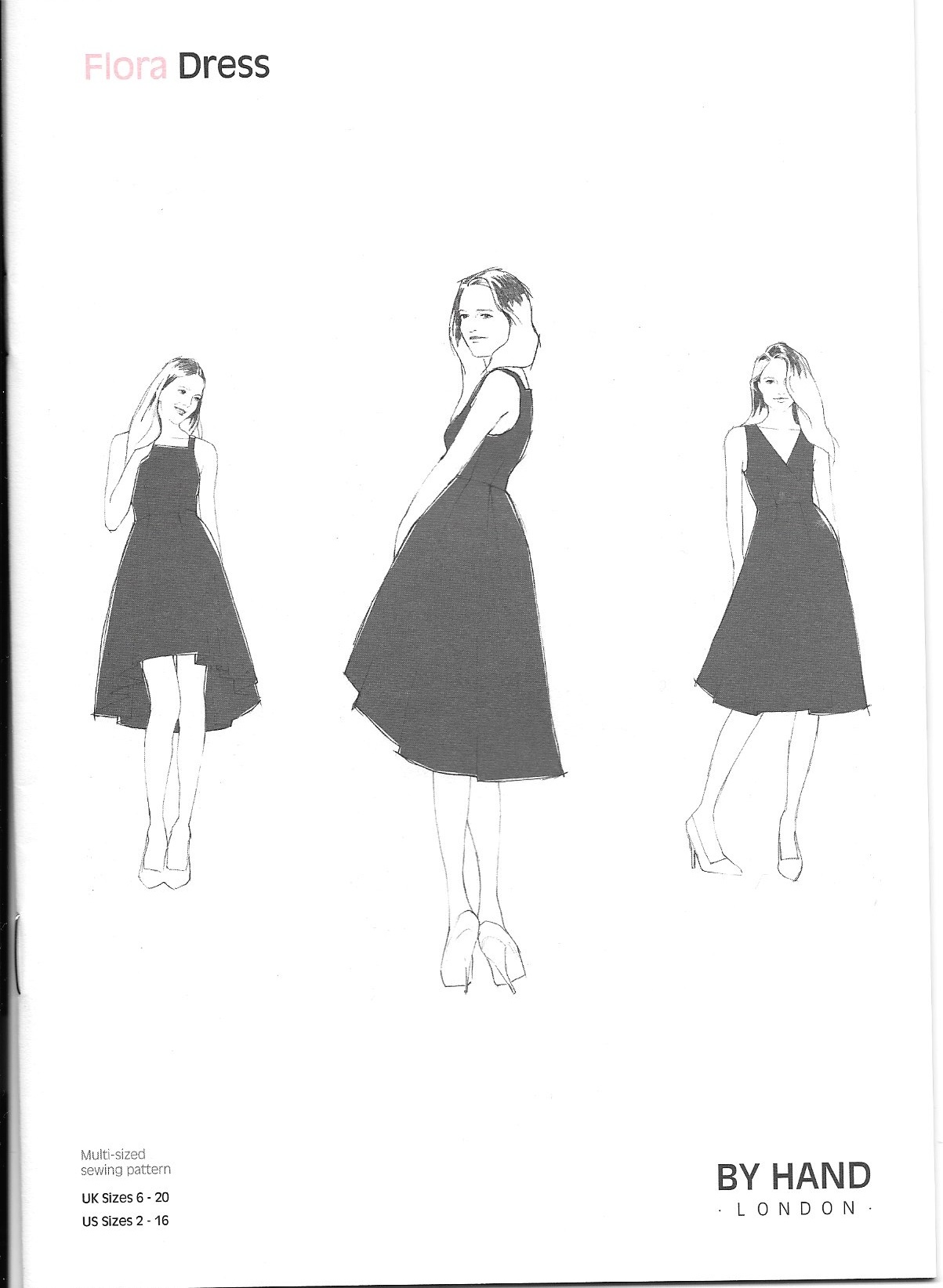
Summer will find us traveling quite a bit, so I am trying to be realistic about the time I’ll have to sew. If I can get one “fancy/formal” dress made, I’ll consider it a success. I might be using this By Hand London “Flora” pattern with this fabric, unless, of course, I change my mind.

Aspects of this pattern remind me of classic Balenciaga.  I'll have to make the skirt longer, however...

Aspects of this pattern remind me of classic Balenciaga. I’ll have to make the skirt longer, however…

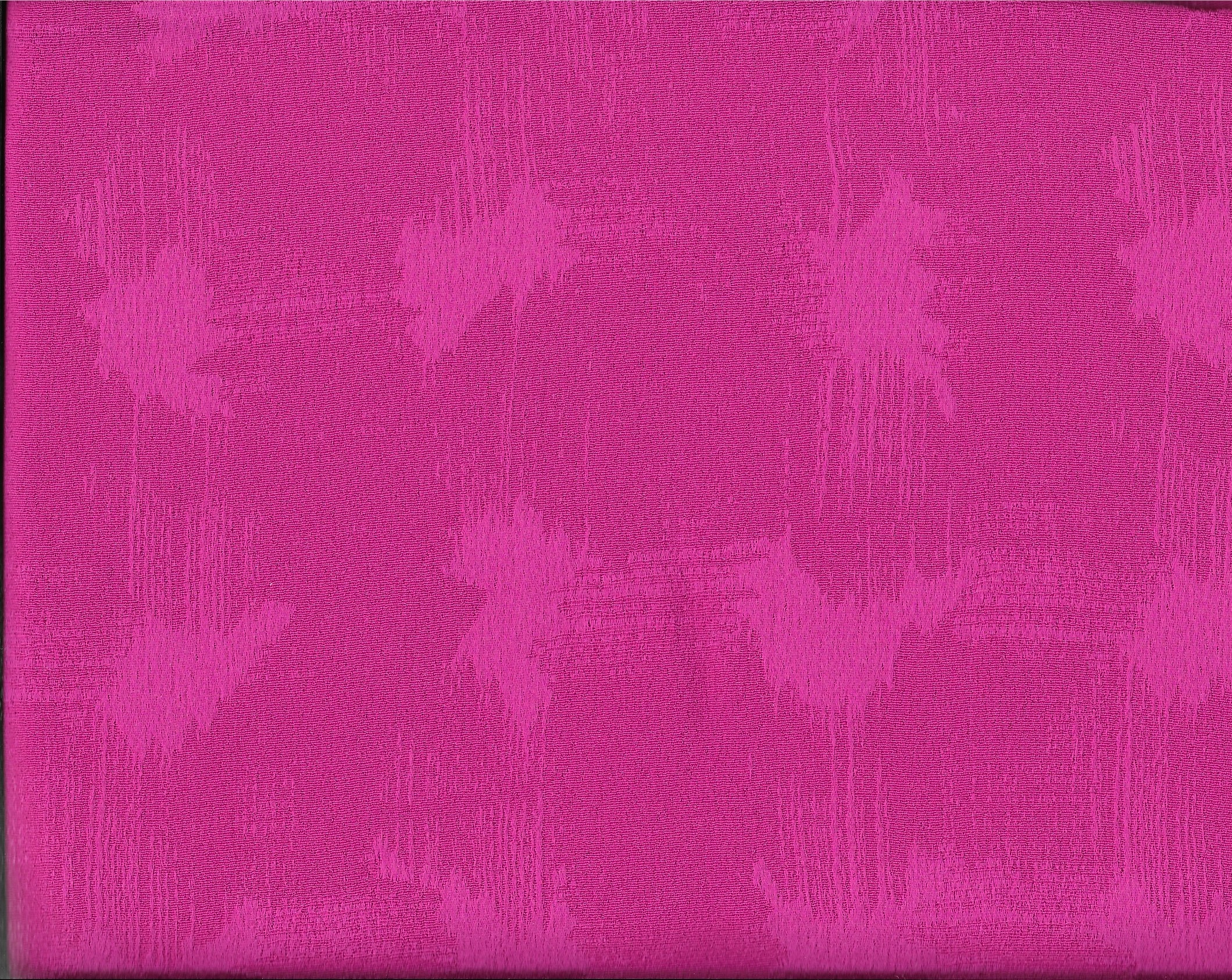
I watched this fabric on the website of Britex Fabrics for months, and finally decided I had to have it.  It is silk charmeuse, very soft with the abstract design woven in.

I watched this fabric on the website of Britex Fabrics for months, and finally decided I had to have it. It is silk charmeuse, very soft, with the abstract design woven in.

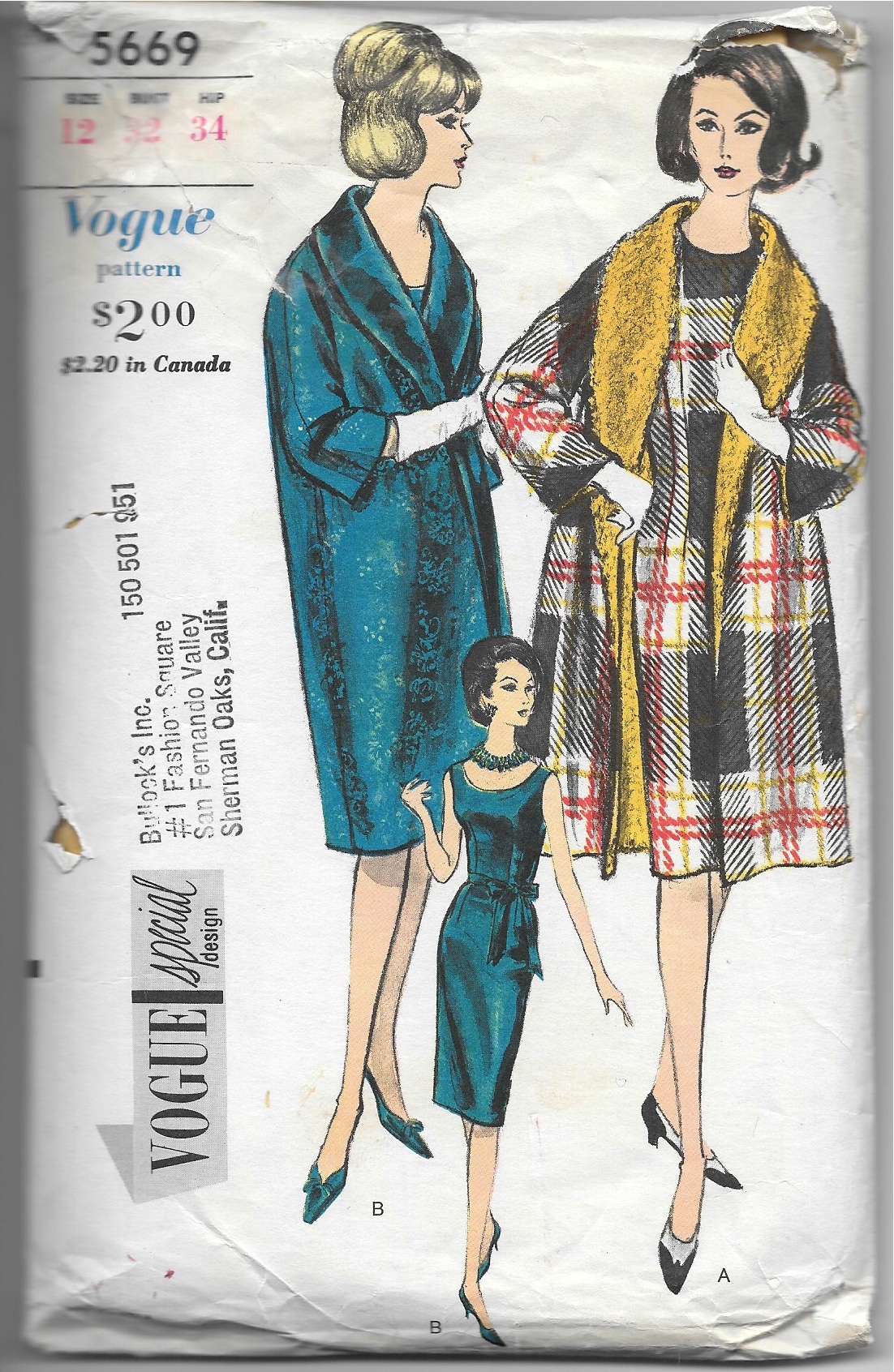
Fall will once again find me thinking coats and dresses. One of these two patterns will probably get the nod for a Fall/Winter ensemble:

I love both the coat and the dress (with two variations) featured in this pattern.

I love both the coat and the dress (with two variations) featured in this pattern.

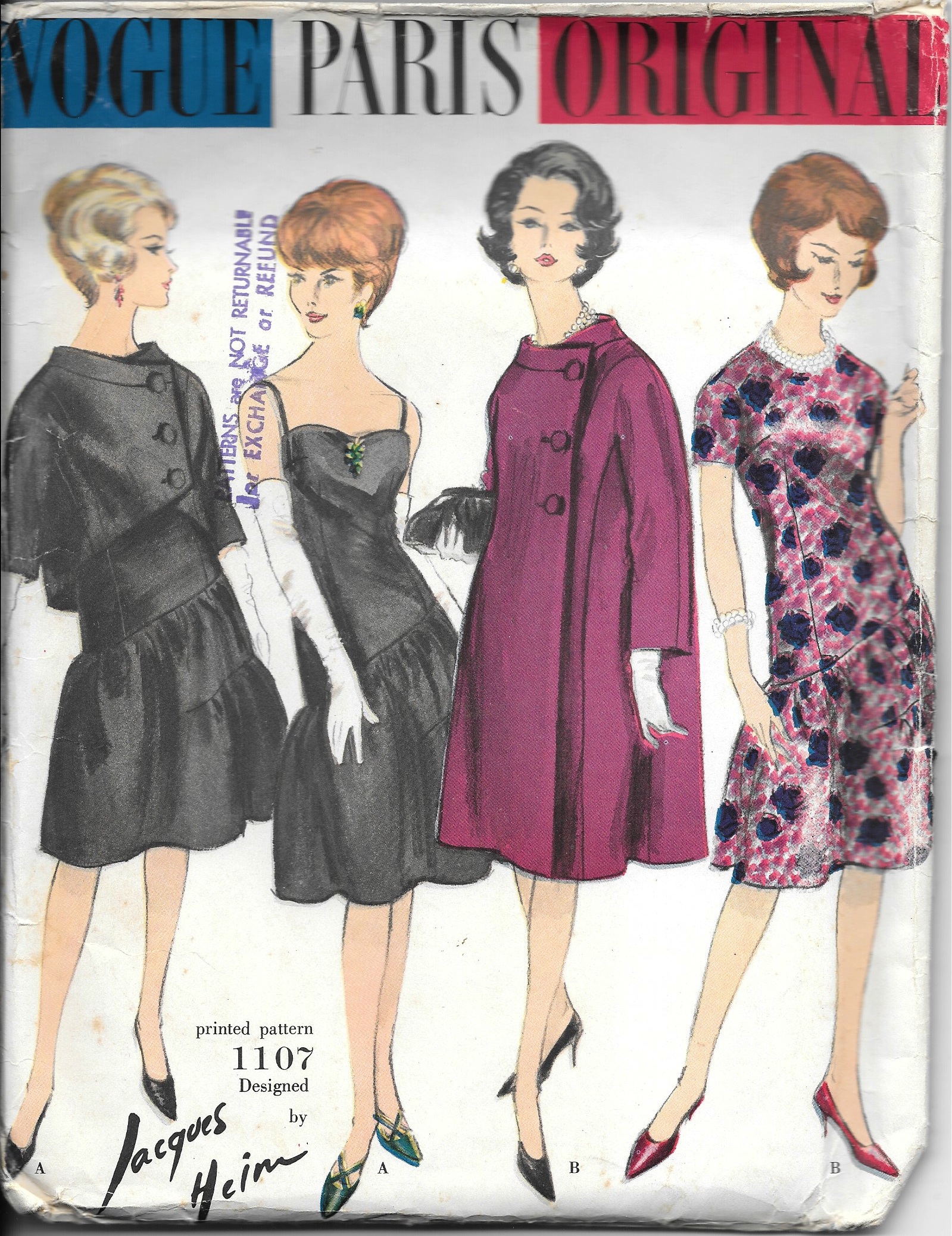
This Jacques Heim design has very unusual seaming in the skirt.  And the short jacket looks like it would be very flattering.  However, this pattern needs just the perfect fabric to showcase the design.

This Jacques Heim design has very clever seaming in the skirt. And the short jacket looks like it would be very flattering. However, this pattern needs just the perfect fabric to showcase the design.

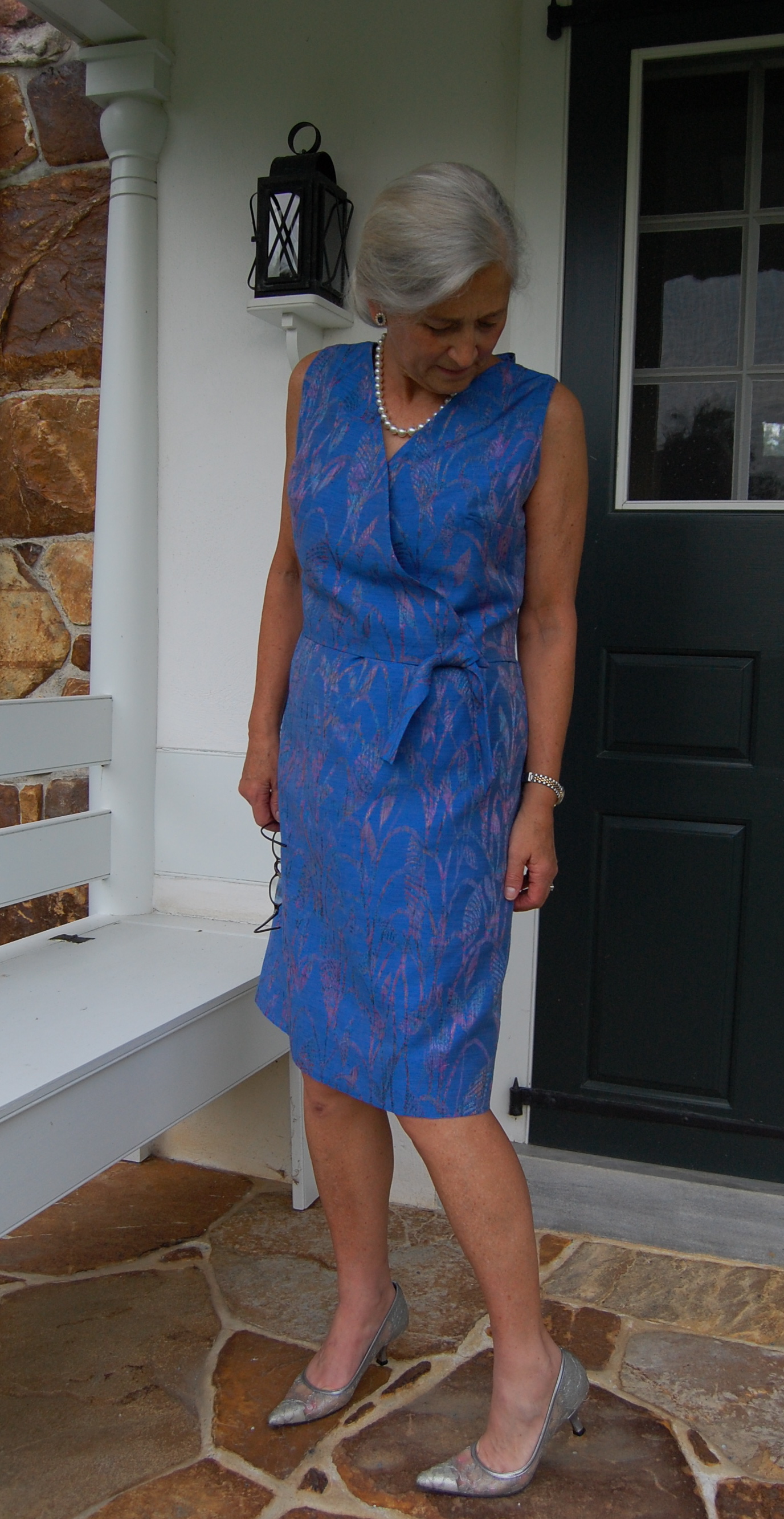
And I am still looking for the perfect fabric with which to make the coordinating coat for this dress which I completed last Fall:

The Year of Magical Sewing

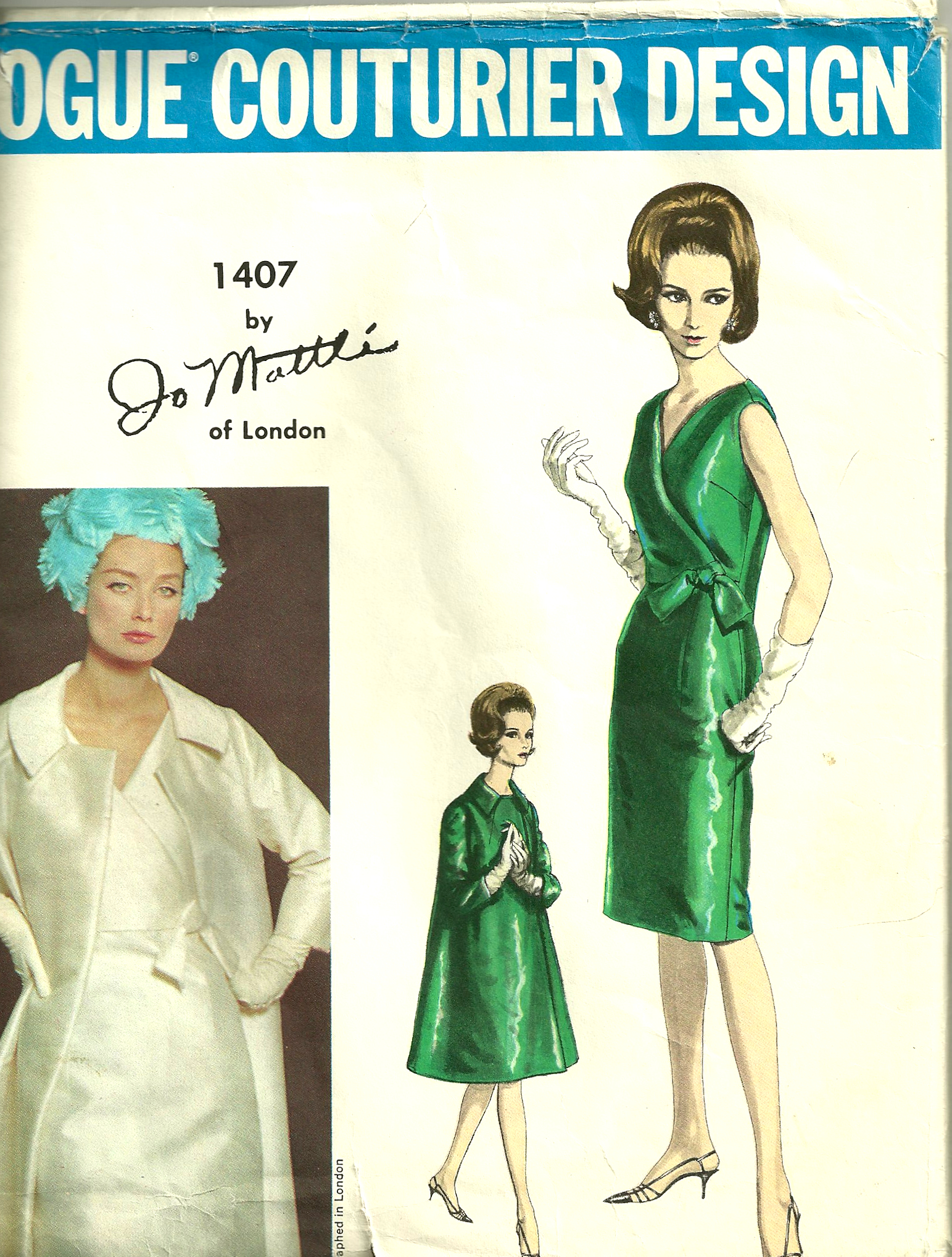
And here is the Mattli pattern showing the coat...

And here is the Mattli pattern showing the coat.

And then there is that baby quilt I want to make for “number 2” grandchild…   And more little dresses to make…

Perhaps the real magic of the year will be in completing even half of all I’d like to sew?  Here’s hoping that what is just around the corner for you, my readers, in 2015, holds its own magic and enchantment!


23 Comments

Filed under Coats, Love of sewing, Uncategorized, Vintage fabric, vintage Vogue Designer patterns, vintage Vogue patterns from the 1960s, Wrap dresses

“This is your mission, should you choose to accept it.”

Those of you who are sewing bloggers and/or readers of sewing blogs are probably aware of a “survey” of sorts which is quietly and slowing making the rounds of those of us who share this interest. The survey is a simple list of questions which explores the relationship between sewing and one’s blog. I have been enjoying reading other bloggers’ thoughts on this relationship, most recently those of Mel of Poppykettle. Mel is surely world famous by now for her exquisite wedding gown which, of course, she made, as well as the gowns for her attendants. Now, I have never met Mel (although I hope to someday!), but I can tell she is just as charming and fun and genuine as the delightful blog which she writes. Knowing this made it even more flattering for me that she nominated me to expound on these same questions. So, I “accepted” the mission and here goes…

What am I working on?

As the sun-filled days steadily get shorter and shorter here in the northeastern part of the United States, and the morning and evening air begins to shiver a bit, I have mentally packed away my Summer sewing and am switching over to my favorite season of all – Autumn. As much as I love this time of year, I find that my wardrobe generally is sparse for Fall apparel. Last year, I made a Diane von Furstenberg knock-off wrap dress that was – and still is, of course – perfect for Fall.

DSC_1022 So it should come to no one’s surprise that I want to add one or two more Fall-appropriate dresses this year. I have just begun work on the muslin for a silk dress, using a Vogue pattern from the 1980s (which is somewhat of a shock, since I consider that decade, for the most part, a vast fashion desert!) The silk is Italian, purchased from Mendel Goldberg in New York City. This dress should be ideal for Autumn, assuming I finish it before we’ve moved into Winter!

Fabric for my current project.

Fabric for my current project.

Why do I write?

Now that is a good question! Unfortunately for you, my readers, the answer to that has multiple parts, and I hope I won’t bore you! First and foremost, I really, really love to write. I like to put words together. I like to try to make sentences clear but colorful and evocative. (I am not nearly as good at “explaining” procedures or techniques, although I know I need to do so occasionally.)

Second, I love to tell a story. I’m not sure how it happens, but it often seems that my sewing projects have inherent stories to them. Sometimes it’s about the pattern, sometimes it’s about the fabric, sometimes it’s about a long-fulfilled sewing dream of mine (left over from the ‘50s, ‘60s or ‘70s!), sometimes it’s about the accessories, and sometimes it’s a combination of all of these things. Writing and telling stories about my sewing helps to give it another layer of meaning.

Third, writing and sewing are very, very similar. Both involve great expanses of solitary endeavor, engineering (of words or patterns and cloth), creativity, sense of style, striving for excellence of technique, and tenacity. However, both have a friendly and supportive communal aspect to them as well, when shared with others of the same interest. And – both sewing and writing are goal-oriented pursuits, perfect for my personality type!

Finally, I must give credit to my daughter, Susanna, who gave me the inspiration to start a sewing blog. An exceptional writer, Susanna had her own blog for a while, and her encouragement to me made all the difference.

How does my blog differ from others of its genre?

Answering this question reminds me of the beginning sentence of Tolstoy’s Anna Karenina: “All happy families are alike; each unhappy family is unhappy in its own way.” Except that there is nothing unhappy about sewing blogs! I think my interest in the fashions and vintage patterns of the ‘50s, ‘60s, and ‘70s helps to differentiate my blog from many others. I really enjoy making connections between mid-century fashions and the fashions of today. The fact that I can make a dress using a 50-year-old pattern (or 50-year-old fabric!) and have it look totally current continues to amaze me – and sharing this excitement hopefully makes my blog just a little bit unique.

How does my writing process work?

I wish I had a magic formula to share! Fortunately, sewing is a slow process, at least for me, so I have lots of time to think about writing while I stitch away. I sometimes make notes to myself (and take photos, of course) while sewing and sometimes I wish I had made notes and taken more photos! I usually try to do a little research on the pattern (or fabric) I am using, to help “tell the story”. I actually often start with a title for my post, which can sometimes take a lot of thought and time. That small detail usually sets the narrative for me, so that I am able to proceed with the story. One thing I try to do is keep my posts to a reasonable length (a guideline I am not following right now…). Because of this, I do a lot of editing during and after the writing process.

Nominate!

Now comes the fun part – and difficult part, too. Fun because I can nominate two fellow sewing bloggers to participate in this same survey, and difficult because there are so many interesting and talented bloggers about whom I would love to learn more. However, two talented dressmakers whose blog posts I never want to miss are my nominees: Janene of ooobop and Brooke of Custom Style. Of course, you, Janene and Brooke, are under no obligation to participate, but I do hope you will accept the “mission”!


18 Comments

Filed under Love of sewing, Uncategorized

The Long and Mysterious Journey of Sandhurst 121

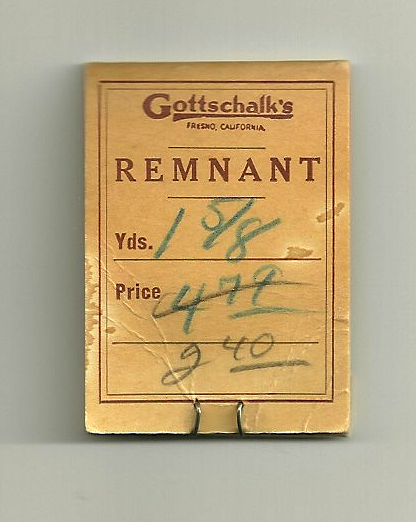
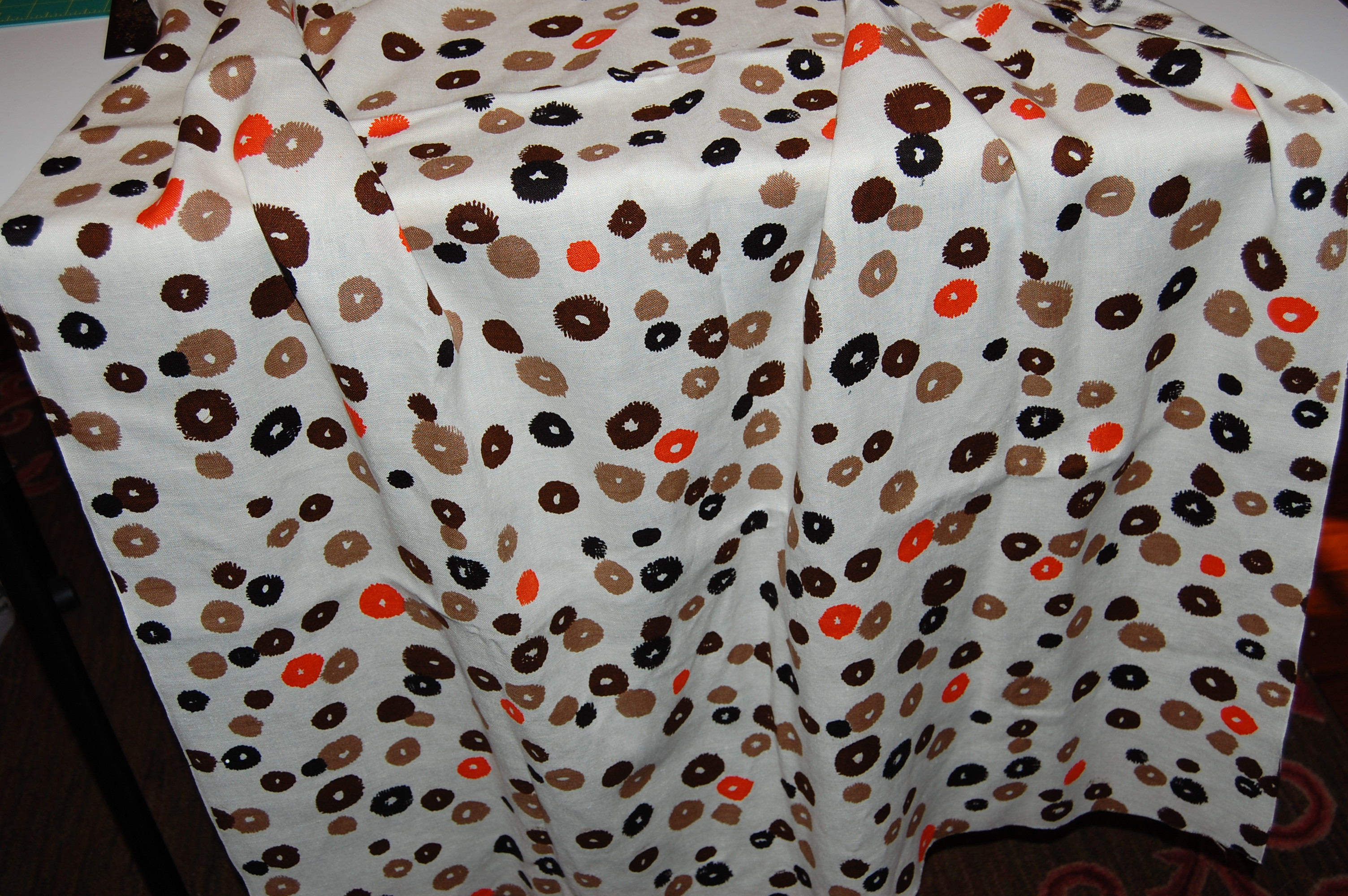
When the piece of linen I had purchased arrived in the mail, I was not sure what to expect. I had bought it with the hope that it was, indeed, a piece of Moygashel linen, but I had nothing to go on except an educated hunch. I knew it was an early piece of fabric, as its width was 35”, a common width for pre-1960’s dress-goods. I liked the design in the photo from which I made my decision, although it was not a colorway to which I normally gravitate. Upon opening the package, I found the only identifying mark on the fabric to be this tag:

Gottshalk's in Fresno, California obviously sold fine fabrics.

Gottschalk’s in Fresno, California obviously sold fine fabrics.

This short length of fabric had been on the remnant table, and, being too good of a bargain to pass by, some home dressmaker in California (USA) scooped it up with all good intentions of making something out of it someday. It must have lived in a dark drawer somewhere, carefully buffered from stains and yellowing. It didn’t even have much of a crease in it. And so, after many years in dormancy, it arrived at my home in Pennsylvania. I knew immediately that it was a Moygashel linen. I could tell by the hand of the fabric, the unique, slightly funky design, and by its amazing survival virtually wrinkle-free.

Sandhurst 121

As I mentioned in a former post, my only dilemma was the scant yardage, combined with the narrow width. So, I stuck it in my fabric closet, to think about another day. One thing nagged at me, however. I really, really wanted to know what year it was from.

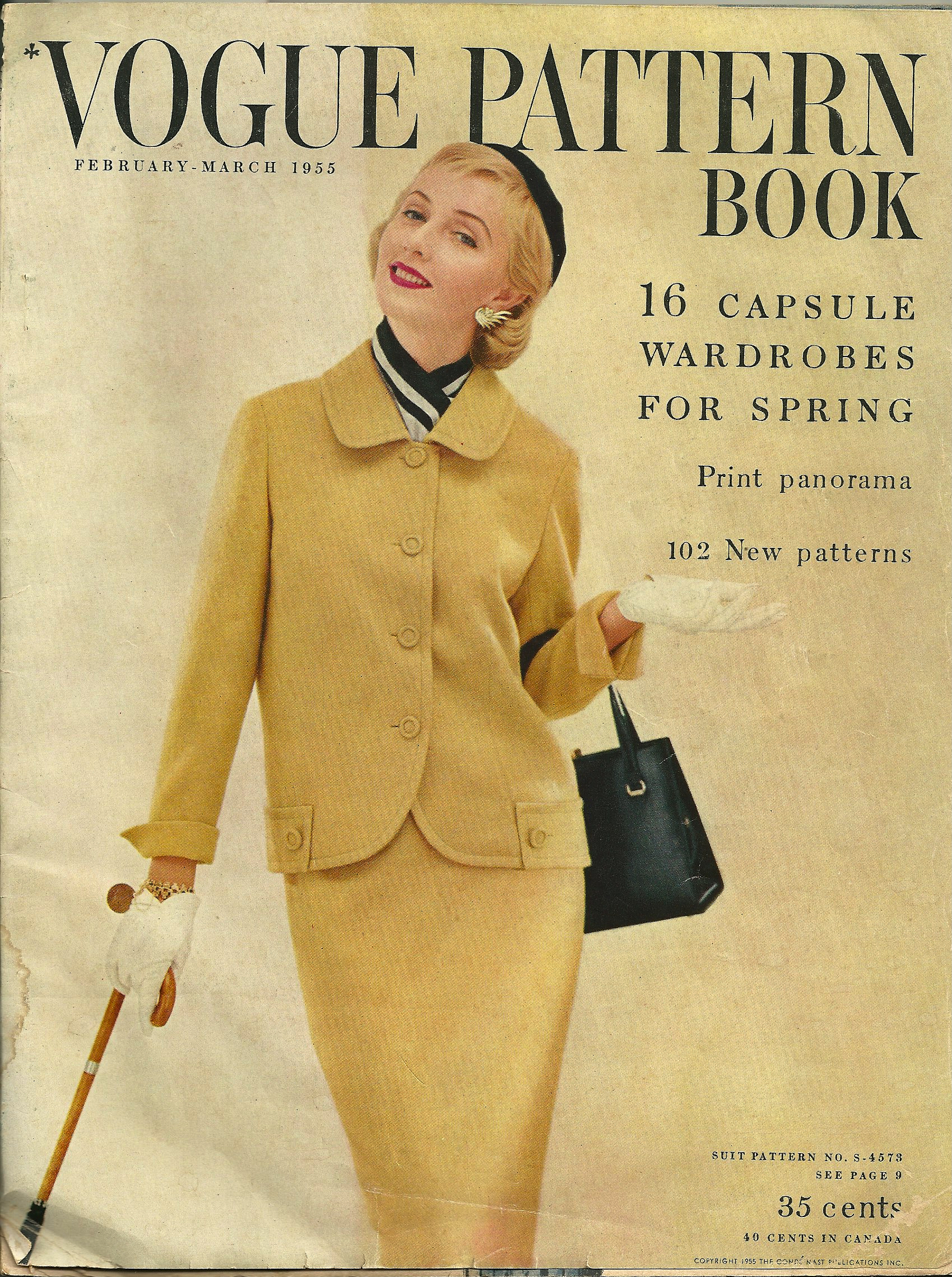
Over the past three years or so, I have had some luck in finding copies of old and older (1950-1980) Vogue Pattern Book Magazines. They are fascinating, and treasure troves of mid-century fashion as it relates to home sewing. I have tried to get a good cross-section of magazines from those three decades. One issue, which I tried a couple of times to get – and did not (on eBay) – finally became available to me. I loved the suit on the cover, and those mid-fifties styles are just so chic, even though most Vogue patterns from that time period were unprinted, and therefore, very difficult to use. (By 1957, Vogue was starting to produce many of their patterns in printed and perforated format.)

This is the February/March 1955 issue.

This is the February/March 1955 issue.

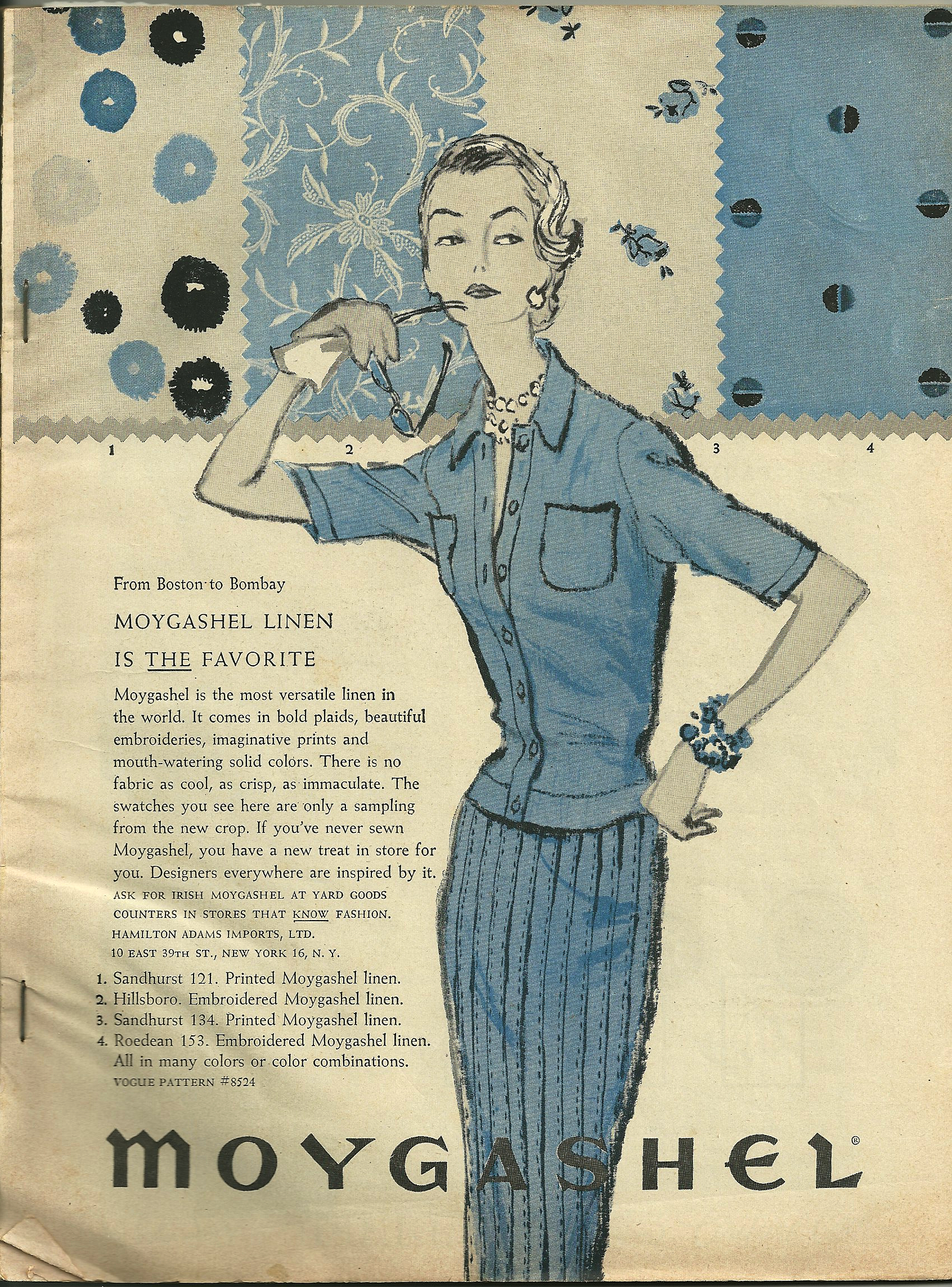
Perhaps you can see where I am going with this? I was looking through this particular issue once again in May of this year, and low and behold, a full-page ad for Moygashel linen clearly pictured “my” linen as one of their “new crop”. The colorway was different, but Moygashel was known for producing their fabrics “all in many colors or color combinations.” Maybe a lot of people wouldn’t get so excited about such a discovery, but I was ecstatic! Now I knew, for certain, that the linen I had purchased made its debut in early 1955. (I would be turning 5 years old a little later that year!) I even had a name for it now – Sandhurst 121. I suddenly very much wanted to sew this linen, this Summer!

There is my linen in the upper left hand corner of the full-page advertisement.

There is my linen in the upper left hand corner of the full-page advertisement.

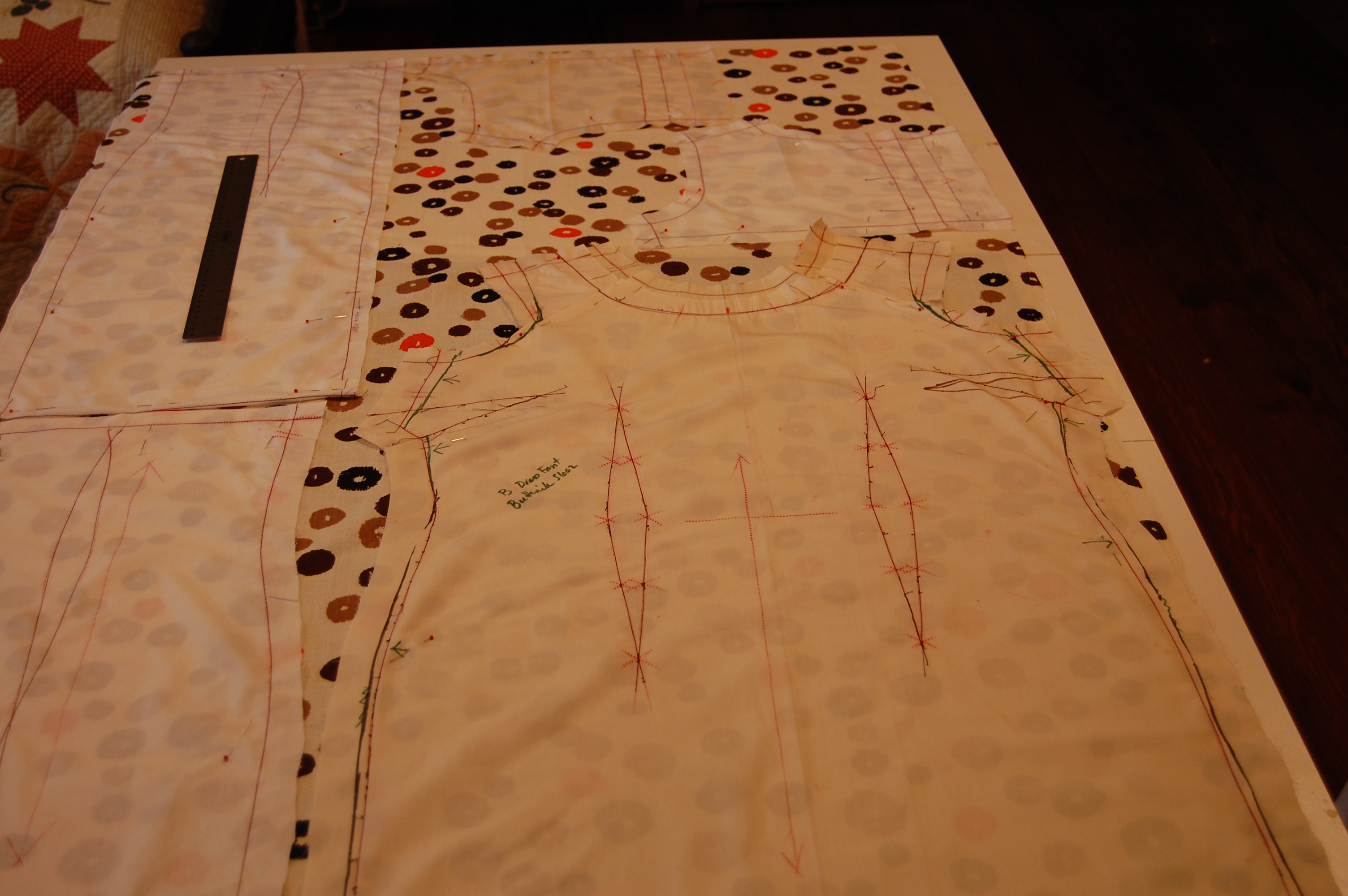
By now, many of you know that I determined to make a sheath dress out of this scant yardage of fabric, and in order to do so, I had to reconfigure my sheath dress pattern to include a back yoke. Here’s the fabric layout, which hopefully will show how sectioning the back enabled me to fit the pattern on the available fabric:

The fabric is shown 35" flat on my cutting table.  The muslin pattern piece for the front of the dress is on the right, and the two shortened back pieces are lined up smack against each other on the left.  The yoke pieces then fit above the dress front.  I did not need facings, as I lined the entire dress in a light weight linen/cotton blend, and finished the neck and armholes all by hand.

The fabric is shown 35″ flat on my cutting table. The muslin pattern piece for the front of the dress is on the right, and the two shortened back pieces are lined up smack against each other on the left. The yoke pieces then fit on the fabric  above the dress front. I did not need facings, as I lined the entire dress in a light weight linen/cotton blend, and finished the neck and armholes all by hand.  I had to face the hem as I did not have enough fabric to do a self hem!

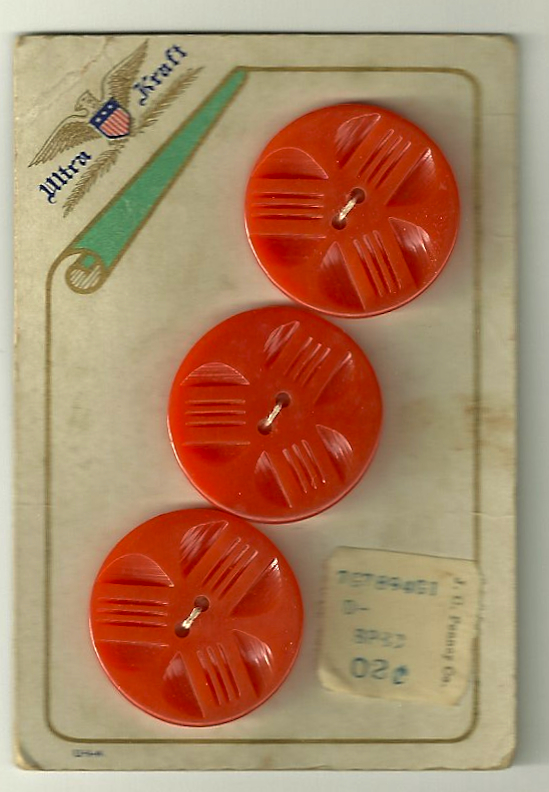
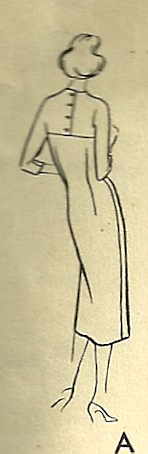
Many of you also know that fortune shone her happy face again on this project when I found three orange vintage buttons, which I knew would help make a back yoke far more interesting. I relied on a Vogue pattern from 1957, which has a back yoke to help me with this reconfigure.

This card of buttons cost 2 cents originally!  They seem to mimic the small orange explosions on the dress fabric.

This card of buttons cost 2 cents originally! They seem to mimic the small orange explosions on the dress fabric.  They may actually be even earlier than the fabric.

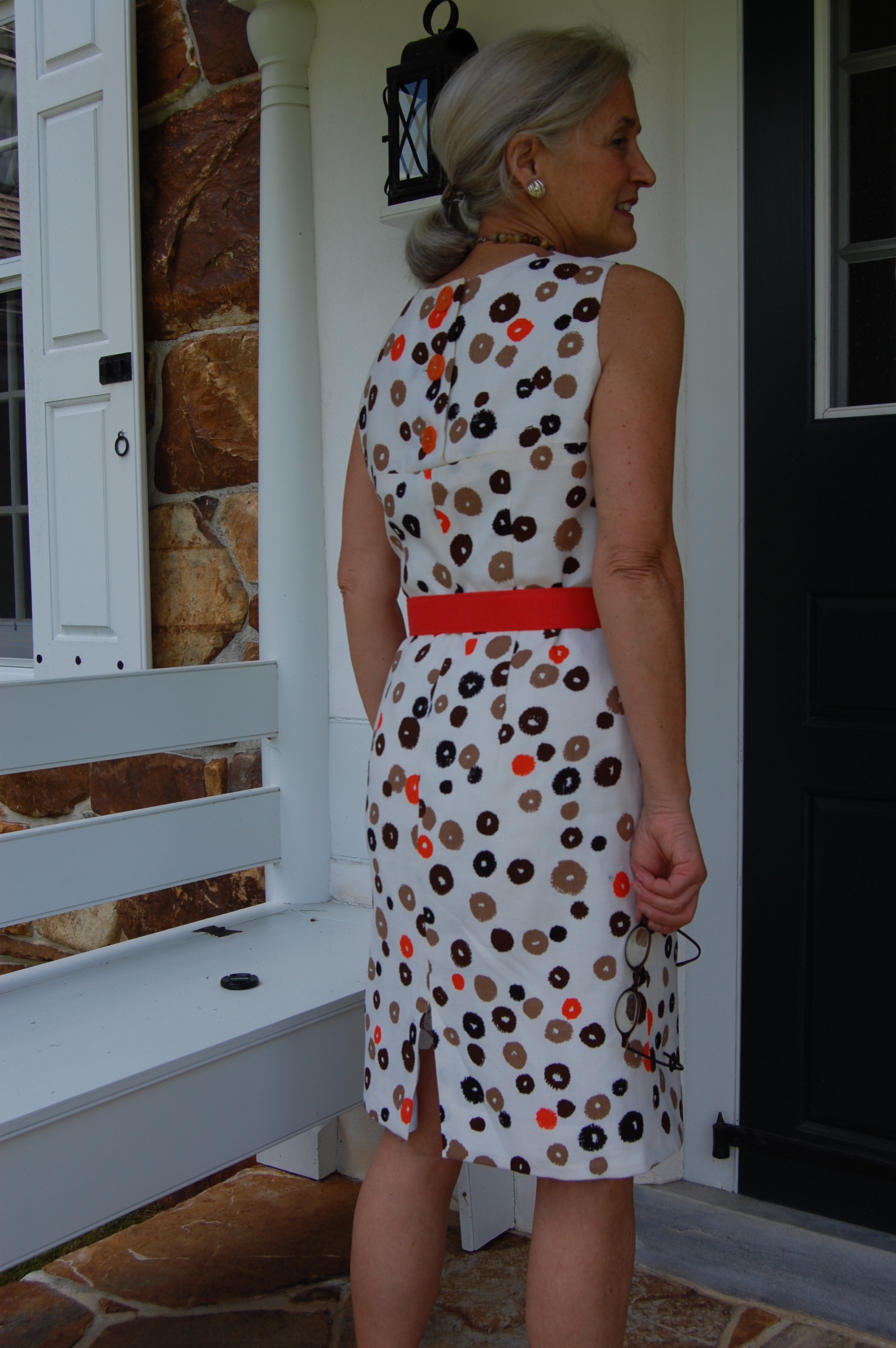
The yoke on this dress uses 4 buttons.  I only had three, but their large size still makes the proportions work well.

The yoke on this dress uses 4 buttons. I only had three, but their large size still makes the proportions work well.

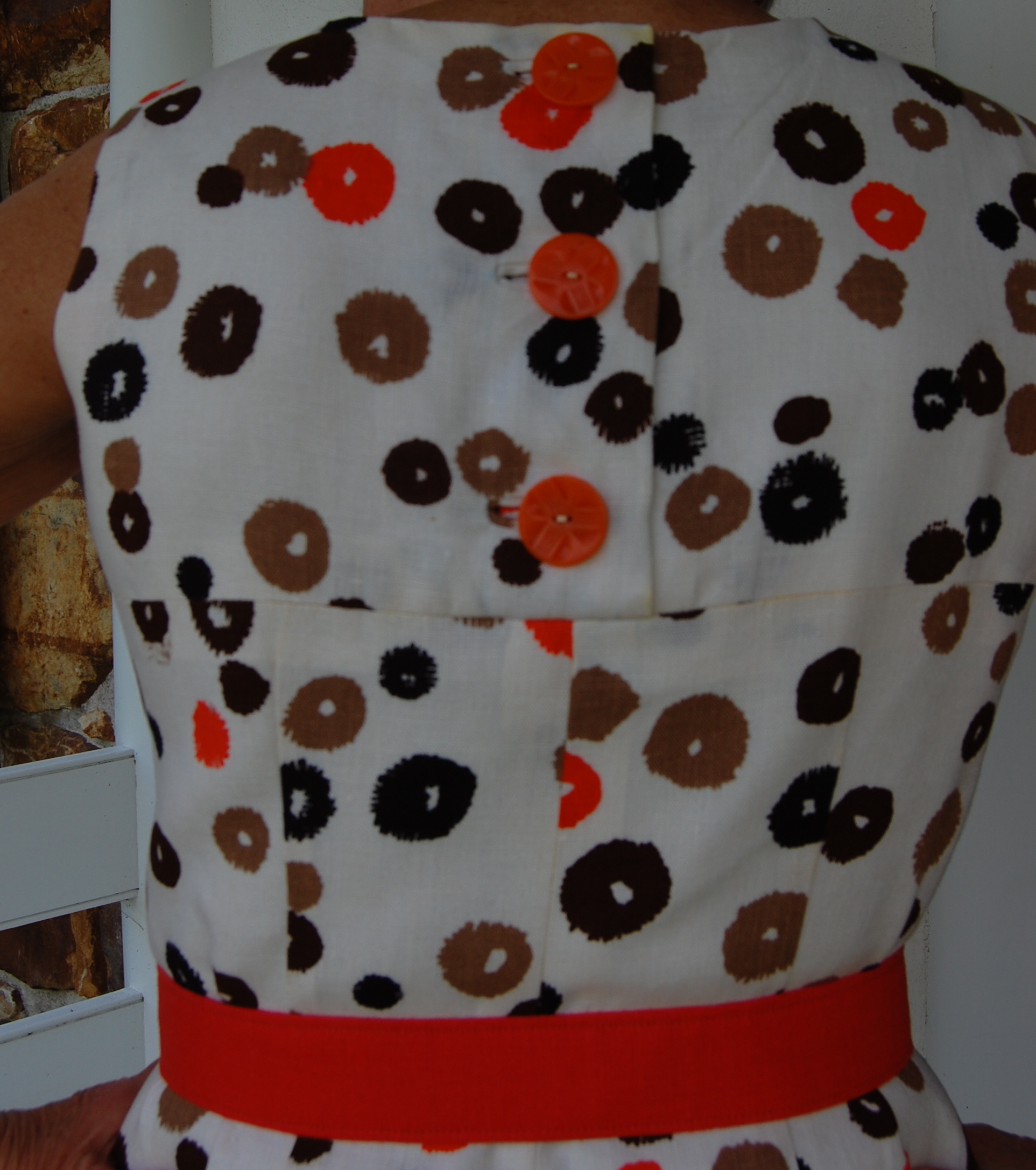
A close-up of the back of the dress.

A close-up of the back of the dress.  I made bound buttonholes – very 1950-ish!

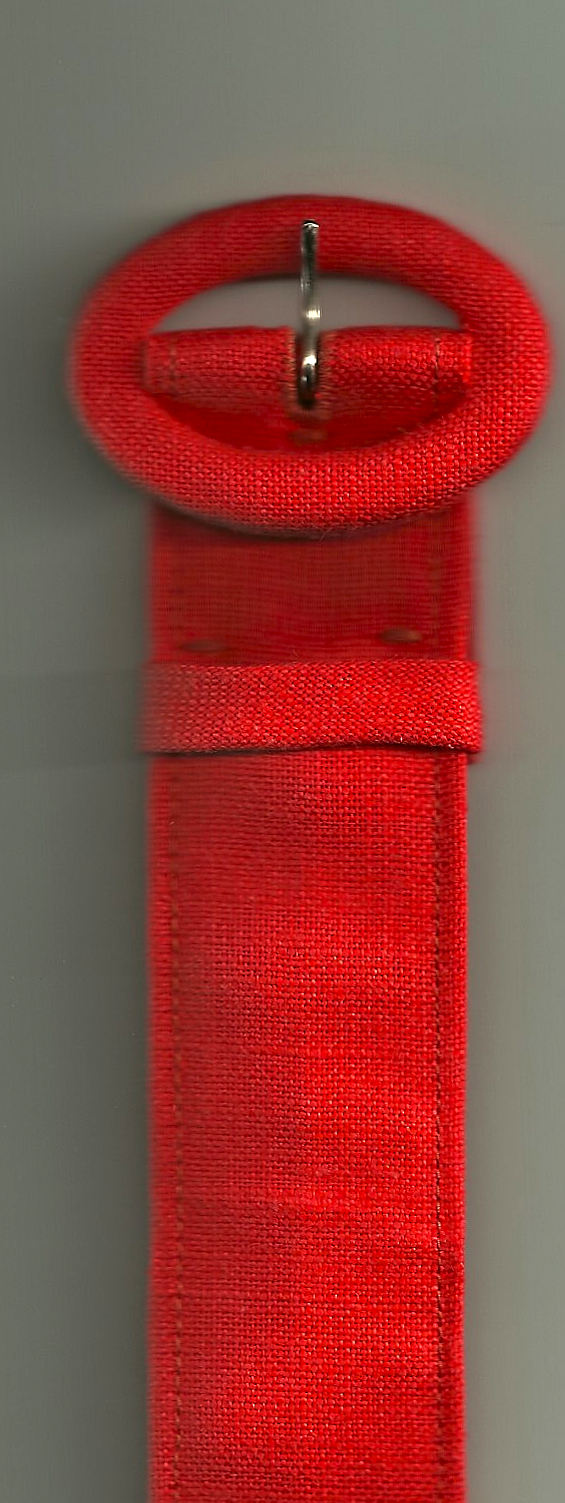
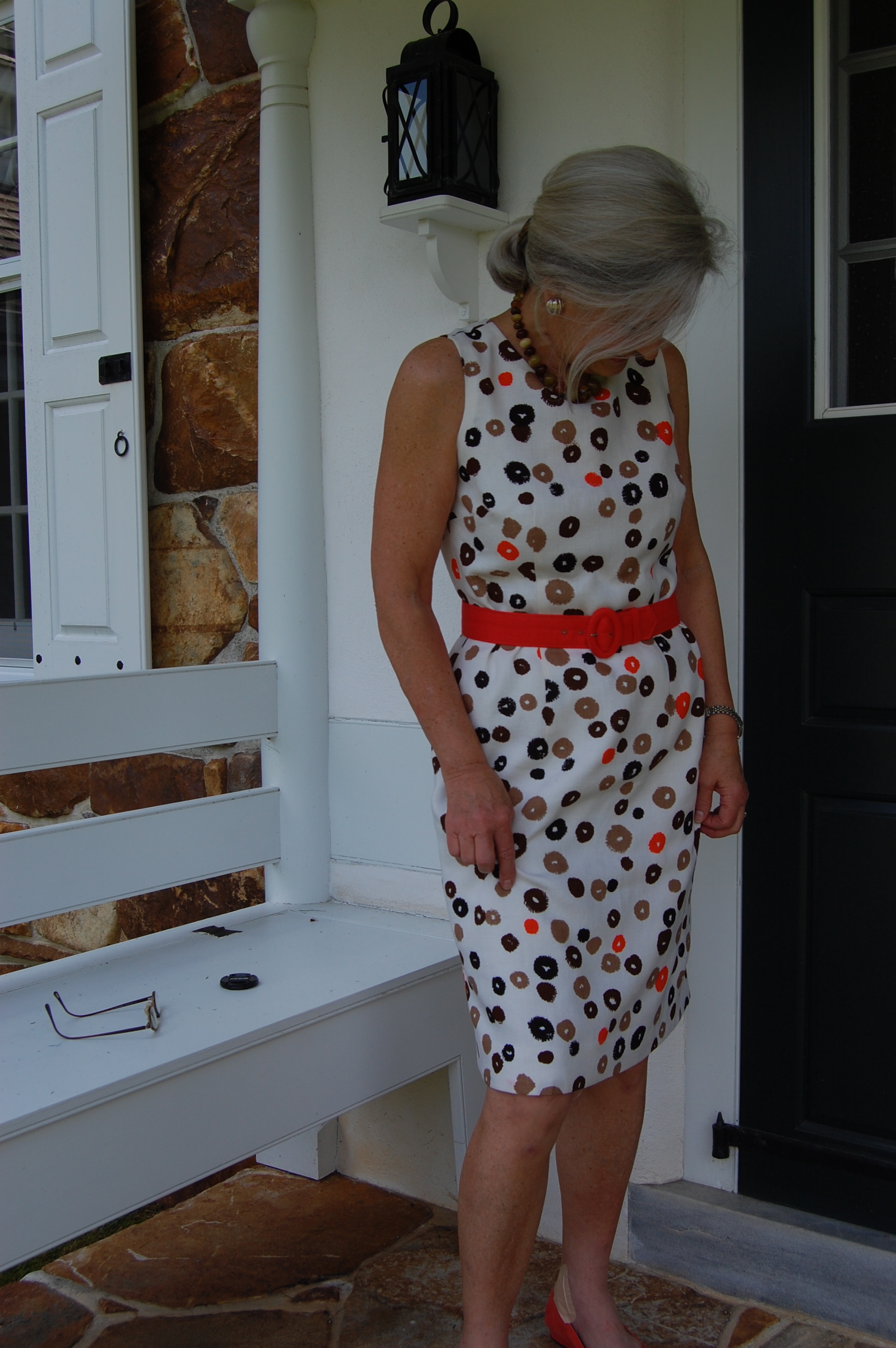
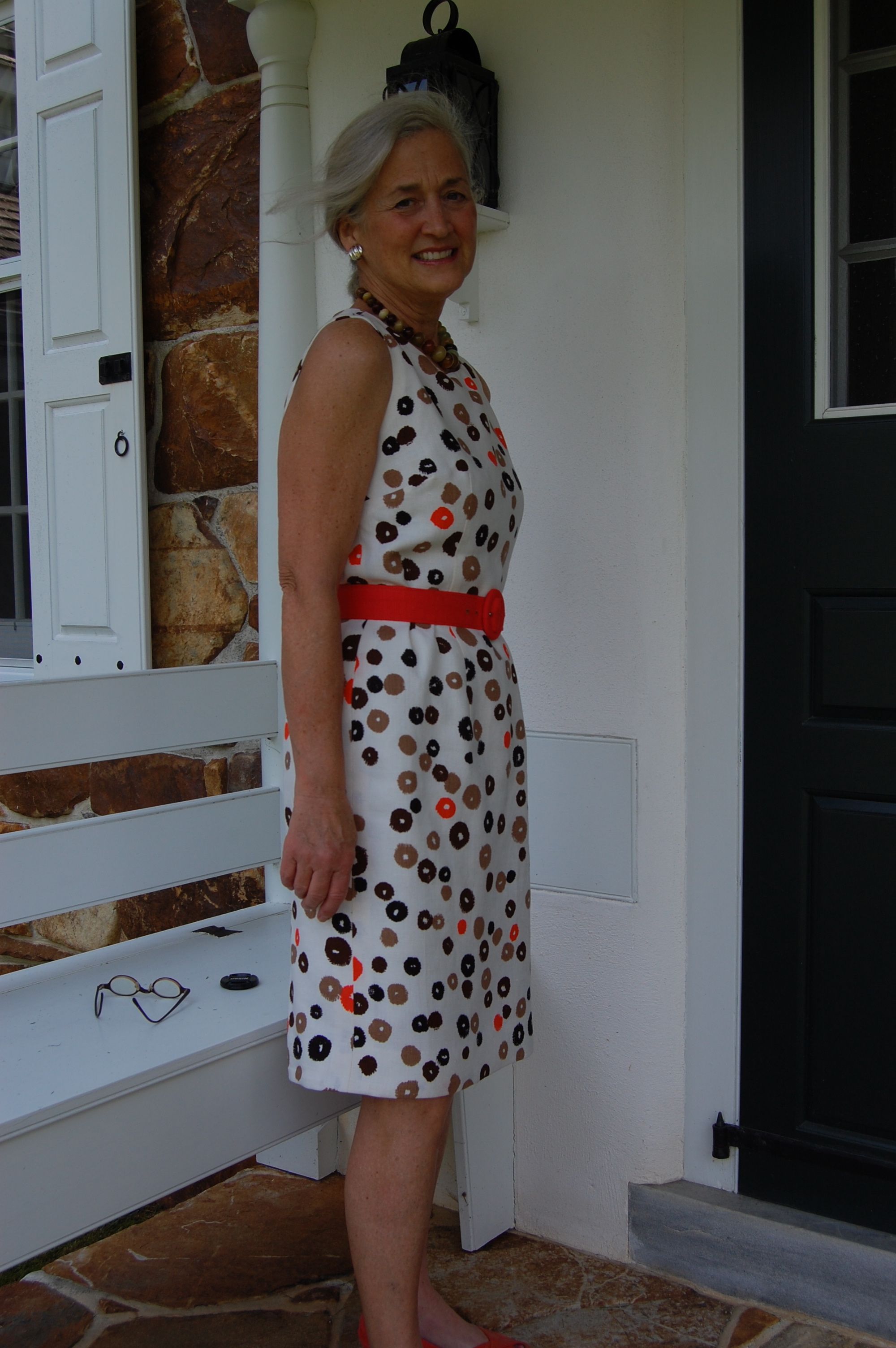
And then, another classic 1950s’ design detail worked right into this dress: I would need to move the zipper to the side in order for the back yoke to look correct. Now I will be the first to tell you that a side zipper is not as convenient as a back zipper, but it is a small sacrifice when everything else is enhanced by this placement.   After these obeisances to ‘50s’ style, I slipped right into 2014 with a bright orange, newly made belt, a widened jewel neckline, slightly cut-in shoulders, and a back slit to enhance comfort. I like to choose the best from the ‘50s, but I really don’t want to look like the 1950s.

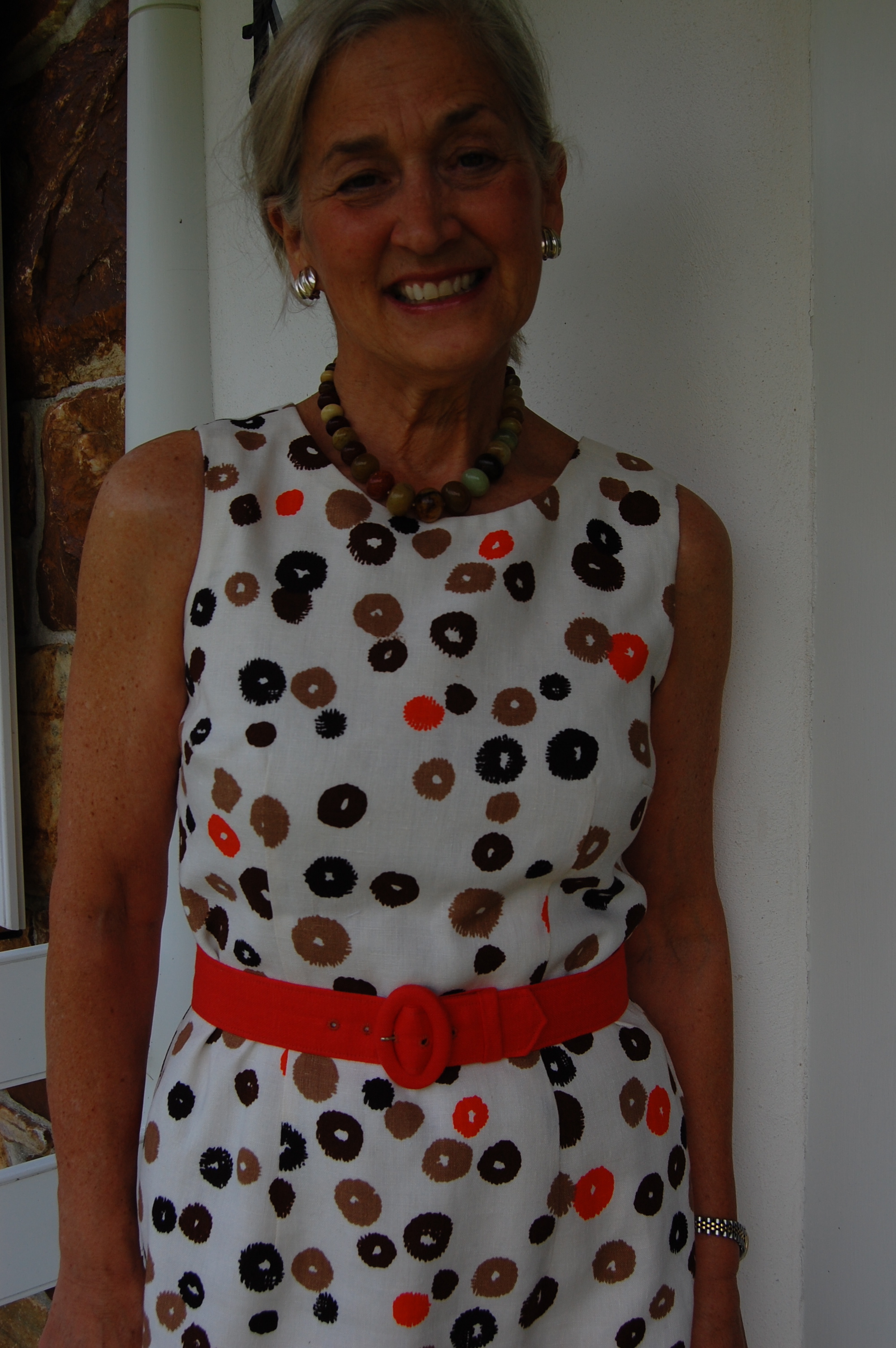
I sent new orange linen to Pat Mahoney of Pat's Custom Belts and Buttons  and this lovely belt came back to me in the mail.

I sent new orange linen to Pat Mahoney of Pat’s Custom Belts and Buttons and this lovely belt came back to me in the mail.

Cool and summery-looking, don't you think?

Cool and summery-looking, don’t you think?

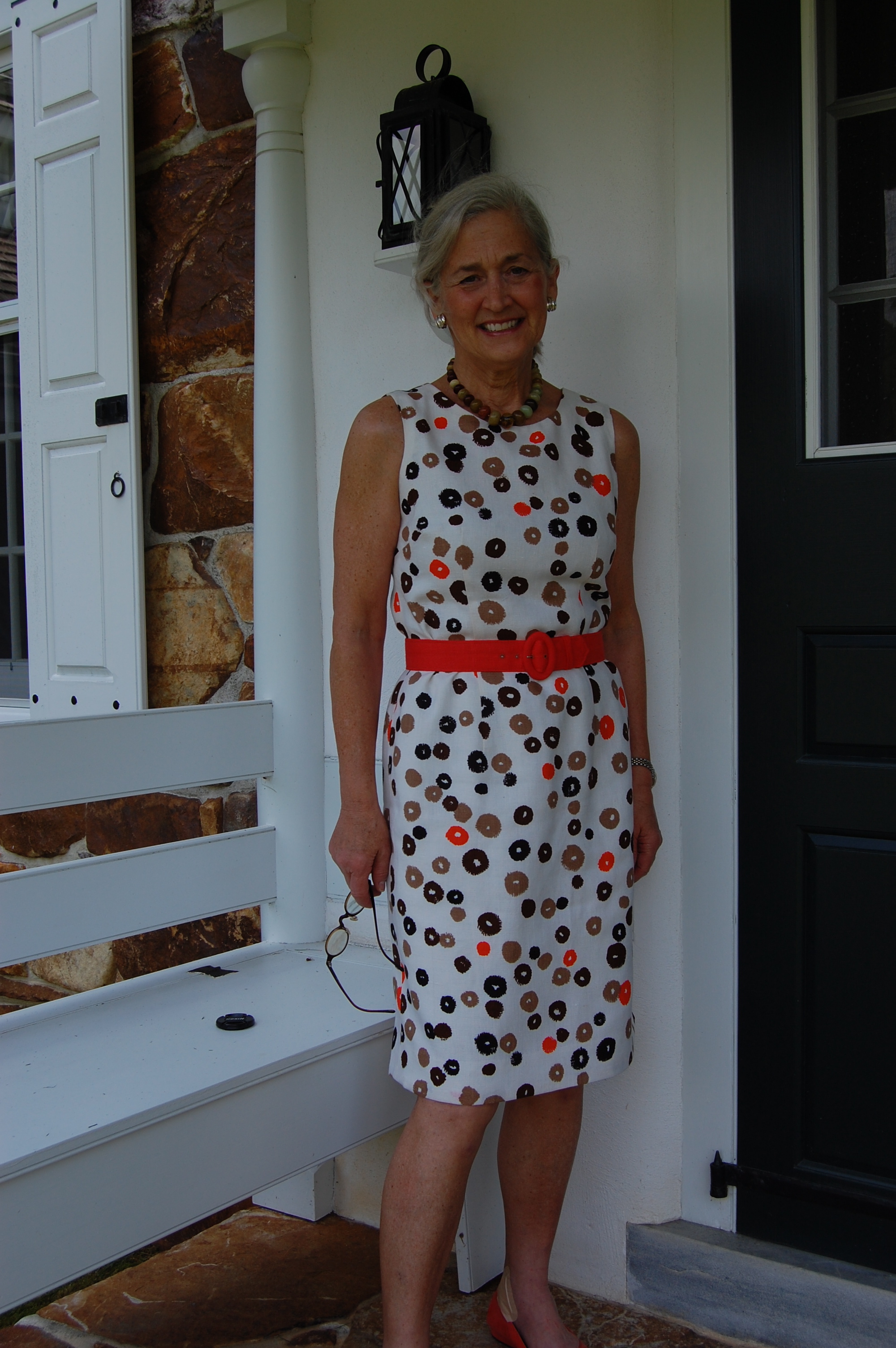
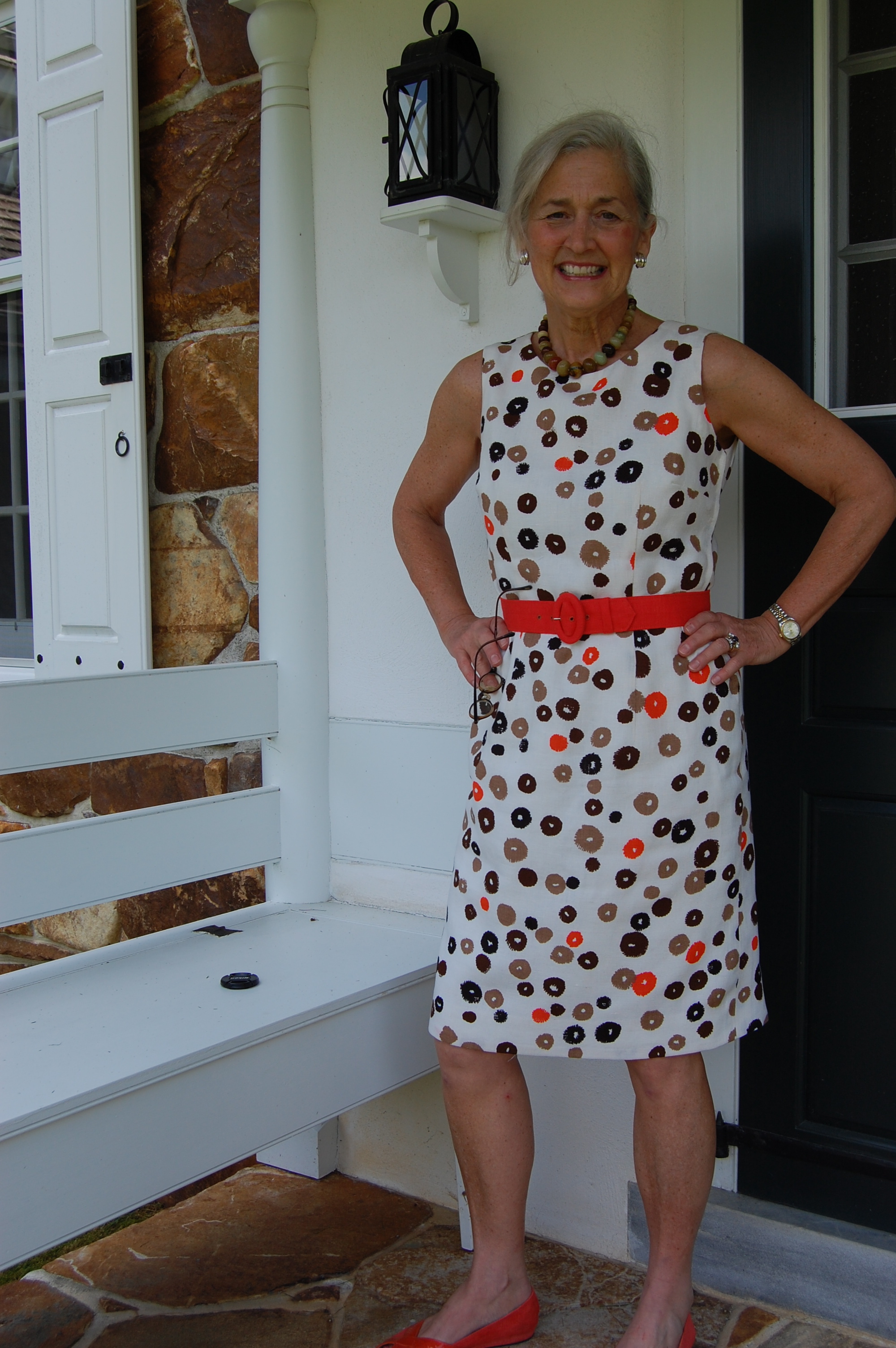
Sandhurst 121

Sandhurst 121

Sandhurst 121

Sandhurst 121

Sandhurst 121

Not every dress can have a story, nor should it. But this fabric, which began its life in Ireland, no doubt entered this country through New York City, ordered by a store in Fresno, California, purchased and squirreled away for decades by persons unknown – has now found a starring role in my wardrobe almost 60 years later. Sewing is just so much fun!


37 Comments

Filed under bound buttonholes, Buttons - choosing the right ones, hand-sewn zippers, Linen, Love of sewing, Moygashel linen, Polka dots, side-placed zippers, The Conde Nast Publications, Uncategorized, Unprinted patterns from the 1950s, vintage buttons, Vintage fabric, vintage Vogue patterns from the 1950s