Category Archives: vintage Vogue Designer patterns

Light Load


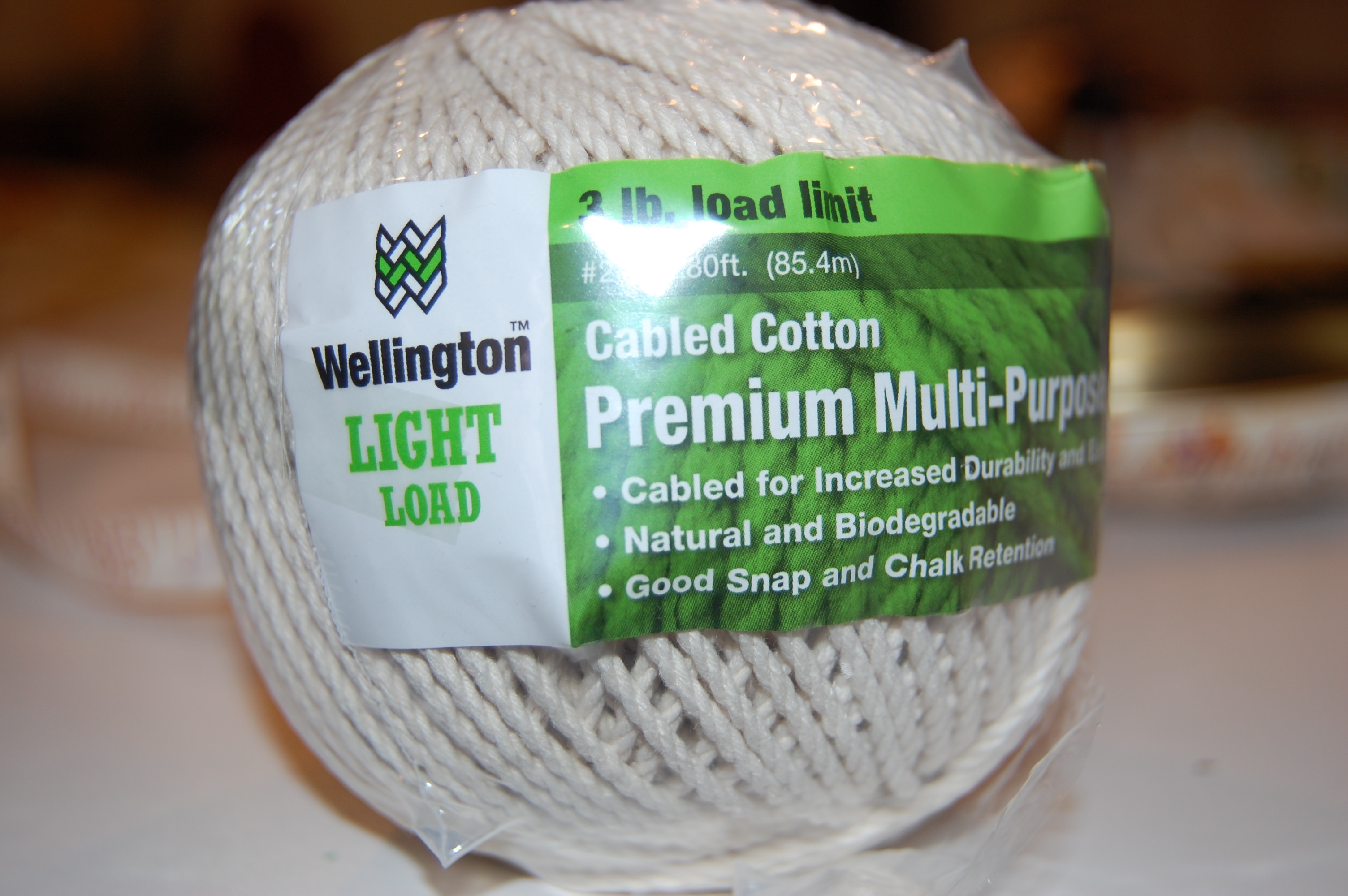
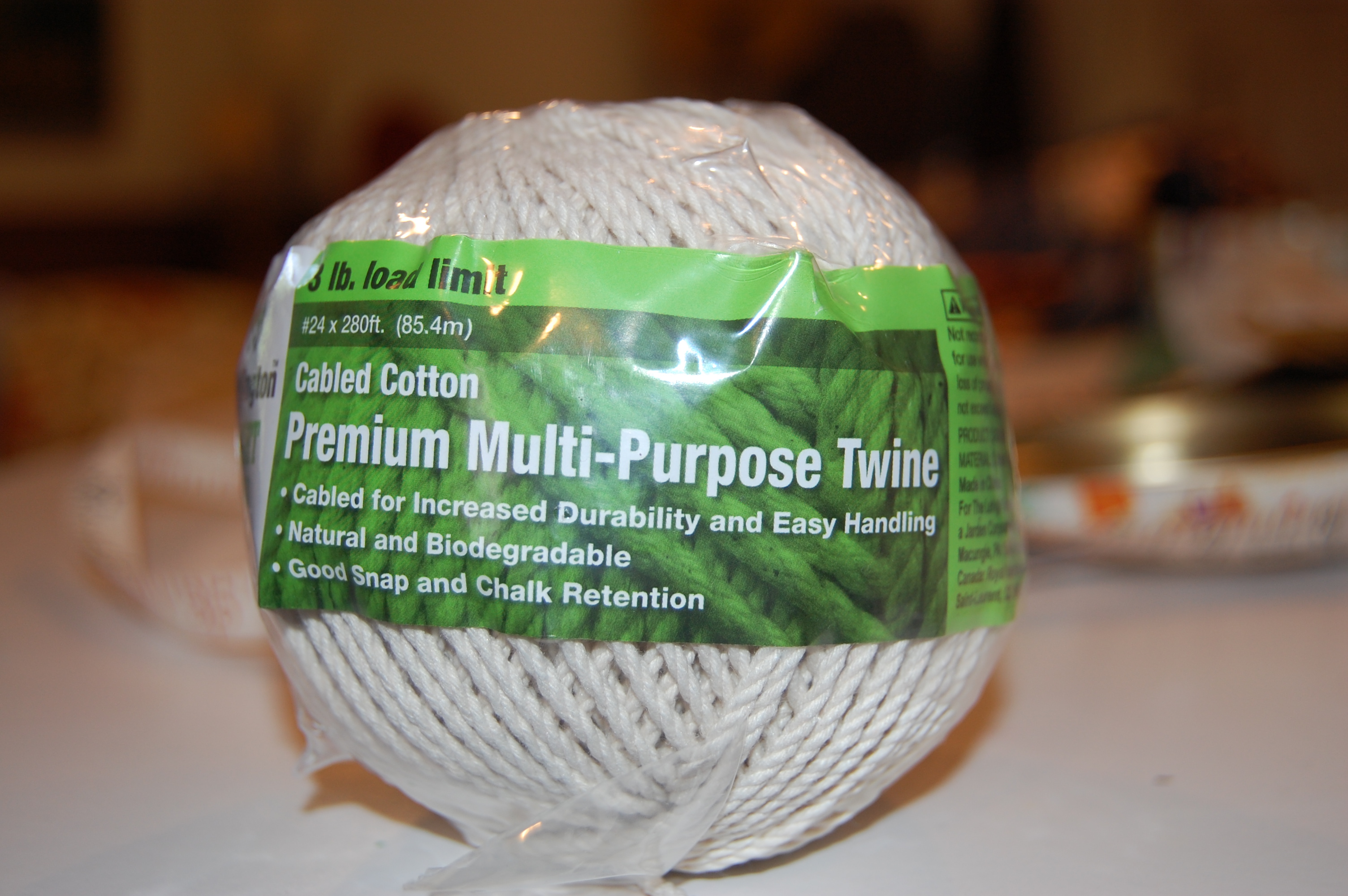
String is a wonderful thing. I am particularly fond of kitchen string. Usually twisted cotton or a twisted cotton blend, it is useful for many things (such as tying together the newspapers for recycling, playing with the cats, securing open bags of flour and sugar, etc., etc.) It also occasionally makes its way upstairs to my sewing room.
Light Load DSC_1380

“Light load” kitchen string happens to be the perfect weight and diameter for making piping to be used in apparel. And – my current project for Fall features piping as one of the main design details.
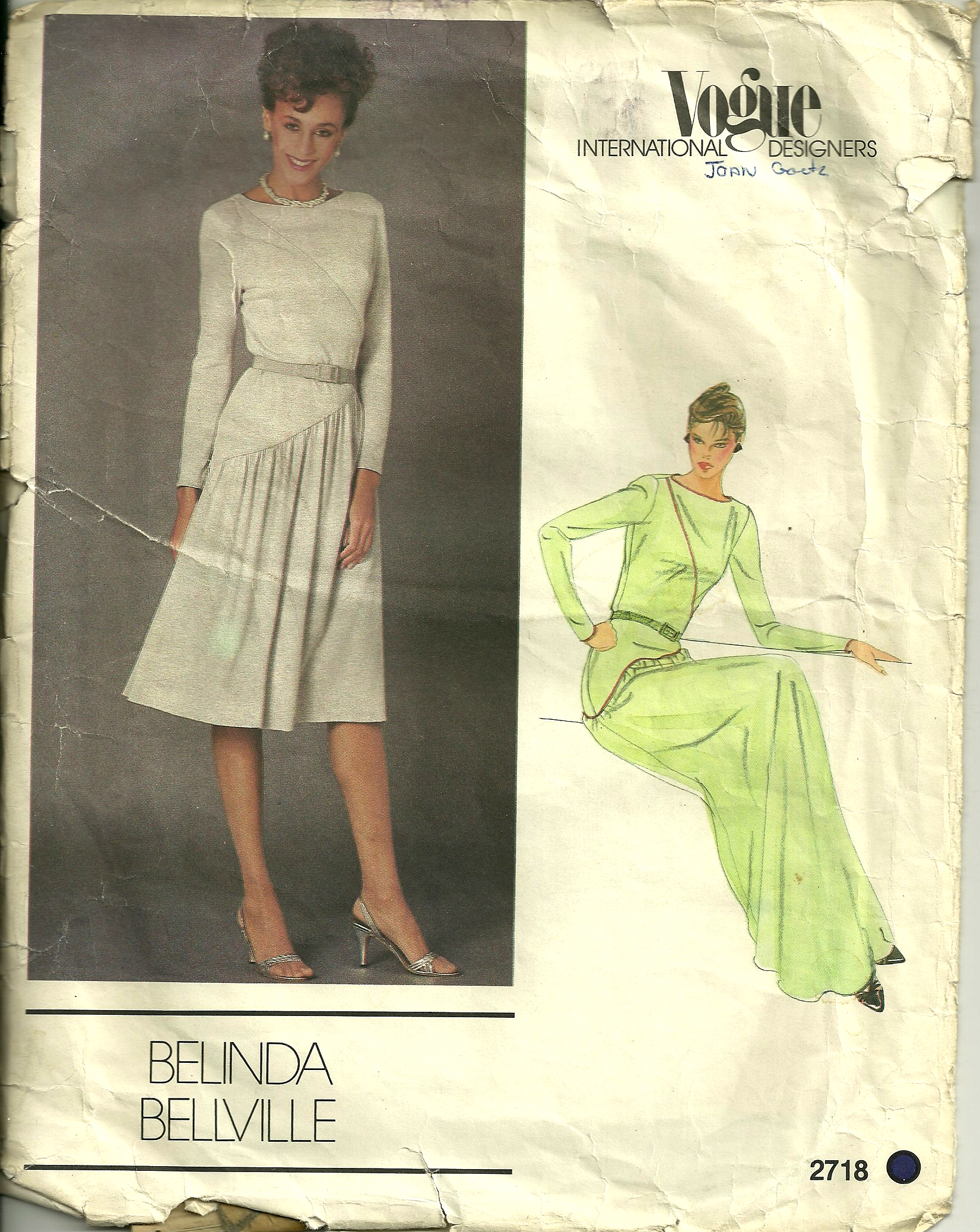
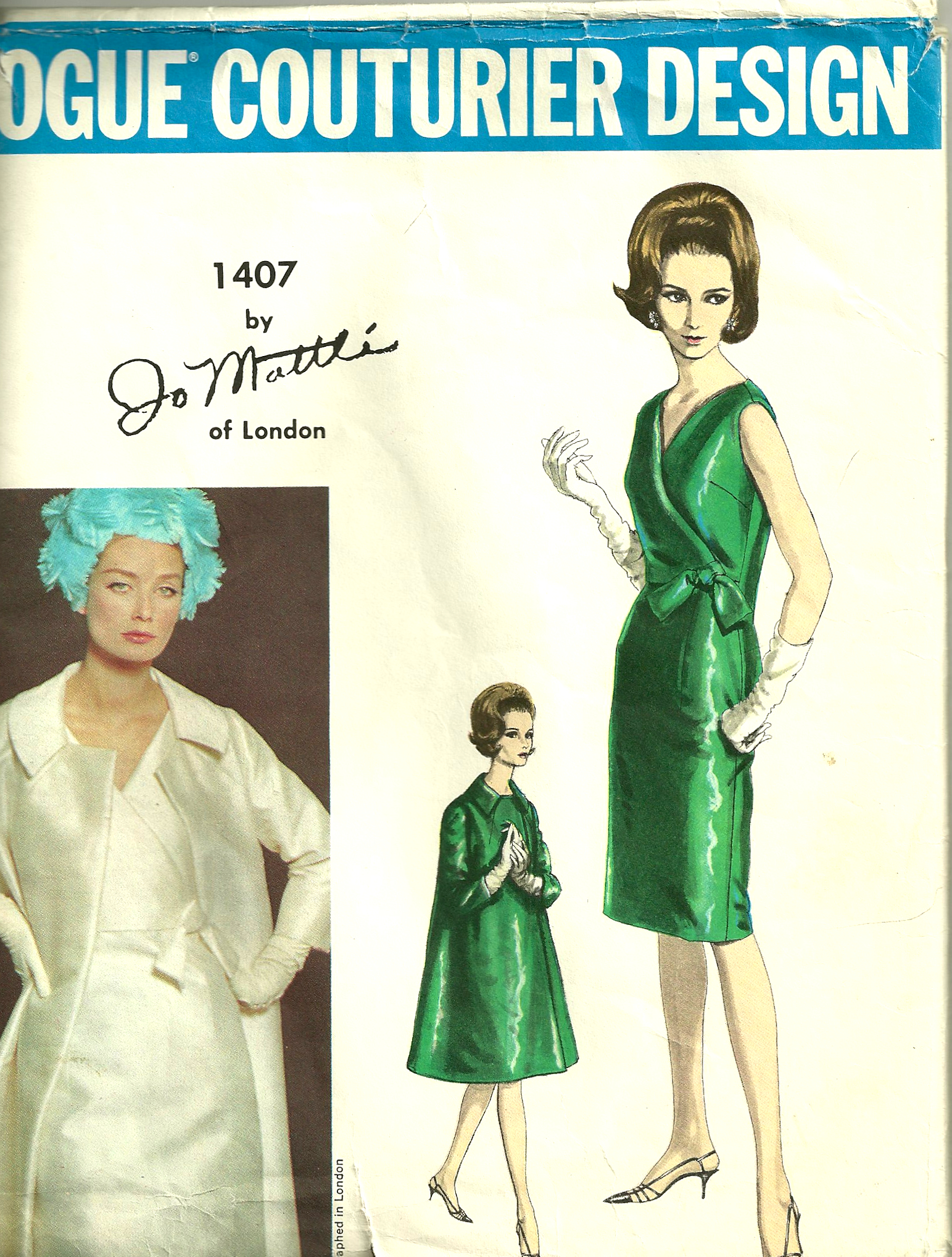
The piping is more clearly visible on the green view of this dress.

The piping is more clearly visible on the green view of this dress.

As luck would have it, I had purchased some hand-dyed silk bias ribbon from Britex Fabrics a couple of years ago. One of the colors I had ordered turned out to be a perfect complement to this silk from Mendel Goldberg, which is slowly making its transformation into a dress.
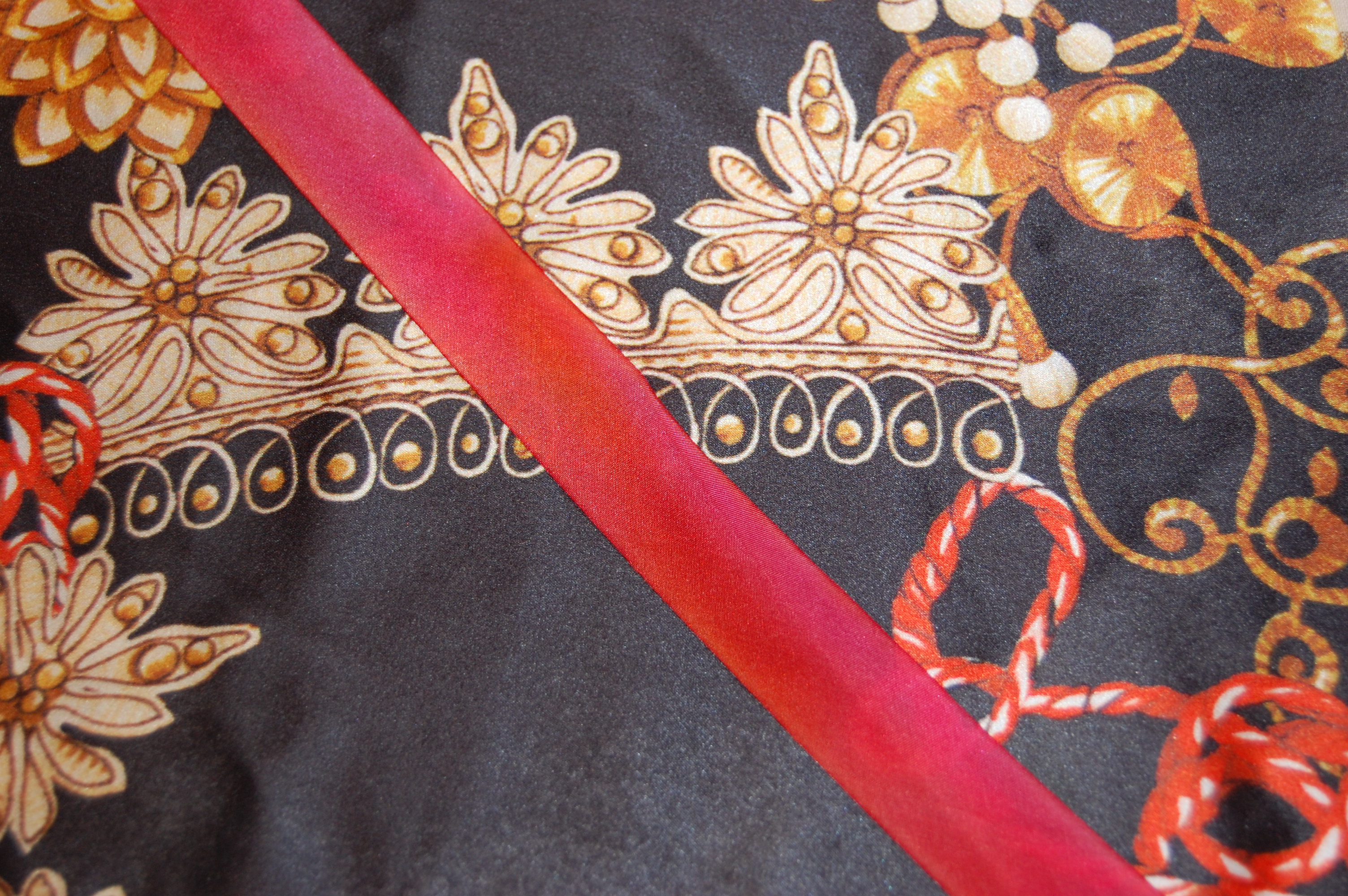
Light Load

After hours and hours of working on the muslin (toile), cutting out the underlining (on the bias to accommodate the stretch of the silk fabric), checking and re-checking (multiple times) to make sure my pattern pieces were laid out properly, and then meticulously basting the gossamer silk gauze underlining and the slippery fashion fabric together, I was ready to do something fun. “What could be easier?” I thought. “The ribbon is already cut on the bias so I’ll just sew up three yards of piping and I’ll be in business.” Except that I kept getting ridges and lumps in my piping as I encased that kitchen string in the silk ribbon. I thought maybe if I stretched it a bit, it might look better, but it really didn’t. I must admit I was discouraged – actually very discouraged. I could not figure out what I was doing wrong, but I knew I needed to take a break from this mess and come back the next day.

Before I left my sewing room, I went to my stack of Threads Magazines to look for a particular issue recently recommended to me for another reason, and in my search found, by chance, the December 1994/January 1995 issue. There on the cover “Techniques for Perfect Piping” was a featured article.
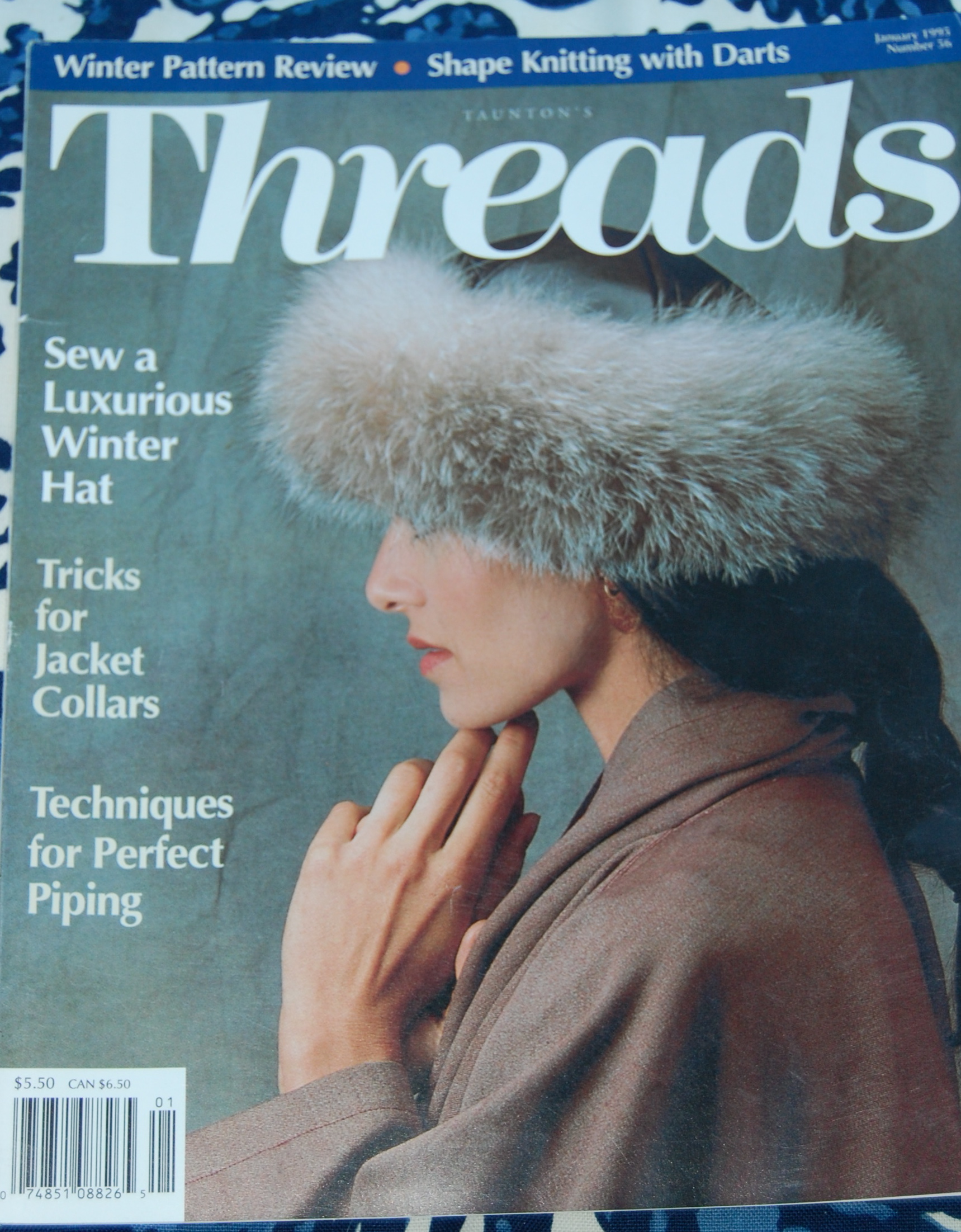
I have many odd issues of Threads Magazine, but earlier in the year I bought the Threads Magazine Archive 1985-2013, available on their website. I can't recommend it highly enough - decades of sewing advice and expertise is readily available at the click of your computer mouse!

I have many odd issues of Threads Magazine, but earlier in the year I bought the Threads Magazine Archive 1985-2013, available for purchase on their website. I can’t recommend it highly enough – decades of sewing advice and expertise is readily available at the click of your computer mouse!

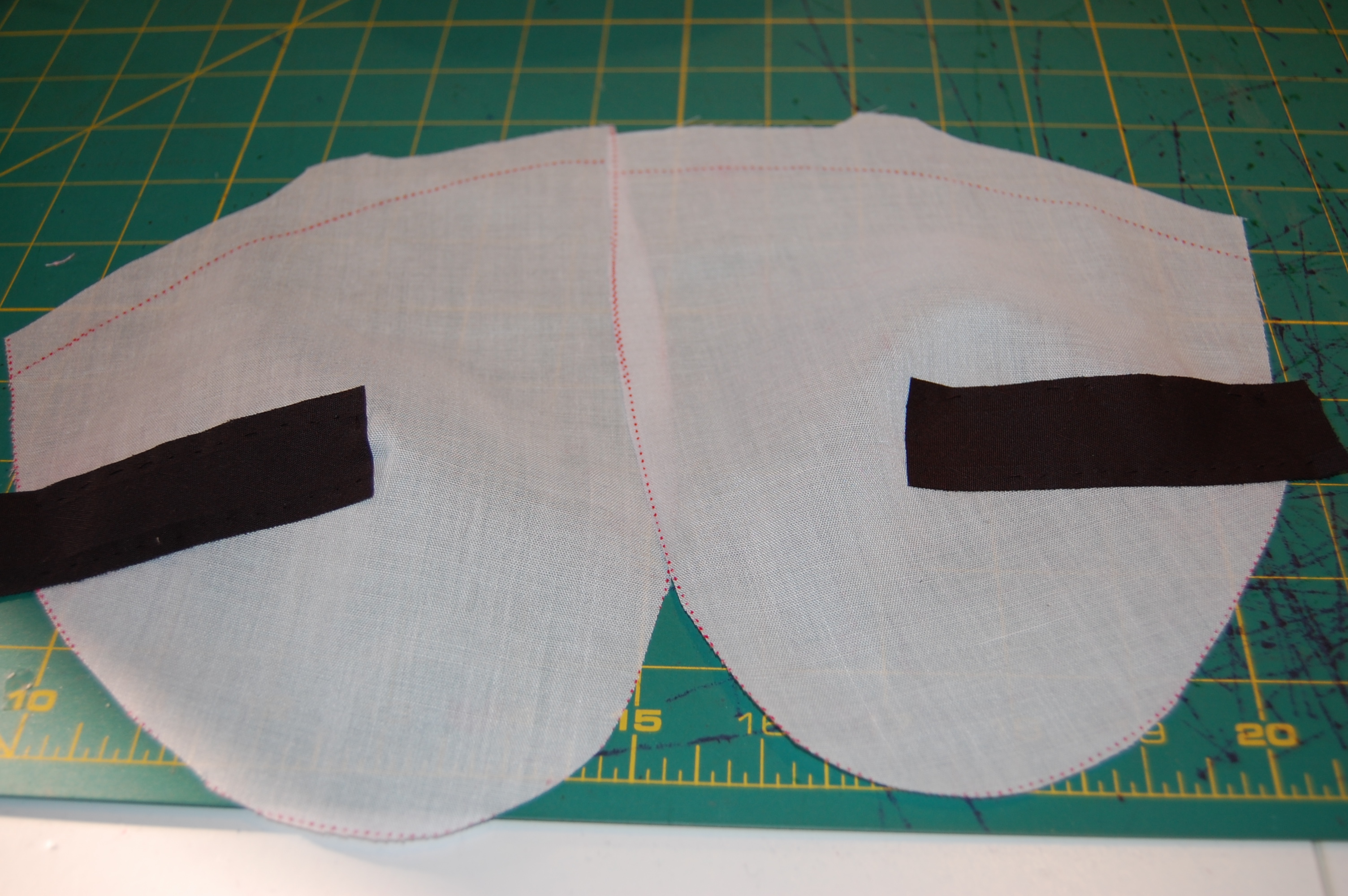
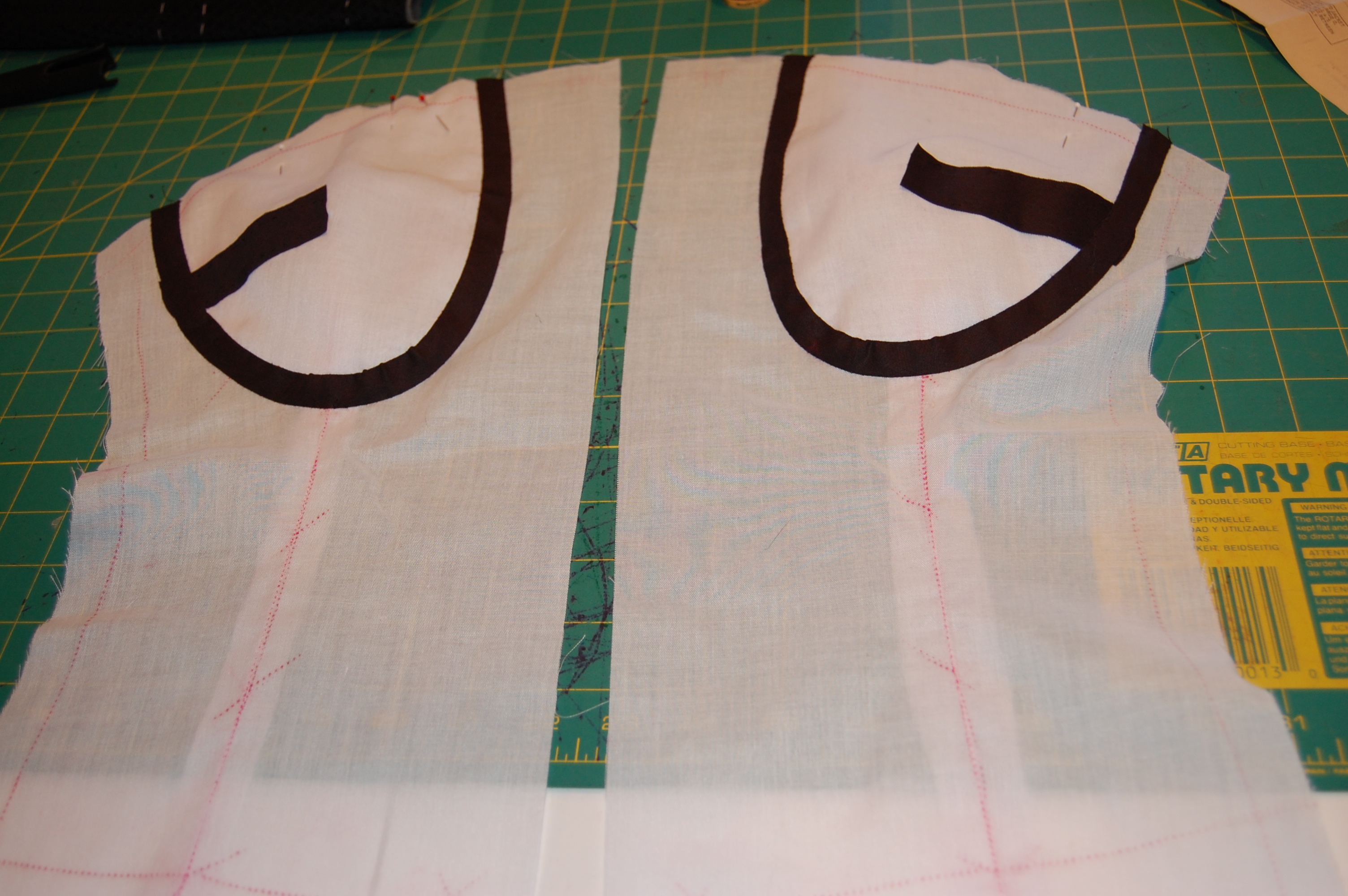
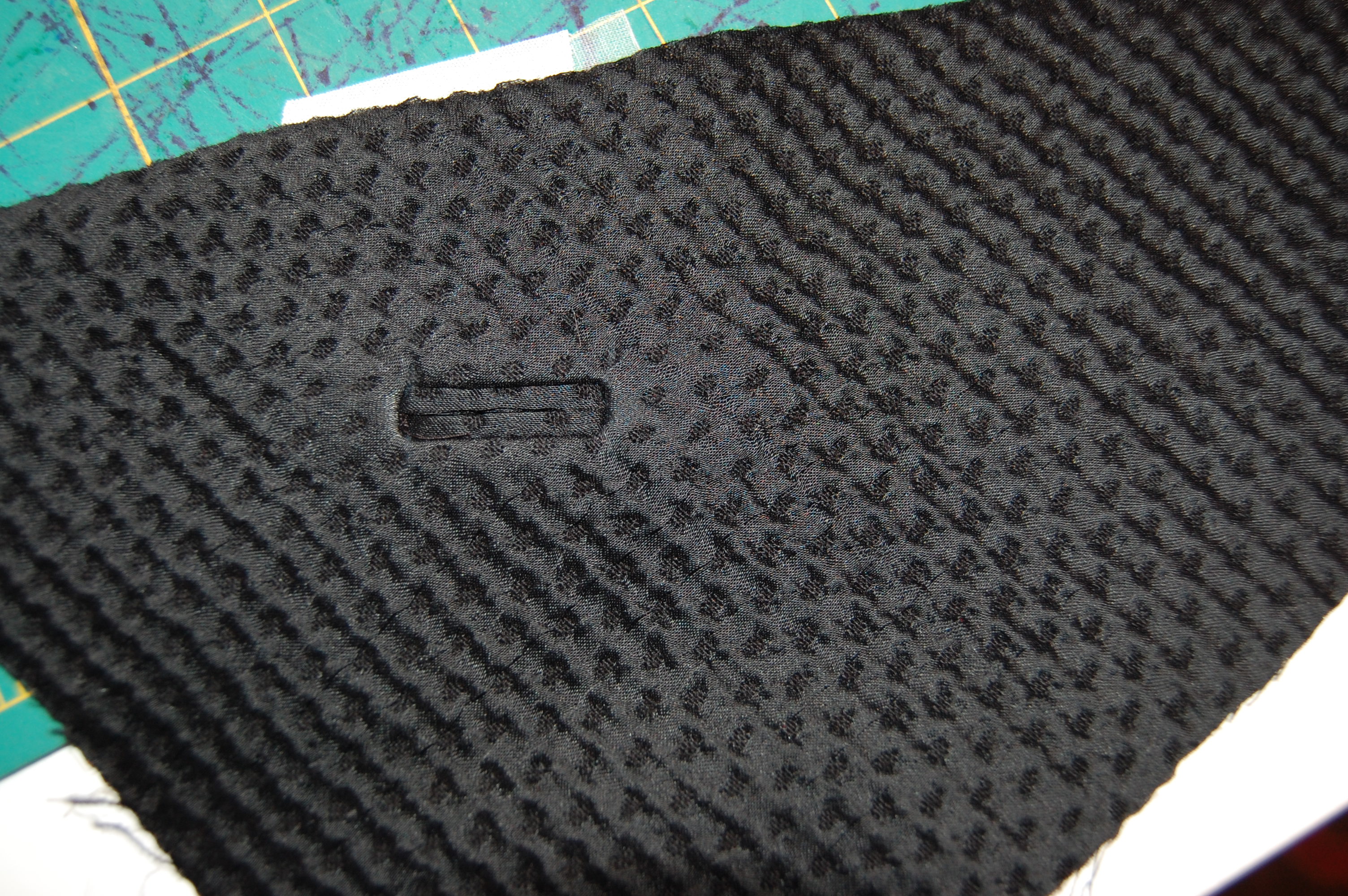
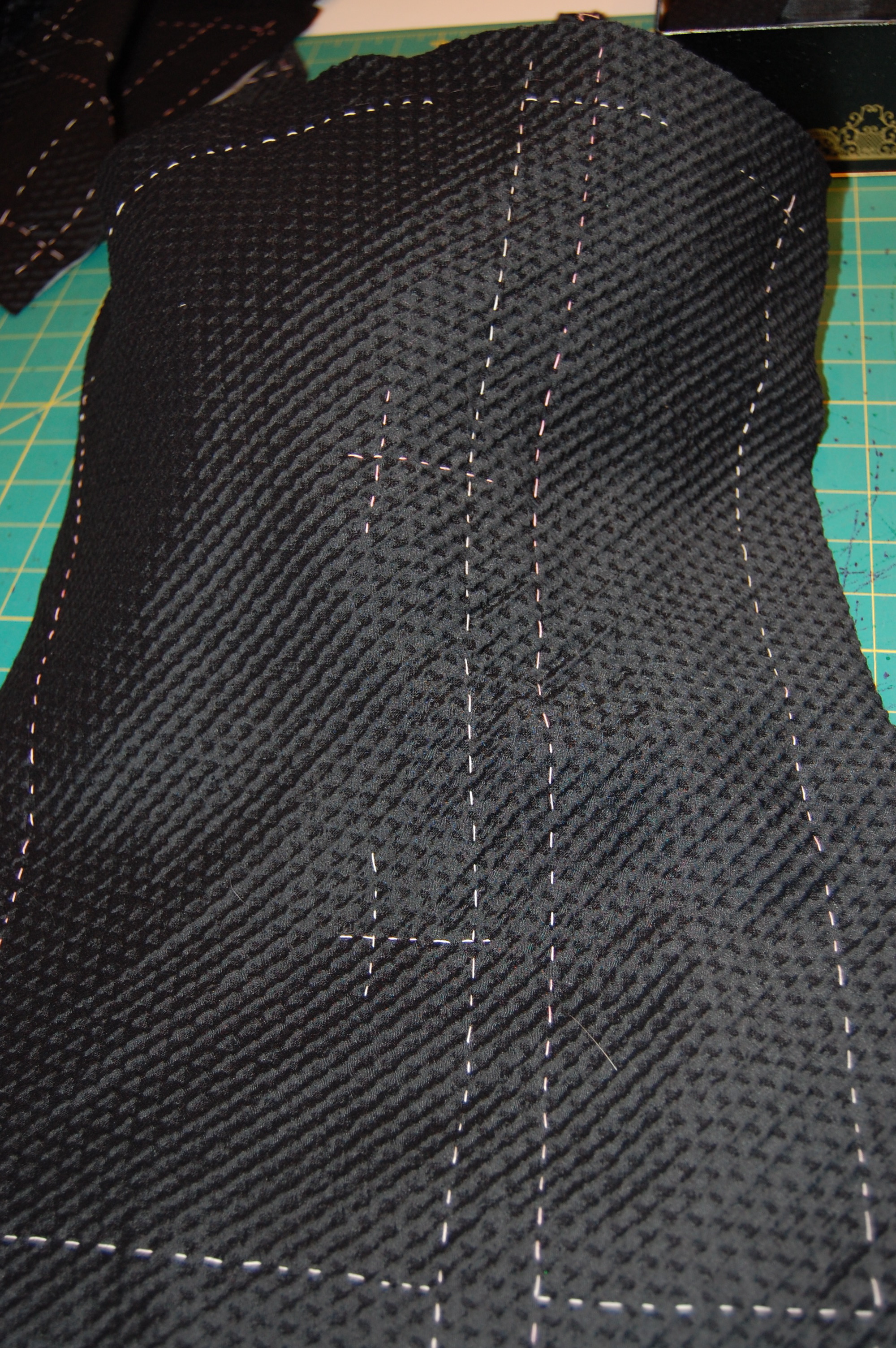
Needless to say, that became my evening reading. One line in this article by Linda Wakefield led me to the solution to my problem: “I also recommend reducing presser foot pressure, if possible, so that the fabric doesn’t twist or ripple as you stitch.” Even though I am unable to change the presser foot tension on my machine, that advice made me think that I needed to stabilize and reinforce the silk bias ribbon somehow to make it feed more evenly through the needle. The next day, back in my sewing room, I got some tissue paper – the kind one uses for wrapping presents – and cut it into strips. I placed a single layer of tissue under the silk ribbon as I stitched – and voila! Perfect piping emerged from my machine.
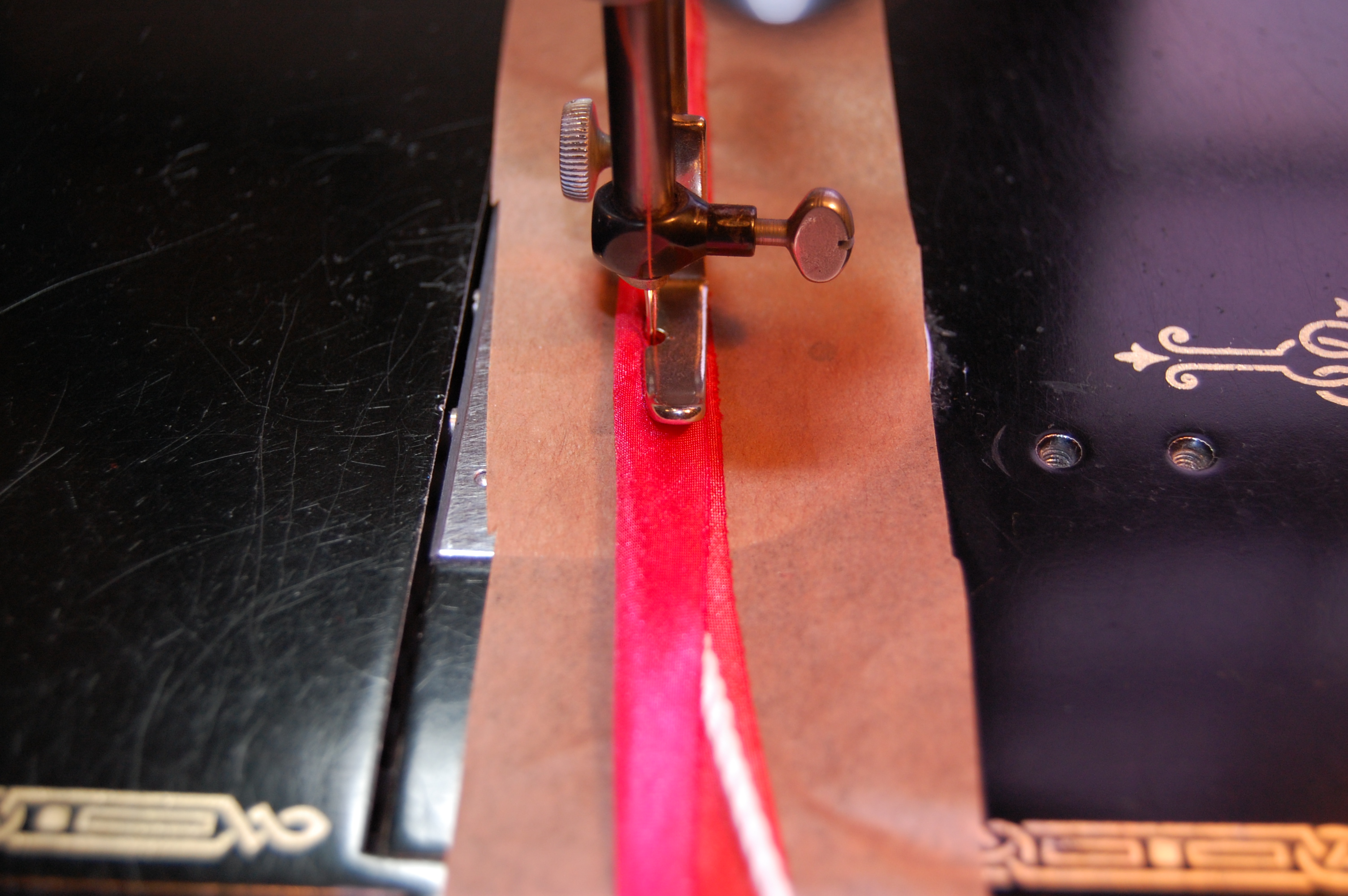
The tissue is brown (which is just some I happened to have with my gift wrapping supplies.)
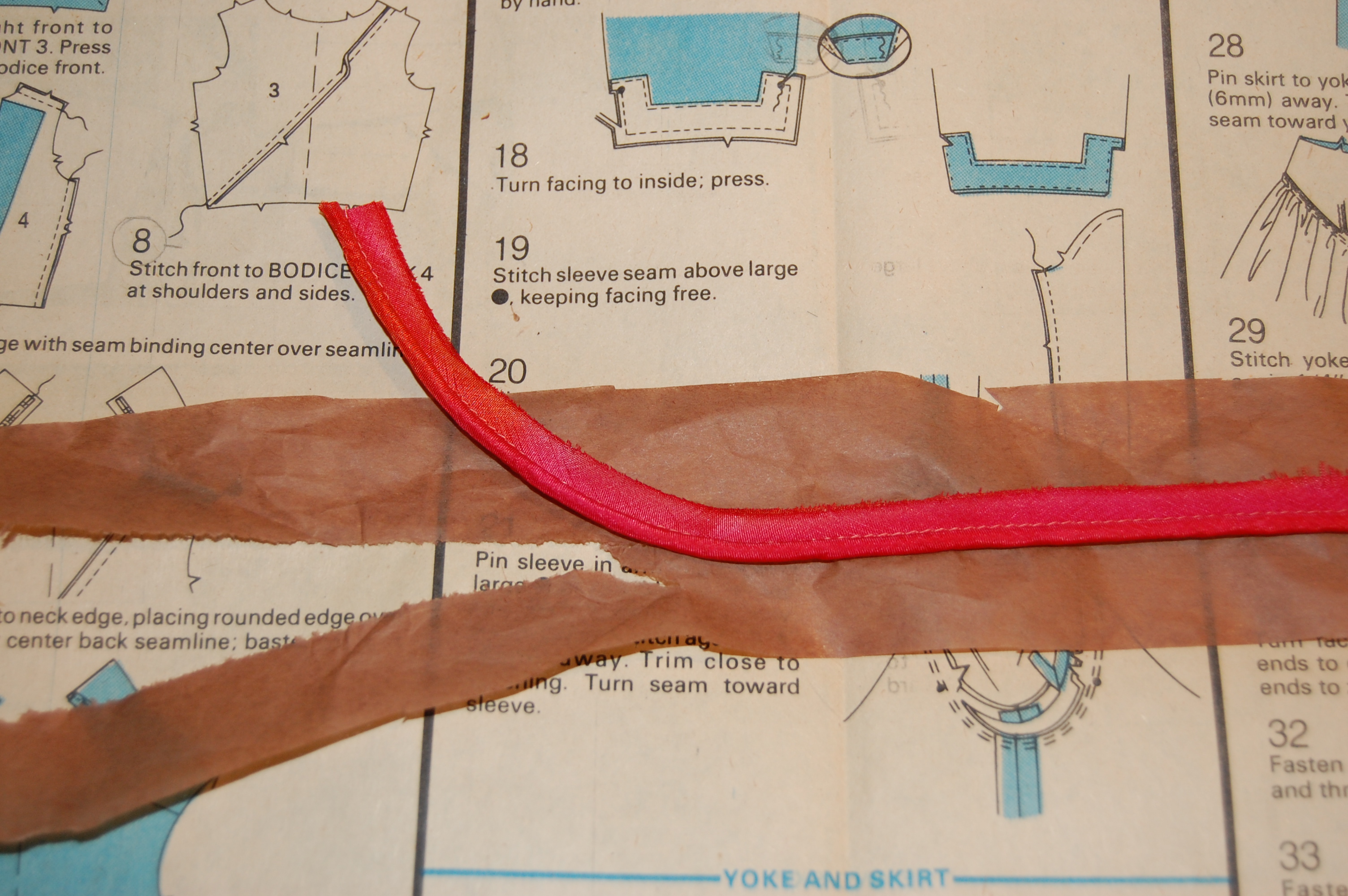
The tissue is brown (which is just some I happened to have with my gift wrapping supplies.)


 The tissue paper tears off easily and cleanly from the silk piping.


The tissue paper tears off easily and cleanly from the silk piping.

Further advice in the article gave tips on applying the piping. I decided to try my hand with this added guidance, choosing to start with the sleeves. The pattern calls for piping around the lower edge – a nice short distance and easy to fix if I wasn’t happy with the finished look. What do you think?
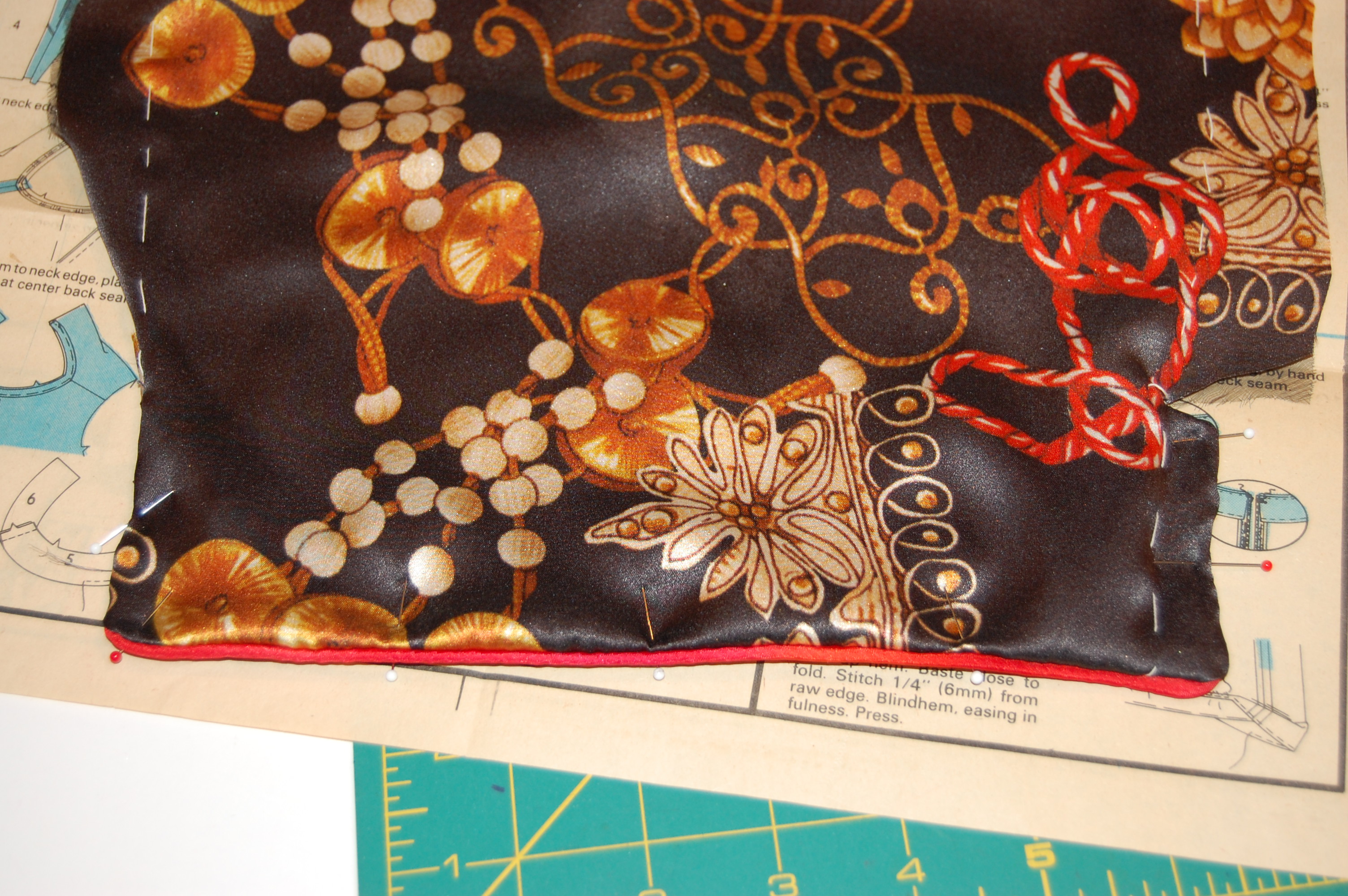
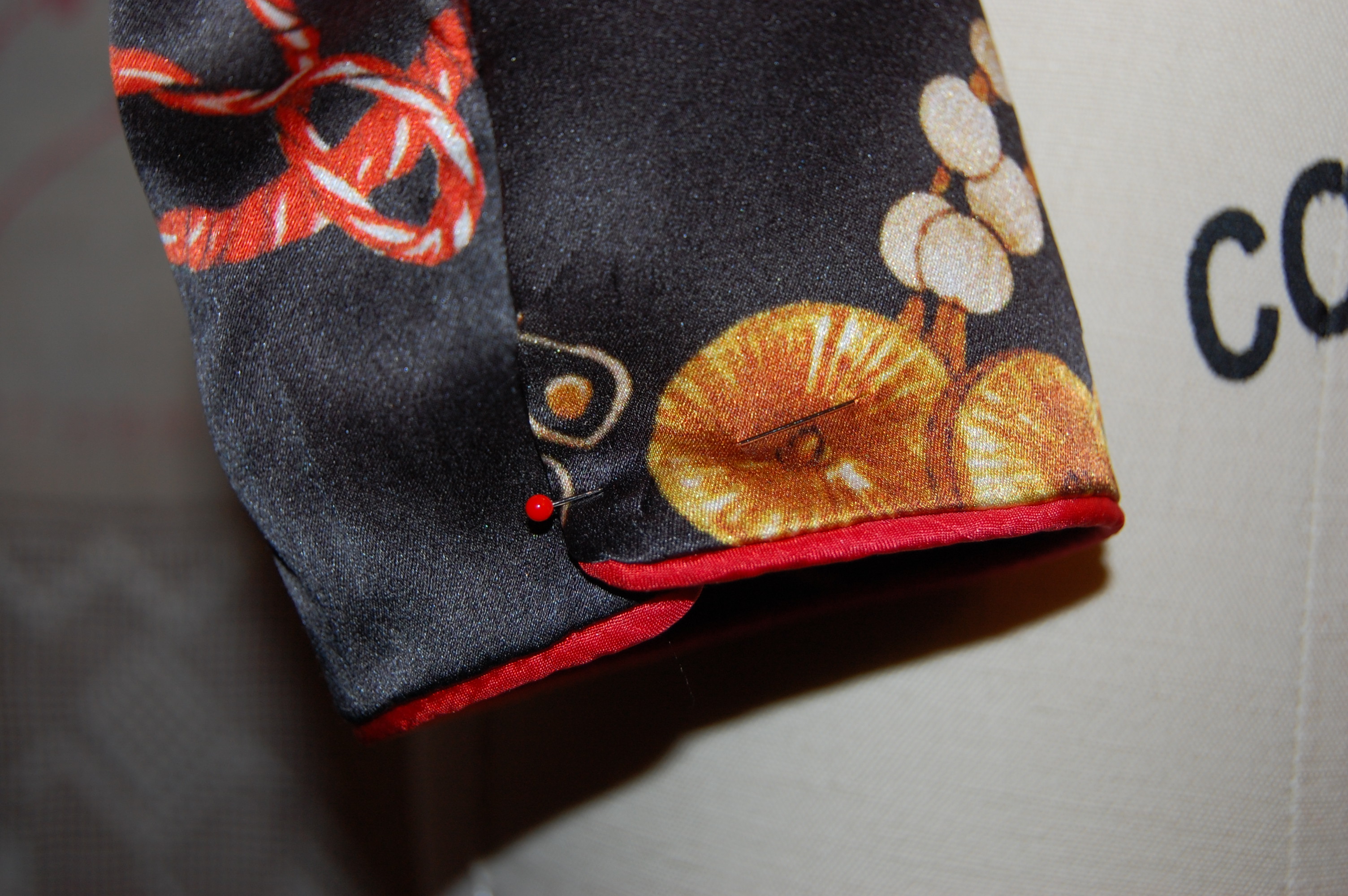
Light Load

The sleeve has a side opening - to be secured by snaps.  Here it is just pinned.

The sleeve has a side opening – to be secured by snaps. Here it is just pinned.

There will still, I am sure, be some tedious moments as I continue work on this dress, but my load was definitely made lighter by something as simple as —- tissue paper!
26 Comments

Filed under 1980's dress patterns, piping, sewing in silk, vintage Vogue Designer patterns

“Cheers!”

Cocktails in our home – and in our family – are always preceded by a toast of some sort. Usually a simple “Cheers!” will suffice, but sometimes the occasion calls for something more meaningful. One of the most memorable cocktail toasts I have ever heard was standard fare for one of my late mother-in-law’s good friends. By the time I met her, she was a little shaky, which made the toast even more charming. She would raise her trembly glass with great ceremony and declare “To our noble selves!”

As I was working on my latest project – yes, a cocktail dress – I thought about all the possible declarations we, as sewers, could add to the vocabulary of toasts. More about those thoughts later… First up is something to wear to that cocktail/dressy party!
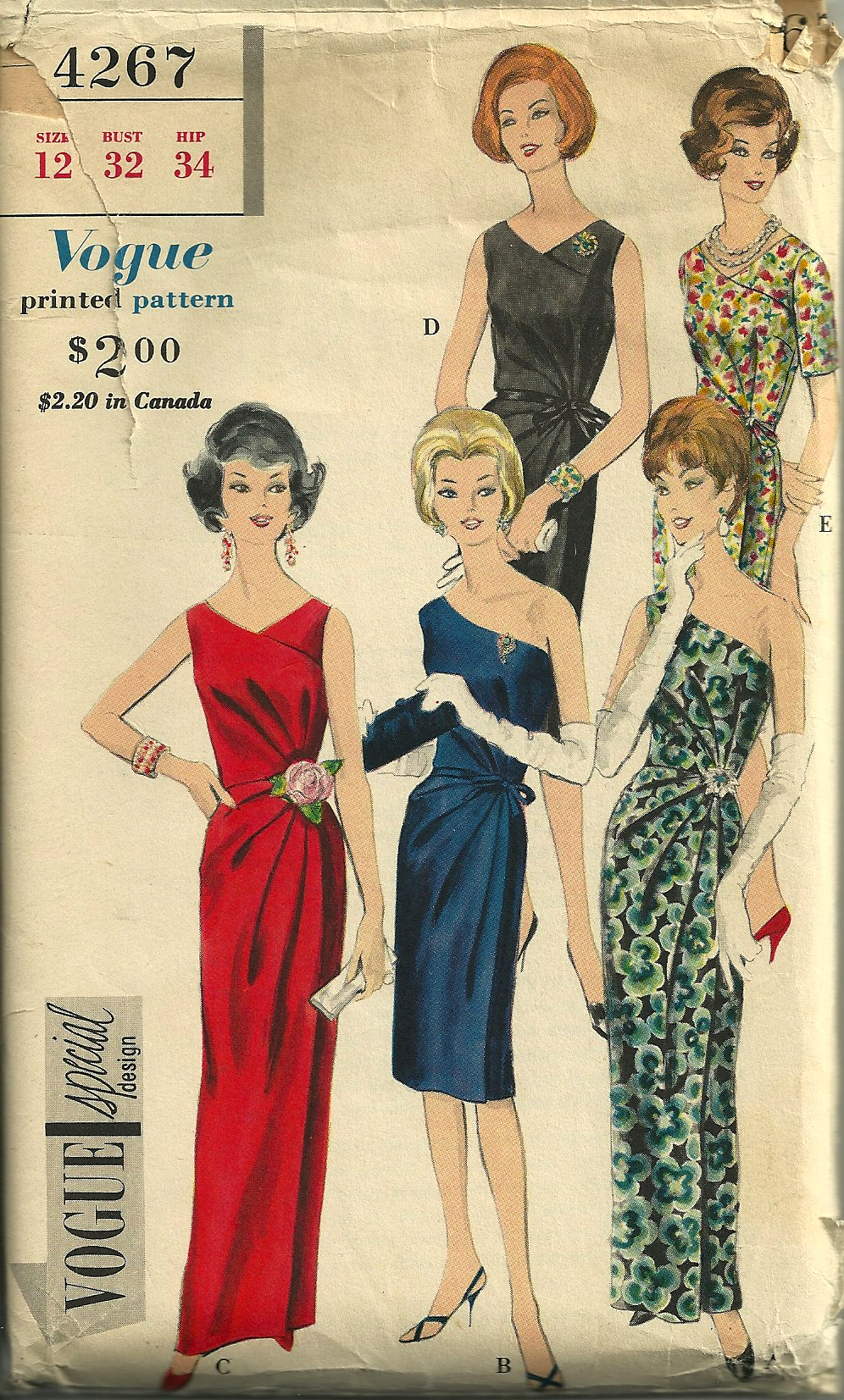
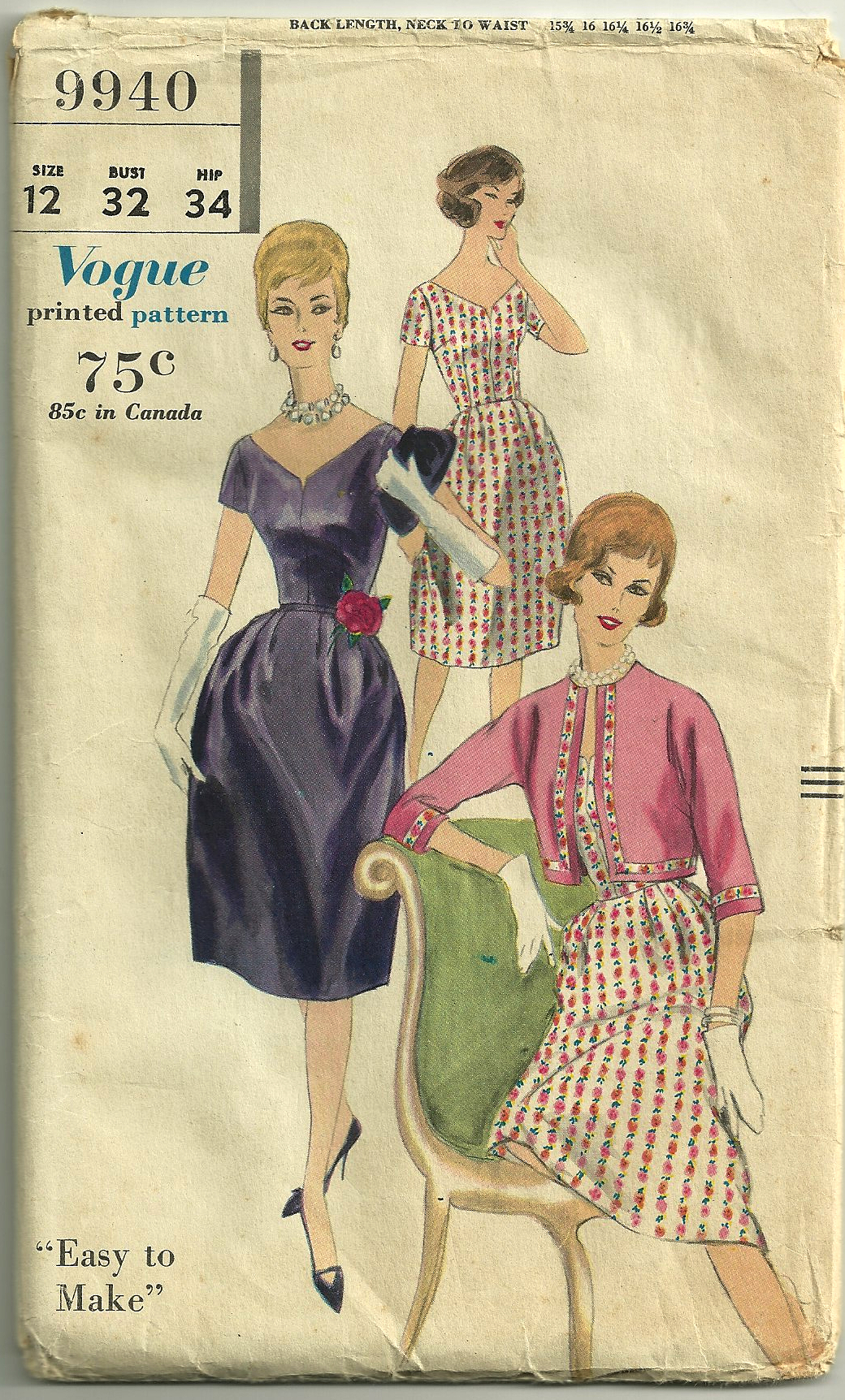
This Vogue Designer pattern is from the early 1960s.

This Vogue Designer pattern is from the early 1960s.

The lengthy process of perfecting the muslin (toile) for my blue cocktail dress revealed a few minor changes I needed to make – four of them, to be exact.   You might be able to see on the pattern envelope, that the “overblouse” in the front actually hits about an inch above the waistline. This just did not look good on me, so I extended the length of those two over-lapping fronts an inch so that they would lay directly at my waist. Second, the under-dress, the top of which is not seen when being worn is cut low so that it does not show beneath the “V” of the overblouse. However, it was cut much lower than I needed, so I raised it a bit.

I thought the shoulders of the overblouse extended a little bit too wide, so I cut the top of the armscye in about ¾ of an inch, graduating it down to join the lower part of the armscye. And fourth – I added a slit at the lower back center seam to make walking easier. I seem to do this frequently with vintage patterns.

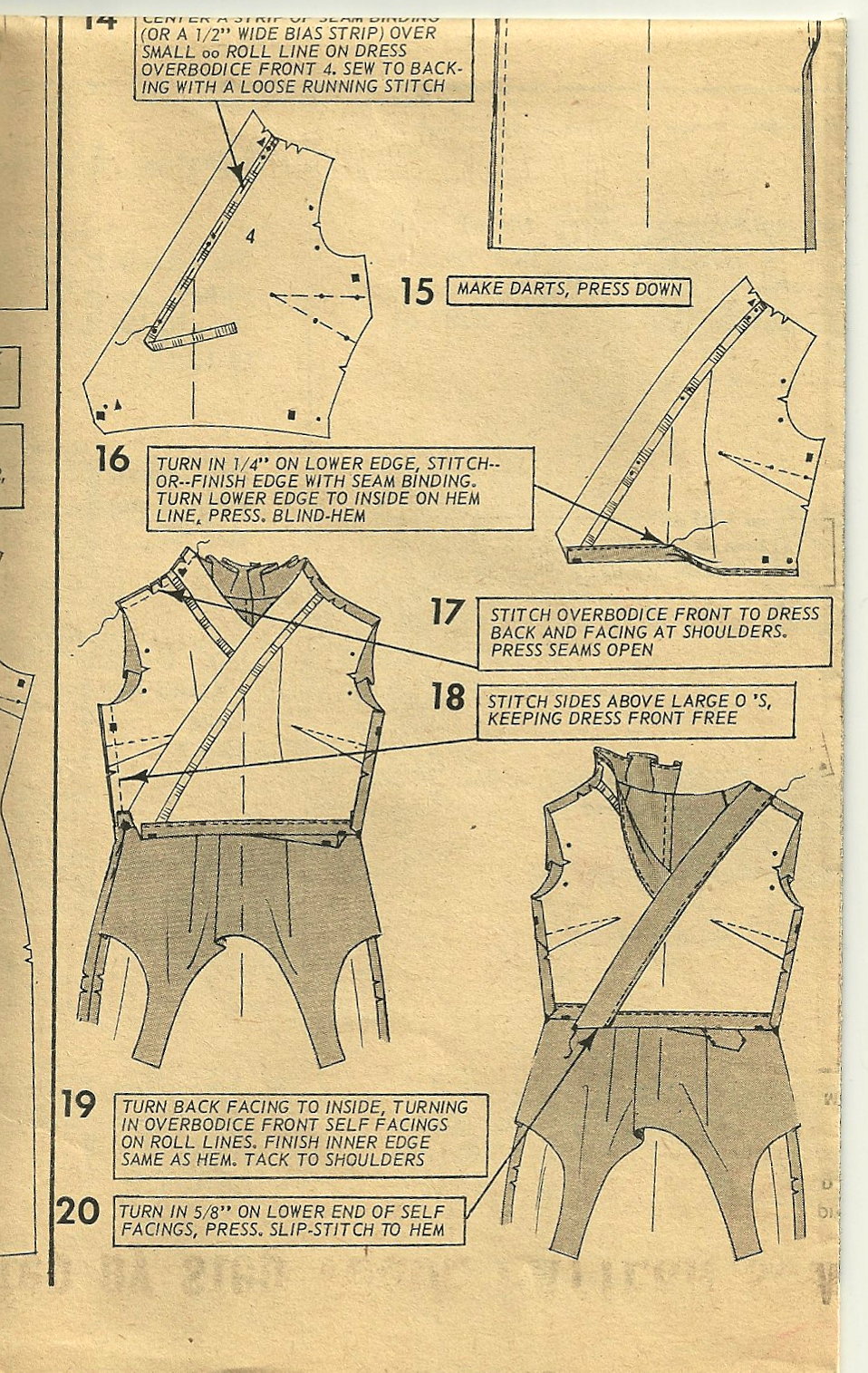
The pattern called for the fashion fabric to be underlined, but not lined.   I wanted to line the dress – and actually felt it was a necessity with the fabric I was using. Because of the unusual construction of the dress, I knew that this was going to be interesting – and that I was going to have to make it up as I went. To see what I mean about the unusual construction, take a look at the pattern instructions. The front of the “underdress” is sewn to the back of the dress at the side seams only to the waistline. The bodice part of the front “underdress” hangs loose while the two sections of the overblouse are first sewn to the dress back. Then that bodice is hand sewn in place.

To our sewing selves - pattern diagram

To line the dress, I first sewed the lining to the front underdress at the neck and the armscyes by machine. I under stitched these sections by hand, leaving about an inch free on either end.

Cheers

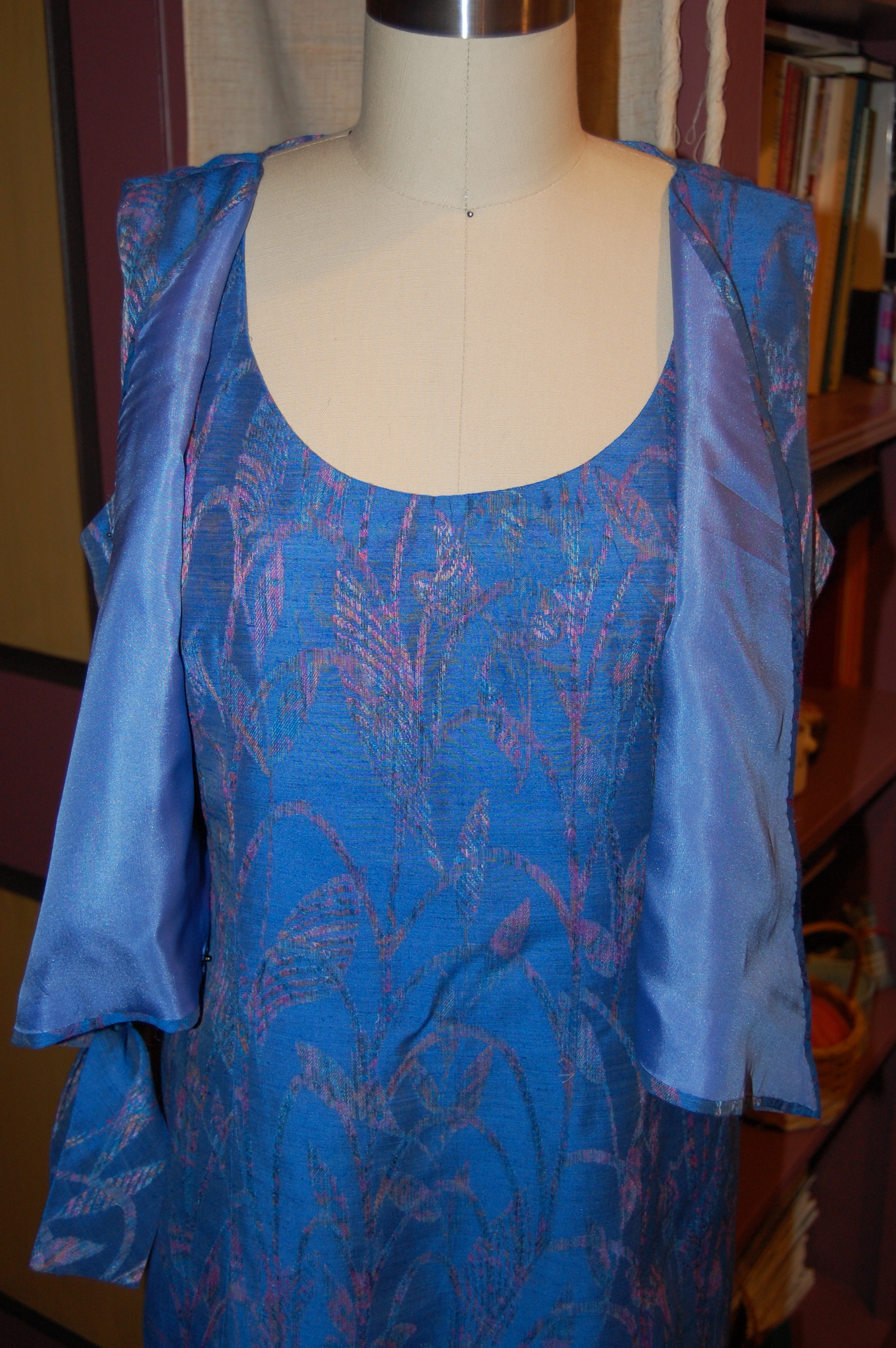
Next I lined the two front overblouse sections, stitching only the front armscyes by machine; I attached the rest of these linings by hand, using fell stitches.  Then I joined the overblouse sections to the (unlined at this point) dress back.

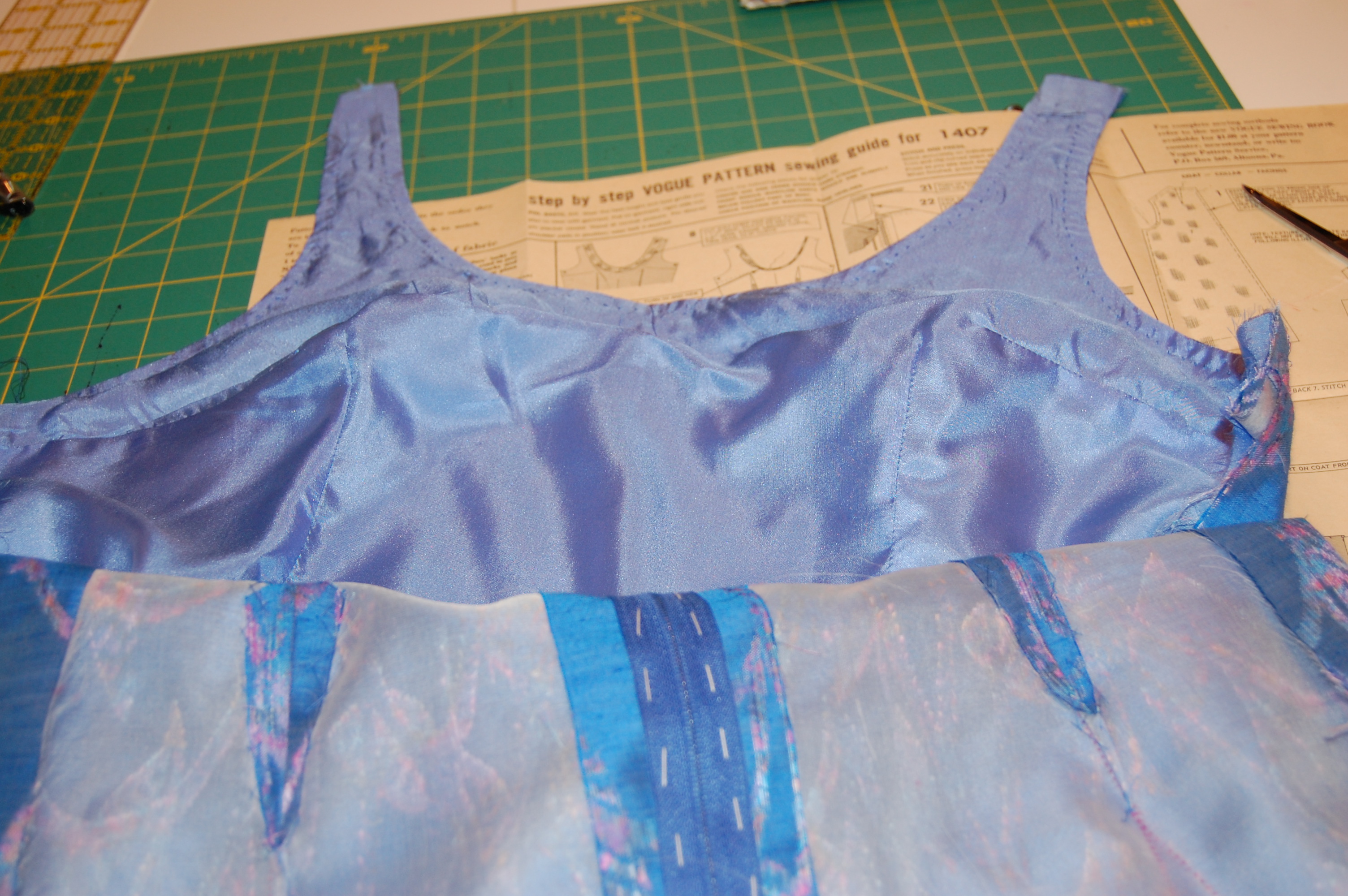
The front overblouse sections are attached to the side seams, but the front underdress is hanging loose, which does not show in this photo.

The front overblouse sections are attached to the side seams, but the front underdress is hanging loose, visible at the lower left.

I had pieces of dress and overblouse and lining hanging every which way! Any of you who have made a “Chanel” type jacket know how unruly the process is before the lining is seamed in place by hand. This reminded me of that. Somehow I would have to make order out of chaos!
To line the back dress section, I pinned the lining to the armscyes and neck and fell stitched in place by hand. Then I was able to sew each side seam on the machine. The shoulder seams were the final ones to finish, which I did by hand. Then it was only a matter of fell stitching the lining to the hand-picked zipper and understitching the neck and arm sections.

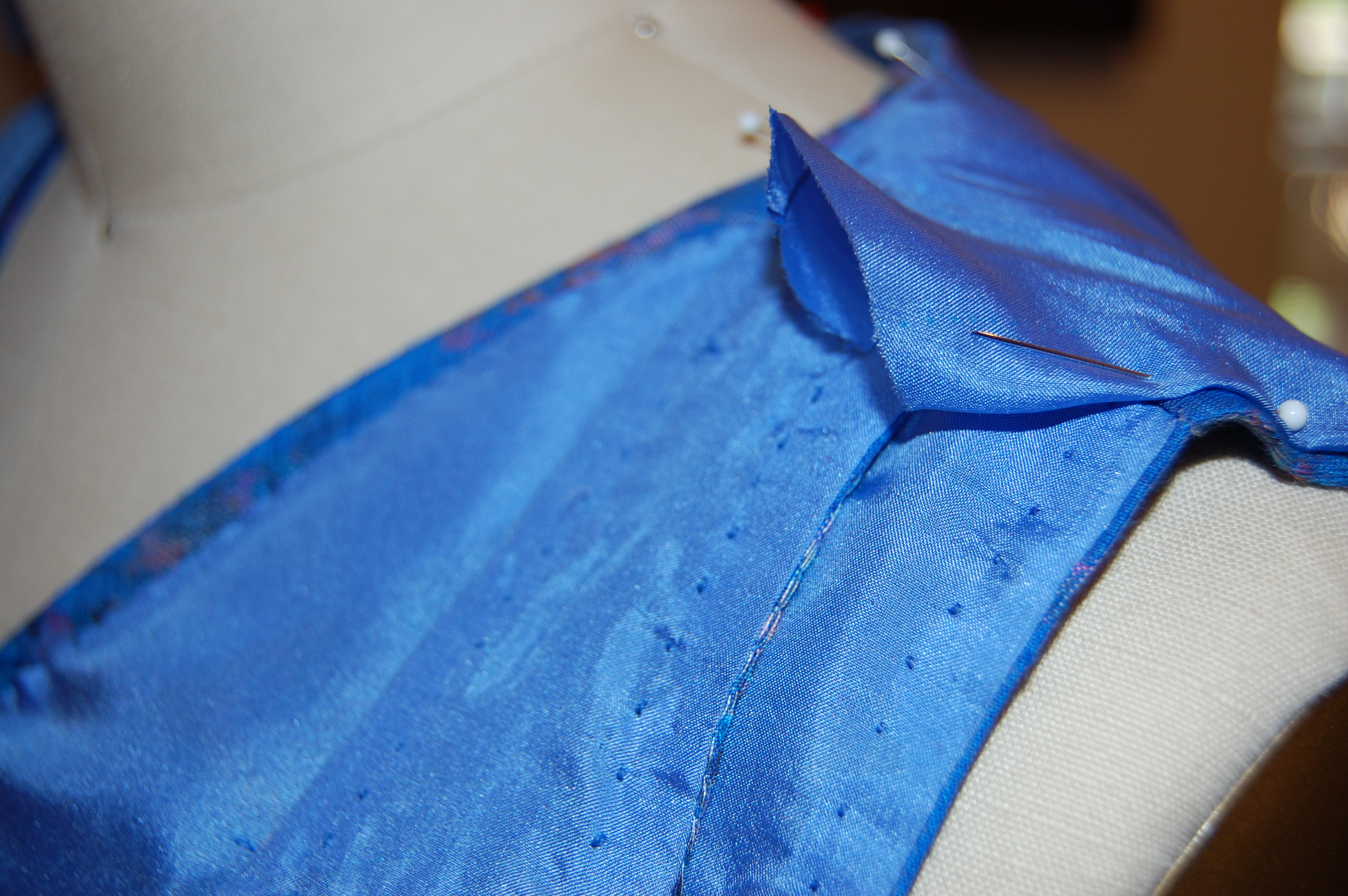
The shoulder seam encloses two finished layers in front.

The shoulder seam encloses two finished layers in front.

It worked! The lining fit perfectly and made for a pretty “insides”!

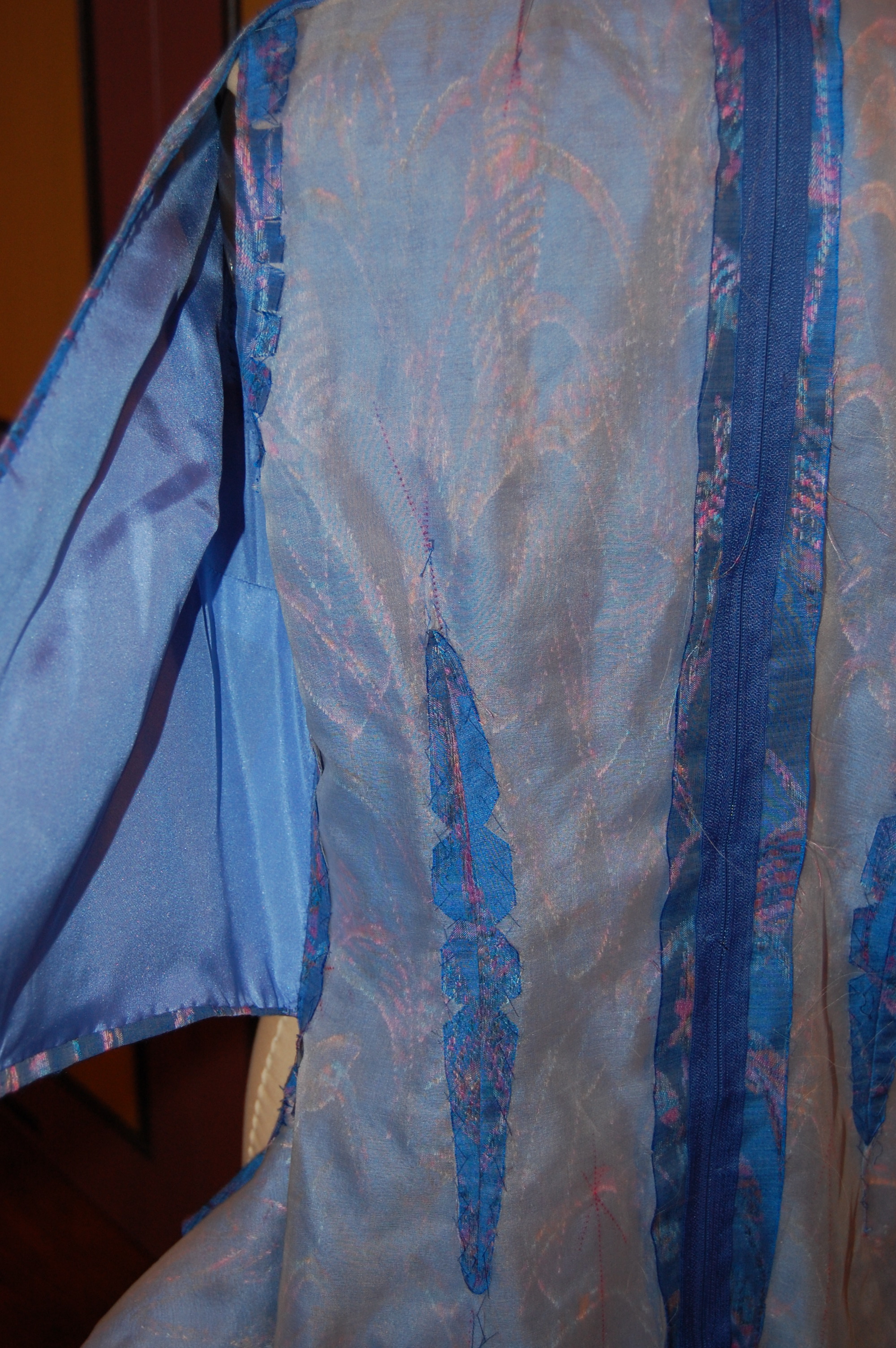
An inside look at the underdress and the overblouse.

An inside look at the underdress and the overblouse.

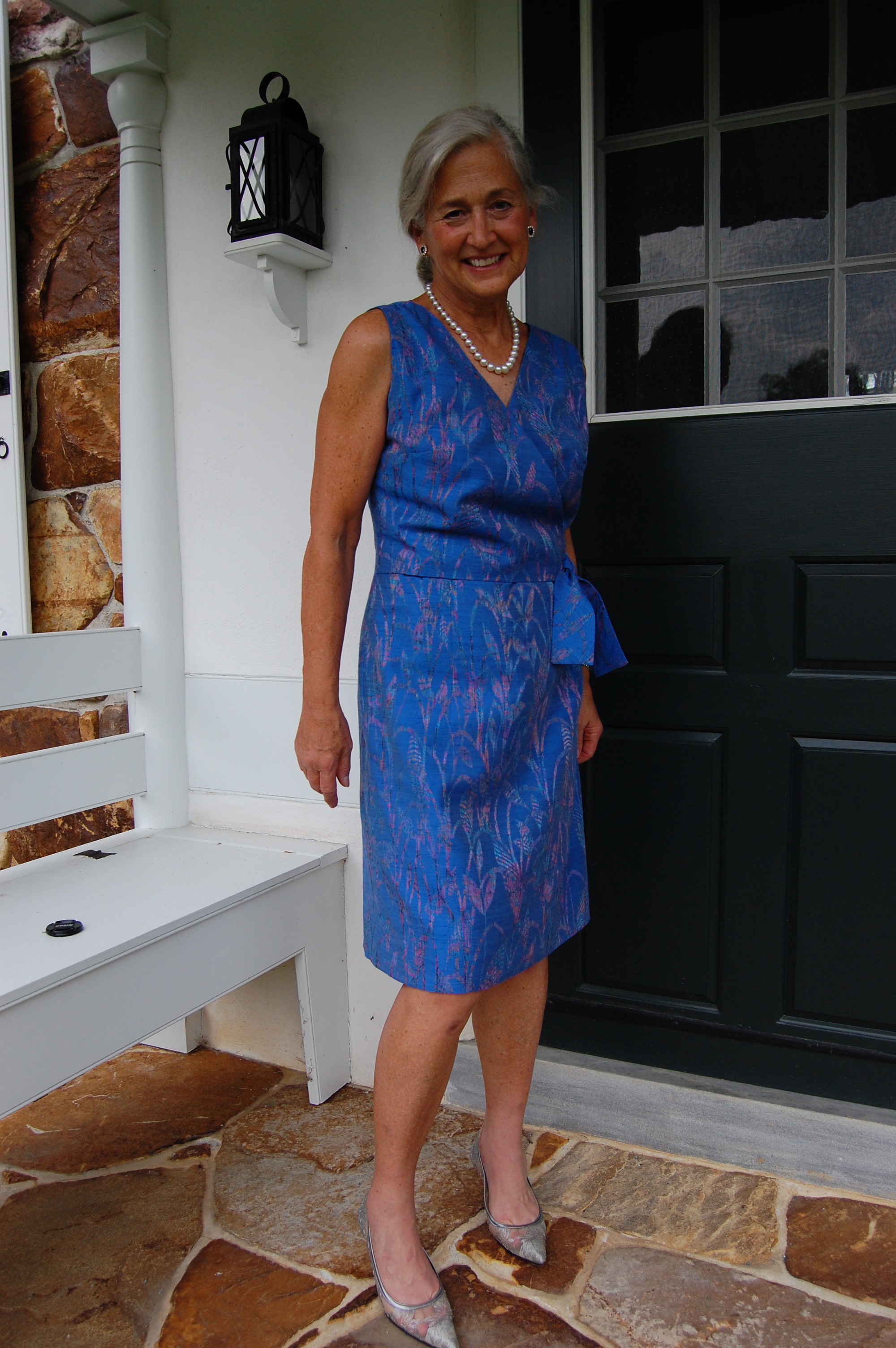
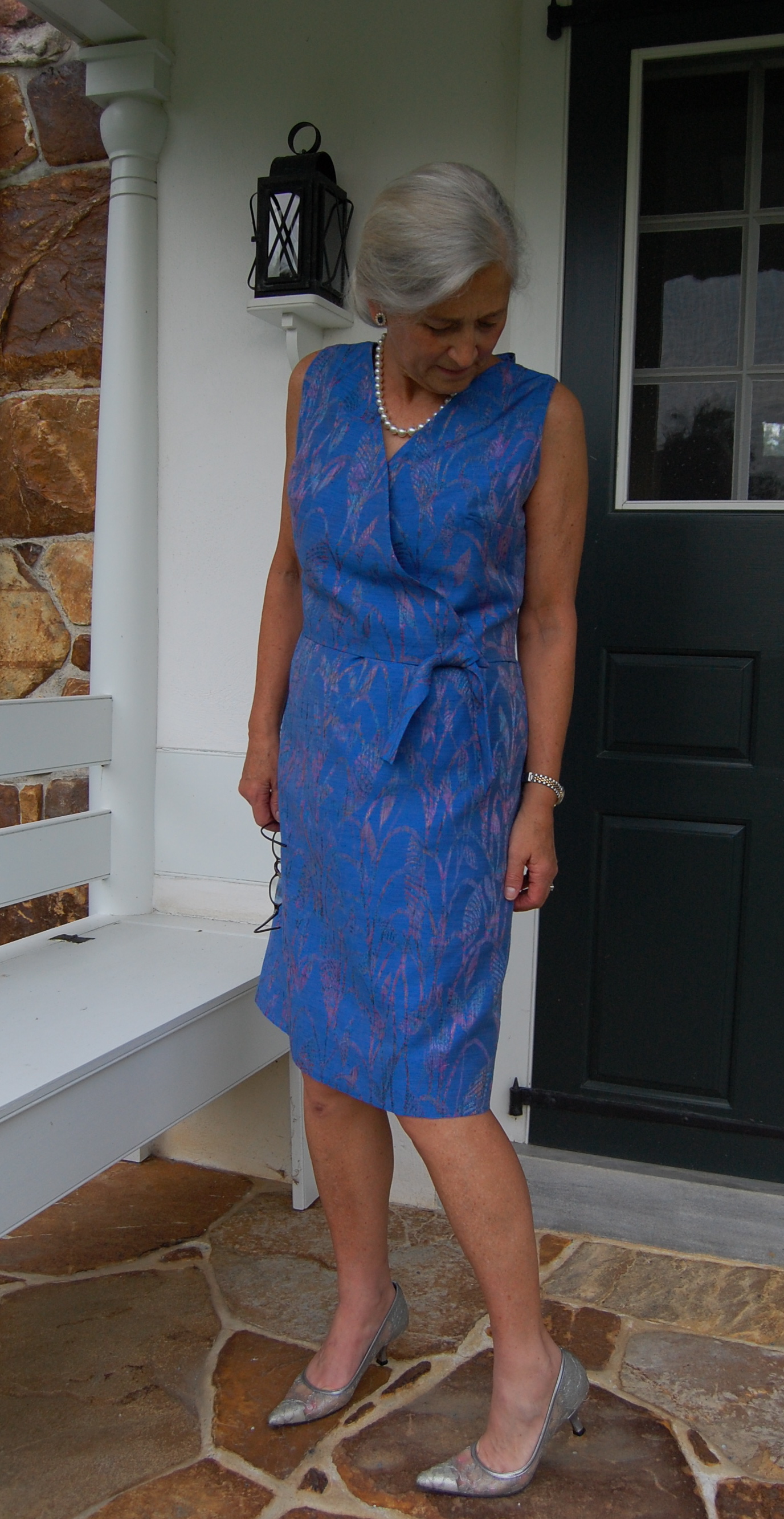
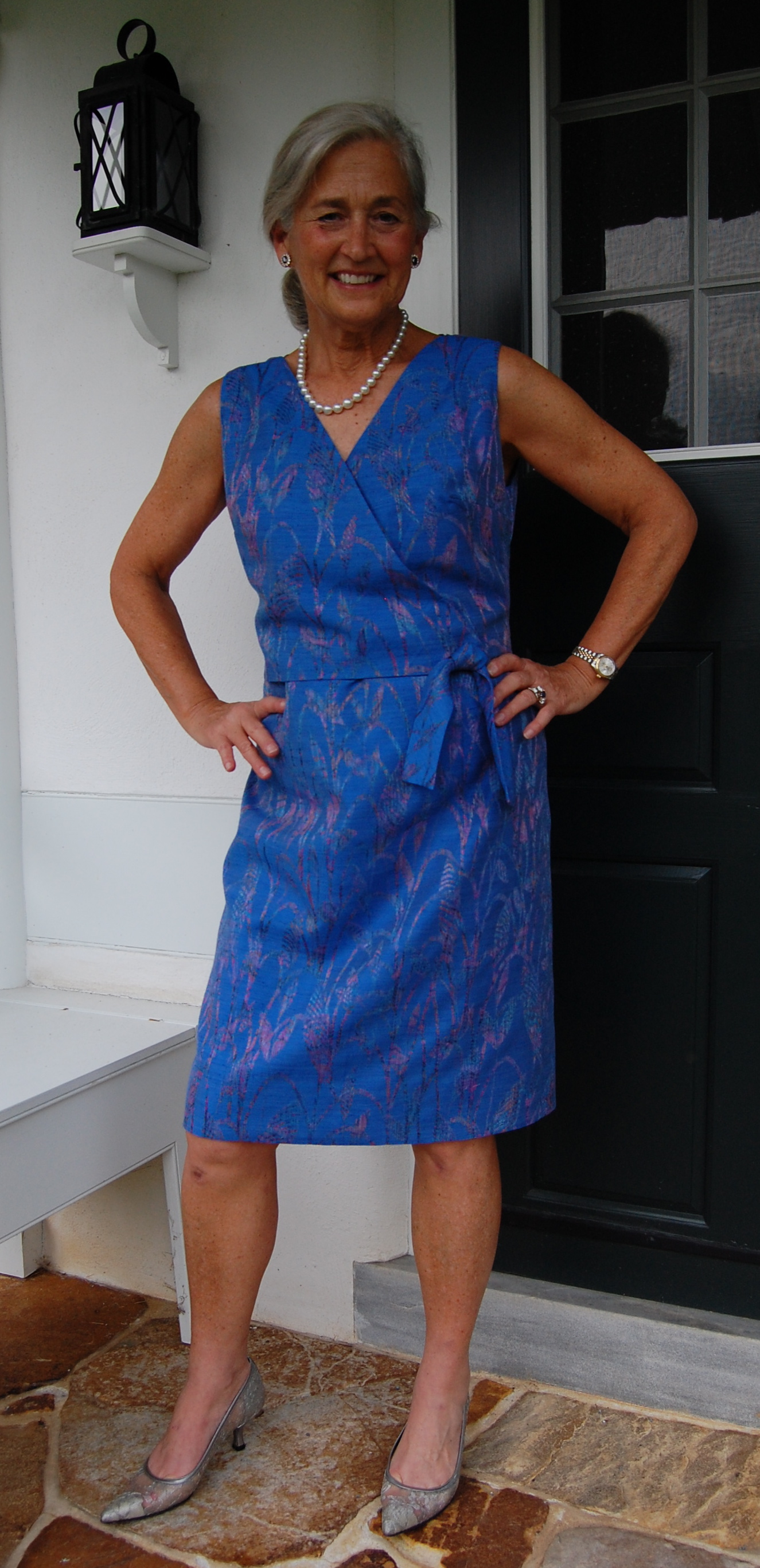
The pattern called for tacking the front overblouse sections to the underdress, but I decided to use snaps instead. Ironing this dress will be so much easier with the overblouse sections opened up. However, I did permanently tack the looped tie in place, as indicated in the pattern directions. There was much more hand sewing involved in this dress because of the added lining, but the process was so rewarding in the end.

DSC_1374

Cheers

I anticipate this dress being perfect for not only cocktails, but also weddings and other dressy occasions (particularly if I get the coat made, too!).

Cheers

DSC_1369


DSC_1362

Although I doubt I’ll be clinking my cocktail glass with many other dressmakers, I like the thought of a “virtual” toast with my fellow sewing enthusiasts. Some possibilities I have come up with are “To needle and thread” – or “To weft and to warp” – or “To scissors and seams” – or the one I think I prefer, with thanks to a lady from the past – “To our sew-able selves!”

40 Comments

Filed under Cocktail dresses, couture construction, hand-sewn zippers, sewing in silk, Uncategorized, underlinings, vintage Vogue Designer patterns, vintage Vogue patterns from the 1960s

The Search for the Perfect Blue

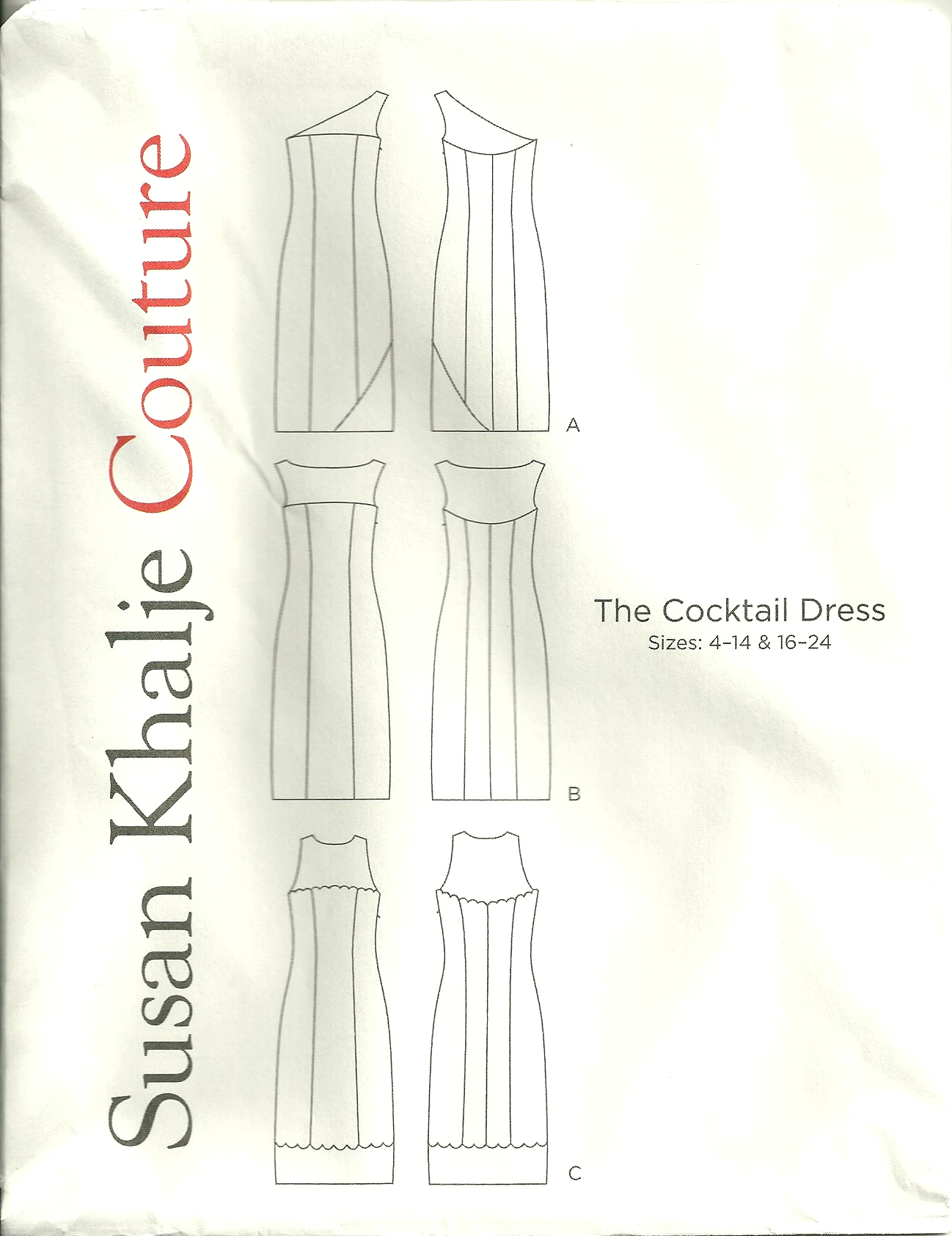
Do you ever have a specific color in mind when looking for fabric for a specific type of dress? I am usually open to changing my mind if something else wonderful appears, but this time I really, really wanted to find a blue fabric for a cocktail dress. I started out thinking I would like a pale or periwinkle blue silk to pair with white lace, having Susan Khalje’s new Cocktail Dress pattern in mind.

The version I was thinking I'd like to make is the third one, with lace for the top and bottom panels.

The version I was thinking I’d like to make is the third one, with lace for the top and bottom panels.

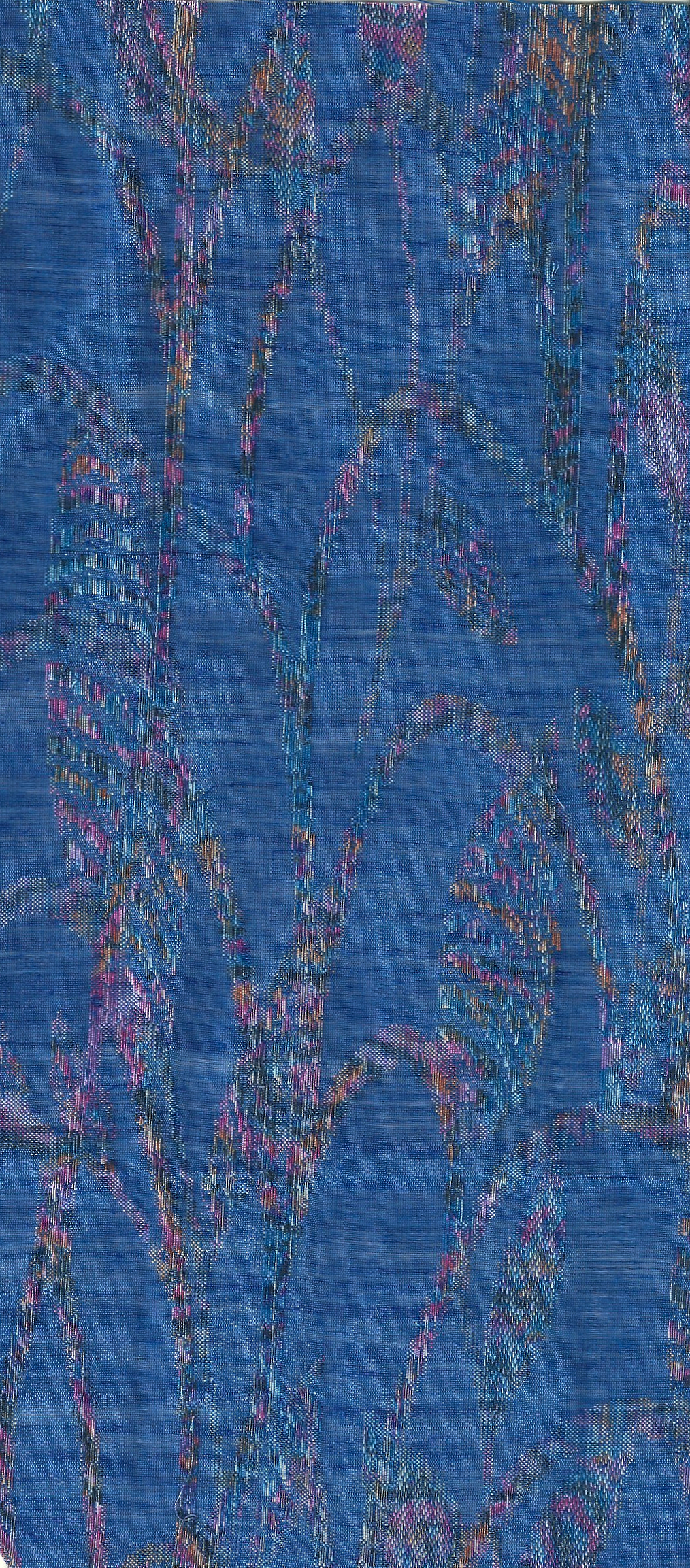
I sent off for swatches – and more swatches – and even more, but I couldn’t find what I was looking for. This is what happens when one lives in an area which is devoid of fine fabric stores. ARGH! Then I found this lovely lightweight silk/linen/viscose blend at Emma One Sock. The color was just what I had in mind and I loved the feel of the fabric. The delicate woven design within this fabric catches glimmers of light.

The subtle design is in shades of pink, green and peach.

The subtle design is in shades of pink, green and peach.

I really loved it. BUT – I knew it wouldn’t look good paired with lace. So-o-o-o, I thought to myself, maybe I’ll save the lace idea for another time. Maybe I should look at my pattern collection and see what other cocktail dress patterns might be more suitable.  I picked out two more designs and gave myself some thinking time.

Perfect Blue - Mattli pattern

View D would be my choice.

View D would be my choice.

Since the yardage needed was about the same for all the patterns, I felt confident ordering the fabric and making my decision after it arrived. Can you guess which design I finally chose – and why?

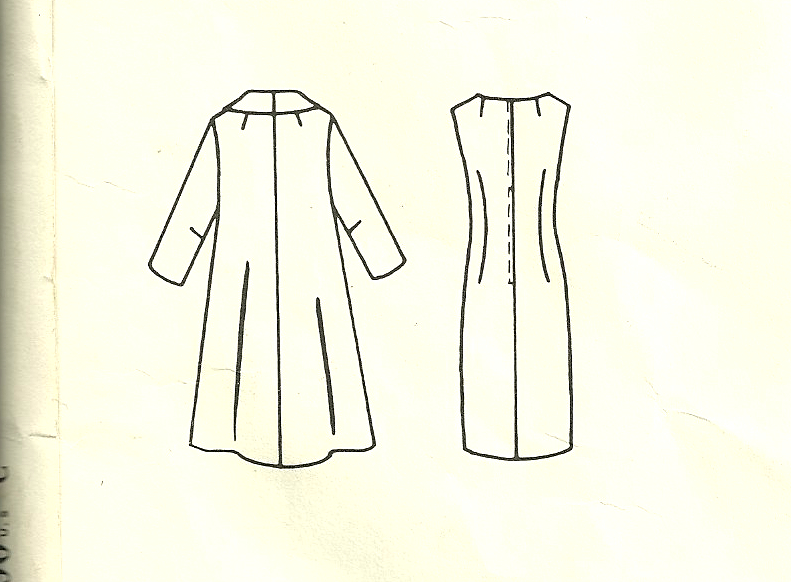
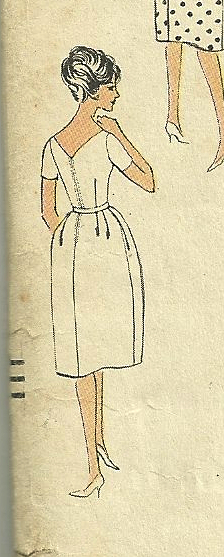
The Vogue Couturier Design by Jo Mattli was the winner. I felt like the vertical “stems” and “leaves” woven into the fabric would be shown to best advantage by a dress that did not have a whole lot going on in it in the way of seams and tucks and gathers. I also like the fact the Mattli design very cleverly gives the feel of a two-piece dress, but in reality, it is one-piece. In fact, only the front of the dress looks two-piece. Here is the back view:

Perfect Blue - thumbnail sketch of backs

The lightweight nature of this fabric also means that there will not be an excess amount of bulk in that double layered front. The fabric is ideal for underlining in silk organza, with a lining in luscious china silk which Emma One Sock helped to select for me.

I spent several days working on a muslin (toile) for the dress, making some subtle changes which I’ll cover in a future post. The dress itself is now “under construction”! Of course, the longer I work with this beautiful fabric, the more I wonder if I should order more of it….?   A coat with a lining to match the dress would be quite something, wouldn’t it? (Any coat would not be finished in time to wear to the early September event for which I am making this dress, but would I let a small detail like that keep me from a vision?) What do you think? Coat or no coat? And if I did make a coat, what color should it?


21 Comments

Filed under Uncategorized, underlinings, vintage Vogue Designer patterns, vintage Vogue patterns from the 1960s

“Good Wearing-Relationships”

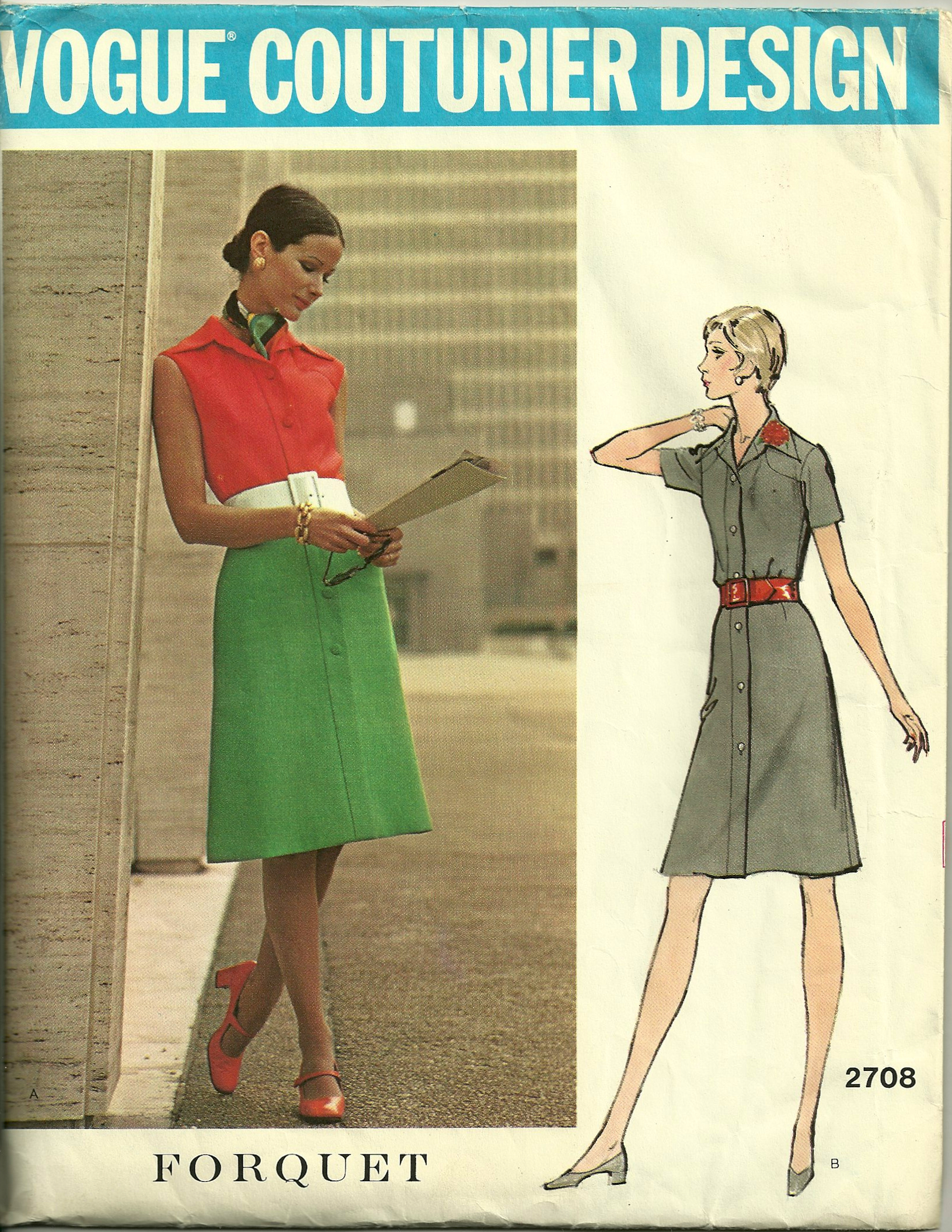
This is a pattern I have long admired:

Good wearing-relationships - Forquet pattern

It is one of those patterns which is always in my mind when I am looking at or for fabric. Twice I have opened it up to survey its pieces and construction, and twice I have decided against it. To be fair, both times of rejection have been because of “not enough fabric”, but other factors have weighed in as well: 1) the collar is too “’70s-looking” and would have to be recut; 2) the skirt is A-line, a look I am just not excited about right now; and 3) the top part of the dress is “bloused” instead of darted, which adds more bulk to the waist than I can handle at this stage of my life.  However, with that said, I still love the look.   I love the strong contrasts of color, divided and punctuated with the wide white belt. I love the styling with the shoes matching the red bodice, the tidy neck scarf, the big ball earrings, and the classy bracelet. It is a memorable look. And – it served as inspiration for me as I recently paired two vintage pieces of contrasting Moygashel linen.

GGood wearing-relationships

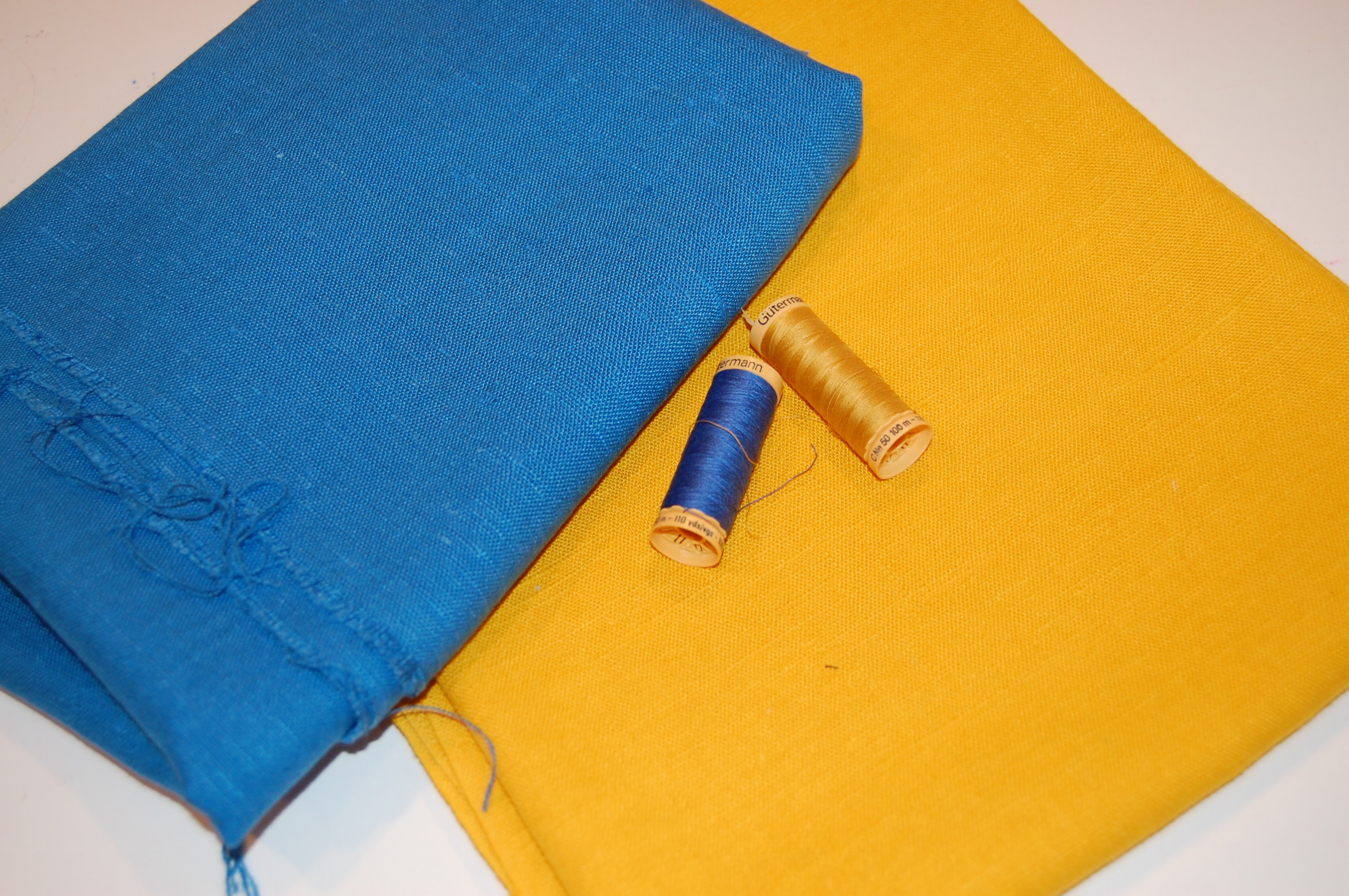
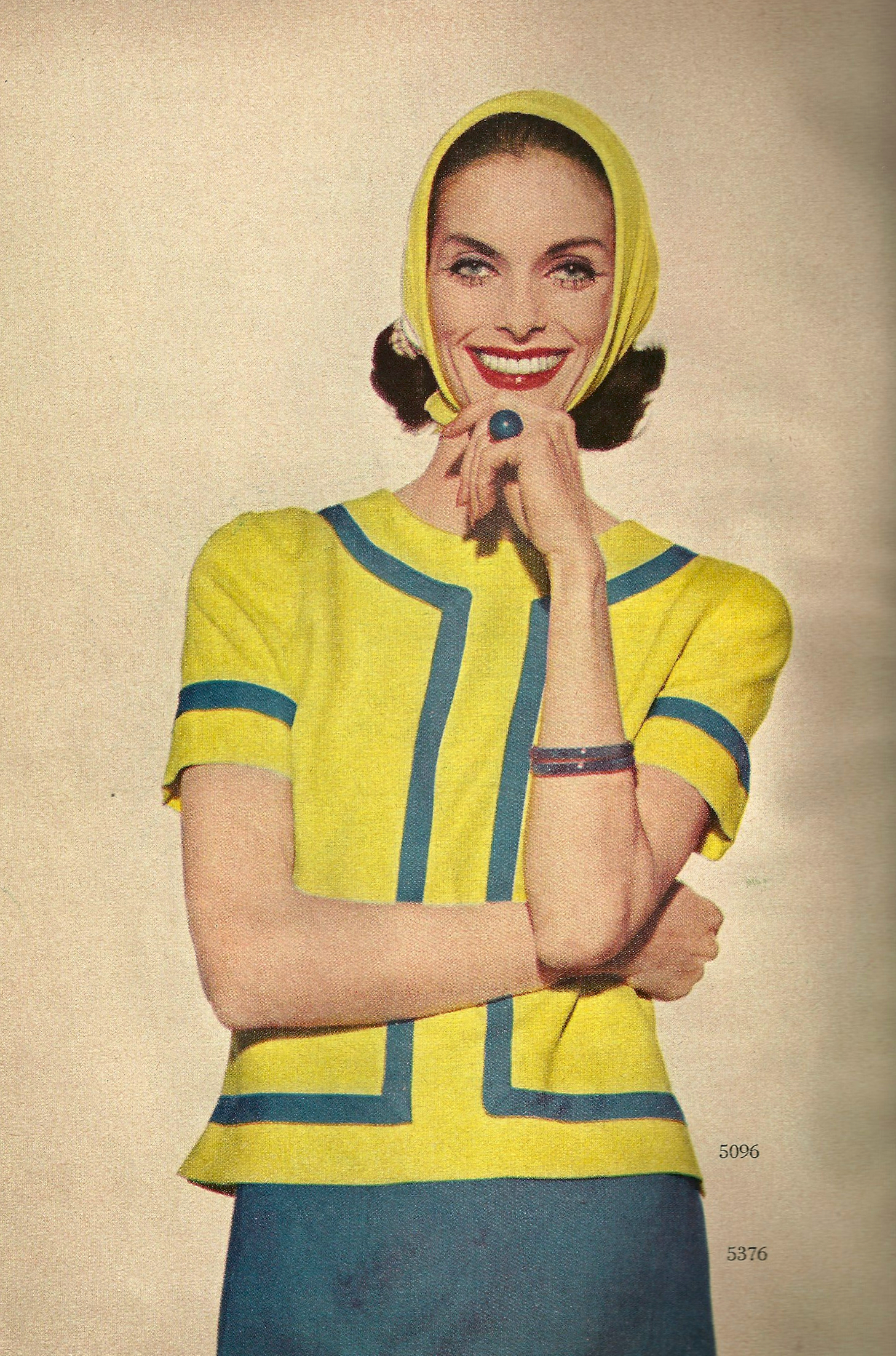
When I purchased these fabrics – at different times – I had no intention of using them together.   But then, one day I put them together and liked what I saw. I knew from Vogue 2708 (above), that a white belt would add the necessary foil to those two strong colors. Further encouragement came happily from a two-piece dress in the June/July 1962 issue of Vogue Pattern Book Magazine using similar Moygashel linens:

"They're naturals - and we're not just talking about the cotton and linen fibers in the clothes on these pages , but the good wearing-relationships we have with them.  We like them; they like us - our 1962 shapes, science-bred colors, the places we go, our washing machines..."  The two-piece dress featured here was made from Moygashel linen,

From the description:  “They’re naturals – and we’re not just talking about the cotton and [Moygashel] linen fibers in the clothes on these pages , but the good wearing-relationships we have with them. We like them; they like us – our 1962 shapes, science-bred colors, the places we go, our washing machines…”

Now all I had to do was decide upon a pattern which would work with the one yard I had of the “bittersweet” yellow linen for the bodice and the one-and-one-quarter yards I had of the “pottery” blue linen for the skirt. (Fortunately, these linens are 45”wide, meaning that they were manufactured after the early-1960s.)

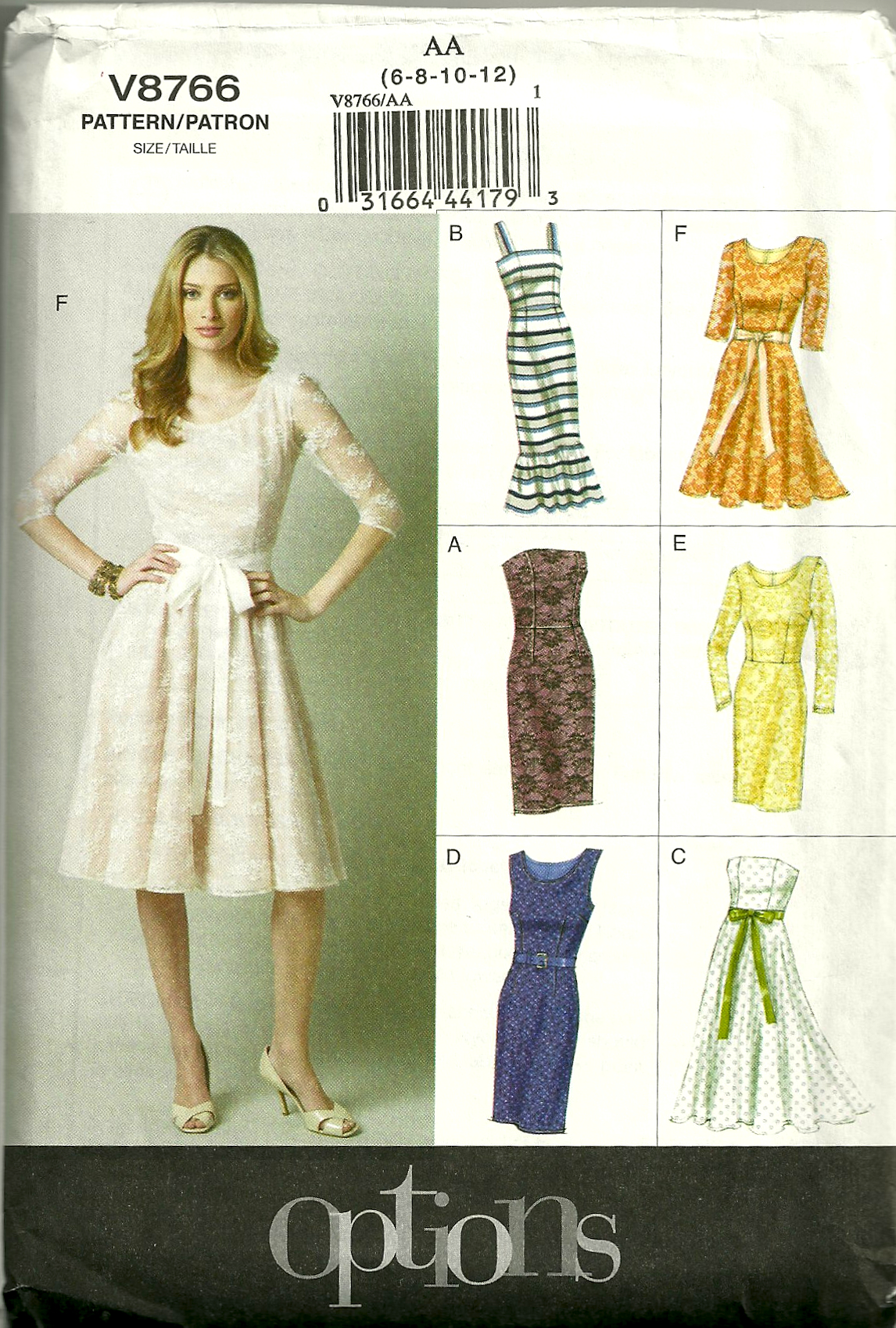
Initially I thought I would just go with View D of this current Vogue pattern:

Good wearing-relationships - new vogue pattern

But after having recently read Linda Przybyszewski‘s The Lost Art of Dress and being influenced by the discussion therein of the importance of fashion emphasizing one’s face, I thought I wanted a more interesting neckline. Off to my collection of vintage patterns I went, emerging with this one:

The neckline dips down to a slightly curved V, with a center seam.

The neckline dips down to a slightly curved V, with a center seam.

And the back is equally as pretty!

And the back is equally as pretty!

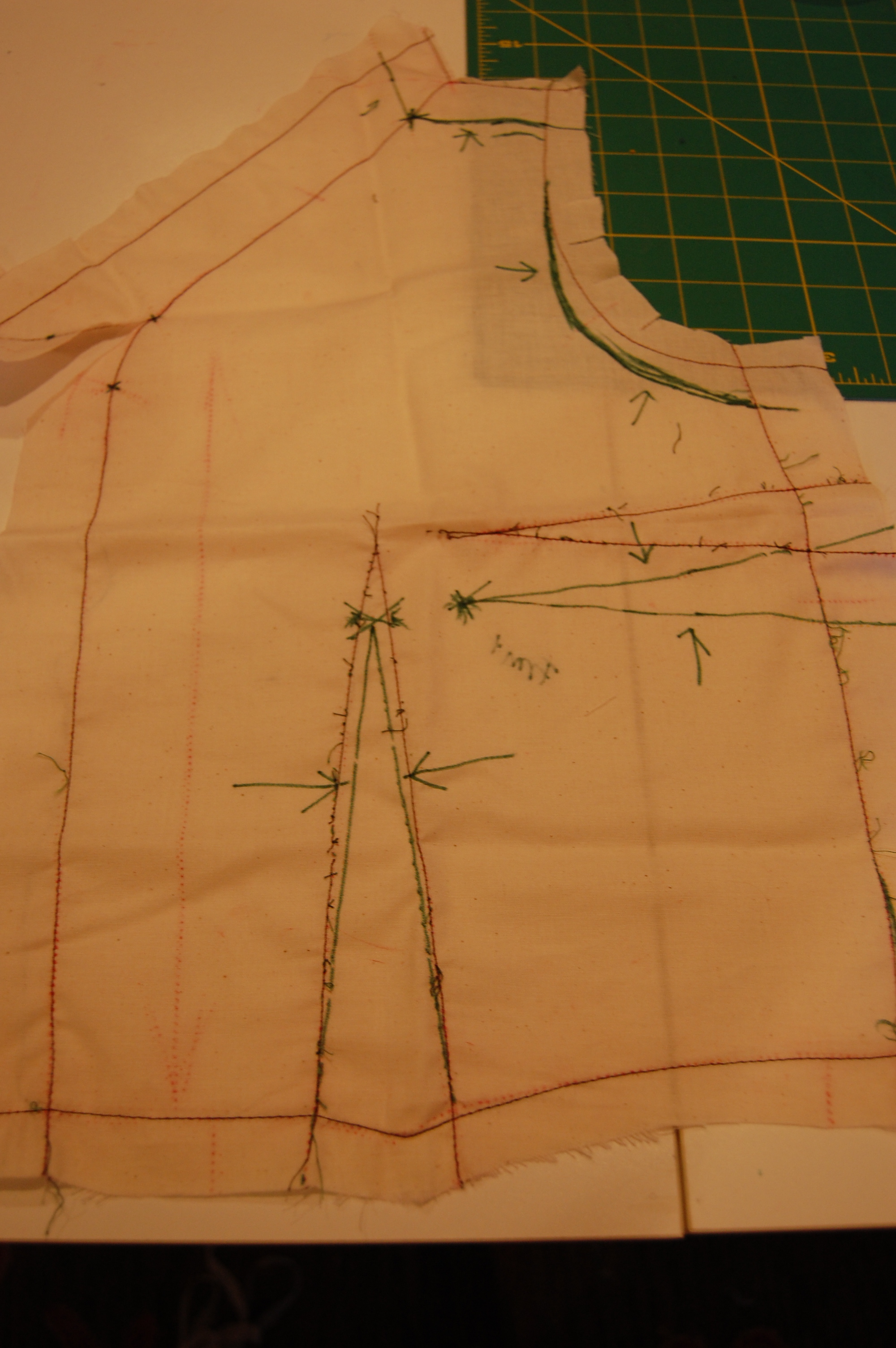
Now I had a plan. I would use the narrow skirt from the current Vogue pattern and the bodice from the vintage Vogue pattern, except that I would make it sleeveless. I had to work to line up the darts on the bodice and the skirt, moving them hither and yon several times. And then I had to deal with the positioning of the bust darts, always an issue for me with vintage patterns. The apices of the darts are always too high for me. (I’m sure it has much to do with the foundation garments which women wore in the ‘50s, ‘60s, and early ‘70s.) Simply moving the apices lower does not always work, as then I seem to have too much fullness above the bust and across the shoulders.   Of course, this is where making a muslin (toile) comes to the rescue. In this case, my first muslin had so many changes to it, that I had to transfer all my final markings to a new muslin. I also decided to underline the linen with silk organza and use true couture techniques to complete this dress.

Here is one side of the front from my first muslin.  I still had to make changes on the second muslin, but better on muslin than on the fashion fabric!

Here is one side of the front from my first muslin. I still had to make changes on the second muslin, but better on muslin than on the fashion fabric!

As I work on this dress I am in concurrence with further commentary from the 1962 VPB: speaking of “Naturals for our Time” (linens and cottons), the editors say, “Most of all, we want the real-life way they look – effortless, inspired by structure rather than detail [my emphasis], and naturally appealing now.” Actually, there is one important detail which will add to the “good wearing-relationship” I will have with this dress – but I’ll save that for my next post…

15 Comments

Filed under couture construction, Linen, Moygashel linen, The Conde Nast Publications, Uncategorized, underlinings, Vintage fabric, vintage Vogue Designer patterns, vintage Vogue patterns from the 1960s, vintage Vogue patterns from the 1970s, Vogue patterns

Defying the passage of years?

Throughout the 1950s, copyright dates appeared on all Vogue patterns (or, at least that has been my observation). Copyright dates appear on some of the patterns from 1960-‘62, but after that, they are non-existent. It is always a thrill when I find a reference to, or picture of, a pattern, which I own or am working on, in one of The Conde Nast Publications, Inc. magazines or other printed materials. It is one sure way to date an otherwise undated vintage Vogue pattern.

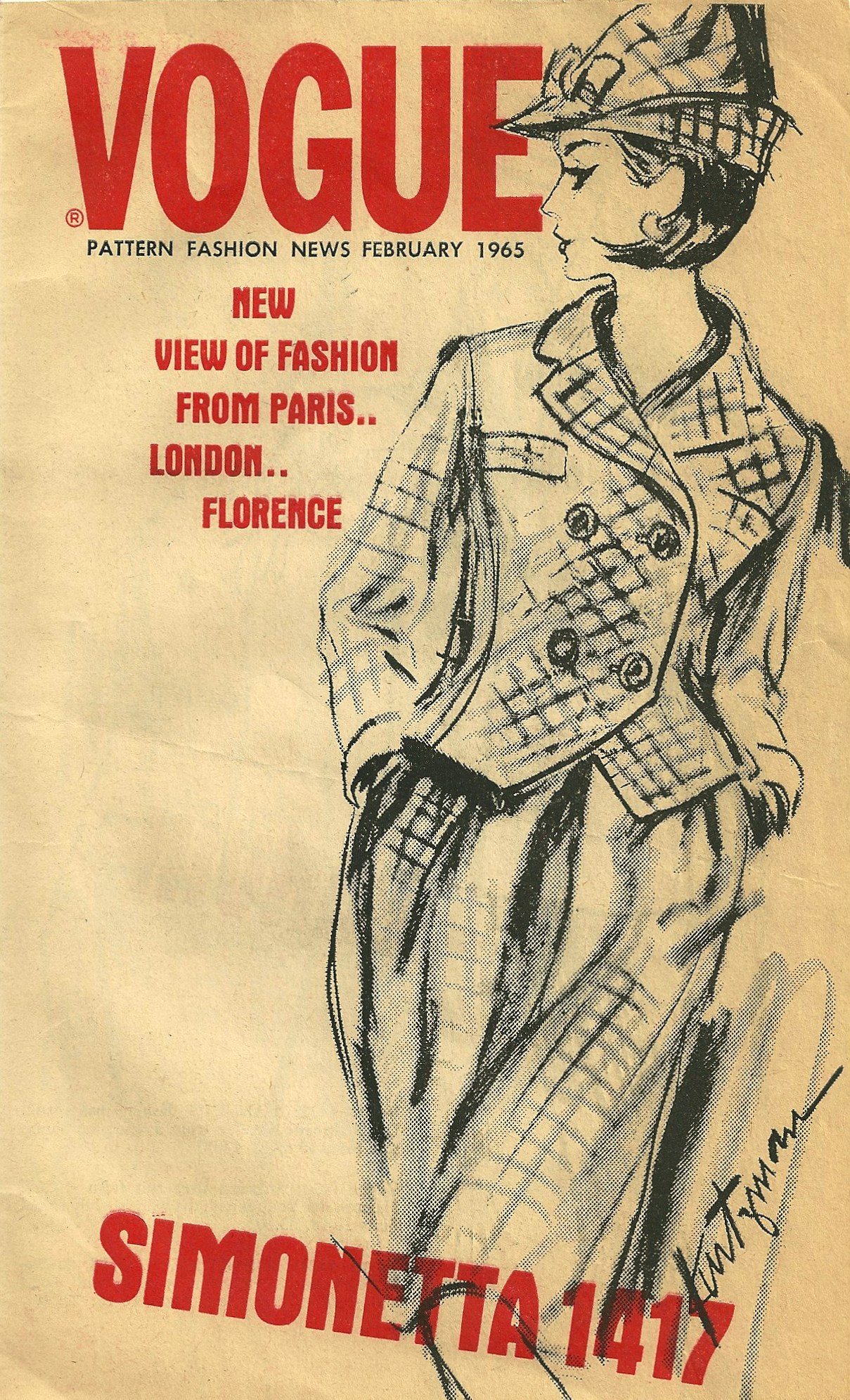
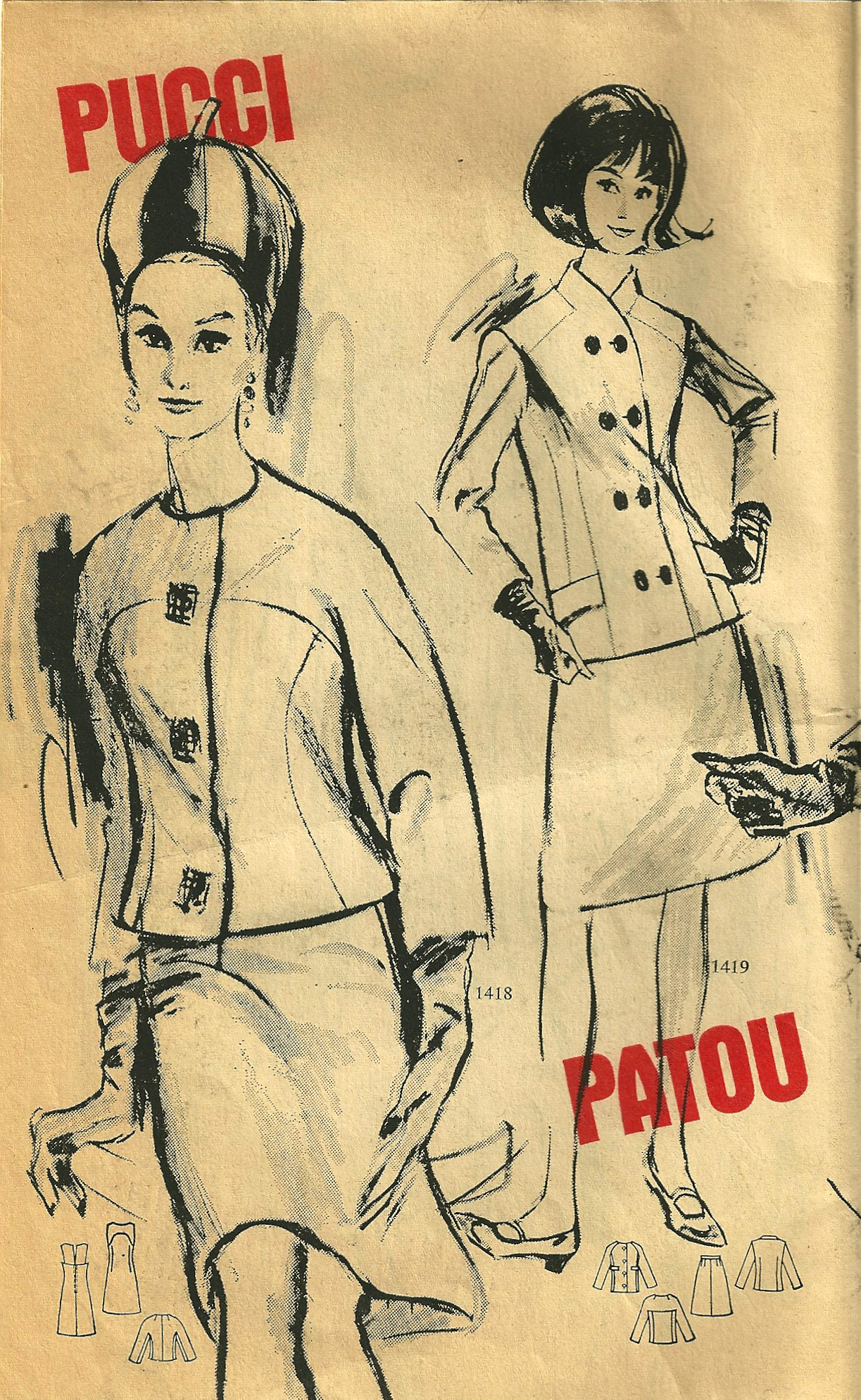
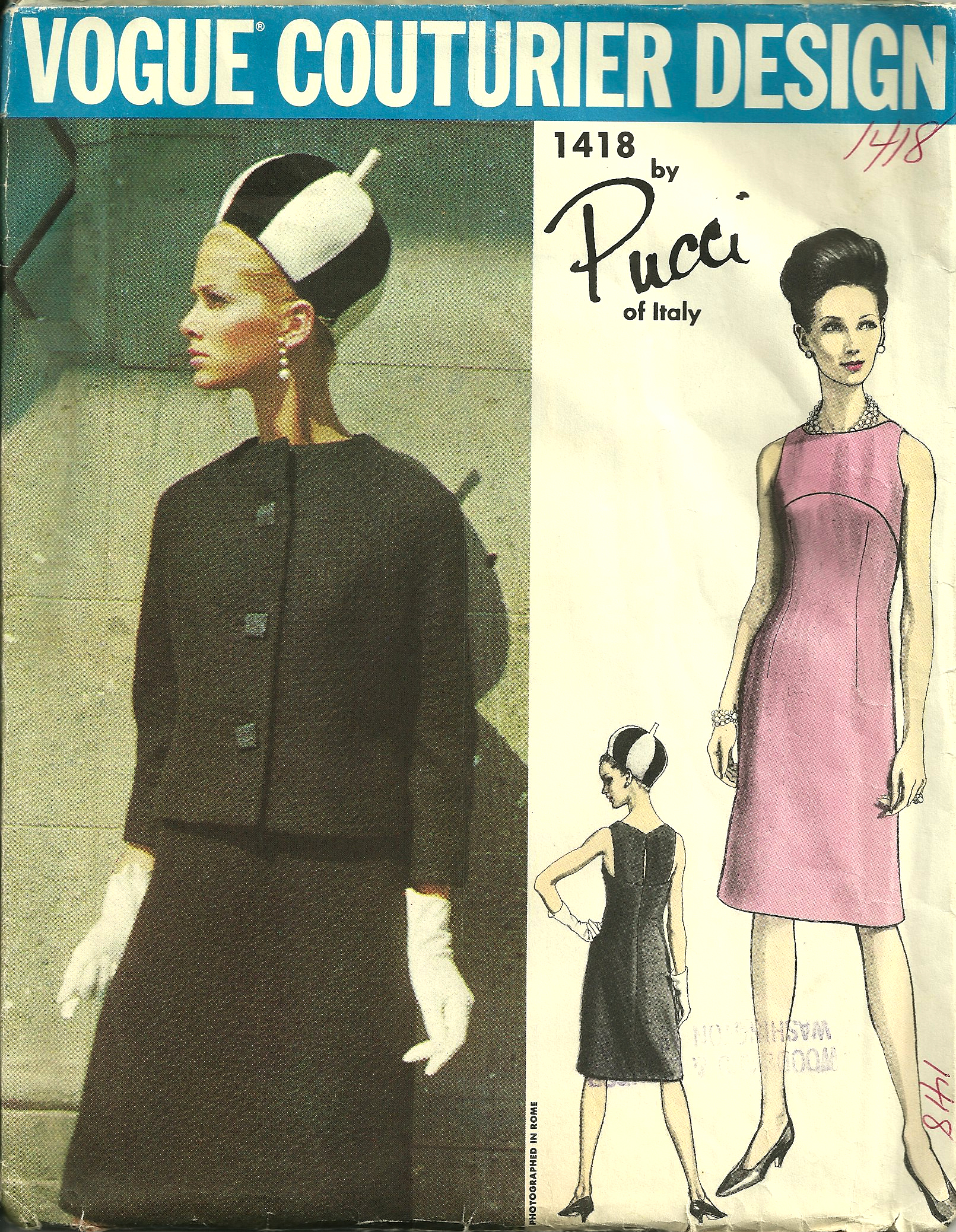
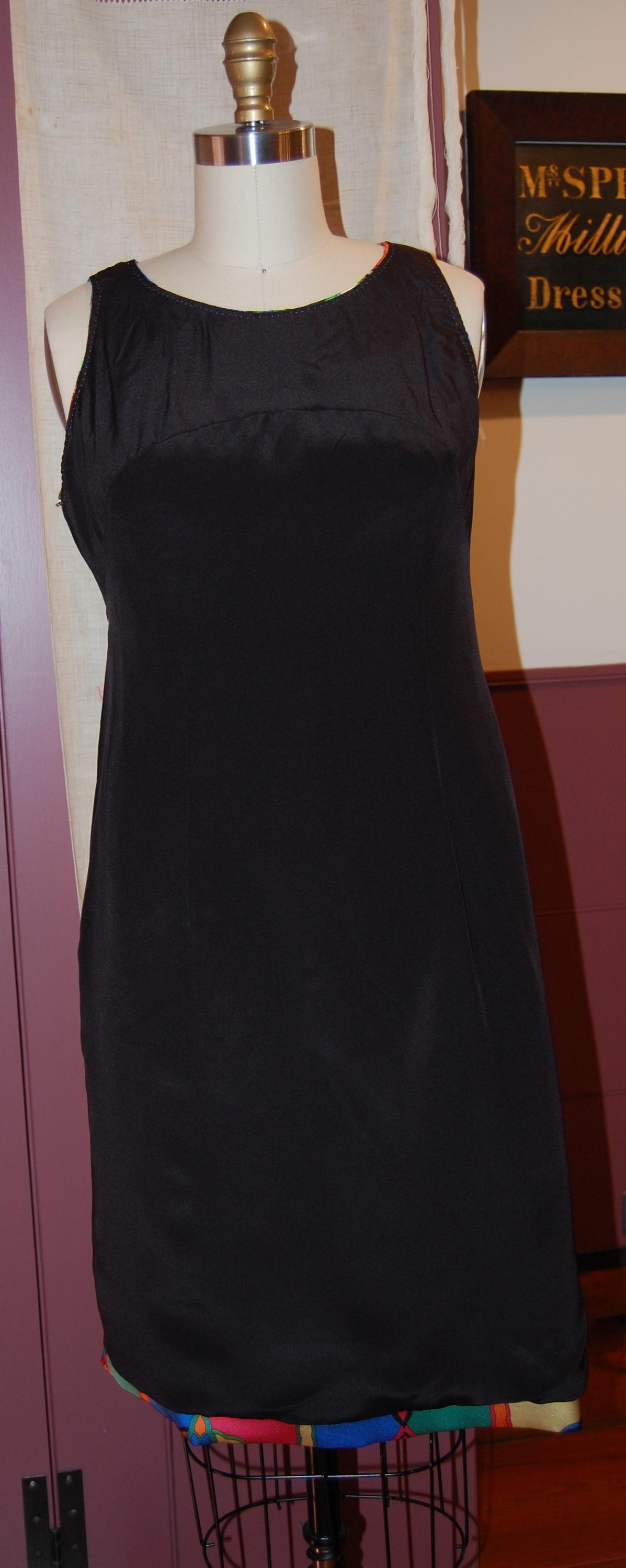
So – you can imagine my delight when a small, 8-page Vogue Pattern Fashion News from February 1965 – which I recently purchased – featured the Emilio Pucci dress and jacket which has been my sewing focus for the past several weeks.

On the cover of this small "flyer", which was available for pick-up wherever Vogue patterns were sold, is the reference to fashion from Florence - as in Pucci's Florence!

On the cover of this small “flyer”, which was available for pick-up wherever Vogue patterns were sold, is the reference to fashion from Florence – as in Pucci’s Florence!

And here is the sketch of "my" Pucci pattern.

And here is the sketch of “my” Pucci pattern.

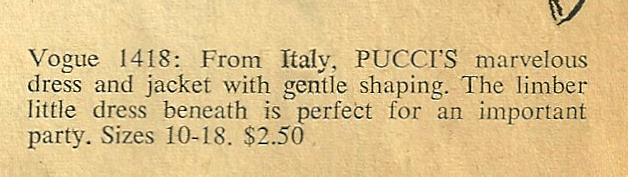
The brief caption gives an apt description of the Pucci pattern:

Pucci pattern - fashion news caption

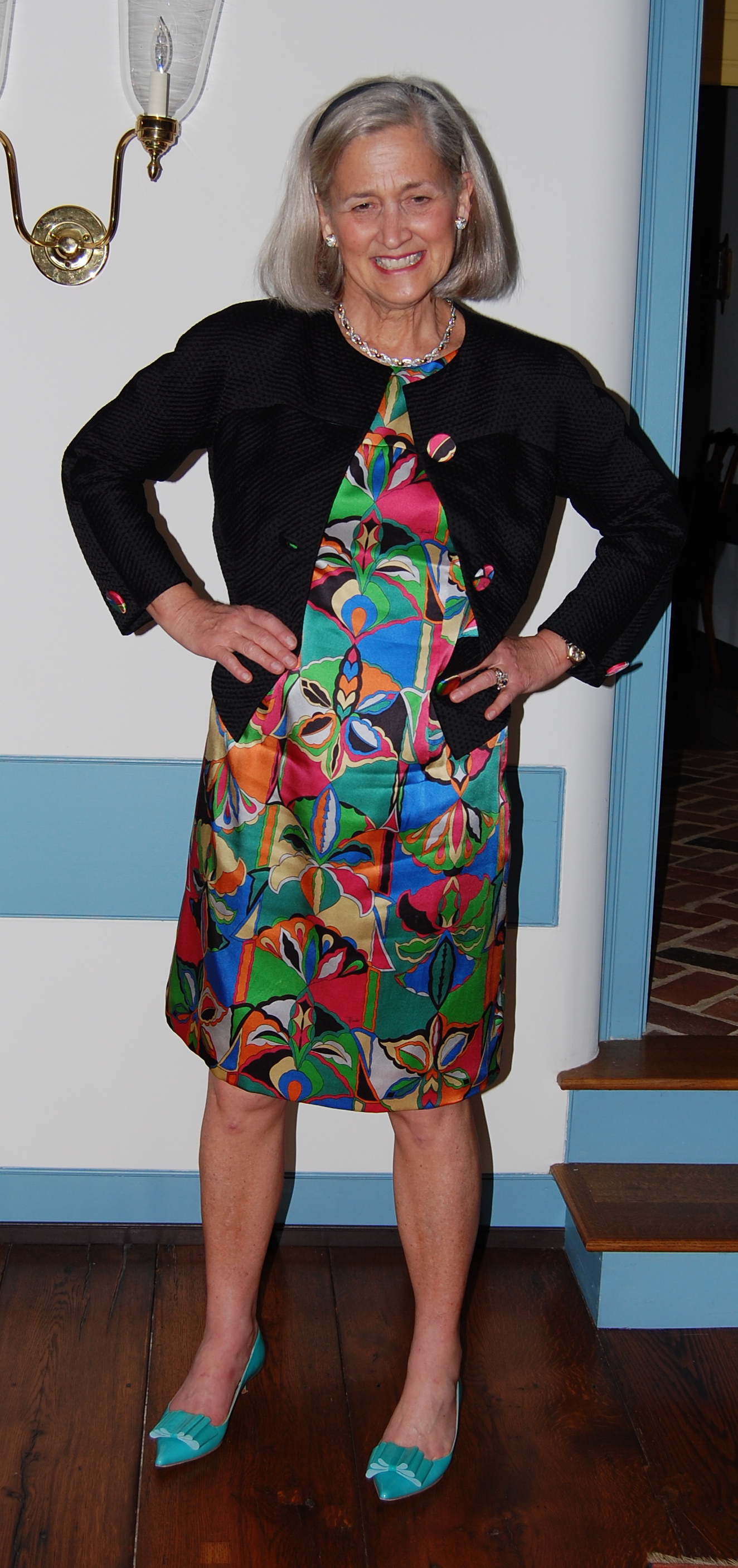
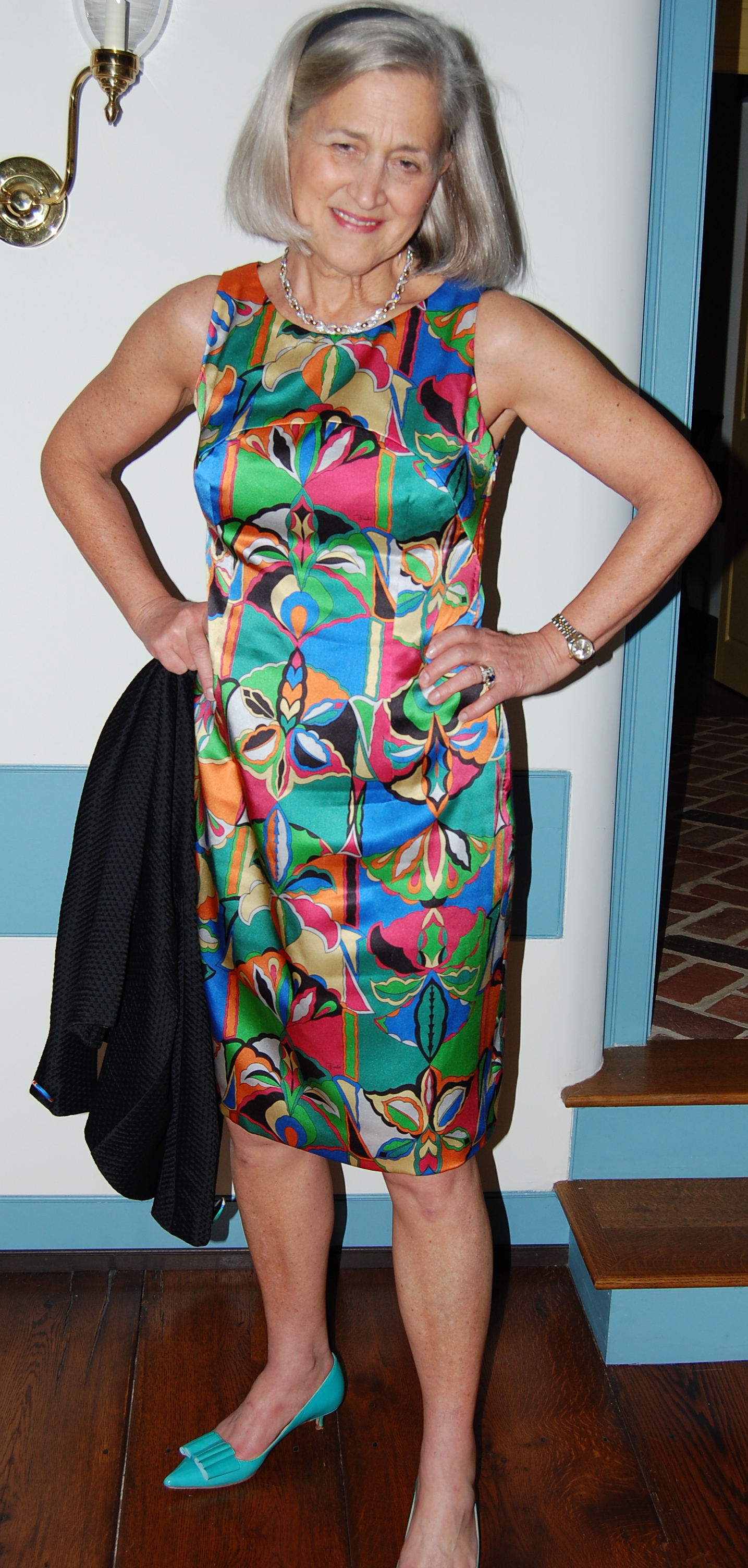
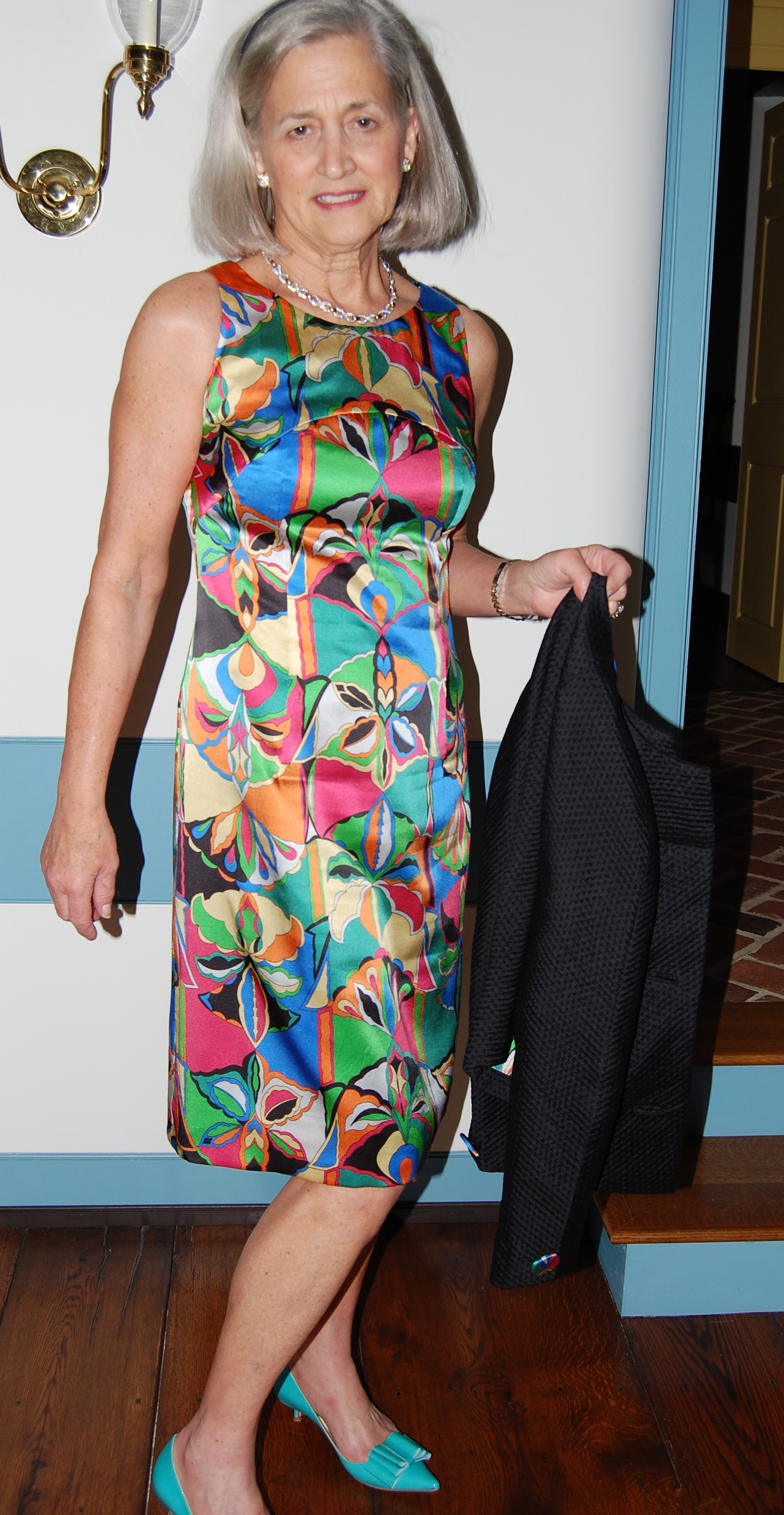
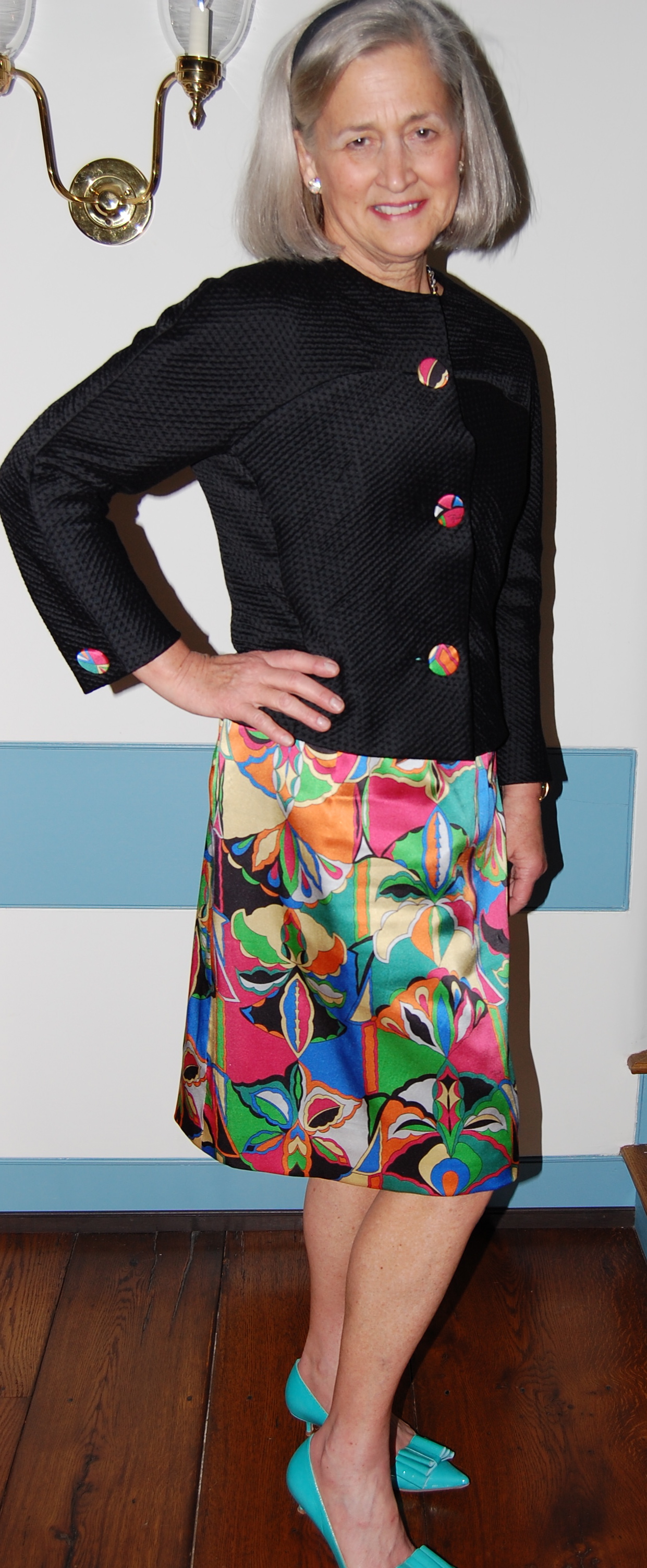
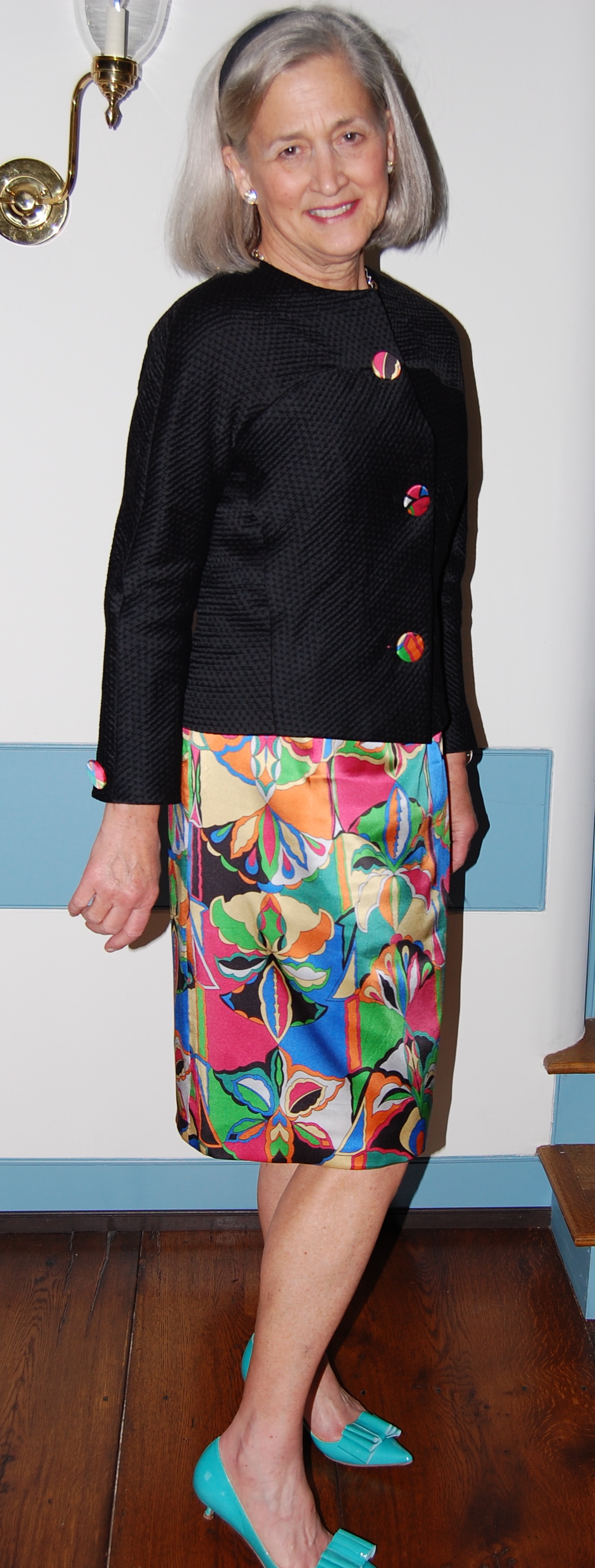
And – I did indeed wear this dress (and jacket) to an “important party” just last weekend – to a beautiful wedding in Center City Philadelphia.


(This photo was not taken at the wedding...)

(This photo was not taken at the wedding…)

I was working diligently all last week to finish the jacket. Here are the details on what was transpiring in my sewing room:

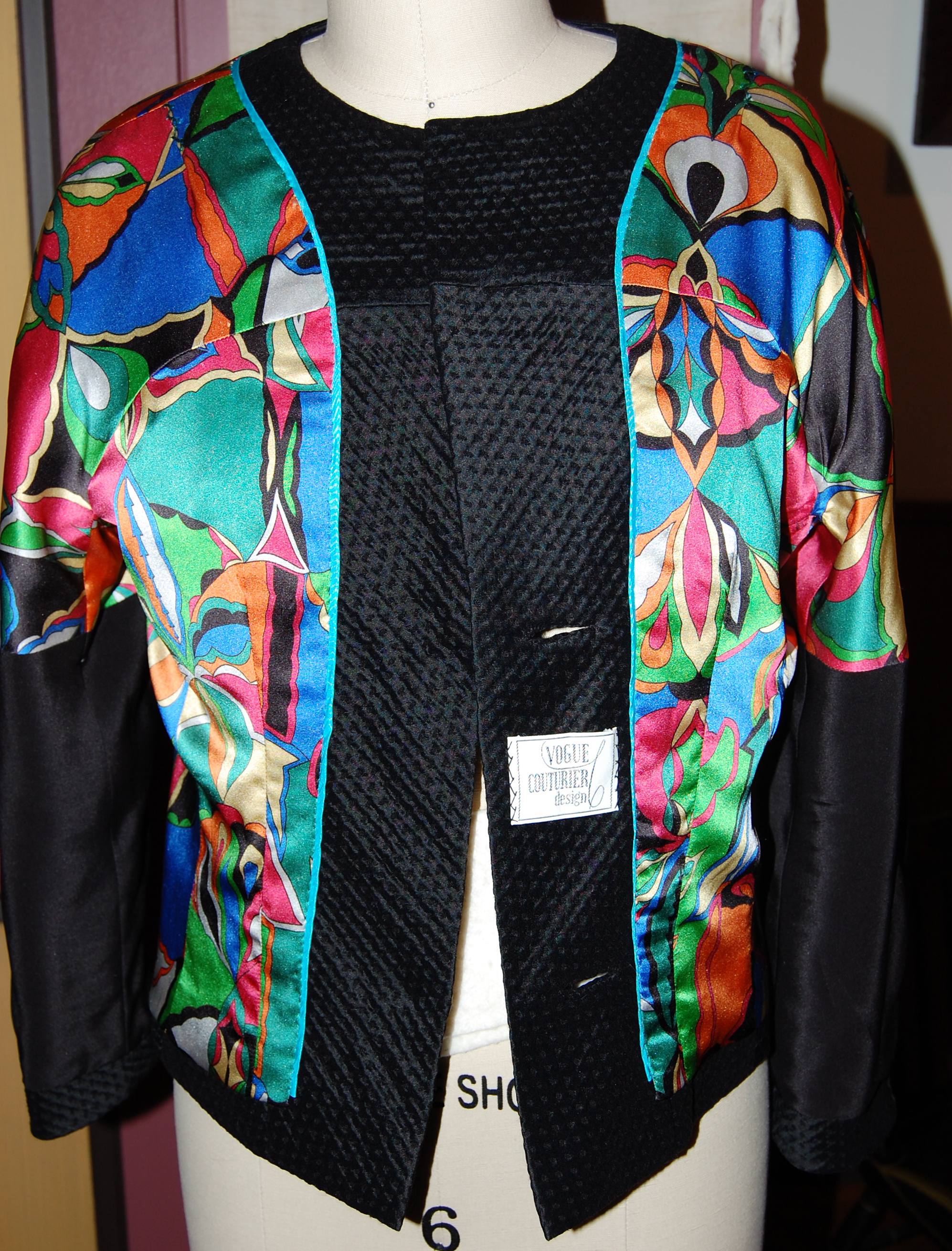
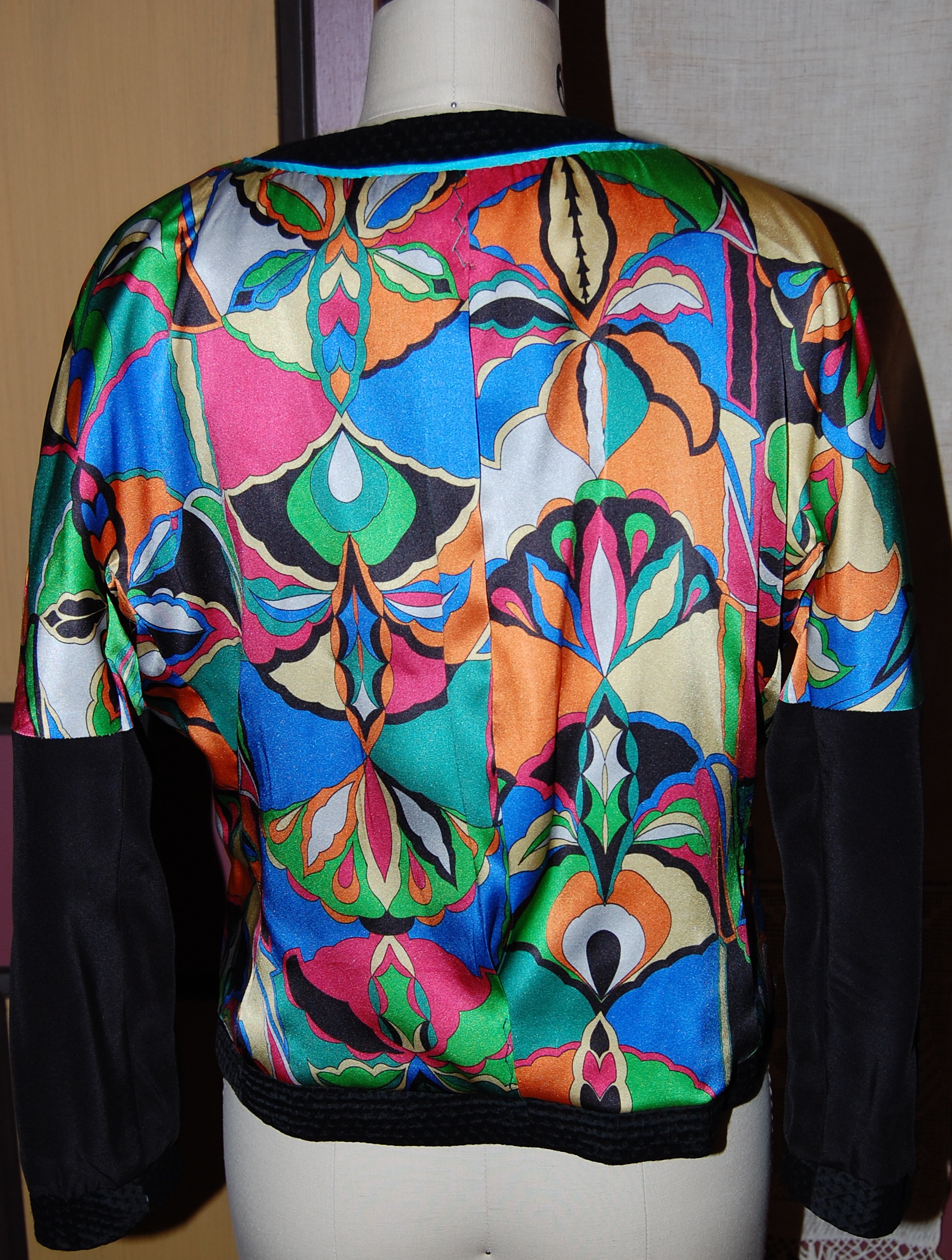
First, I can tell you I was delighted that the pieced sleeve linings worked just as I had hoped they would. Here is the jacket turned inside out, showing the piecing on the lower sleeves.

Defyng the passage of years

Inside out, a back view.

Inside out, a back view.

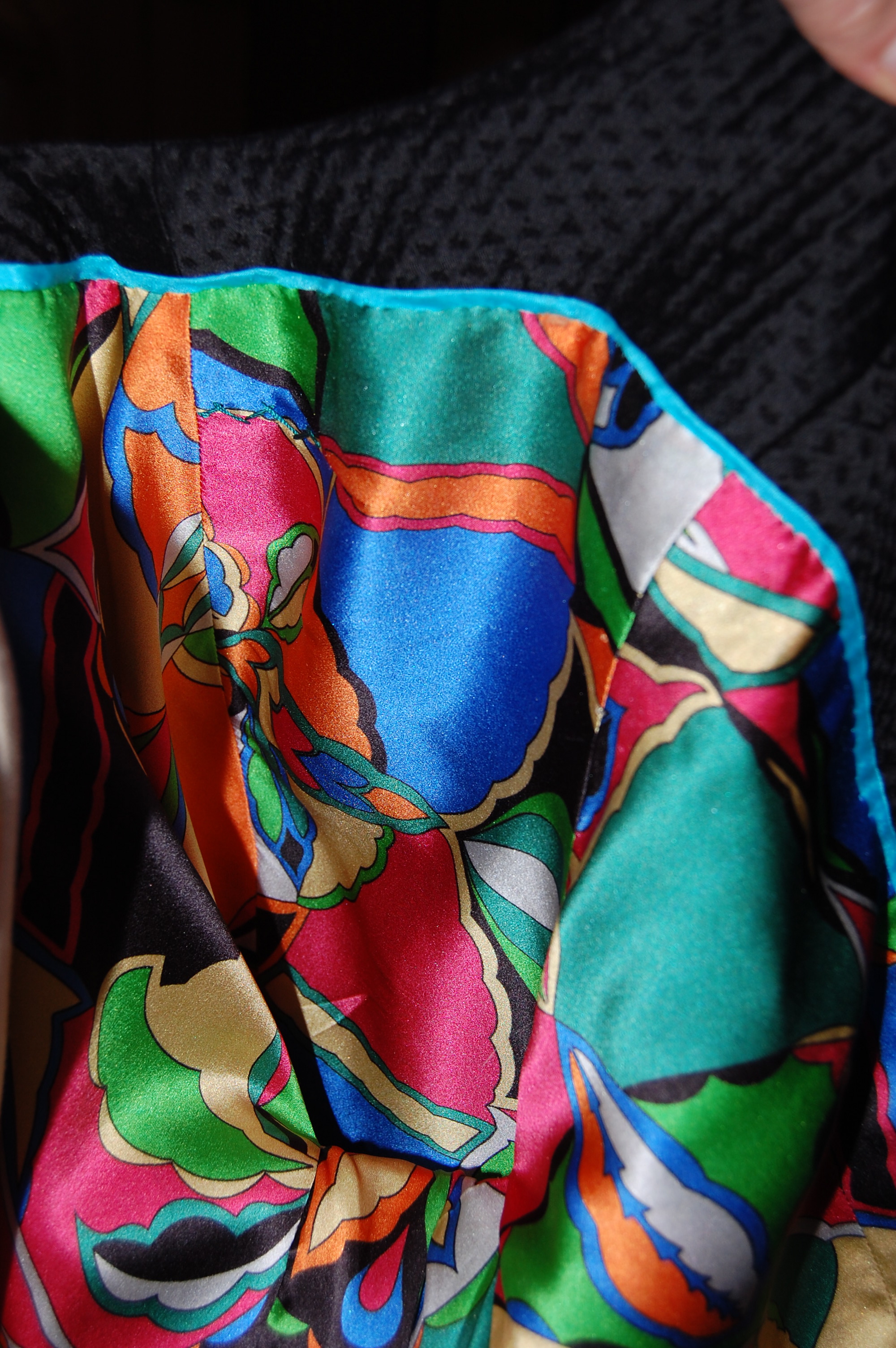
And here is a photo inside the jacket, looking towards one sleeve, which shows that the piecing does not show! Hurray. I honestly don’t think anyone seeing the jacket slung over a chair is ever going to suspect that the Pucci lining fabric does not extend all the way down the sleeves.

Defying the passage of years

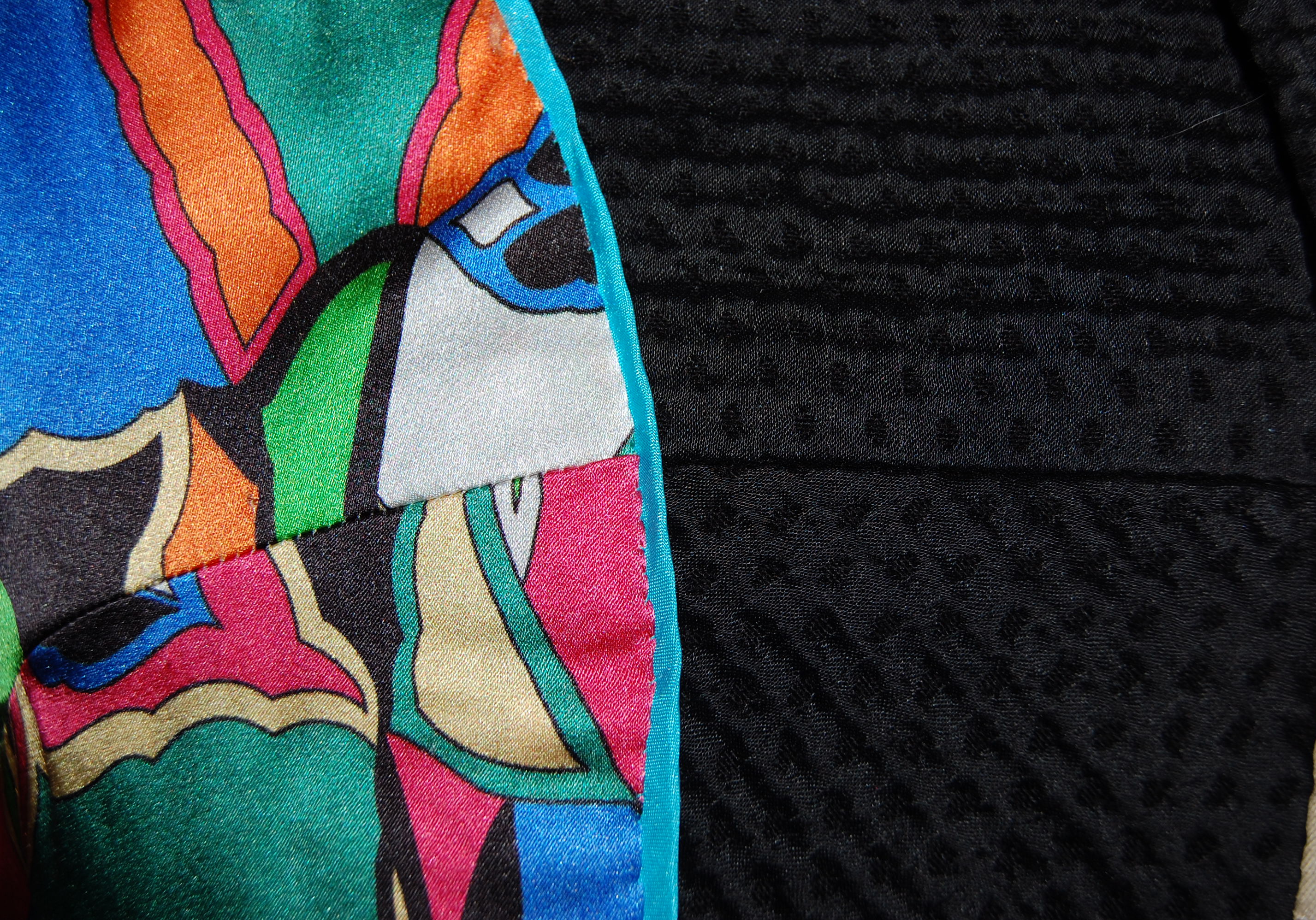
I also had the idea to add a narrow, bias, flat piping to the edge of the lining down the fronts and around the neckline. I found a turquoise silk in my fabric closet which seemed to keep with my “theme” of the turquoise under-stitching on the interior of the dress. This is one of those “dressmaker details” which just makes me happy.

Defying the passage of years

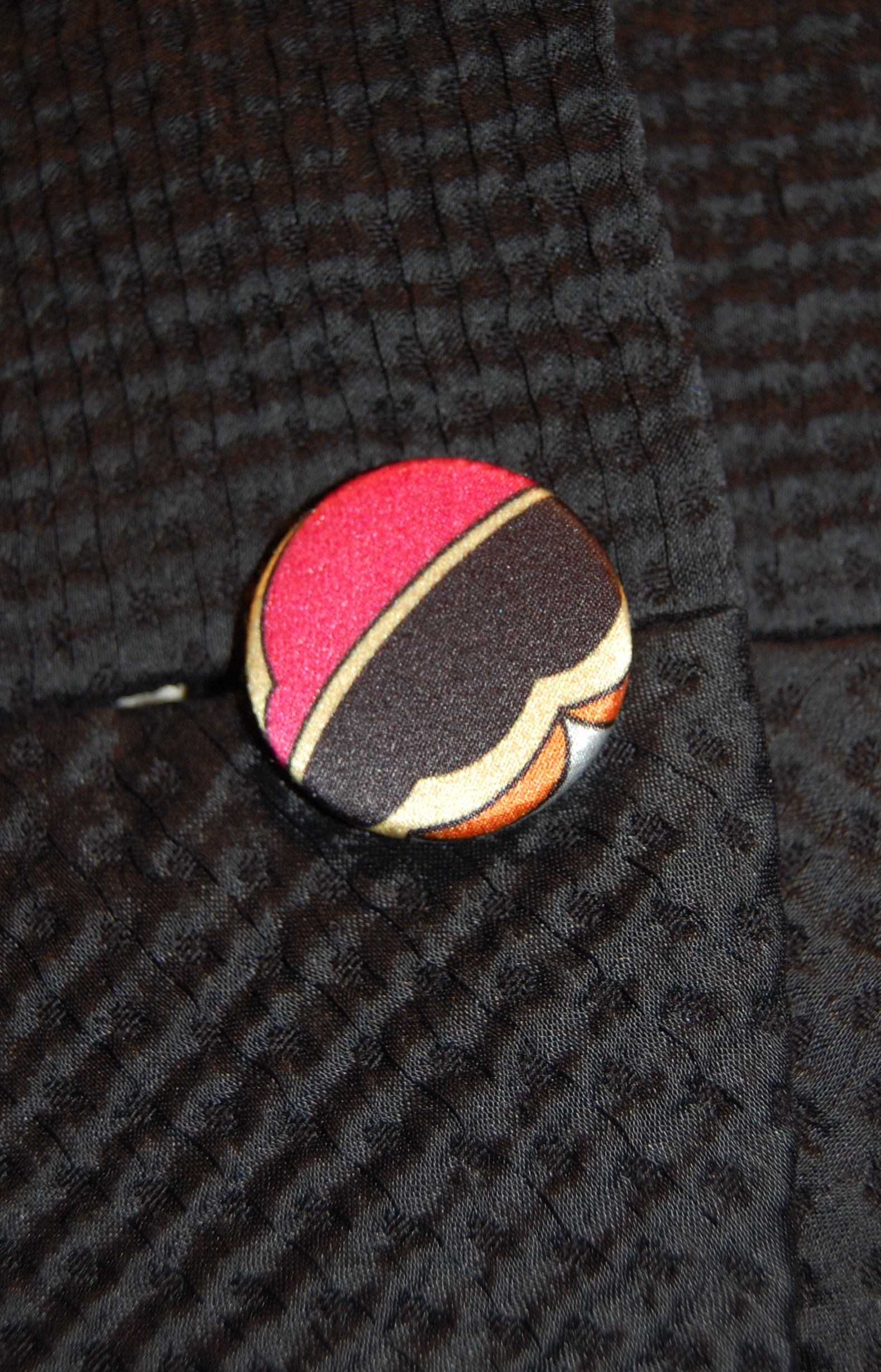
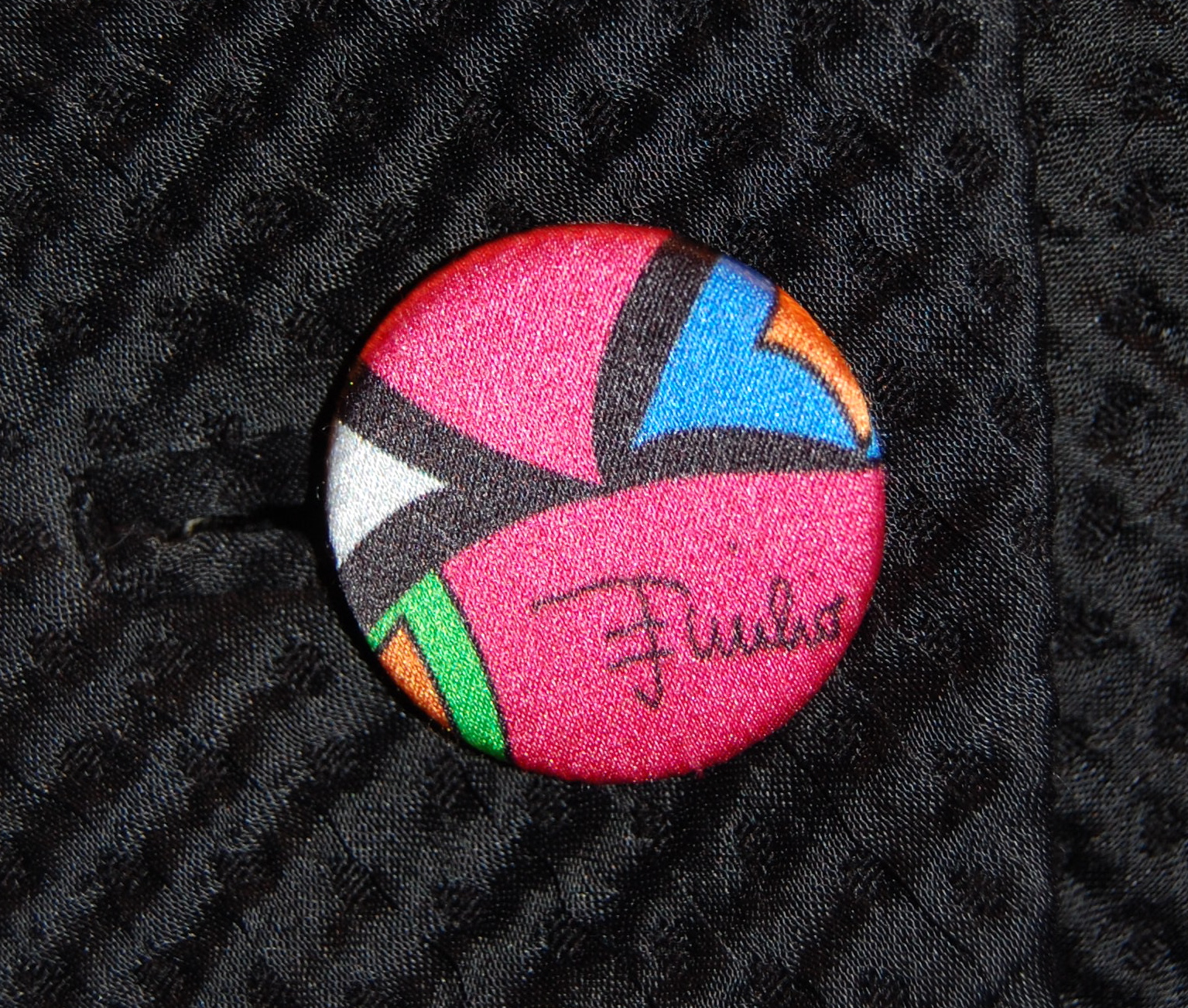
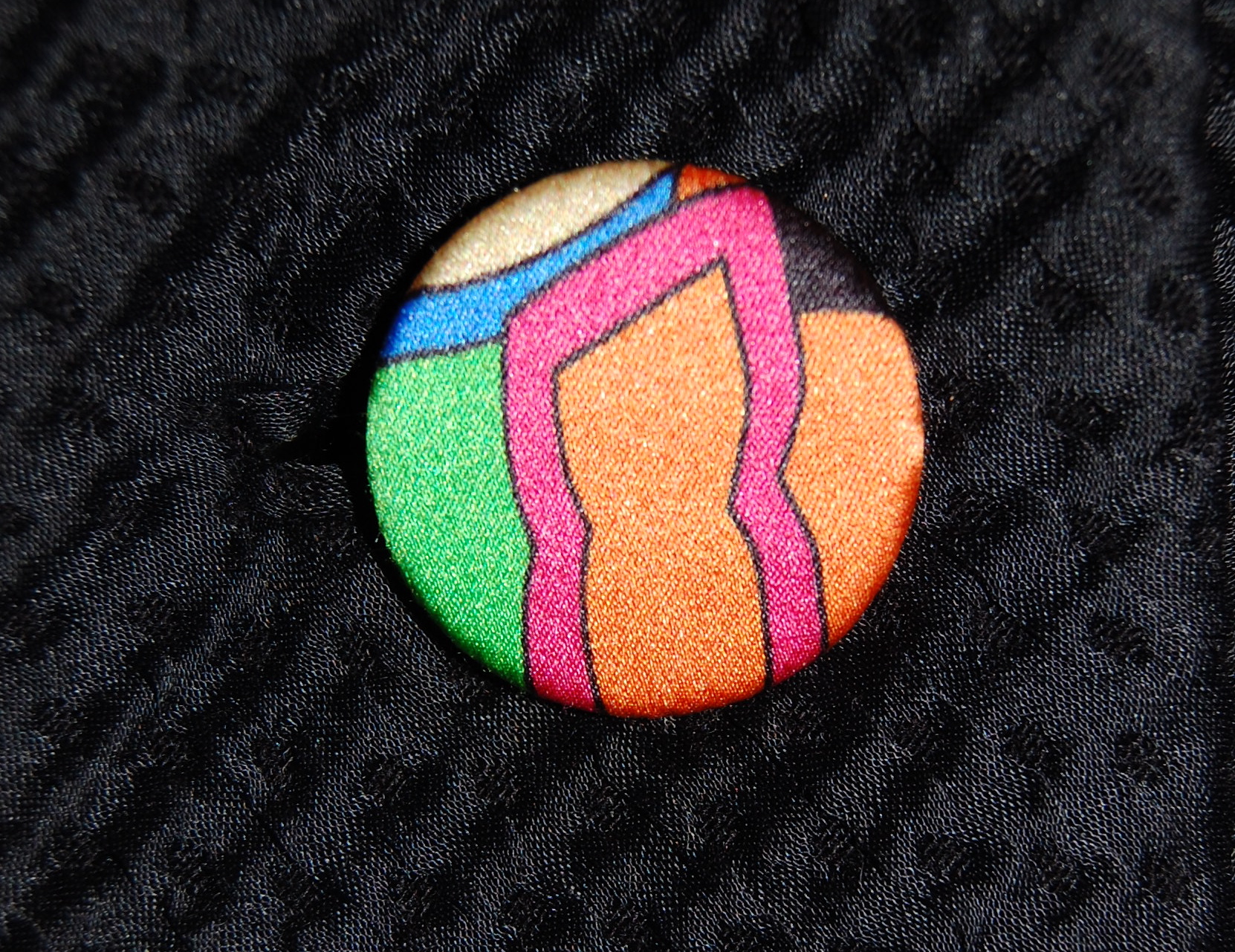
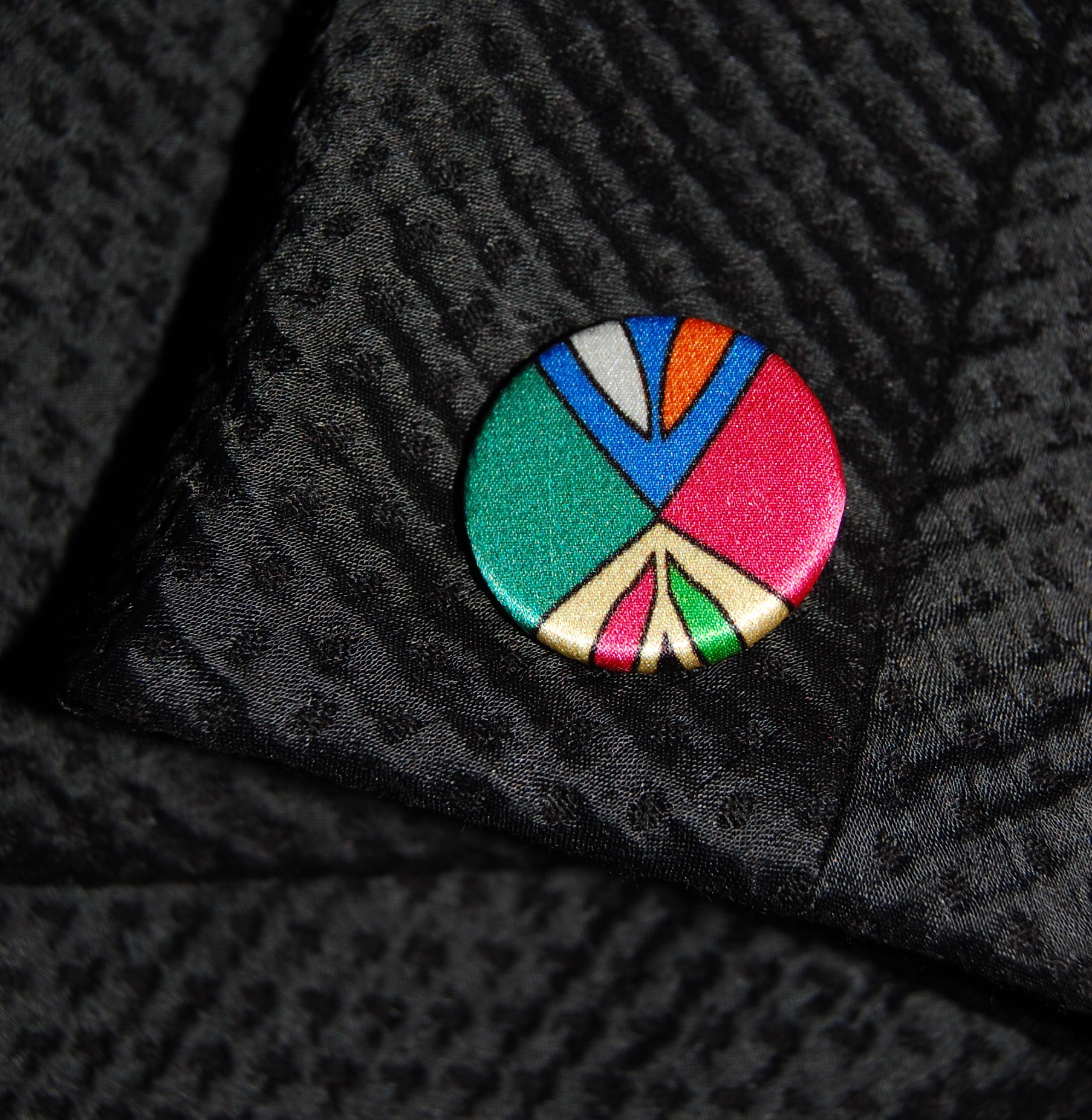
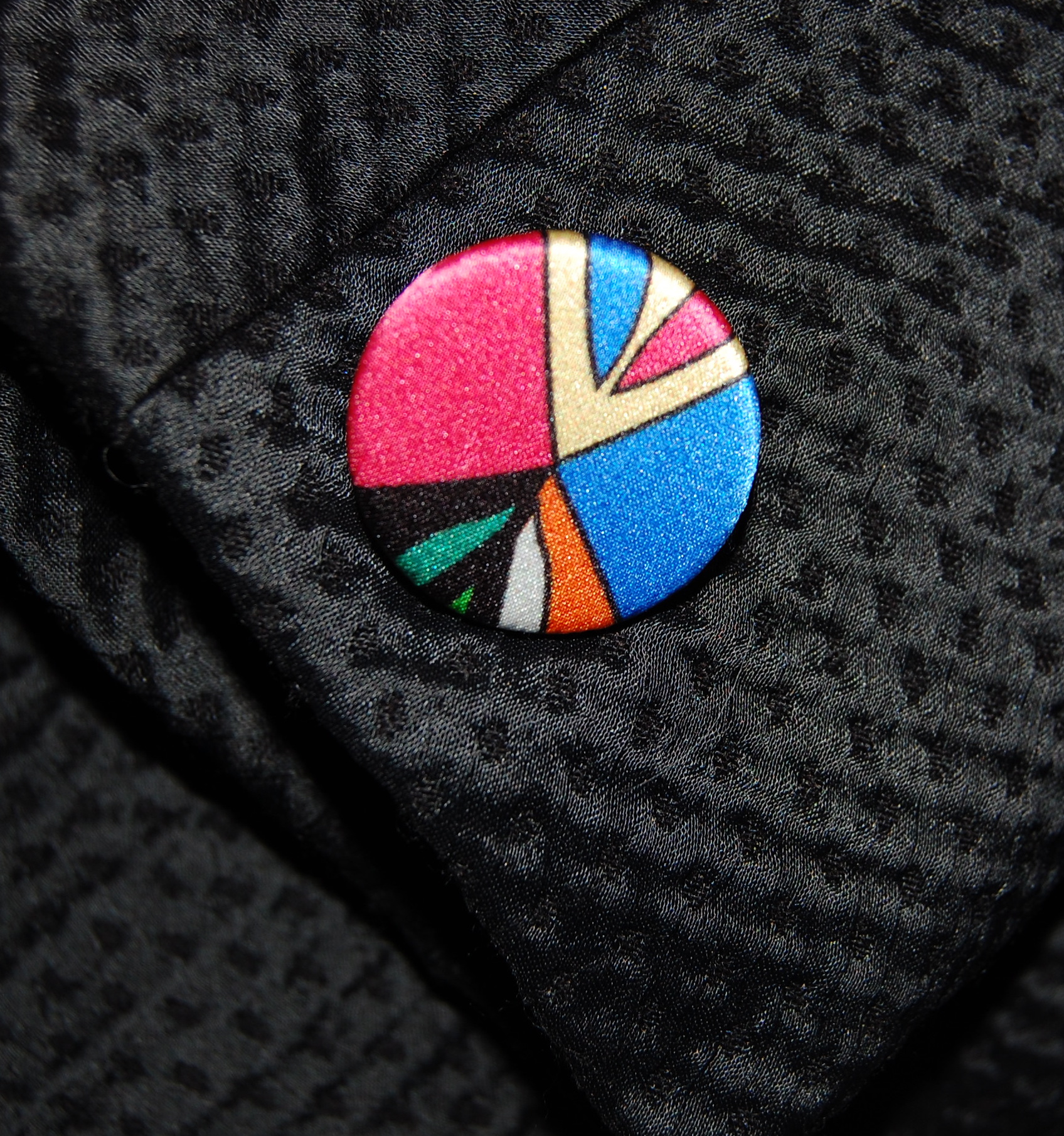
Another thing that makes me happy are the buttons! I picked out specific scraps of the silk, which featured designs I wanted to emphasize on the buttons. I sent them off to Pat Mahoney in Lodi, California, who returned them made into 1¼ inch buttons – flat and beautiful!

This is the button I chose for the top of the jacket.

This is the button I chose for the top of the jacket.  Notice the slot-seam-buttonhole.

The middle button - I couldn't resist featuring the Emilio signature on this one.

The middle button – I couldn’t resist featuring the Emilio signature on this one.

And the lower button.

And the lower button.

I decided to have two extra buttons made in case I wanted to add them to the sleeves.   And – add them, I did. I like the extra subtle  attention they bring to the jacket. (Another dressmaker detail – specifically, an added embellishment.)

Defying the passage of years

Defying the passage of years

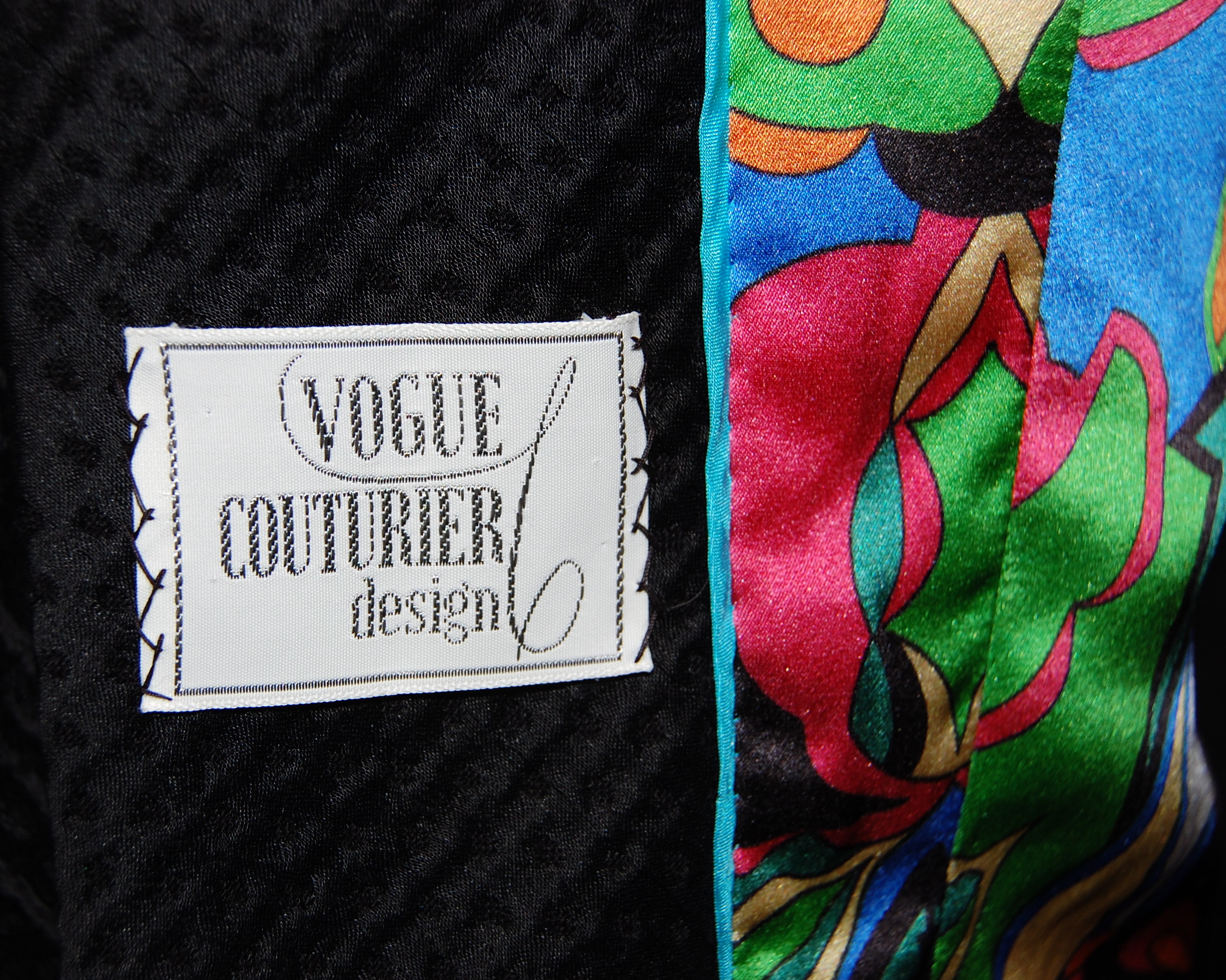
I had the jacket finished when I suddenly remembered that a Vogue label had come with the pattern. Of course, I was delighted to sew it in place.

Defying the passage of years

Defying the passage of years

Defying the passage of years
 Defyng the passage of years

Defying the passage of years

There is something about using a pattern from 1965 that seems quite amazing to me. Yes, it is simple math, but think about this: 1965 was 49 years ago!   Is anyone who sees me in this dress and jacket going to think that it is sewn from a 49-year-old pattern? Somehow I doubt it. I think my secret is safe.


28 Comments

Filed under Buttons - choosing the right ones, couture construction, Dressmaker details, sewing in silk, Slot-seam buttonholes, The Conde Nast Publications, Uncategorized, vintage Vogue Designer patterns, vintage Vogue patterns from the 1960s

A Fascinating Foundation

Vogue patterns from the 1950s, ‘60s, and ‘70s never cease to amaze me. The intricacies of construction, the detailed instructions, and the artistic styling of so many of the patterns from those three decades make sewing from them such a pleasure. Each one is like a mini sewing lesson, neatly packaged with beautiful photos and/or sketches and precise line drawings.

Such has been the Emilio Pucci Designer pattern on which I am currently working.

Happy New Sewing Year - Pucci pattern

The unusual construction of the jacket caught my attention as I was trying to lay out its lining pattern pieces along with pattern pieces for the dress.  As I mentioned before, the front of the jacket is cut on the bias. However the interfacing and the lining pieces for the front are cut on the straight of grain. How, I wondered, is that going to work? The answer to that question is one of the most fascinating construction methods I have ever come across.

The interfacing and the lining both have deep darts to form the bust line. Of course, the jacket front, cut on the bias, is going to have built-in give for the bust. But in addition to that, there was a “cup-like” pattern piece for adding to the front interfacing, clearly with the goal of enhancing the bust line, and defining it.

The "cup-like" pattern piece is in the lower right.  Notice the large dart in the piece next to it.

The “cup-like” pattern piece is in the lower right. Notice the large dart in the piece next to it.

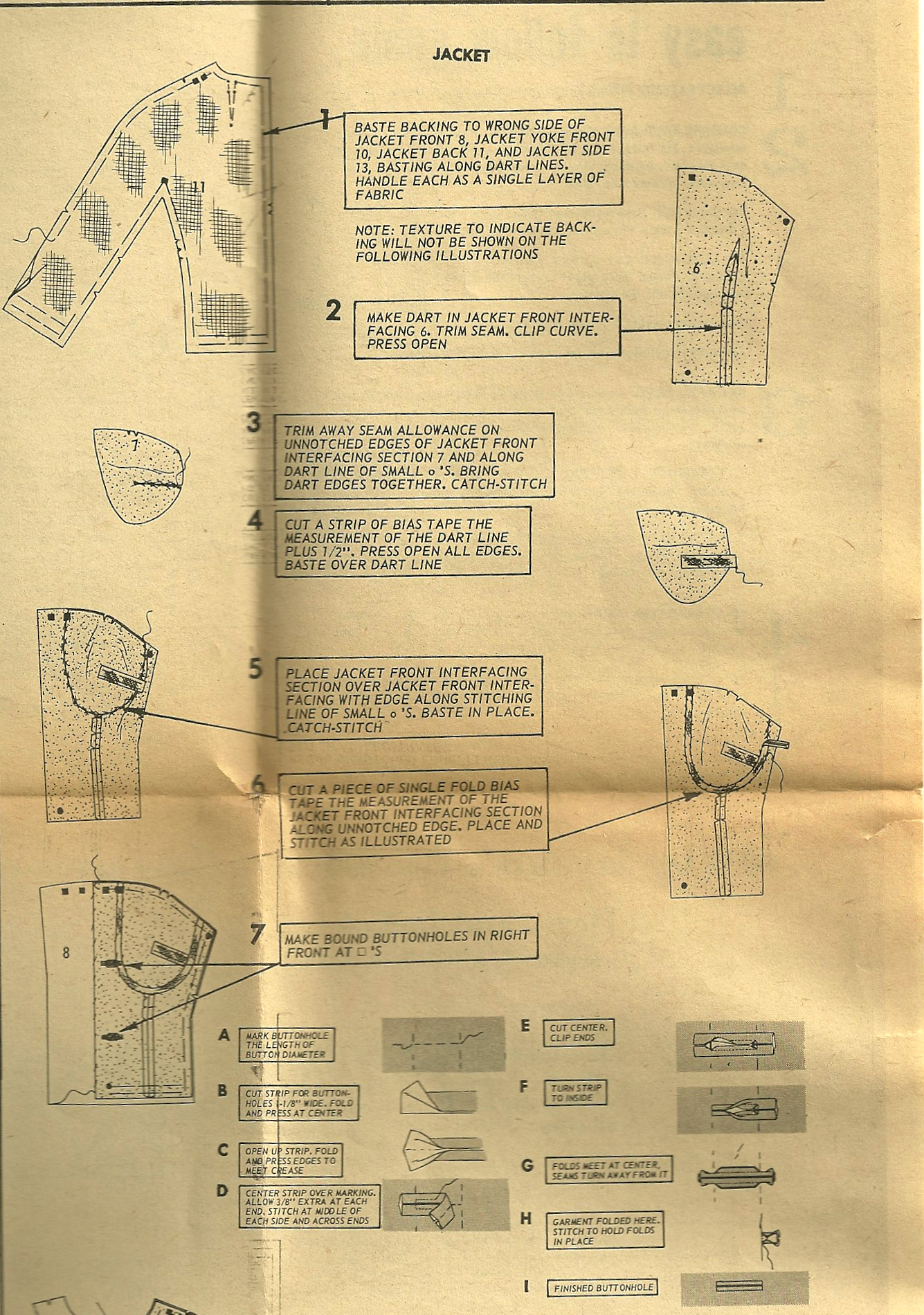
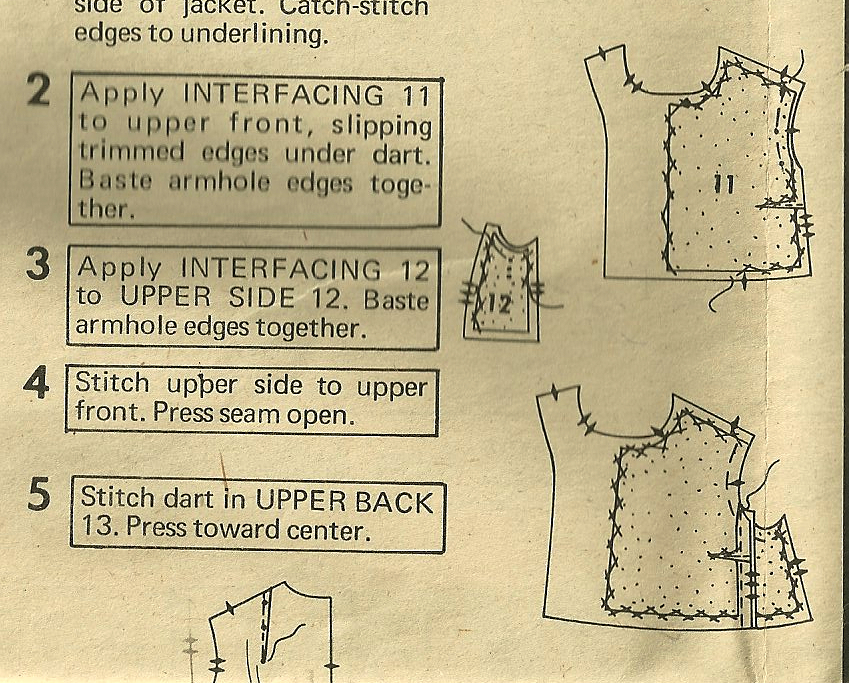
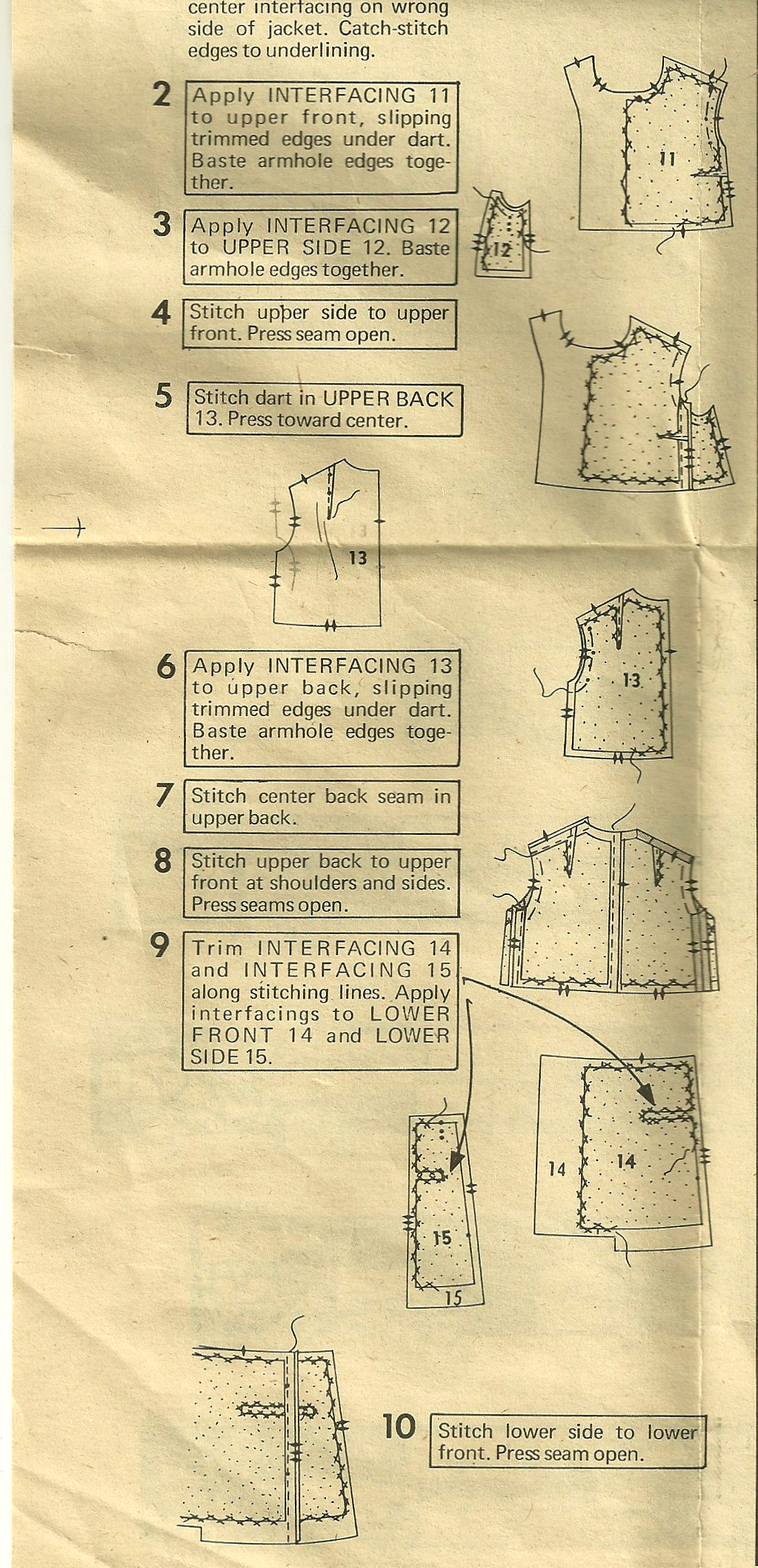
Here is the instruction page for assembling these interfacings. In effect, it is a process for making an interior bra.

Click on the diagram to read it more easily.

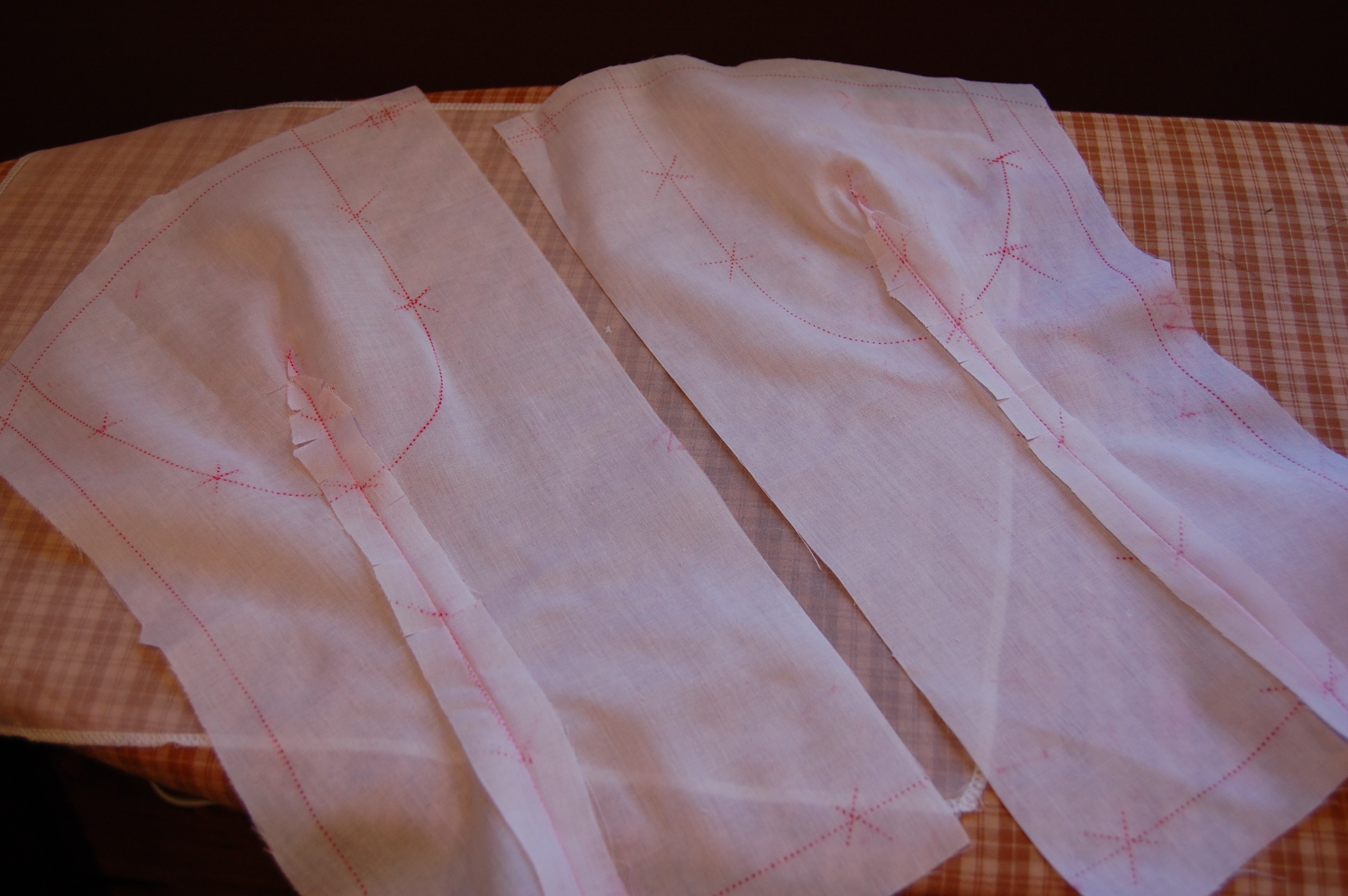
Here are my front interfacing pieces with the darts sewn.

Here are my front interfacing pieces with the darts sewn.

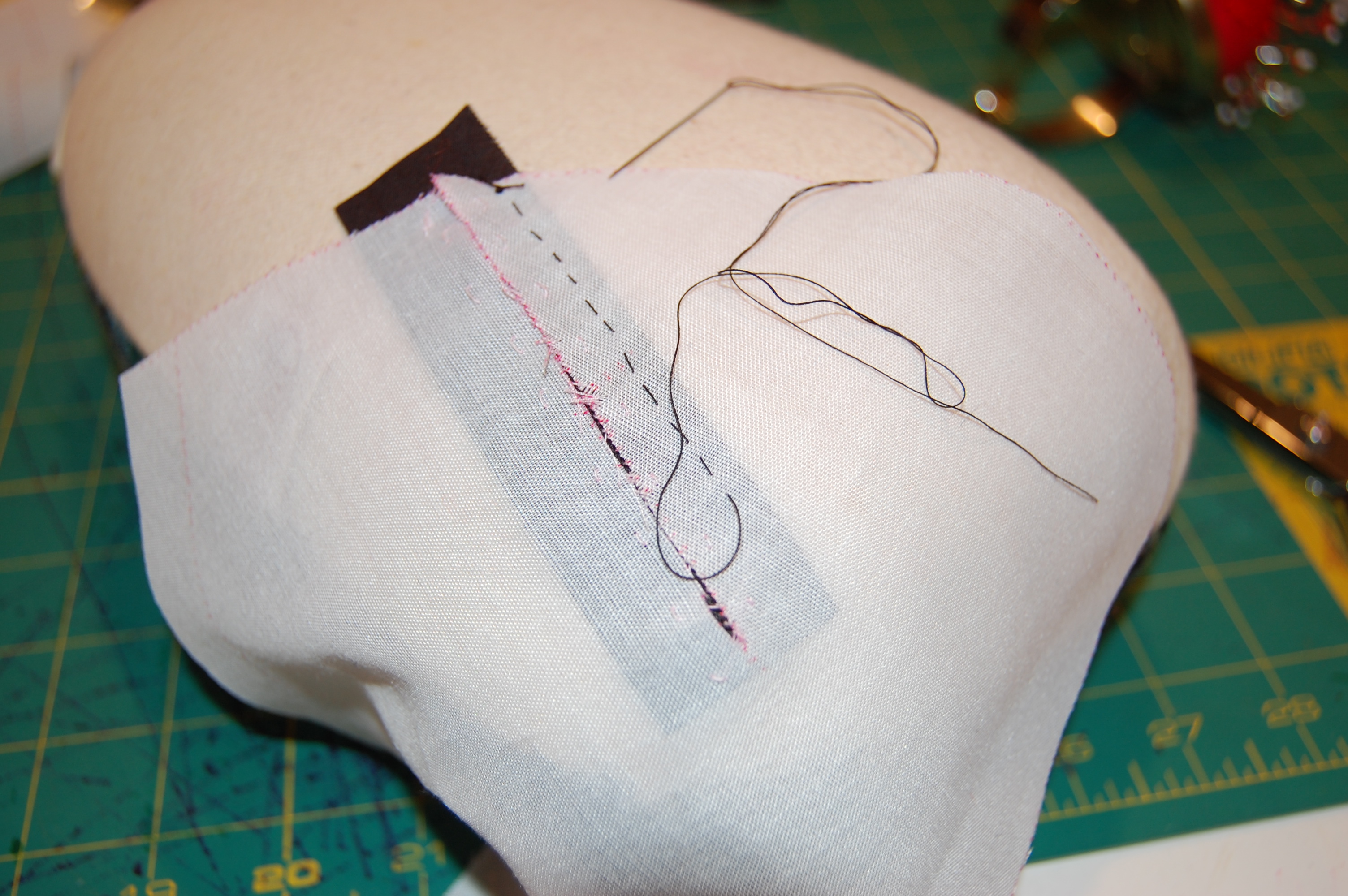
Here I am reinforcing the darts in the bust (cup) interfacings.

Here I am reinforcing the darts in the bust (cup) interfacings.

Here they are ready to be added to the base interfacing pieces.

Here they are ready to be added to the base interfacing pieces.

And here are the front interfacings assembled and ready to be attached.  Looks kind of risque, don't you think?

And here are the front interfacings assembled and ready to be attached. Looks kind of risque, don’t you think?

Note also the detailed instructions for making the bound buttonholes on the above instruction sheet. I did a practice run on a bound buttonhole, being careful to layer the fabrics exactly as they would be layered on the front of the jacket.

My sample buttonhole.

My sample buttonhole.

The right jacket front, marked for buttonhole placement.

The right jacket front, marked for buttonhole placement.

Another detailed instruction was given for the sharp angle under the sleeve. The instructions called for a 2” x 2” square of fabric to reinforce that corner. I used black organza.

The organza patch is sewn on the right side of the jacket and pressed to the inside.

The organza patch is sewn on the right side of the jacket and pressed to the inside.

The organza patch makes a very secure and precisely sewn  corner possible.

The organza patch makes a very secure and precisely sewn corner possible.

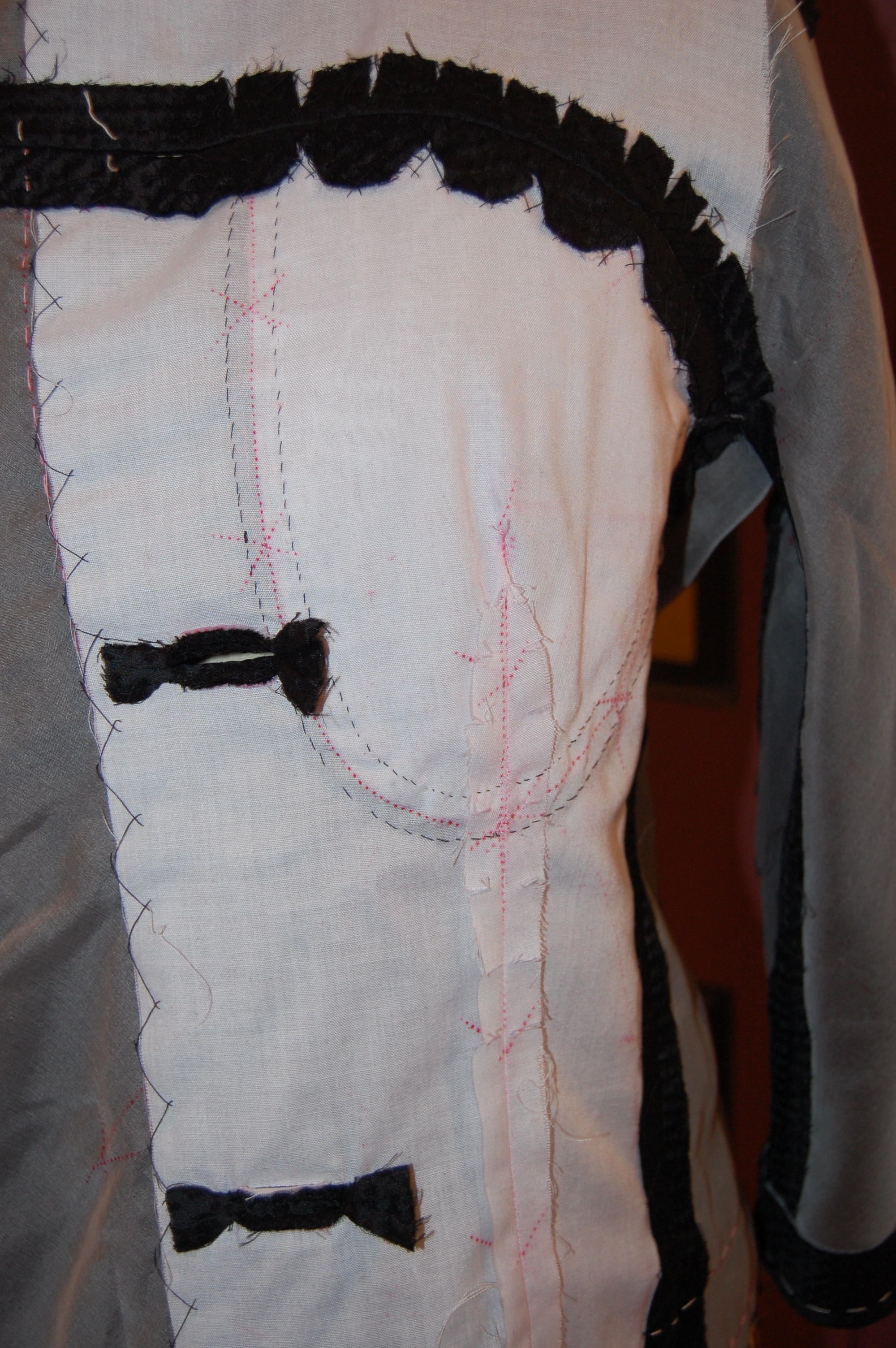
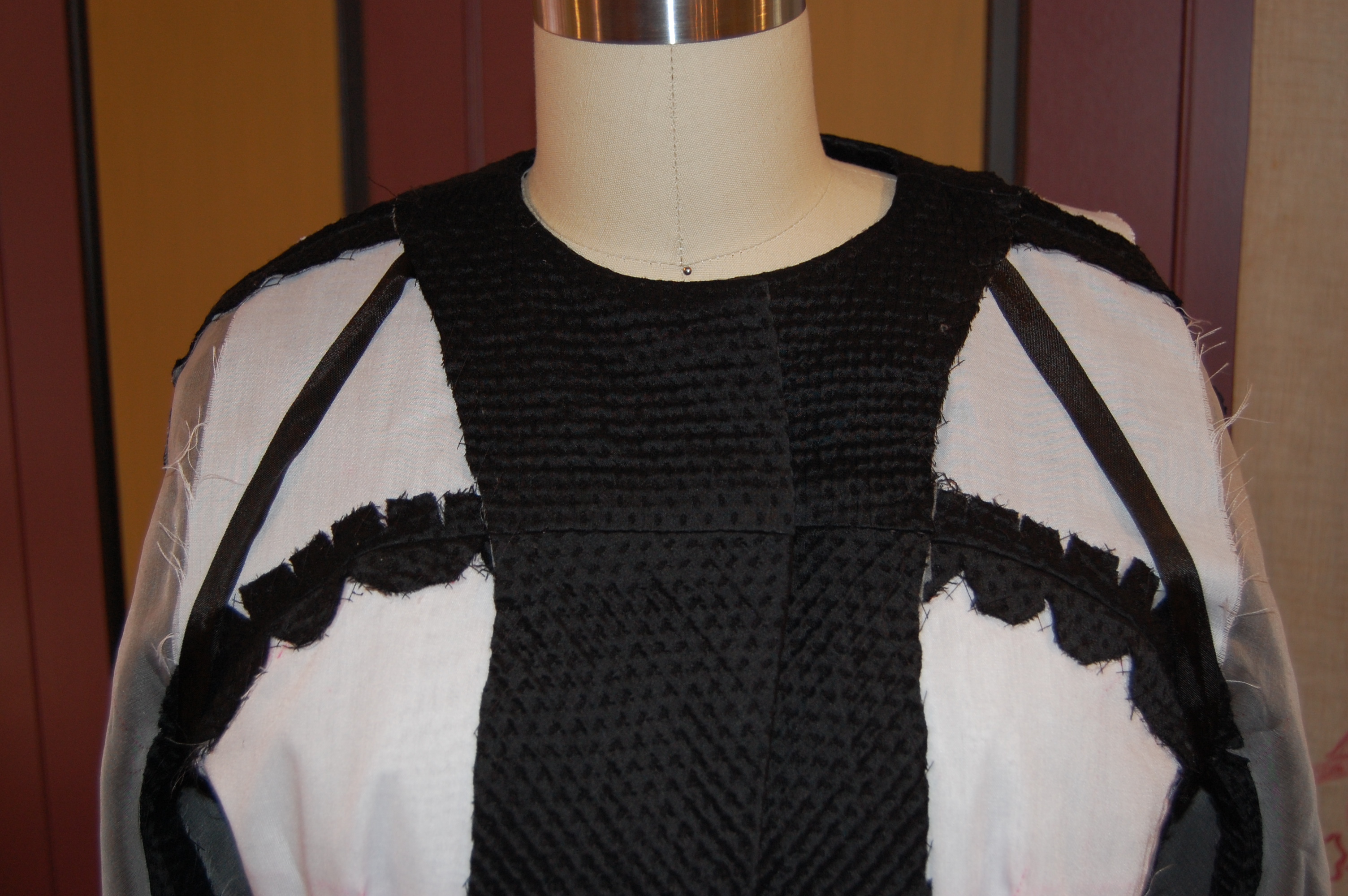
And here are just a couple of photos of the interior of the jacket with the rest of the interfacings attached.

The right front of the jacket, with buttonholes sewn.

The right front of the jacket, with buttonholes sewn.

Thje front of the jacket.  Note the "stays" made our of seam binding.  They are loose except where they are attached at the underarm and at the collar.

Thje front of the jacket. Note the “stays” made out of seam binding. They are loose except where they are attached at the underarm and at the neckline.

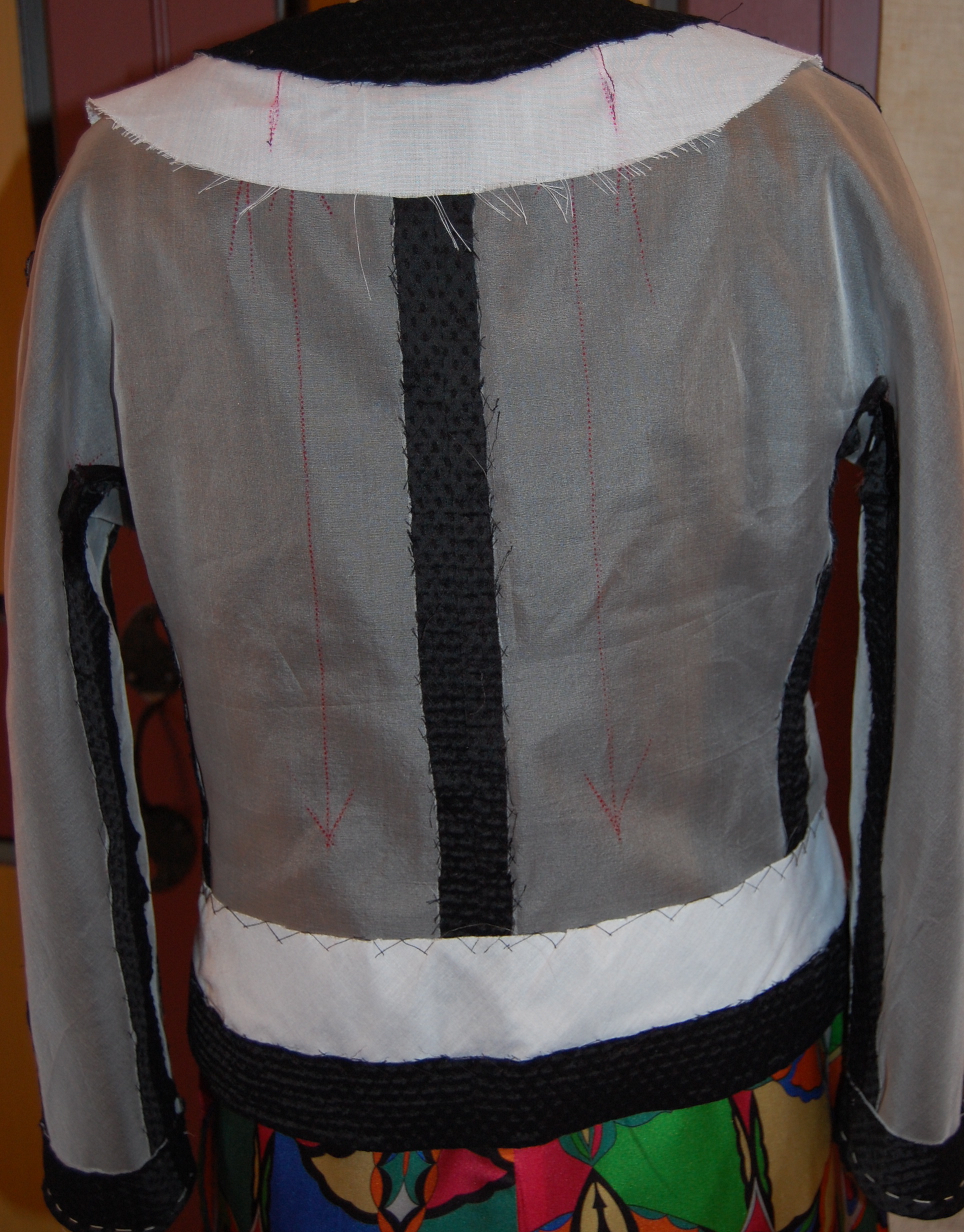
The back of the jacket - simple compared to the front!

The back of the jacket – simple compared to the front!

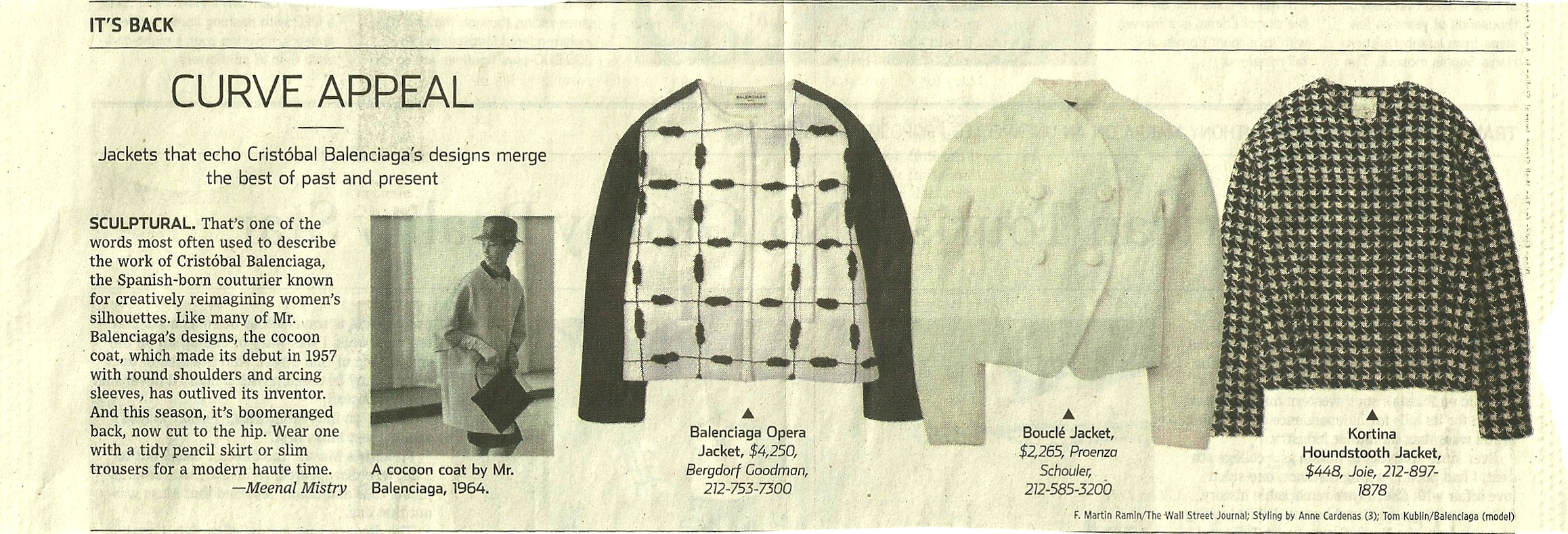
There is something else that never ceases to amaze me either about these sophisticated vintage Vogue patterns.   That is – how stylish and current so many of them are.   Here’s an example of what I mean. Take a look at these recent jackets from current designers.

I clipped this out of The Wall Street Journal sometime within the past year, but I unfortunately forgot to note the date.  Click on the photo for a close-up.

I clipped this out of The Wall Street Journal sometime within the past year, but I unfortunately forgot to note the date. Click on the photo for a close-up.

The article rightly makes the reference to Balenciaga, but look how similar these are to the Pucci jacket on which I am working.

A Fascinating foundation -picture of Pucci jacket

These thumbnail sketches  also help to show the similarity to the current jackets.

These thumbnail sketches also help to show the similarity to the current jackets.

Well! I am looking forward to sharing some more details about this outfit when I can show it completely finished – in my next post – and answering those nagging questions, “Did piecing the lower sleeves on the jacket lining actually work? Will anyone guess my secret?”


21 Comments

Filed under bound buttonholes, couture construction, kimono sleeves, Uncategorized, underlinings, vintage Vogue Designer patterns, vintage Vogue patterns from the 1960s, Vogue patterns

Presently Preferring Pucci

Once I get into a project, especially one that has some complicated decisions or construction to it, I tend to think about it during many of my non-sewing hours. (I wonder if other sewers/dressmakers do that?) Now that I have finished my Pucci dress, I’ll be spending both sewing and non-sewing hours on the jacket.

First, however, some details about the dress are in order.

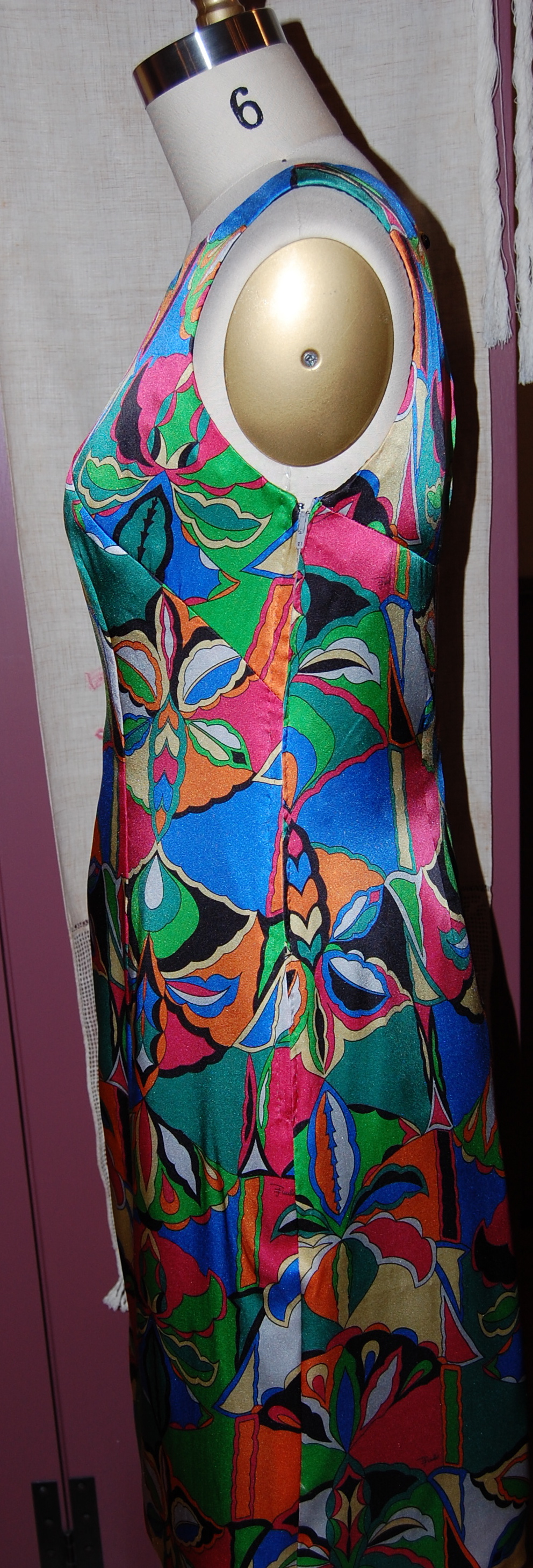
The dress is finished!

The dress is finished!

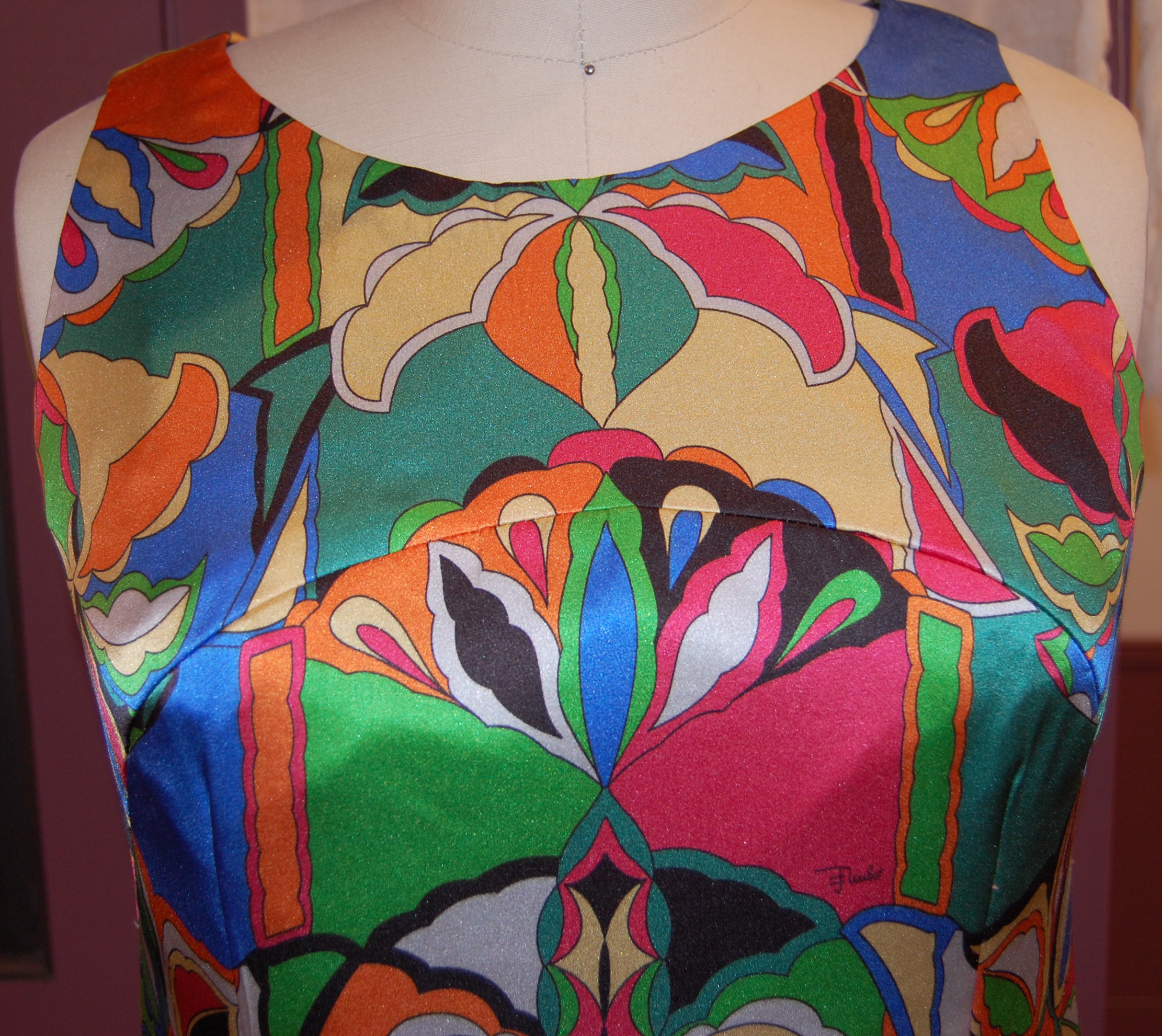
There are a few design aspects of this dress which set it apart from a simple A-line or sheath dress.  Notable to me is the effect that the curved front yoke makes on the bustline. It gives it more definition than it would have with just darts.

If you look closely, you can see the yoke seam.

If you look closely, you can see the yoke seam.

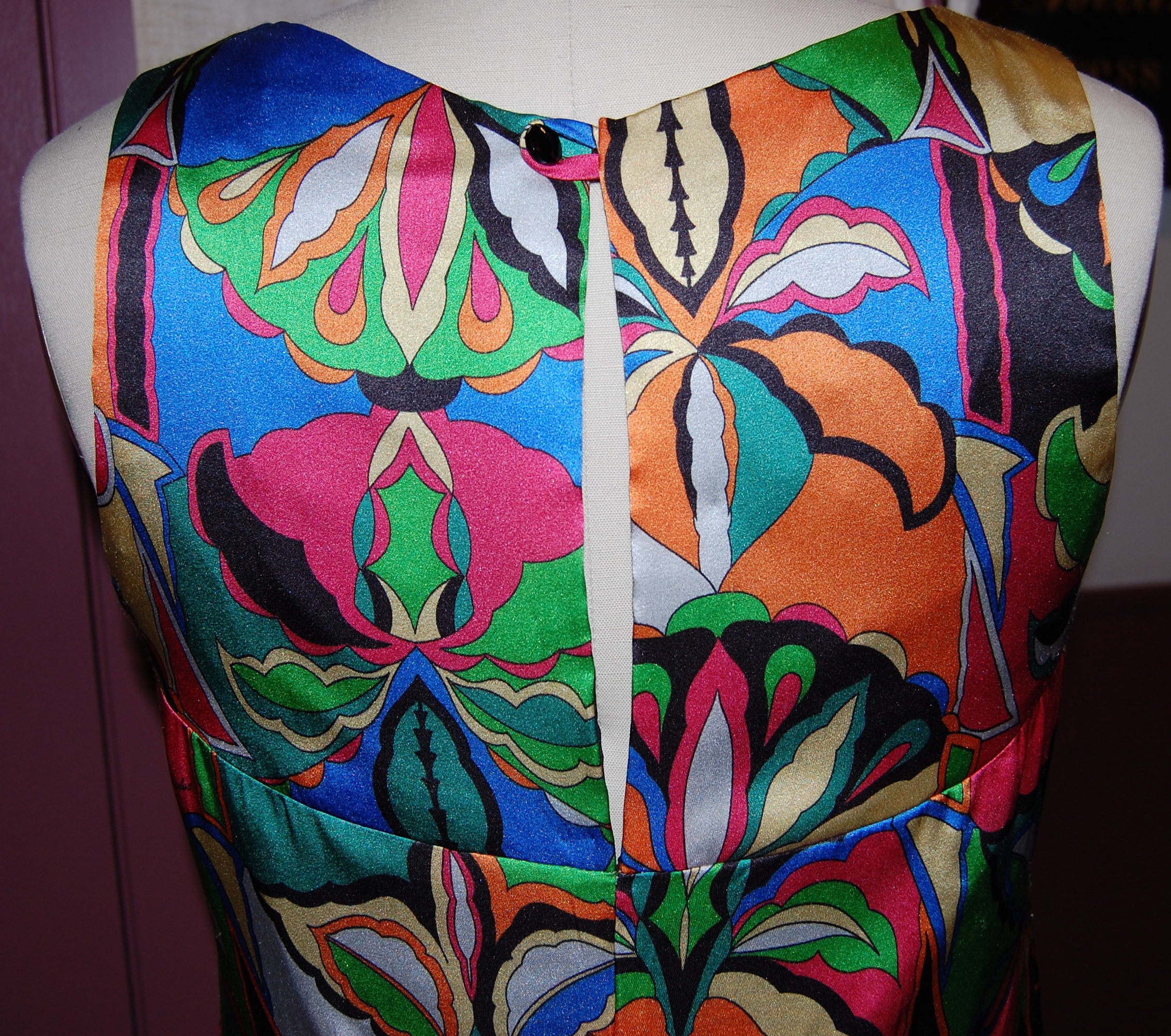
The back yoke adds some “surprise” interest by being split in the middle. In addition, the back of the dress would not be quite so clean looking if the zipper were placed in the center back below the yoke. Its location on the side seam is one of those hallmarks of a carefully planned Designer pattern.

The "open" yoke on the back of the dress.

The “open” yoke on the back of the dress.

I made some changes to the dress, based on the muslin. My six alterations are:

1) I decided to incorporate curved armholes into the two back yoke sections. On a younger person, the more revealing back arm would be fine, but I was not so comfortable with it!  Please see the photo above.

2) I took out some of the A-line from the dress. I wouldn’t say I actually “pegged” it, as I left a slight taper, but the effect is now one of a straighter skirt, which I think is a bit more “current.”

A sdie view shows this alteration best.

A side view shows this alteration best.

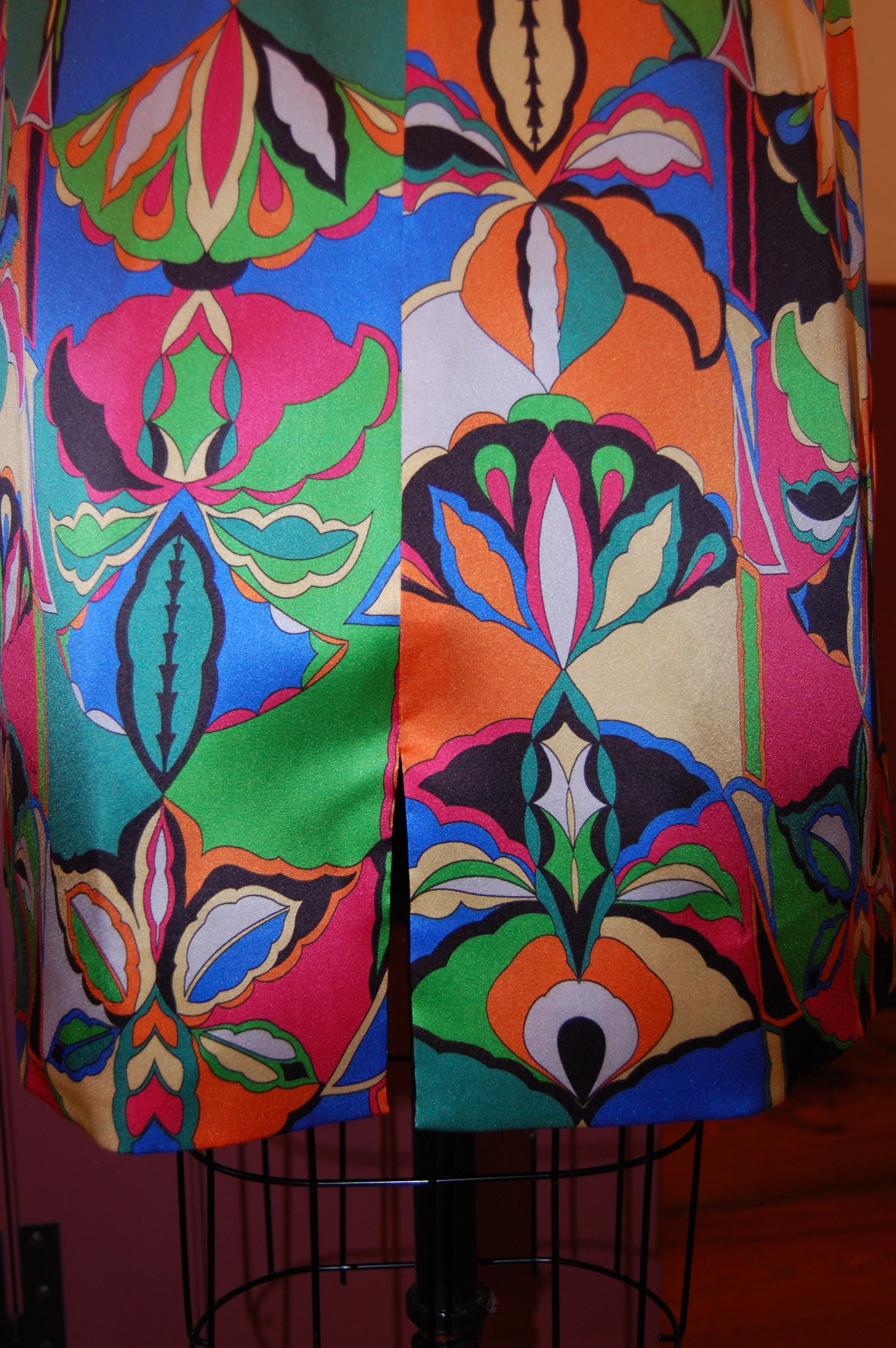
3) Taking out some of the taper meant I had to give myself a bit more ease in the skirt, so I left a slit at the center back.

The center back slit at the hem line.

The center back slit at the hem line.

4) I added two small darts to the back sides at the waist, which adds some definition to it.

5) I lowered the neckline to accommodate a particular necklace that I want to wear with this outfit. Isn’t it just lovely that sewing allows us the ability to make these kind of custom alterations?

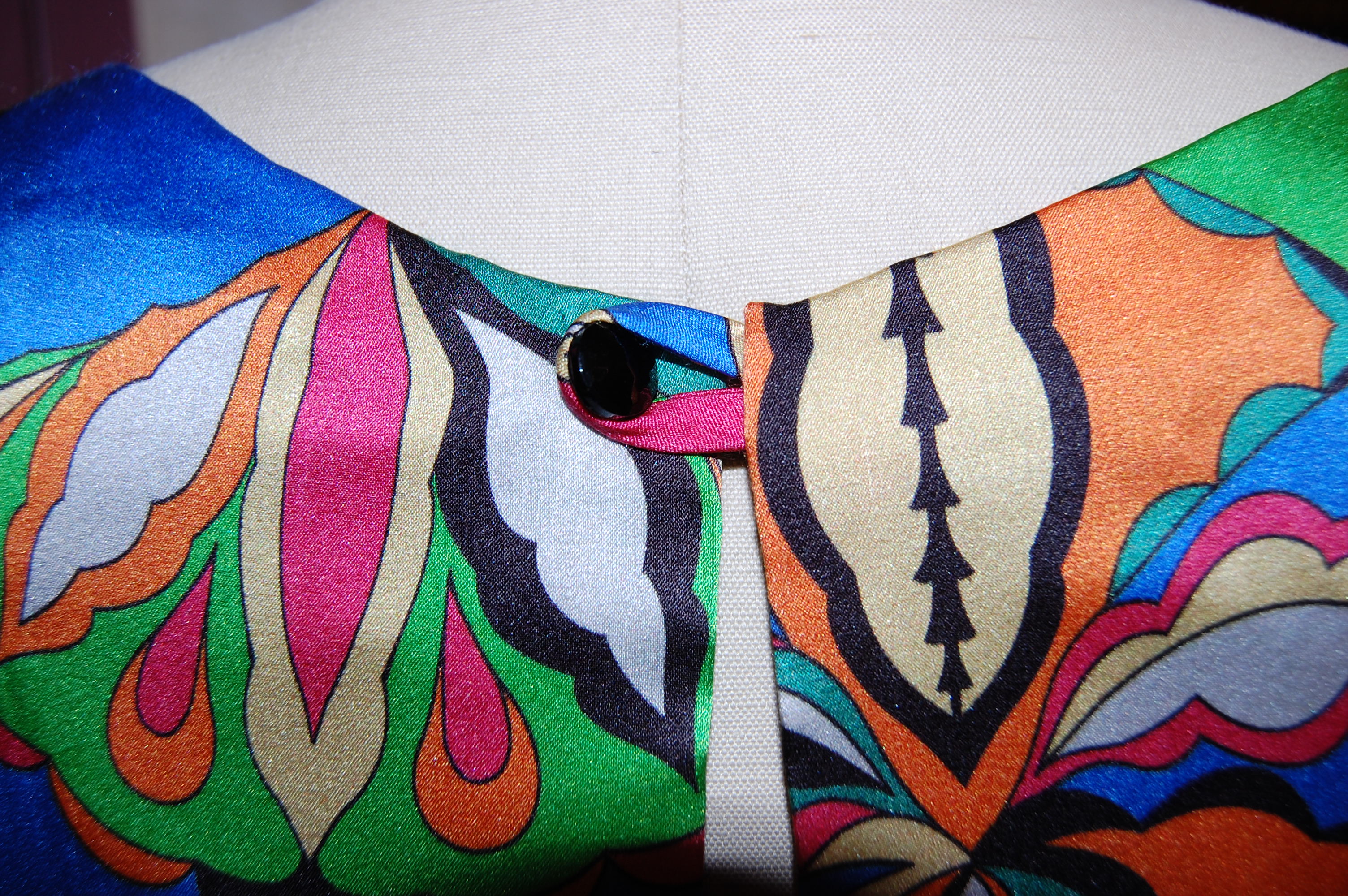
6) The pattern called for a hook and eye at the center back neck. I decided to add a loop and small button instead, although I added an interior hook and eye to help the back neck lay flat.  Adding this button and loop can definitely be called a “dressmaker detail”.

The button is one I have had in my button box for decades!  Its faceted surface seemed perfect for this dress.

The button is one I have had in my button box for decades! Its faceted surface seemed perfect for this dress.

Of course I underlined the dress with silk organza.

Preferring Pucci

This back view also shows the extended armhole line.

This back view also shows the extended armhole line.

And this side view shows how the front yoke adds definition to the bustline.

And this side view shows how the front yoke adds definition to the bustline.

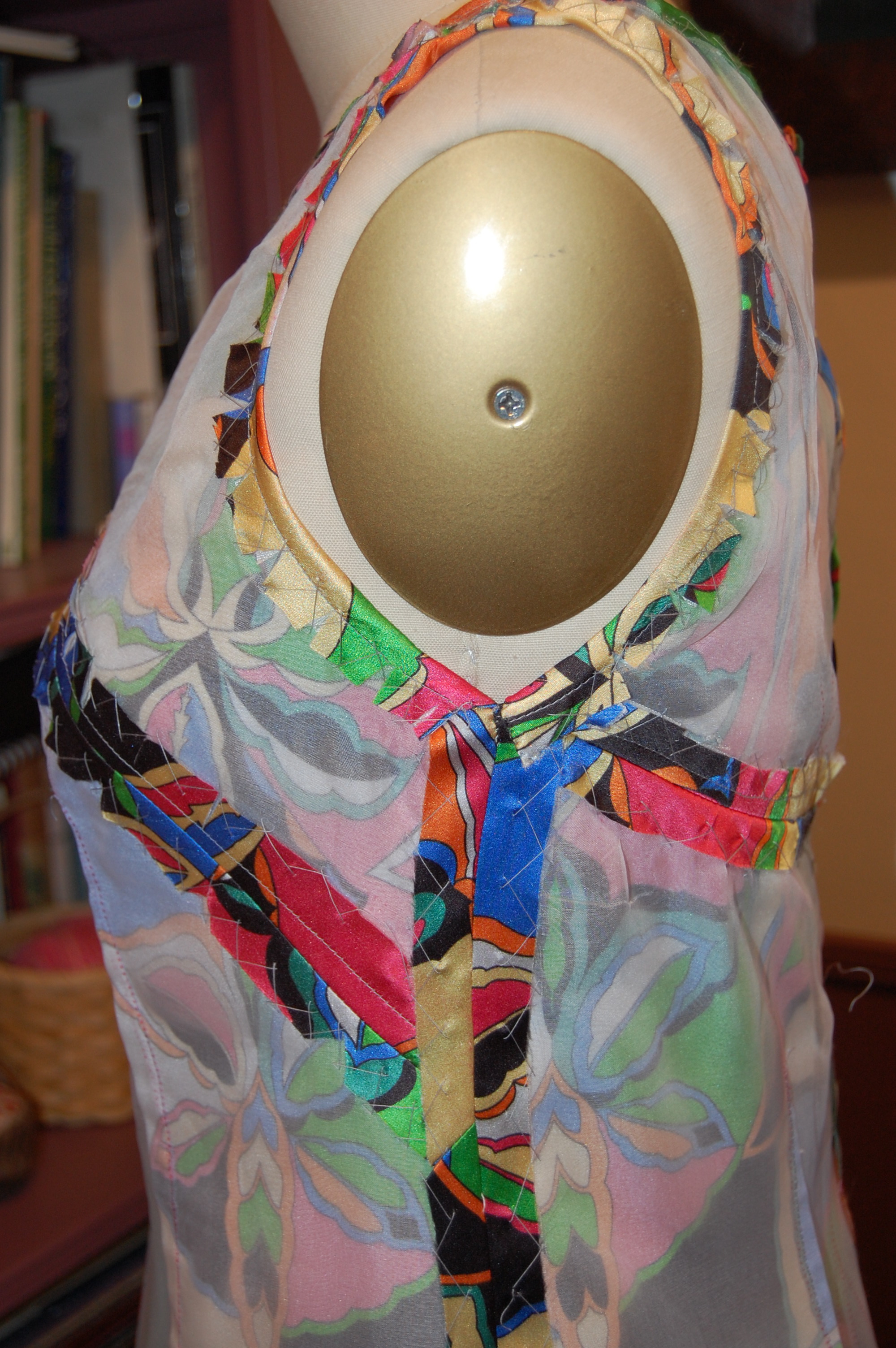
Then I lined the dress in black crepe de chine, and under-stitched the neckline and armhole seams with turquoise silk buttonhole twist, just for fun.

The dress turned inside out.

The dress turned inside out.

Under-stitchibng in turquoise. No one will ever see it, but I love what it adds!

Under-stitching in turquoise. No one will ever see it, but I love what it adds!  Click on the photo for a close-up view.

So – that’s it!

Now here’s a phenomenon that seems to happen to me frequently. I’ll be using a mid-century designer pattern for a project, and I’ll come across a current magazine or newspaper article, which in one way or another relates to what I am sewing or planning to sew. So it was this past weekend, when I was catching up with reading the April WSJ. The Wall Street Journal Magazine, delivered the weekend before. Right there on page 84 was an article on Laudomia Pucci, Emilio’s daughter, entitled: Fortress of Fashion. It is a fascinating account of her commitment to preserve the “fashion legacy” of her father, by reinventing an ancestral estate in Tuscany into an accessible-and-preservation-minded archives. On view are fabrics and fashions, and “already Pucci has hosted several educational events… Two groups of students … have come to study sewing and print design…[would not this be wonderful?! – my addition].  Laudomia is hoping to extend the educational activities to international fashion schools for longer visits.”   Her goal is to encourage the “next generation … to find inspiration for innovative fashion.” Now this is a place where a Preference for Pucci is definitely a way of life!


26 Comments

Filed under Buttons - choosing the right ones, couture construction, Dressmaker details, sewing in silk, side-placed zippers, Uncategorized, underlinings, vintage Vogue Designer patterns, vintage Vogue patterns from the 1960s, Vogue patterns

Searching for Rumplestiltskin

Rarely do I not have enough fabric for a sewing project. I am one of those people who usually errs on the side of excess when I am buying fabric. Sometimes, however, I buy a piece for which I have no immediate plans, and therefore, no real idea what I will end up making. This, of course, was the case when I bought my Pucci silk. Little did I know I would be making a dress, and hoping to line its accompanying jacket in the same matching silk.

Pucci

I dutifully measured and calculated and figured there was a good chance I could eke it out. I had two things going for me: the silk was 60” wide, and I knew I would be taking about three inches off the length of the dress pattern (and still have a nice 3” hem). But I also had two things going against me: I would need to do some matching of the design on the dress, which could prove interesting with a print that seemed to change both its color and motif on a whim. More concerning was the fact that the jacket has kimono sleeves. Kimono sleeves usually require more fabric than set-in sleeves.

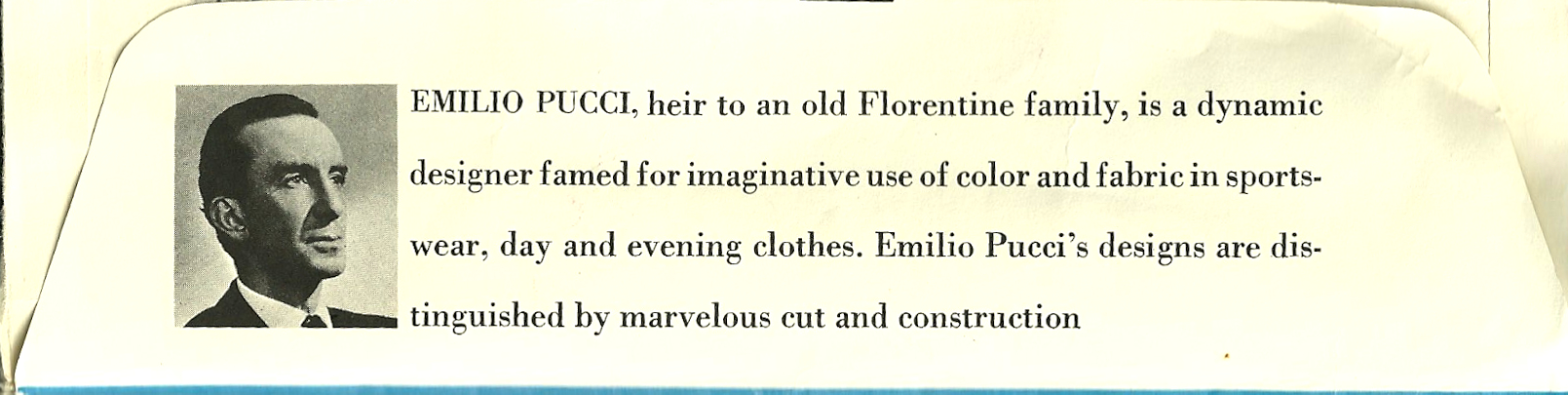
I wasn’t about to panic – yet. First I had to make muslins (toiles) of both the dress and the jacket. Both needed some fitting adjustments (mostly minor), which I will not go into now. One of the most helpful parts of making a muslin, at least for me, is the opportunity it gives me to get acquainted with the construction of whatever it is I am making.   In this case, the dress was very straightforward, but the jacket really intrigued me. No wonder, I thought, that the flap on the pattern envelope states “Emilio Pucci’s designs are distinguished by marvelous cut and construction.”

The vintage Vogue Designer patterns include a short statement about each featured designer on the pattern envelope flap.

The vintage Vogue Designer patterns include a short statement about each featured designer on the pattern envelope flaps.

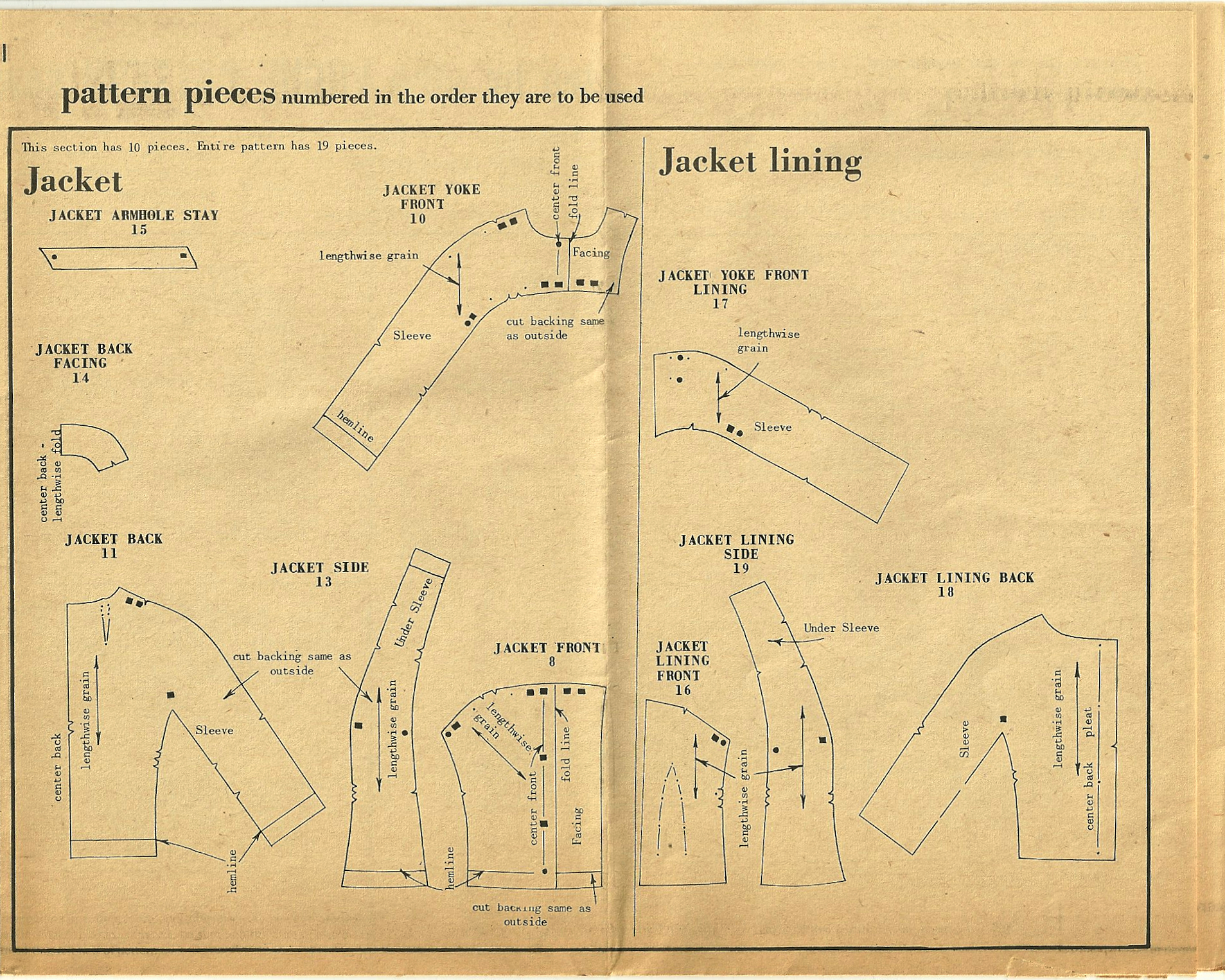
Take a look at the pattern pieces for the jacket. The jacket front (#8) is cut on the diagonal while the accompanying lining front (#16) is cut on the straight of goods, with a deep dart to accommodate the fullness for the bust..

Click on the image for a clearer view of the pattern pieces.

Click on the image for a clearer view of the pattern pieces. Also, note the grain lines.

Now take a look at the jacket side (#13). It is both the jacket side and the under sleeve at the other end. Sewing the muslin together showed me how ingenious this construction is – and I’ll show more about this in another post.

But – back to that silk. Using my adjusted muslin as my pattern, I cut out the silk organza underling for the dress. So now I had all the dress pieces ready to place on the silk, spread out single layer on the dining room table. Then using the tissue pattern pieces for the jacket lining, I was able to eyeball my chances of having enough fabric. There was a thudding moment of truth when I knew in no uncertain terms that there was no way I was going to have enough fabric without making some change in plans.

Where was Rumplestiltskin and his magical spinning powers when I needed him? Alas, I knew I would have to make my own magic to solve this problem! And I could see only one way to make this work. I would have to piece the sleeves so that the lower half of them – the part you can’t really see – were in another fabric, the logical choice being, of course, the black crepe de chine that I would be using to line the dress.

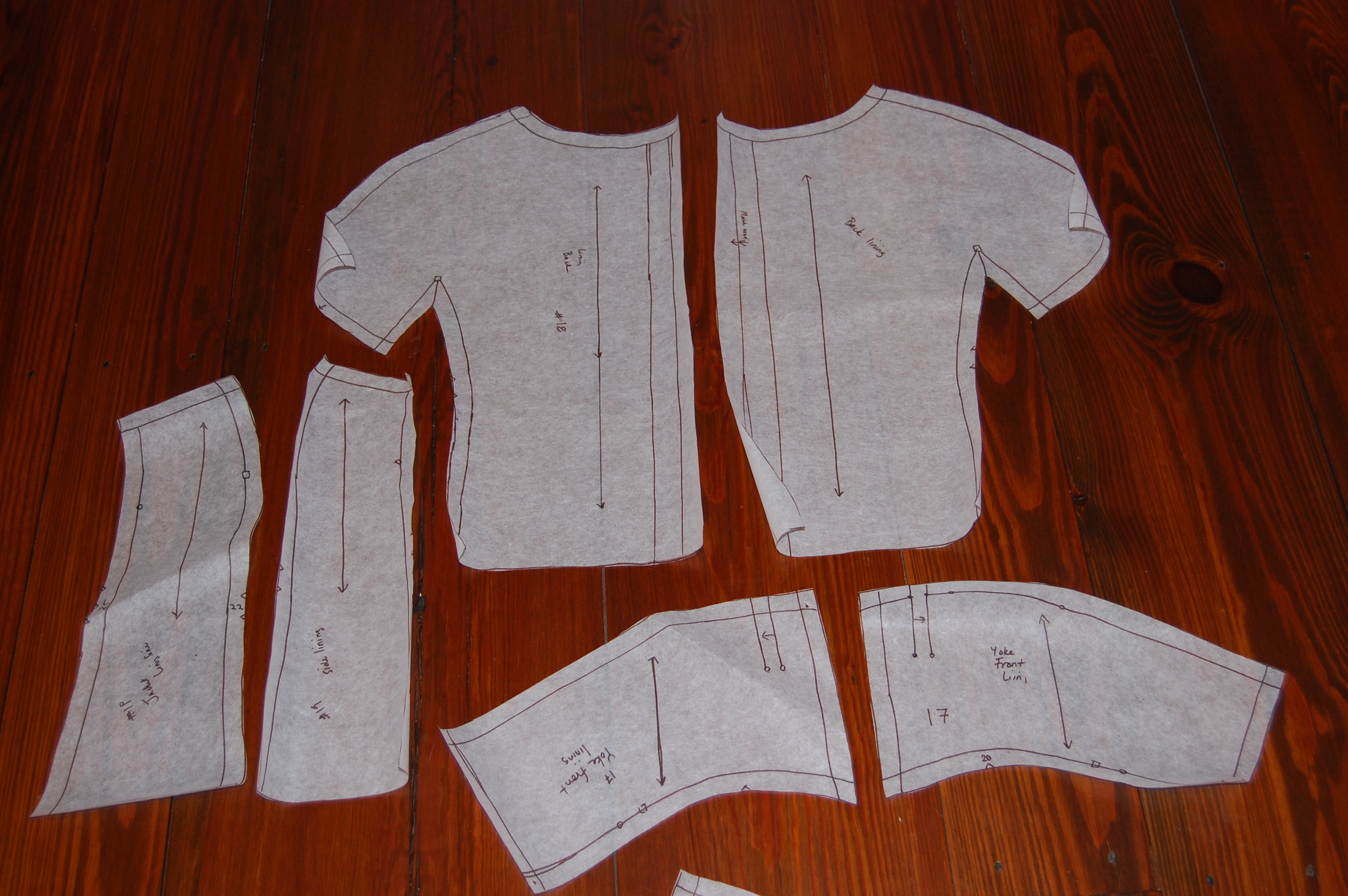
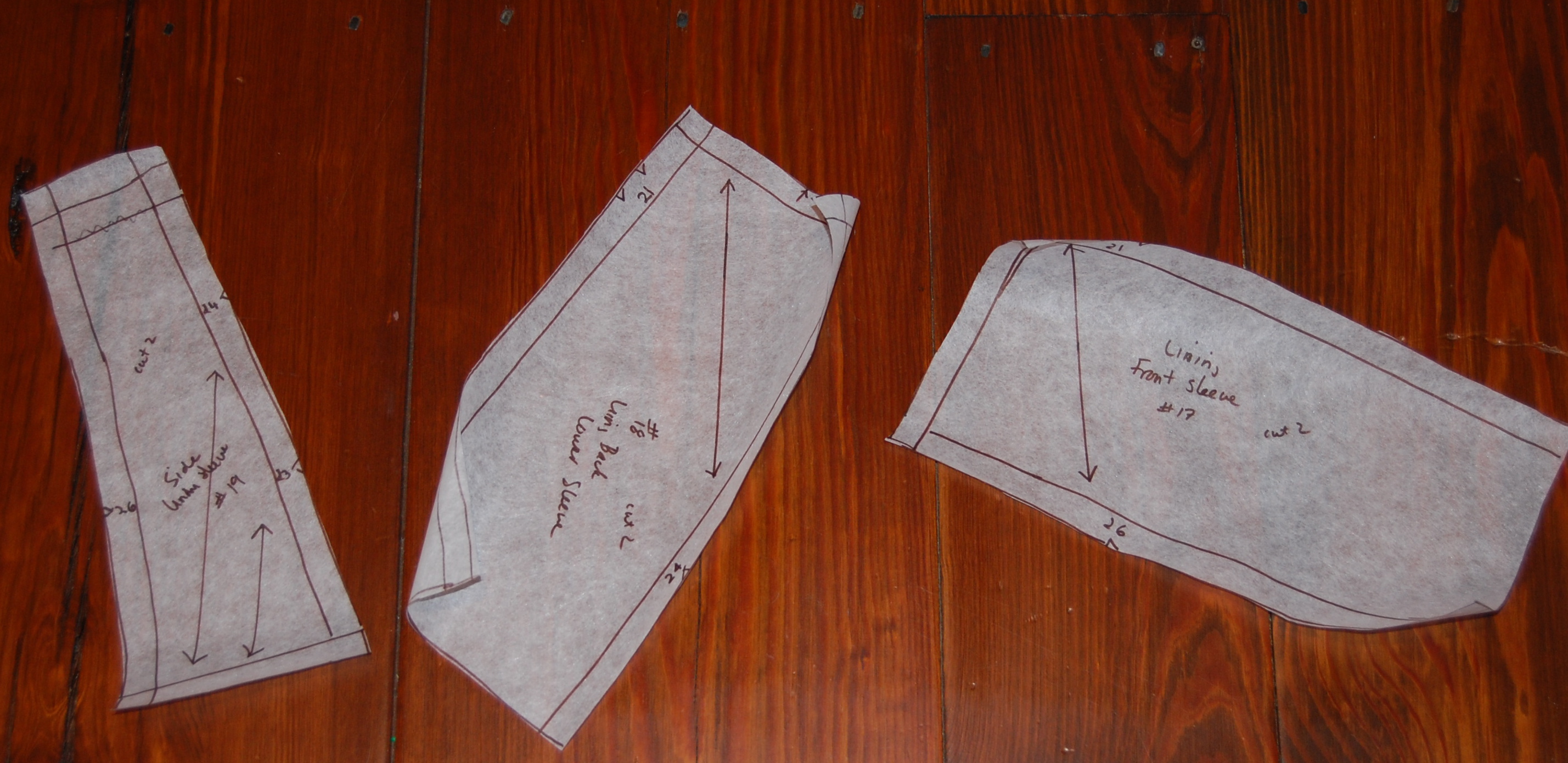
I set about making new pattern pieces for the lining, separating each sleeve section at the “lengthen or shorten here” line and adding seam allowance for sewing the new “bottoms” on each of the three sections. Here are the new patterns for the lining, minus the sleeve ends:

DSC_1197 And here are the sleeve ends. Since I would be able to use the crepe de chine doubled for these pieces (no matching required!), I only needed to make one pattern for each lower sleeve, thus three pattern pieces instead of six:

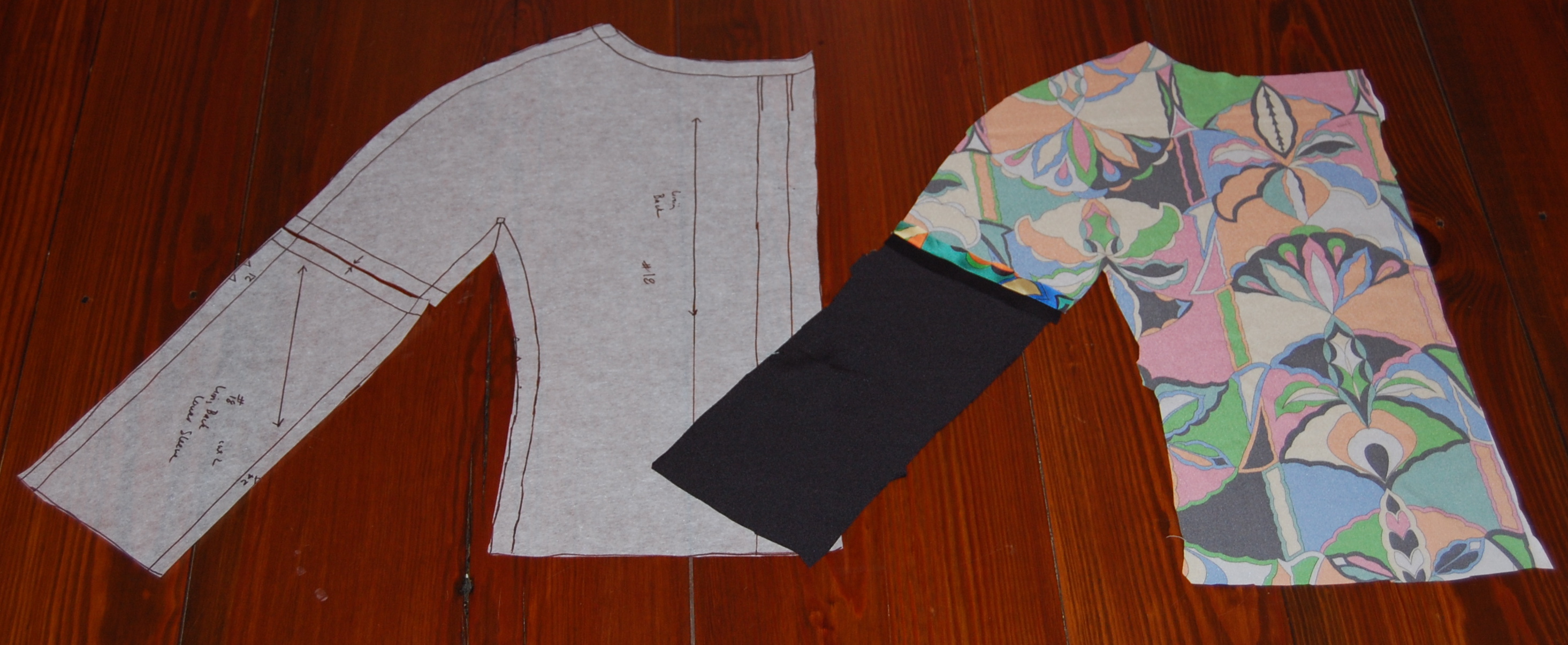
Searching for Rumplestiltskin When I took my new “chopped off sleeve-ends” pattern back to my silk, I was able to fit everything on, including matching the dress yokes to the body of the dress. I checked and rechecked all the pieces. Then I took a leap of faith and cut it out. Although I am currently working on the dress, I wanted to see how the “new” sleeves, with their pieced ends, would look. So, here is one lining back section assembled, with its lower sleeve end added to it.

DSC_1199

Am I positive this will work and not look glaringly – like I didn’t have enough fabric? Not really.  I’ll know soon enough, however. In the meantime, I am enjoying every minute I spend with this Pucci silk.  Eat your heart out, Rumplestiltskin!


14 Comments

Filed under couture construction, kimono sleeves, sewing in silk, Uncategorized, underlinings, vintage Vogue Designer patterns, vintage Vogue patterns from the 1960s, Vogue patterns

Magnificent Obsession

Sometimes the dreams and aspirations of our younger days take a long time to come to fruition.  Although I was doing a lot of fashion sewing for myself when I was in my twenties, there were many more Vogue pattern designs which I never had the opportunity to make.  One was Vogue Paris Original #2668 by Hubert de Givenchy (1927-).

Coats of certain length - 7 I never forgot the jacket, in particular, featured in this Designer Pattern.  Over the years I occasionally obssessed about this pattern, regretting that I had not purchased it.  I never imagined I would have a second chance to make it mine, but thanks to the marvels of the Internet, I did.  When I saw a listing for it in this Etsy store months ago, and it was in my size, I knew it was time to buy it.

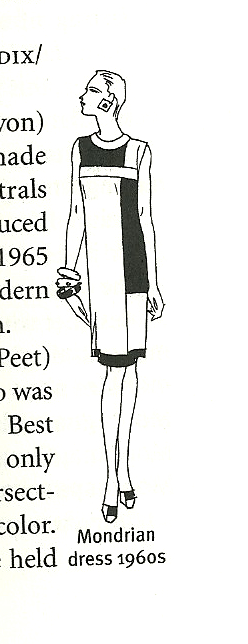
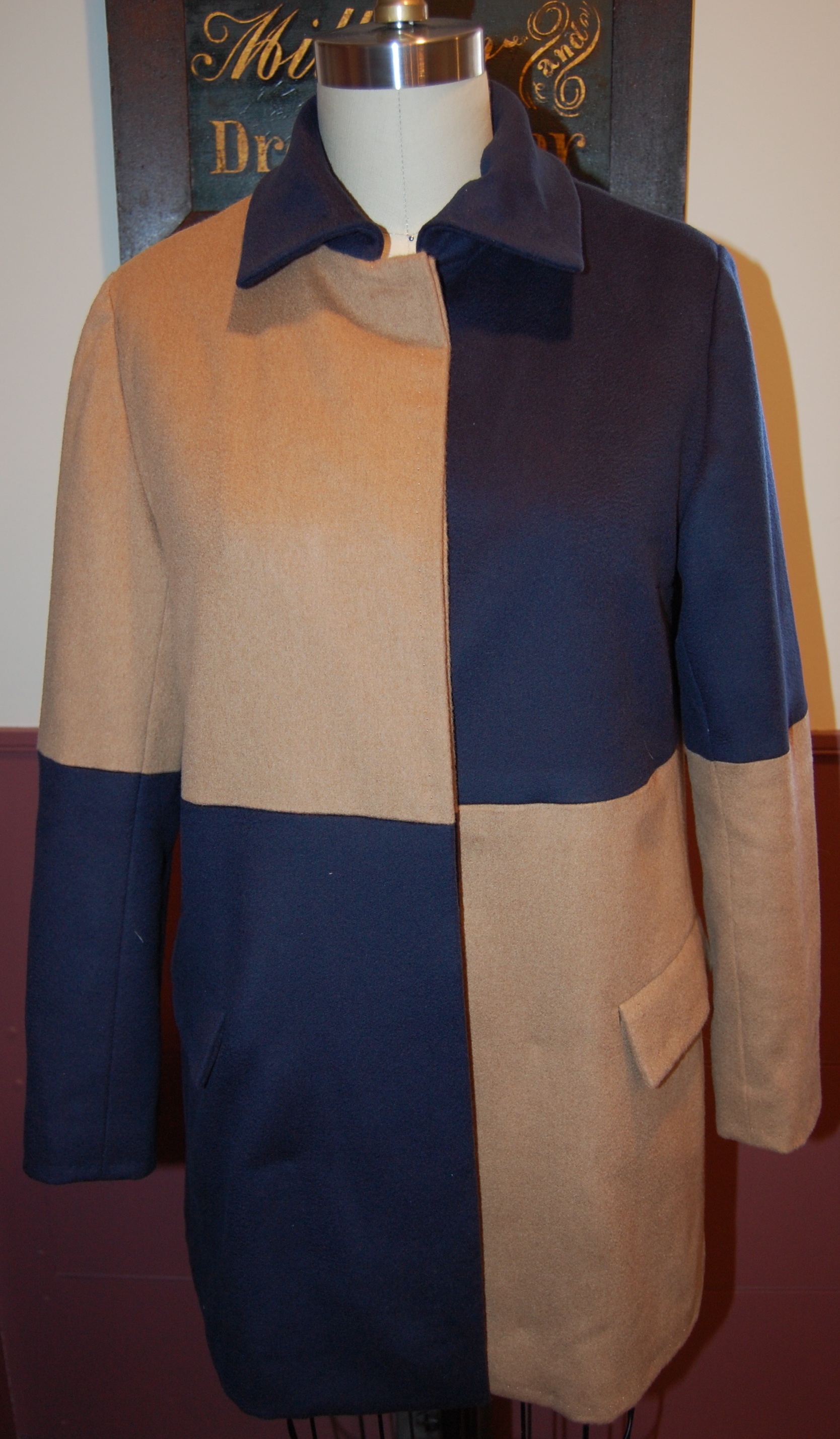
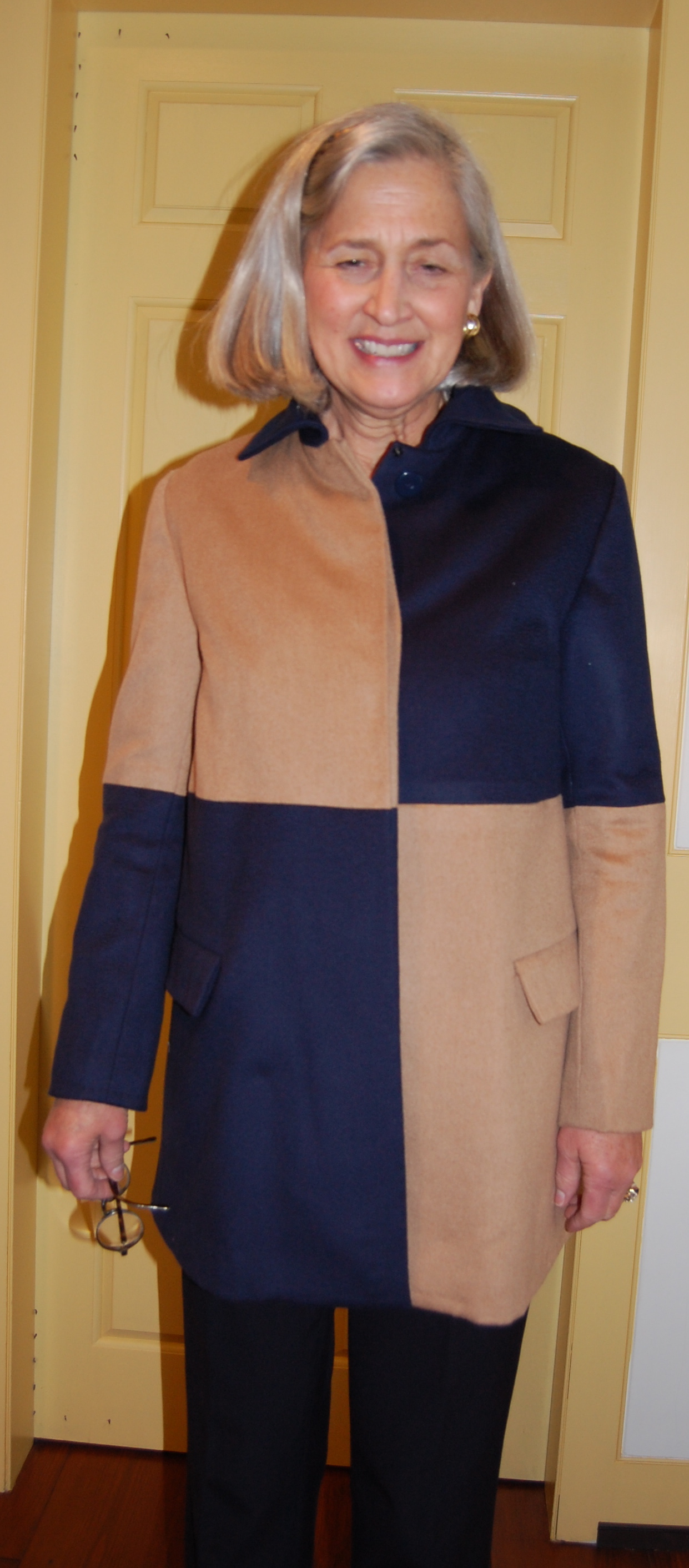
The use of color blocking, as featured in View A, became stylish in the mid-1960s, when Yves Saint Laurent introduced his classic Mondrian dress.

This little sketch from The Fairchild Dictionary of Fashion, Fairchild Publications, Inc., New York, New , York, 2010, p. 329, shows the classic blocked design.

This little sketch from The Fairchild Dictionary of Fashion, Fairchild Publications, Inc., New York, New  York, 2010, p. 329, shows the classic blocked design.

The appeal of the use of large geometrical sections of contrasting colors was widespread then and has, for many of us, never lost its cachet.  The clean precise lines, and diverse use of fabrics in color blocking must have appealed to Hubert de Givenchy’s sense of design.  Known for simplicity and refinement, according to Arlene C. Cooper, writing in the St. James Fashion Encyclopedia, Givenchy emphasizes “line rather than decoration”.  Further, Givenchy is known for “coats that are marvels of line and volume…”  (St. James Fashion Encyclopedia, Visible Ink Press, Detroit, MI, 1997, p. 154).  Vogue Patterns must have been exceptionally pleased to have the rights to this design for its Designer Series in the early 1970’s.

I started my jacket in early February this year in Susan Khalje’s Couture Sewing School class in San Francisco.  I just finished it.

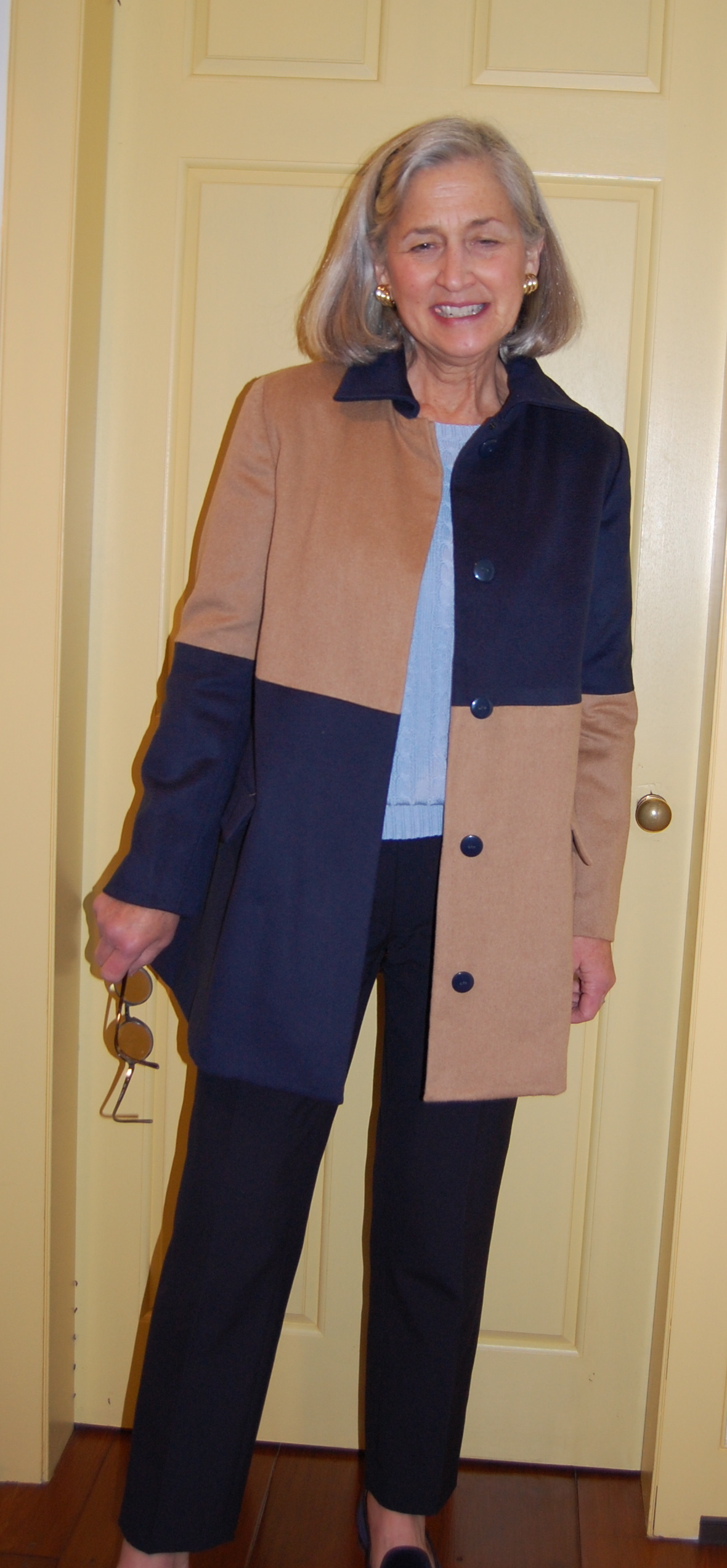
Magnificent Obsession

Magnificent Obsession

I like it worn open as well...

I like it worn open as well…

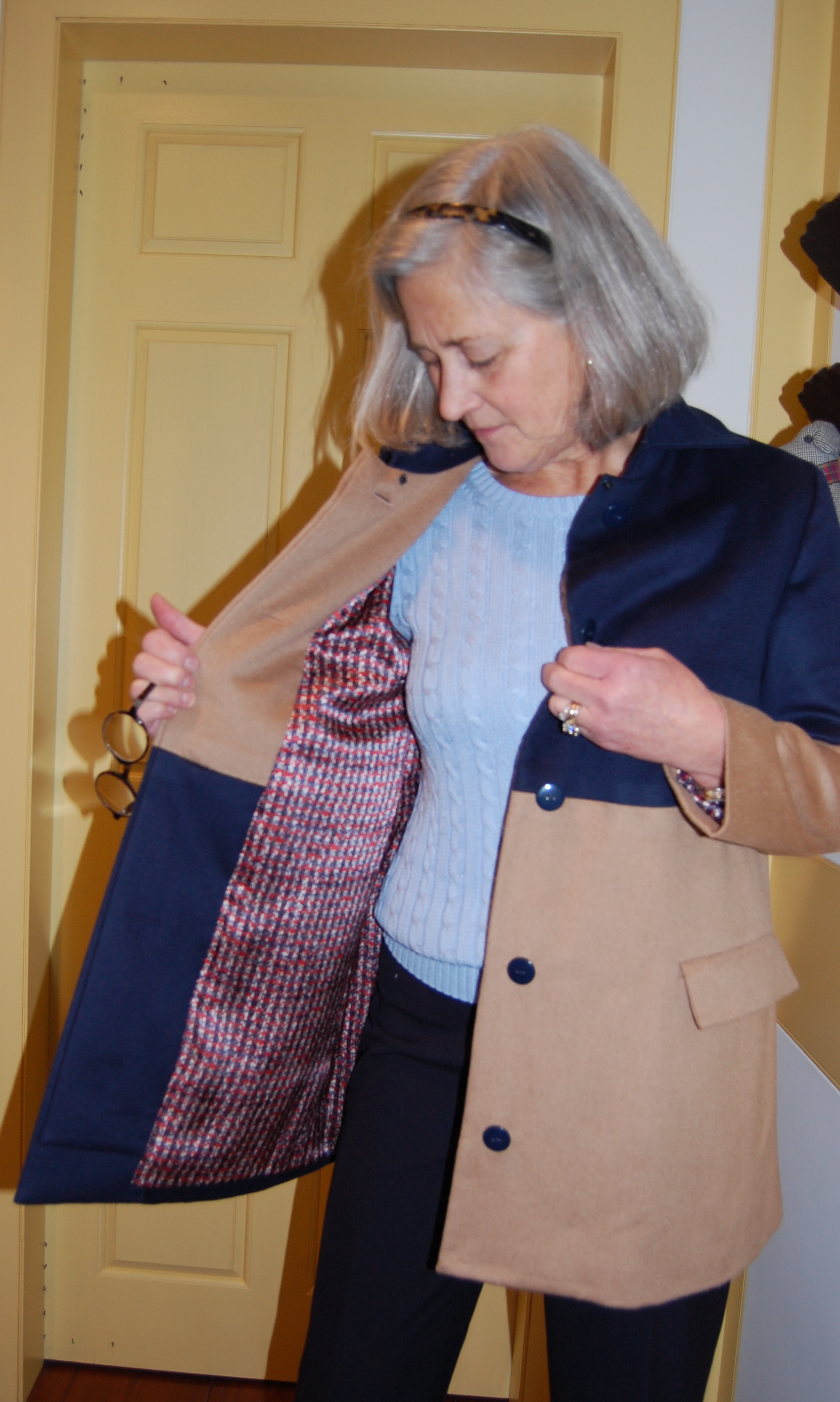
A look inside...

A look inside…

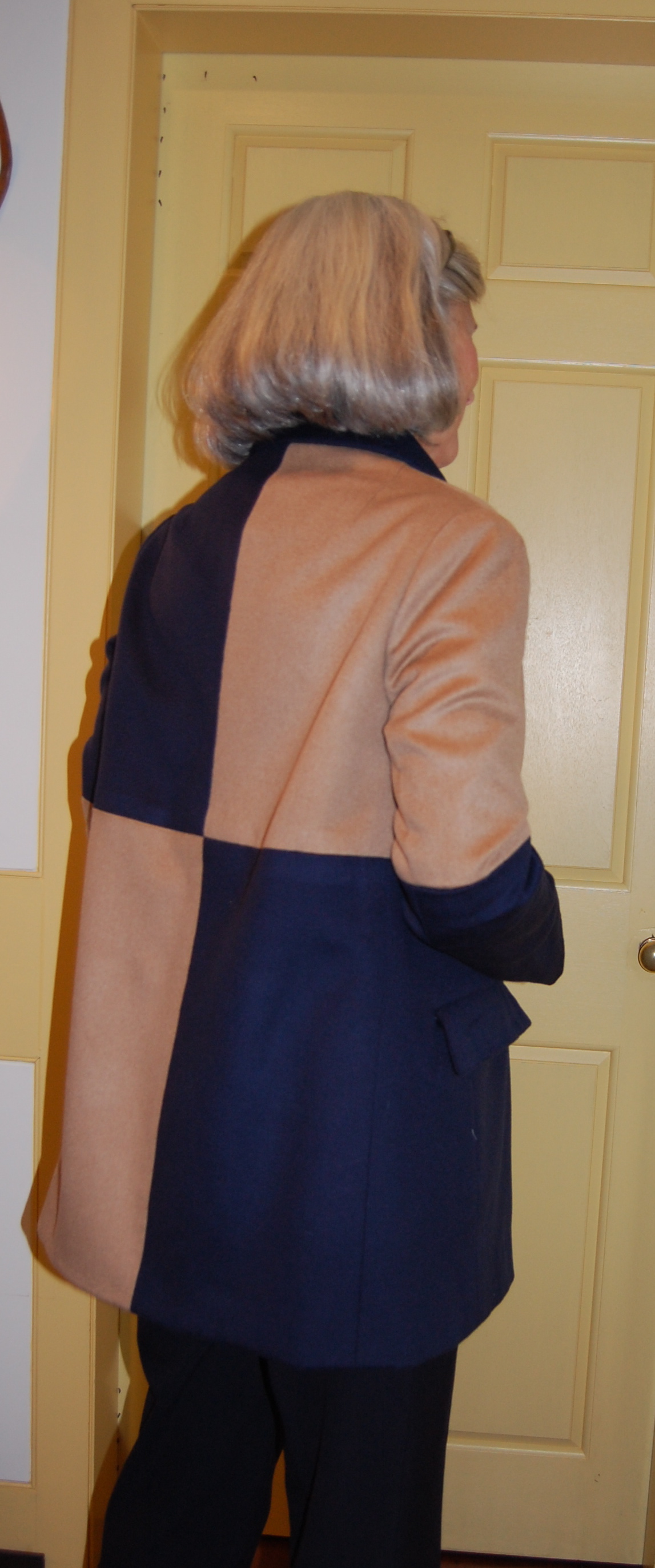
A back view.

A back view.

Making this was one of the most enjoyable sewing experiences I have ever had.  Being privileged to get Susan’s expert guidance on some parts of the jacket certainly was part of the equation.  In addition to that, however, were the preciseness and subtle design details of the pattern, which made it a pleasureable sew.  A few of those details are:

1)  the genius of the extra side panel, which enhances the “swing” line of the coat.

2) that side panel  also allows the use of a Dior dart which adds just enough to the bust to keep the line smooth, but ample.

Th instruction sheet gives a good diagram of the small Dior dart tucked into that front side seam.

The instruction sheet gives a good diagram of the small Dior dart tucked into that front side seam.

3) the concealed front allows the clean appearance of the coat to be unencumbered by buttons.

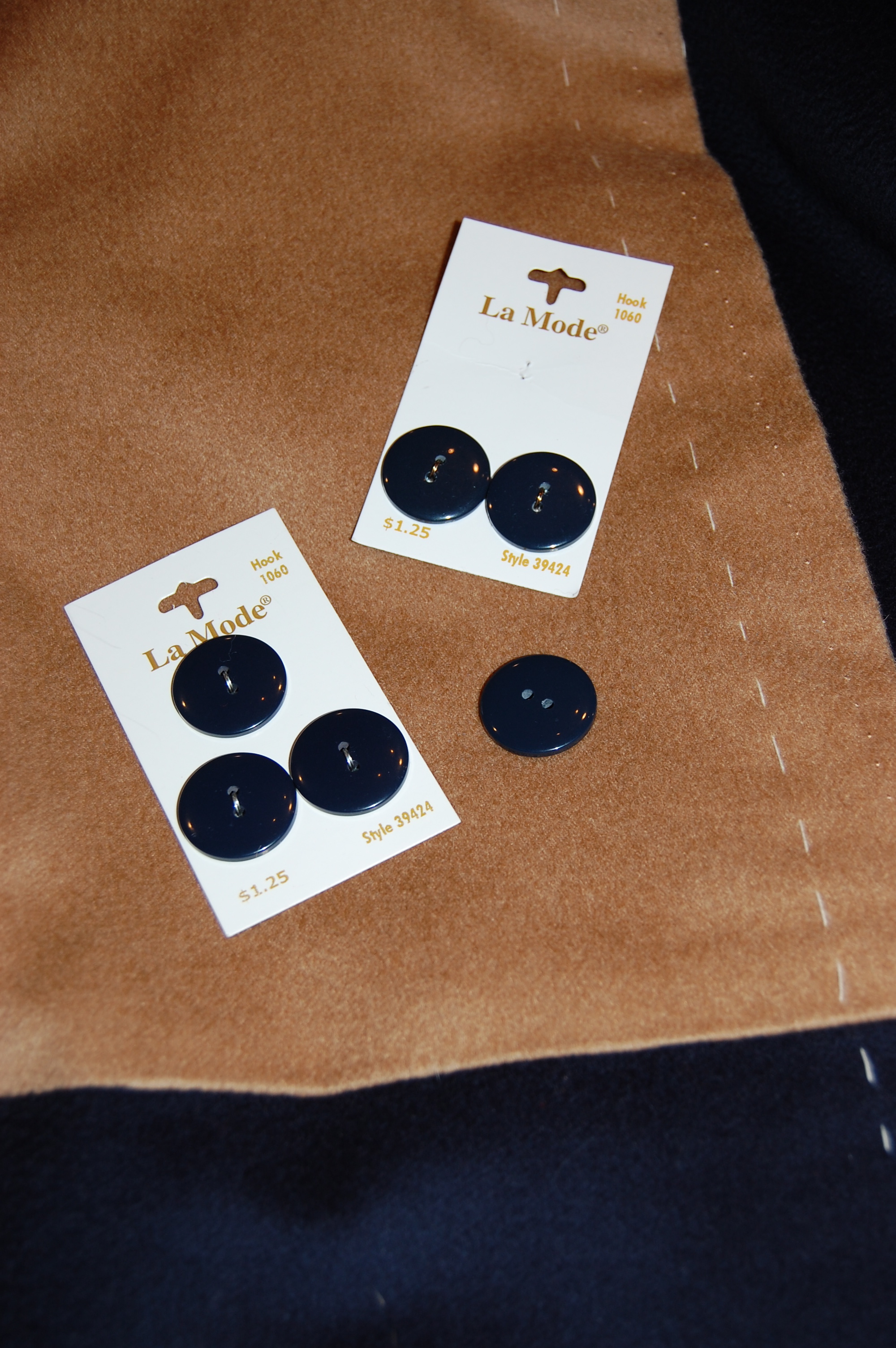
I chose these navy blue buttons for the concealed front.  They are flat, simple, and match the blue exactly.

I chose these navy blue buttons for the concealed front. They are flat, simple, and match the blue exactly.

4) the flap pockets, which conceal the openings, again with minimal interruption to the clean and “simple” look.

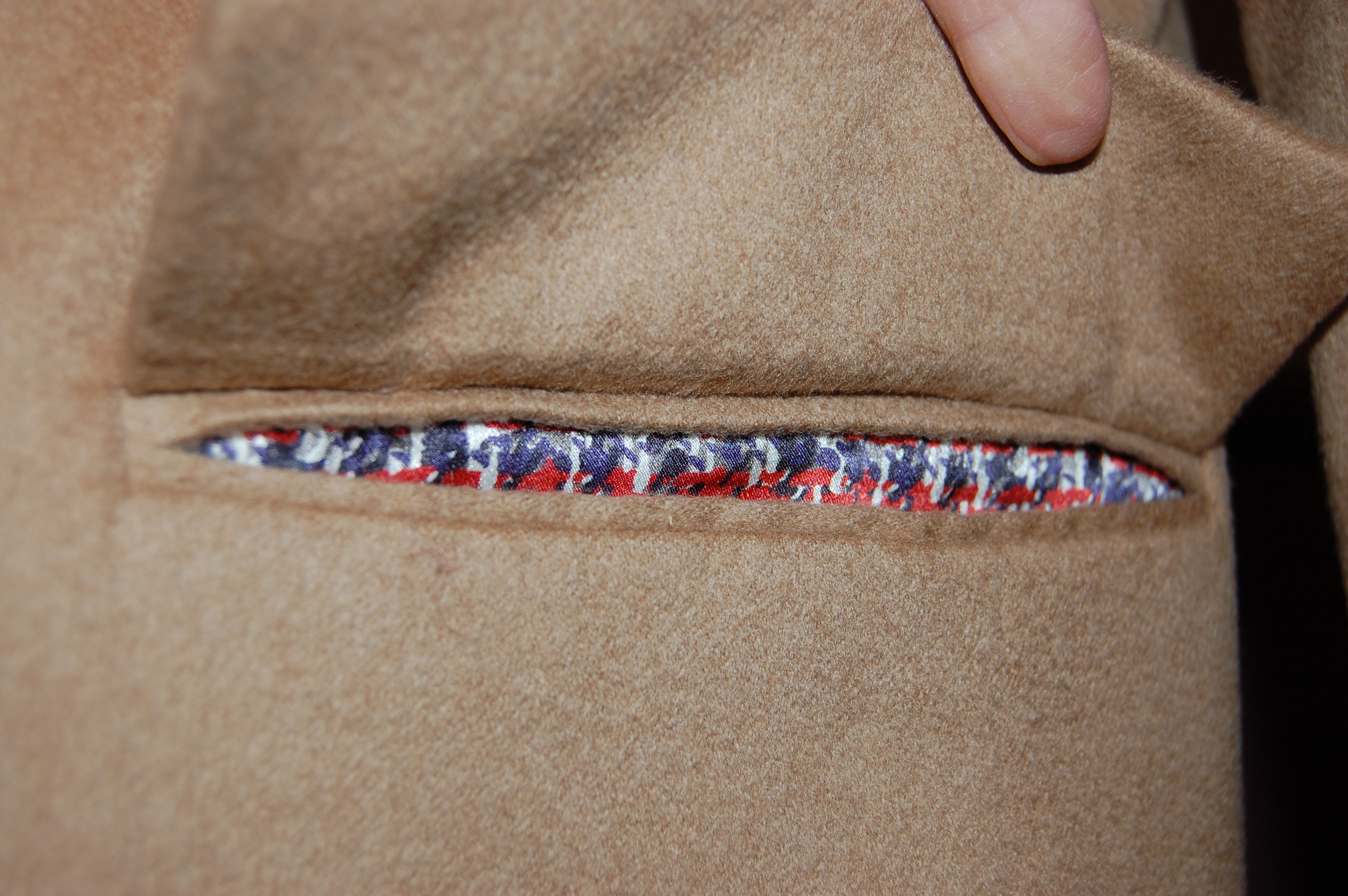
The concealed opening, with a flash of pretty pocket lining.

The concealed opening, with a flash of pretty pocket lining.

I did make a few changes/alterations to the jacket, ensuring a better fit for me in 2014.

First, with Susan’s assistance, I took some of the volume out of the back seam, as it was just too full for my frame.  Second, I added ½ “ to the diameter of each sleeve, as they were just a little too slim for comfort.  Doing this allowed me to enlarge the lower armscye, also adding comfort and more flexibility.  I felt like I was able to do these alterations without changing the look of the jacket.  I also made two “visible” changes, although still in keeping with the design.  The original flaps looked a little too “’70s” to me.  I reduced the “depth” of them by 7/8″, so that they are more in keeping with modern sensibility.

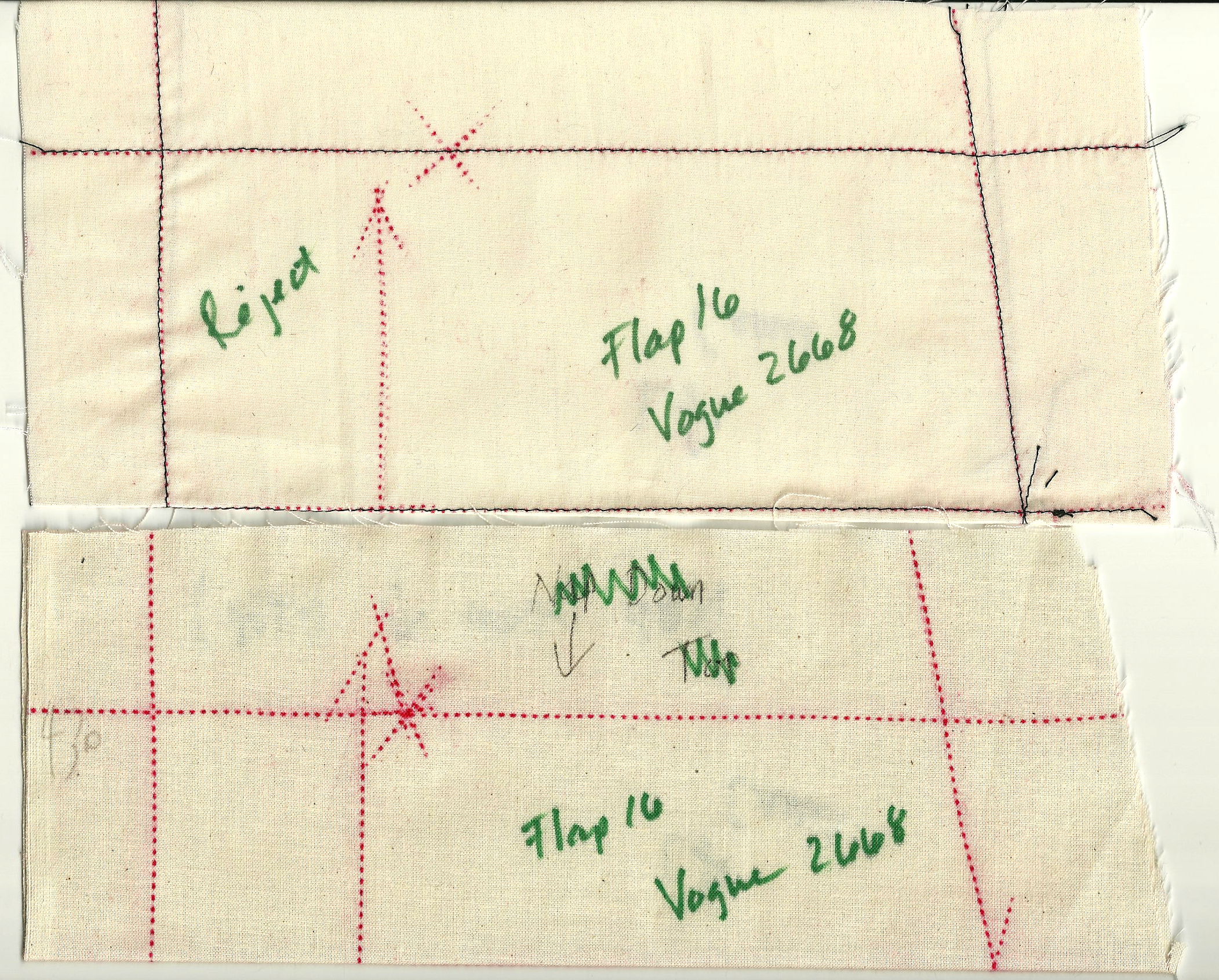
These muslin patterns are folded in half to show the depth of the original flap and the depth of the altered one below.

These muslin patterns are folded in half to show the depth of the original flap and the depth of the altered one below.

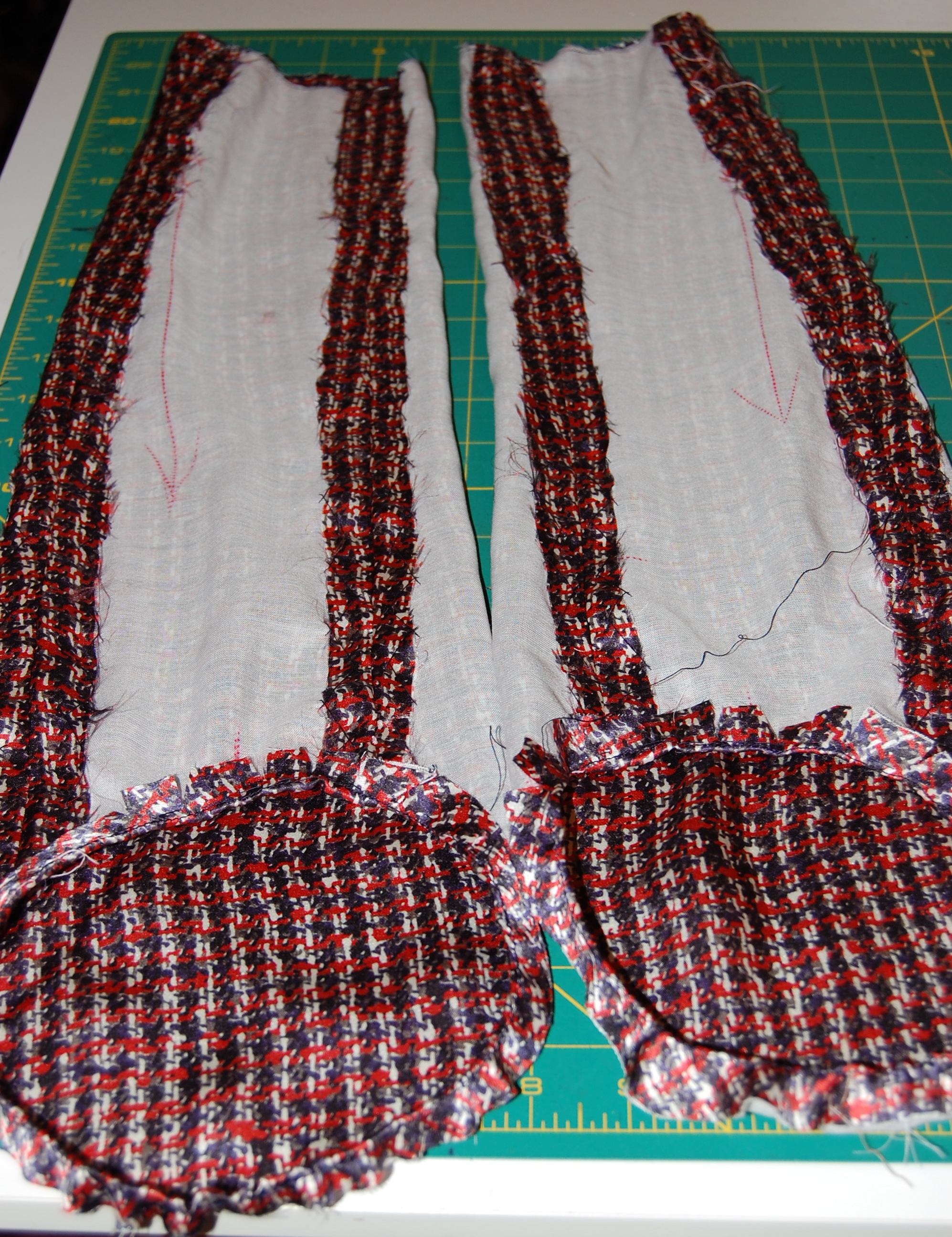
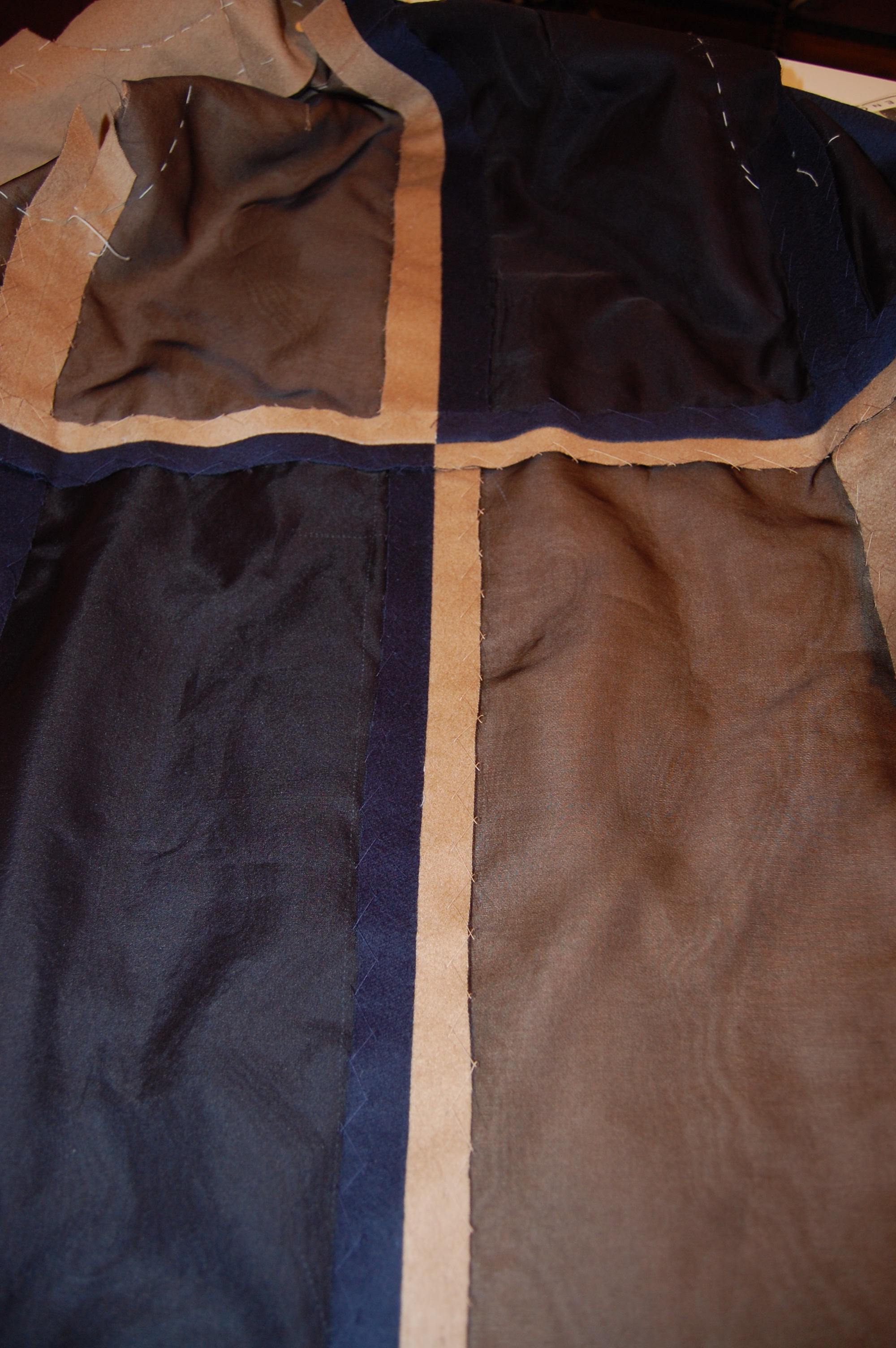
The pattern had separate pieces for the lining, and even the lining followed the blocked design.  I had chosen a printed silk charmeuse (at Britex , naturally!) for my lining, which did not need to be block sewn.  So, using the muslin I had made for the lining, I cut the “lengths” as one piece, eliminating 16 horizontal seams.  I also underlined the silk charmeuse with a very lightweight rayon voile, which made the lining fabric easy to control, and adds another layer of warmth to the overall coat.  This photo shows the underlining in the sleeve linings before I sewed them into the coat.

Magnificent Obsession

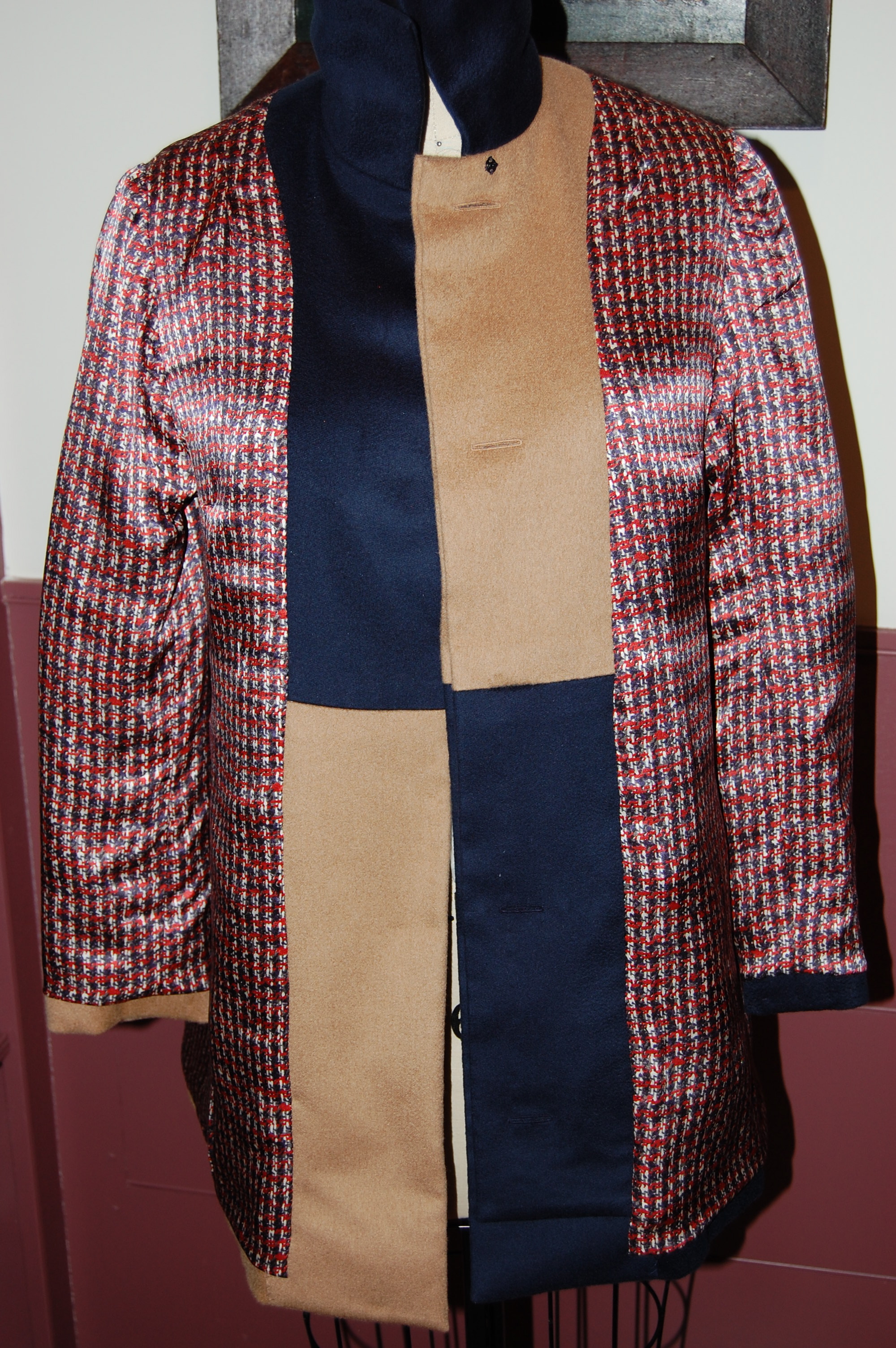
The jacket turned inside out, showing the lining.

The jacket turned inside out, showing the lining.

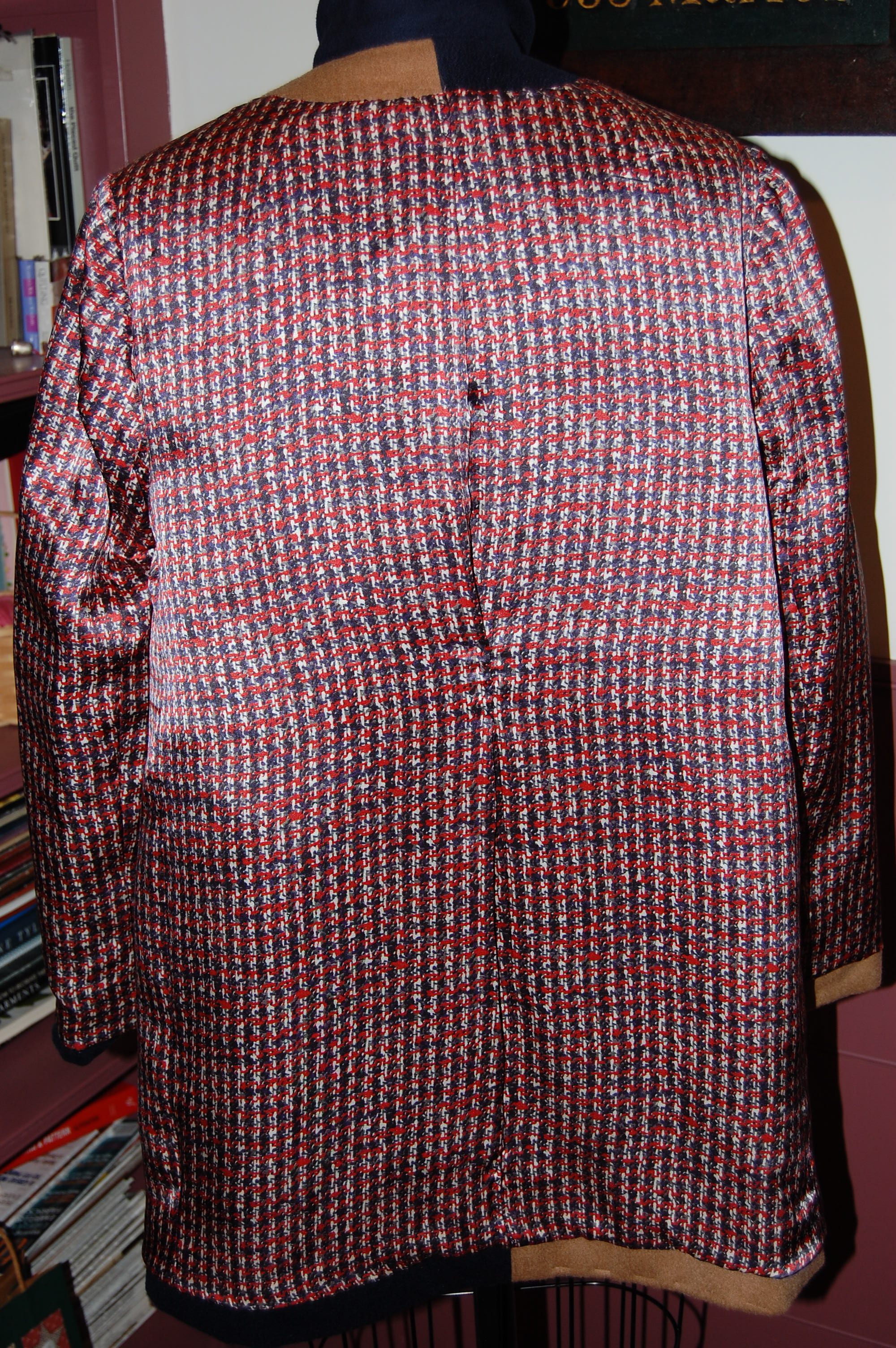
The inside back of the coat.

The inside back of the coat.

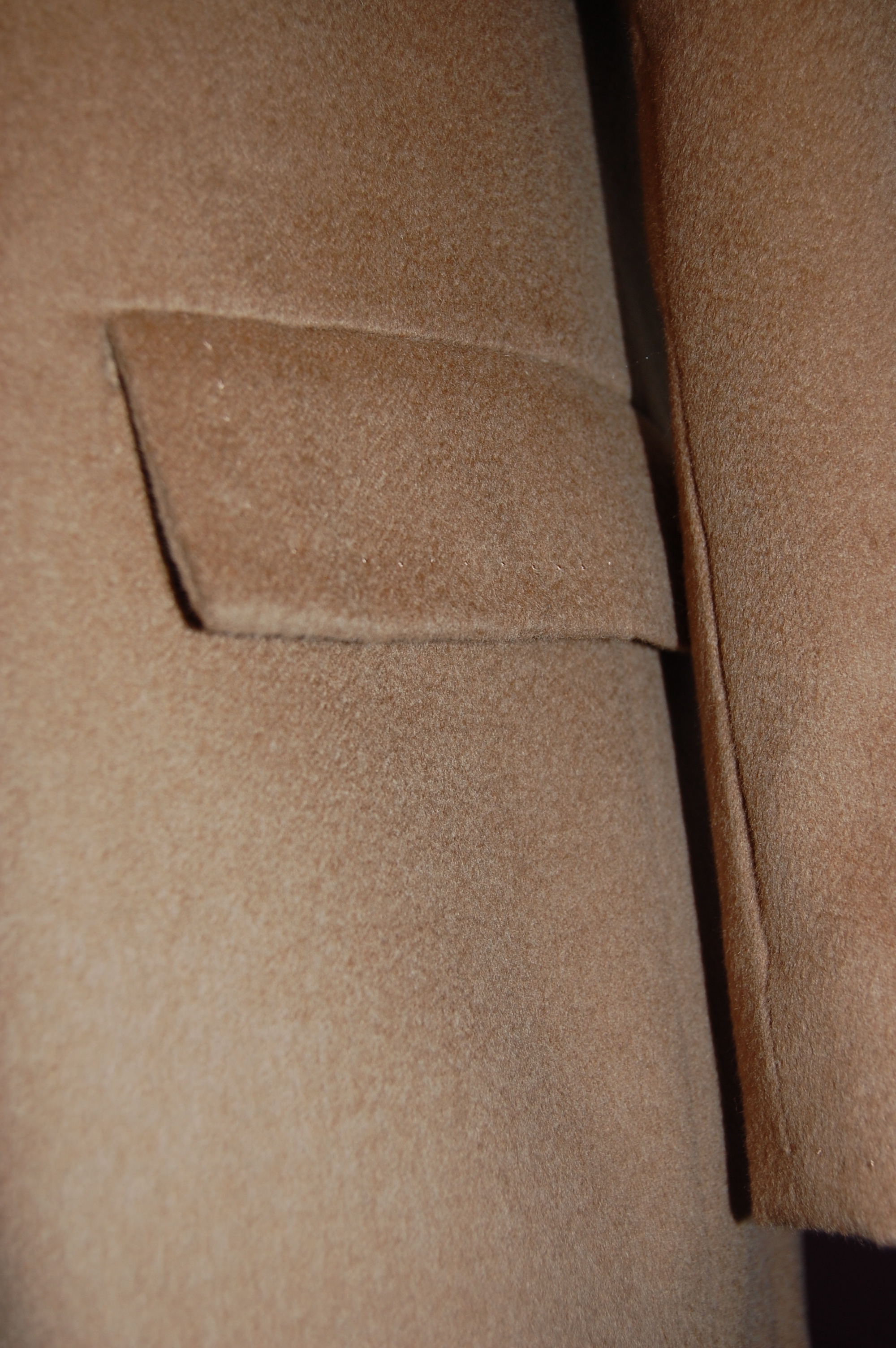
Finally, the pattern called for topstitching the exterior edges of the coat.  Due to the nature of my napped fabric, I thought machine topstitching would detract rather than add.  But – I wasn’t happy with the thought of no topstitching, either.  So I decided to do it by hand.  It wasn’t nearly as time-consuming as I thought it would be, and I am happy with the result.

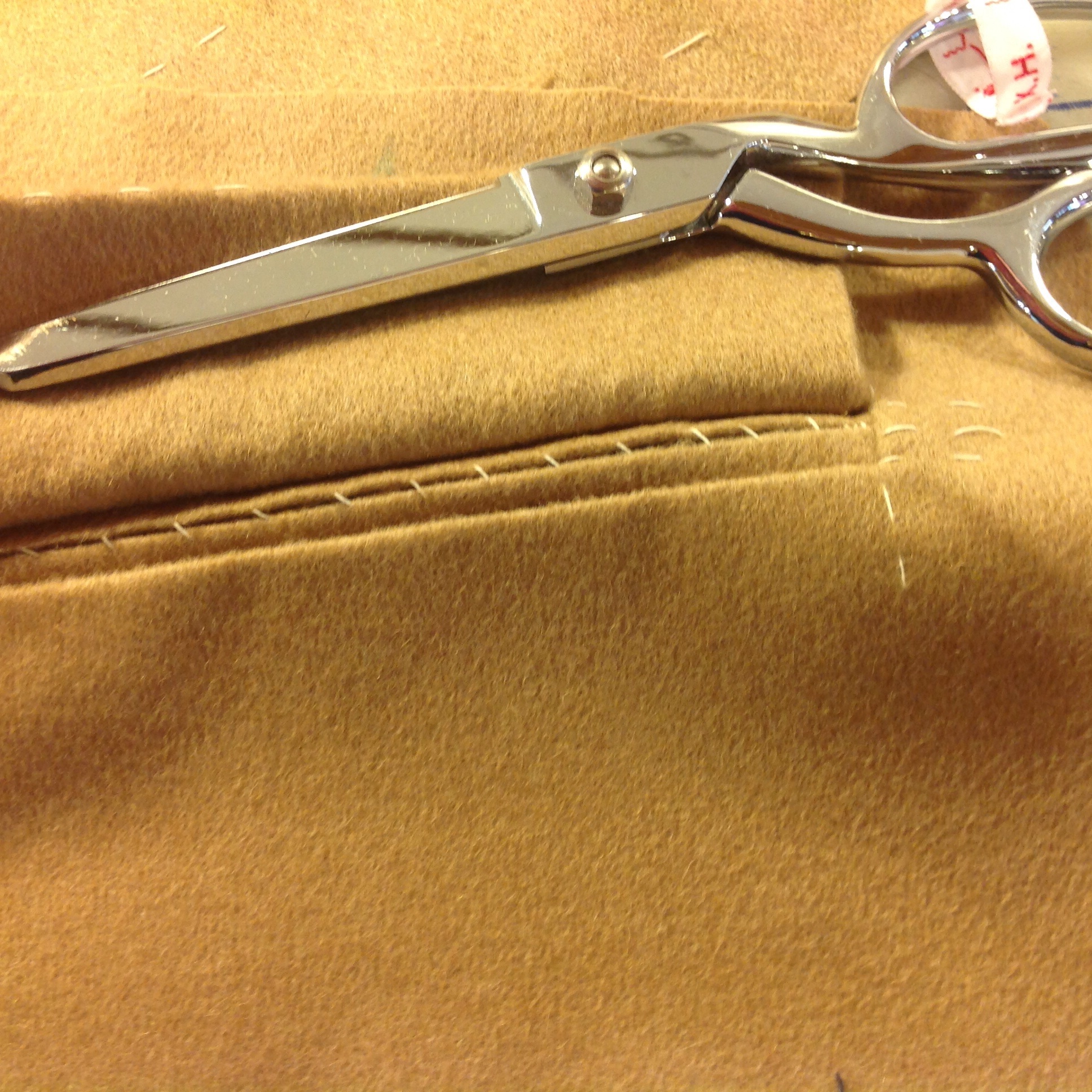
The topstitching is very subtle, but you can see it here on the pocket flap.

The topstitching is very subtle, but you can see it here on the pocket flap.  Click on the photo for a close-up.

One more thing about this pattern.   When I received it, the pattern pieces for the pants and sleeveless tunic were cut and had obviously been used (although every piece is intact).  The tissue pieces for the coat were still in their factory folds.  On the outside of the pattern in the upper right hand corner is the name Georgia Sanders.  I guess I’ll always wonder if she had plans to make the jacket, too.  I’m so glad she bought this pattern and kept it in such good condition so that it could find its way eventually to me – to help me realize my magnificent obsession from my younger self.

20 Comments

Filed under Buttons - choosing the right ones, Coats, Color blocking, couture construction, Dior darts, underlinings, vintage Vogue Designer patterns, vintage Vogue patterns from the 1970s, Vogue patterns, woolens

The Inside Story

Silk organza must be the best fabric ever made.  The more I use it, the more I appreciate and value its unique properties.  Having first become aware of it as the building block of couture sewing in the Couture Dress Class by Susan Khalje on Craftsy, I quickly adapted my sewing to incorporate it whenever possible and feasible.  Although I fully expected to be using it for my color-blocked coat, I wasn’t sure if I would need to add more to the inside construction in the way of interfacings or other support techniques.

The pattern envelope and instruction sheets were somewhat mystifying, as they listed yardages for both interfacings and underlinings.  However, the diagrams on the instruction sheets clearly showed interfacings only.

The Inside Story - interfacing detail from instruction sheet It was just so lovely to have Susan Khalje’s input and expertise to help me with this during my Couture Sewing School class with her in February.  Silk organza was clearly going to be the only “support” mechanism I was going to need (with the exception of the collar, to be discussed below.)  With each jacket section underlined with black silk organza, I was able to control the inside seams by catch-stitching them to the silk organza.

Here is the inside of the back of the coat, with the seams catch-stitched to the organza.

Here is the inside of the back of the coat, with the seams catch-stitched to the organza.  Click on the photo to see  details.

A quick note here on pressing.  Because my fabrics each have a distinct nap to them, making them easily impressionable, and because they are heavier coat weight fabrics, pressing seams required some extra attention.  Susan had me insert sheets of paper under the two edges of each seam for its initial press (before trimming  them down for catch-stitching).  This prevented the impression of the seam allowances to show up on the right side.  With a really good steam iron, a wonderful finish can be achieved with this method.

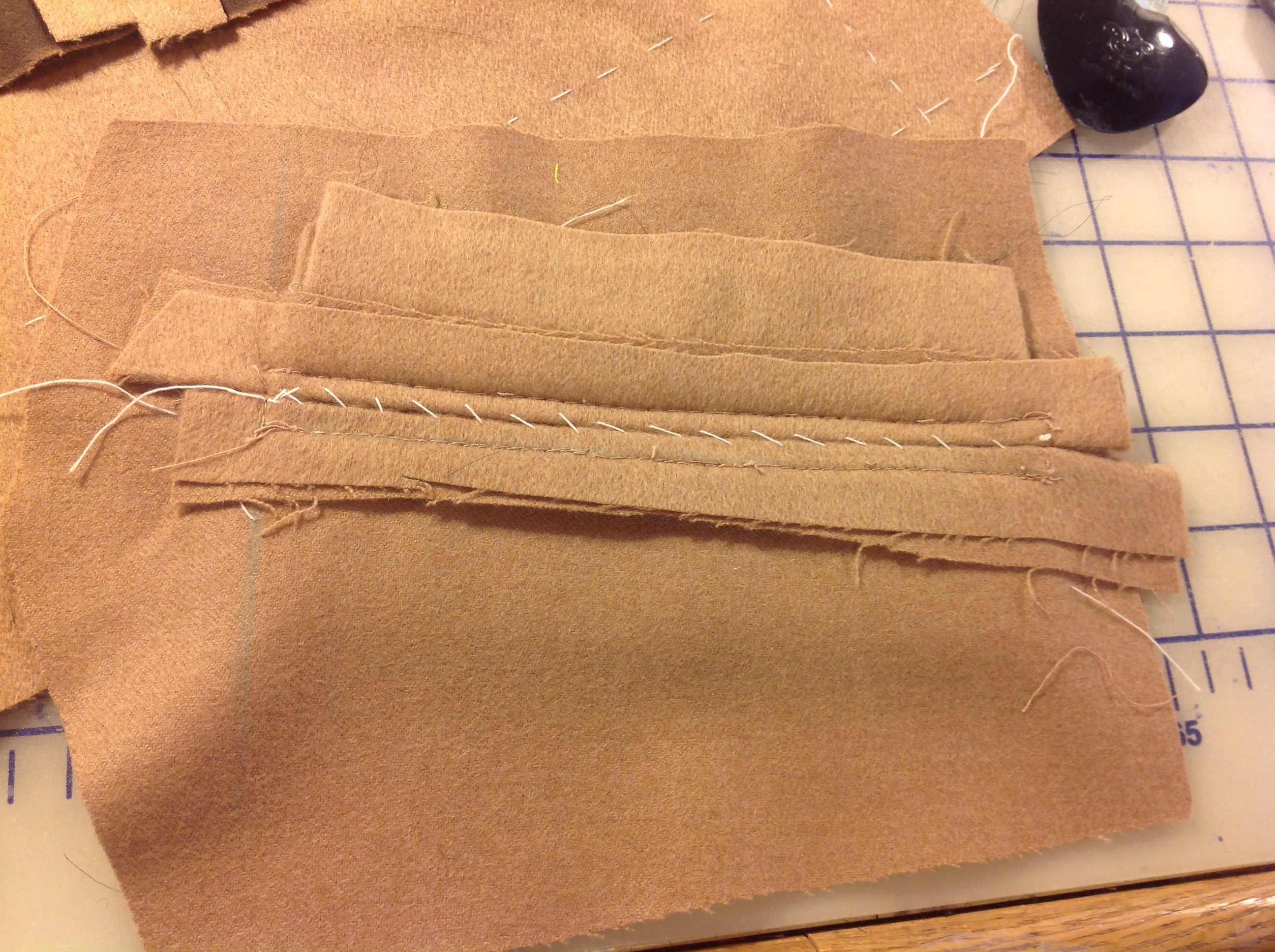
The pockets were one of the first details to be tackled.  It had been a while (like years!) since I had made flap/buttonhole pockets.  Once again, Susan’s guidance gave me confidence.  She had me make a trial pocket first, and then I was ready for the real thing.

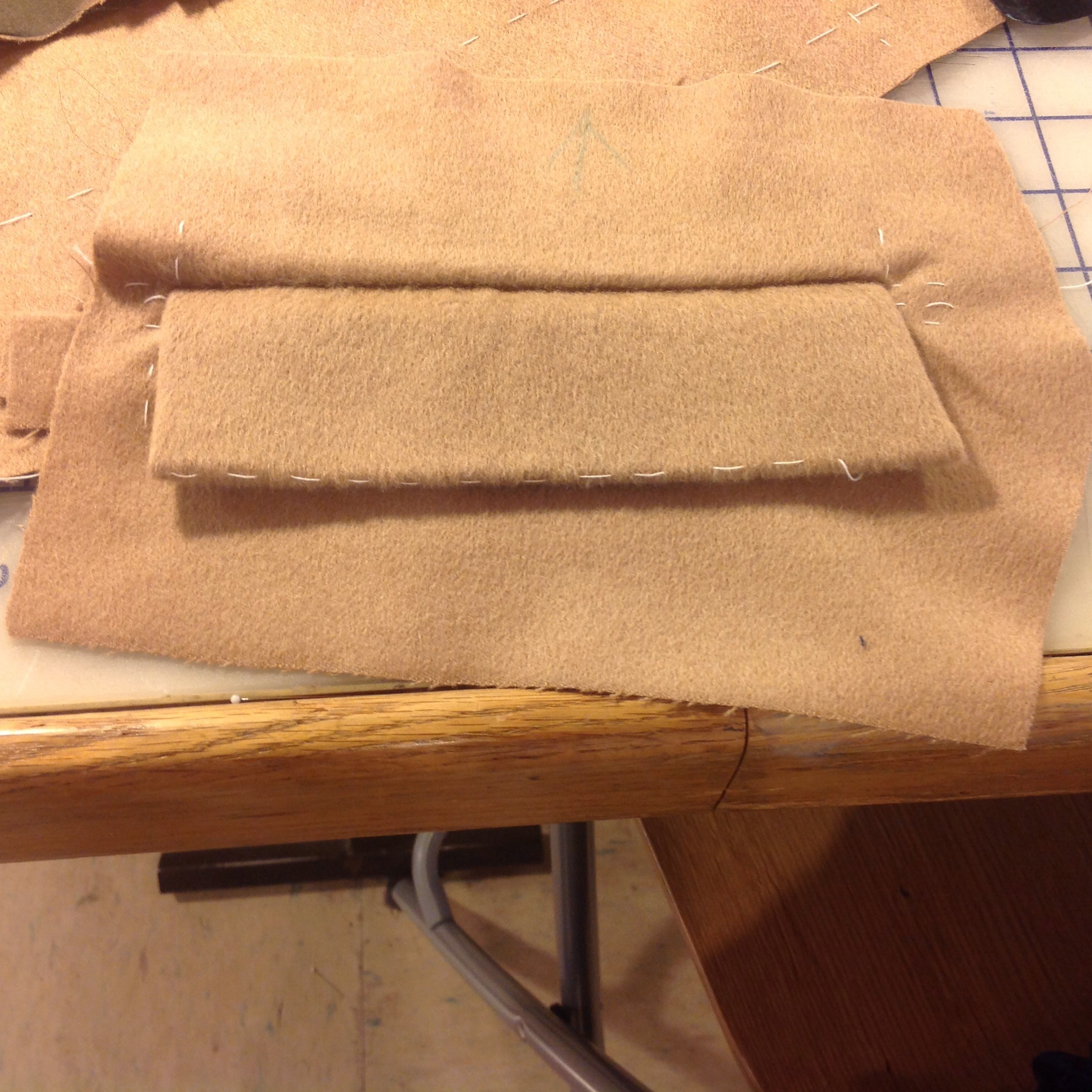
My sample flap before pressing.

My sample flap before pressing.

Showing the "buttonhole" type opening.

Showing the “buttonhole” type opening.

Showing the "inside" of my trial pocket.

Showing the “inside” of my trial pocket. 

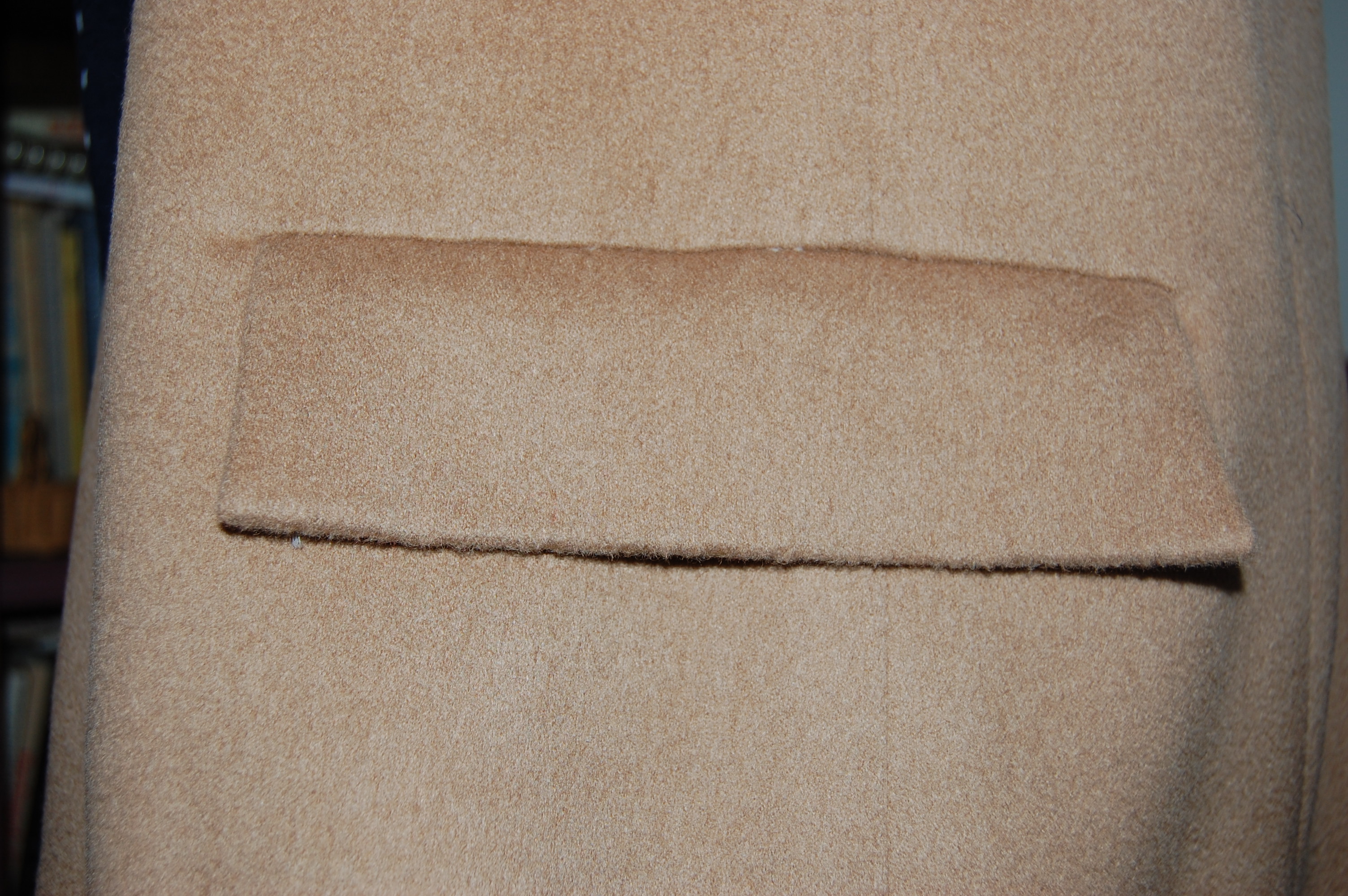
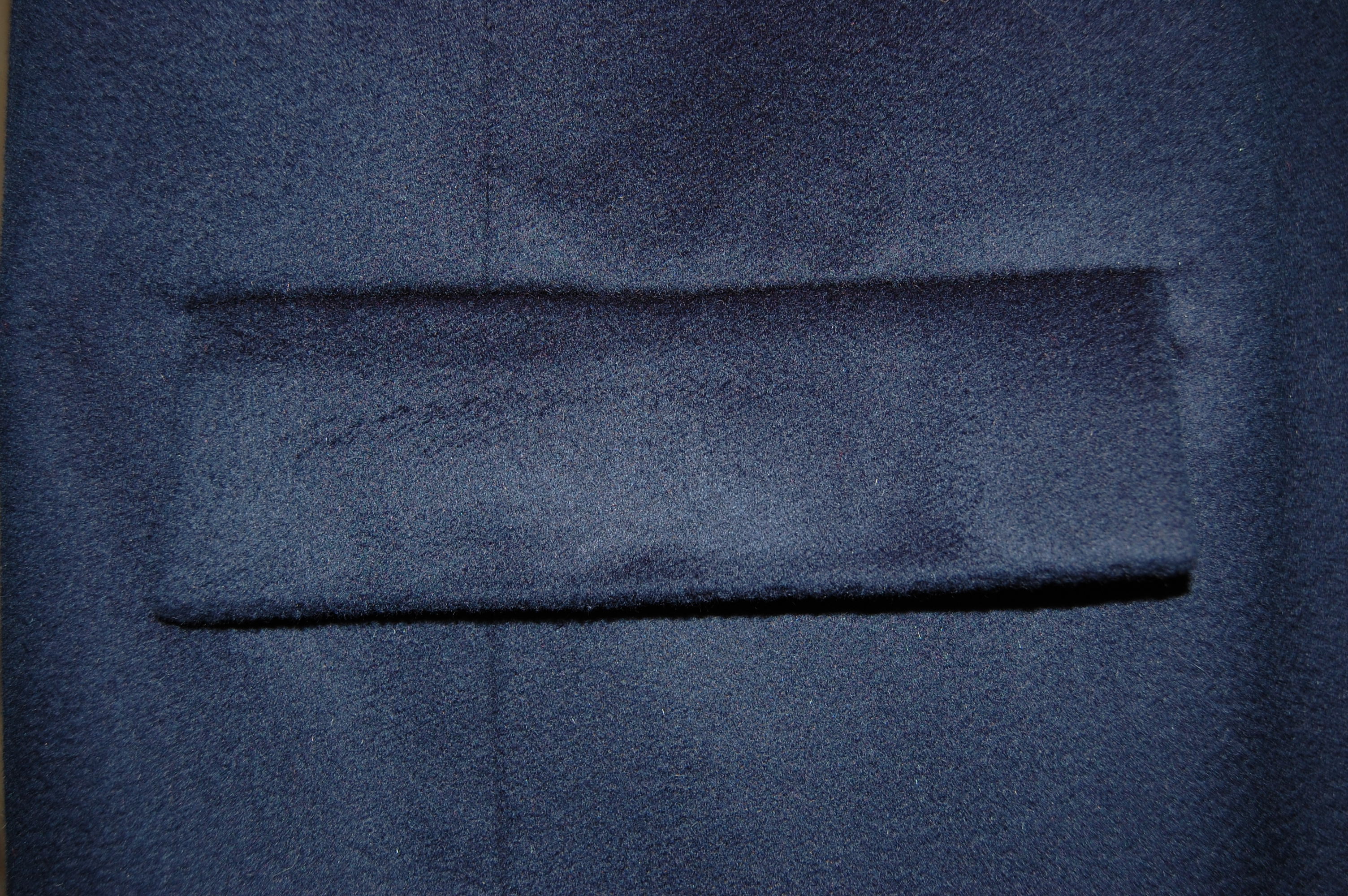
With the flap concealing the opening of the pocket, there is no room for error (or else you will end up with puckers at the edges of the flaps).  I basted and basted and sewed with extreme caution.  I ended up with pockets with which I can, thankfully (whew!), be  happy.

One finished pocket . . .

One finished pocket . . .

. . . and the other one.

. . . and the other one.

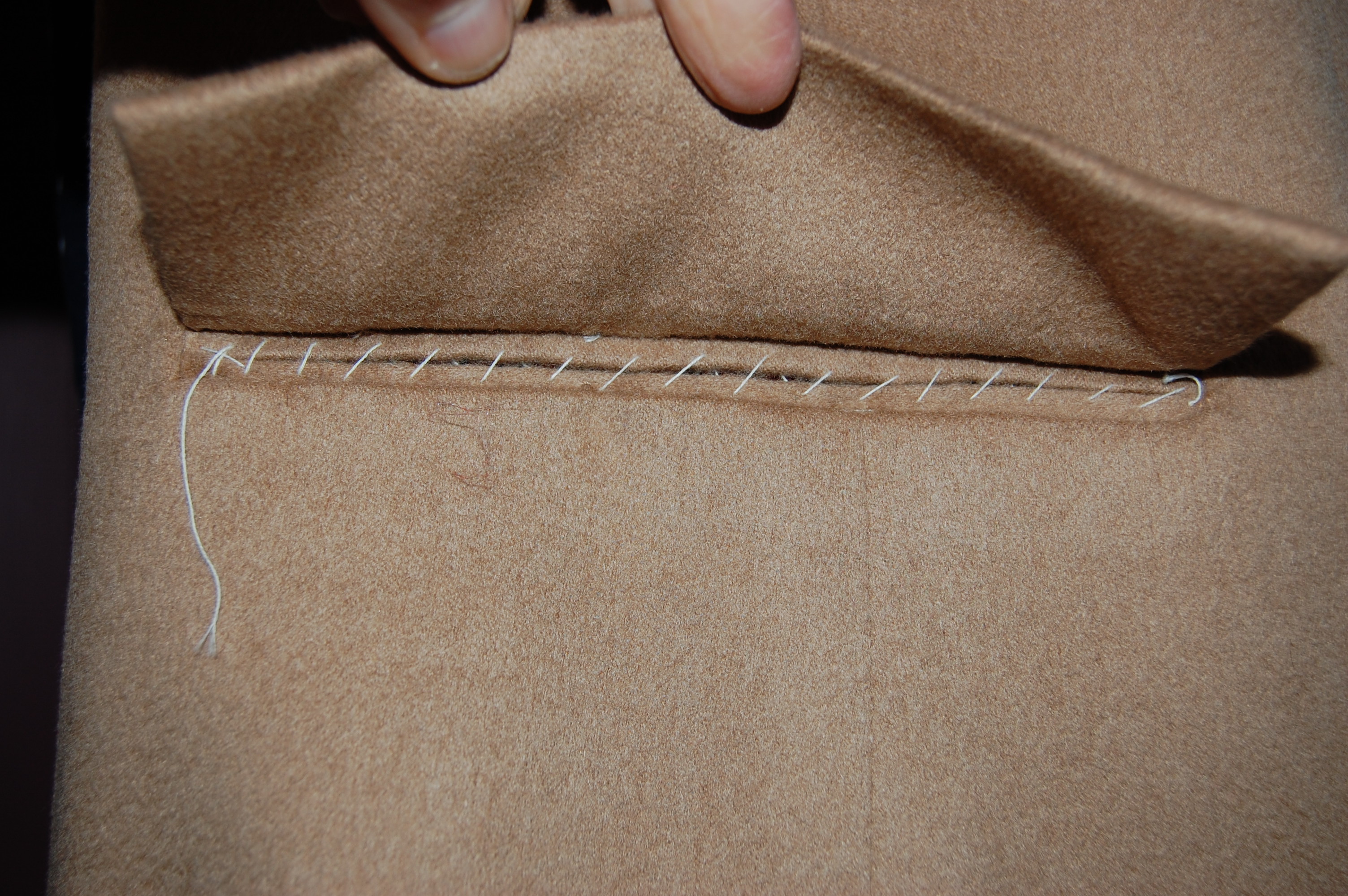
And here is what it looks like under the flap, with the opening basted together temporarily.

And here is what it looks like under the flap, with the opening basted together temporarily.

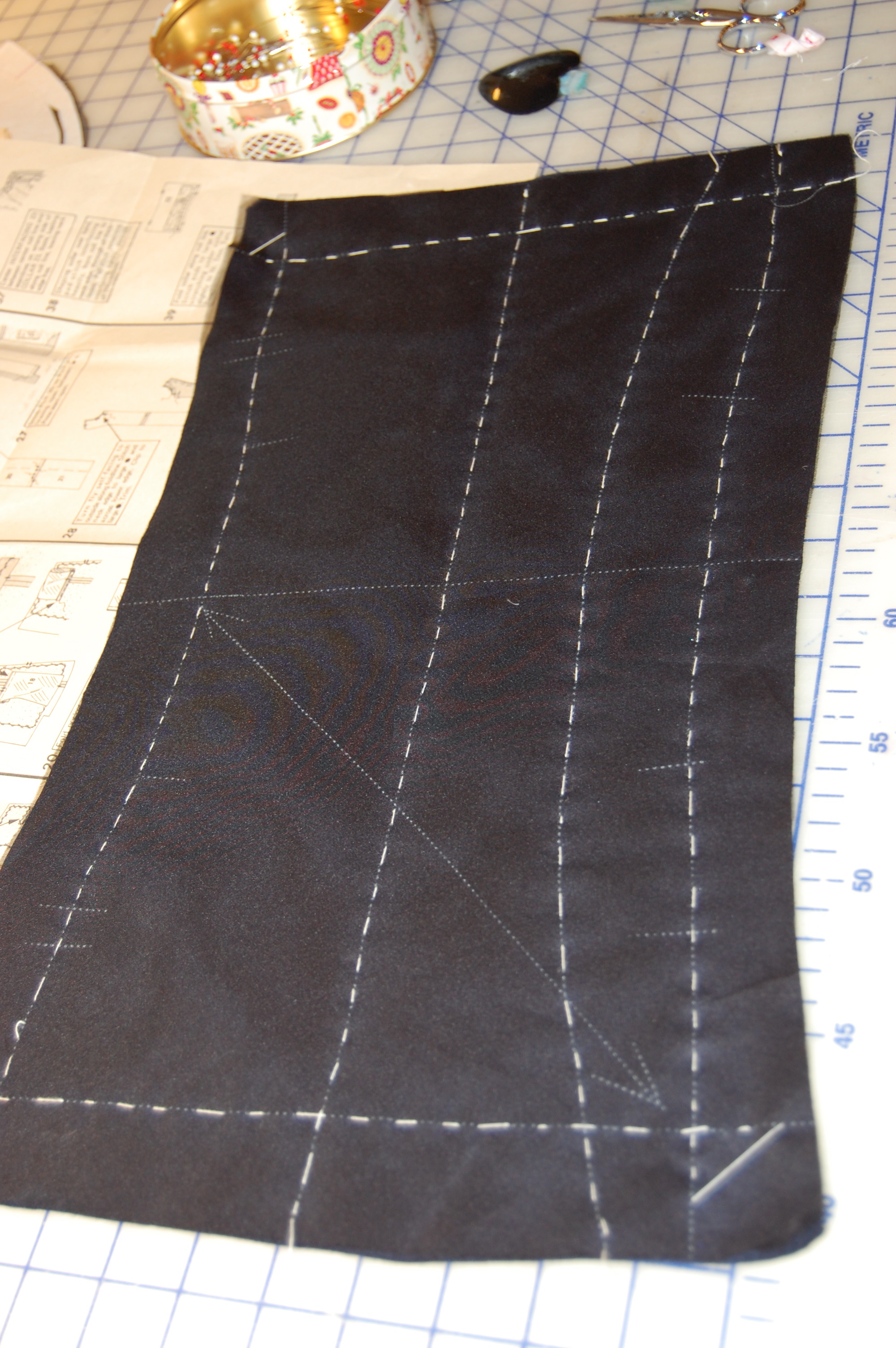
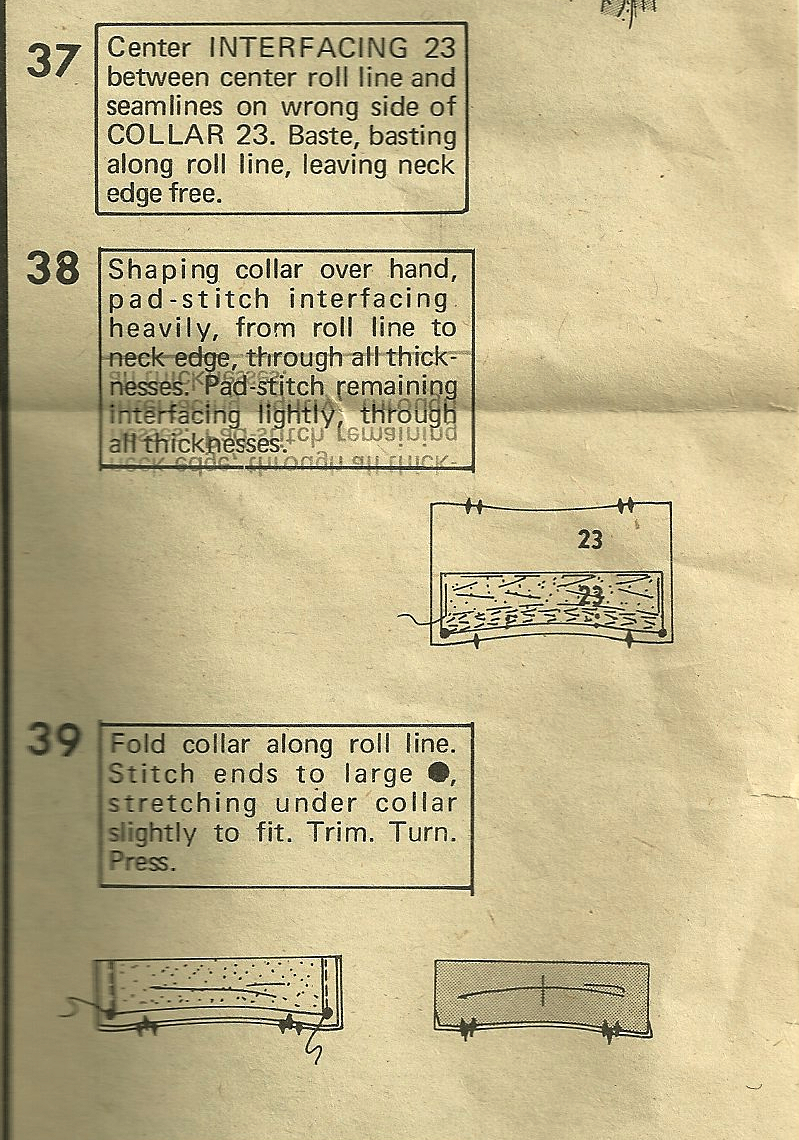
So now on to the collar.  The collar was cut on the bias, and it had a clearly marked roll line.  With the organza basted on (the only “interfacing” I would need), Susan had me run an invisible line of tiny hand stitching along the roll line.

The curved line is the roll line.

The curved line is the roll line.

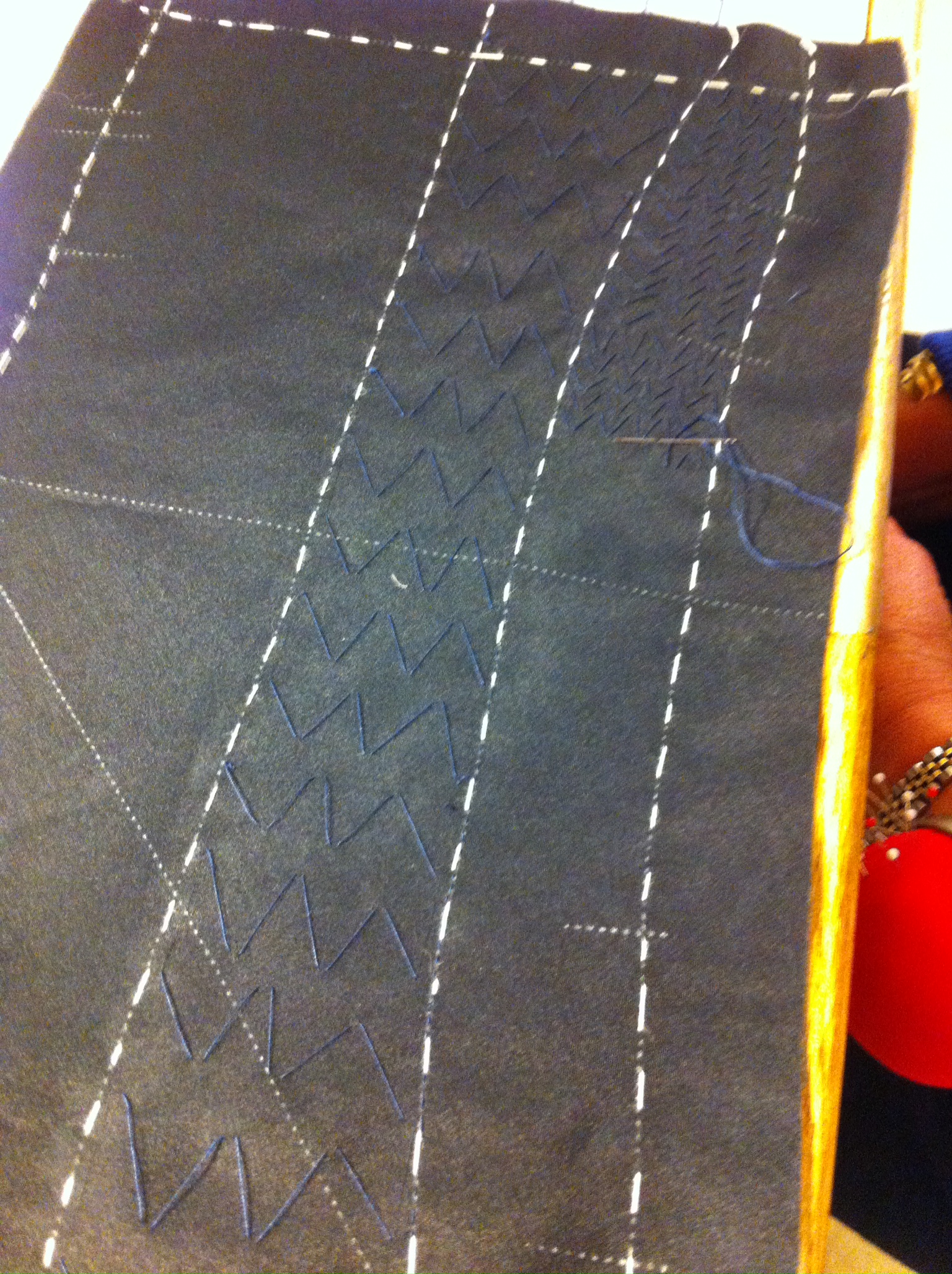
This anchors it for the subsequent pad-stitching.  Although the pattern instruction sheet shows only half of the collar interfaced, you will see the pad-stitching detail, which is required to get the collar to roll properly.

The Inside Story - collar detail

I am grateful to my classmate Sylvia for taking a photo of the pad-stitching which I did on the collar.  What this shows is the small pad-stitching below the roll line, with larger pad-stitching above it, extending to the fold line.

The inside story - collar pad-stitching

Click on the photo to see it in detail.

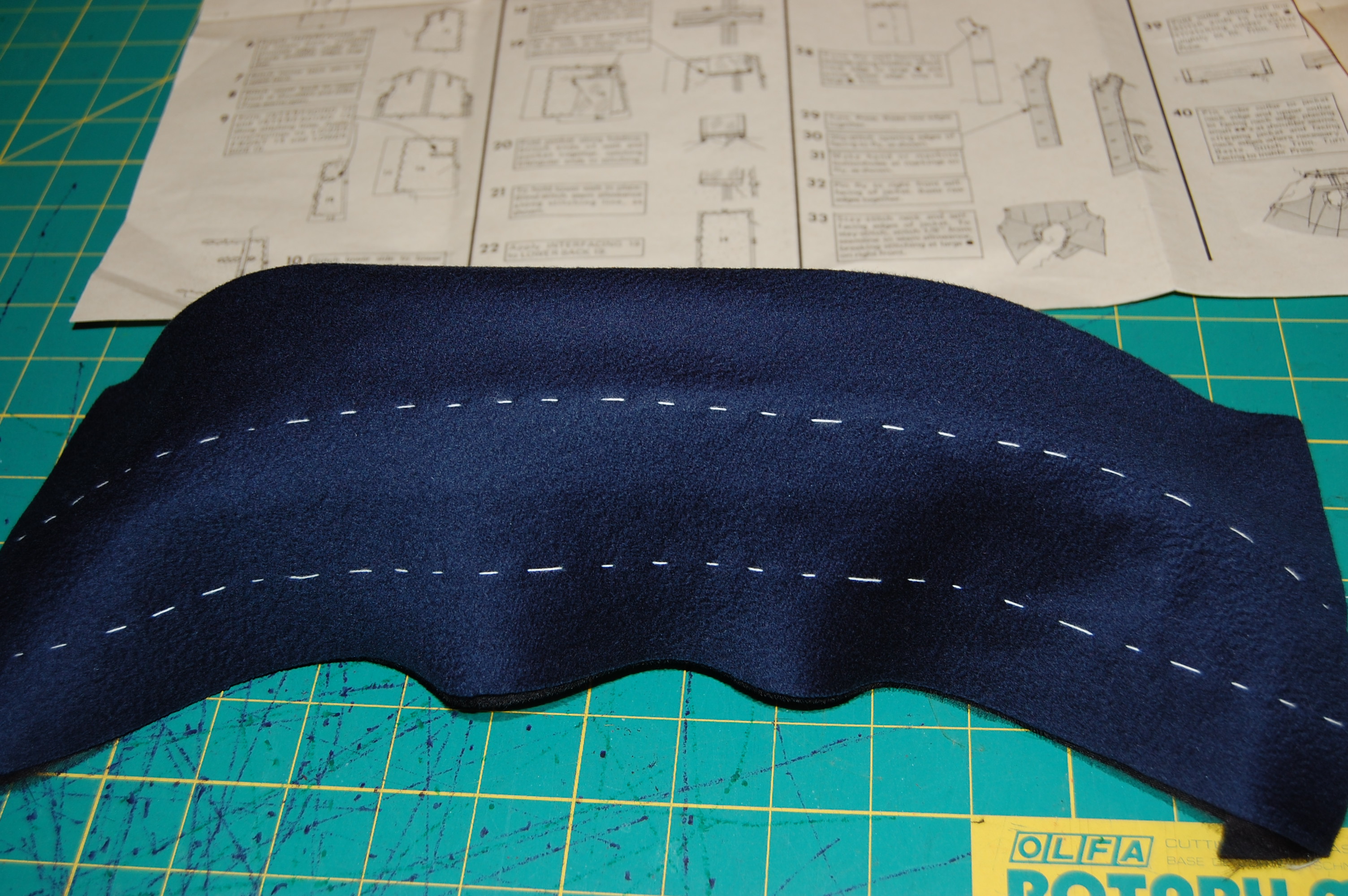
With the side seams sewn, my collar showed a clear roll where it was supposed to be.

The inside story

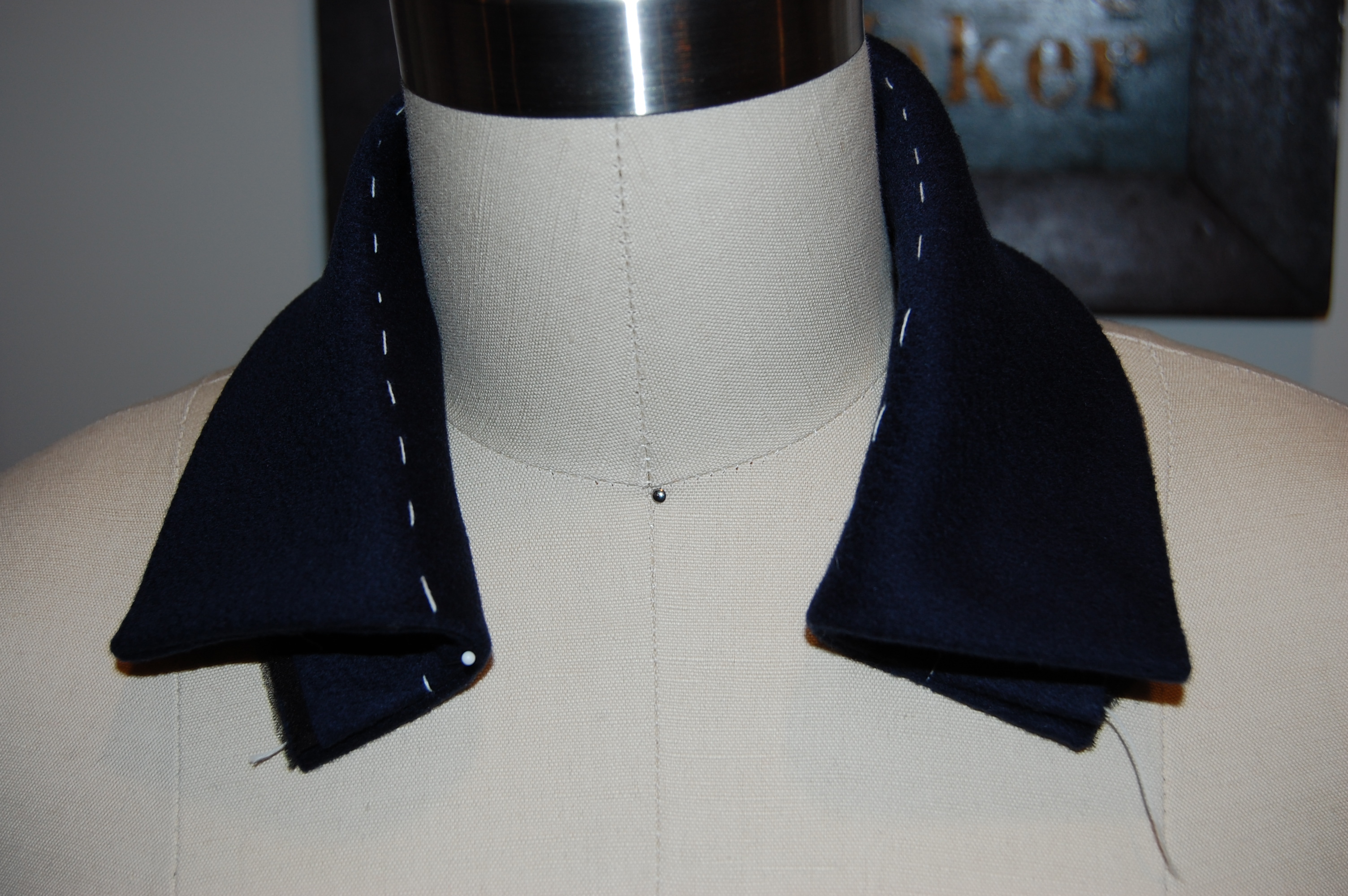
And here is the collar on my dress form.

And here is the collar on my dress form.

I had one more important question for Susan:  what about the buttonholes on that concealed fly front?  Normally, when sewing with wool, I would do bound buttonholes, but we both agreed that would add too much bulk to what should be a clean, sleek finish on this coat.  It seemed machine-made buttonholes would be the ones of choice.  I must admit, I had a bit of reluctance to do machine buttonholes in wool.  I even practiced making buttonholes by hand, but I wasn’t happy with my trial runs, and even they seemed too bulky.  So, I simulated the thickness of my layers at the fly front and made some machine buttonholes in a sample piece.  And – I thought they were great!  On to the real thing – and this was clearly the way to go:

The buttonholes show up better on the camel wool. Click on the photo for a close-up.

The buttonholes show up better on the camel wool. Click on the photo for a close-up.

The middle buttonhole is a slot-seam one.

The middle buttonhole is a slot-seam one.

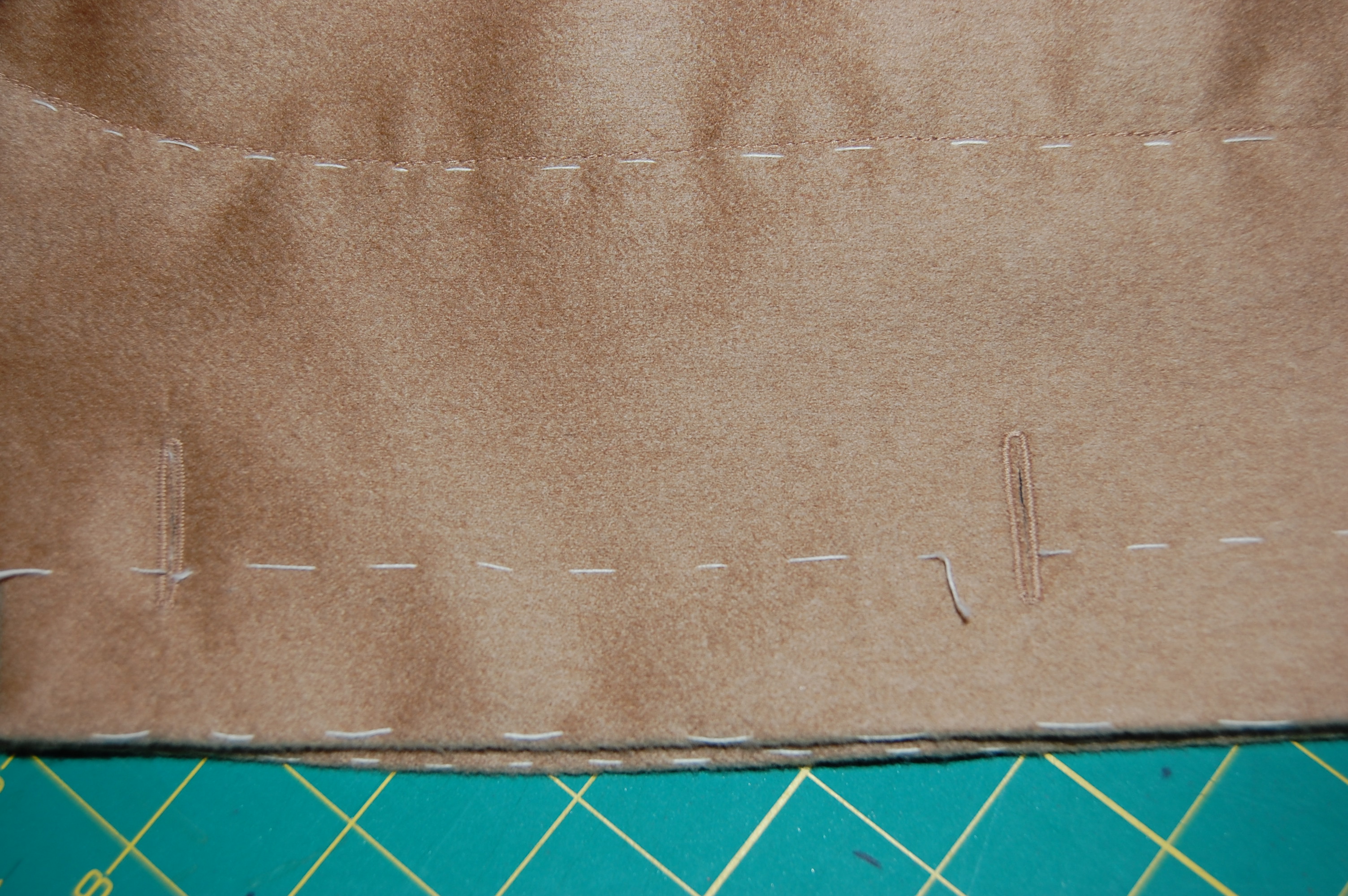
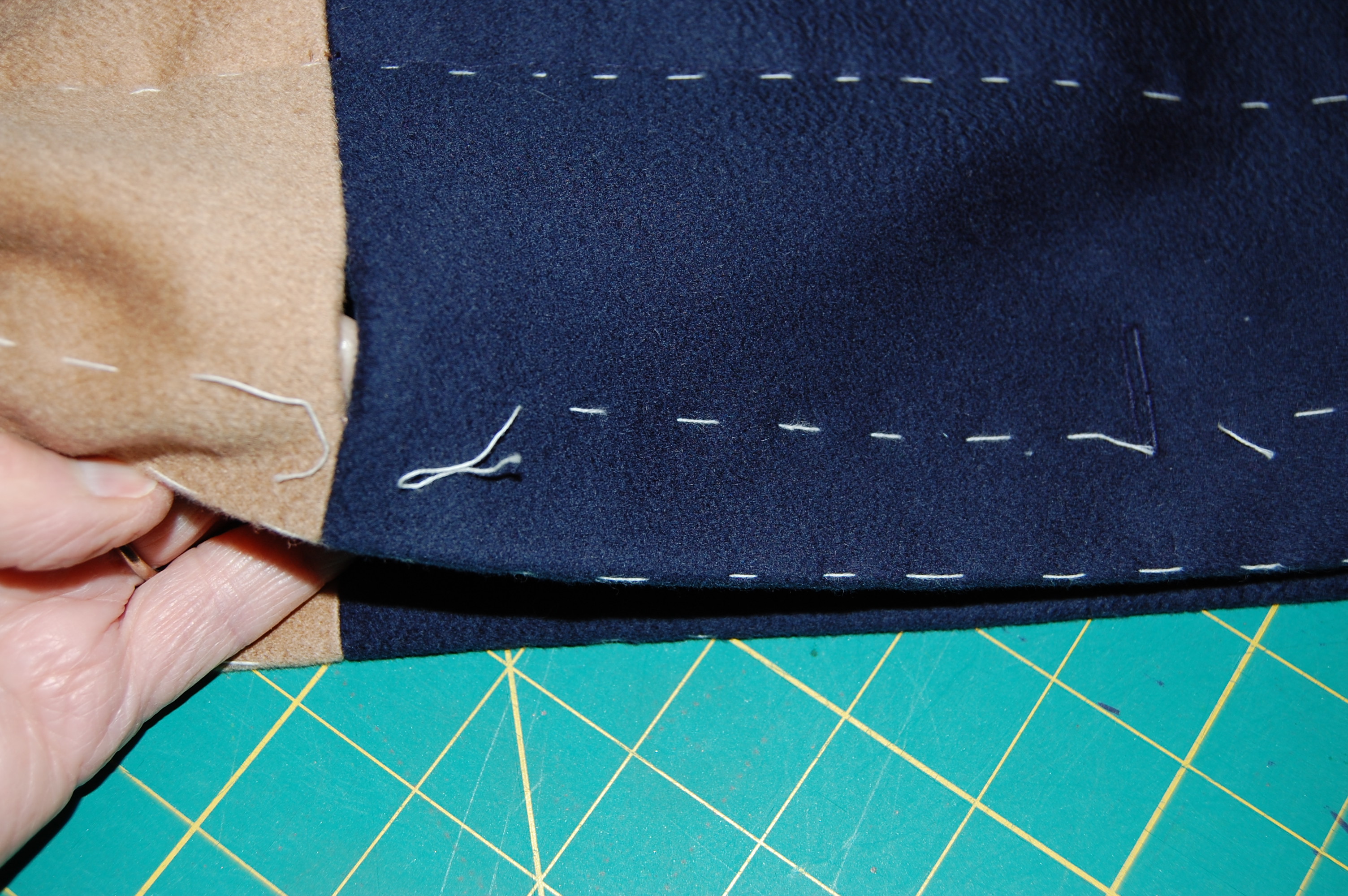
The next step, before inserting the lining, is to finish the hems in the sleeves and the body of the coat.  Here I may add a bias strip of soft interfacing to insure that the hem has a soft edge to it.

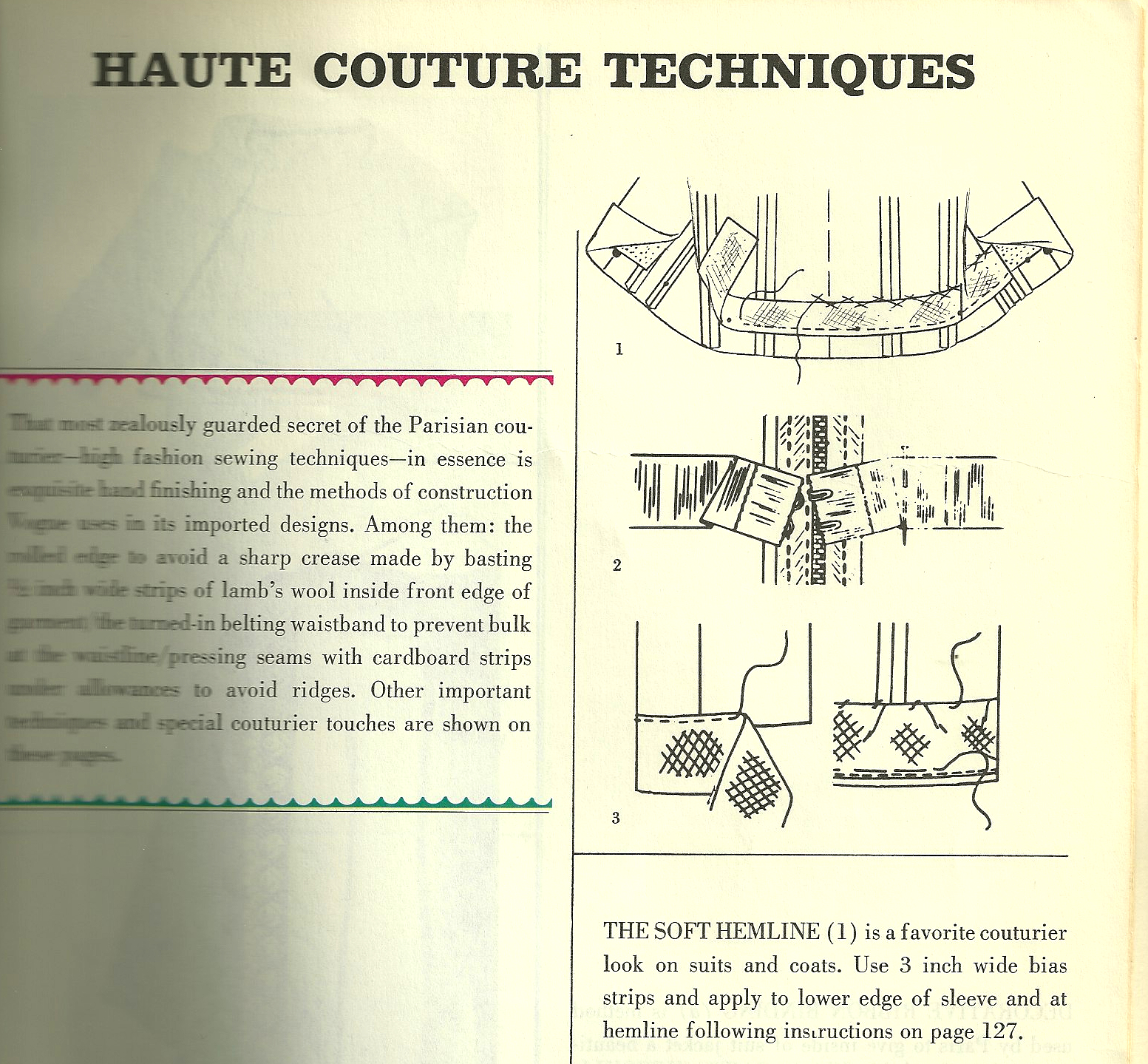
The Vogue Sewing Book from 1963 includes this detail on The Soft Hemline, as part of its section on Haute Couture Techniques.

The Vogue Sewing Book from 1963 includes this detail on The Soft Hemline, as part of its section on Haute Couture Techniques.  I also asked Susan about sewing on a chain at the hem as well.  Because the two wools I have used are slightly different weights, she agreed this may be a good idea, to help ensure an even hang.

So – the miracle of silk organza, pressing techniques, and practice, practice, practice – are helping to make my long-awaited color-blocked coat a reality.  On to the finish line!

15 Comments

Filed under Coats, Color blocking, couture construction, Uncategorized, underlinings, vintage Vogue Designer patterns, vintage Vogue patterns from the 1970s, woolens