Powerless in Pennsylvania, Sewing in San Francisco

“She had the loaded handbag of someone who camps out and seldom goes home, or who imagines life must be full of emergencies.”  – Mavis Gallant

Actually, the handbag I took to San Francisco was small, tucked inside a larger tote bag – so that I could use my allotted “carry-on” space for an extra suitcase for fabric purchases.  Off I went on February 1st for Susan Khalje’s Couture Sewing School held at The Sewing Workshop in San Francisco.  I had carefully packed myriad sewing supplies and my prepared muslins, hoping to be ready for any contingency.  Little could I have known that while I was to be sewing on the West Coast, the camping out (or really, camping in!) and the emergencies would be on the East Coast – with the county in Pennsylvania where we live especially hard-hit by a devastating ice storm.  Our house was without power for 5 days, and knowing that my husband was dealing with downed trees, downed power lines, blocked roads, confused pets, a house getting colder and colder with each day, and limited means of communication, weighed on me mightily as I worked away on my color-blocked jacket.

Coats of certain length - 7

Most of us in the class needed to purchase all our fabric or coordinating fabric or supplies for our intended projects, so off we went to Britex Fabrics on Monday after Susan had fitted most of our muslins.  I had thought long and hard about what color combination I would like to have for this coat.  Knowing that many, many hours of work would go into this project, and also realizing that this jacket could be a go-to piece of outerwear if I chose my fabrics carefully, I decided to look for more conservative colors.  So – no hot pink and apricot orange, at least this time.

Britex carries an extensive selection of coating wools, so much so that it is definitely advantageous to be helped by one of their incredibly knowledgeable sales assistants.  I was fortunate that Inna, who has such a trained and talented eye for color and texture, was able to assist me. We started with a lovely camel hair coating wool, which had a napped silky sheen on one side and was just the right heft for outerwear.  First I wanted to look at pairing it with gray, but nothing in the gray family seemed to strike my fancy.  Then we moved on to the navy blues – and there nestled in among the bolts was the perfect “medium” navy blue, also with a napped sheen on one side.  It was a little heavier than the camel hair, but Susan felt confident we could make the two fabrics work together, especially because their colors complimented each other so perfectly.

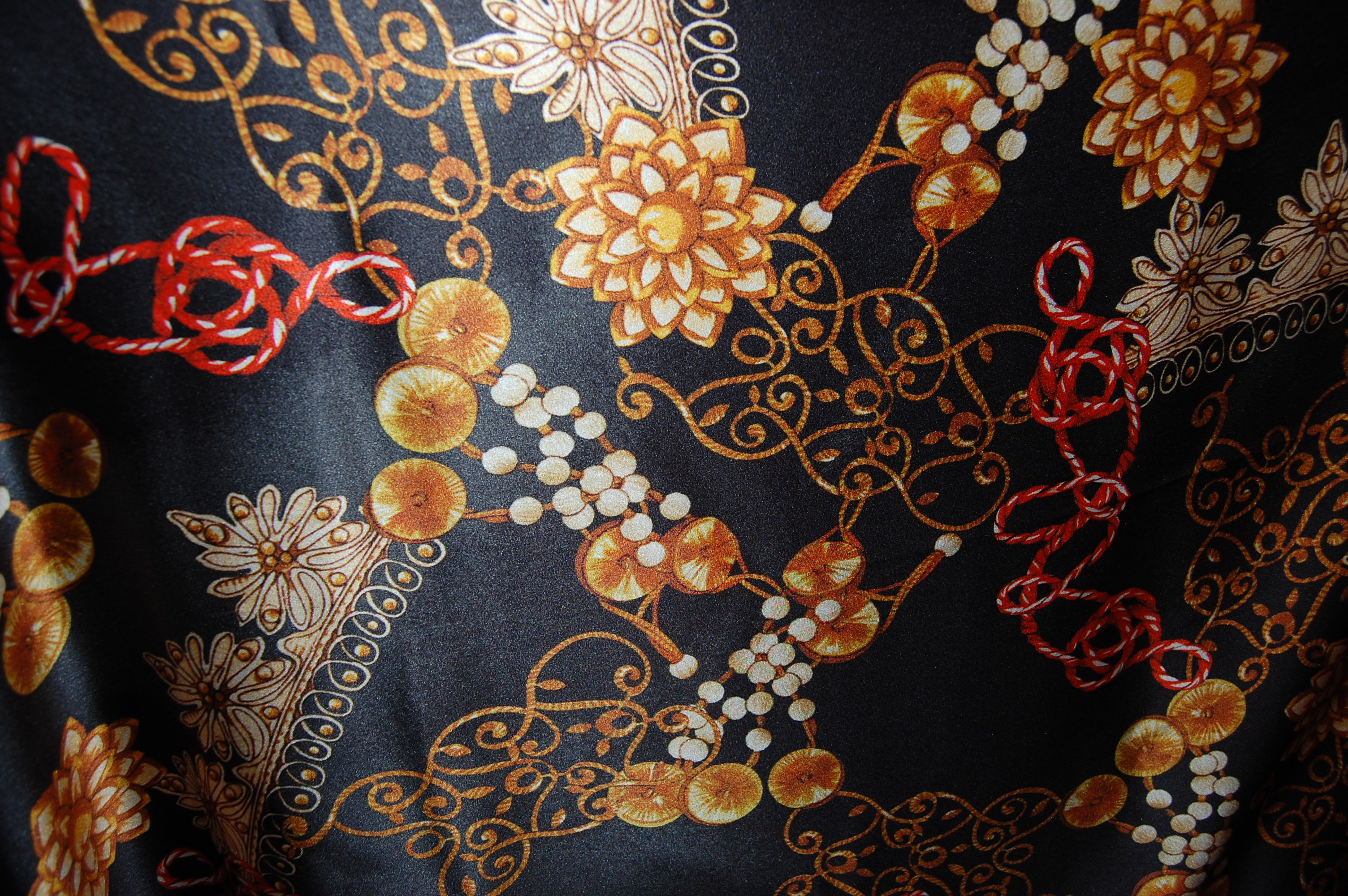
Silk lining fabric was next on the list, and I wanted something figured rather than plain.  Inna pulled out a bolt of Italian charmeuse, which picked up the geometric feel of the jacket, and introduced a little red into the mix.  I couldn’t be happier with it.
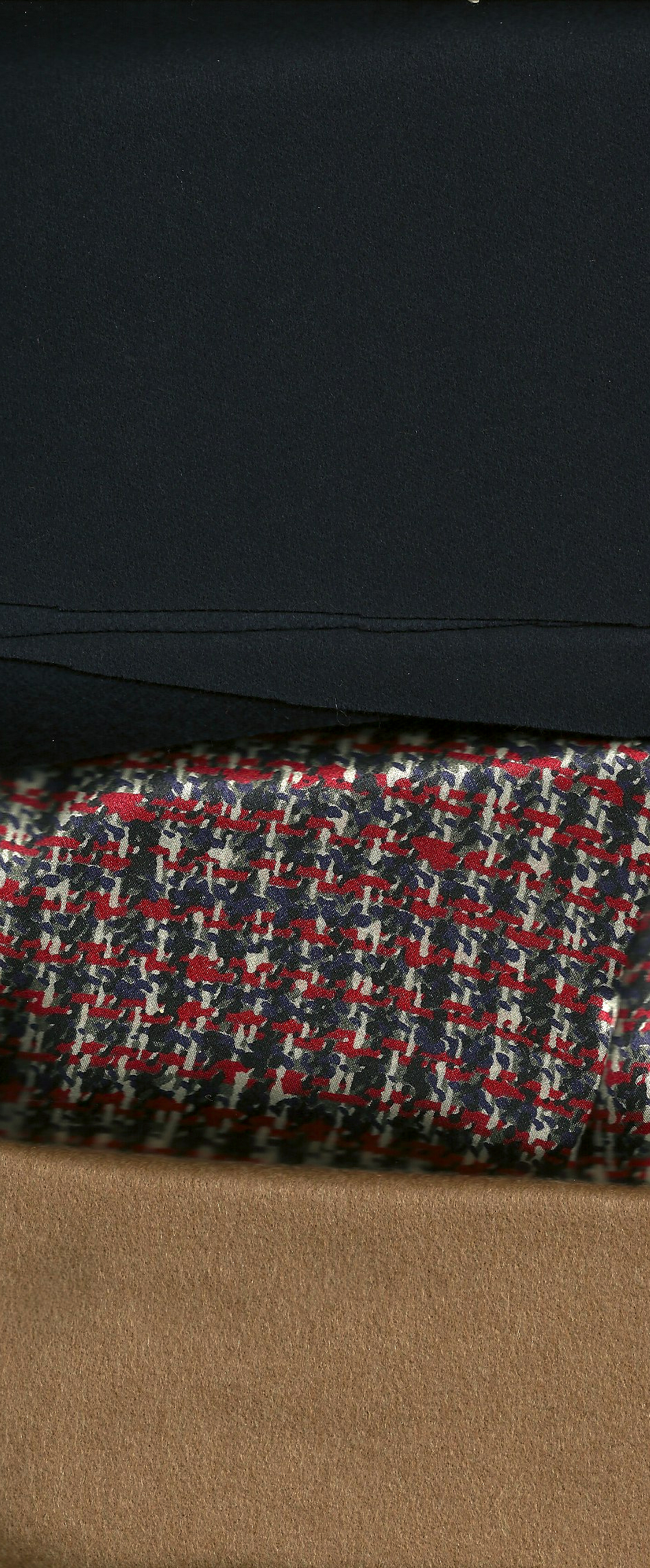
I am not so sure this gives the best sense of the colors of the fabrics, but you will see more in a future post.

I am not so sure this photo gives the best sense of the colors of the fabrics, but you will see more in other photos.

Back at The Sewing Workshop, armed with fabrics and enthusiasm, I spent the next two days cutting out the multi-, multi-pieced pattern (31 separate pieces, all of which would be cut in tandem, making 62 in all, not including the lining!), and basting the silk organza underlinings to each and every piece.
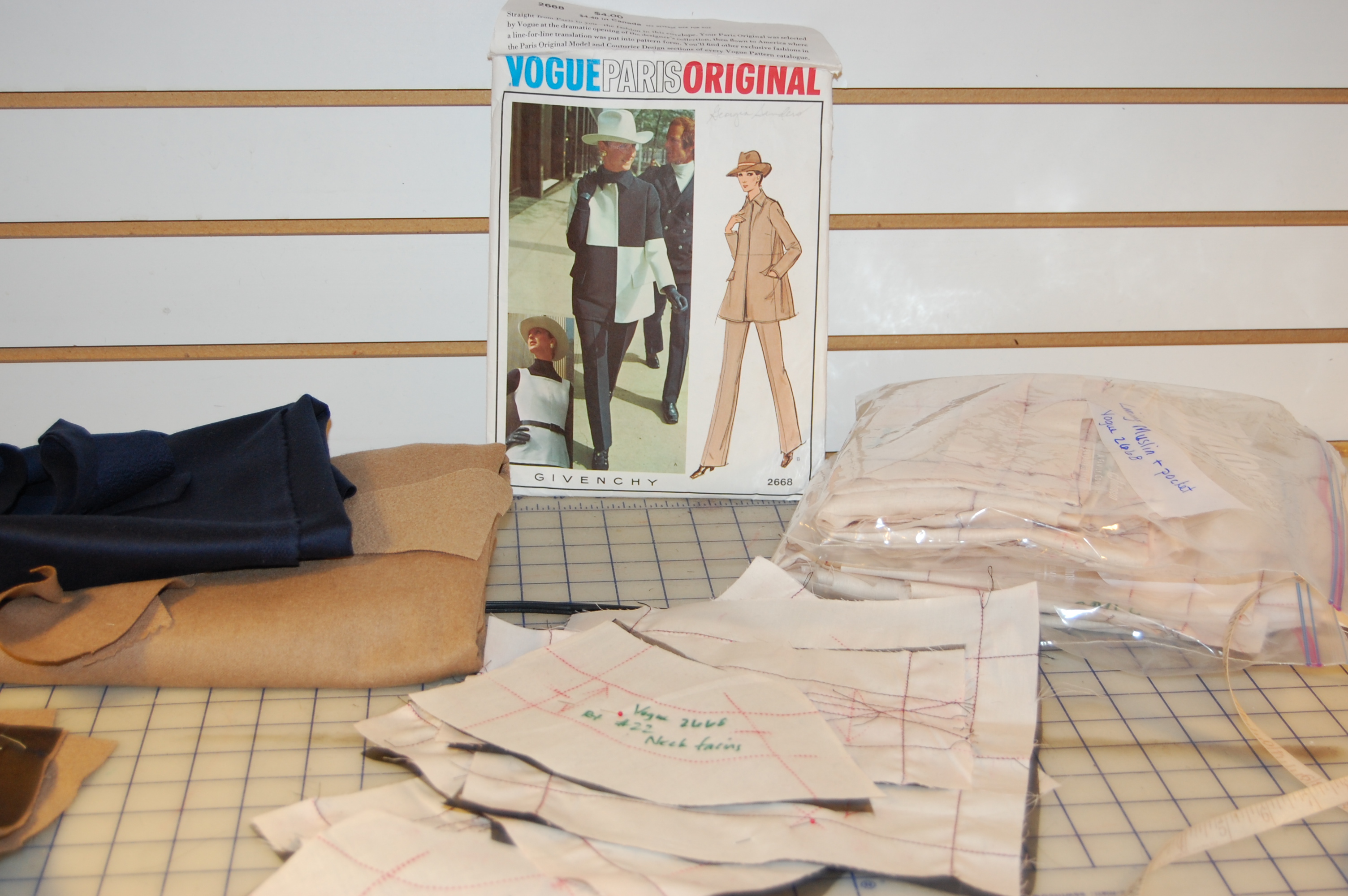
My well-lit and spacious work space at The Sewing Workshop.

My well-lit and spacious work space at The Sewing Workshop.

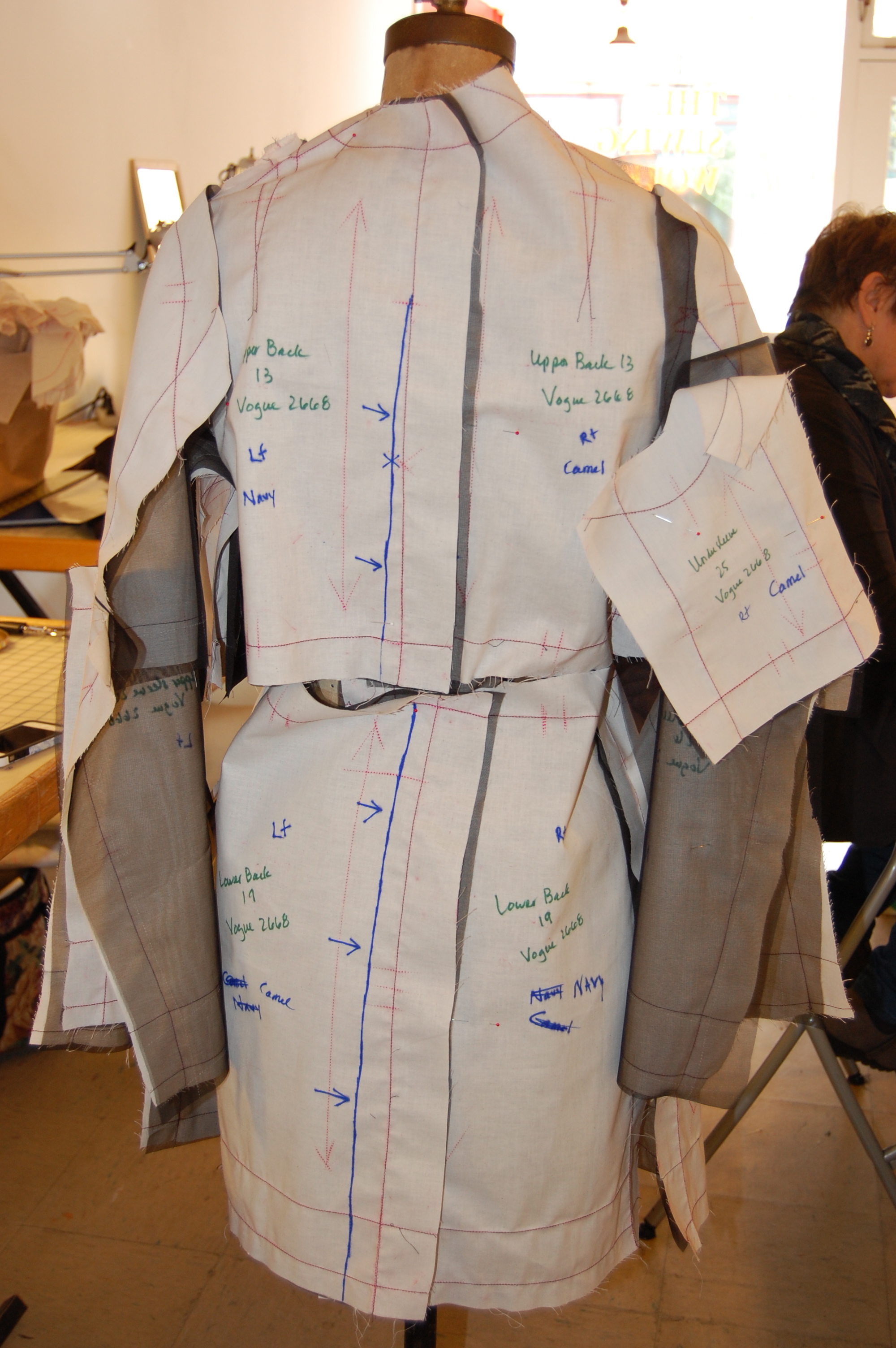
Because of the color blocking, I needed to pay great attention to which piece was to be cut in blue and which piece in camel.  Initially I went through and labeled each muslin piece “navy” or “camel”.  Susan double-checked me, but then suggested that, because I absolutely could not make a costly mistake, that I pin the muslin pieces onto the available dress form in our studio.  What a great idea, one of so many which I picked up from Susan and my classmates!
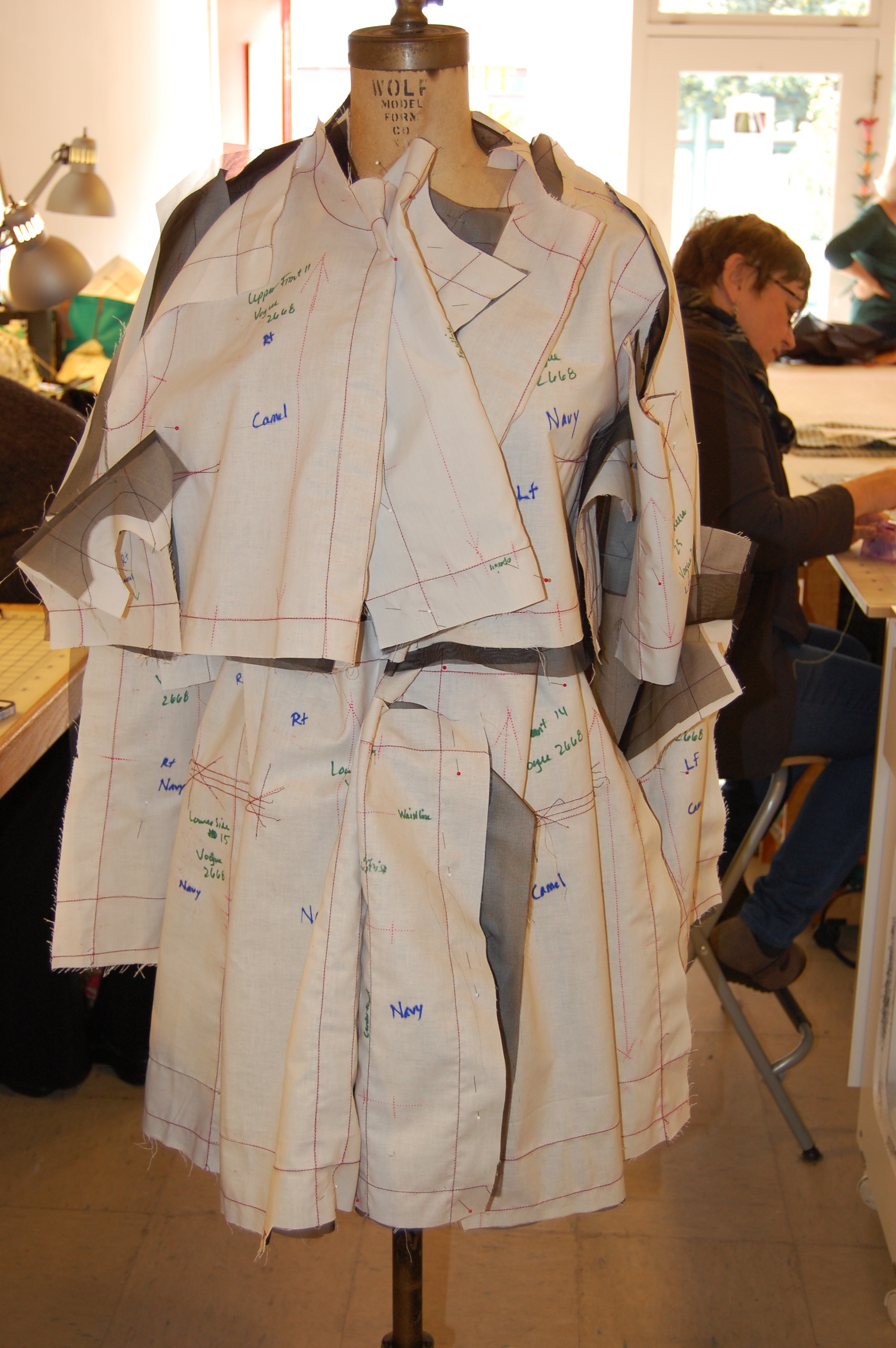
Here is the "front" of the jacket, pinned onto the dress form.
Here is the “front” of the jacket, pinned onto the dress form.

And here is the back.

And here is the back. 

Now, I felt confident and set about to cut my fashion fabric.
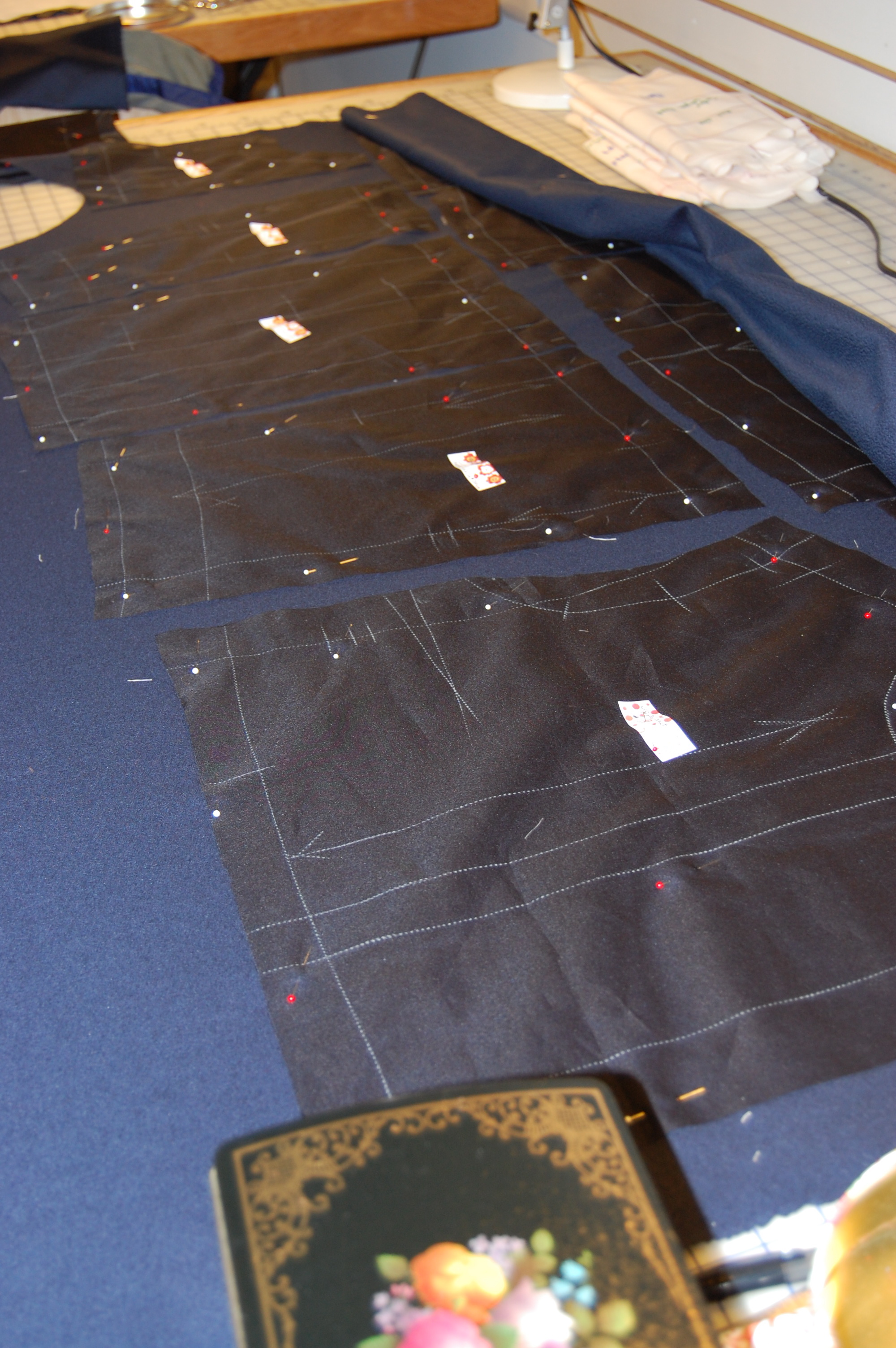
Here are the silk organza underlining pieces arranged on the blue fabric.  I pinned a small tag on each piece, telling me each piece's pattern # and description.  A lot of the pieces look alike!

Here are the silk organza underlining pieces arranged on the blue fabric. I pinned a small tag on each piece, telling me each piece’s pattern number and description. A lot of the pieces look alike!
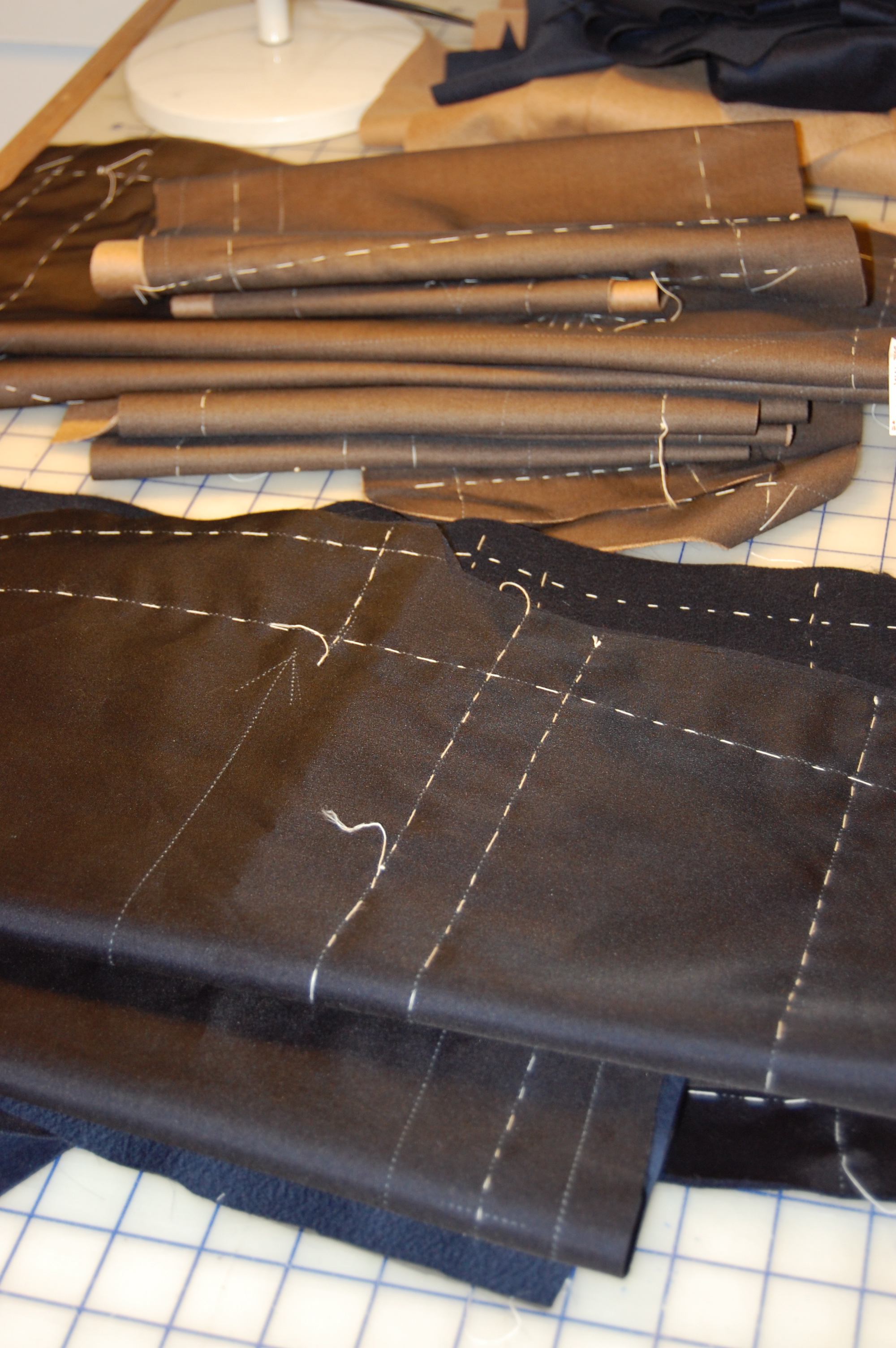
Two piles showing all underlinings basted onto the fashion fabric.

Two piles showing all underlinings basted onto the fashion fabric.

By this time, I was half-way through the 6-day class.  I assessed my situation and determined the parts of the jacket construction upon which I wanted to get expert advice  from Susan:  treatment of the concealed fly front, flap pockets, rolled collar (all of which will be detailed in a future post).  Now I had a plan, which seemed to be much more than anything that was happening back home in Pennsylvania.

My husband joked during one of our few cell-phone conversations, that he had a vision of the power in our house coming back on Sunday evening, February 9th, as he would be driving me home from the airport in Philadelphia.  He was right.  That is exactly what happened.  I came home to a 39F degree house, but the lights were on, and soon the heat was, too.  Almost a week later, it is still snowing and snowing – perfect sewing weather for this sojourner home from San Francisco.
12 Comments

Filed under car coats, Coats, Color blocking, couture construction, Uncategorized, underlinings, vintage Vogue Designer patterns, vintage Vogue patterns from the 1970s, Vogue patterns, woolens

The Second Time Around

Coco Chanel reopened her House of Chanel in 1954, and by the early ‘60s, her suit with its narrow skirt and boxy cardigan jacket, famously made from beautiful boucles, was a dominant fashion look.  I could not help but think of another product of the early ‘60s as I was working on my Chanel-inspired Jacket No. 2:  the song, written by Sammy Cahn and set to music by Jimmy Van Heusen, entitled “The Second Time Around”.  I wondered if making my No. 2 would be “lovelier the second time around”?  And you know what?  It was!  I give so much credit to Susan Khalje, from whom I took the Classic French Jacket Class, whose tips and teachings gave me much confidence as I tackled No. 2 on my own.
There were a couple of additions and subtractions I decided to try with my second jacket.  The easy one was deciding to have just two pockets rather than four.  The more involved one was deciding to add buttonholes to the front edge, the sleeve plackets, and the pockets.  However, I remembered Susan’s statements about making buttonholes in one of these jackets – and the reason she advocates in her class the use of “hook and eye” fasteners at the abutted front edges.  It is very difficult to make acceptable hand-done buttonholes in this loosely woven fabric, unless one is extremely skilled in this procedure.  Since the only hand-done buttonholes I am used to doing are bound buttonholes – not acceptable in this application, due to the type of fabric – I knew I had to figure out another way to get buttonholes in my No. 2.

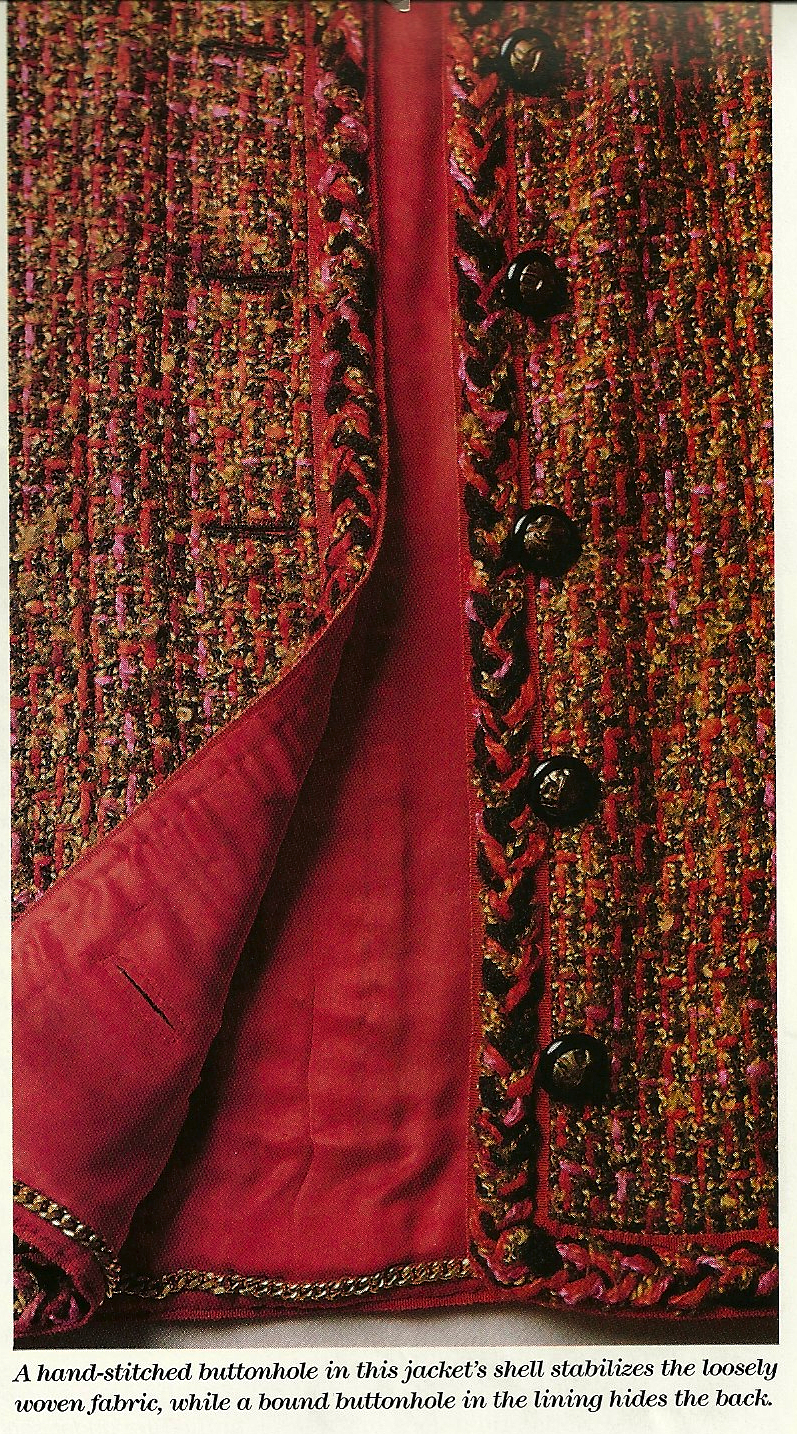
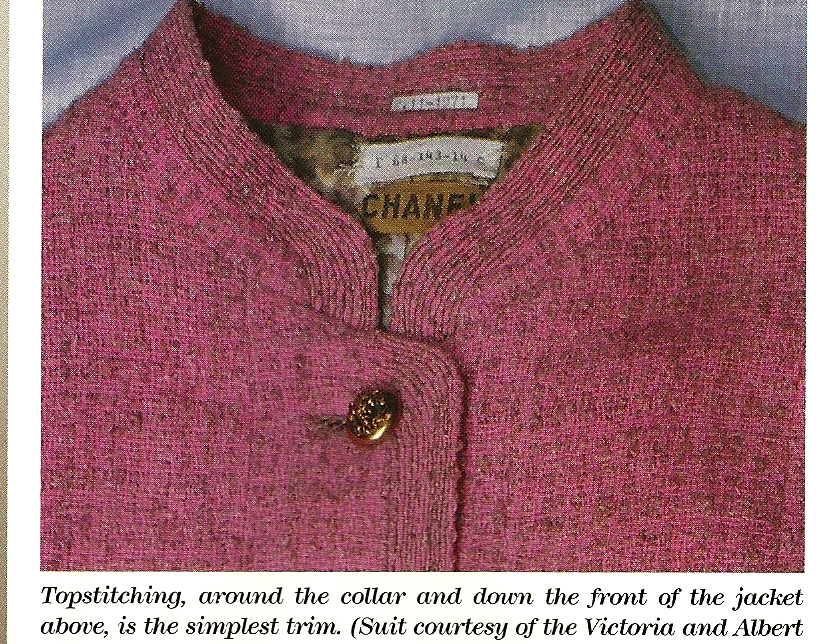
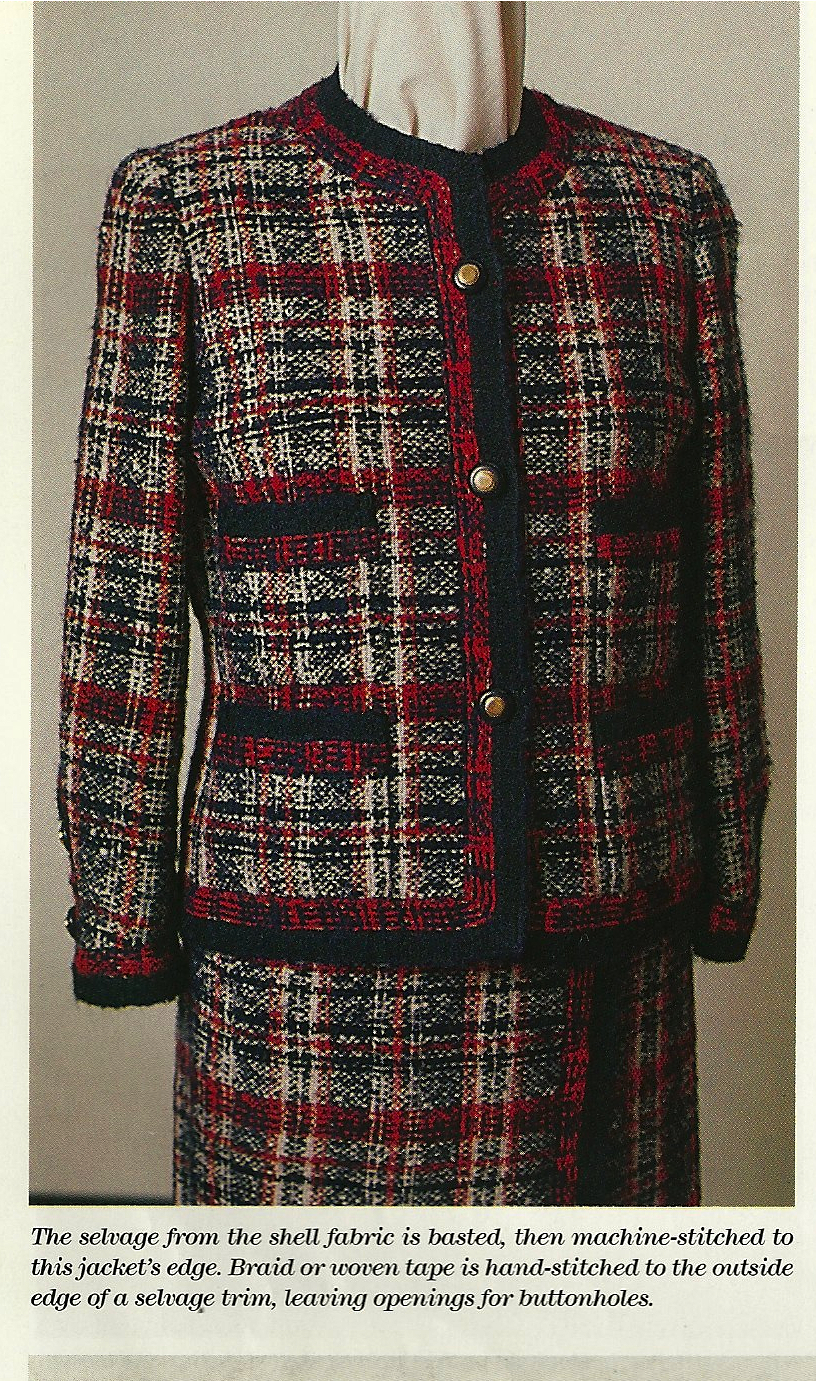
Fortunately, I have an issue of Threads Magazine from June/July 1989 in which Chanel jackets are featured.  This picture gave me the idea for seam-slot buttonholes.

You can tell the buttonholes in this jacket are vertical, nestled between two trims.

You can tell the buttonholes in this jacket are vertical, nestled between two trims.  Pictured in Threads Magazine, June/July 1989, page 28.

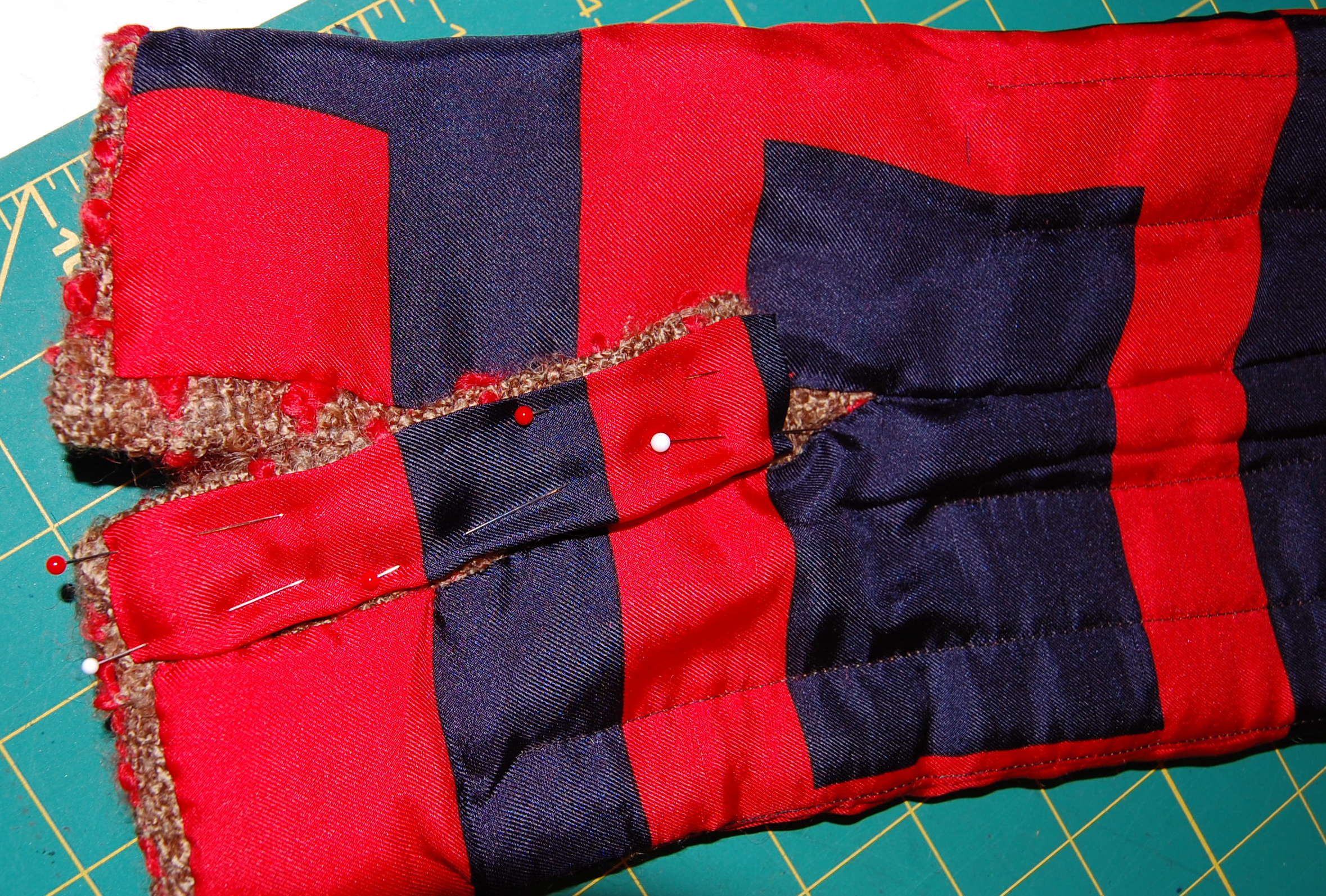
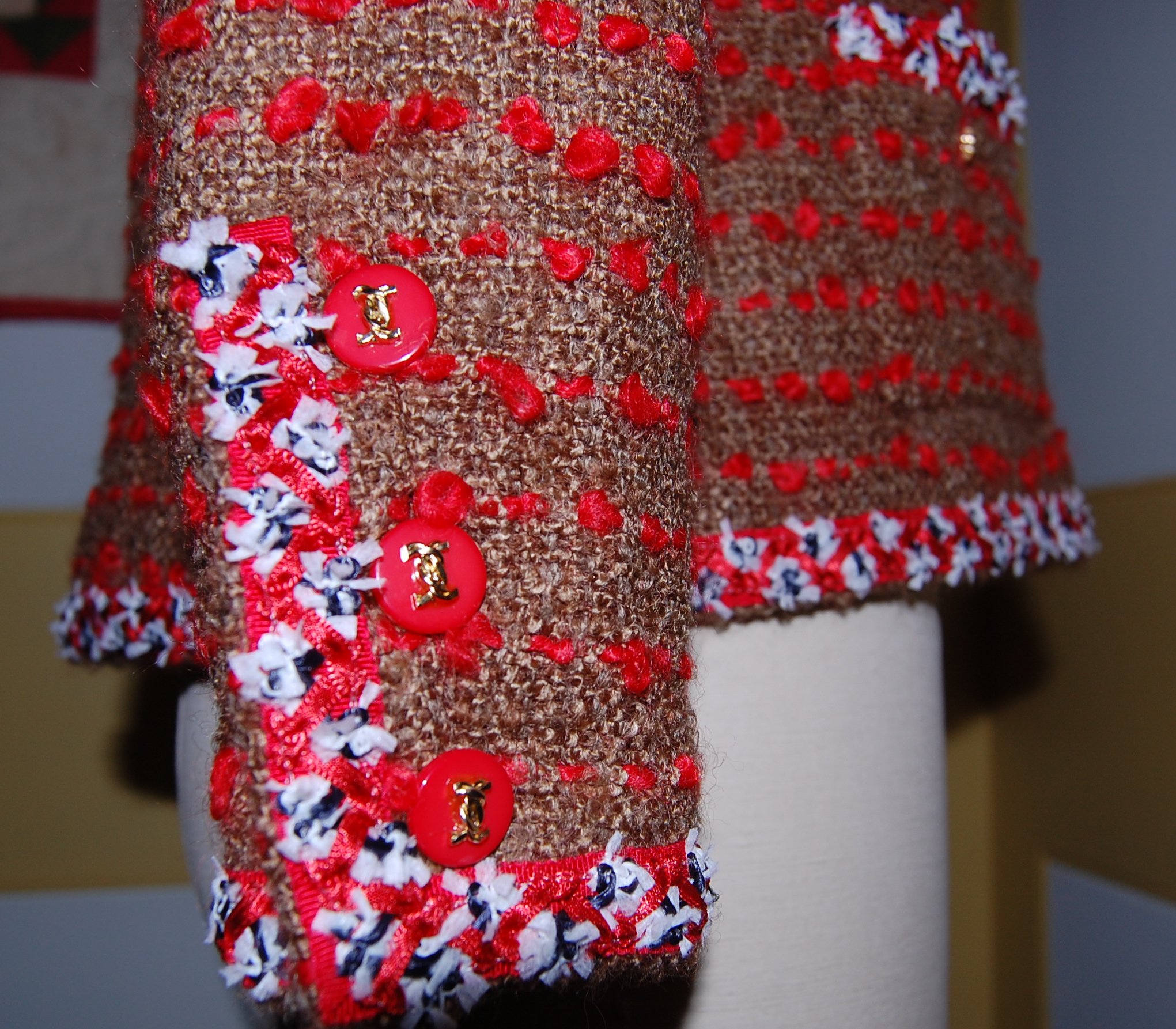
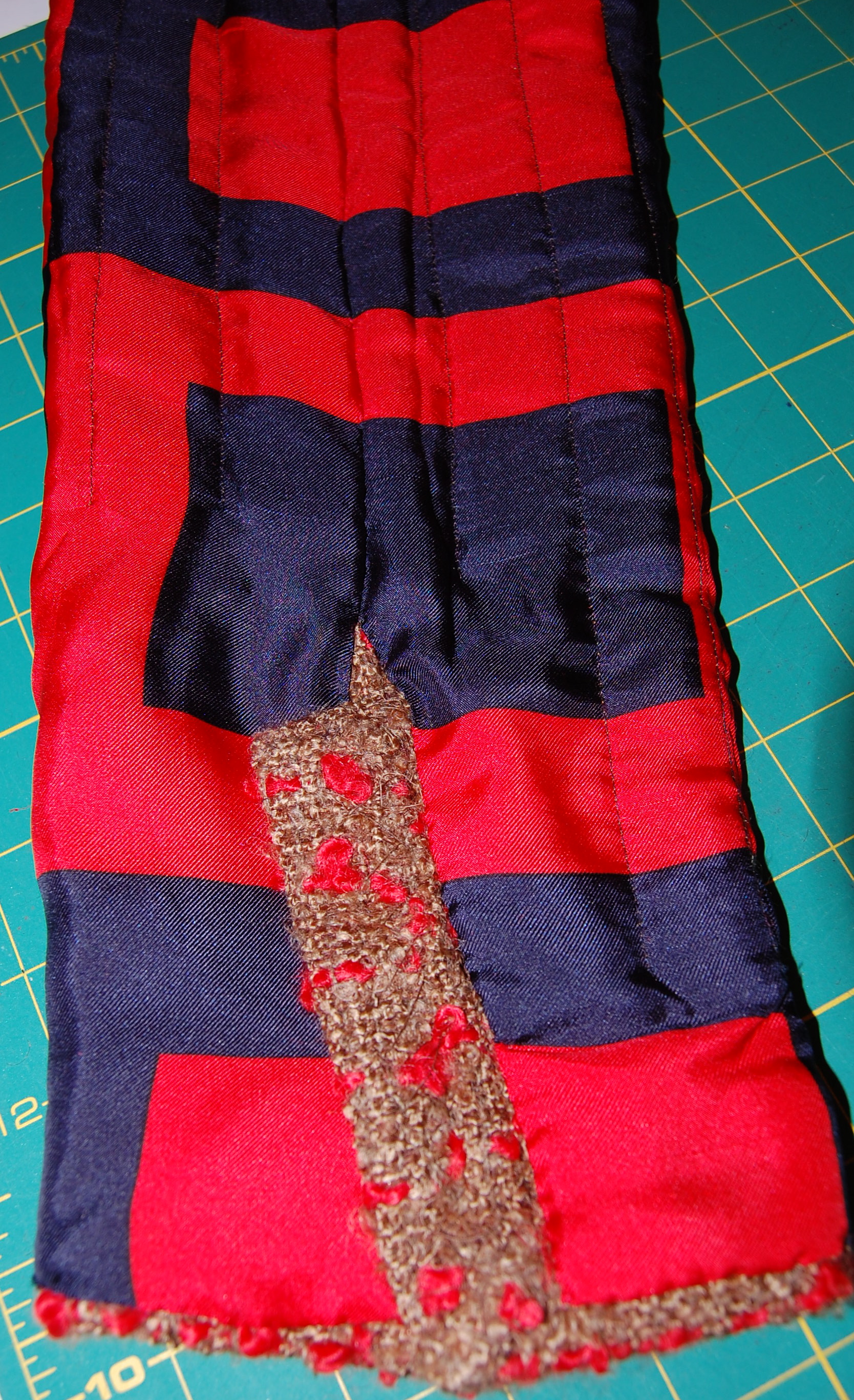
I would just have to add on a separate piece for the right front, make each pocket in two pieces, and make the plackets on the sleeves separate pieces, sewn on with openings in the seams to make the buttonholes.  Here is an example of what I did.

The extension is sewn on separately, leaving three openings, evenly spaced for buttonholes in the seam.

The extension is sewn on separately, leaving three openings, evenly spaced for buttonholes in the seam.

Of course doing these extra pieces meant I had to apply separate linings to each extension.

Here is the separate lining piece being applied to the placket.

Here is the separate lining piece being applied to the placket.

The entire time I was quilting the jacket, working on the seams, and figuring out these buttonholes, I was pondering the trim.  Some of you may recall (if you read my blog regularly) that I could not decide between two different trims.

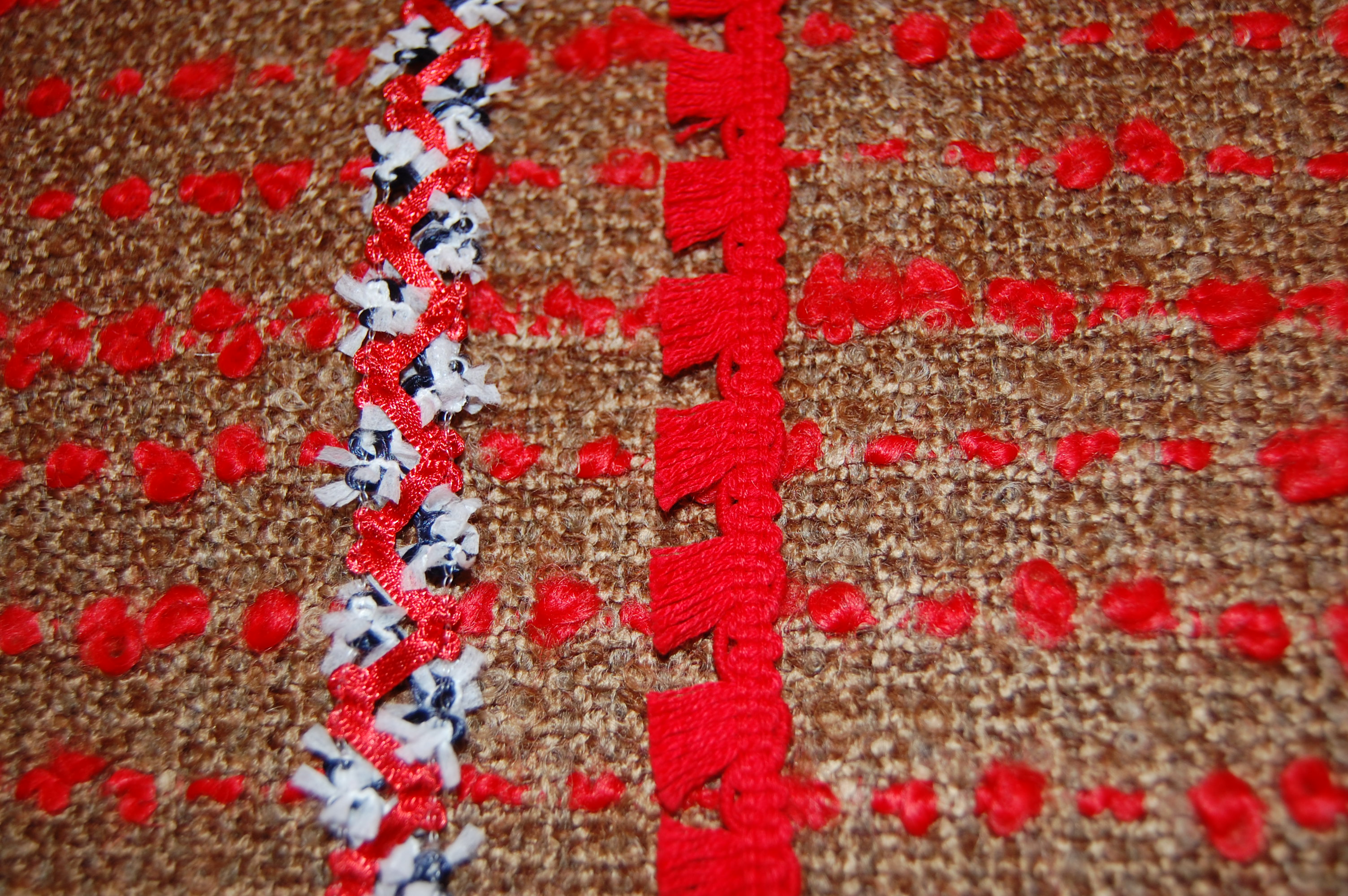
Here are the two trims I had chosen.

Here are the two trims I had chosen.  I really liked the fact that the spacing on the multi-color trim matched exactly the spacing of the red rows on my fabric.

Because of the lining fabric I had chosen (and from which I am making a blouse), I was leaning towards the red, white and blue trim, but I thought it looked a little “weak”.  What to do?  I started looking at as many pictures of Chanel jackets as I could find, but the one that made the light bulb go off was one from that same issue of Threads Magazine:

The Second Time Around - grosgrain ex

Click on the picture to see the underlying grosgrain ribbon.

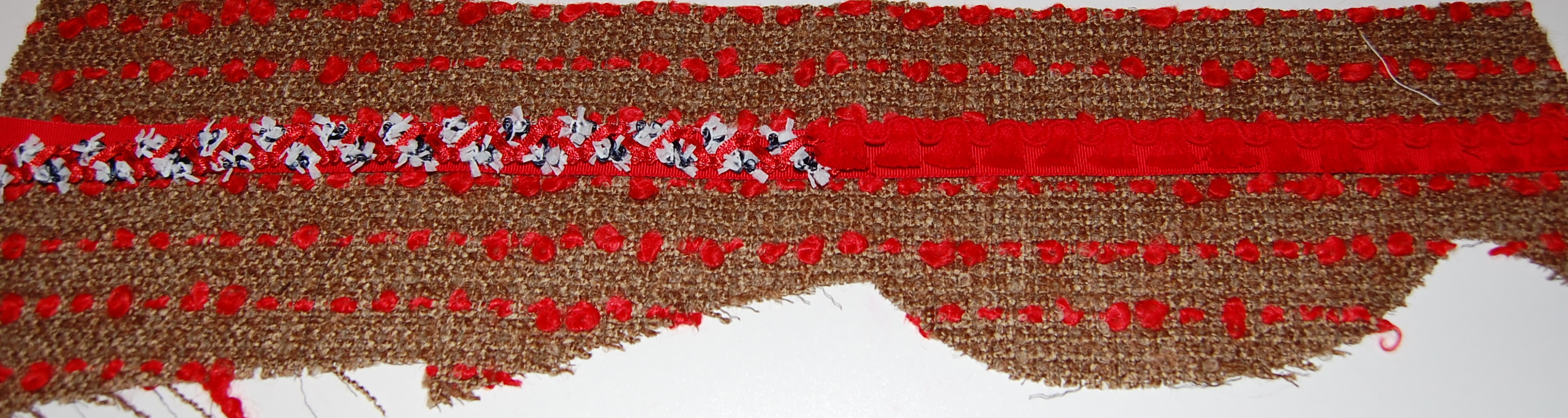
If I could find a Petersham grosgrain ribbon in the right color, I thought it would be the perfect backing for either trim.  Once again, Britex Fabrics  (from which I had already purchased the boucle, the lining fabric, the buttons, and the two trims) came to the rescue:  I ordered 5/8 inch Tomato Red ribbon – and then paired it with each trim.

I thought the grosgrain ribbon made both trims look better, but especially the multi-color one.

The grosgrain ribbon made both trims look better, but especially the multi-color one.  Click on the photo for a close-up view.

I thought it added just the right amount of depth to the multi-color trim, and my decision was confidently made.

I sewed the Petersham ribbon on before I did the finish work on the inside lining seams.  Then the ribbon provided a wonderful surface on which to attach the trim.

The Petersham ribbon attached.  If you look closely, you can see the sea-slot buttonholes.

The Petersham ribbon attached. If you look closely, you can see the seam-slot buttonholes.

 I took this picture to show the contrast between the trims.  I think the multi-color trim adds more interest to the jacket.

I took this picture to show the contrast between an all red  trim and the multi-color one. I think the multi-color trim adds more interest to the jacket.

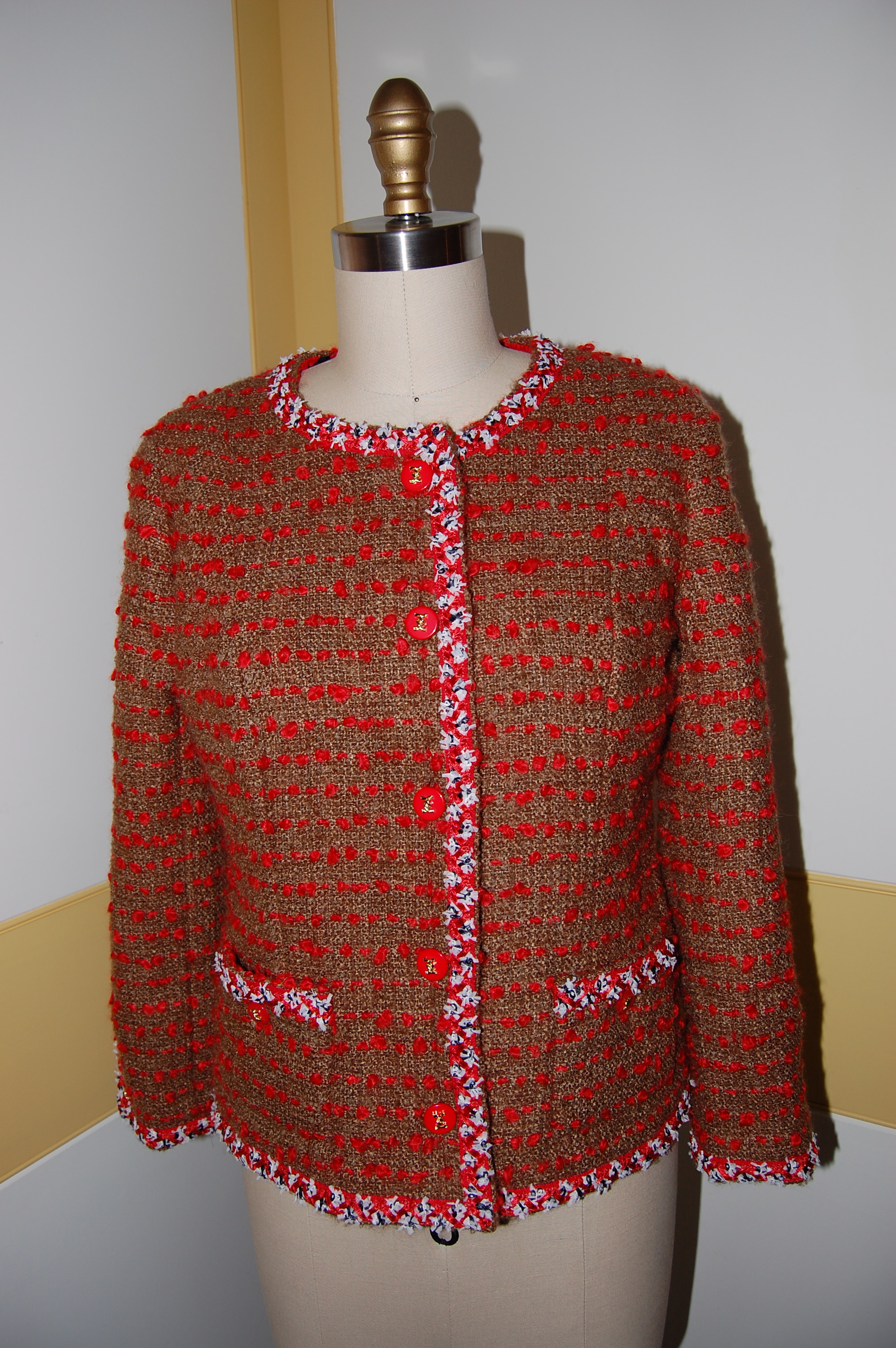
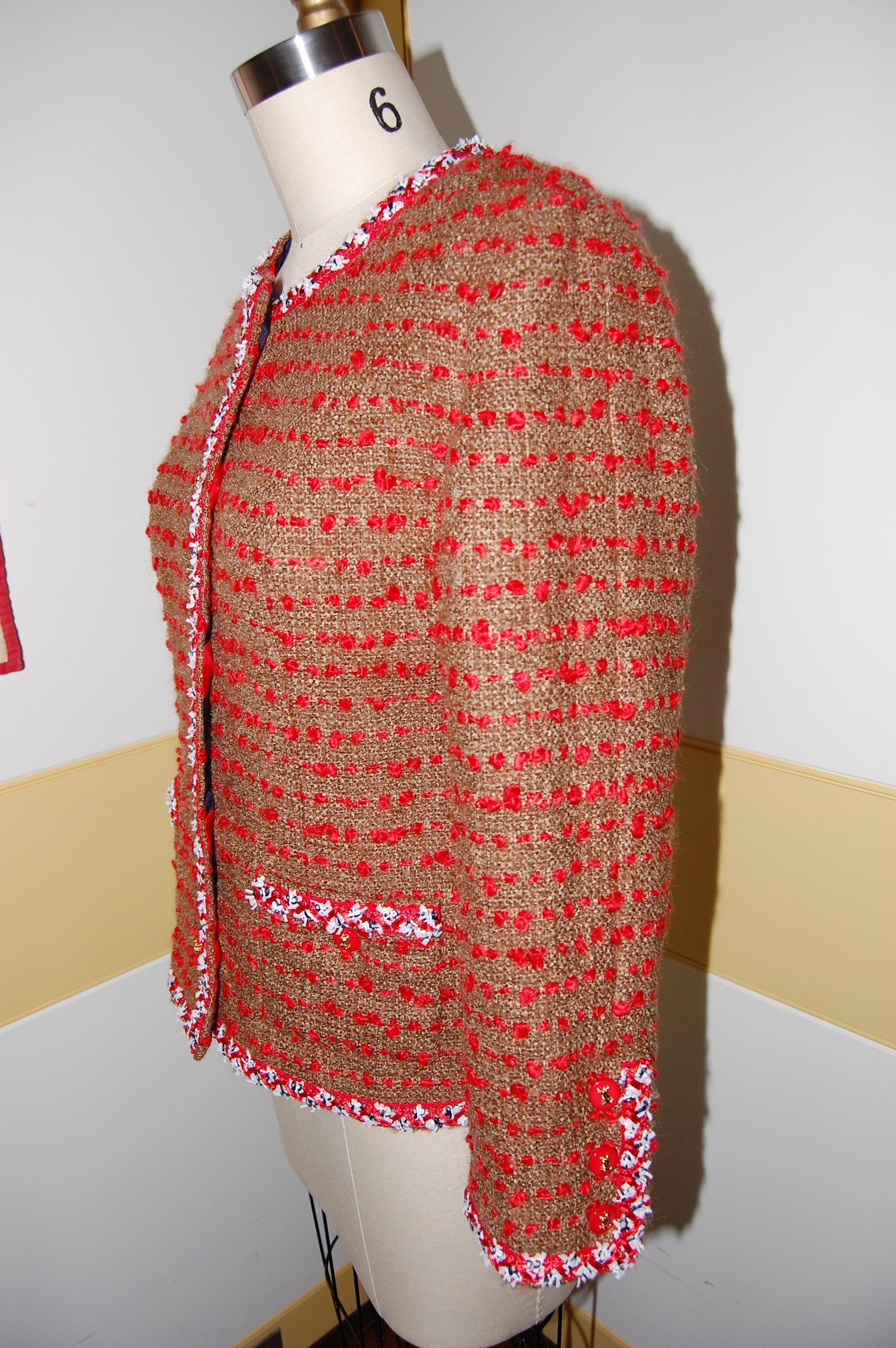
So – here’s the jacket (shown on my dress form for now.  Once I get the matching blouse finished, I’ll “model” it for you.)

No 2

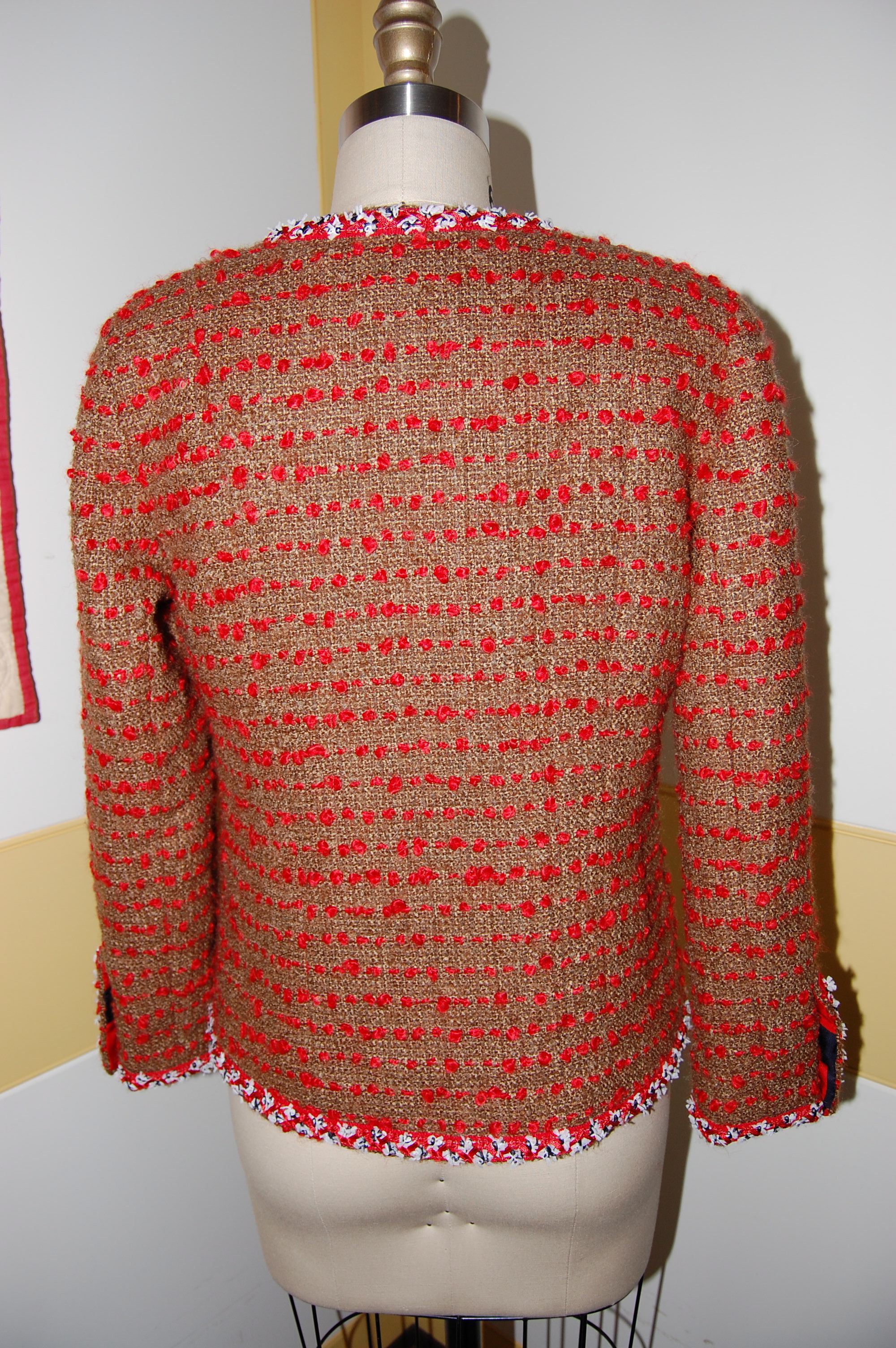
Back view, obviously!

Back view, obviously!

No 2

Details, details!

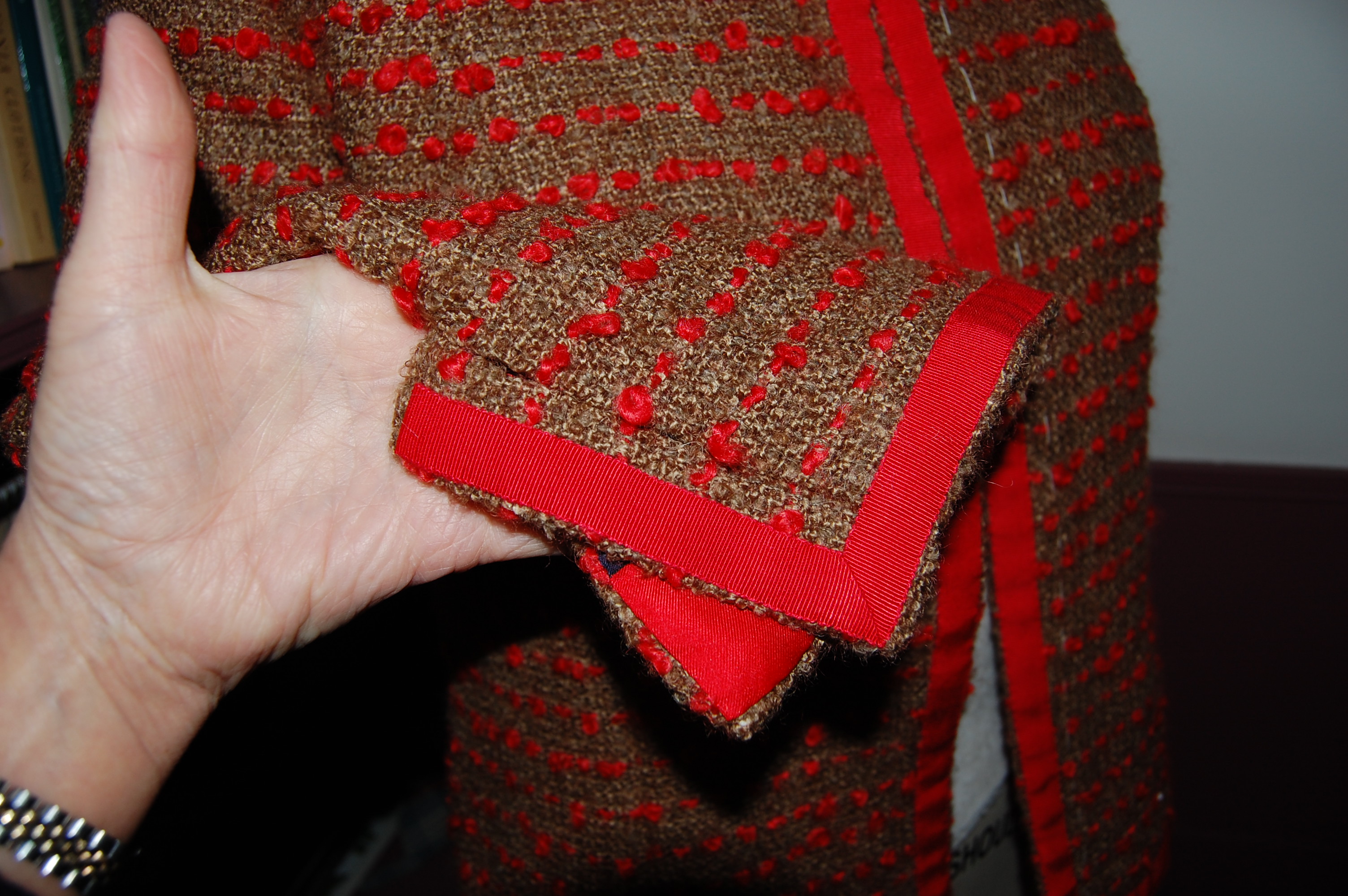
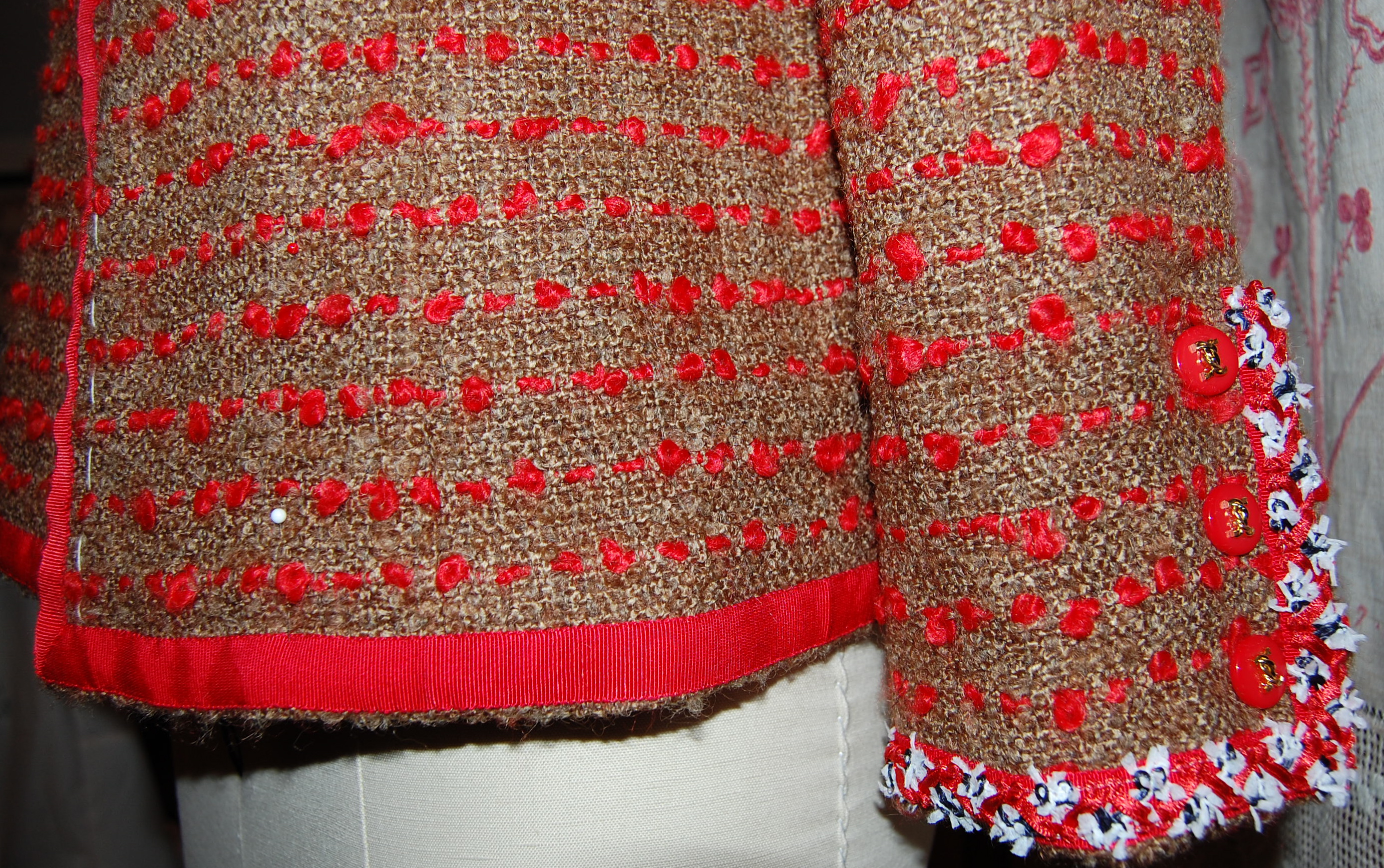
Details, details!  Can you tell that I added a little length to the back of the jacket?  It makes for a more graceful appearance when worn.

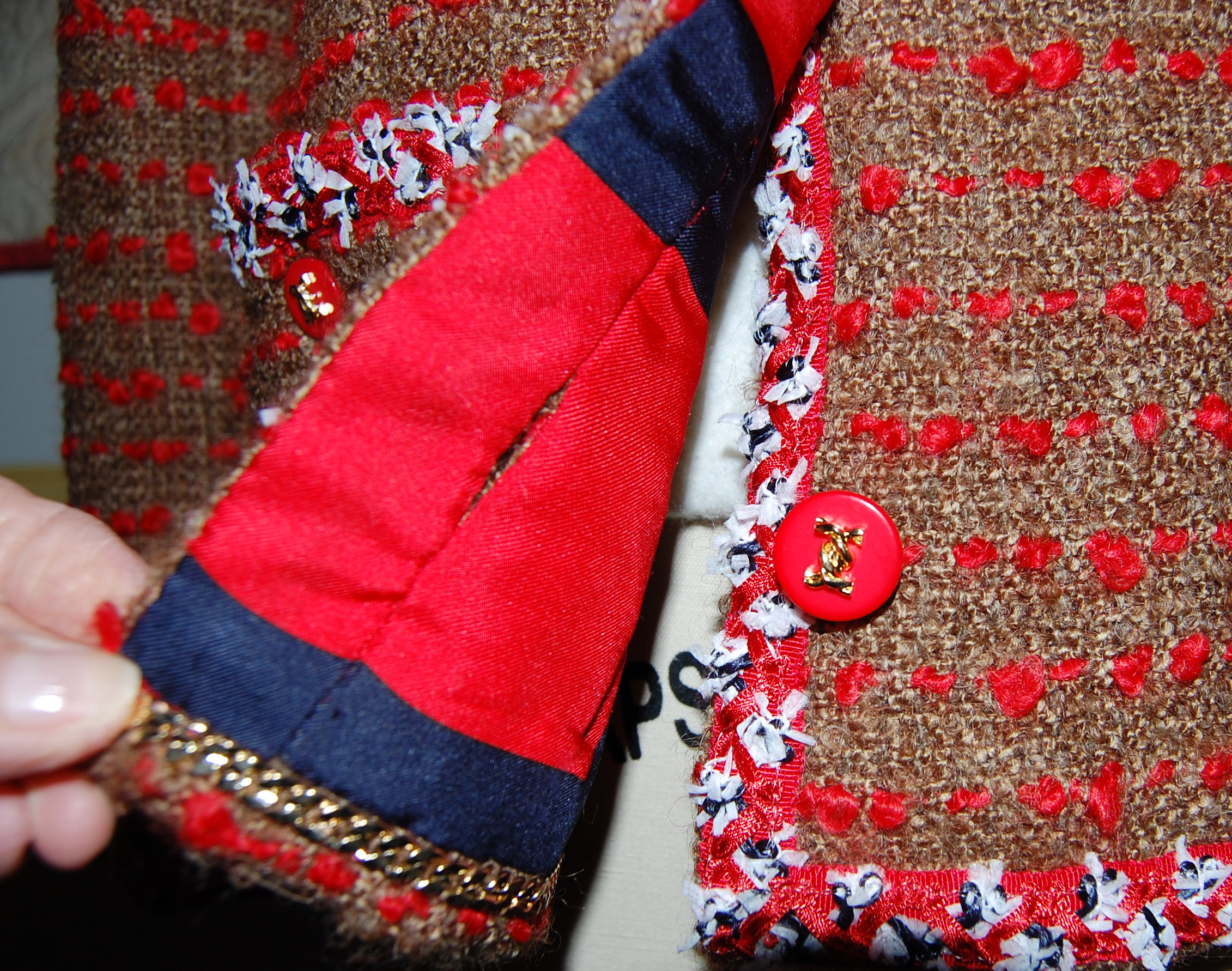
Here is the bottom buttonhole on the front of the jacket - and notice the chain!

Here is the bottom buttonhole on the front of the jacket – and notice the chain!

There is no way to make this jacket quickly.  The extra steps I added (buttonholes and 2 layers of trim) added to the length of the process as well.  But – it was incredibly satisfying to see it turn out as well as it did.  I am grateful that I made this No. 2 shortly (well, within 6 months) after my first jacket, as it reinforced my knowledge of the process.  For my next one I’d like to add a “mandarin” type collar, as shown in these examples:

The Second Time Around - mandarin collar ex 1

This example is from Threads Magazine June/July 1989, page 28

I love this suit in houndstooth wool.  This is pictured in Threads Magazine, January 2014, page 44.

I love this suit in houndstooth wool. This is pictured in Threads Magazine, January 2014, page 44.

So when will No. 3 commence?  I don’t see it on the horizon yet, but perhaps when it does, the third time around will be … “the charm”.

23 Comments

Filed under Boucle for French style jackets, Chanel-type jackets, Coco Chanel, couture construction, Uncategorized, woolens

Thoughts on Fabric

One theme I often see in New Year’s sewing resolutions is an emphasis on sewing from one’s “stash” rather than purchasing more new fabric.  I don’t know too many serious sewers who don’t harbor at least a little guilt about all the fabric they have squirreled away (the word “stash” actually does imply something put away, usually in a secretive place!).  I used to feel a lot more guilt about all my fabric than I do now, and here’s why.  First, I don’t consider my fabric a “stash” of anything.  I look at it as a collection, to be used, admired, and taken care of like any valuable thing.  And second, I believe having a selection/collection of beautiful and inspirational fabric adds to the creative process of sewing.

As with the selection and collection of any worthwhile genre, it’s usually best to buy the best you can afford.   There used to be much more stated emphasis on “quality” in fabric than there is now.   It is so interesting to me that fabric manufacturers used to advertise their products by name, obviously with great pride in their newest line of designs.  Some of the manufacturers were almost household names, with tag lines such as  “A fabric you can lean on – that’s Klopman”.  Woolens were known by their manufacturer’s name, such as Forstman and Anglo, to mention just two.  The same was true for cottons, linens, silks, and synthetics. So many of the full-page advertisements in Vogue Pattern Book Magazine in the 1950s, ‘60s, and ‘70s were from fabric manufacturers (whereas now there are virtually none).  Here is a quick look at some from each of those decades:

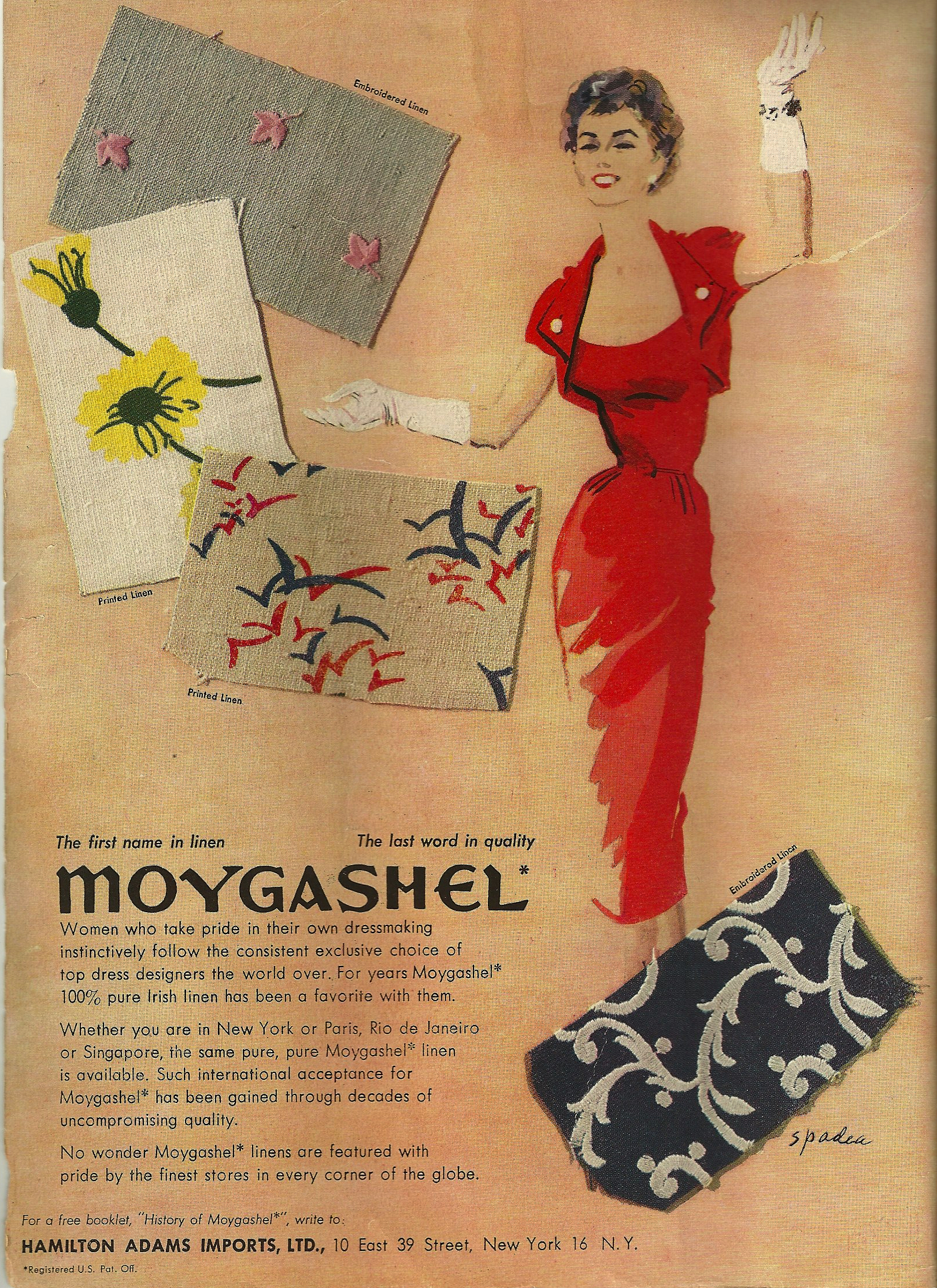
Moygashel Linen advertised heavily in VPB Magazine during that 30-year span of time.  Here is an ad from the inside front cover of the December/January 1953/54 issue:

Thoughts on Fabric - 54

“The first name in linen… The last word in quality”

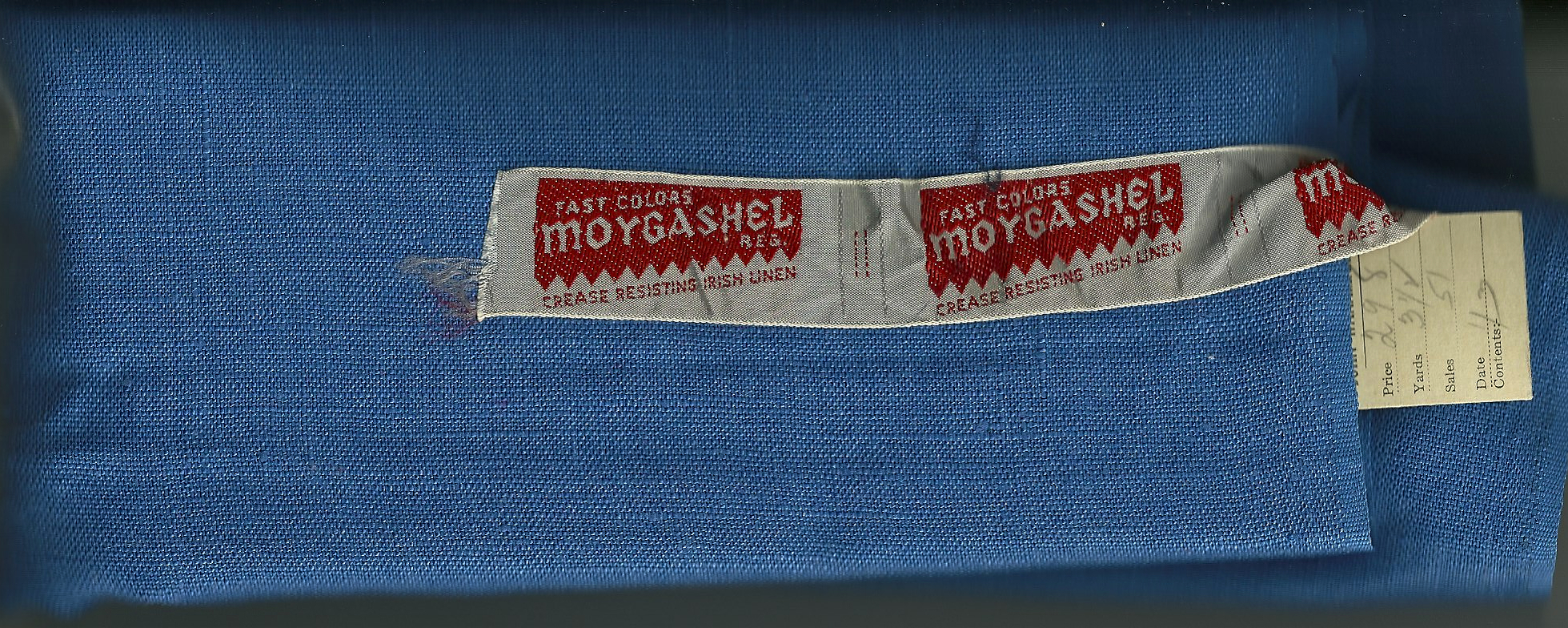
Moygashel was also one of those fabric companies which supplied labels with purchases of their linens.  Here is a string of labels, which came with a recent purchase I made of vintage Moygashel:

Thoughts on Fabric - Moygashel w: tag

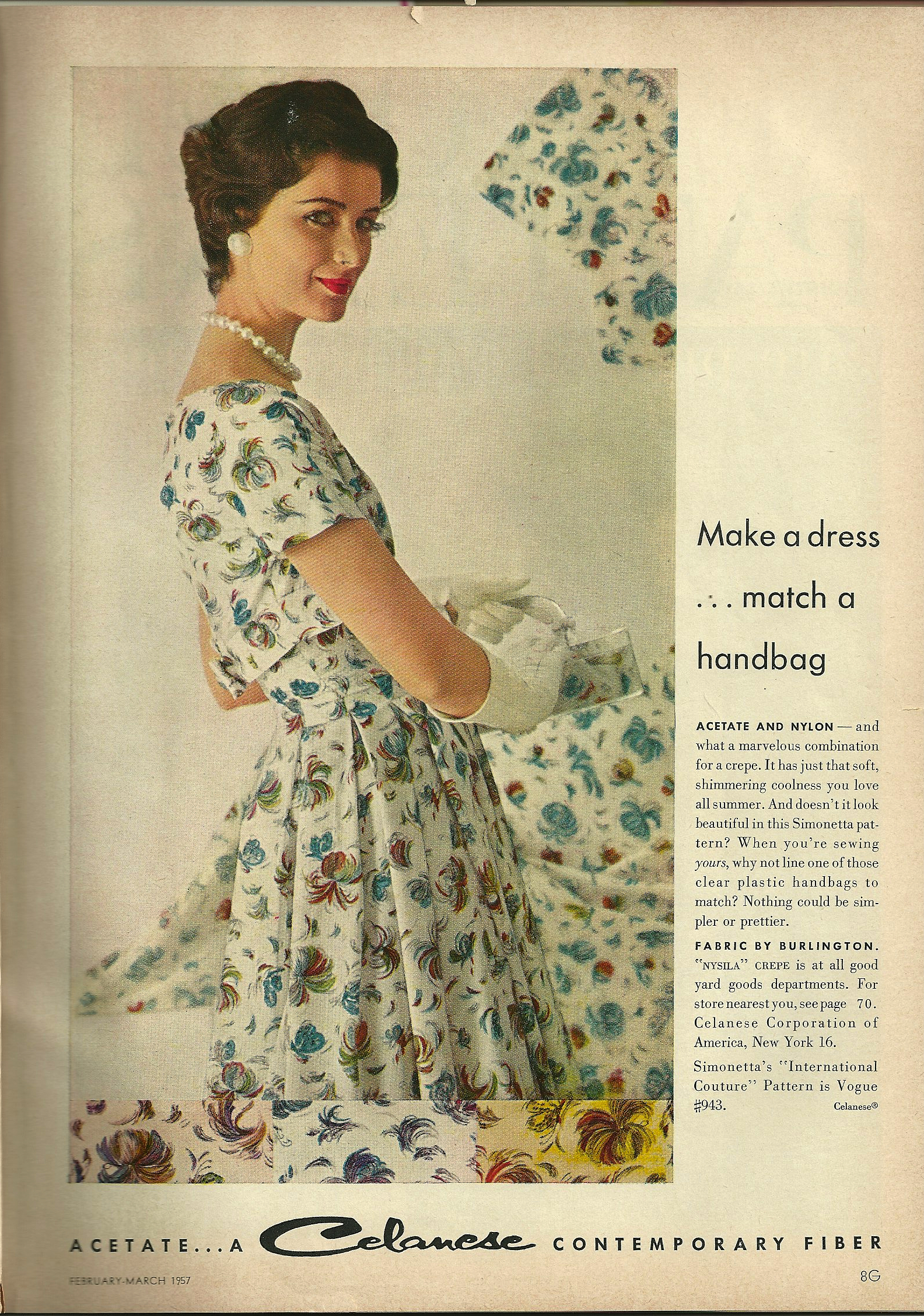
Many new synthetic fabrics were being developed in the post-war era, as evidenced by the many ads from manufacturers of these yard goods.  Here is an ad for acetate, made by the Celanese Corporation of America.  It appeared in the February/March 1957 issue of Vogue Pattern Book Magazine.

Thoughts on Fabric - 57

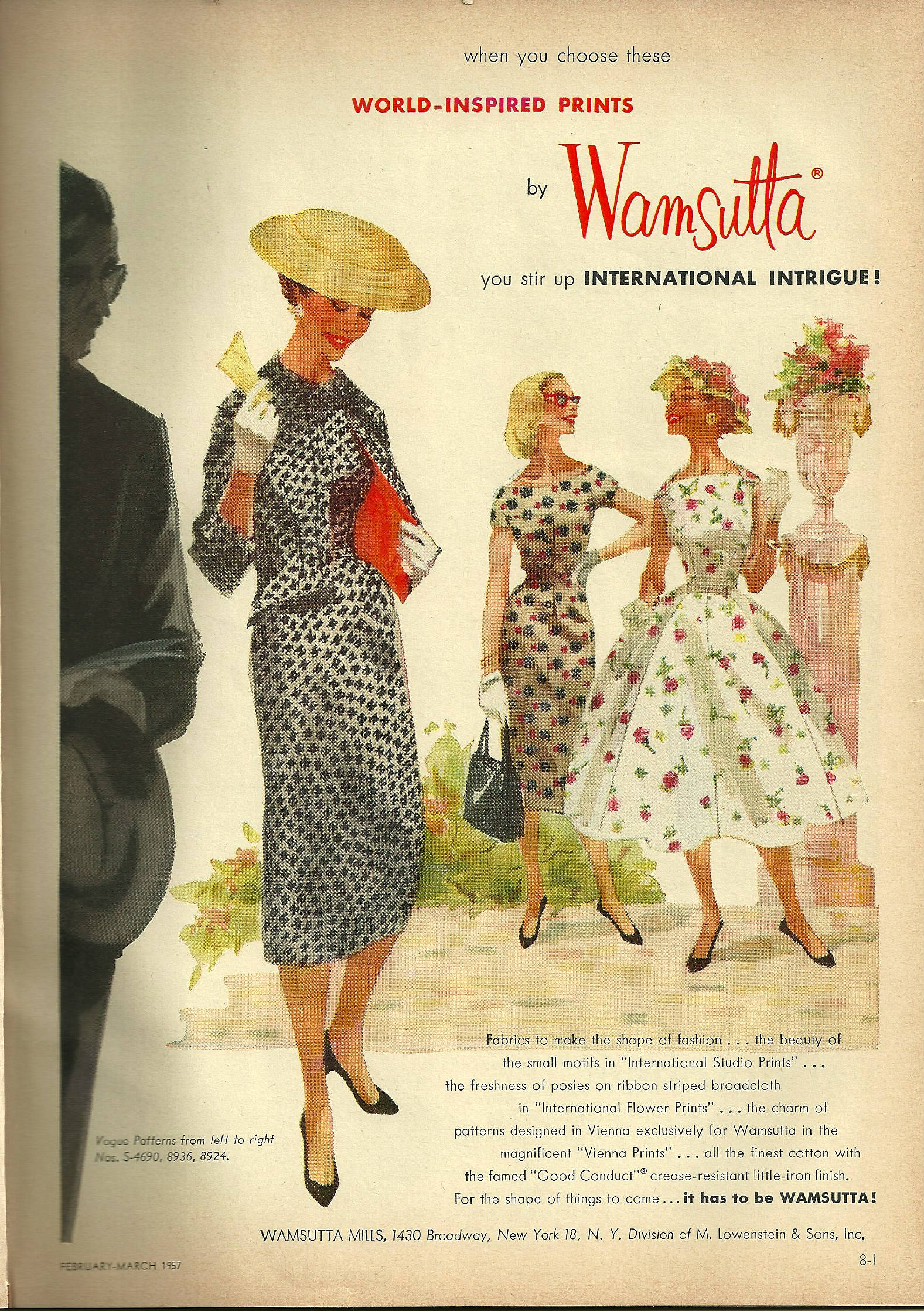
In the same issue was this full page ad for Wamsutta cotton prints.  Now known primarily for sheets, Wamsutta once had the tagline “it has to be WAMSUTTA!” which many a home sewer knew as a sign of quality.

Thoughts on Fabric - 57-2

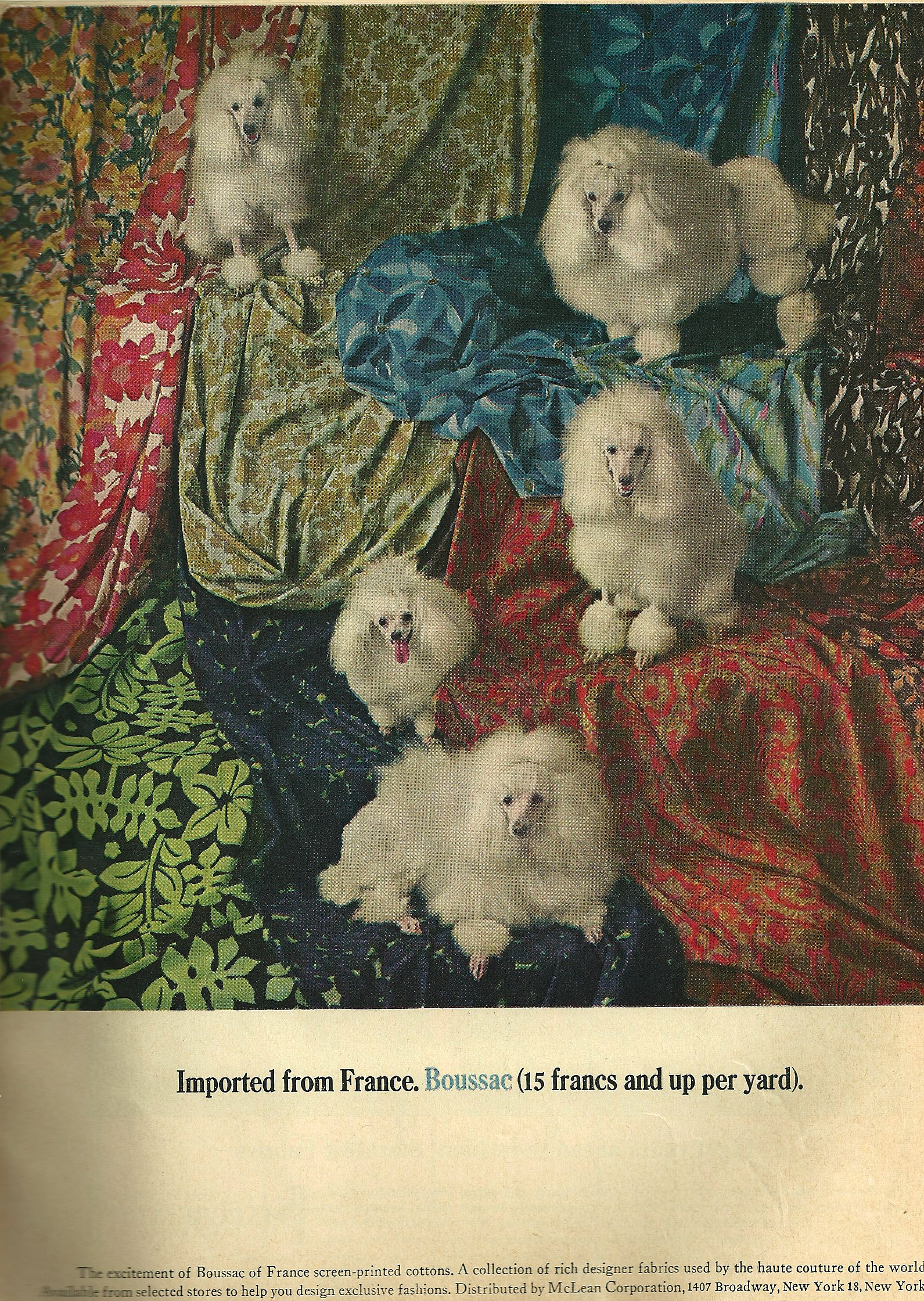
European fabrics also found their place in VPB.  Here is an ad from February/March 1964 for Boussac screen-printed cottons.  “A collection of rich designer fabrics used by the haute couture of the world.”

Thoughts on Fabric - 64

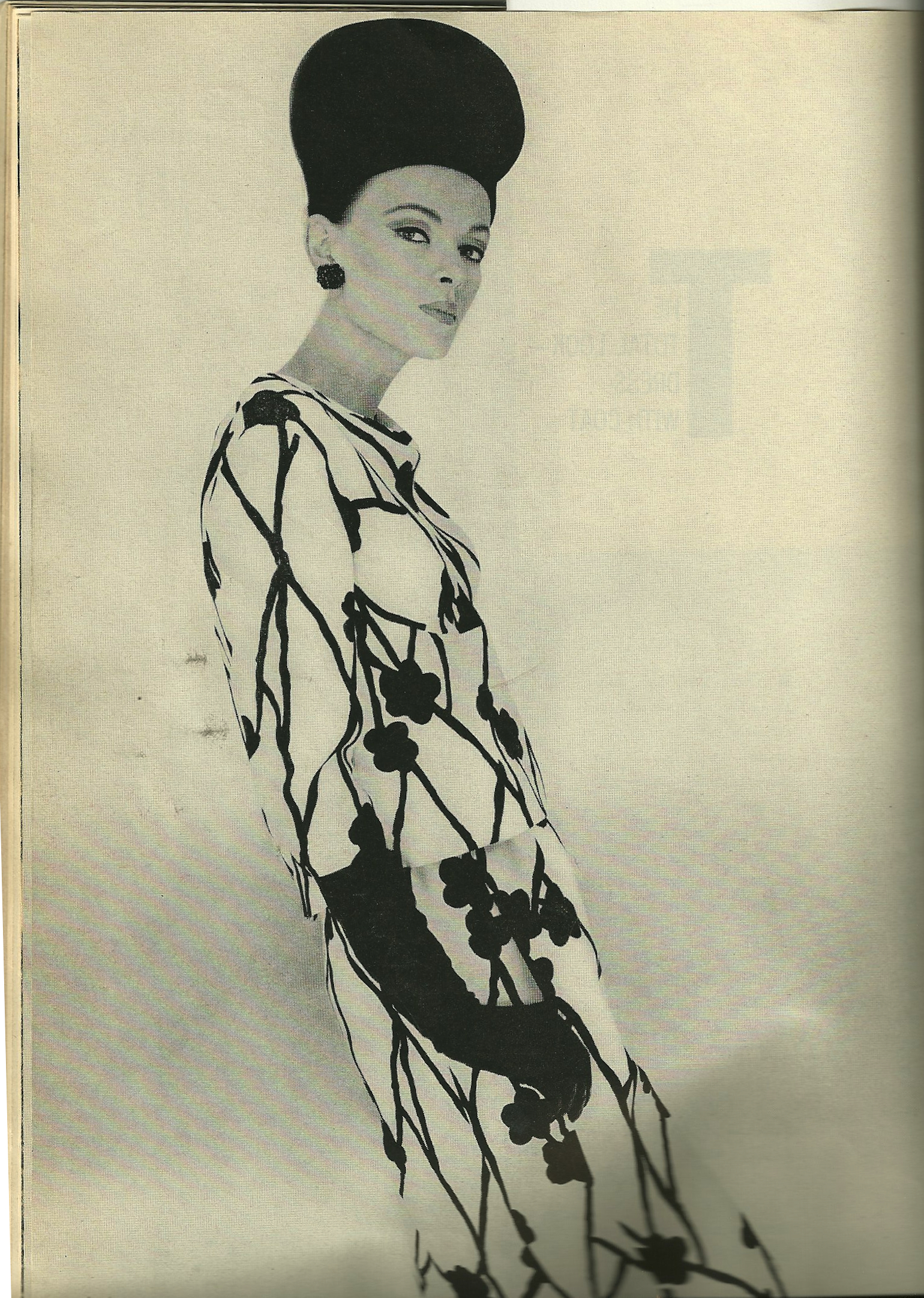
I want to show you something else in that same issue.  Although there was not a dedicated ad for American Silk, Vogue pattern #6105 was sewn in American Silk, as stated in its accompanying caption.

How I would love to find a piece of this silk tucked away in some drawer!

How I would love to find a piece of this silk tucked away in some drawer!

Twelve years later, in 1976, I attended a fashion show featuring the various dress silks made by this company for the home sewing market, another example of the effort put into marketing by specific fabric manufacturers.

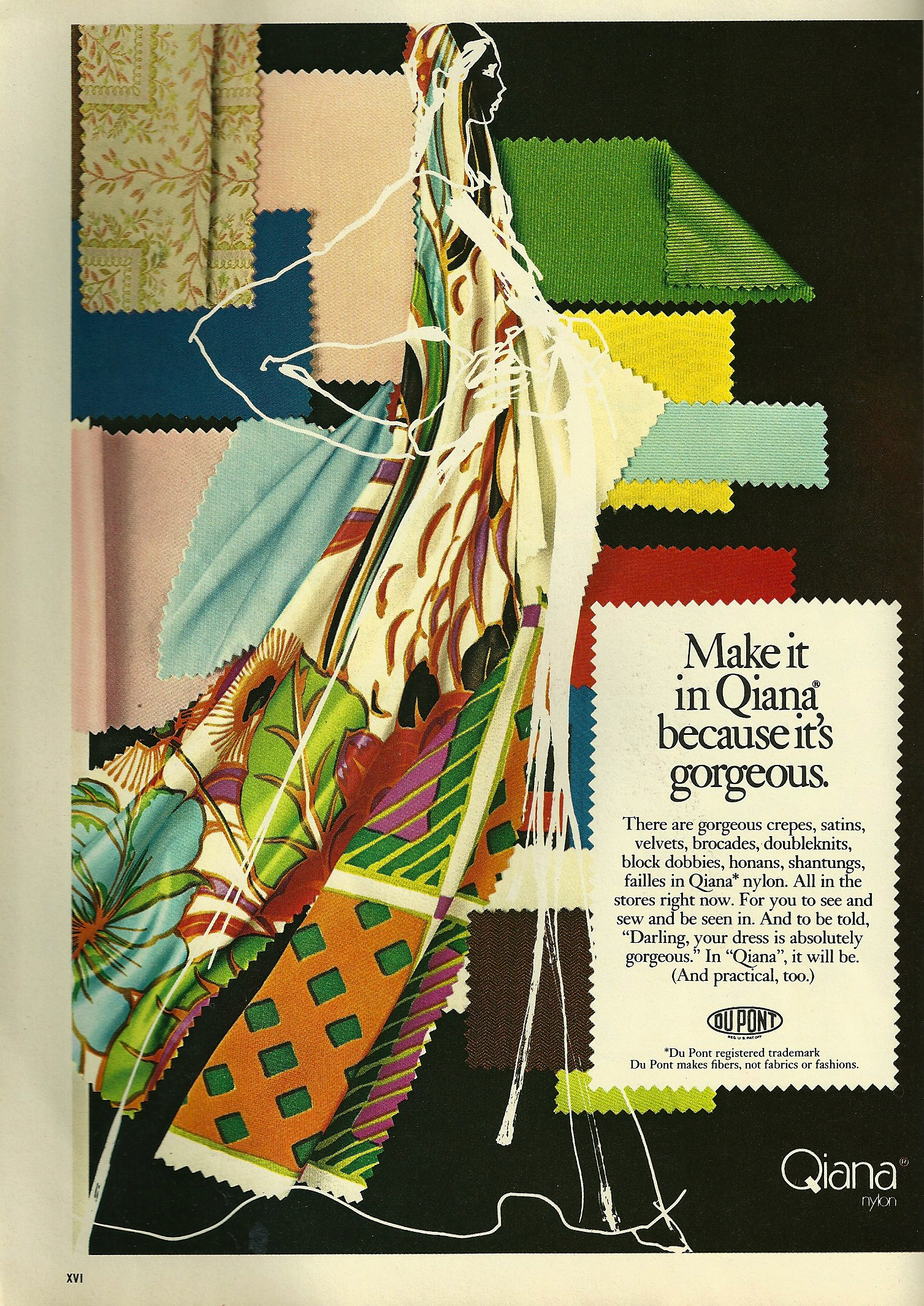
By 1972, the look of VPB Magazine was becoming more sophisticated, but those full-page fabric ads were still abundant.  Here is an ad in the October/November issue devoted to Qiana, a nylon made by DuPont:

Thoughts on Fabric - 72

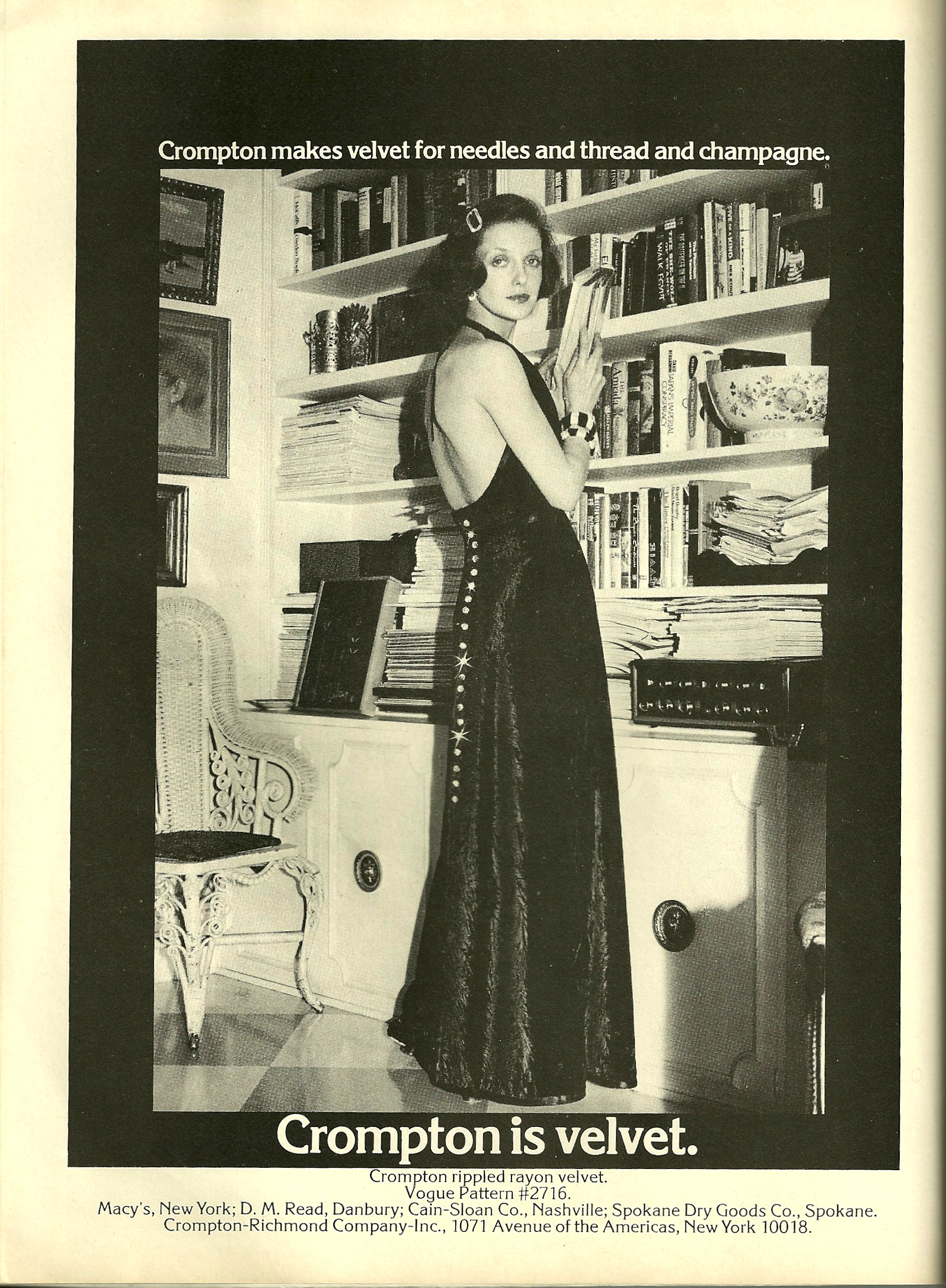
And – Crompton is velvet appeared a few pages further in the same issue:

Thoughts on Fabric - 72-2

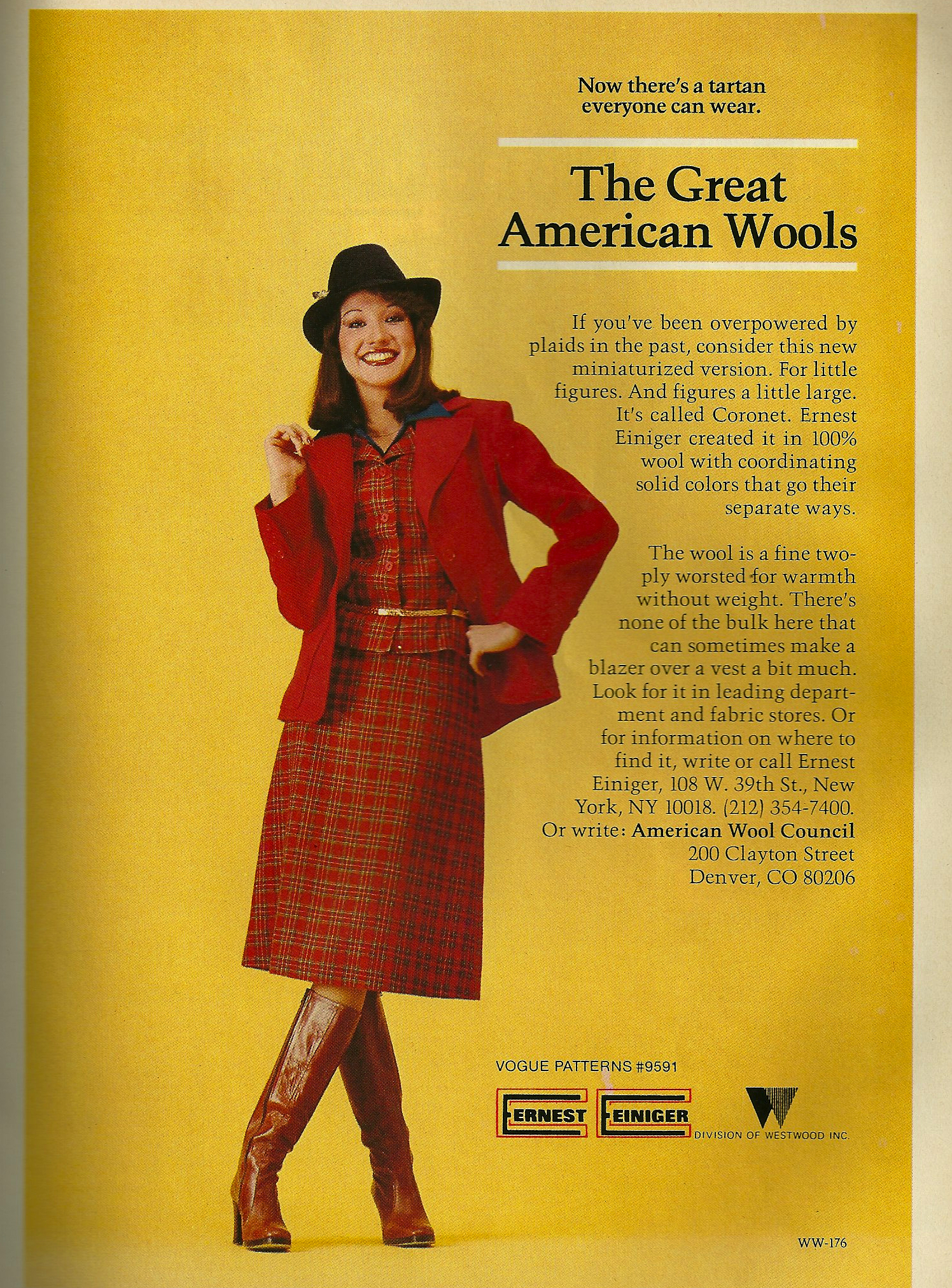
In September/October 1976, Diane von Furstenberg was featured on the cover, and Ernest Einiger had a full-page color ad for “The Great American Wools”.

Thoughts on Fabric - 76-3

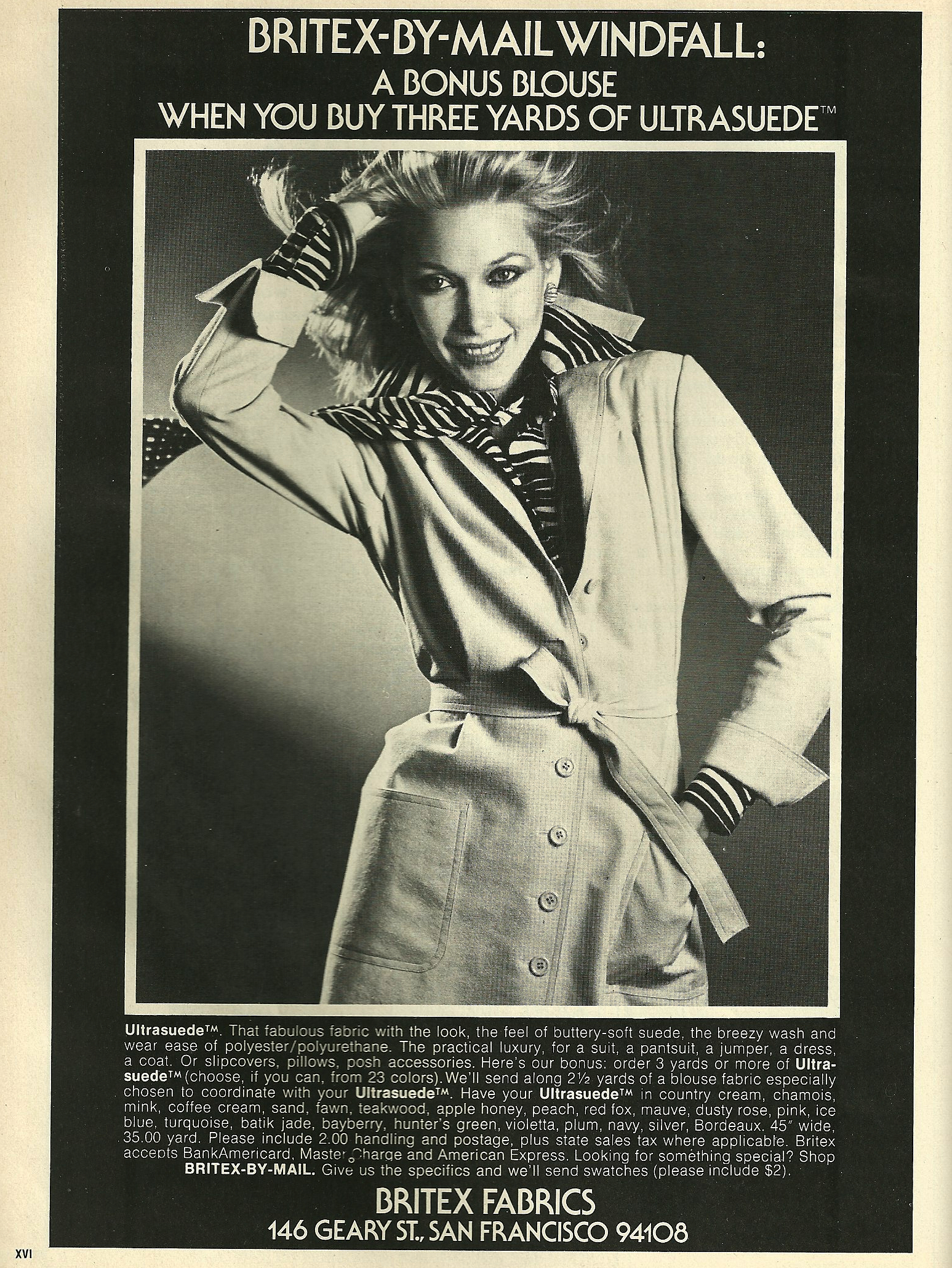
In the same issue, Britex Fabrics in San Francisco offered a buy-by-mail offer for Ultrasuede, the “it” fabric of the decade!

Thoughts on Fabric - 76-2

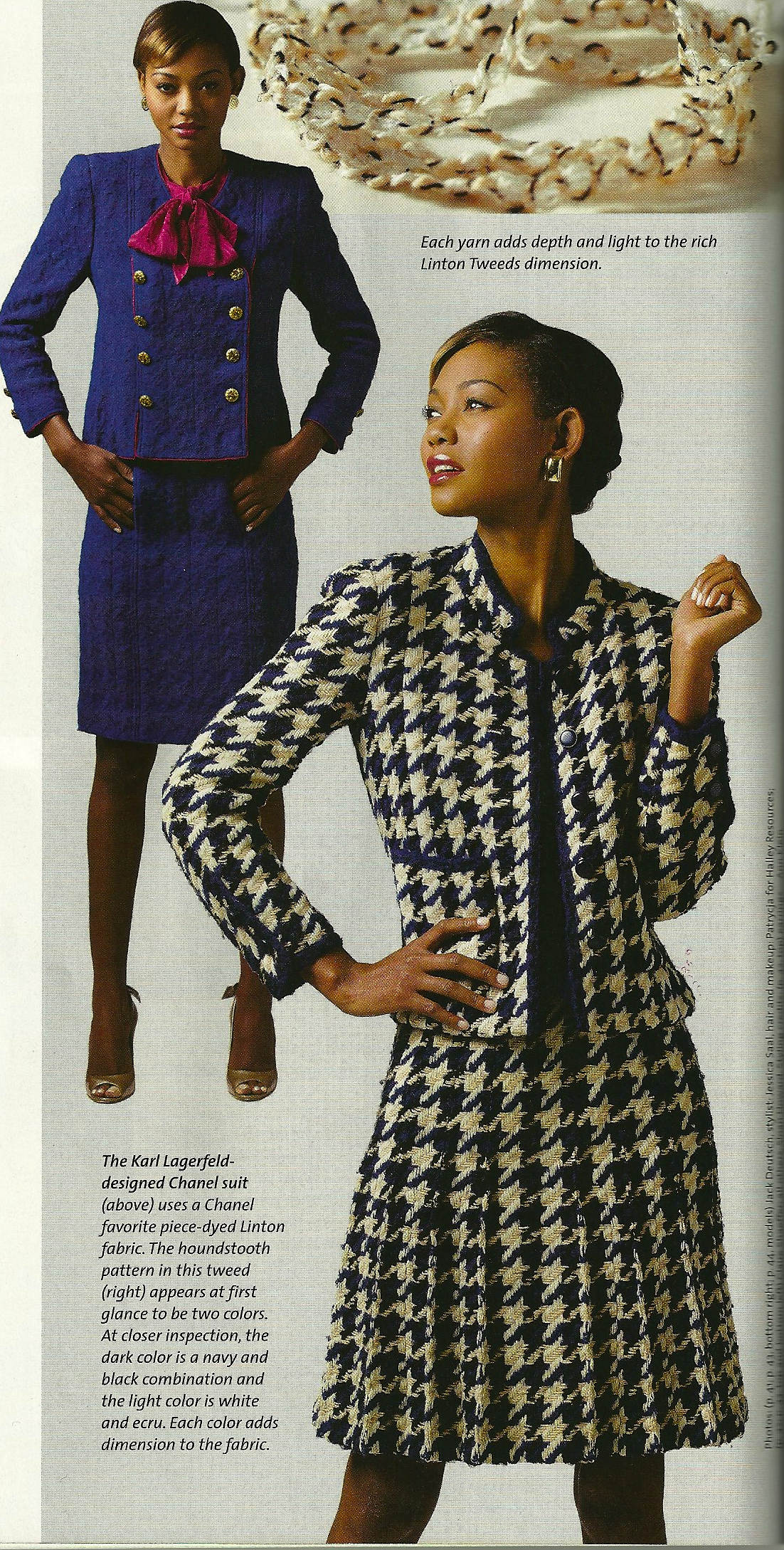
I can really only think of a few current fabric lines that still retain the distinction of being “known” by their names: Liberty, Pendleton, and Linton Tweeds come to mind.  (Linton Direct advertises in the current VPB magazine, but it is a small column ad, not a full-page “look at me” type of statement.) Then, of course, there are designer fabrics, but the manufacturers of these “name” goods are generally not listed.  For the most part, unless you ask, when you are buying yard goods, the names of the manufacturers are virtually unknown.  It is really kind of a shame, as there are so many exquisite fabrics of the highest quality still being woven in certain parts of the world.  These fabrics (and others, some vintage) make it difficult to say “no” to the opportunity to add to one’s fabric collection.  Here are two such fabrics I could not resist:

This is a linen and cotton blend I purchased from Mood Fabrics a while ago.  It is patiently waiting to be cut and sewn . . .

This is a loosely woven linen and cotton blend I purchased from Mood Fabrics a while ago. It is patiently waiting to be cut and sewn . . .

This is a vintage linen, newly acquired by me.  Although there is nothing printedon the selvedge, I believe it is a Moygashel linen from the 1950s.

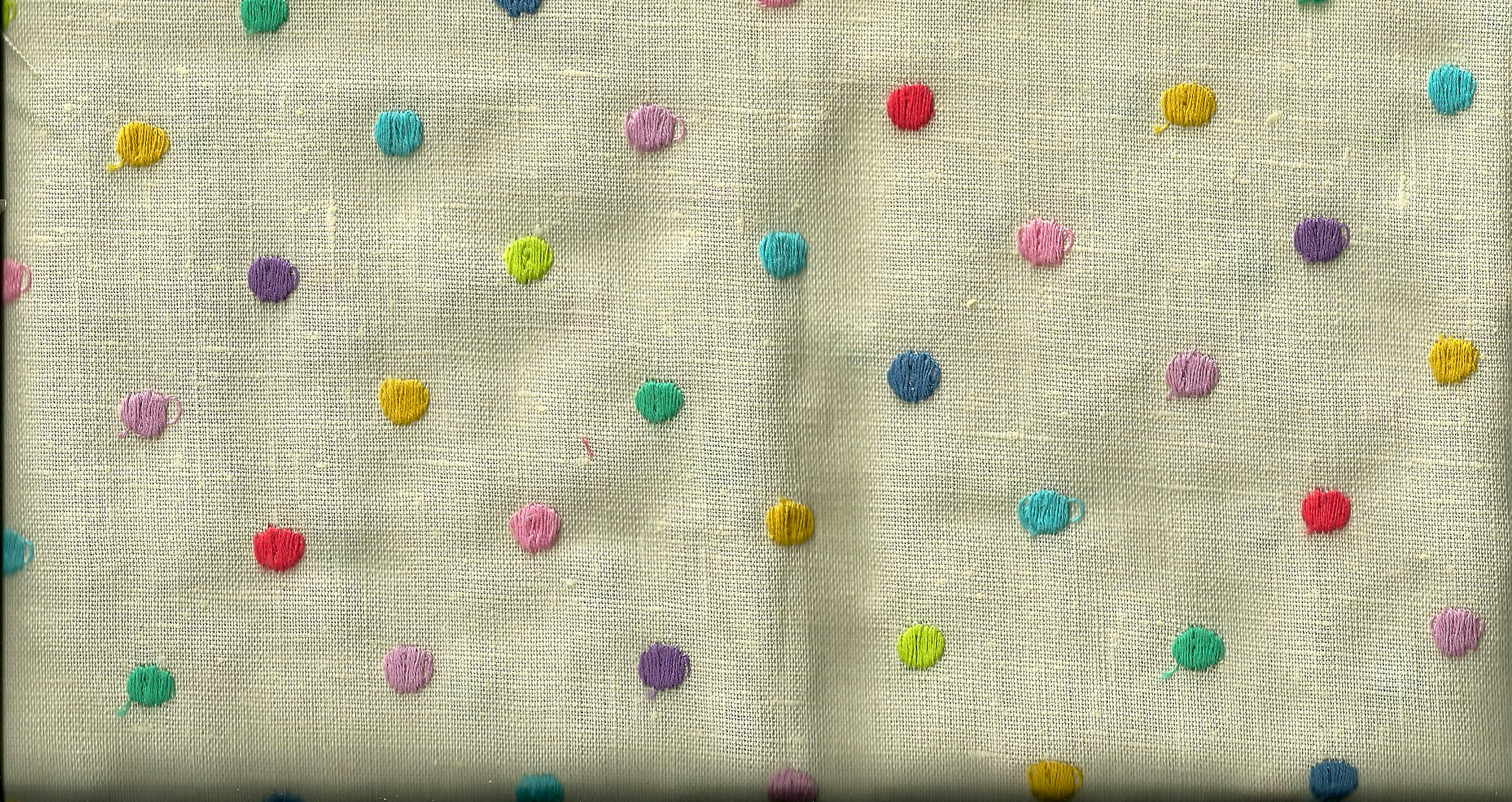
This is a vintage linen, newly acquired by me. Although there is nothing printed on the selvedge, I believe it is a Moygashel linen from the 1950s.  I plan to make a sheath dress from this fabric sometime during the Summer of 2014.

William Blake notably said “The road of excess leads to the palace of wisdom.”  I must confess I never knew what that meant until I applied it, somewhat sheepishly,  to collecting fabrics.  It seems the more various and beautiful fabrics I can look at and choose from, the more I am able to determine the perfect pattern with which to pair them.  If I own the fabric already, so much the better!  Sometimes the fabric dictates the sort of garment I should make and sometimes I have a pattern which leads me to my (excessive?) fabric collection, where I can admire anew and oftentimes choose a long-before purchased length of the perfect silk, linen, cotton, or wool.  It is a back and forth process, one filled with visual and tactile components, demanding – and developing – sewing wisdom.  It is one of the reasons I love to sew.

20 Comments

Filed under Liberty cotton, Linen, Love of sewing, Moygashel linen, Polka dots, The Conde Nast Publications, Uncategorized, woolens

Happy New Sewing Year

“Dresses for breakfasts, and dinners, and balls;

Dresses to sit in, and stand in, and walk in;

Dresses to dance in, and flirt in, and talk in;

Dresses in which to do nothing at all;

Dresses for Winter, Spring, Summer and Fall”

William Allen Butler (1825-1902) may have thought “Nothing to Wear”, from which these lines are taken, was a satirical poem, but he obviously did not know 21st century fashion sewers.  Isn’t January just the perfect time to plan for the creation of “dresses for Winter, Spring, Summer, and Fall”?  Yes, thank you for agreeing with me.

Last year I took a rather theoretical approach to the new sewing year, but this year I am focusing on more specific plans.  Let me start with Winter.

I have three things that I want to complete while the snow is still flying (which gives me until the end of March, more or less):

1)  My Chanel-inspired classic French jacket is my current project, and I am happy to report that I am making slow but steady progress on it.

2) I won’t consider the jacket really complete until I have made the bow blouse that will match its lining.

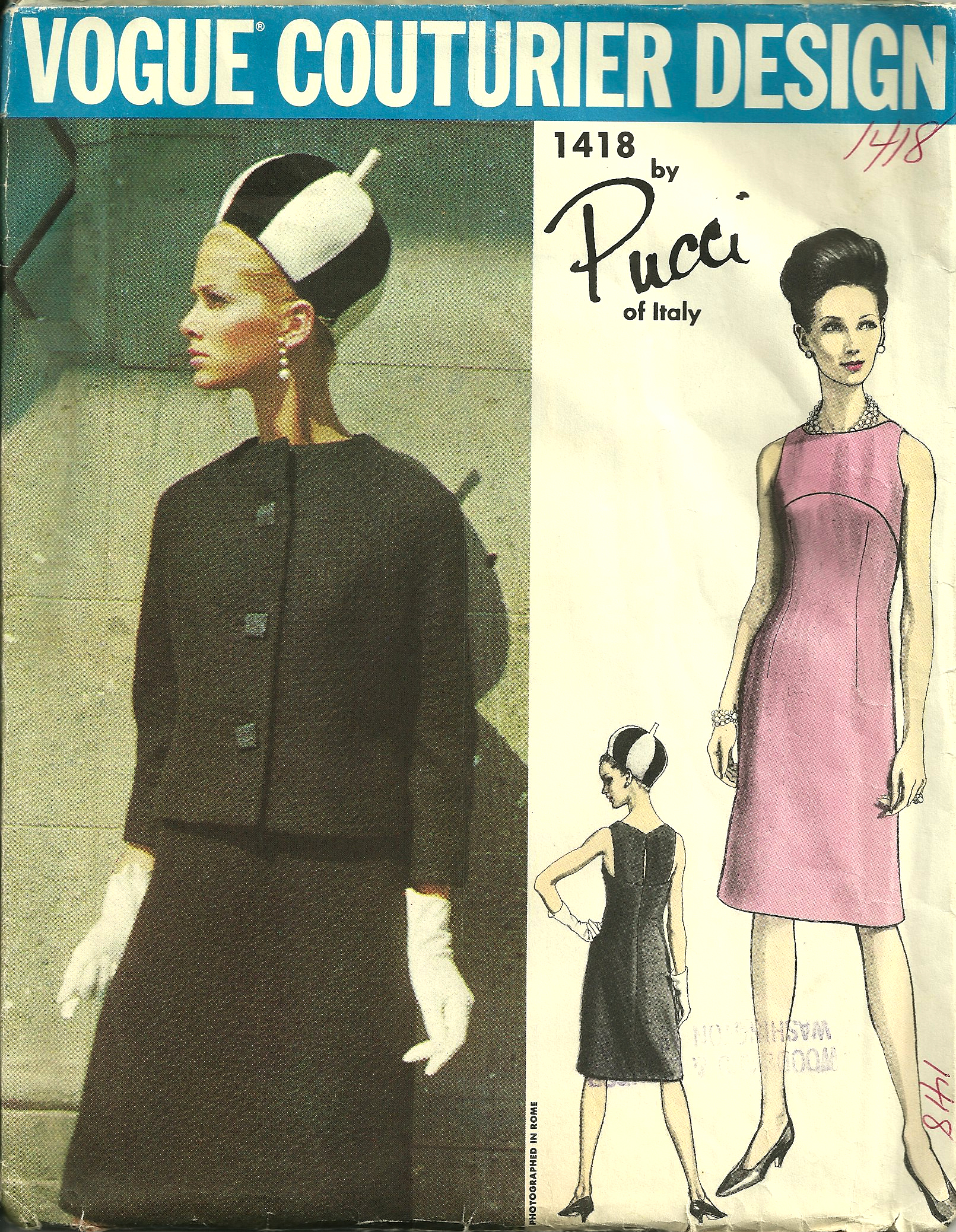
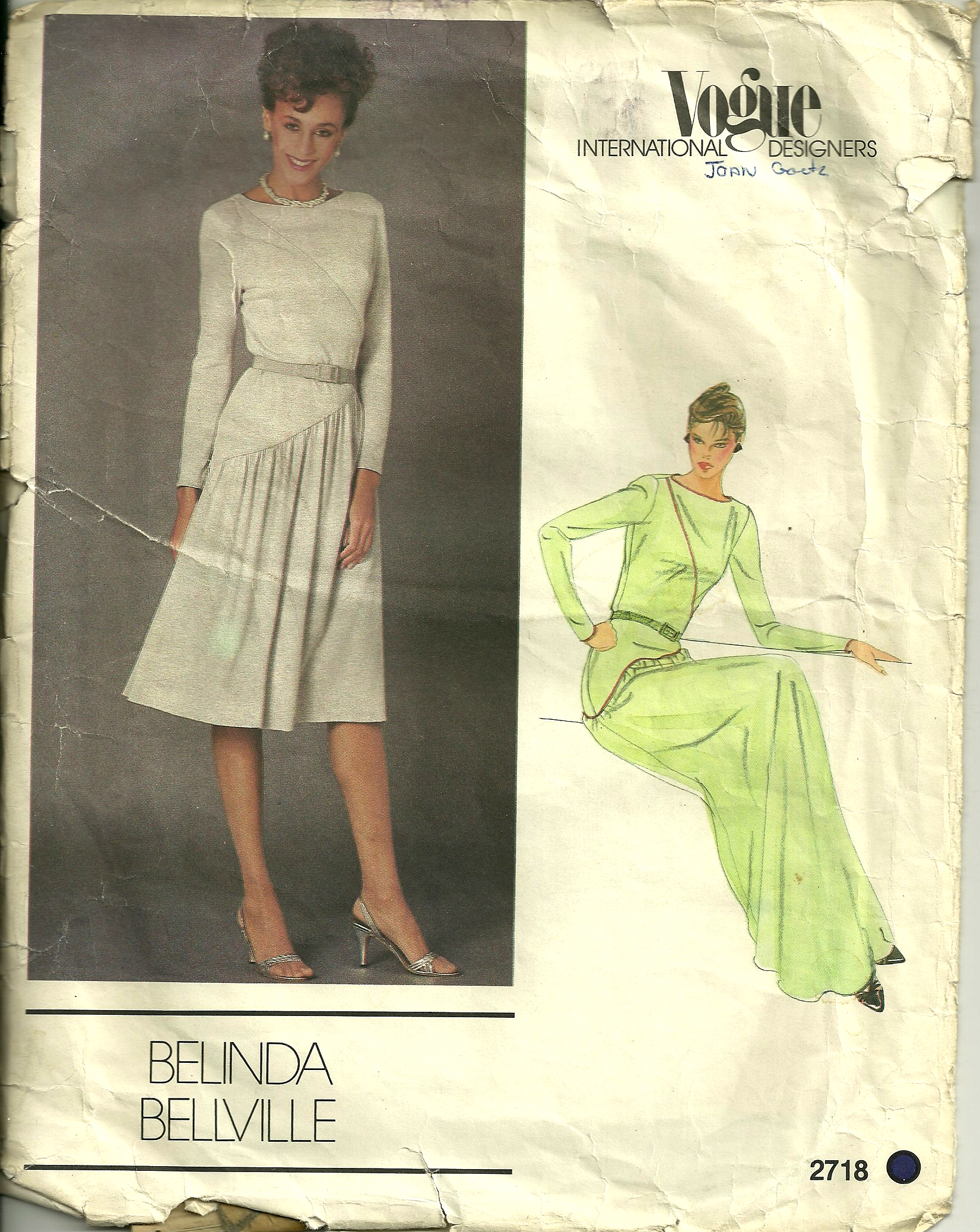
3) I am excited to say that I am going to be joining one of Susan Khalje’s Couture Sewing Classes in February, and my intended project is — ta-daa — this jacket which I have wanted to make ever since Vogue Patterns first issued it in the 1970s!

I will definitely be doing the color blocked version when I make this coat.

I will definitely be doing the color blocked version when I make this coat.

With any luck (or maybe lots of it will be needed), it may still be Winter when I start this project intended for an event in late April event:

I have an authentic Pucci silk from which to make the dress and line the jacket.

I have an authentic Pucci silk from which to make the dress and line the jacket.

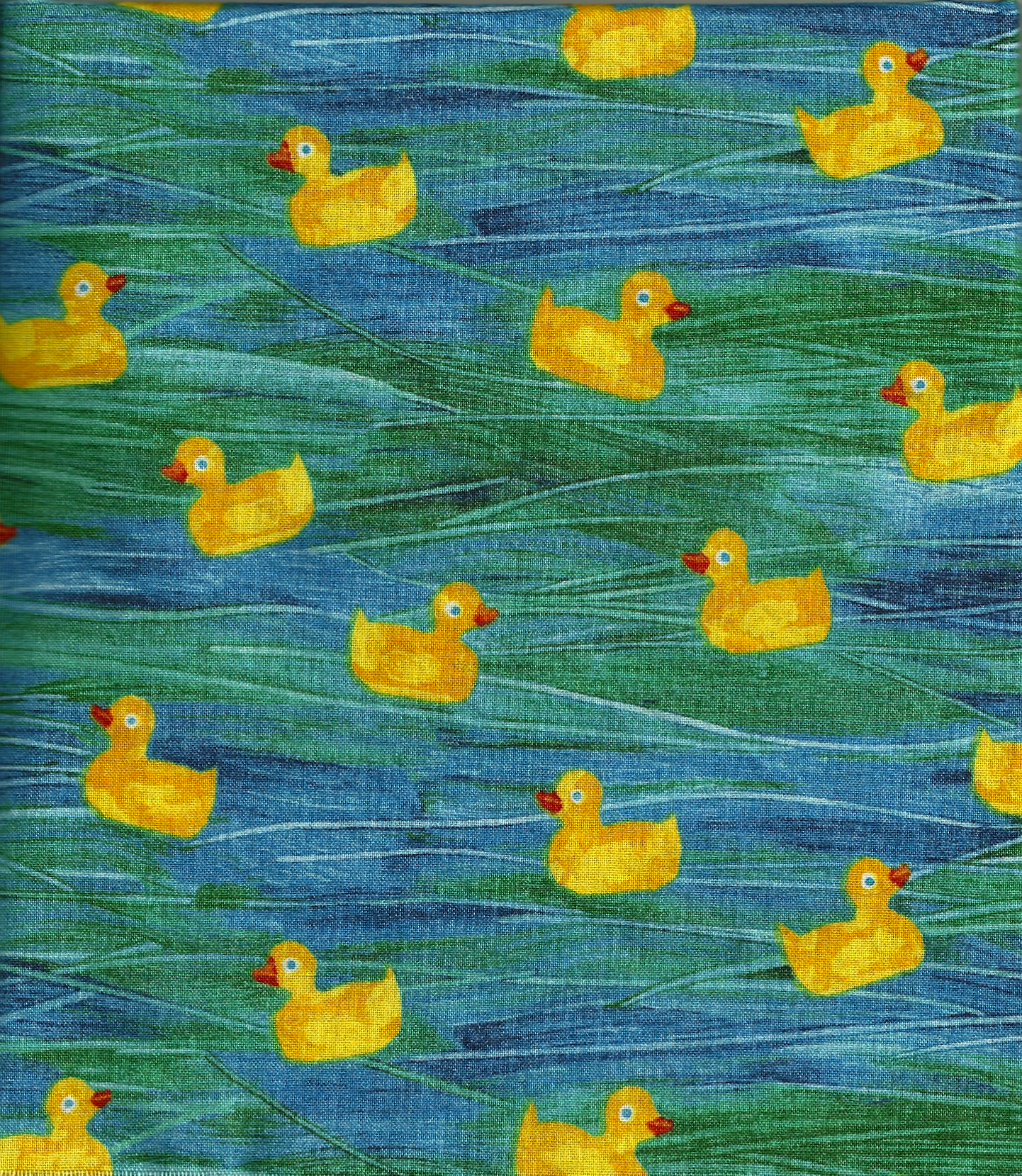
In addition, Spring will not be complete for me until I make a dress for my granddaughter who will be 1-year-old in March.  I purchased this fabric last Fall when I was at the Eric Carle Museum in Amherst, Massachusetts.  You can imagine my excitement when I saw that the gift shop included yardage of soft, quality cotton featuring designs from his books.  I envision these little ducks embellished with yellow rick-rack.

Happy New Sewing Year - carle fabric Before Spring bids us adieu, I may divert from dresses to make another pair of slim pants in this vintage 1950s’ linen:

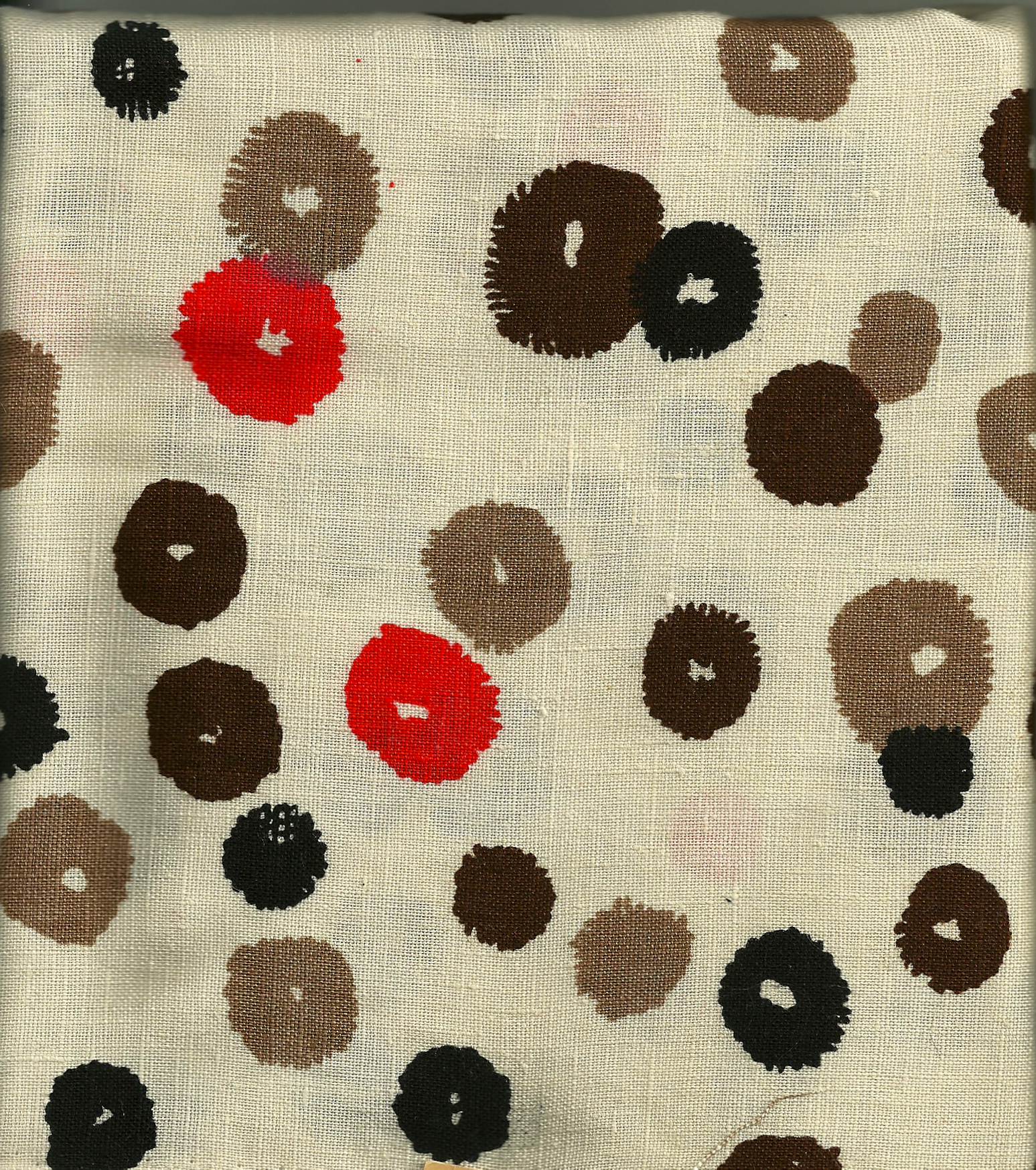
I only have 1 5/8 yards of this 35" wide fabric, so it remains to be seen if i can squeeze pants out of it.

I only have one and 5/8 yards of this 35″ wide fabric, so it remains to be seen if I can squeeze pants out of it.

If Summer of 2014 is as hot as last Summer (or even if it is not), I’ll be making at least two more cool, linen dresses, one sheath-style and one belted.  More on these linen fabric finds in a future post…

And a bathrobe!!  I am dying to make a swishy bathrobe!

Ah, and then comes Fall (already??), probably my favorite season of all.  I have two projects envisioned:

1) I found this stretch silk charmeuse at Mendel Goldberg Fabrics on a quick day trip to NYC in early Fall.

Another gorgeous Italian silk!

Another gorgeous Italian silk!

I bought it thinking I may use it for the lining for my No. 2 French jacket, but shortly after that I found this pattern on eBay and promptly decided it would be perfect made up in this dress (which requires a stretch fabric.  Well, it says “ knit fabrics only” but I say stretch fabric will do just fine).

This os one of the few patterns from the 1980s which I really like.  However, i will not be duplicating the hairstyle.

This is one of the few patterns from the 1980s which I really like. However, I will not be duplicating the hairstyle.

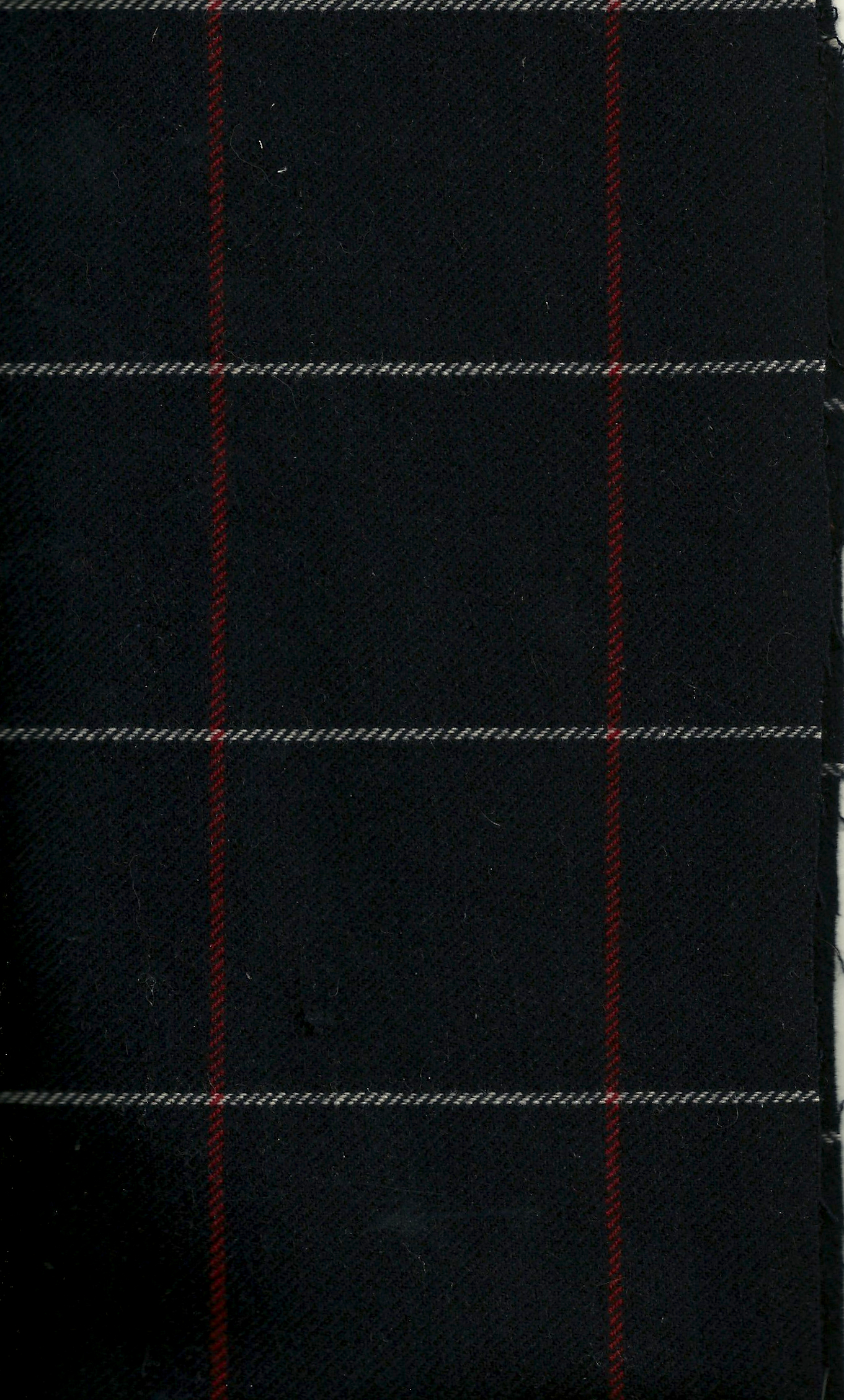
2) I’ve had this buttery soft cashmere wool for a couple of years now.  I originally thought I’d make a suit, but now I’m thinking long-sleeved dress instead.  I’m still sorting this one out in my head so I’m very glad I have until next Fall.

A subtle windowpane check in navy with deep red and ivory intersecting lines.

A subtle windowpane check in navy with deep red and ivory intersecting lines.

Sprinkled among these plans for Winter, Spring, Summer and Fall will surely be more little dresses for granddaughter Aida.  I fully intend for her to have some of the cutest frocks in all of New England.

Finally, if 2013 taught me anything, it is that the unexpected is waiting around every corner.

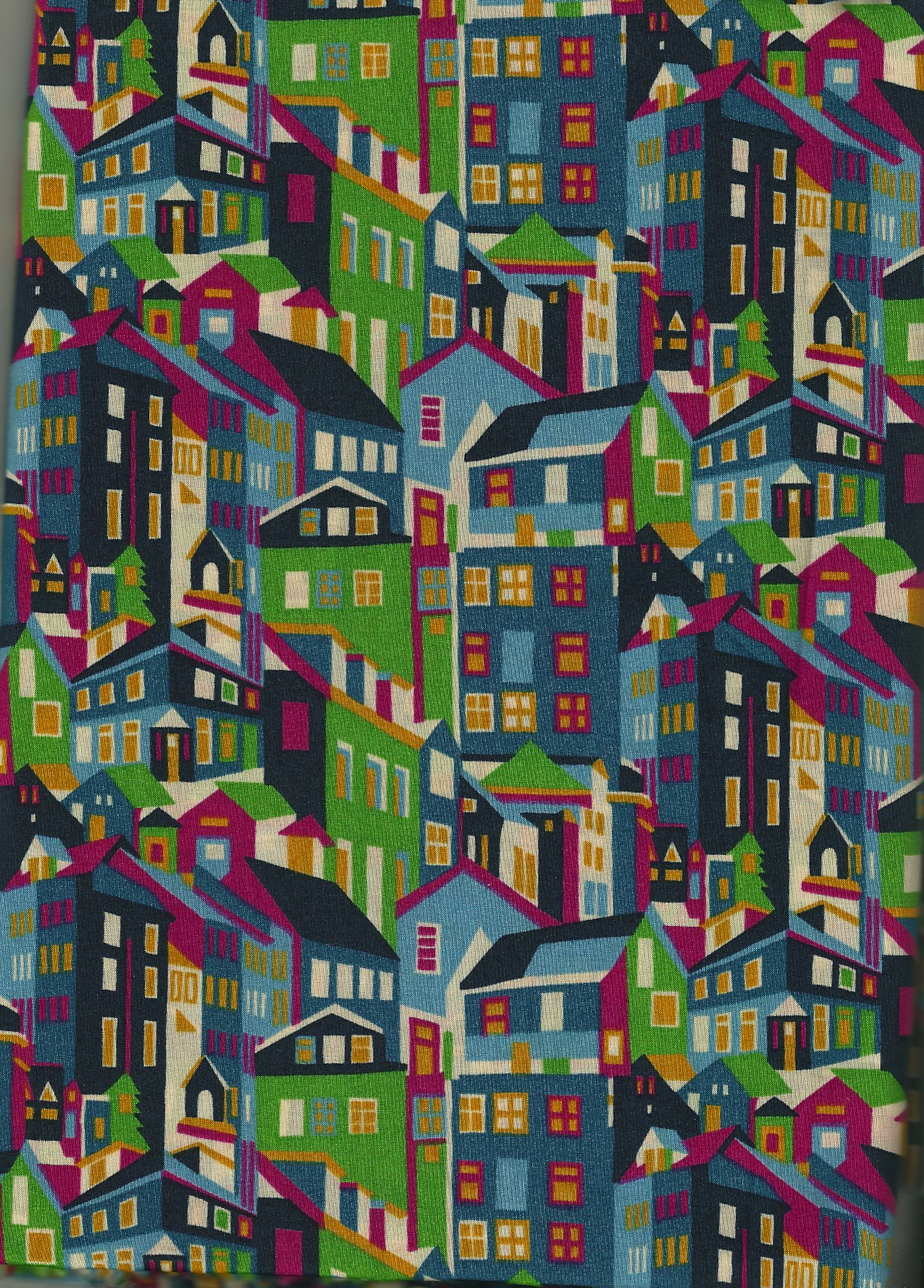
Lots of corners lurking in this Liberty cotton!

Lots of corners lurking in this Liberty cotton!

Life can take sudden turns and twists that are not always sewing-friendly, so I plan to be kind to myself if that happens.  But wouldn’t it be nice for all of us to have the kind of year when we have the extra time to make a dress in which to do “nothing at all”?

14 Comments

Filed under 1980's dress patterns, Boucle for French style jackets, Chanel-type jackets, Coats, Liberty cotton, Linen, Polka dots, Uncategorized, vintage Vogue Designer patterns, vintage Vogue patterns from the 1970s, Vogue patterns, woolens

B is for Baby; Q is for Quilt

Despite thinking for the last several years that I would probably never make another quilt, in 2013 I found myself digging through my quilting cottons.  Cuddly little babies and little snuggly quilts seem to go hand in hand – and I just could not imagine our new grandchild without one made specially for him or her.

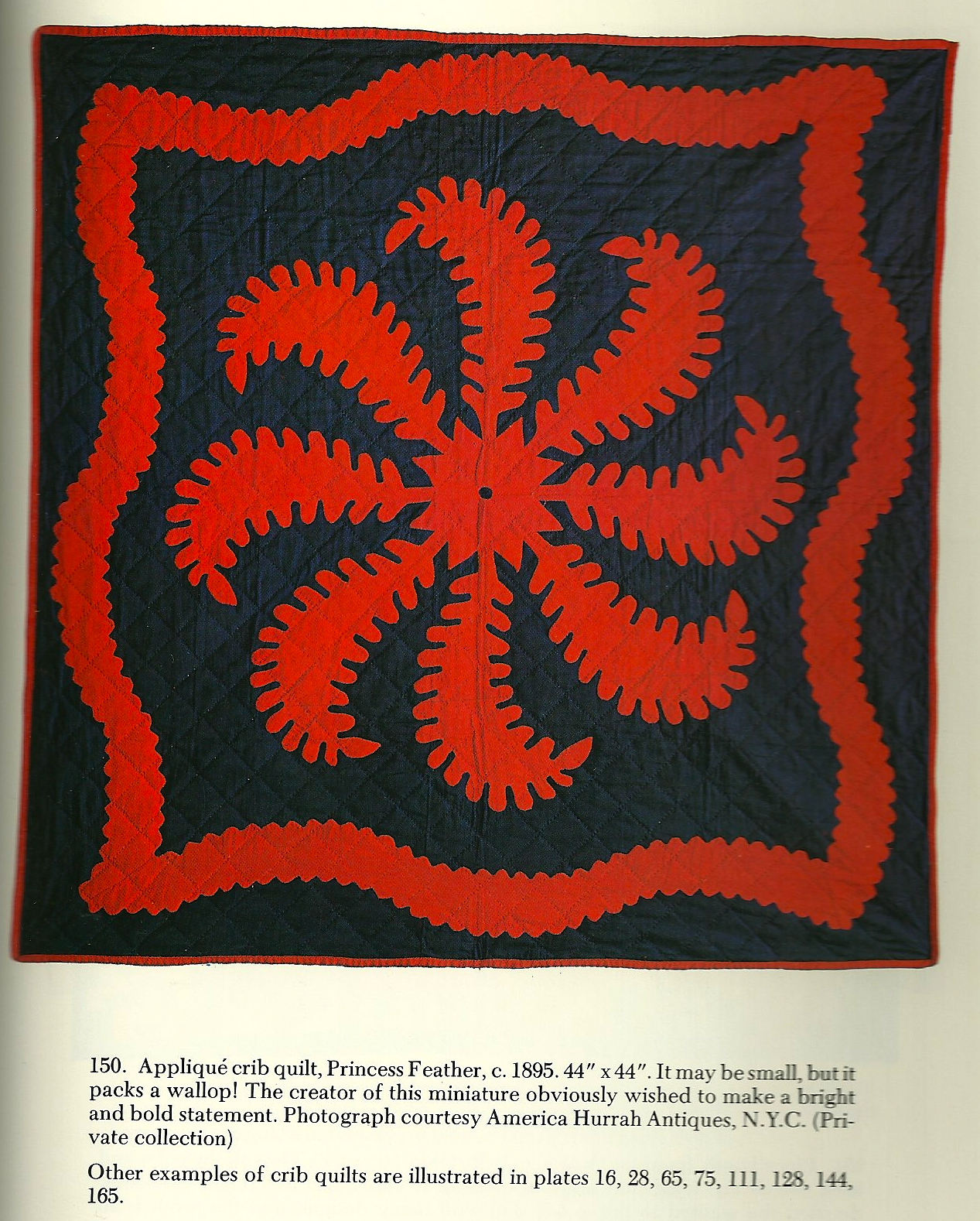
I have always been a traditionalist when it comes to quilts, preferring classic quilt patterns to modern art quilts.  There are a few of those patterns which I have gone back to time and again, and my favorite quilt design is a Princess Feather.  Maybe because of this, when I asked my daughter (before we knew “girl” or “boy”) what she would like for a baby quilt, she chose a Princess Feather.  I must admit my heart kind of sank at the prospect of making another one of these complicated designs.  Of course, I was not about to tell her that – and so I began to plan a Princess Feather quilt for Baby Unknown.

For those of you unfamiliar with this American quilt design, here is a little background on it.  The pattern began to appear in the mid-1800s, and was very popular, despite its complexity, on the East Coast of the United States.  A group which took to it with great exuberance was the Pennsylvania Germans who populated the southeastern part of the state of Pennsylvania.  (Both my husband and I are descended from this group of immigrants.) It is thought that the pattern evolved from printed images of the Prince of Wales of Great Britain, whose hat apparently was adorned with a great feather plume.  Its nomenclature probably started out as Princes’ Feather and gradually became known as Princess Feather.

Here is one example of a vintage Princess Reather baby quilt, Reproduced from Crib Quyilts anbd Other Small Wonders, by Thos. K. Woodard and Blanche Greenstein, E. P. Dutton, New York, New York, 1981.

Here is one example of an antique Princess Feather baby quilt, Reproduced from Crib Quilts and Other Small Wonders, by Thos. K. Woodard and Blanche Greenstein, E. P. Dutton, New York, New York, 1981.

And here is anoter antique example.  Reproduced from The Quilt Engagement Calendar Treasurt, by Cyril I. Nelson and Carter Houck, E. P. Dutton, New York, New York, 1982.

And here is another antique example. Reproduced from The Quilt Engagement Calendar Treasury, by Cyril I. Nelson and Carter Houck, E. P. Dutton, New York, New York, 1982.

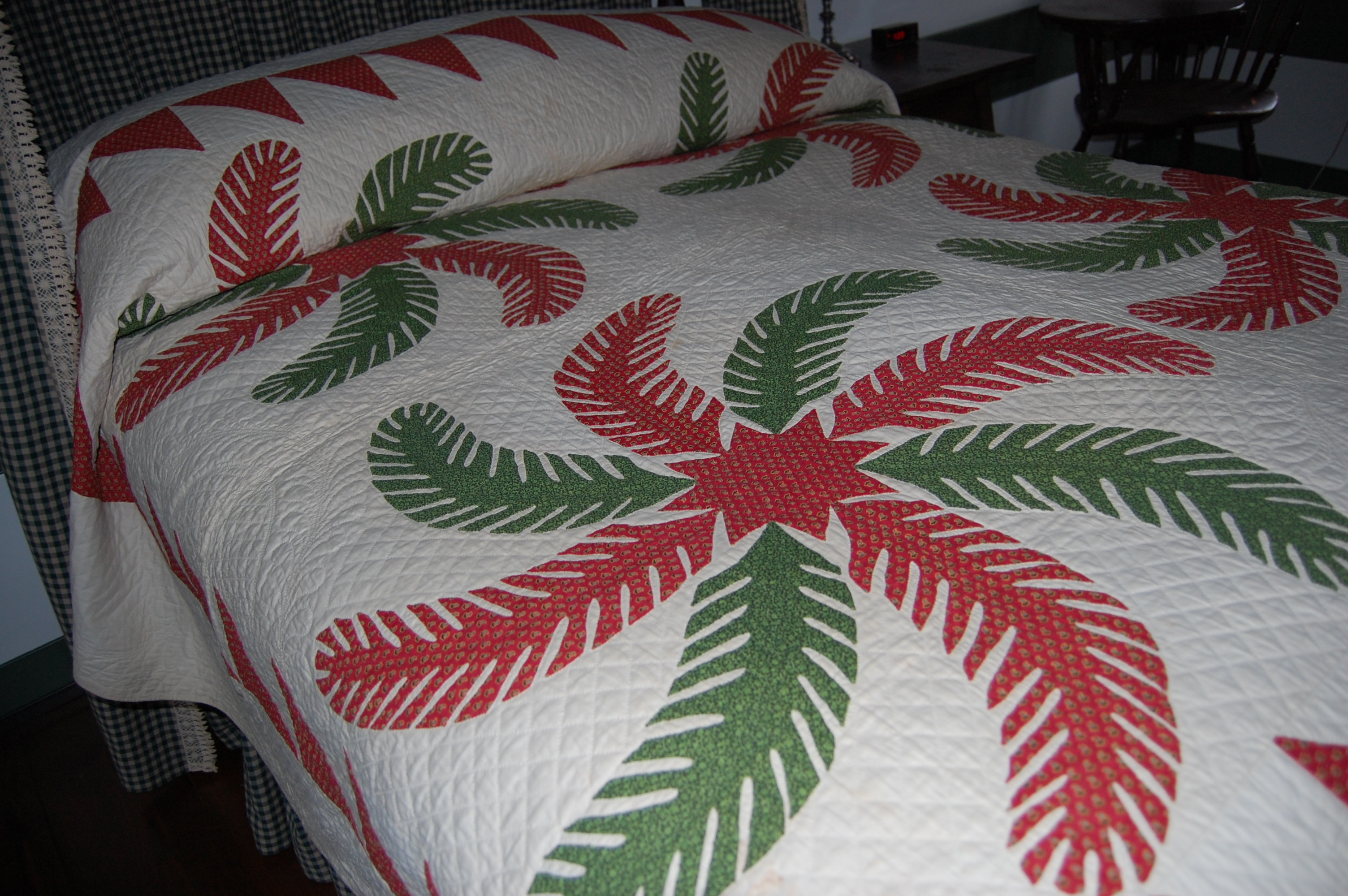
It was rendered in many different colors, but the classic version of it is with a white background, with alternating feathers in red and green.

Here is a large classic red and green antique Princess Feather quilt from a private collection.

Here is a large classic red and green antique Princess Feather quilt from a private collection.  The handwork on this quilt is exquisite.

This has always been my favorite color combination for this pattern, and so I decided to make it with red and green on white as the basic colors.

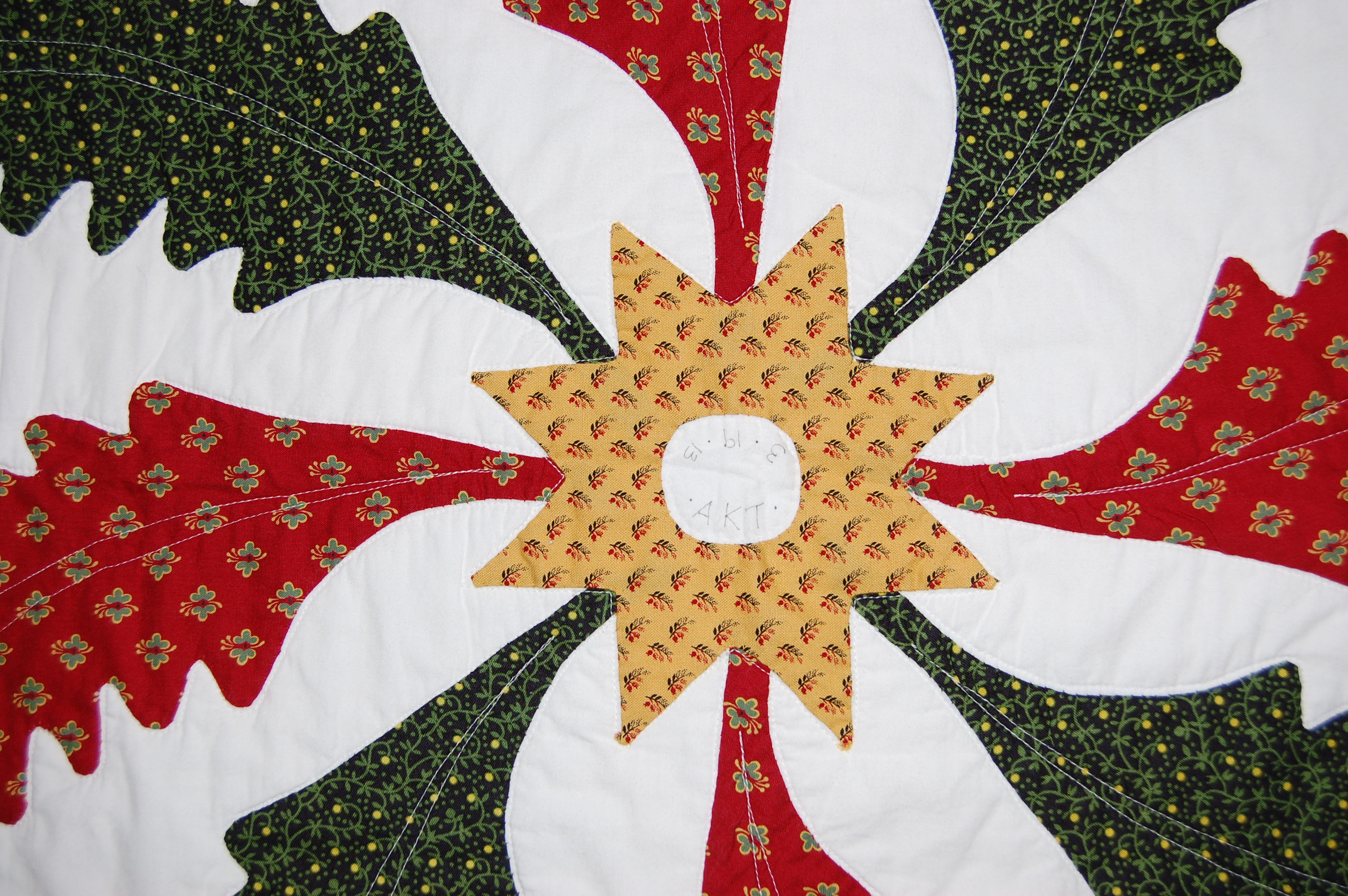
I was not very conscientious about taking pictures of the quilt in progress, so most of these details are of the finished quilt!

I was not very conscientious about taking pictures of the quilt in progress, so most of these details are of the finished quilt!

As I started my work on the appliqué feathers, I got really bogged down.  I just found it difficult to work on a quilt for a little person whose personality I did not know, not to mention its sex!  I realized I was not going to have this quilt done for the arrival of what turned out to be our little granddaughter Aida.   So, I reset the finish date to be for Christmas of 2013.  That seemed reasonable to me (however, I did not mention a word of this new timing to our daughter.  For all she knew, I had given up work on it!)

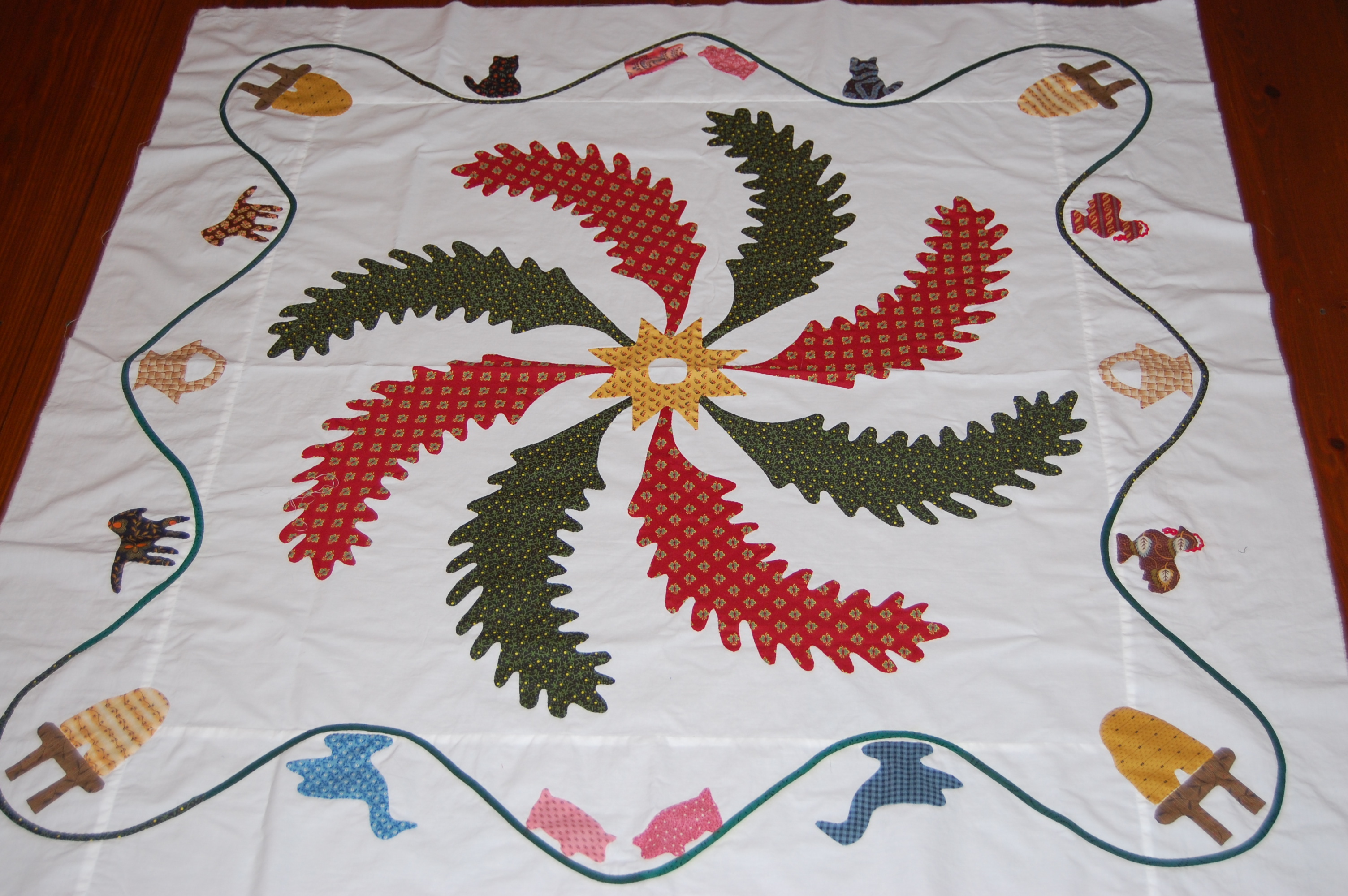
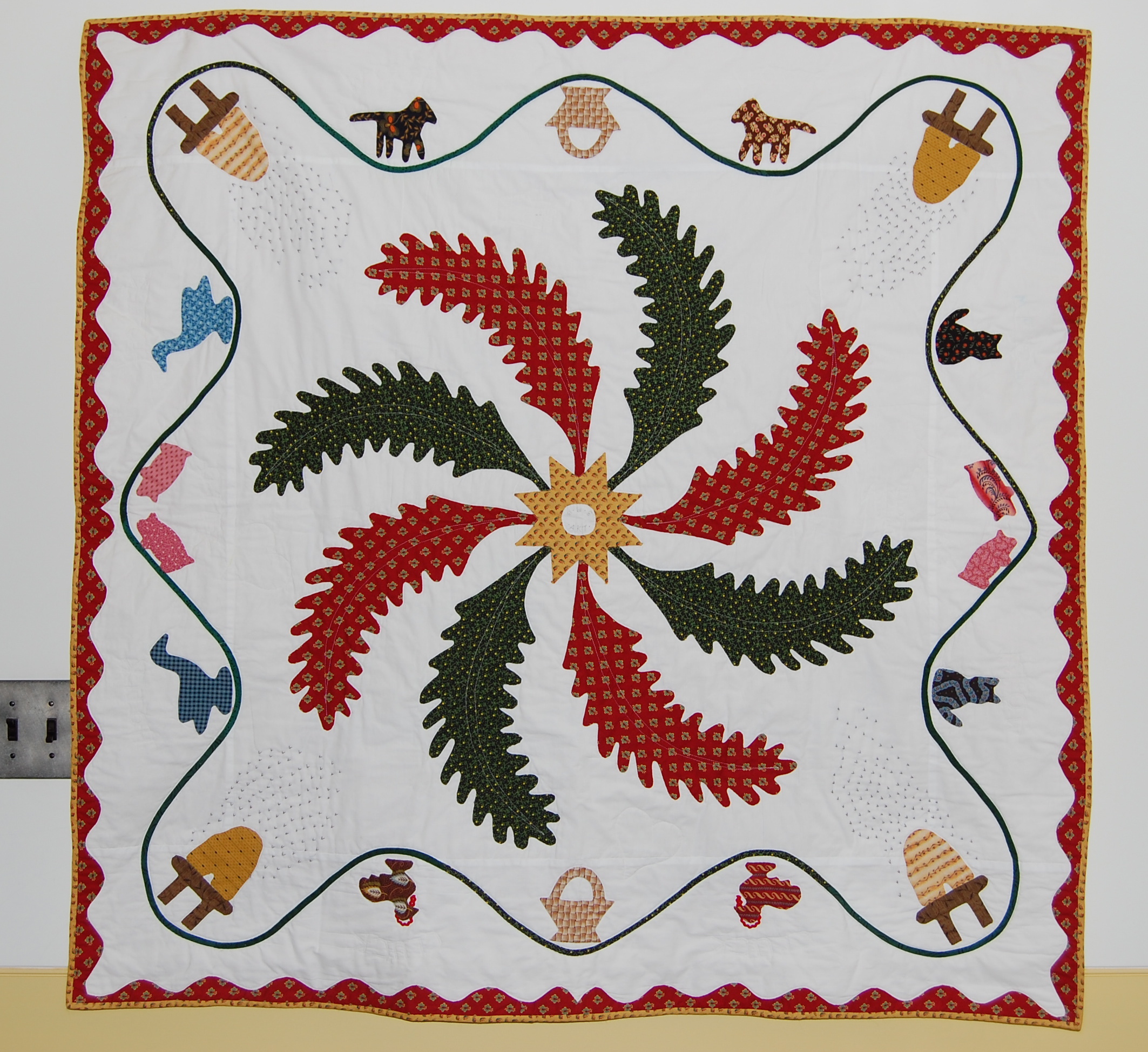
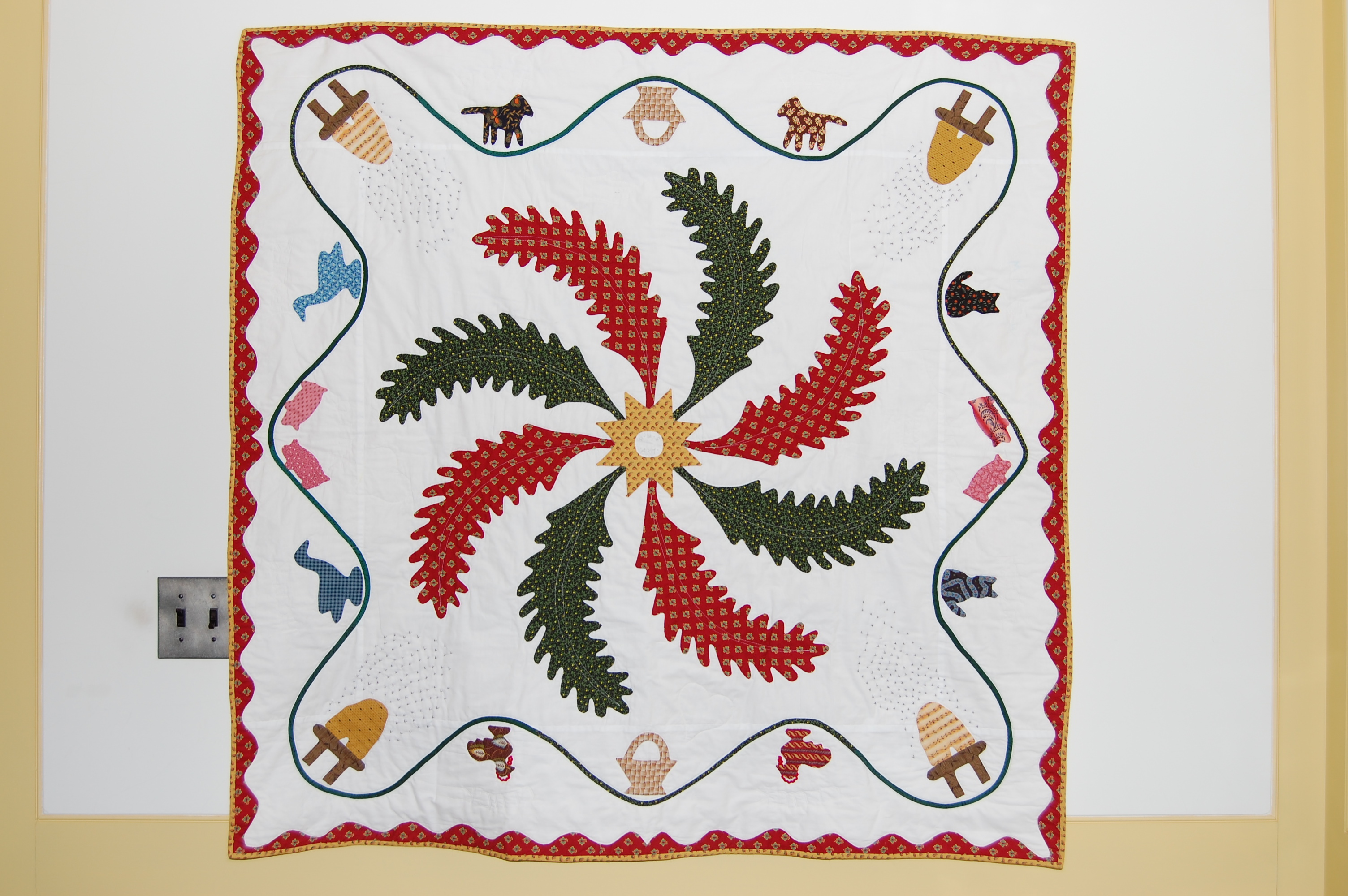
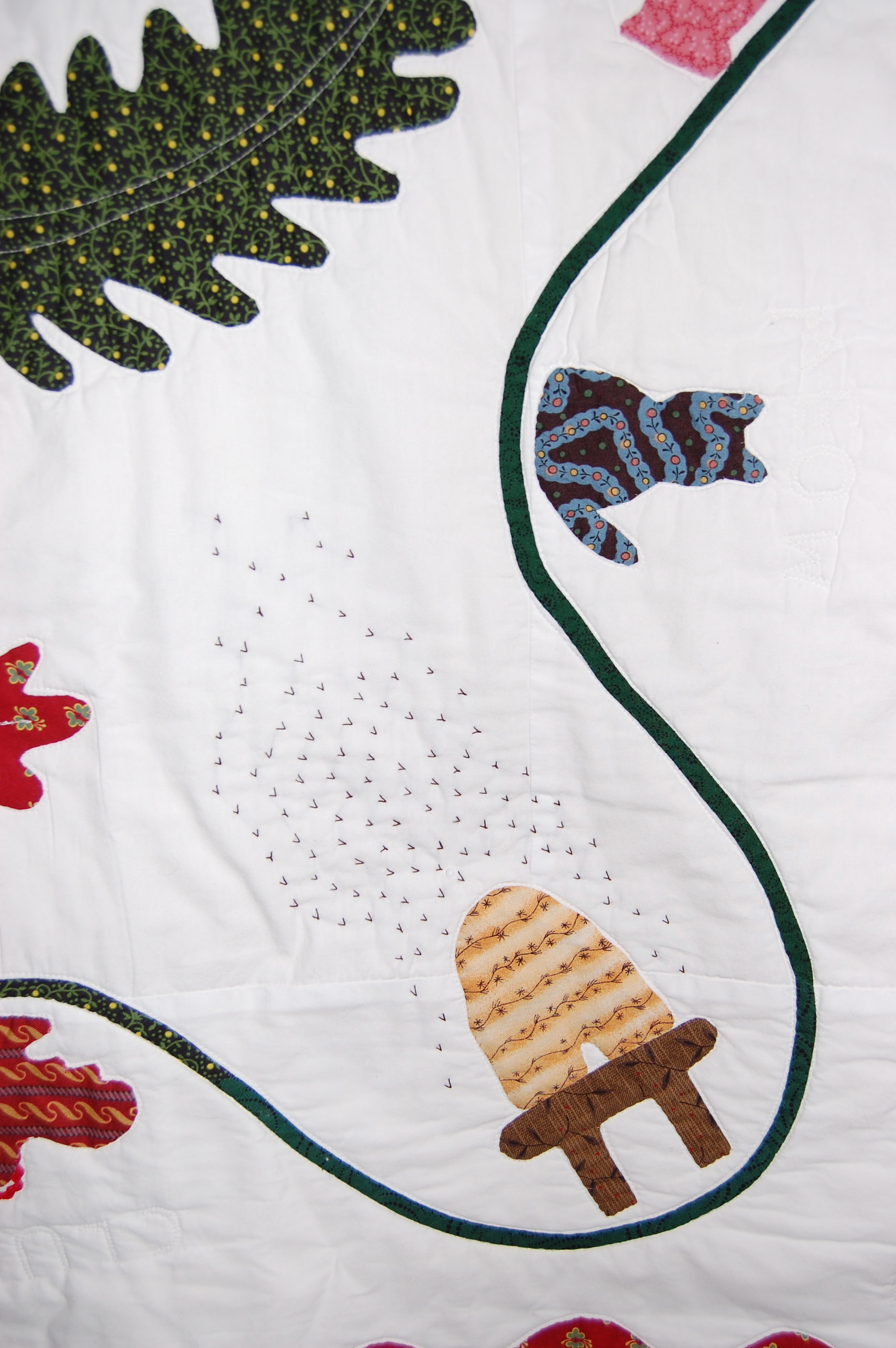
Over the summer, as little Aida’s personality began to emerge, the quilt took on a life of its own as I tried to match the design of the quilt to her charming playfulness and constant smile.  The central feather pinwheel surrounded by a narrow vine, provided the perfect small spaces for happy appliqued animal figures.  The large spaces in the corners definitely needed beeskeps, with swarming little busy bees to duplicate her constant motion!

The beeskep shape is from a cookie cutter, too, but I concocted the stand.

The beeskep shape is from a cookie cutter, but I concocted the stand.  Hope the kitty does not get stung!

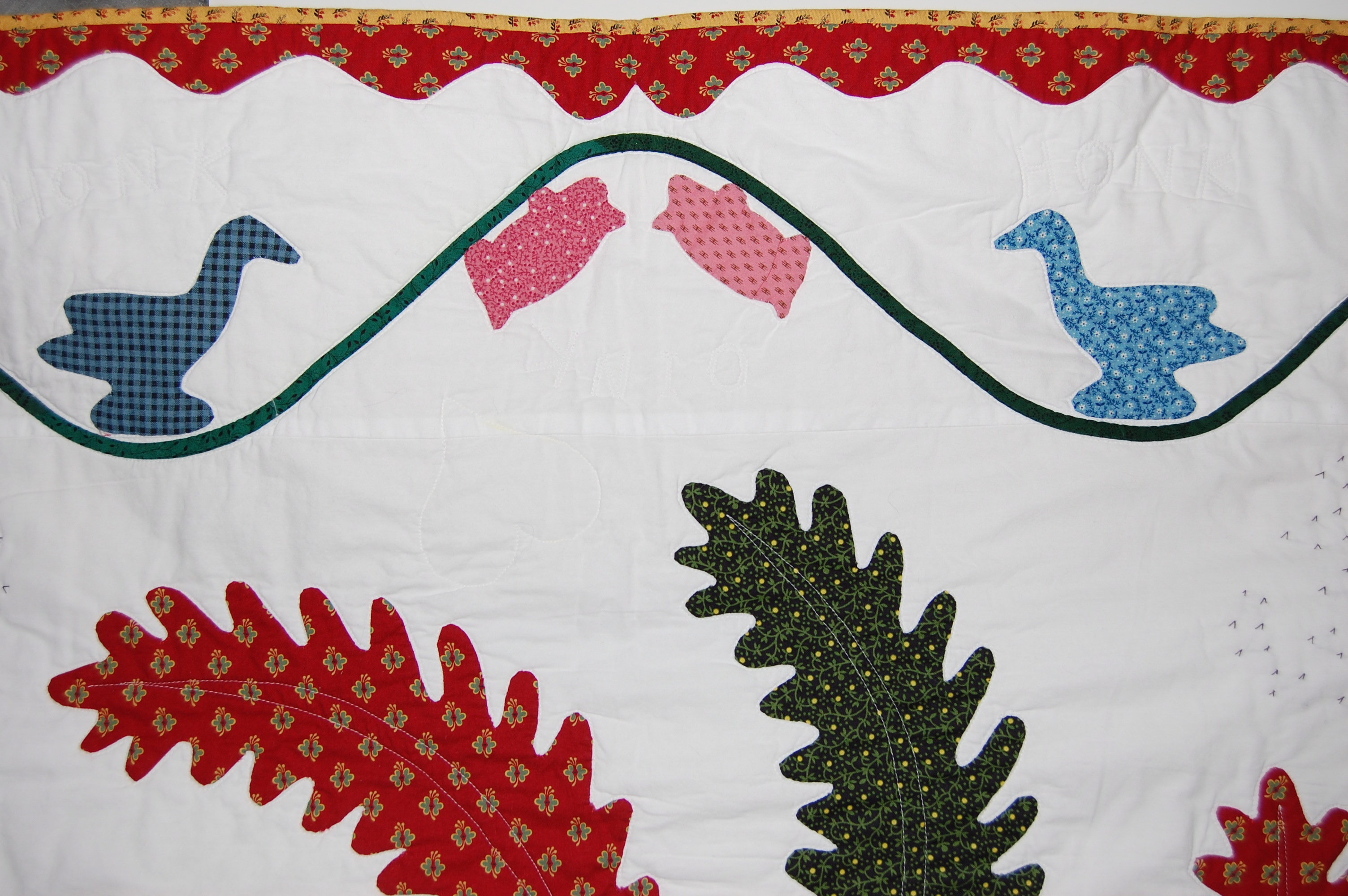
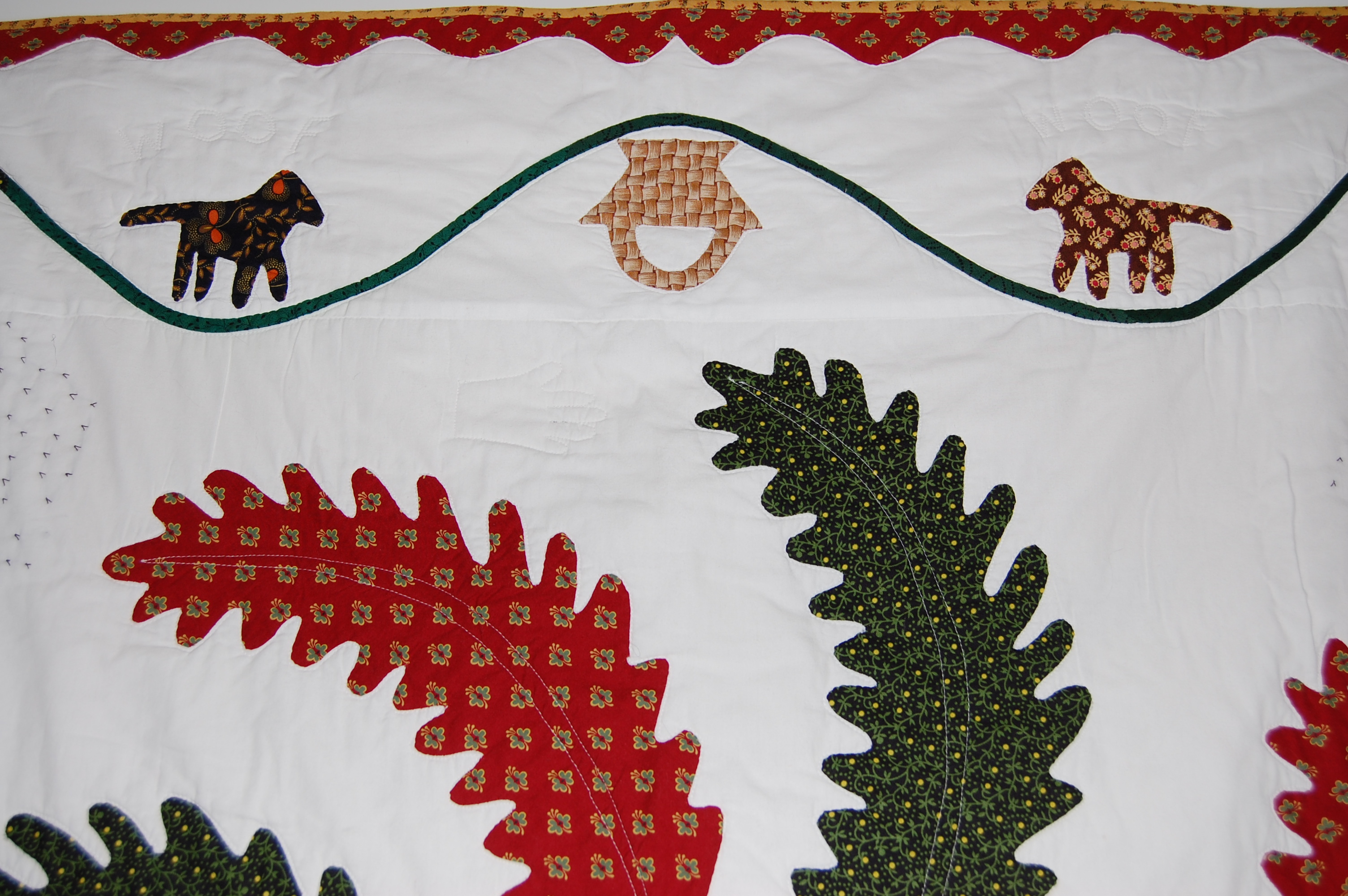
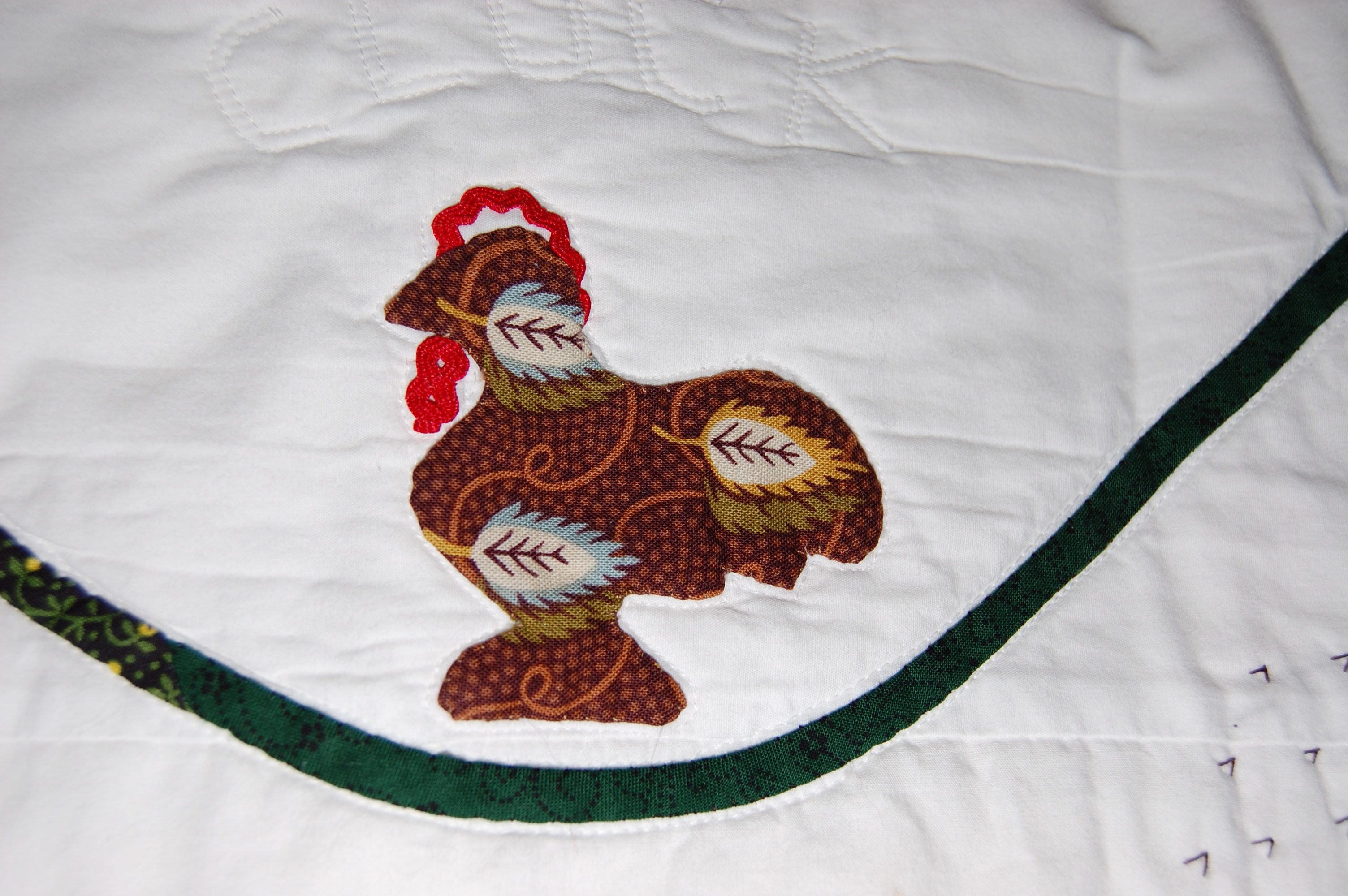
I used cookie cutters for almost all the animal shapes.  The animals I chose were:  cats, dogs, chickens, geese (the goose cookie cutter I used is actually one that our daughter made in a Colonial Craft Camp when she was about 8 or 9 years old!), and pigs.

Here are the geese and pigs.

Here are the geese and pigs.

Here are the dogs.

Here are the dogs.

I used rickrack to make embellish the chicken.

I used rickrack to embellish the chicken.

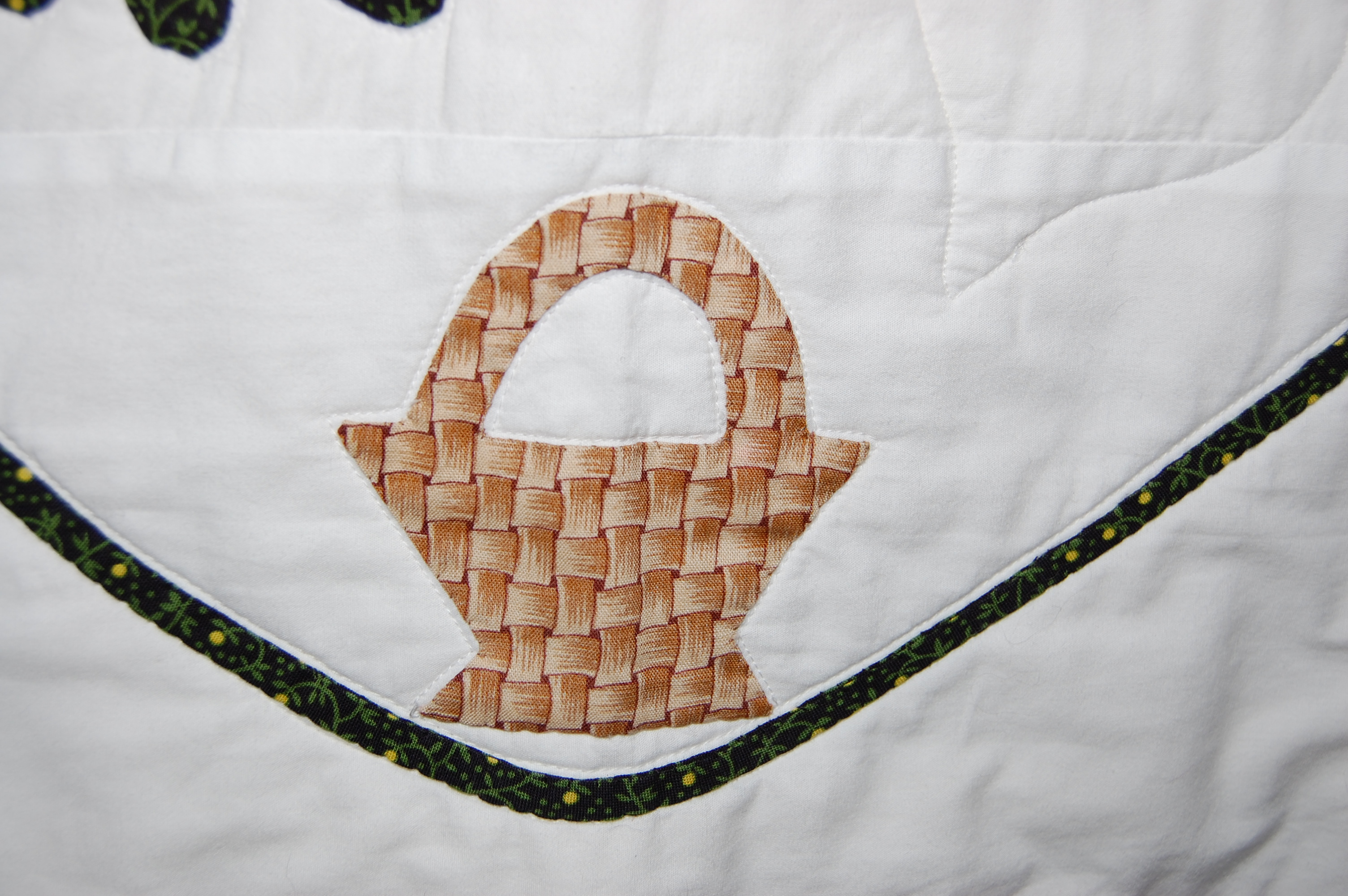
Then, as a lover of old baskets, I added two basket shapes, which hopefully Aida can fill to their brims with her imagination some day!

A tiny basket, waiting to be filled.

A tiny basket, waiting to be filled.

Once I got the animals and shapes appliquéd onto the white background, I laid it out on the floor for scrutiny.  Something was just not right with it.  It needed something else.

This quilt needed something else...

This quilt needed something else…

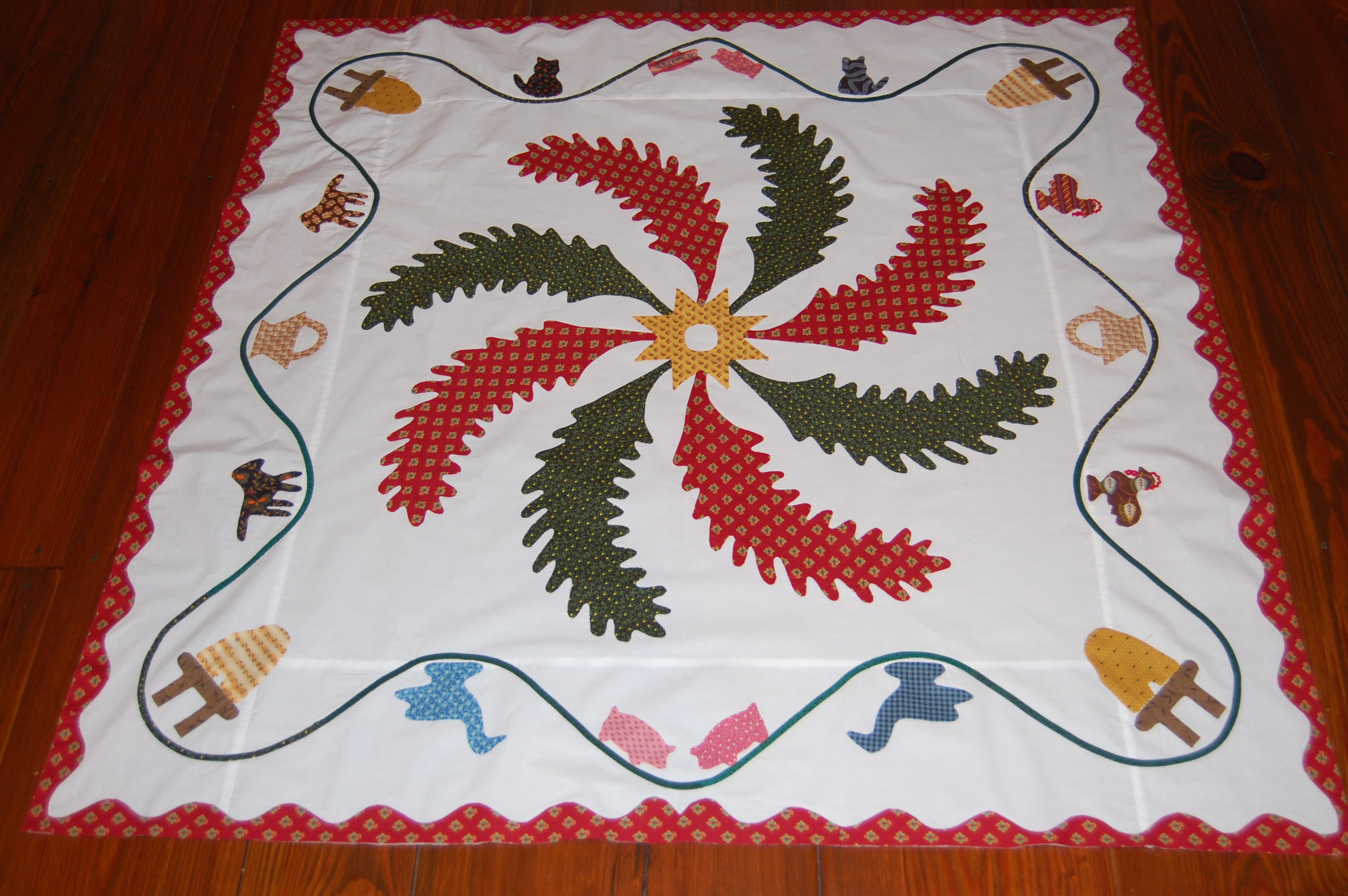
It came to me quite quickly that it needed something more around the outer edge – like an undulating border.  I cut a sample out by freehand for one side – and voila!  More handwork and that did it.

With the red undulating border added.  Ready for basting the layers together.

With the red undulating border added. Ready for basting the layers together.

By this time, it was early November and I was beginning to panic.  I had forgotten how much work there is in a quilt, even a small one!   I got it basted together after taking forever to decide what type of backing to put on it.  I don’t like to use boring plain white backgrounds, but with a white quilt, I did not want to use a dark or heavily figured backing.  After much looking and thinking, white with small red polka dots seemed happy and fun.

Polka dotted cotton for the backing.

Polka dotted cotton for the backing.

I had never machine quilted a quilt before, but I knew this would have to be the first. (I never really enjoyed hand-quilting – in stark contrast to hand appliquéing, which I love to do.)  An ailing shoulder and a looming deadline convinced me to make this small concession.  The only exception would be the very center circle and the swarming bees, which would have to be done by hand.

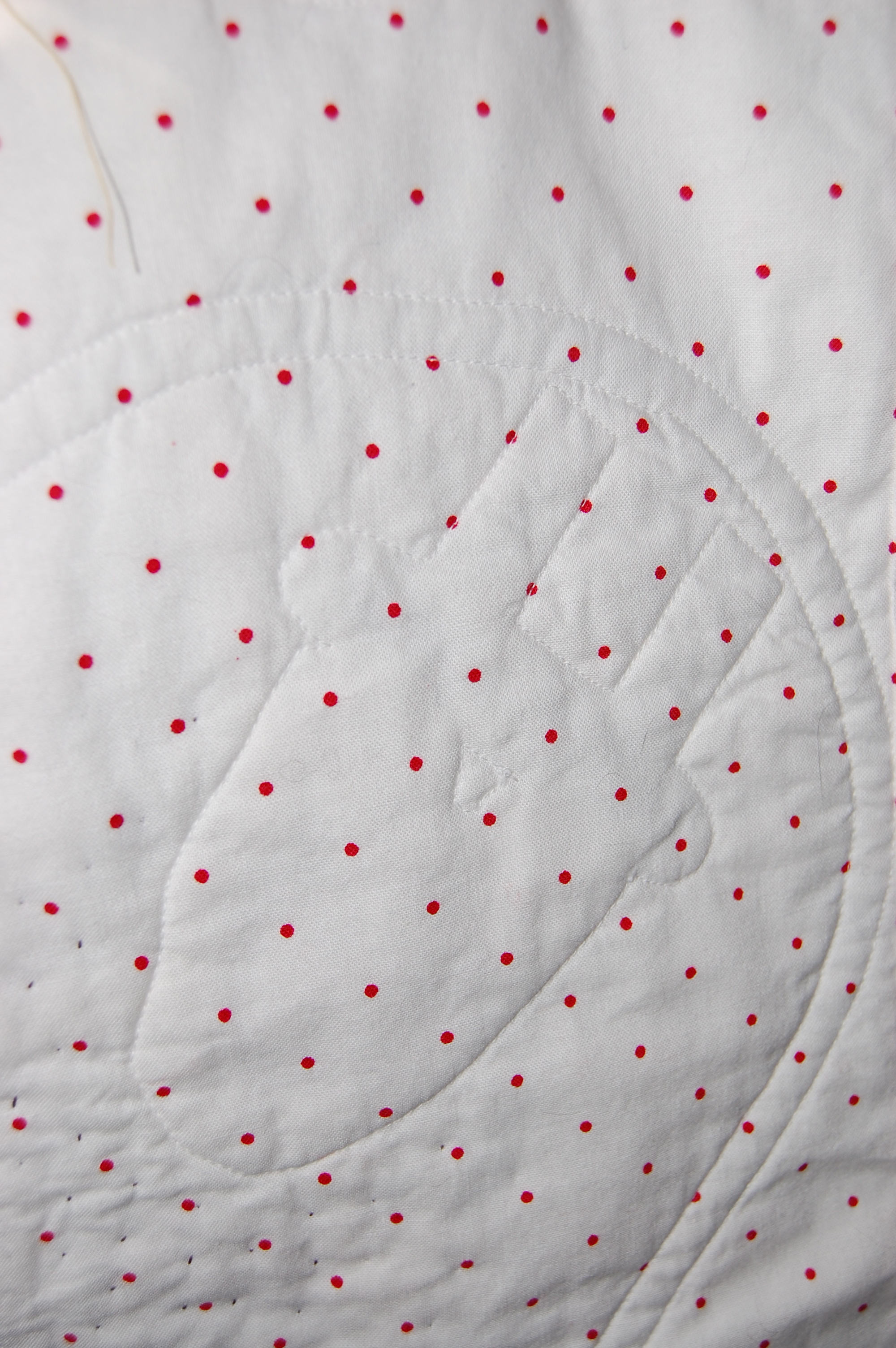
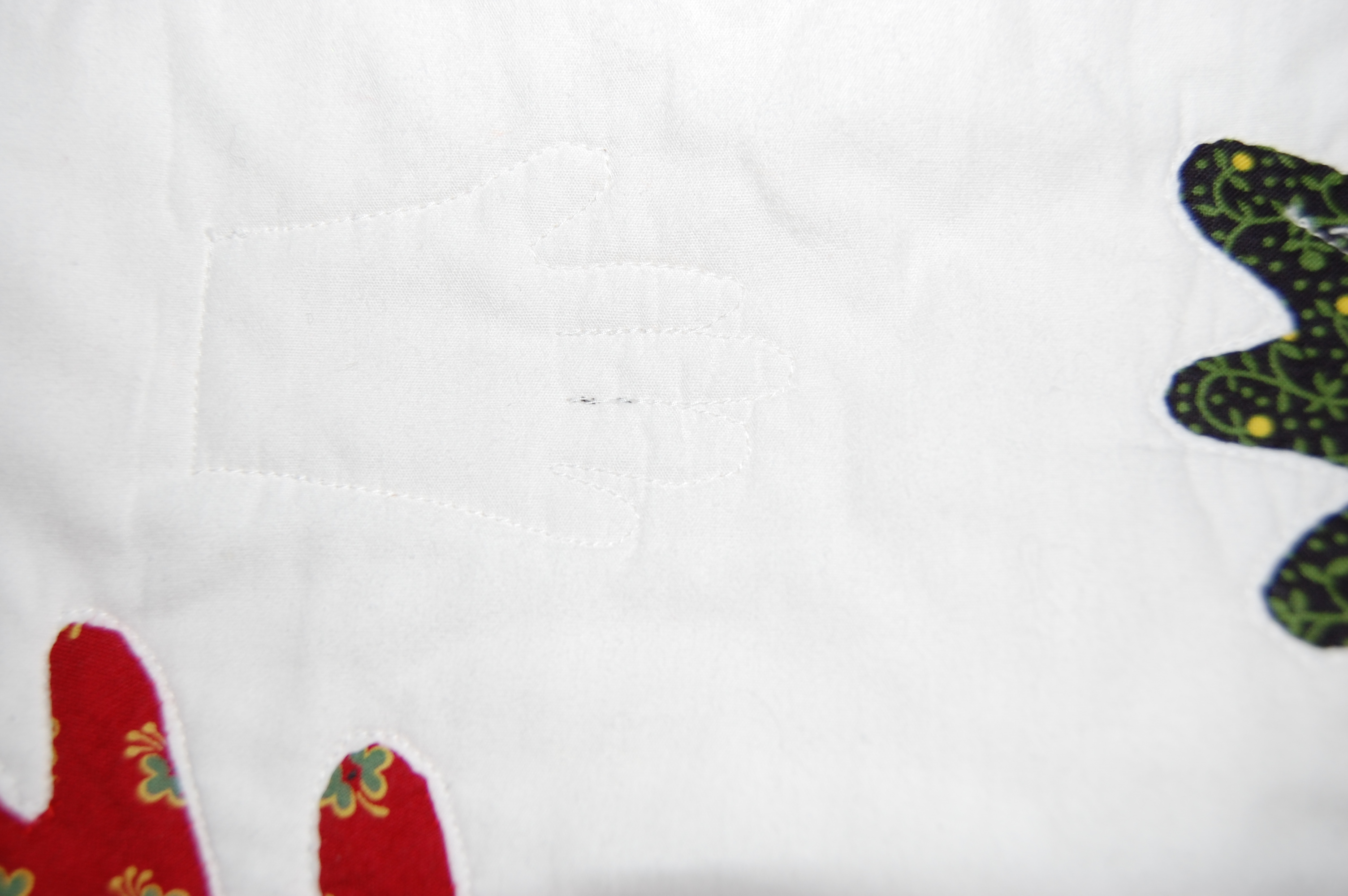
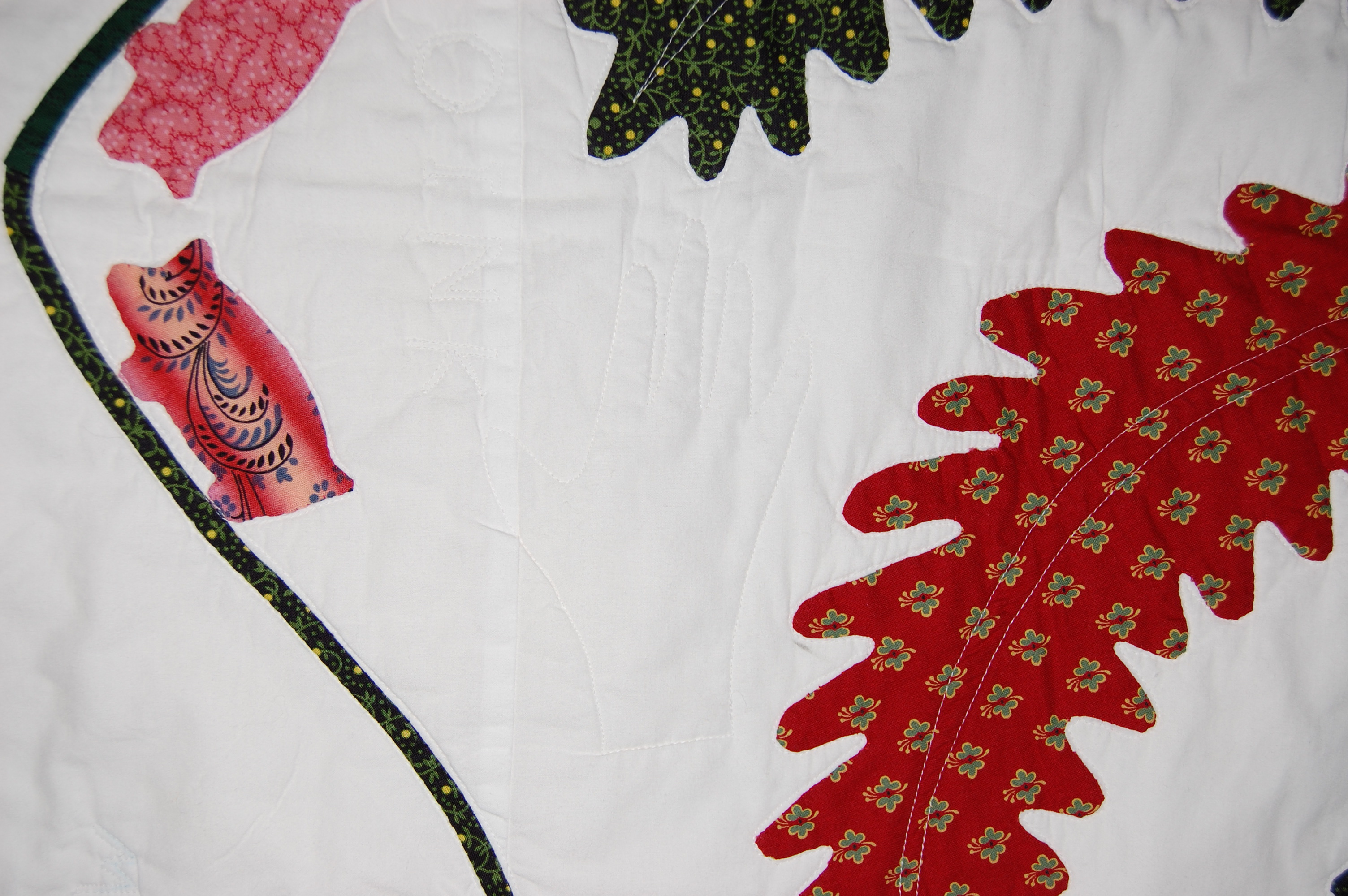
I quilted a baby hand into the background.  I also added "Honk, Honk", "Meow, Meow", "Woof, Woof", "Cluck, Cluck", and "Oink, Oink" above the related animal shapes.

I quilted a baby hand into the background. I also added “Honk, Honk”, “Meow, Meow”, “Woof, Woof”, “Cluck, Cluck”, and “Oink, Oink” above the related animal shapes.

I always like to quilt an adult hand as well . . .

I always like to quilt an adult hand as well . . .

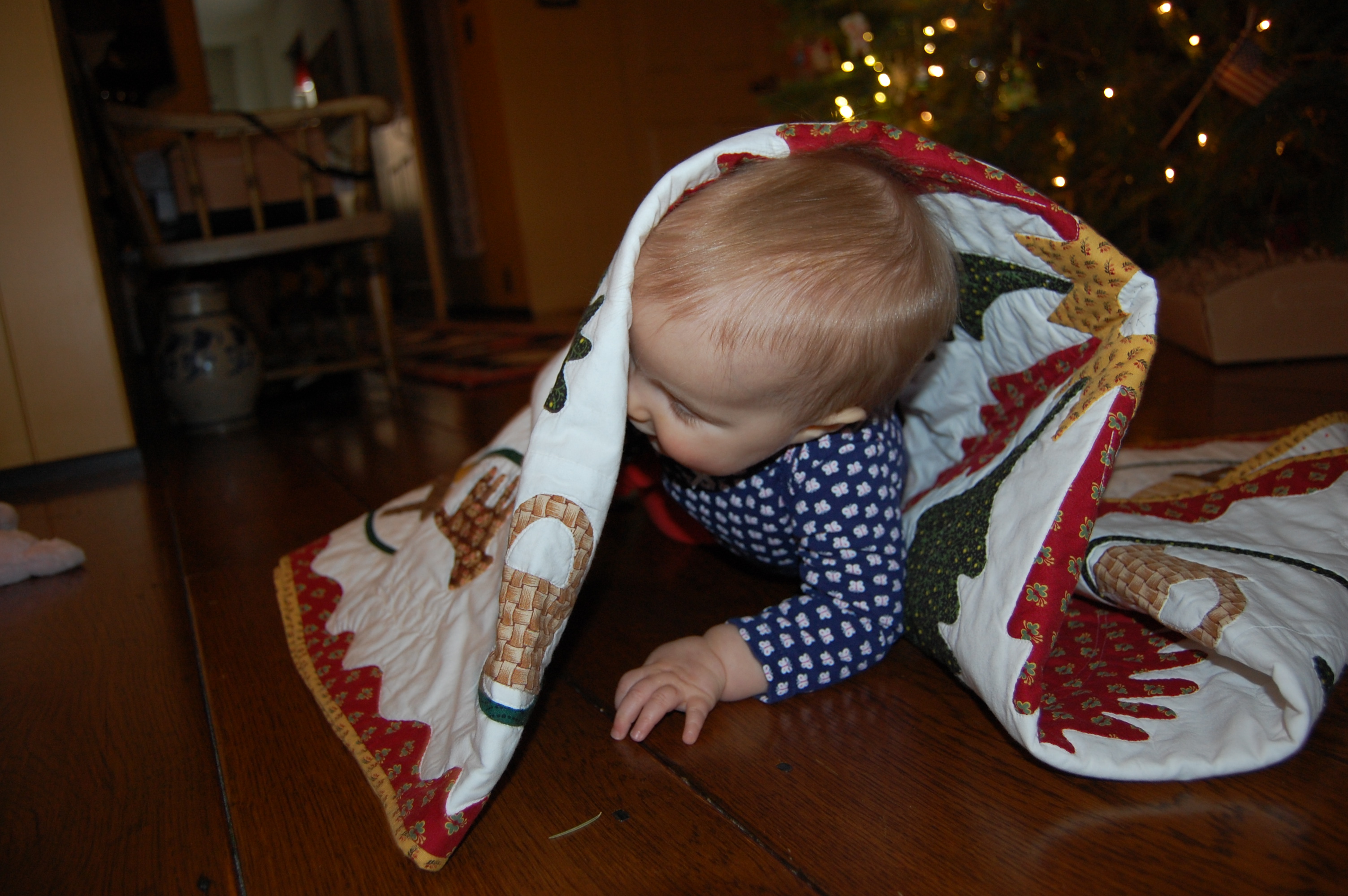
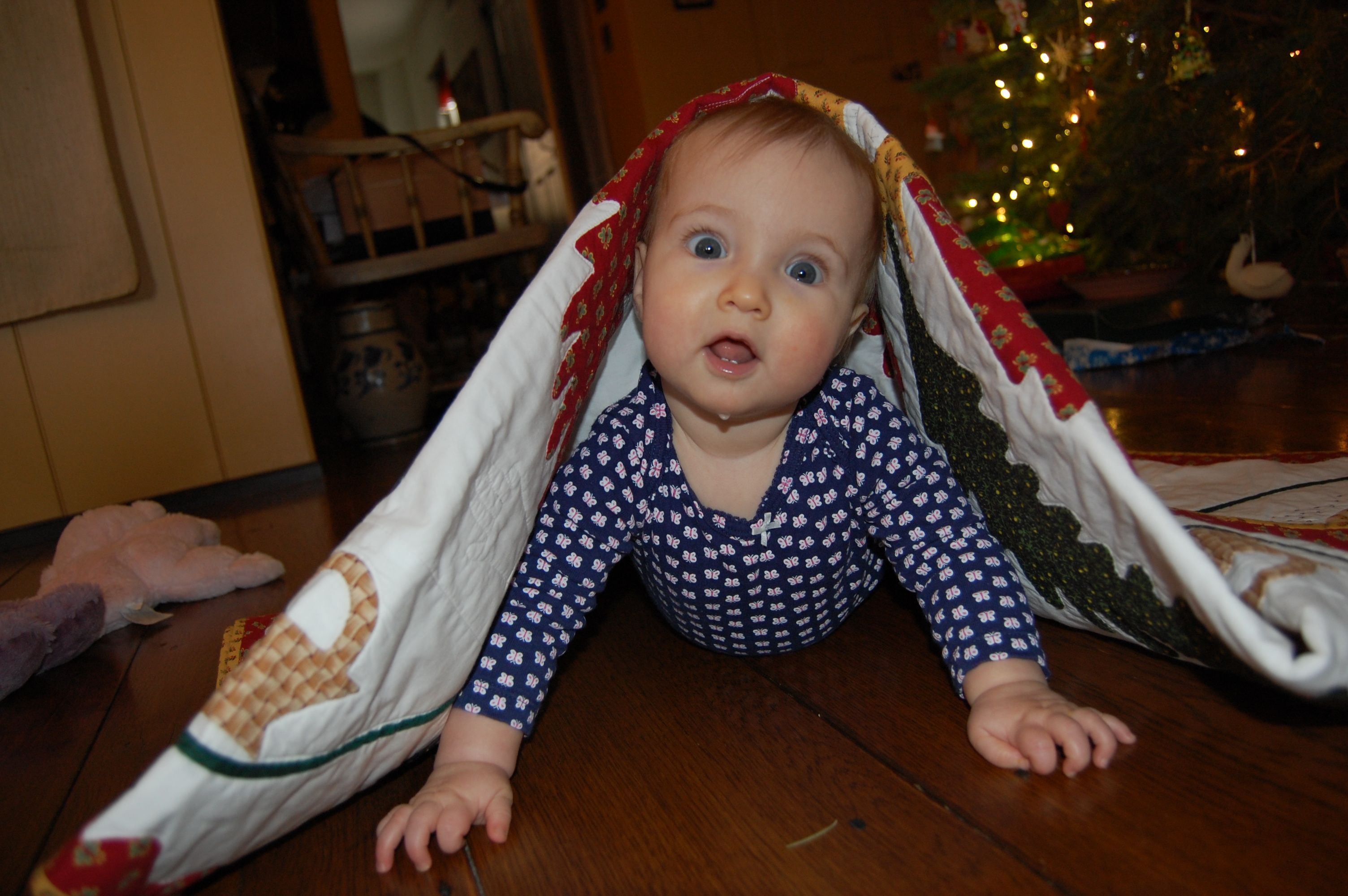
Exactly one week before Christmas Eve, I completed the quilting.  All I had left to do was to apply the binding.  Three days later (with everything else about the Christmas season and preparations bearing in on me – HELP!!), I finished the binding.  A gentle wash, signing the quilt in indelible ink – and the quilt was done, just in time to be wrapped before Aida arrived with her parents on the Saturday before Christmas.

Finished!

Finished!

B is for baby

Where is Aida?

Where is Aida?

There's Aida!

There’s Aida!

There's Aida!

Christmas is fun!

I suspect I’ll be making many things for Aida over the years – and maybe even doing some vintage-inspired fashion-sewing for her one day.  But there is so often something enduring about a quilt, that sets it apart.  I hope this quilt has that quality to it, for our dear little girl who has already enriched our lives in ways, like the bees, too numerous to count…

16 Comments

Filed under Uncategorized

The Dressmaker’s House

Every December when we bring the boxes of Christmas decorations down from the attic, I look forward to seeing little friends from years past.  These would be the tree ornaments and other small whimsies – fancy and plain, big and small, tattered and pristine.  Collected over forty years, they tell many stories.  The most meaningful ones are those that have been given to us – or specifically to me – by friends, by relatives, or even by casual acquaintances.  As the years have passed, some of those people have died, some have grown up, others have weathered life’s rocky path with grace, while some have grown old and older – or sick and sicker.

But no matter who they are – or were – it is through their small gifts to us that I am reminded to think of them in their own unique way each and every December.  Here is a very small sampling:

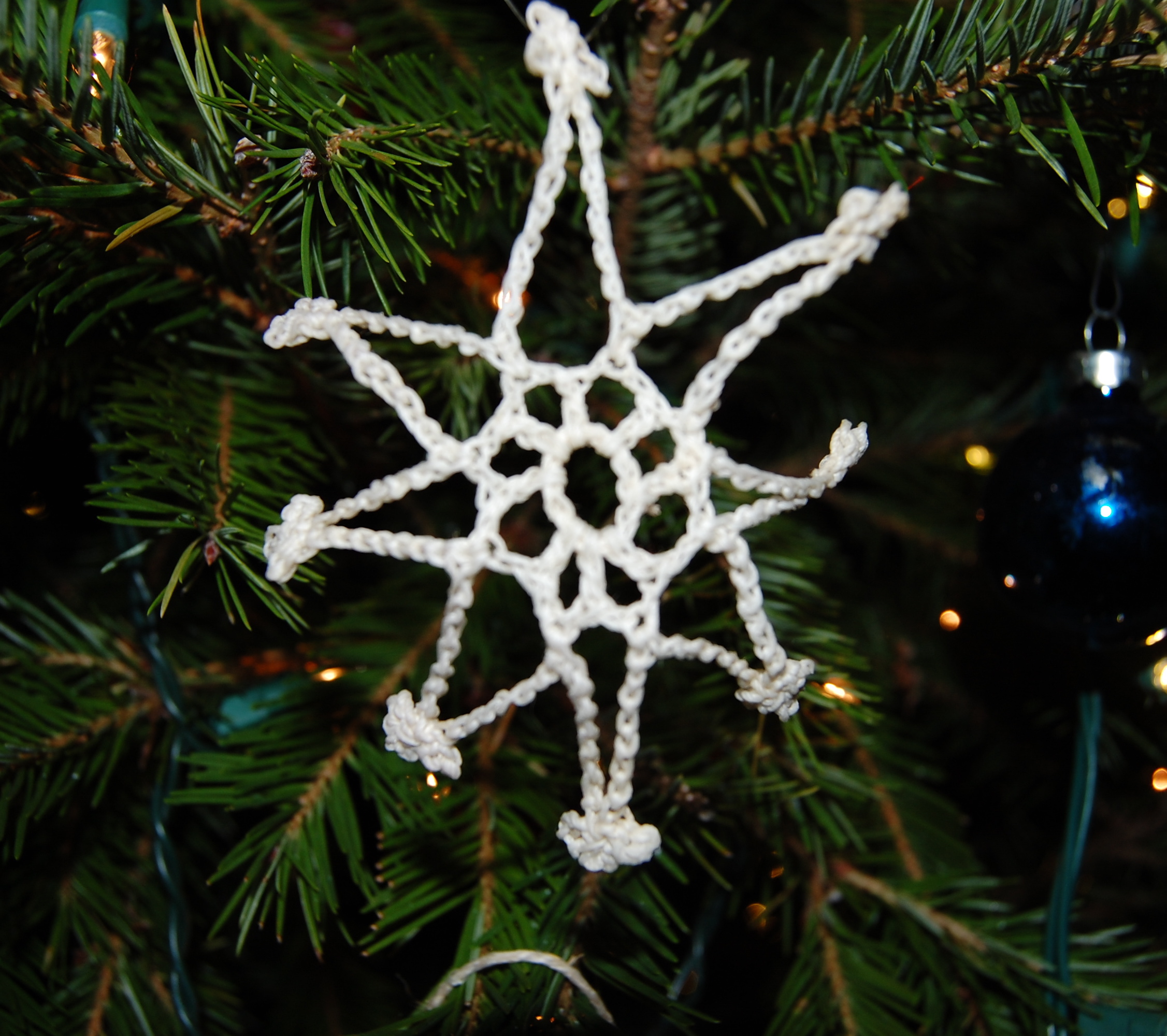
My sister crocheted fancy snowflake ornaments for us very early in my husband’s and my marriage.  Those snowflakes are now yellowed and bent, but every year they go on our tree, where a certain little cat always finds them and somehow picks them off to chase around the house.  No wonder they are a little tattered!  Our tree would not be the same without them.

Of course, I think of my sister every day, not just in December.  Somehow these little cotton snowflakes remind me of how far we have both come . . .  Merry Christmas, Barbara!

Of course, I think of my sister every day, not just in December. Somehow these little cotton snowflakes remind me of how far we have both come . . . Merry Christmas, Barbara!

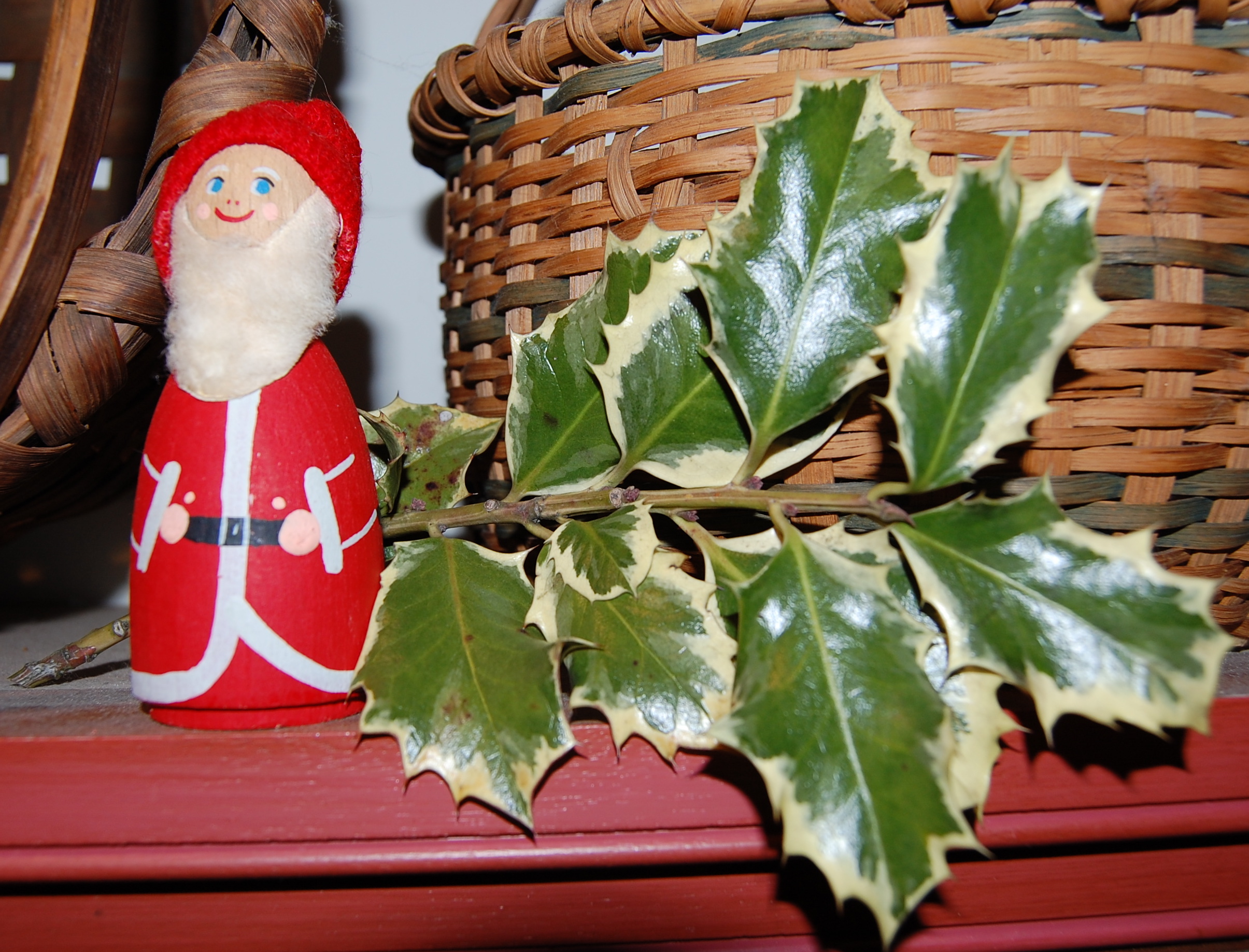
A little wooden Scandinavian Santa was given to us one Christmas long, long ago by a thoughtful and fun friend named Judee.  This happy little fellow does not know that Judee died of cancer at a much-too-young age.  But in his smiling face, I see and remember the beautiful glow of our old friend.

This little Santa finds a spot in my kitchen each December.

This little Santa finds a spot in my kitchen each December.

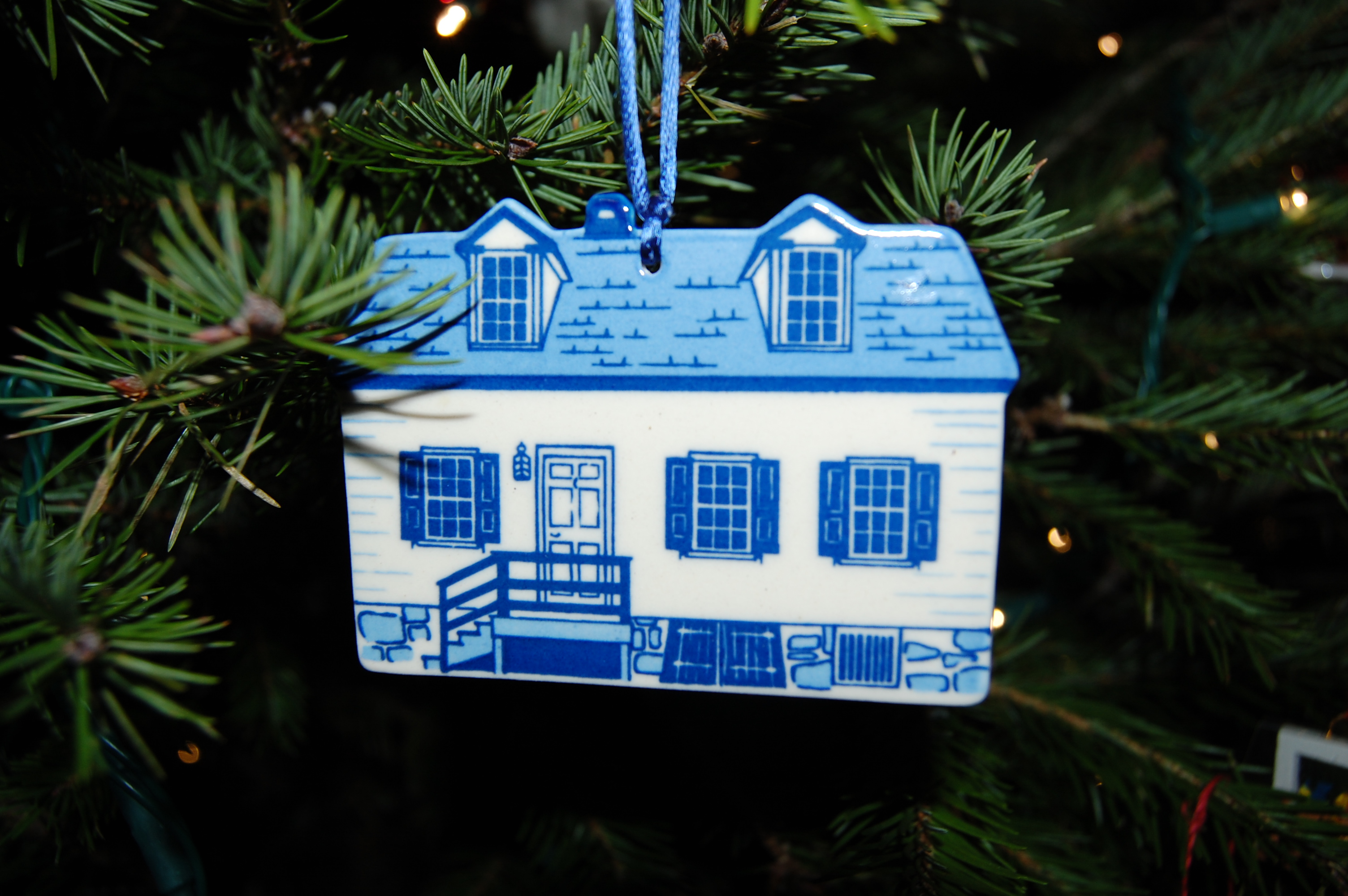
The Dressmaker’s House ornament hung on a display tree in a museum shop, out of context on one hot summer day years ago.  I spied it, but was paying more attention to my children as they looked at all the goodies before them. Their grandmother was “treating” so they wanted to find something special to take home.  I don’t remember  what they chose, but I do remember that my mother-in-law wanted me to have this ornament – and quietly purchased it for me.  I so love this little depiction of the dwelling of a kindred dressmaker from another era.

The Dressmaker's House

So – I’ll be taking a deliberate couple of weeks off from my blog, but will return in early January.  For those of you who celebrate Christmas, may yours be filled with memories, both old and newly hatched.   For everyone, I wish you Happy Everything during this season of hope and renewal.

15 Comments

Filed under Uncategorized

Color Wheel

Pantone’s annual announcement of “the color” of the coming year is always notable.  Last week’s revelation of Radiant Orchid as the newest “it” color caught me a little by surprise.  After emerald green’s reign over 2013, I just was not expecting such a dramatic turn on the color wheel.  But, being a “pink” person, I think I can be persuaded to embrace this violet-y pink, although right now I have no fabric or project planned to do so.  I am actually thinking that this color might suit me better in accessories rather than a full outfit in it.  Handbags and shoes?  Yes, I could get excited about that.

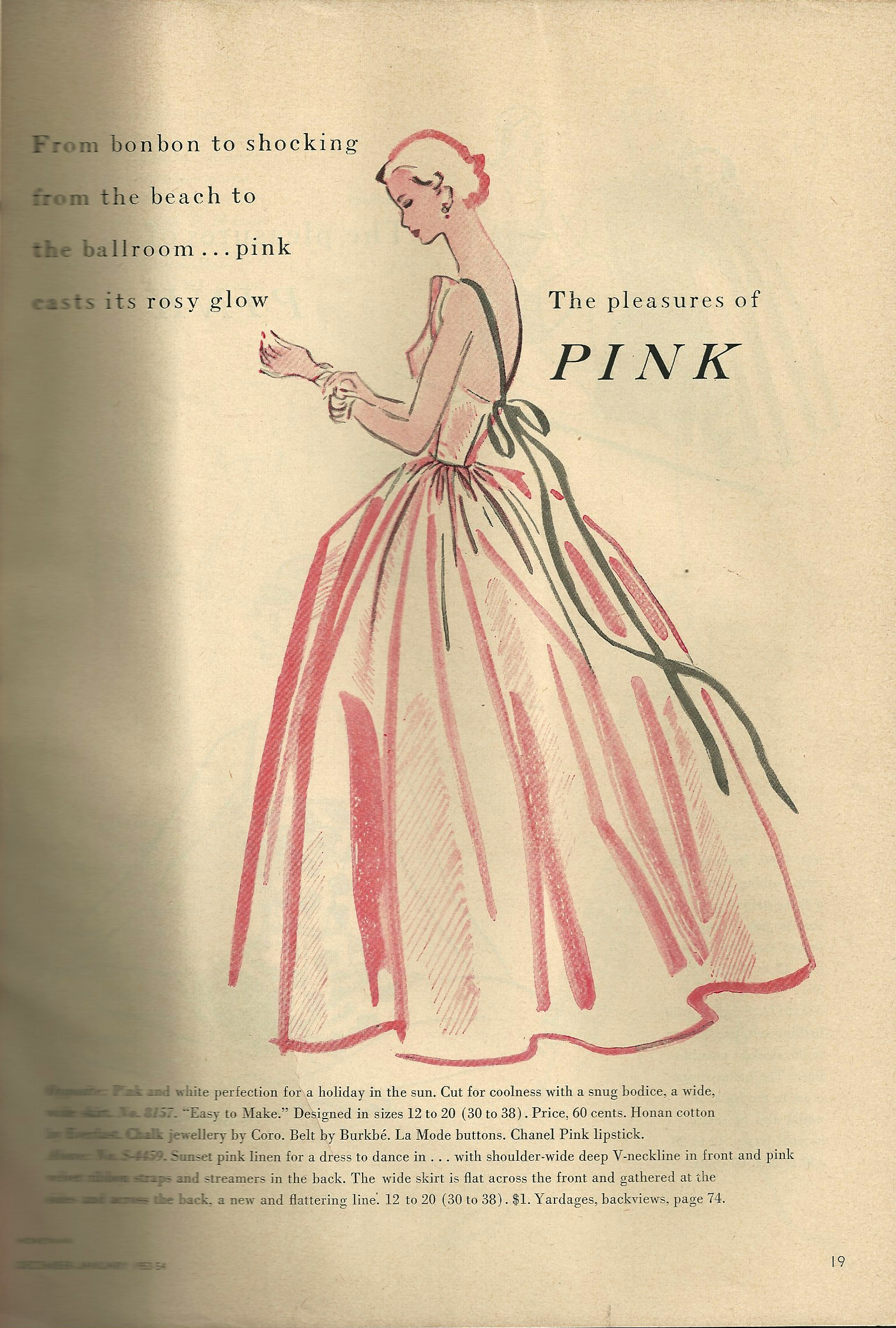
This choice of color made me start to think about predecessors to it, so back I went to my Vogue Pattern Magazines, two from the 1950s and one from the 1960s, to see what I could find.  In December/January of 1953-54, an entire feature focused on The Pleasures of Pink. 

"From bon bon to shocking - from the beach to the ballroom ... pink casts its rosy glow"

“From bon bon to shocking – from the beach to the ballroom … pink casts its rosy glow”

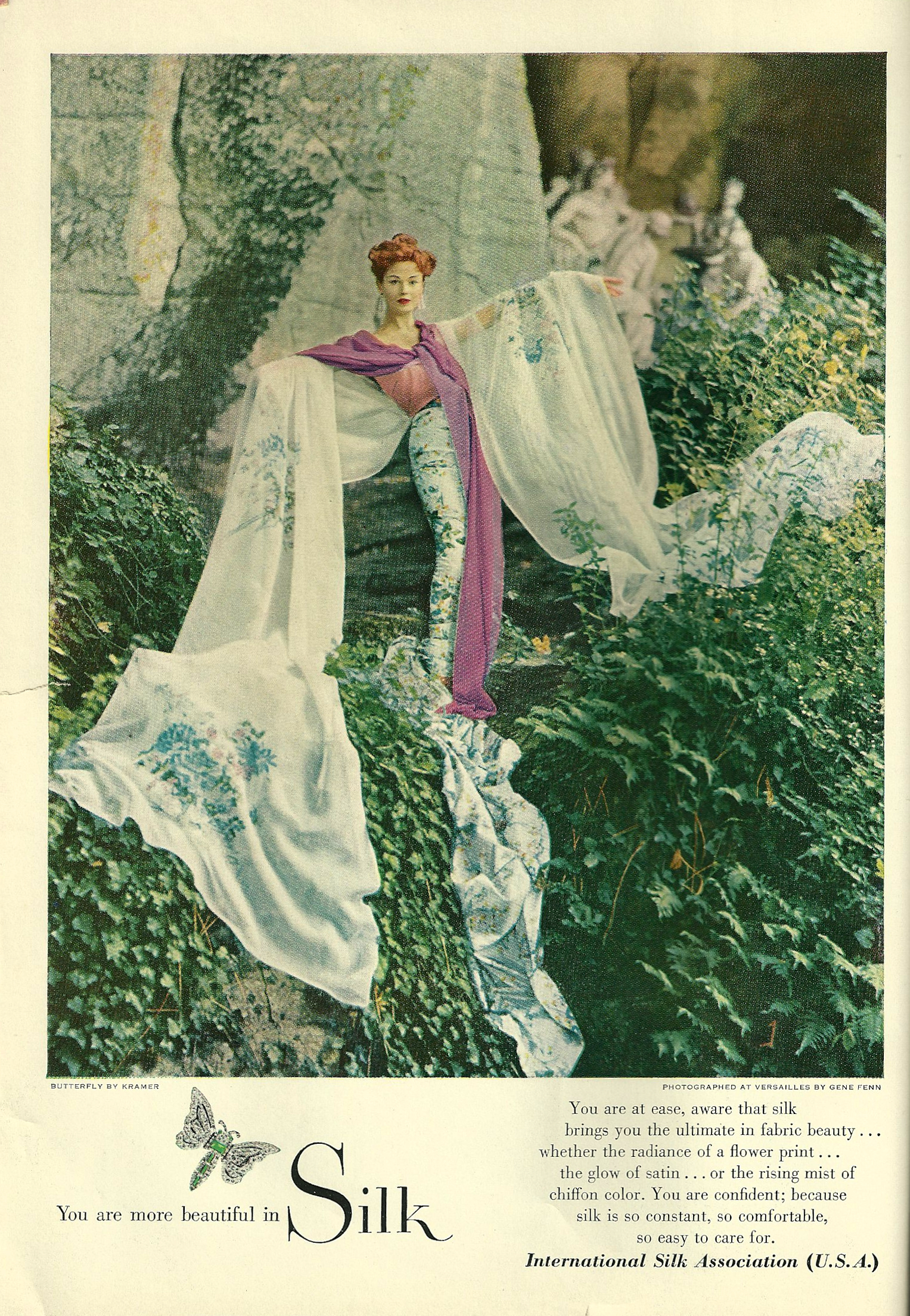
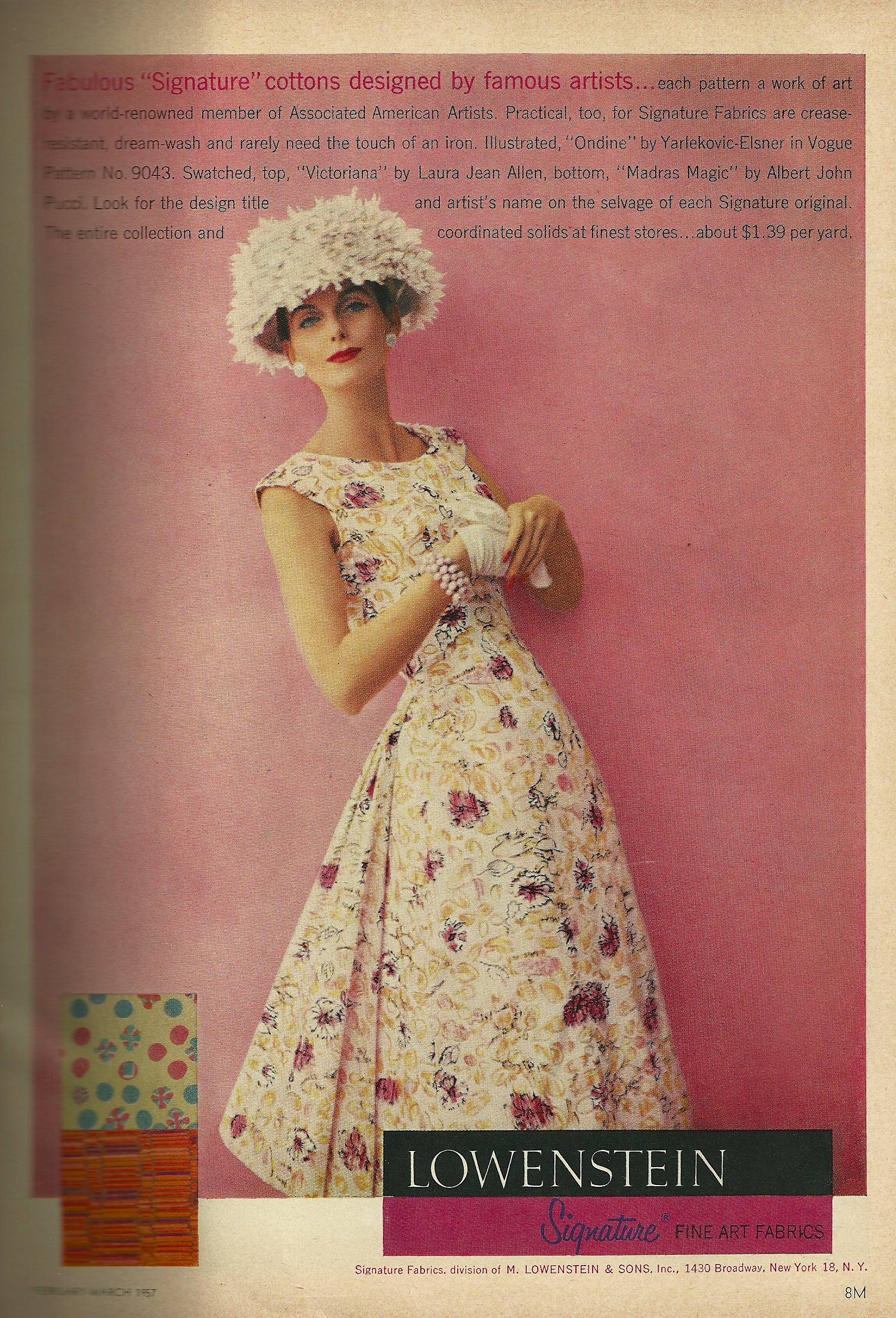
Two ads from the February/March 1957 VPM featured a pink, which is very close to 2014’s radiant orchid.  Who could argue with the statement “You are more beautiful in Silk”?

Here is" Radiant Orchid", mid-century style!

Here is” Radiant Orchid”, mid-century style!

Lowenstein’s ad features “Signature” cottons designed by famous artists.  If you read the caption fully, you will see that the price per yard is listed at “about $1.39”.

And don't you love the hat??

And don’t you love the hat??

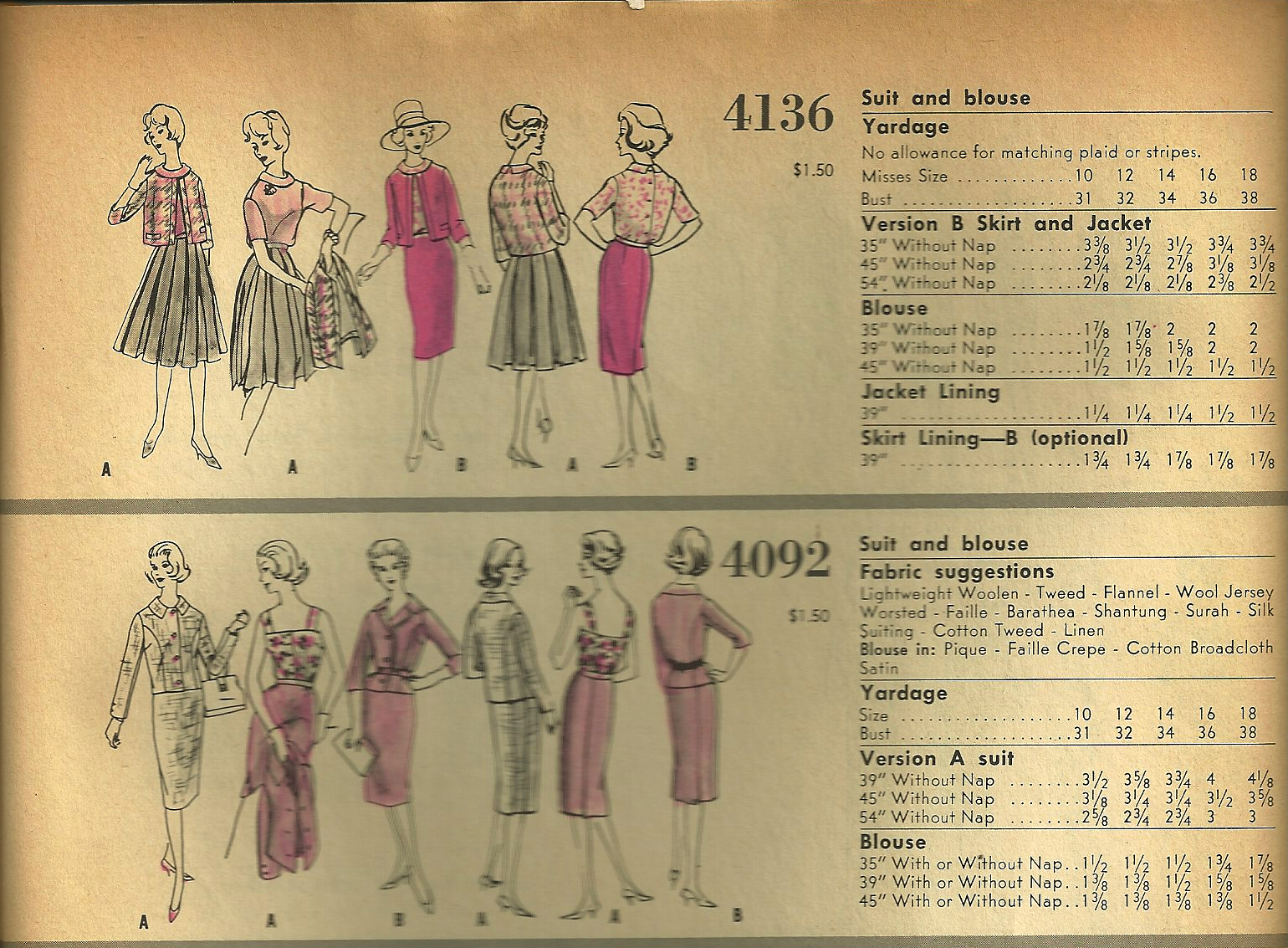
December/January of 1960-61 shows two of the suit and blouse patterns in what could definitely be called Radiant Orchid.

Look at that Chanel-type jacket in Pattern #4136.

Look at that Chanel-type jacket in Pattern #4136. 

While 2014 is set to be the year of “Radiant Orchid”, dear old 2013 is just not quite over yet.  Busy December of every year finds me focusing on the colors of  Christmas and the holiday season more than on the current fashionable colors.

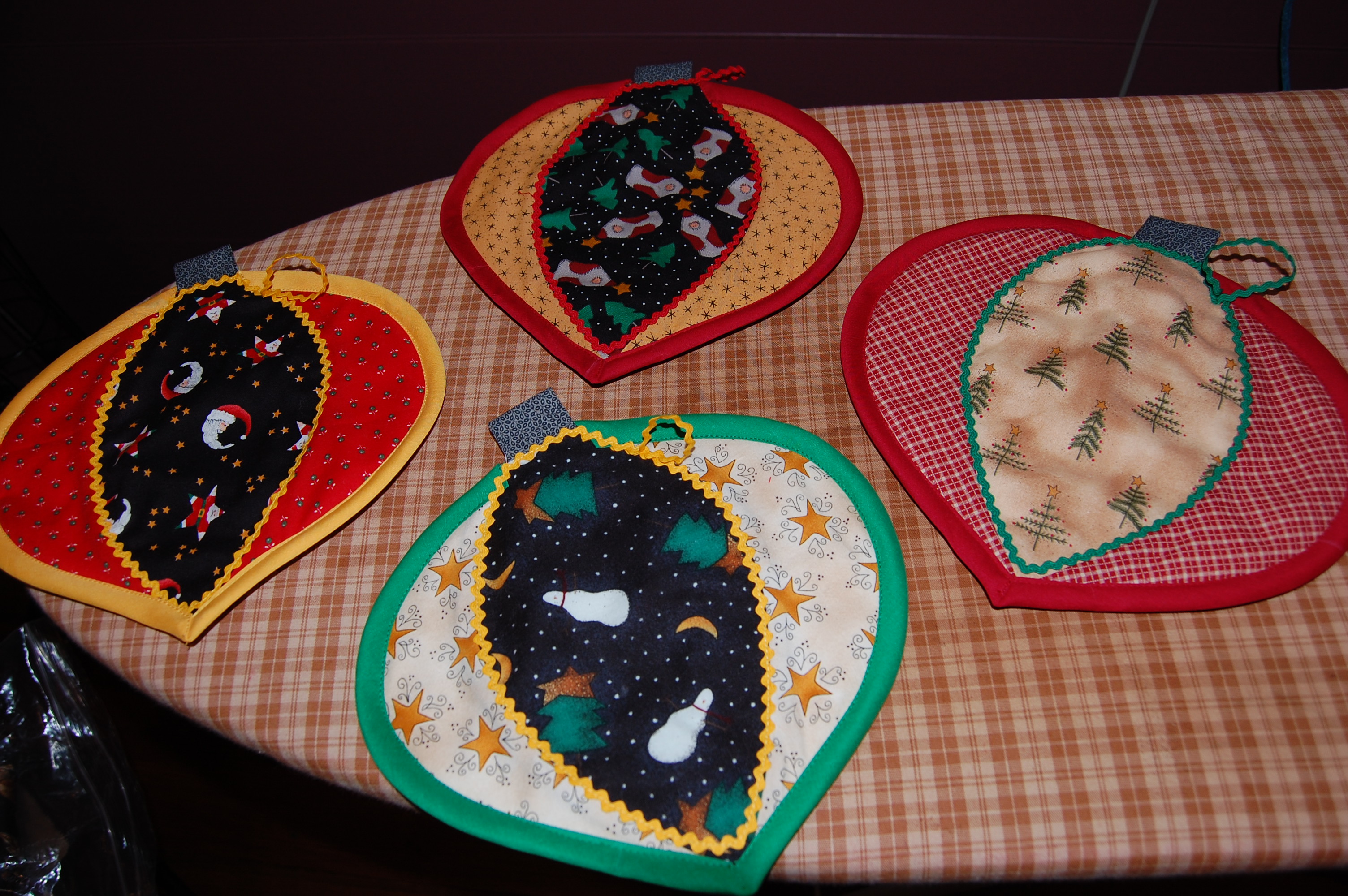
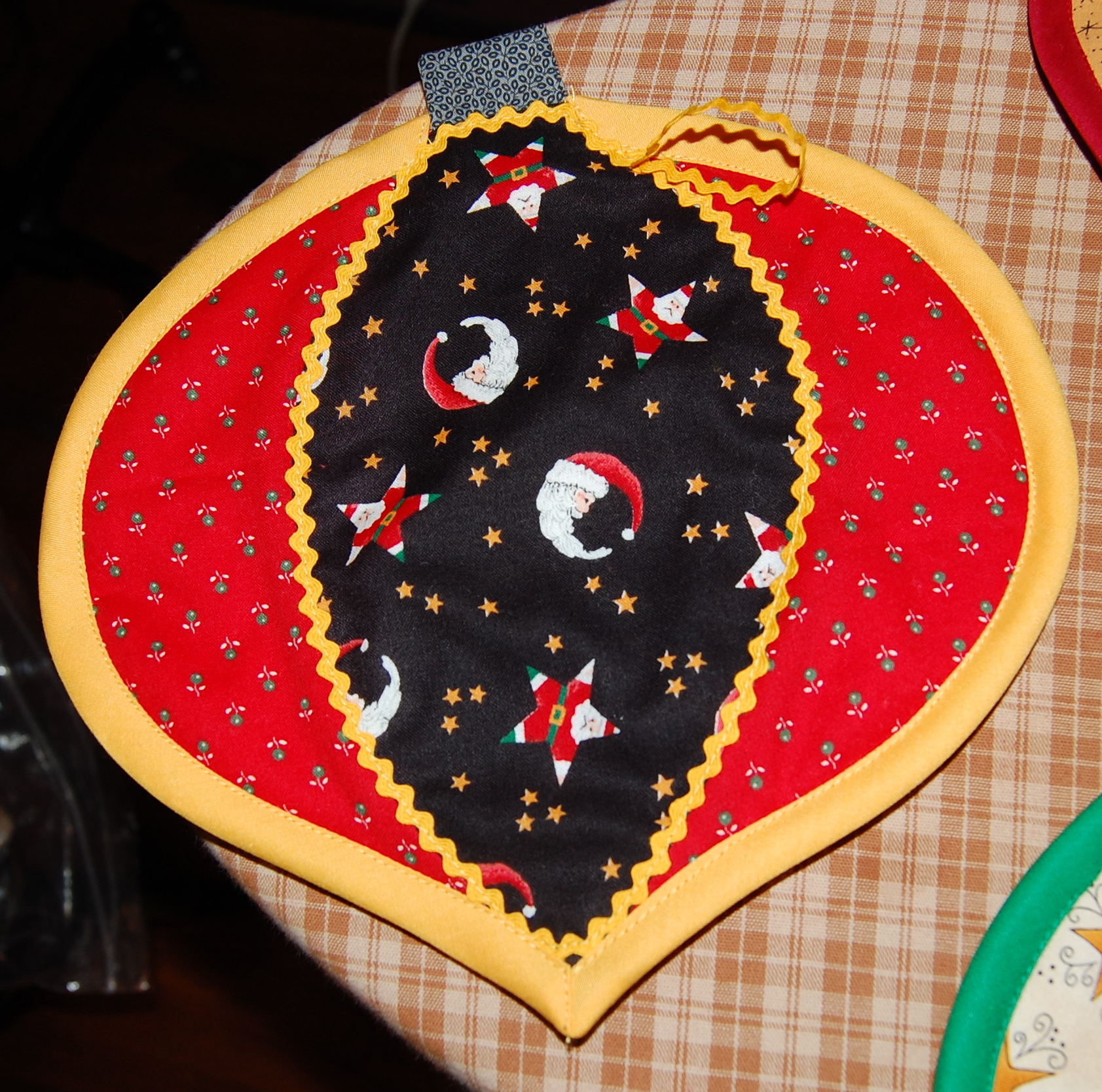
Somehow, Christmas just would not be Christmas if I were not scrambling to finish some handmade gifts.   This year is no different, as I conjured up some crazy idea to design and make Christmas-themed potholders as a small addition to the presents I give to some very wonderful ladies who help me in my house (and vacuum many a thread off the floor of my sewing room!)    I dug through my stash of “quilting” cottons and came up with some holiday themed fabric, which I used as my starting point.  Then I paired each fabric with some complementary small prints, and concocted what I hope looks like fancy Christmas balls – except that they are large enough to use on a hot pan!

Color wheel potholders I indulged my love of rickrack, and the most fun part was deciding which color binding and which color rickrack to use to enhance the finished product.

color wheel potholder

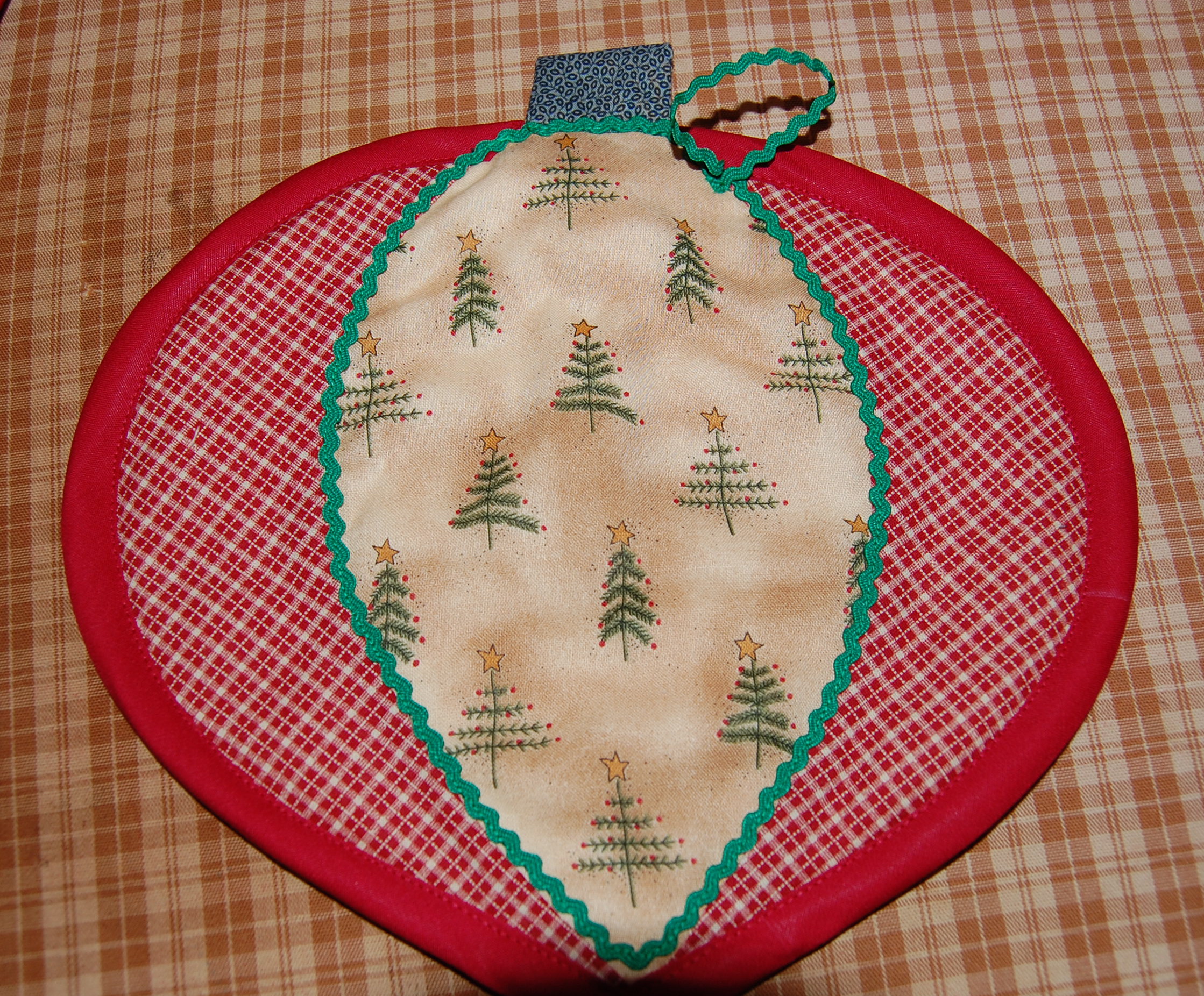
I added a small gray “cap” at the top to simulate a Christmas ball hook-holder, and a rick-rack loop for hanging.

color wheel potholder

This is my favorite one…

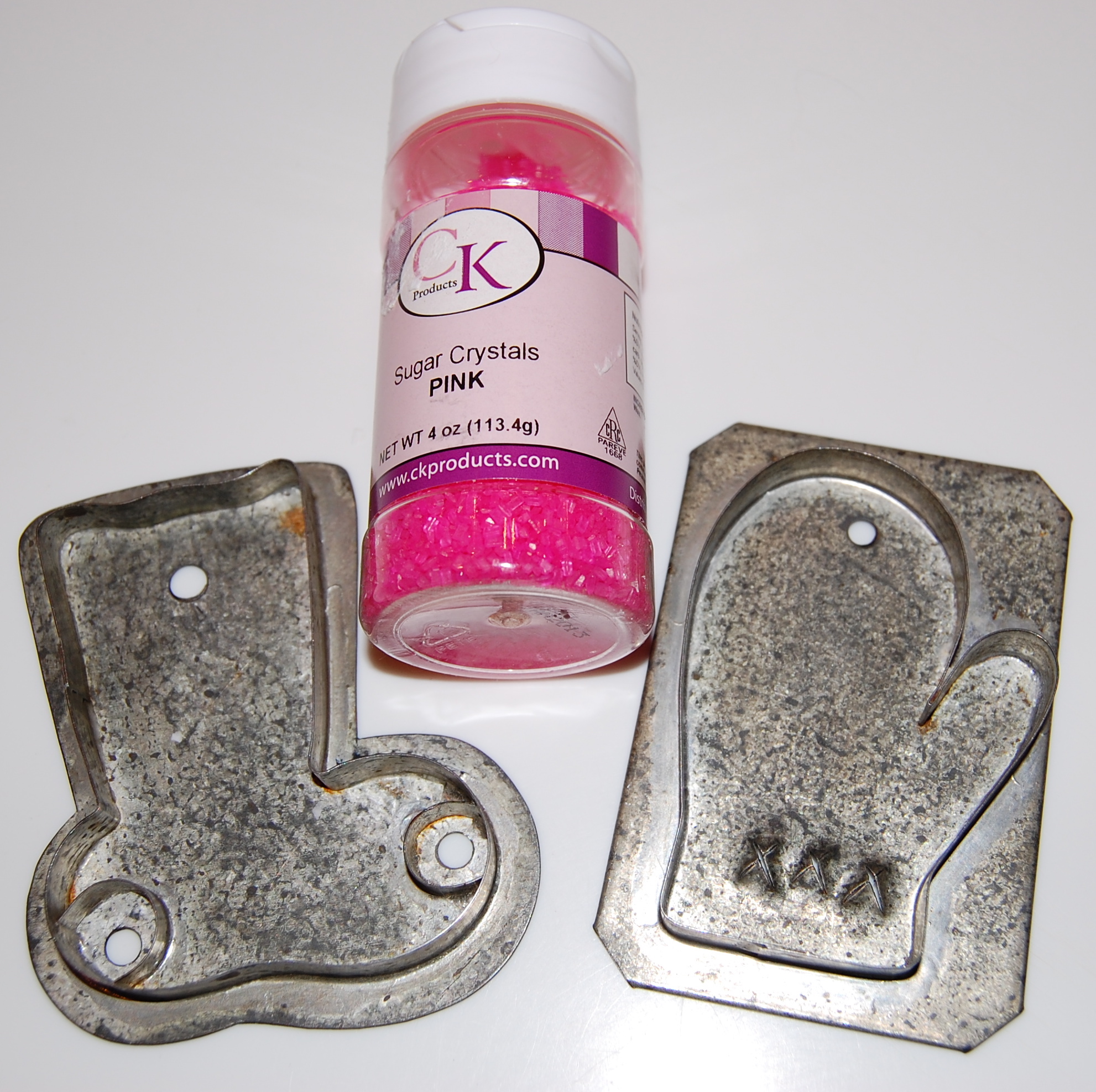
Coming full circle (pardon the pun) on the color wheel brings me back to radiant orchid – and whether  our holiday celebrations will possibly see any pink hues peeking out between the Christmas reds and greens?  Oh, yes!  Once I get around to cookie-making, I’ll be certain to make  fashionably forward stockings and mittens decorated with sparkly pink sugar!

color wheel

14 Comments

Filed under Chanel-type jackets, Uncategorized, vintage Vogue patterns from the 1950s, vintage Vogue patterns from the 1960s

No. 2 ~ The Beginning

I may – or may not – find Chanel No. 5 Paris Parfum in my Christmas stocking, but Chanel-inspired, Classic French Jacket No. 2 can currently, definitely, be found in my sewing room.  Well, actually, it’s not a jacket yet.  It is just lengths of fabric and loose trims and buttons, but that is how these things begin, as every home dressmaker knows.

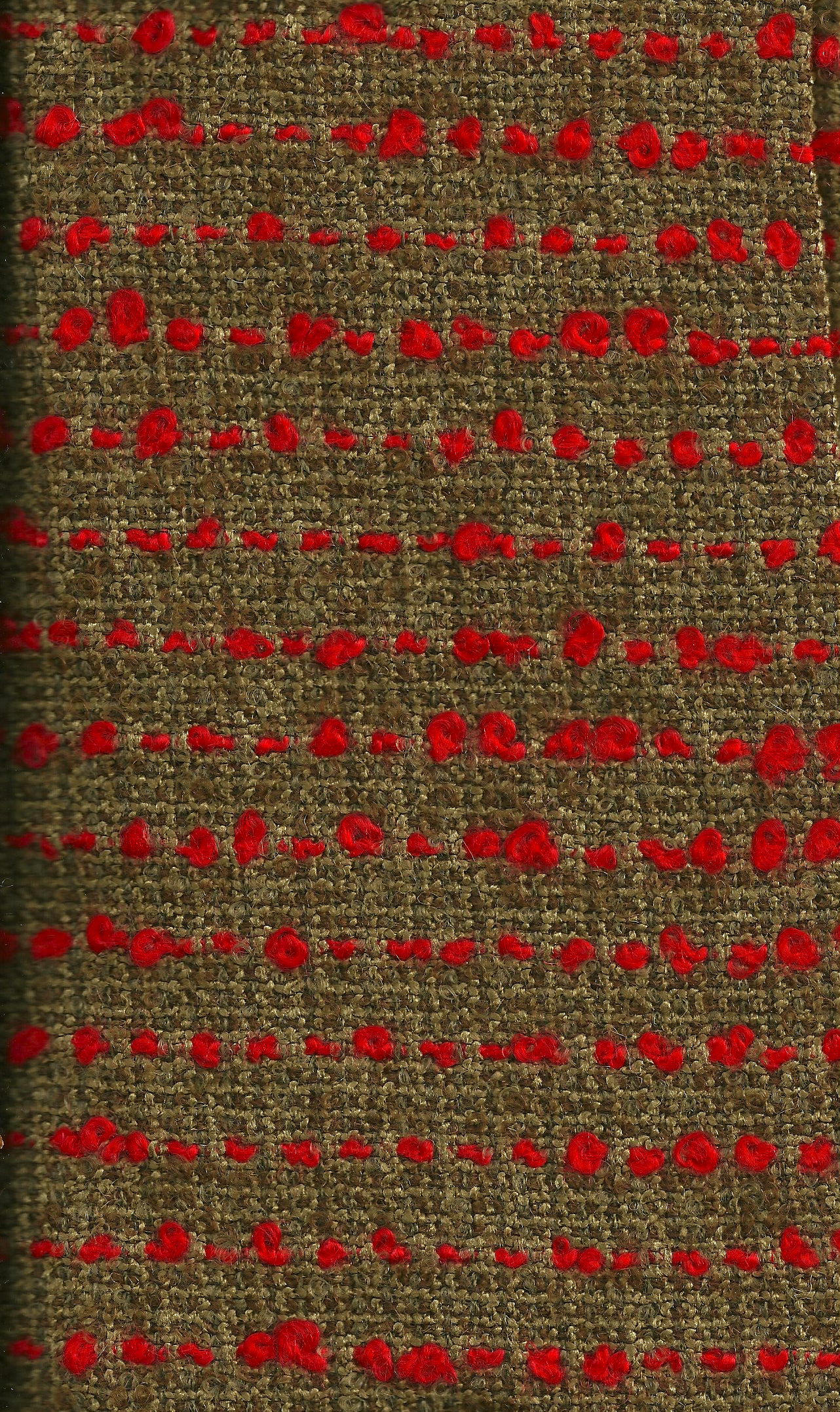
I actually started planning this jacket long before I took the Classic French Jacket Class with Susan Khalje this past summer.  In September of 2012 when I was at Britex Fabrics in San Francisco, I found this boucle and purchased it – even then – as my intended Jacket No. 2.

This fabric is very soft, perhaps due to a certain percentage of mohair wool in its composition.

This fabric is very soft, perhaps due to a certain percentage of mohair wool in its composition.

My first jacket is definitely very dressy, so I wanted this one to be less so, which meant I had to find just the right lining, trim, and buttons.  It took another, recent, trip to San Francisco to produce those ingredients – and I couldn’t be more pleased with what I found again at Britex.

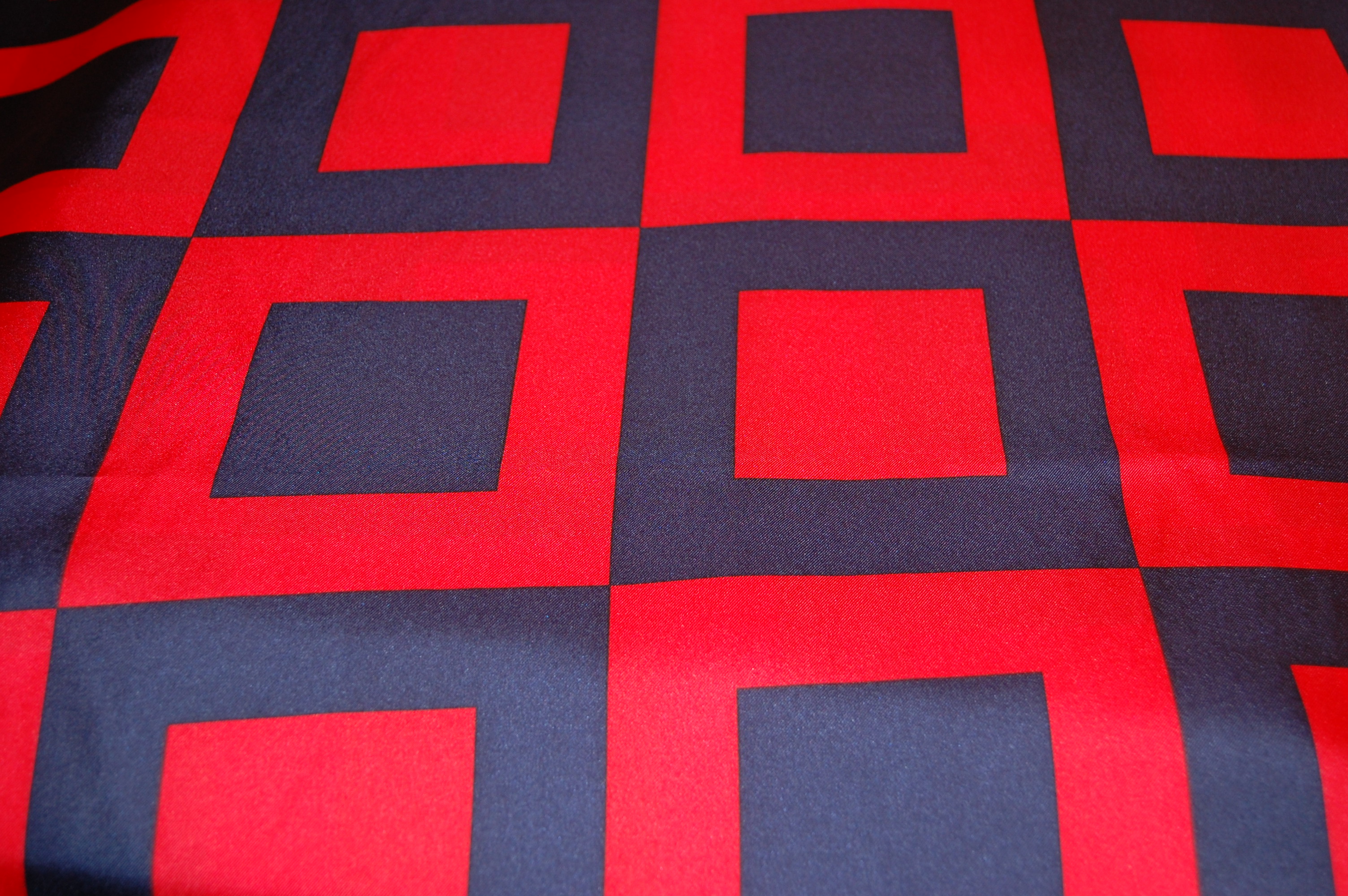
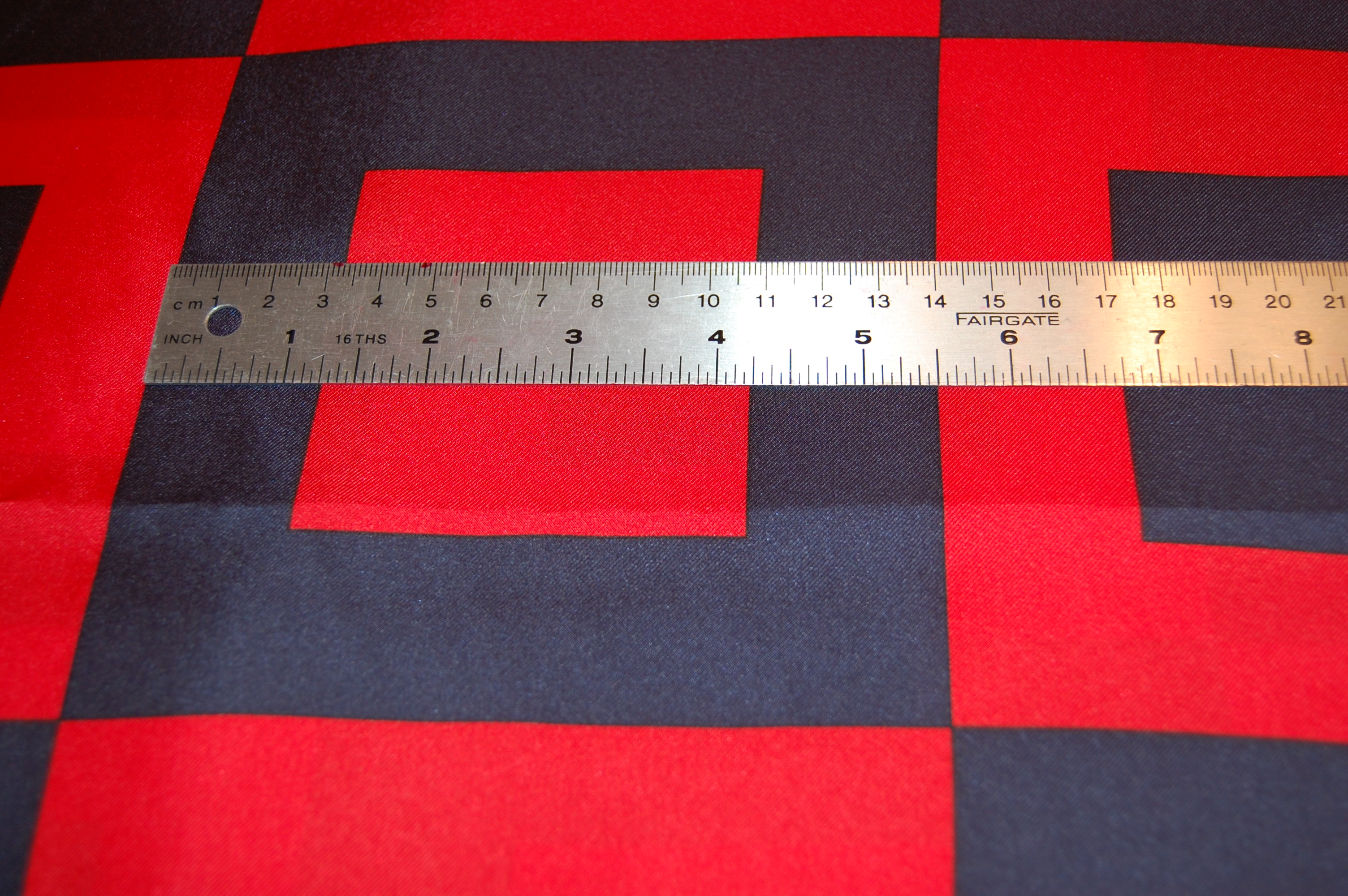
A bolt of this light-weight silk twill was tucked under one of the front tables, and it was love at first sight.  I was hoping to find something with navy blue in it, and the geometric pattern in this fabric makes it bold and less dressy than a floral silk charmeuse would be.

No. 2 jacket

The ruler will help you get a feel for the size of the squares.  Click on the photo for a close-up view.

The ruler will help you get a feel for the size of the squares. Click on the photo for a close-up view.

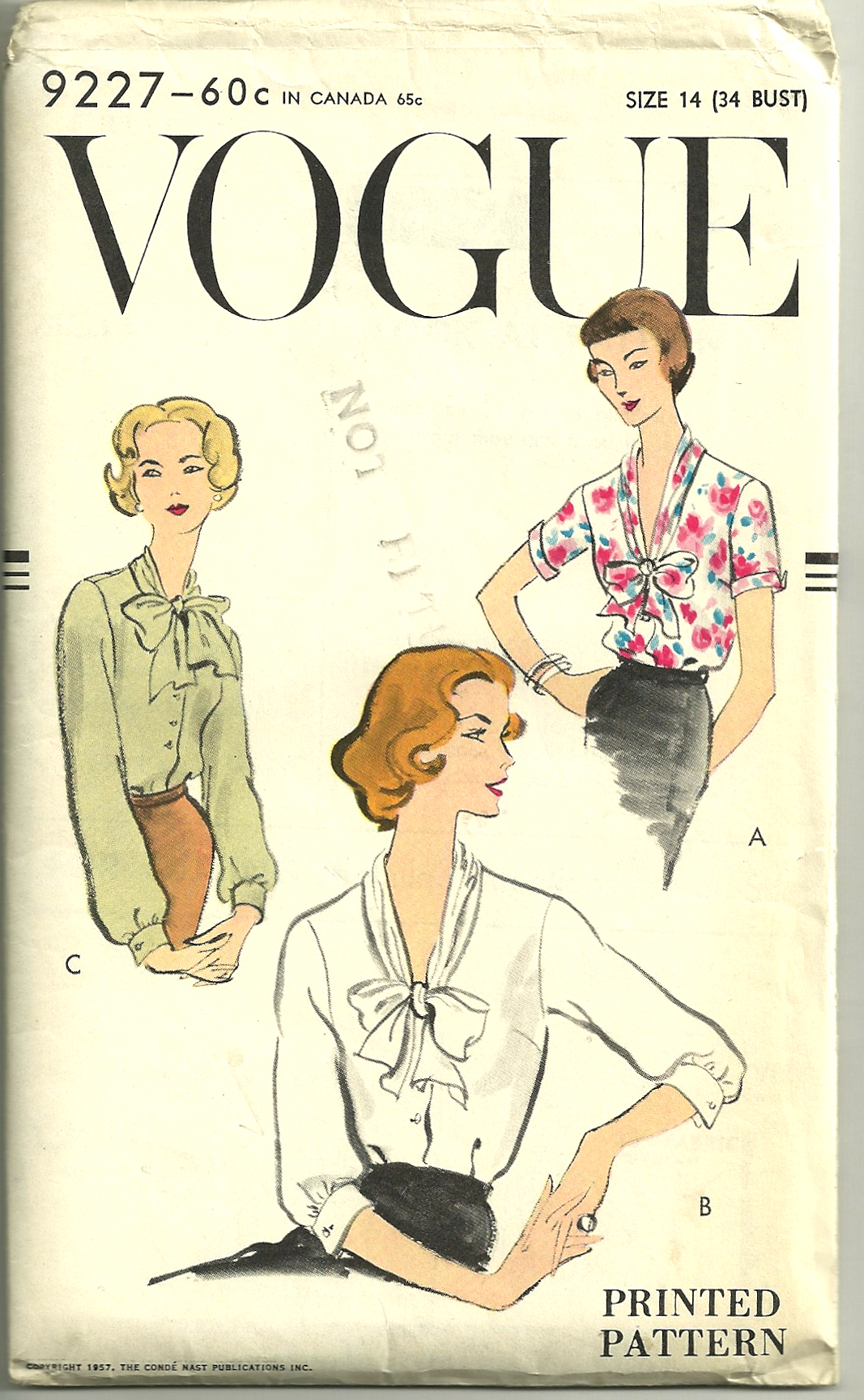
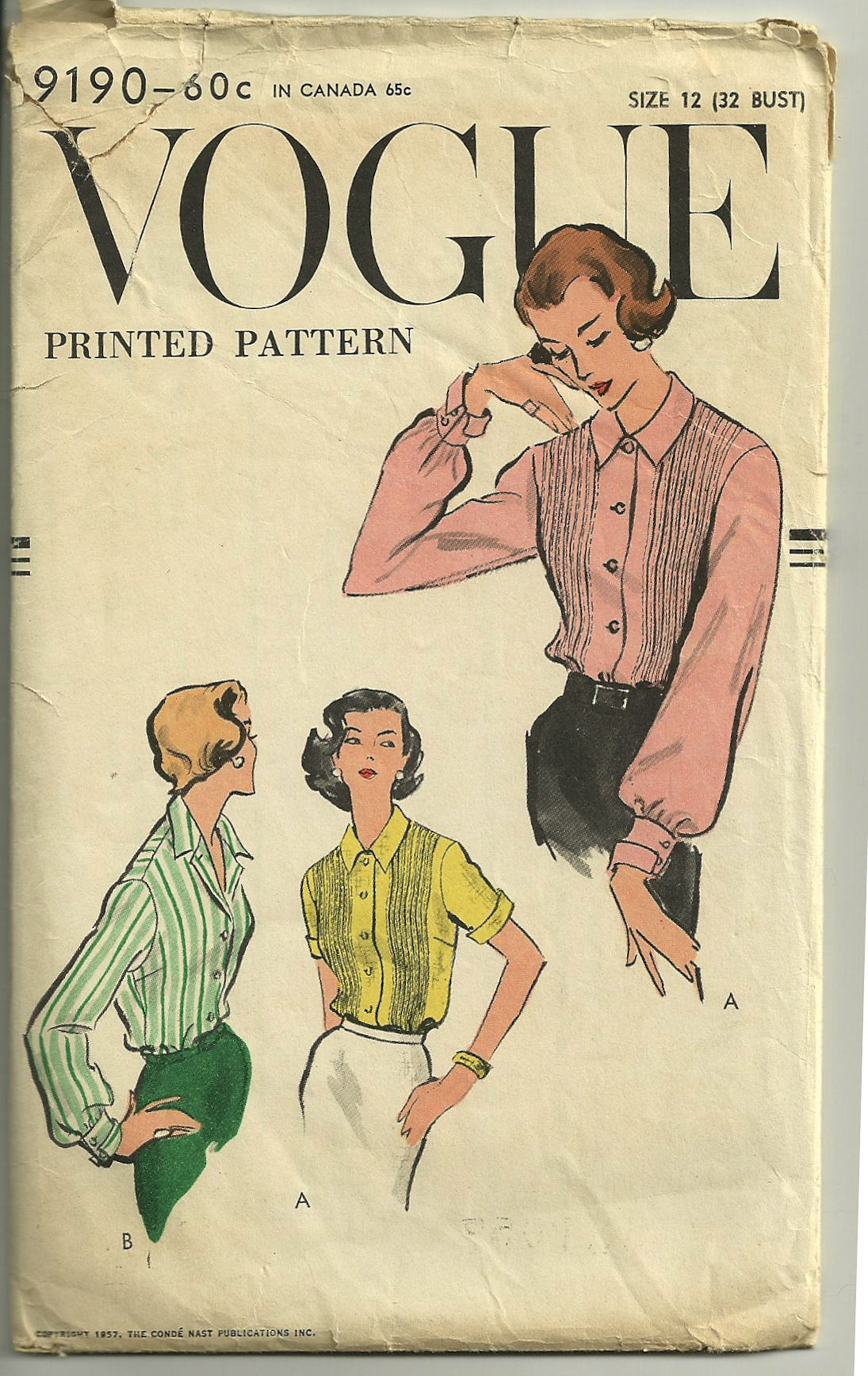
Immediately, however, I knew that I had to purchase enough for a blouse as well, which I did.  I suspect I’ll be using this pattern from 1957 for a blouse with a bow, which should evoke the correct Coco Chanel look. (A muslin should tell me if I need to tame the bow.  I don’t want it to be overwhelming…)

View B with long sleeves has my vote.

View B with long sleeves has my vote. 

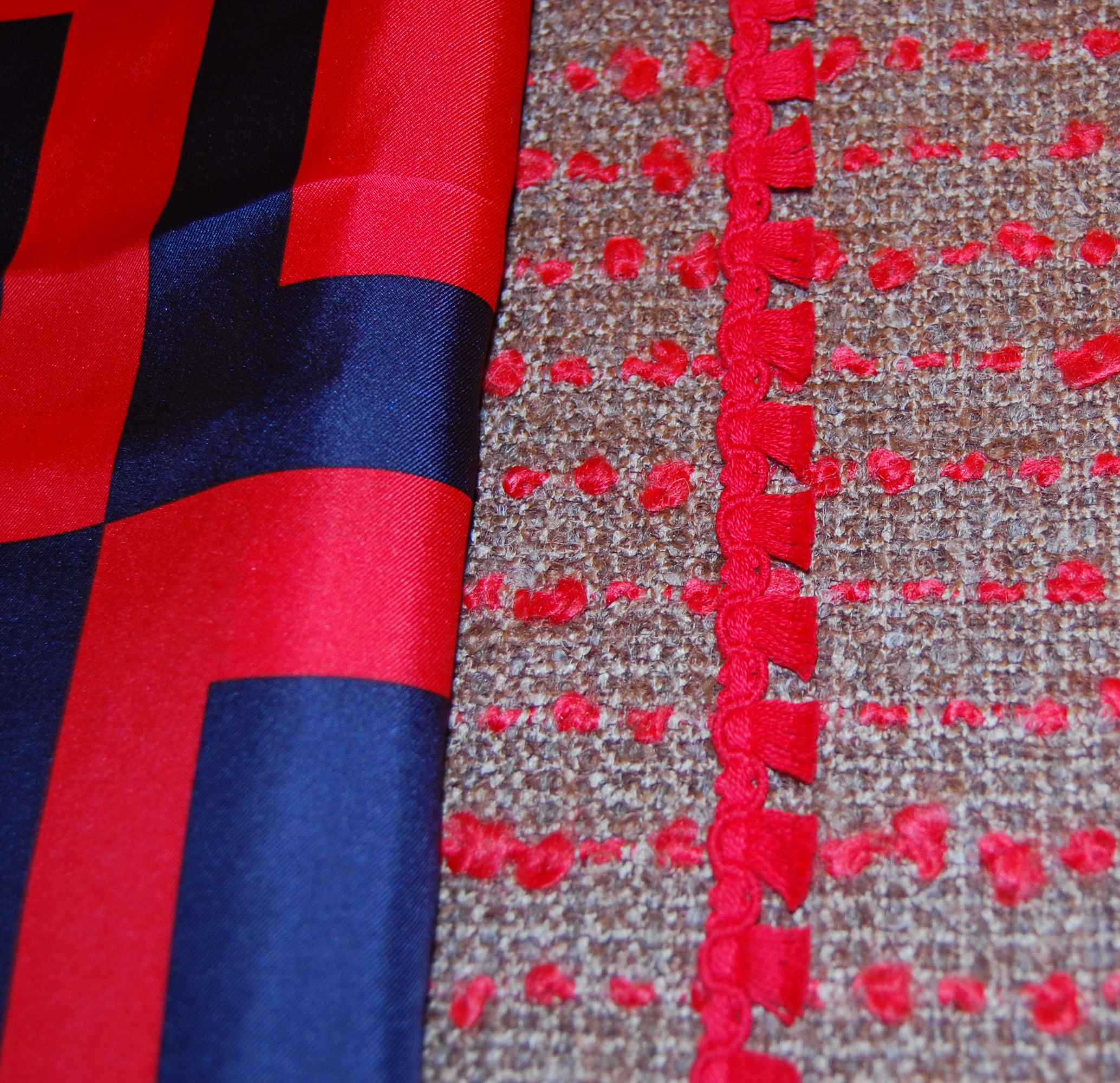
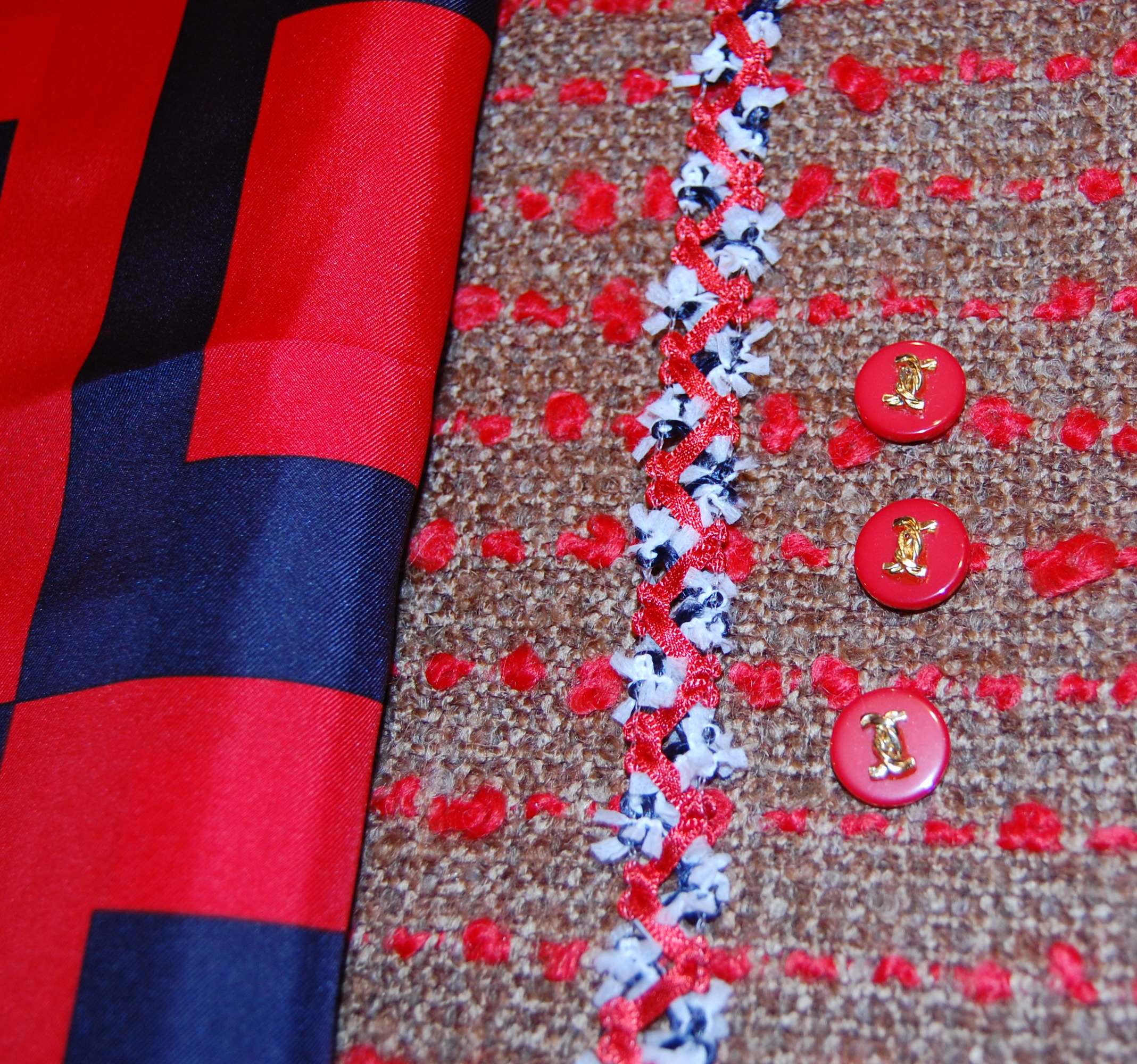
With fabrics in tow, I then headed up to the Buttons and Trims Department on the 3rd floor.  An initial look at the red trims flummoxed me, as none of them seemed right.  Then one of the wonderful assistants in the Department came to my rescue and found these two trims.

No. 2 Jacket

Shown with the lining/blouse fabric...

Shown with the lining/blouse fabric . . .

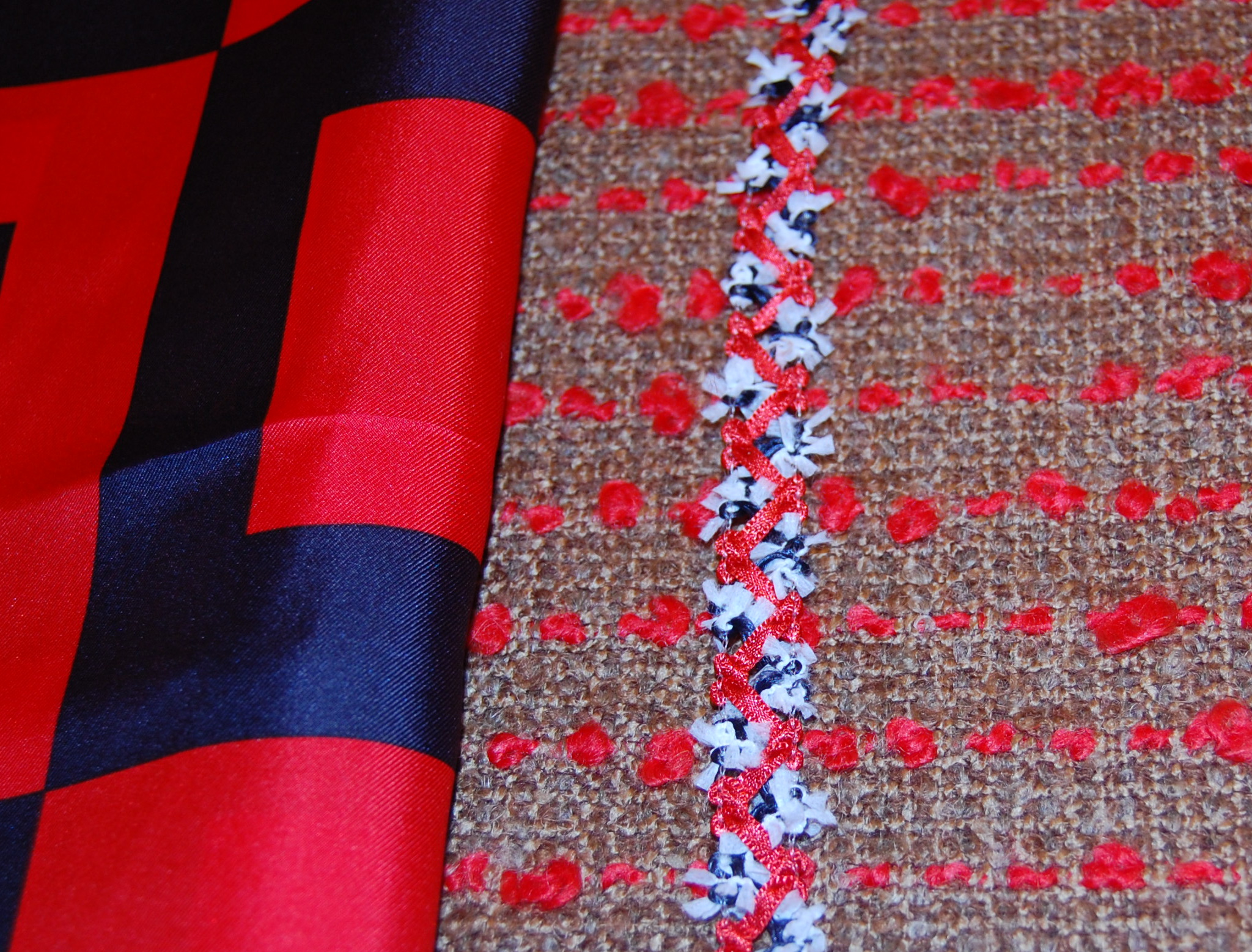
... and again.

. . . and again. 

Back and forth I went between them, unable to make a decision.  It was then that I went to my fail-safe method of choosing between two equally wonderful trims:  I bought both of them! ( It certainly helped that neither was terribly expensive – and both very versatile.)

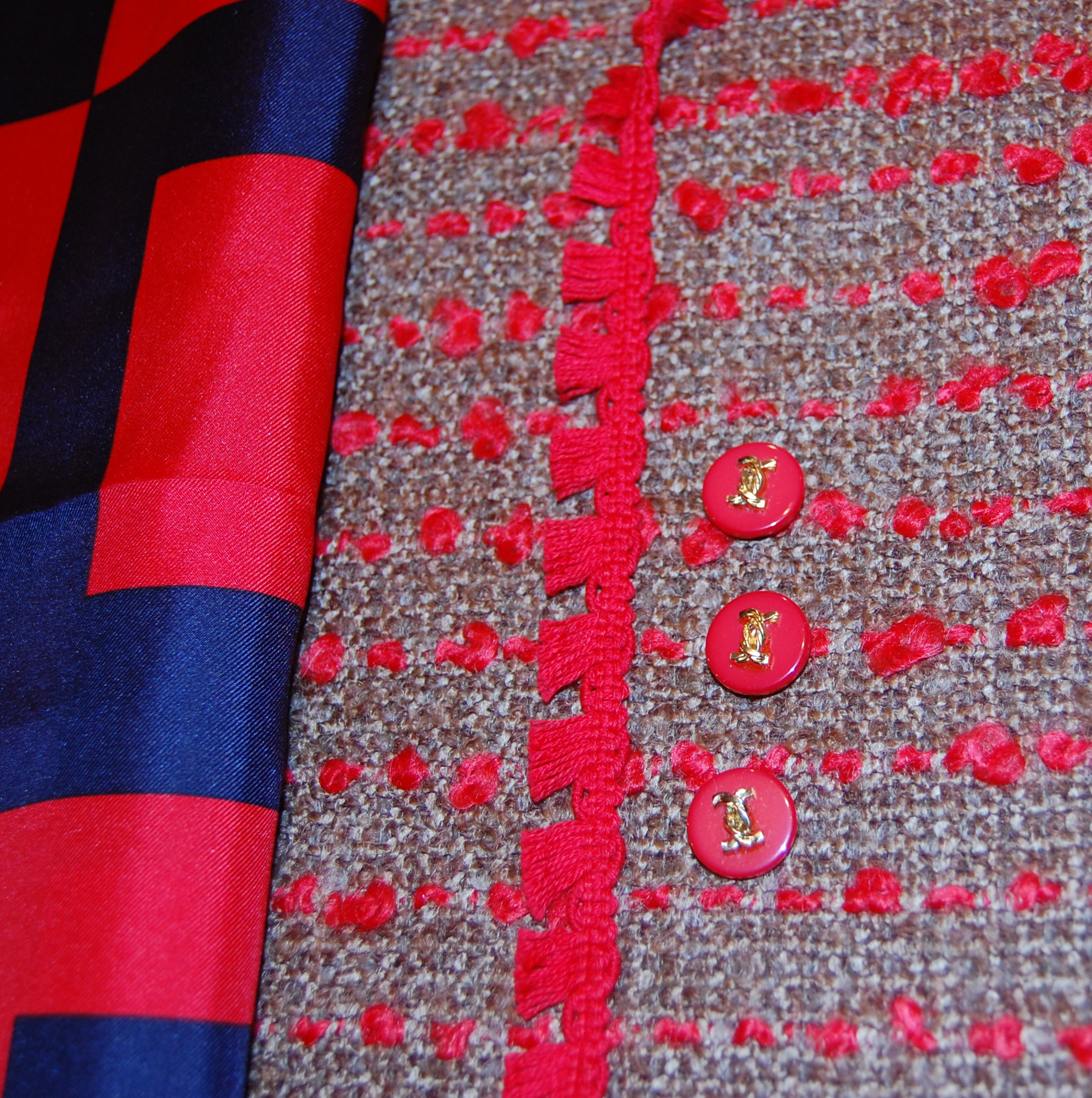
Now that I have them home, I am leaning toward one of them – can you guess which one?  Does it help to see the buttons, too?  Once again, the experienced button assistant quickly found these – and there was no question in my mind that they were just what I wanted for this jacket.

These are shank buttons, with gold decoration reminiscent of Chanel "C"s.

These are shank buttons, with gold decoration slightly reminiscent of intertwined Chanel “C”s.

And here with the other trim.

And here with the other trim. 

Well, as in so much in life, timing is everything – or it sometimes seems that way.  My timing could be better to be starting such a lengthy project.  It is, after all, one month until Christmas.  I have those proverbial stockings to fill and much to do, but I’ll just bet I can squeeze in some sewing time before my sewing room transforms into Santa’s workshop.

15 Comments

Filed under Blouse patterns from the 1950's, Boucle for French style jackets, Buttons - choosing the right ones, Chanel-type jackets, Coco Chanel, Uncategorized, vintage Vogue patterns from the 1950s

Date Night

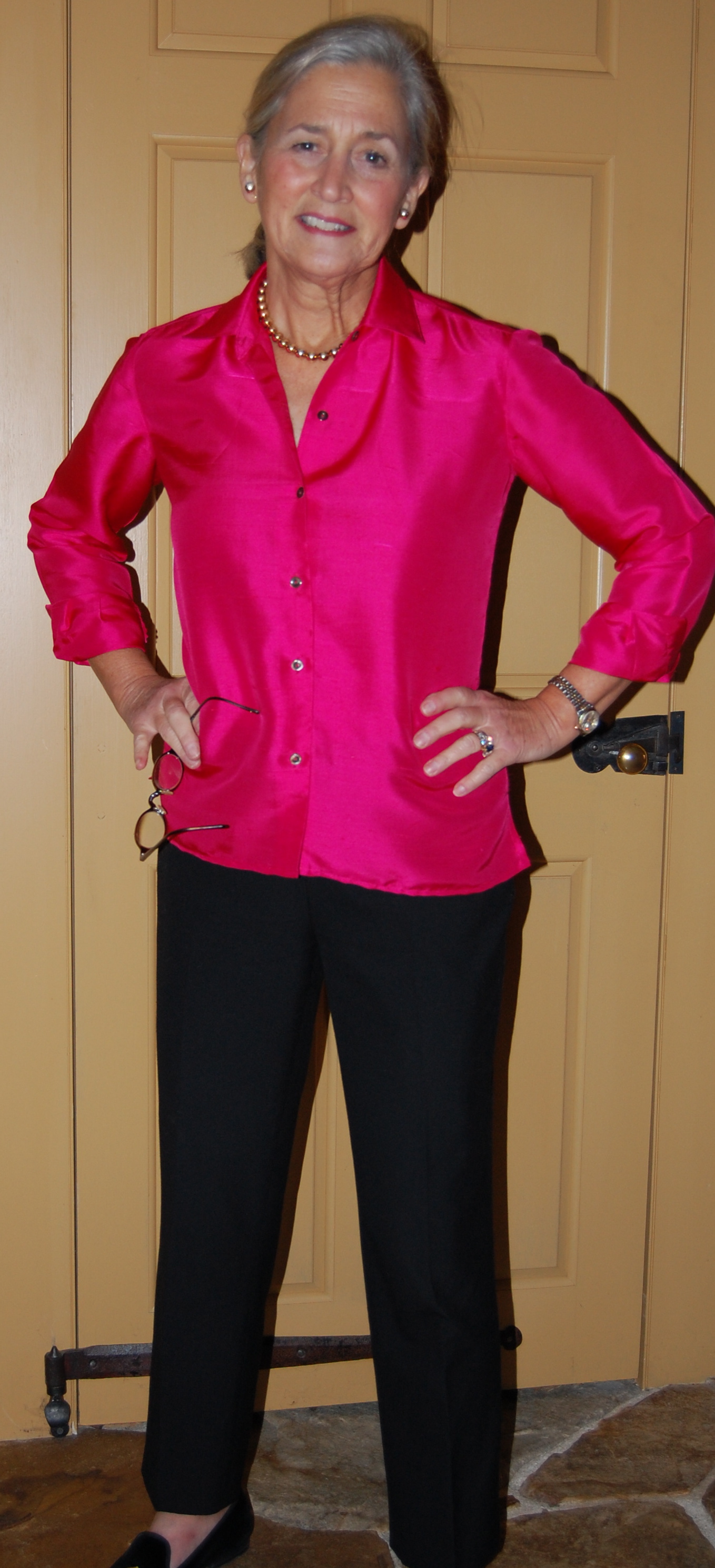
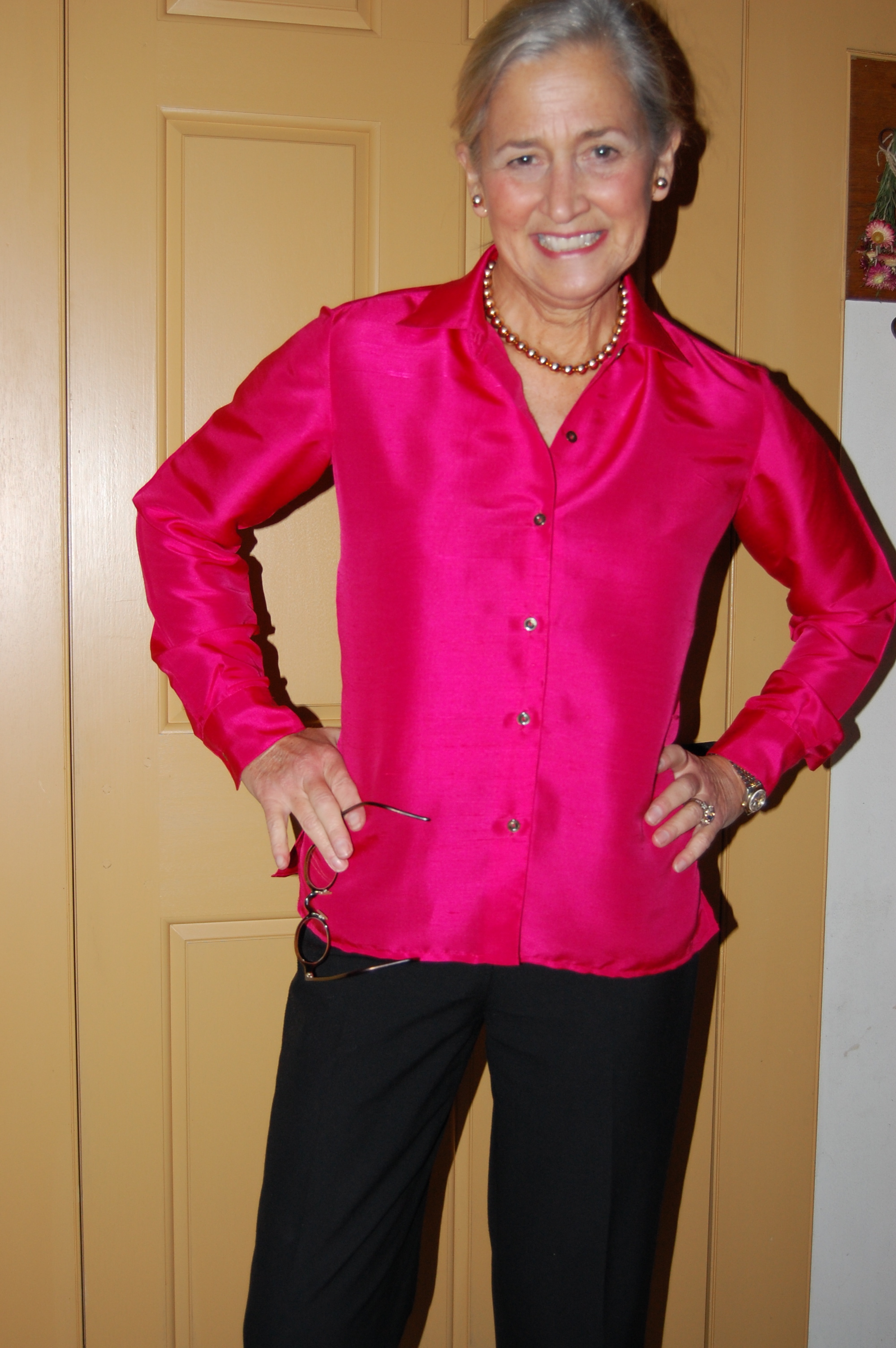
For a number of years now, Thursday evening has been “date night” for my husband and me.  That’s what we call it, but it really just means that we always go out for drinks and dinner.  It is always one of my favorite nights of the week.  Part of the fun of it is the “standing reservation” we have at a favorite local “drinkery/eatery”, where we are always met by friendly staff and a “kitchen” that knows our favorite choices.  Because we so often go to this same place, I like to mix up what I wear.  I doubt anybody actually notices, but it is just one of those things which is important to me!  Anyway, my new blouse is going to be a colorful, welcome addition to my Thursday night wardrobe.

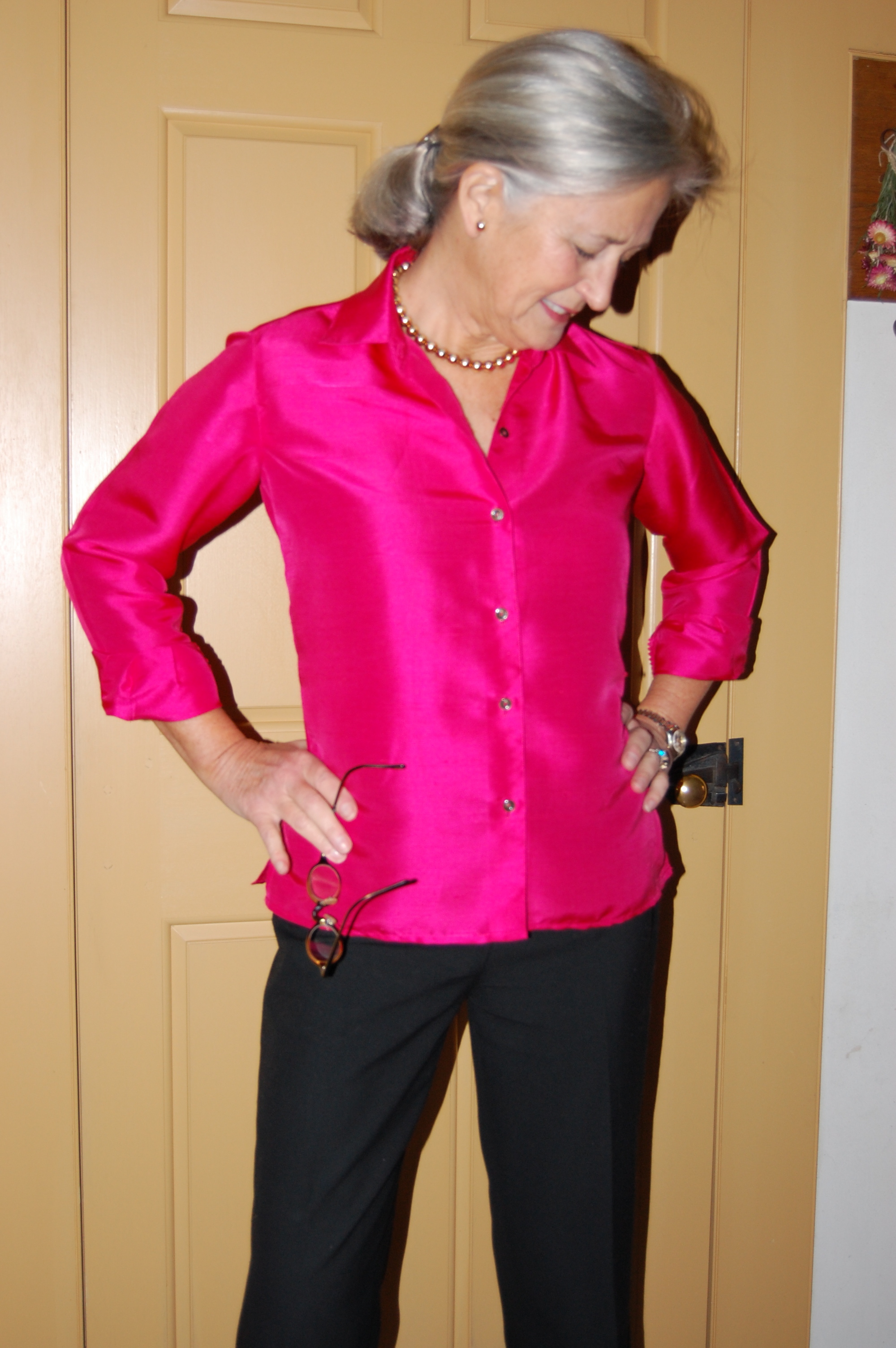
Made from pink silk which i purchased in the 1980s.

Made from pink silk which I purchased in the 1980s.

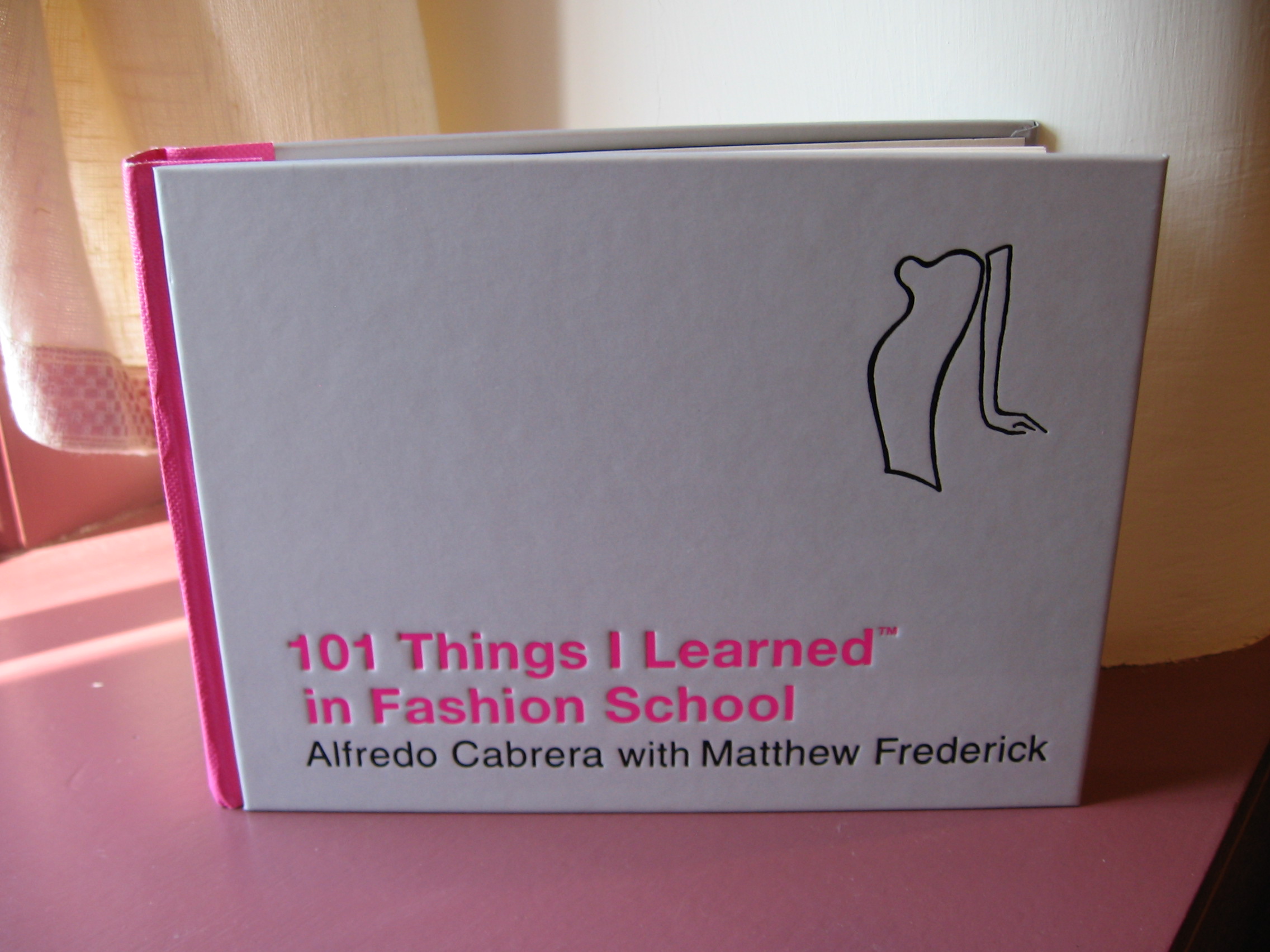
As I stated in my last post (distanced from this one by a sojourn to California, from which I did not return empty-fabric-handed…!), I based this blouse on a RTW one I have worn for years.  I always remember the good advice given on page 86 in 101 Things I learned in Fashion School (by Alfedo Cabrera with Matthew Frederick.  Copyright 2010, Grand Central Publishing, New York, New York):  “When in doubt, look in your closet.  When unsure about how a garment you’ve designed should be constructed, look at your own wardrobe:  We all have at least one pair of fly-front pants and a garment that buttons down the front.  It doesn’t take much time or effort to pull it out and replicate or adapt what one sees.”

A little book filled with great information

A little book filled with great information

Of course, I wanted to start with a basic blouse pattern, which I could tweak to recreate my old favorite one.  At this point, you might ask, “How difficult can it be to find a basic, long-sleeved, banded collar blouse pattern?”  A lengthy search through my patterns produced exactly one with some of the lines I wanted.  Just looking at it kind of made me cringe.  But then I realized that, with certain changes, it would probably be just about perfect.  Copyright 1972, this Simplicity pattern looks about as dated as it is, but its “bones” are still good!

Date night Simplicity pattern Among the details I needed to change:

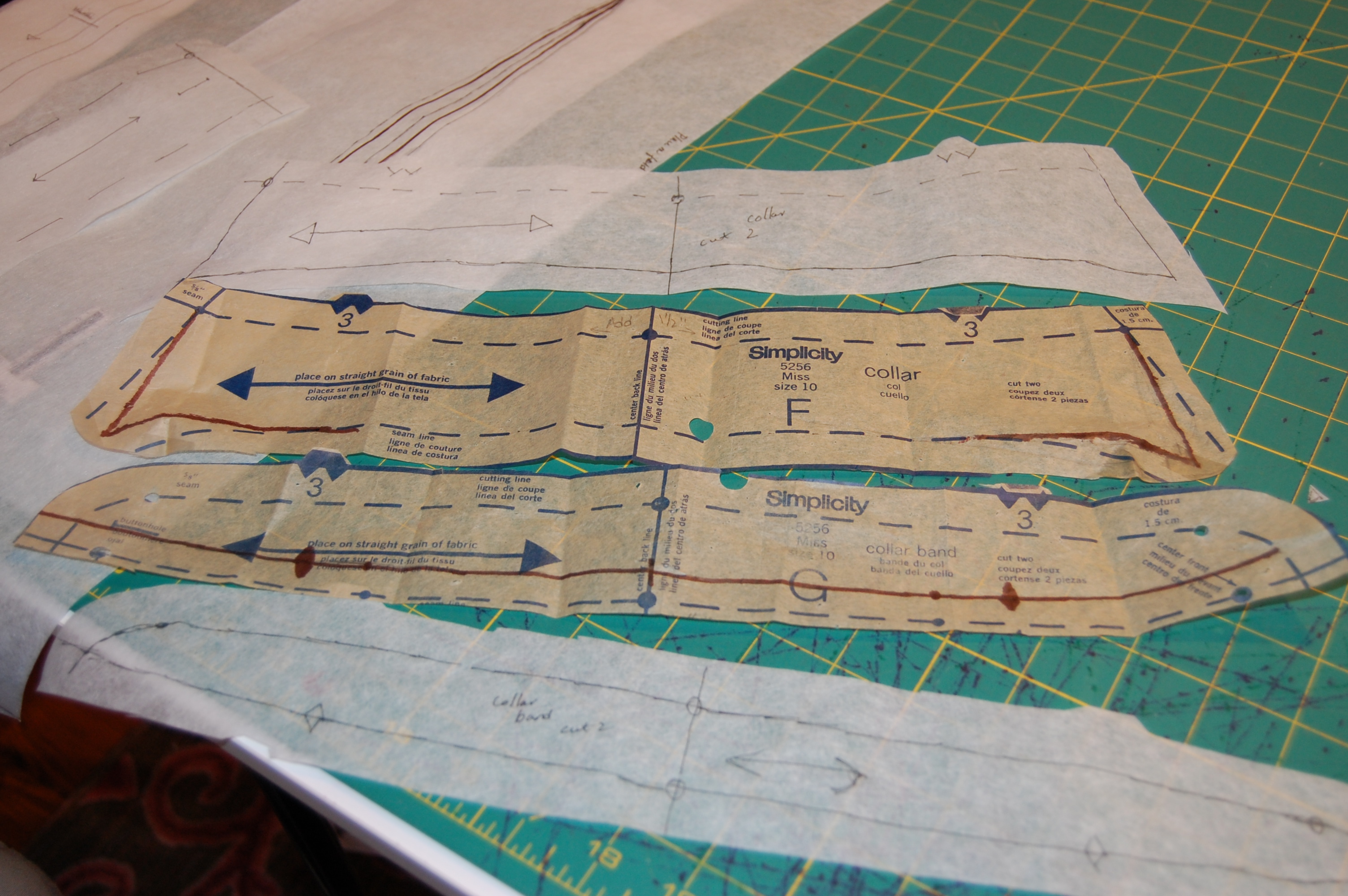
1) The collar band was much too wide, so I narrowed it by about 50%.

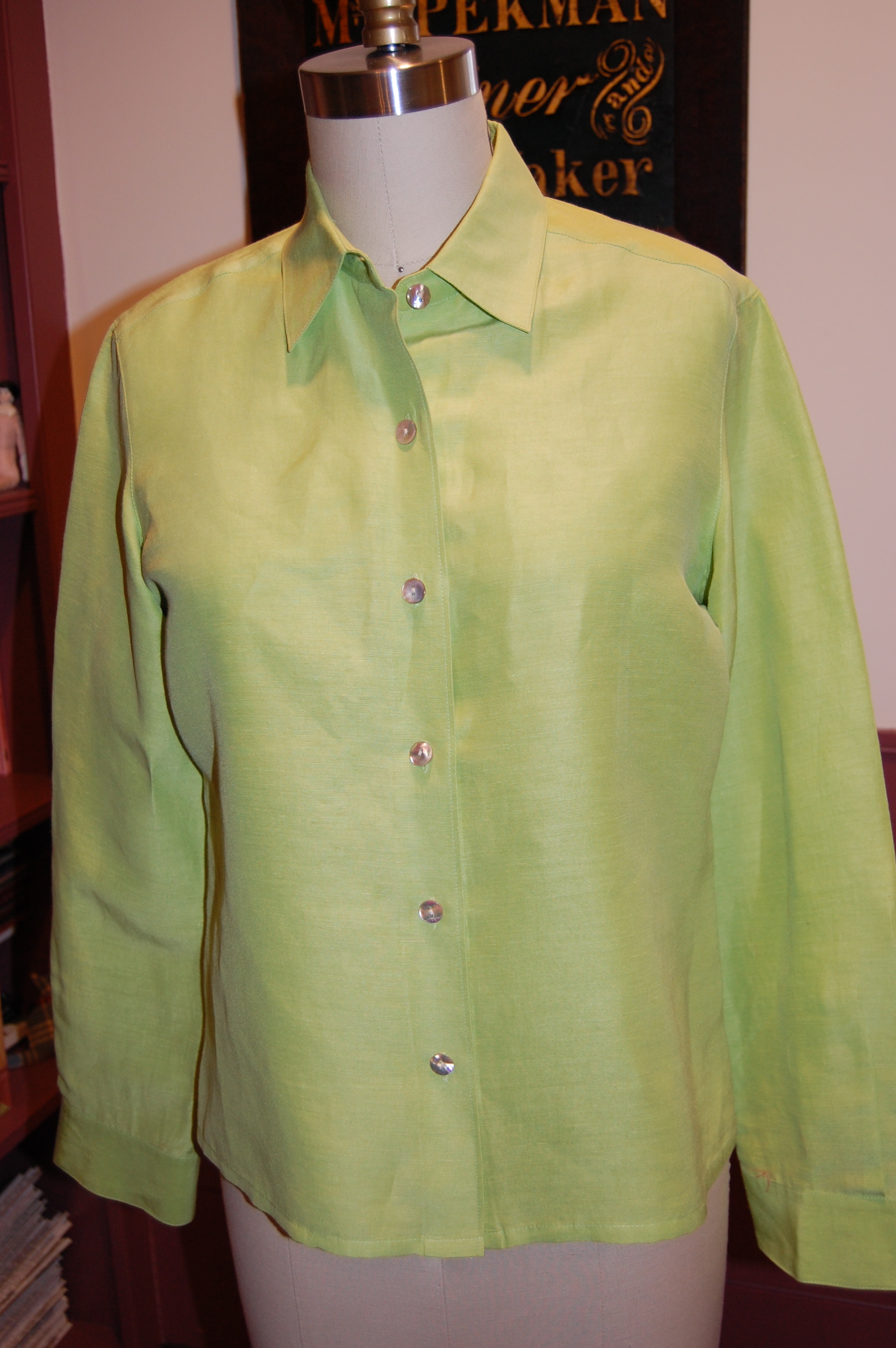
2) The collar was too big and too pointed, so I redrafted it to match the collar on my green blouse.

Changes to the collar band and the collar.

Changes to the collar band and the collar.

3) I eliminated the back yoke.

4) I made the front and back pieces a little straighter at the side seams, and then added two darts to the back to take in some of the fullness and make the blouse curve over the hips  a little more flatteringly.

Date Night

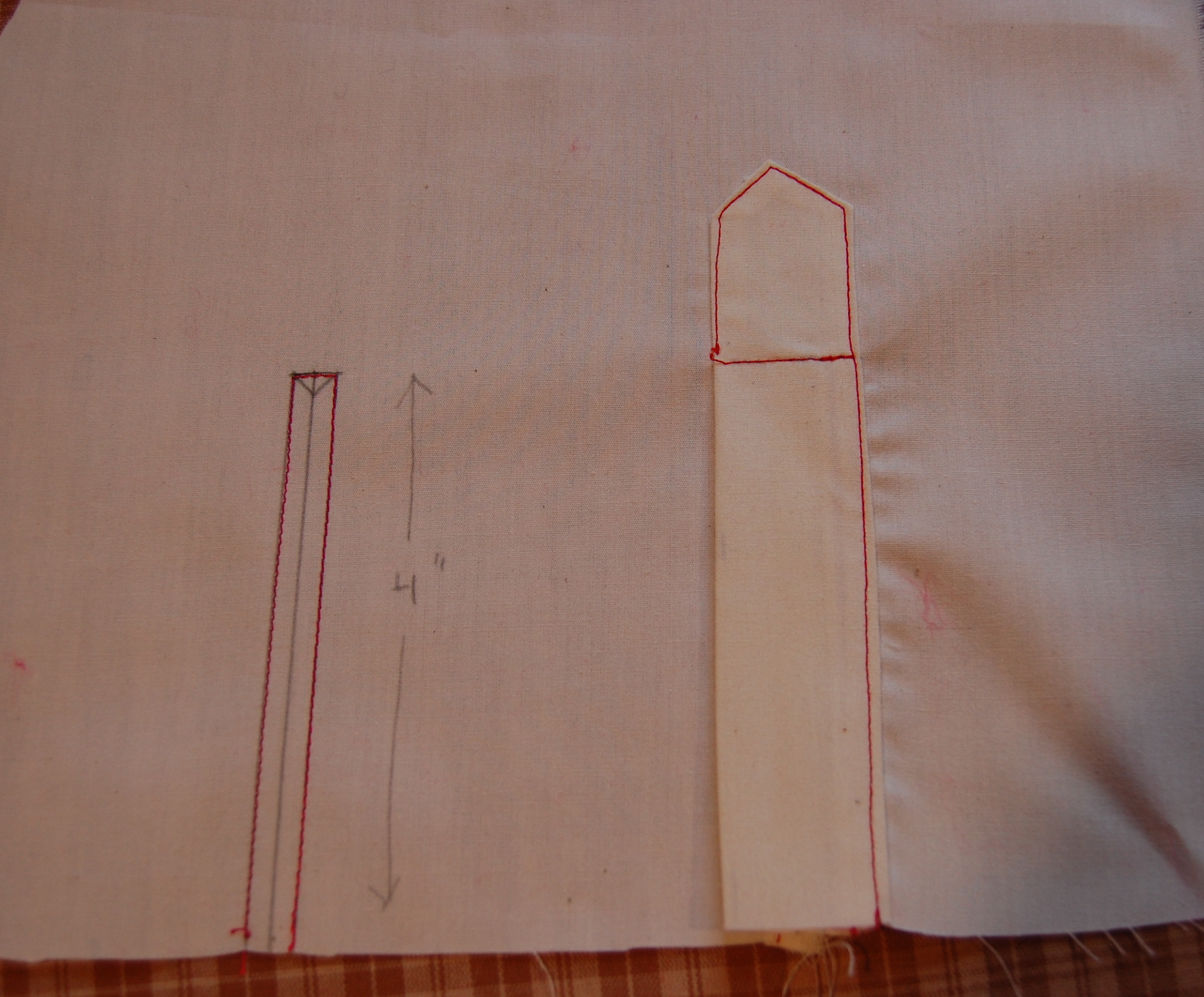
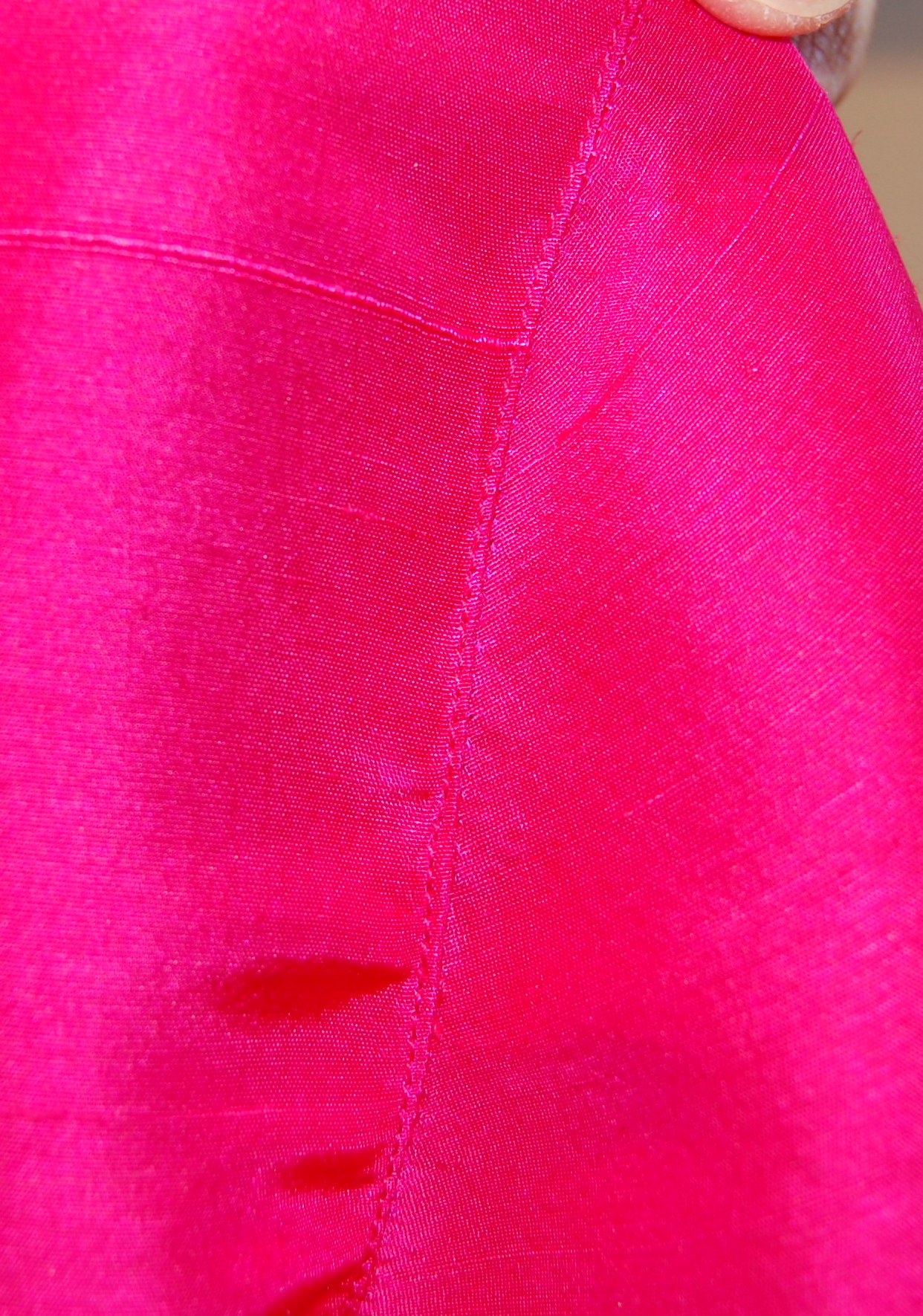
5) I loved the “sportshirt” sleeve plackets on my green blouse, so I went to my 1972 Vogue Sewing Book to find out how to add them to this blouse.  I narrowed the cuffs, too.

I practiced on muslin first!

I practiced on muslin first!

I am fairly happy with how these plackets turned out.  I can't ever remember making this type of placket before, so I guess it was a first for me!

I am fairly happy with how these plackets turned out. I can’t ever remember making this type of placket before, so I guess it was a first for me! 

6) I eliminated the front button band.

7) I added side slits and narrow topstitching to all the edges, just like on my green blouse.

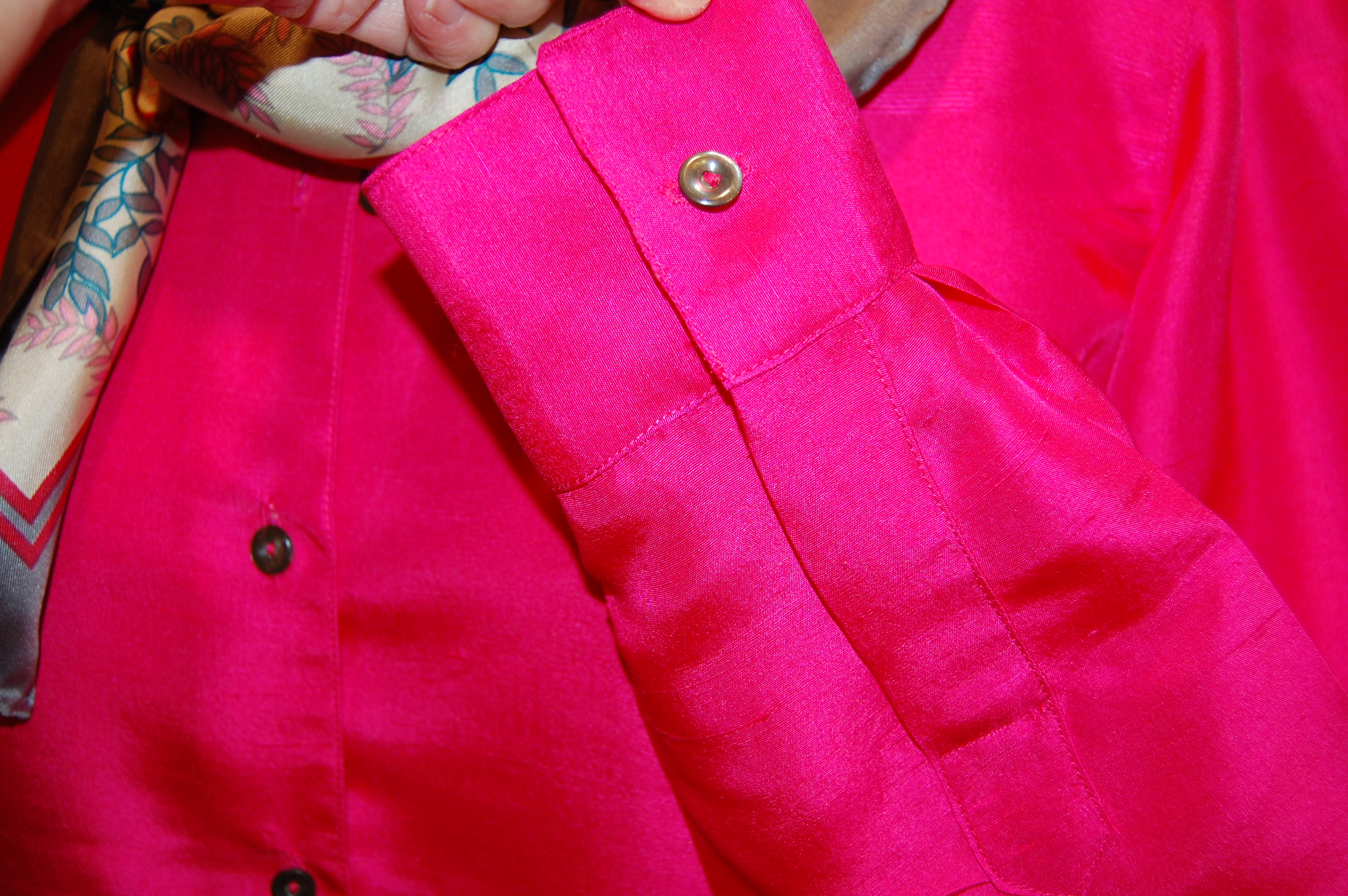
This shows the sleeve heading, which I narrowly topstitched.  Click on the photo for a better look.

This shows the sleeve heading, which I narrowly topstitched. Click on the photo for a better look.

Here is the topstitching on the front edge.

Here is the topstitching on the front edge.

Oh, there is more, but you get the idea.  I made a permanent record of all these changes with a whole new set of pattern pieces.

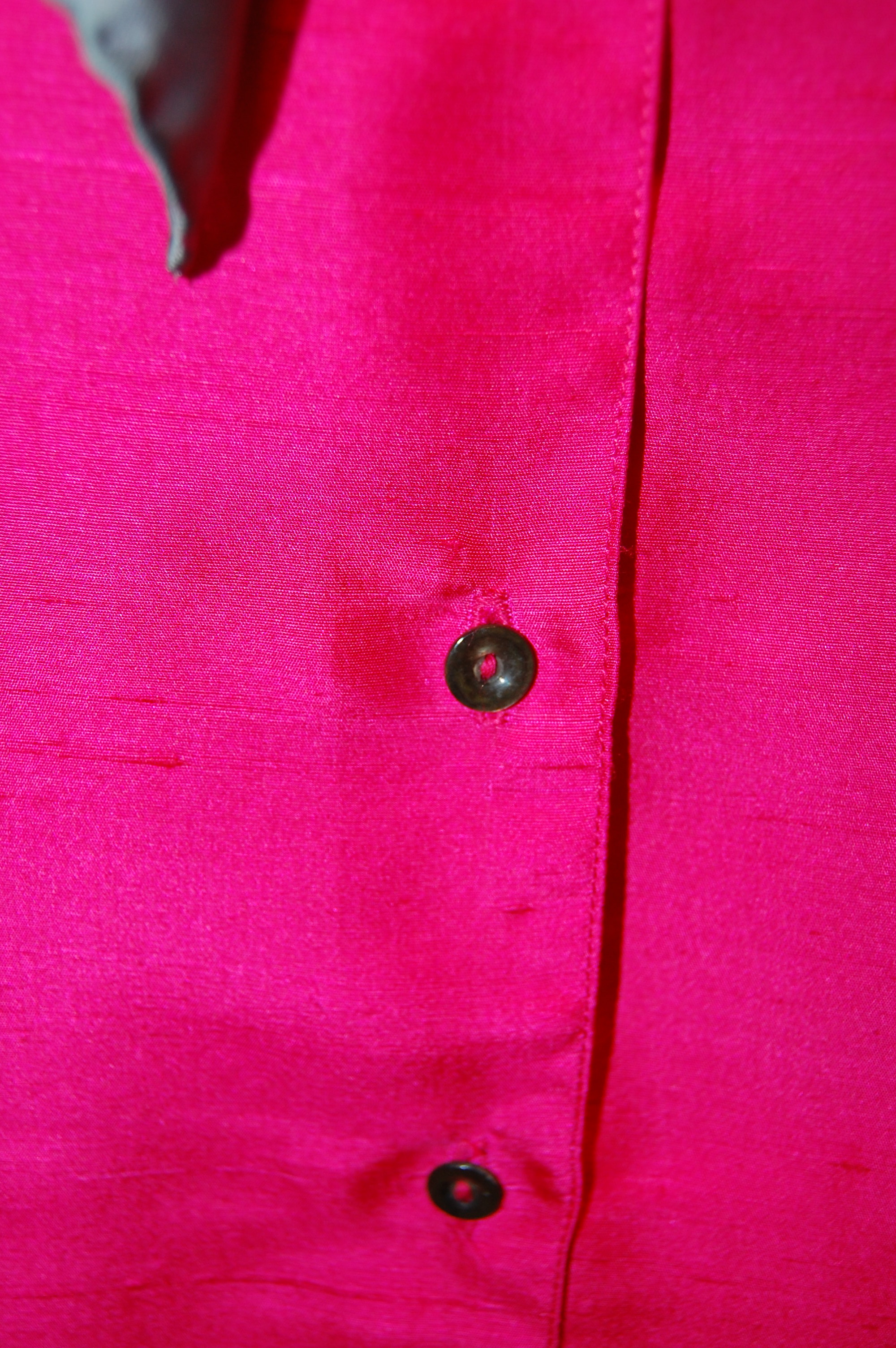
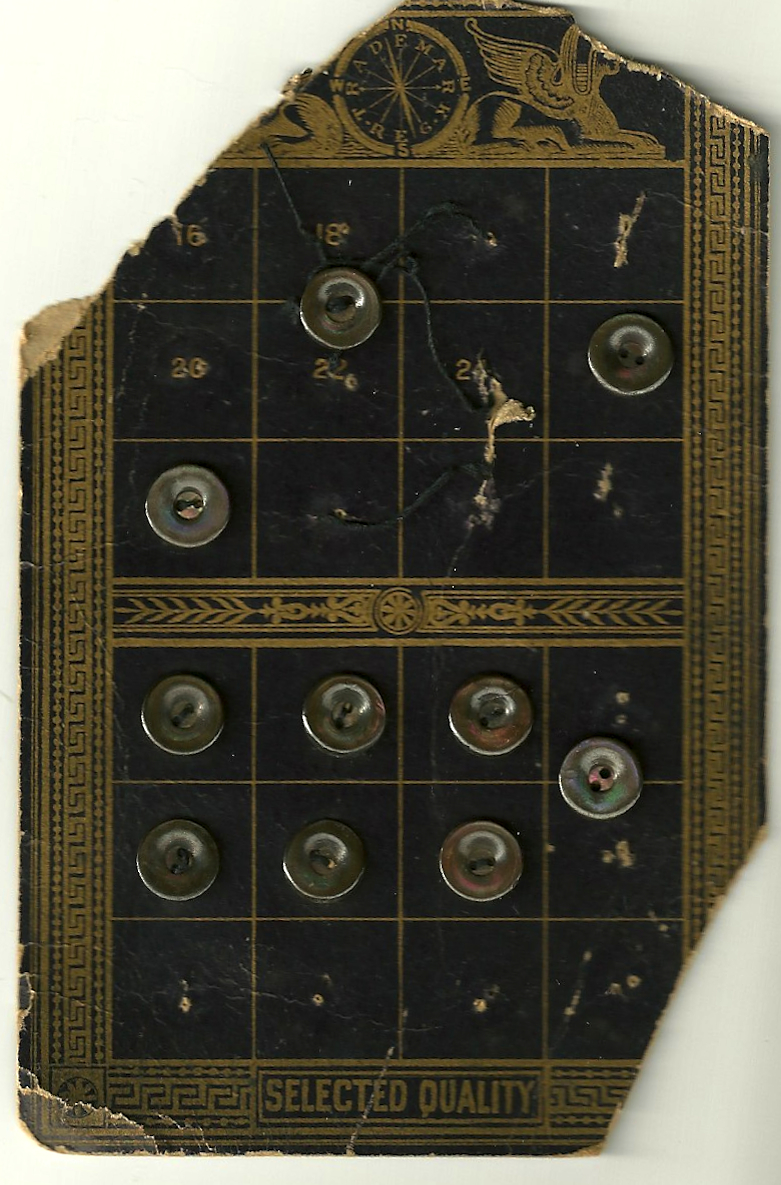
When it came to choosing buttons, I hoped to find some vintage ones to compliment the bright pink.  I found this gray pearl set (picked up somewhere for 50 cents), and the iridescence in them shimmered a bit of pink.

The holes on two of the buttons were a little off center, but fortunately, I only needed 8 of them!

The holes on two of the buttons were a little off center, but fortunately, I only needed 8 of them!

The process of making this blouse was fun and low-stress: I interfaced the collar and cuffs with silk organza, of course, but other than that, there were no underlinings, no linings, no bound buttonholes to worry about!

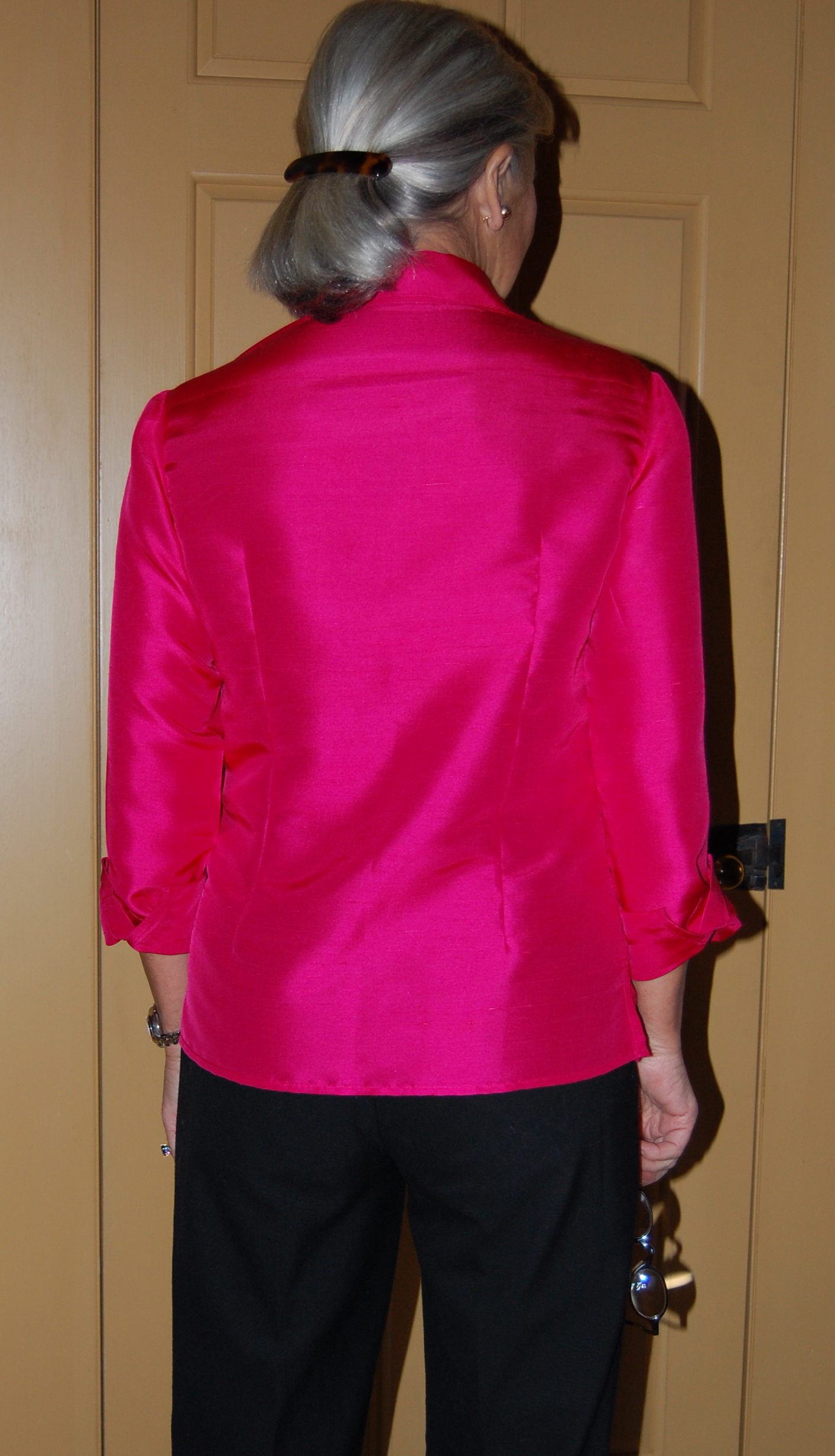
Date night

Date night

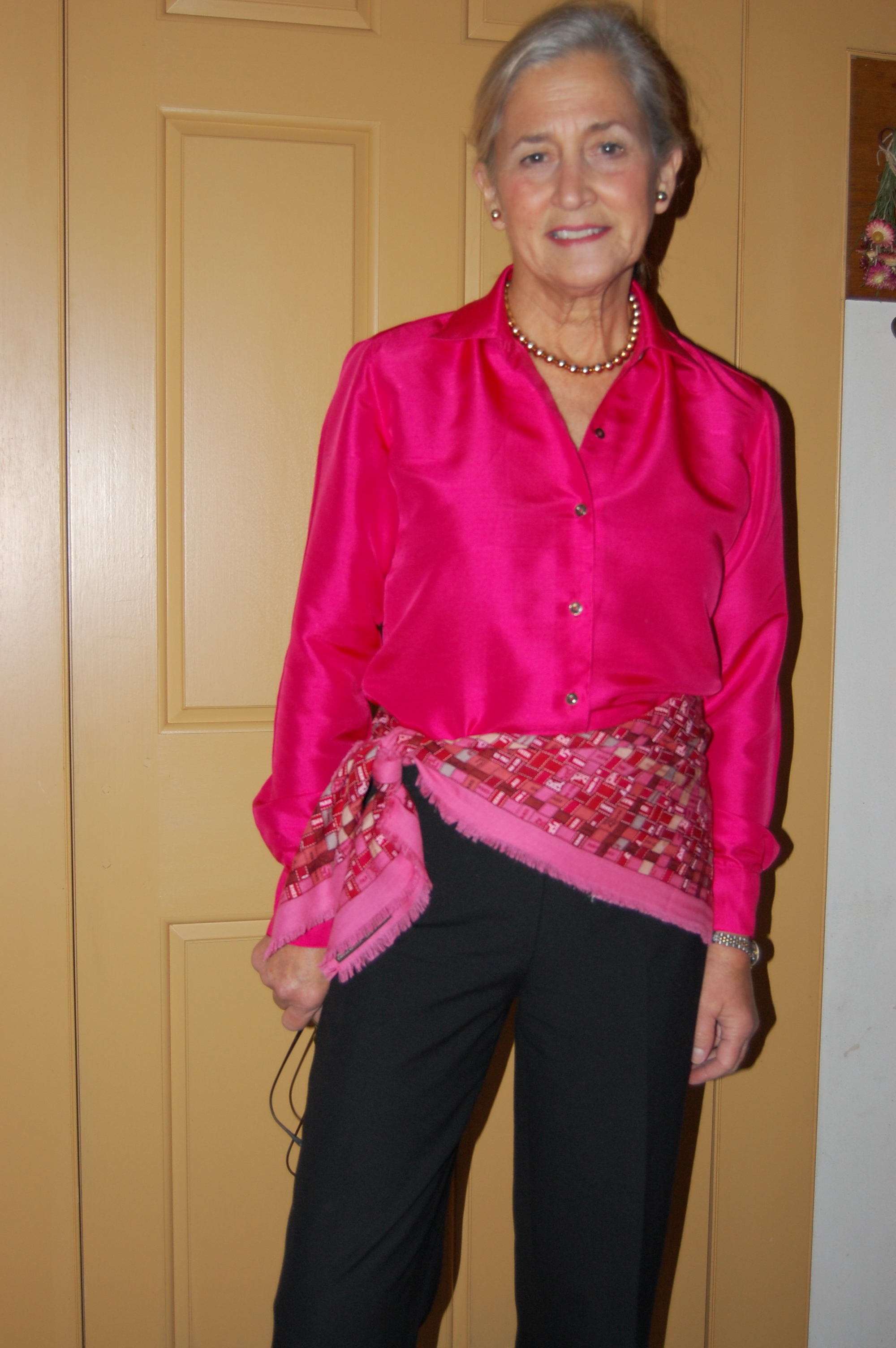
With a cashmere blend scarf, for a dressier look.

With a cashmere blend scarf, for a dressier look.

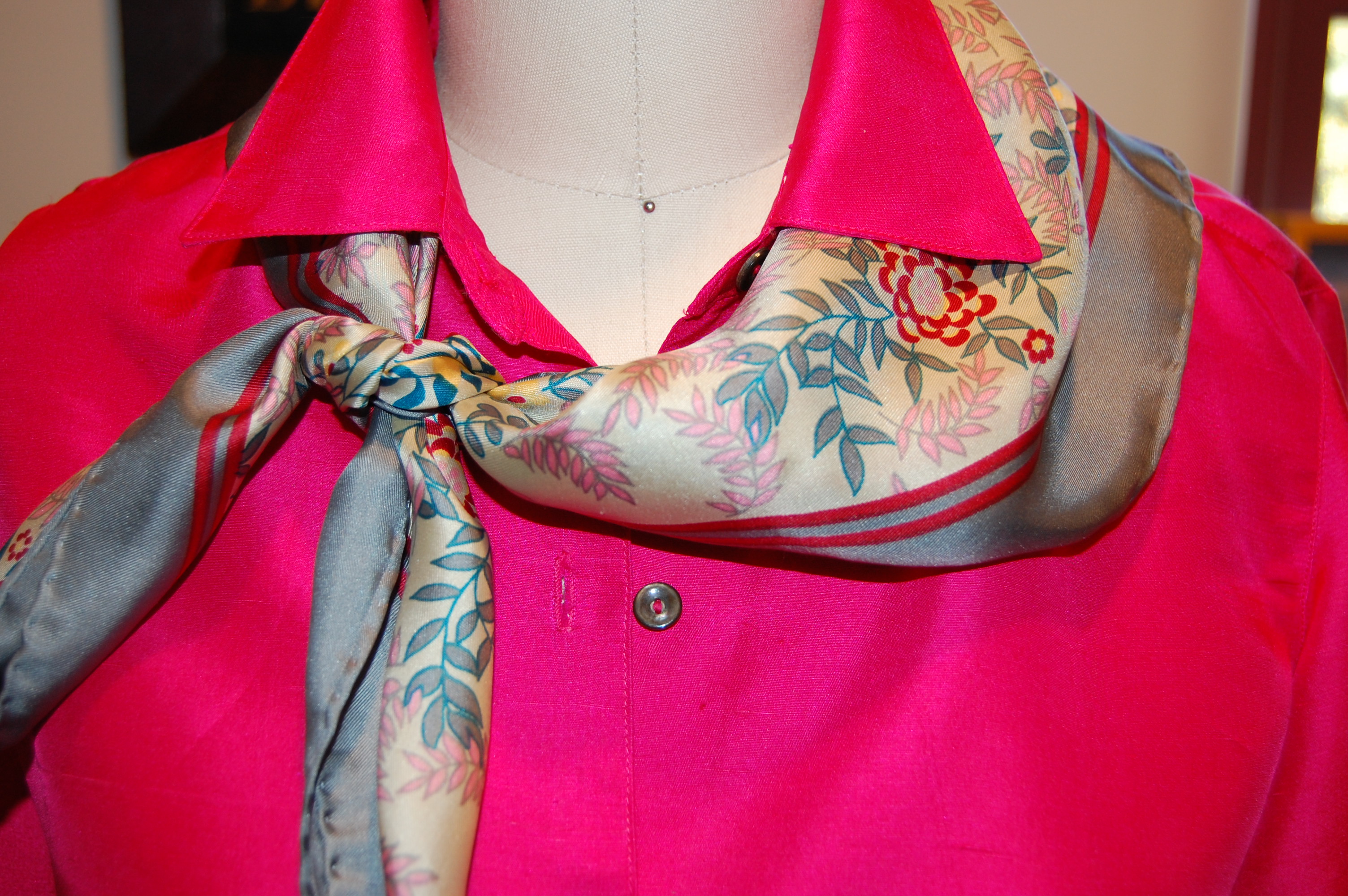
A vintage scarf to go with this vintage fabric!

A vintage scarf to go with this vintage fabric!

I’m looking forward to wearing this blouse often, but especially for date night, which just so happens to make “date day” also fun and low stress: no dinner to plan and cook  –  which means more time in the sewing room!

15 Comments

Filed under Blouses, Buttons - choosing the right ones, Scarves, sewing in silk, Uncategorized, vintage buttons, vintage Vogue patterns from the 1970s

Looking at Blouses

In my quest to make a couple of “simple” pieces before I start another “Chanel-inspired” jacket, I decided to make a blouse.  I am very partial to the color of deep pink – and the remains of a length of silk, which I have already used in two projects (here and here), kept surfacing whenever I went through my fabric collection.  The weight is perfect for a blouse – so my plans starting taking shape, based on this fabric.

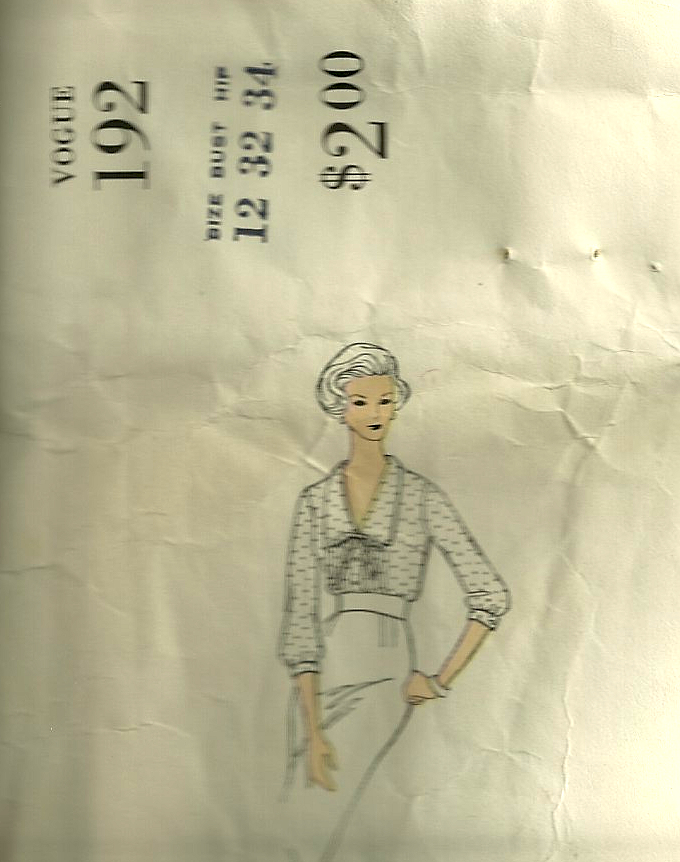
First I went through my pattern collection to see what I could find.  Two blouse patterns from 1957 and one from 1959 are lovely but did not seem quite right for my fabric.

View B is my favorite - and how current is this look?

View B is my favorite – and how current is this look?

I have already used this pattern once, but I think I took some of the fullness out of the sleeves.

I have already used this pattern once, but I think I took some of the fullness out of the sleeves.

This blouse pattern is part of a suit.

This blouse pattern is part of a suit. 

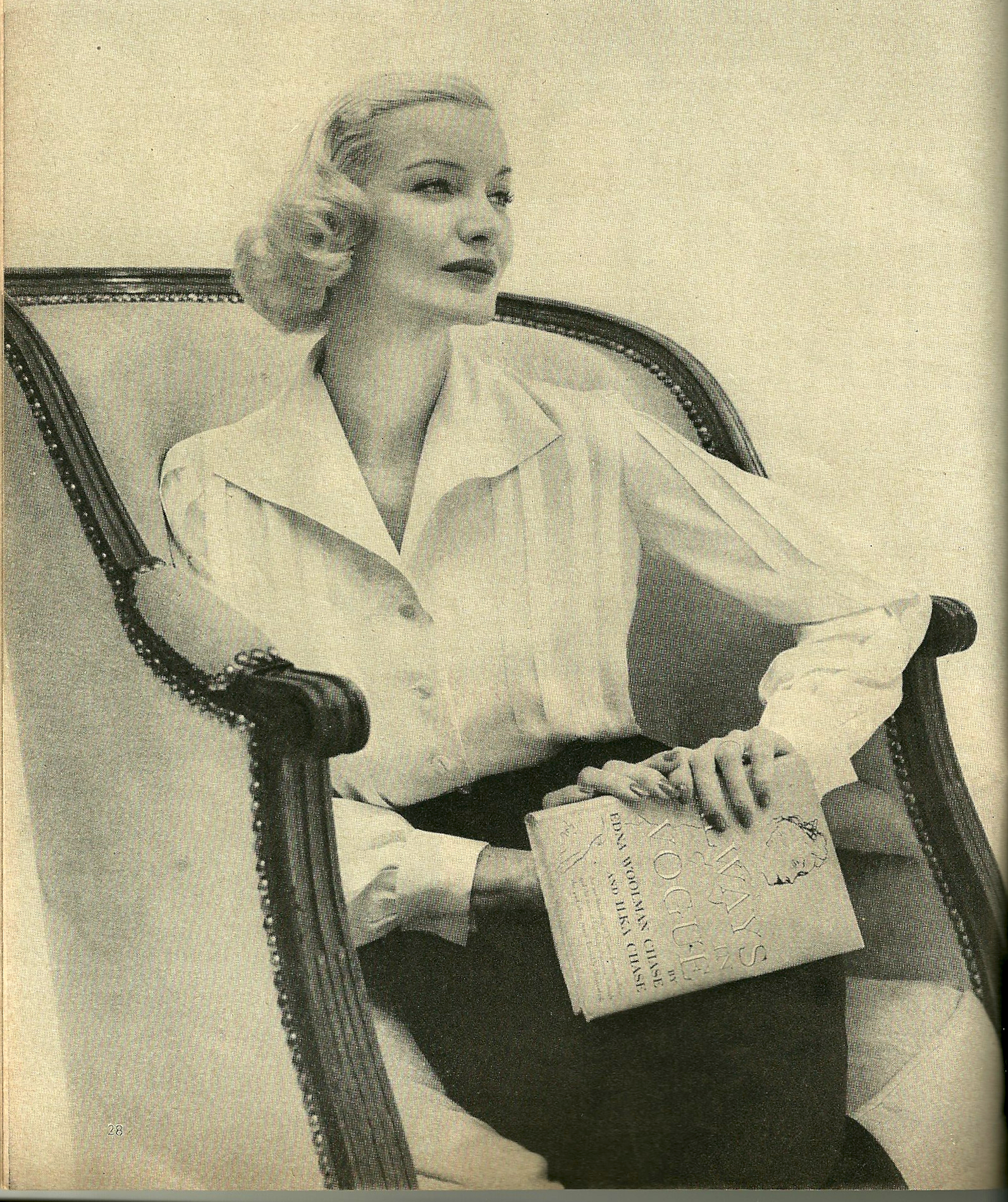
Just for fun, I thought I would look at some of my early Vogue Pattern Book Magazines to see what else was being featured for blouses.  In February/March of 1955, this tucked shirtwaist is the very picture of elegance:

The tucks make this blouse very ladylike.

The tucks make this blouse very ladylike.

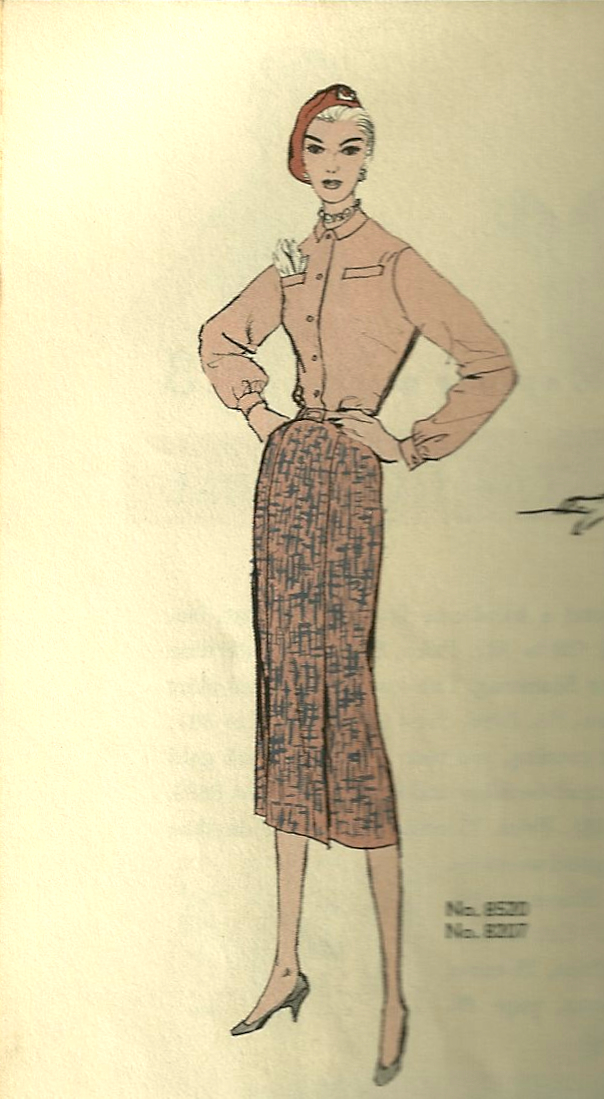
In the same issue, this “bloused jacket” gives the appearance of a classic shirtwaist blouse:

Looking at blouses 1955 - dress shirt style

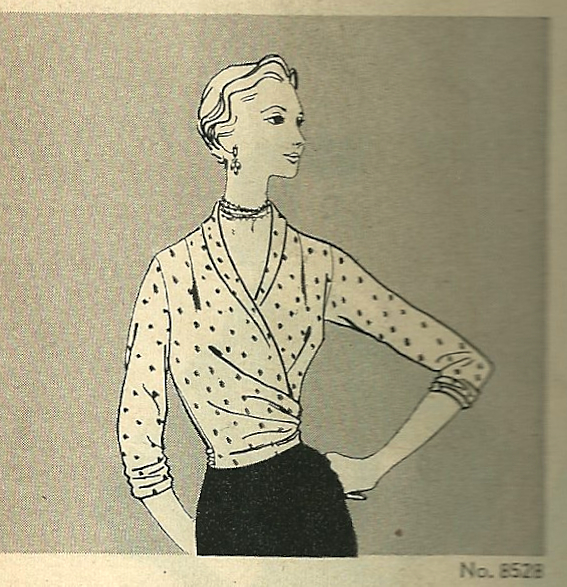
And look at this “wrap” blouse, also from 1955:

Looking at blouses 1955 - wrap style

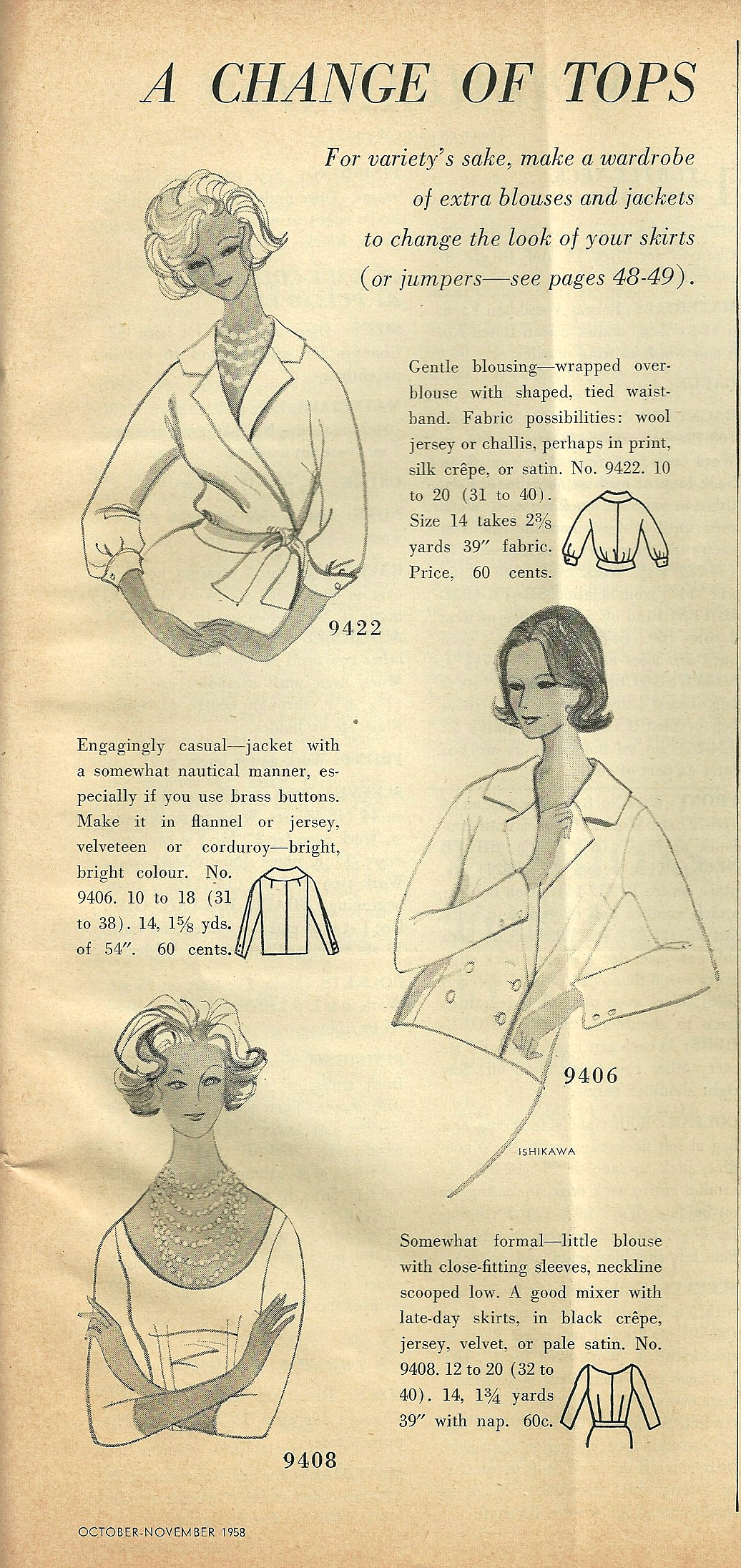
Three years later, in October/November of 1958,  “A Change of Tops” was suggested.  “For variety’s sake, make a wardrobe of extra blouses and jackets to change the look of your skirts…”  That sounds like a good idea to me, especially with the pretty styles that are featured:

Another beautiful wrap blouse among the suggestions!

Another beautiful wrap blouse among the suggestions!

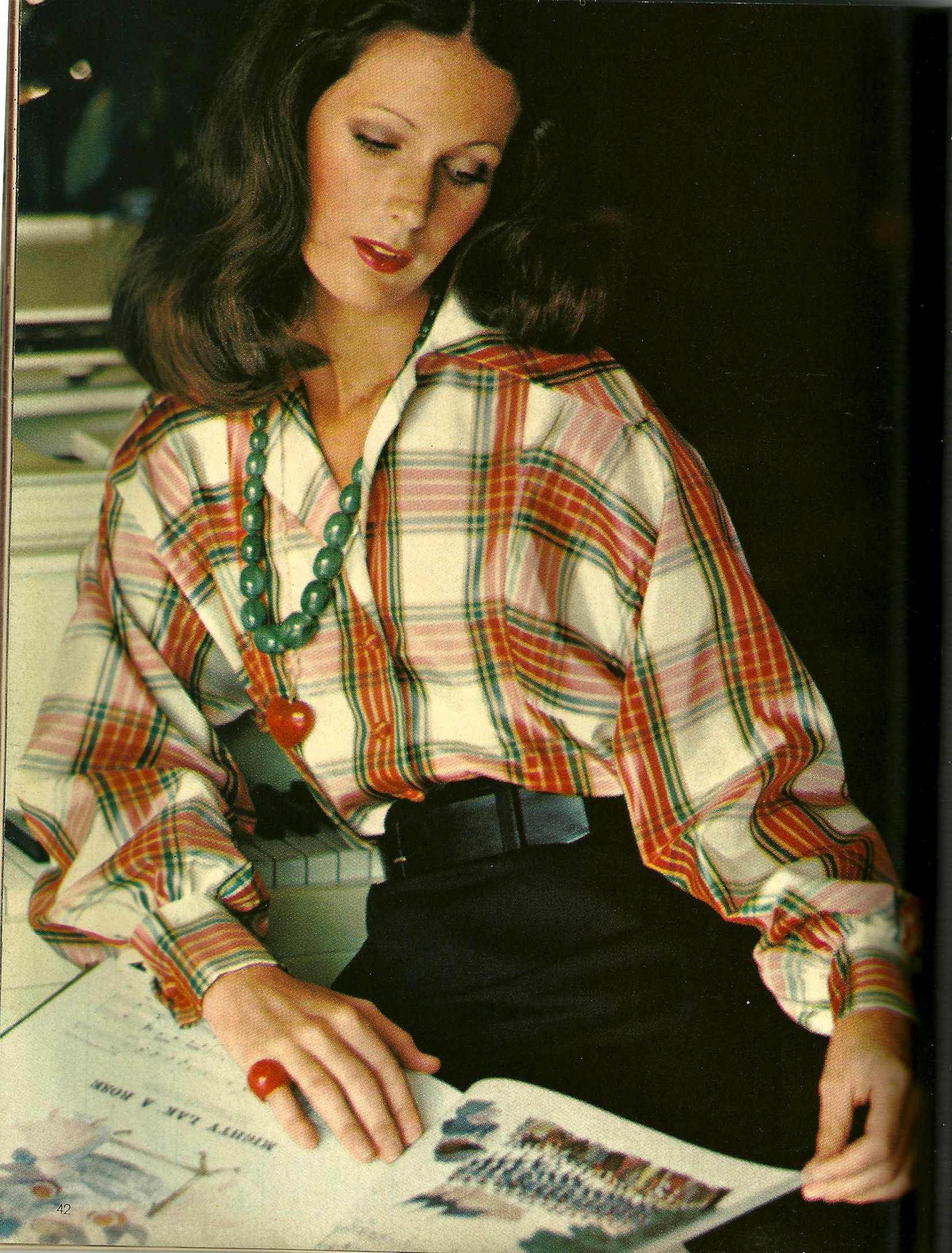
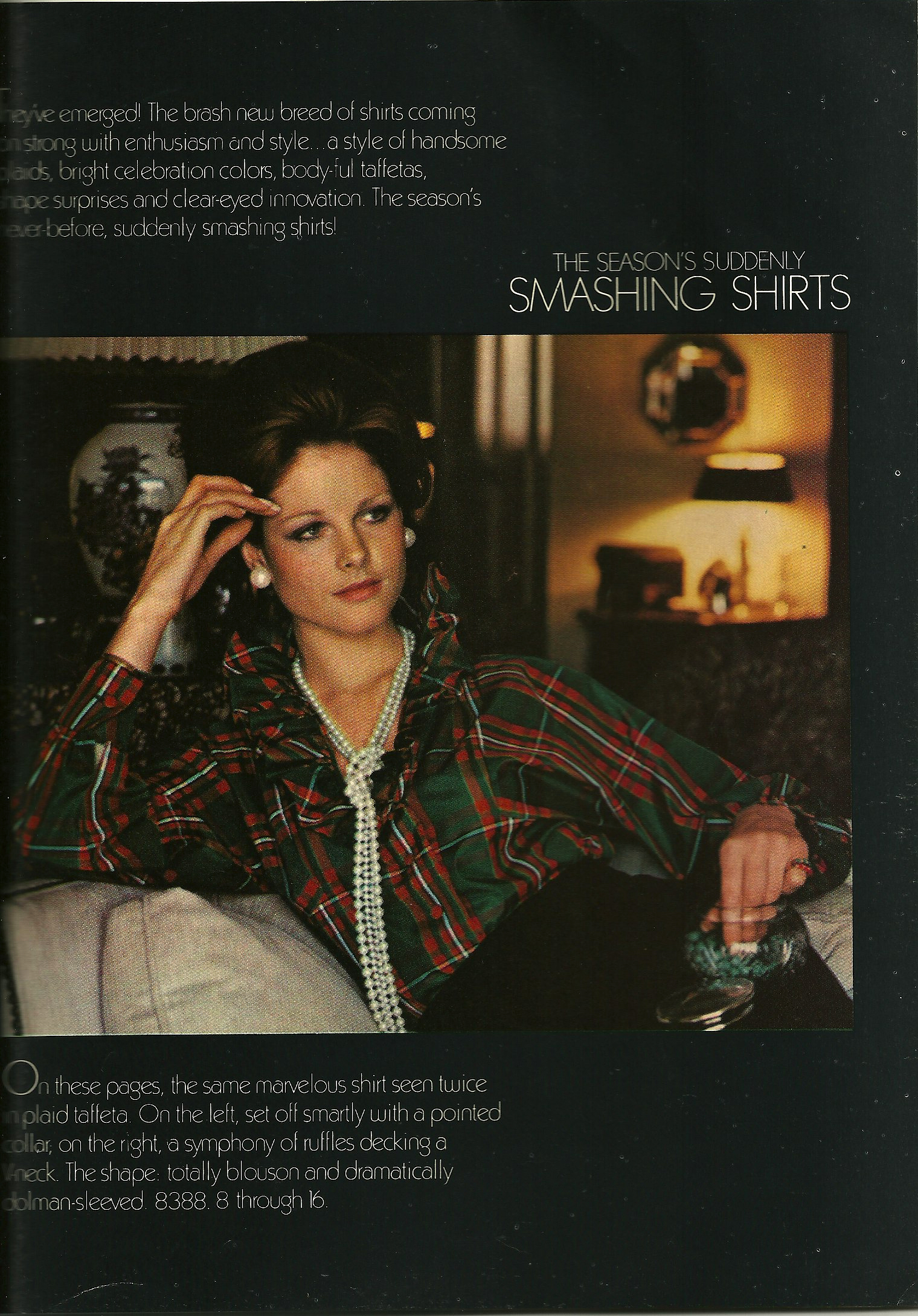
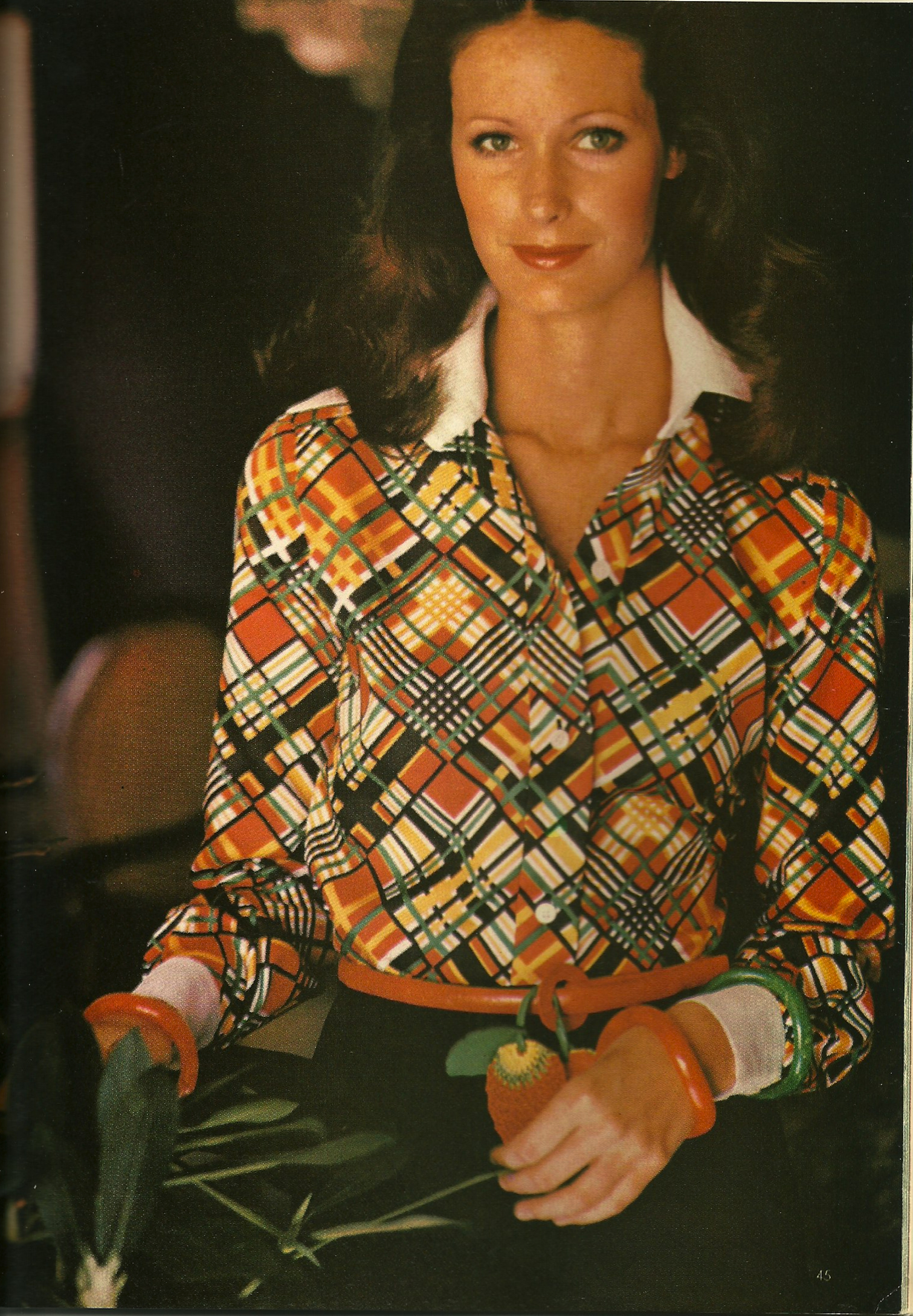
By 1972, collars were beginning to be a bit on the large side for my taste, but these three blouses are still “smashing” even 40 years later!

Made up in a plaid taffeta.

Made up in a plaid taffeta.

This is the same pattern as the blouse above, but with a ruffled collar.

This is the same pattern as the blouse above, but with a ruffled collar.

The diagonal print is very effective in this style.

The diagonal print is very effective in this style.

I was particularly drawn to the diagram for the blouse shown above, as it is just a classic shirtwaist style:

Looking at blouses 1972 - plaid 3 sketch

Seeing this blouse reminded me of how much I like an old (very old) RTW David Brooks blouse that I have been wearing for years.

Looking at blouses

It still looks stylish, and I really enjoy wearing it.  So – why not make a “copy” in my pink silk?  Could I possibly find another pattern in my collection that could be suitably altered to achieve this look and style?

Well, I did.  My blouse is currently “under construction” – but the pattern (to be revealed in my next post) is so funny looking that one may truly ask “Why did you ever save that one?”  Hopefully I’ll have a really good, bright pink answer to that soon!

2 Comments

Filed under Blouse patterns from the 1950's, Uncategorized, vintage Vogue patterns from the 1950s, vintage Vogue patterns from the 1970s, Wrap blouses