
Another title for this post could be “Sewing with Professional Instruction – the Parisian Jacket.” One of the advantages of having a subscription to Susan Khalje’s online Couture Sewing Club is exclusive access to videos which take the viewer, step-by-step, through the process of making one of these jackets.
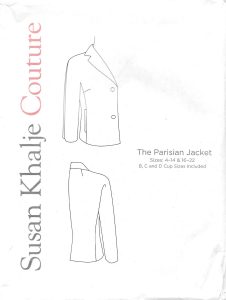
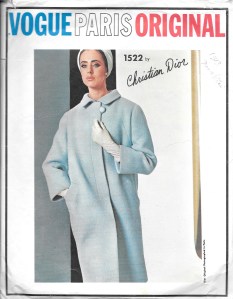
When this pattern was released a few months ago, I was immediately interested in making one. There are several details in this jacket which I find especially appealing. The first – and salient one – is the cut-on sleeve, also called an all-in-one sleeve. This is a design feature which was prevalent in the 1950s, but no longer often seen. Usually sewn with an underarm gusset to enhance moveability, this sleeve forms its own crease lines below the shoulder at the front and back. You can see that detail in the diagram on the pattern envelope above. Take a look at this magazine cover from November 1956. You can see both the crease line and the coat’s gusset.
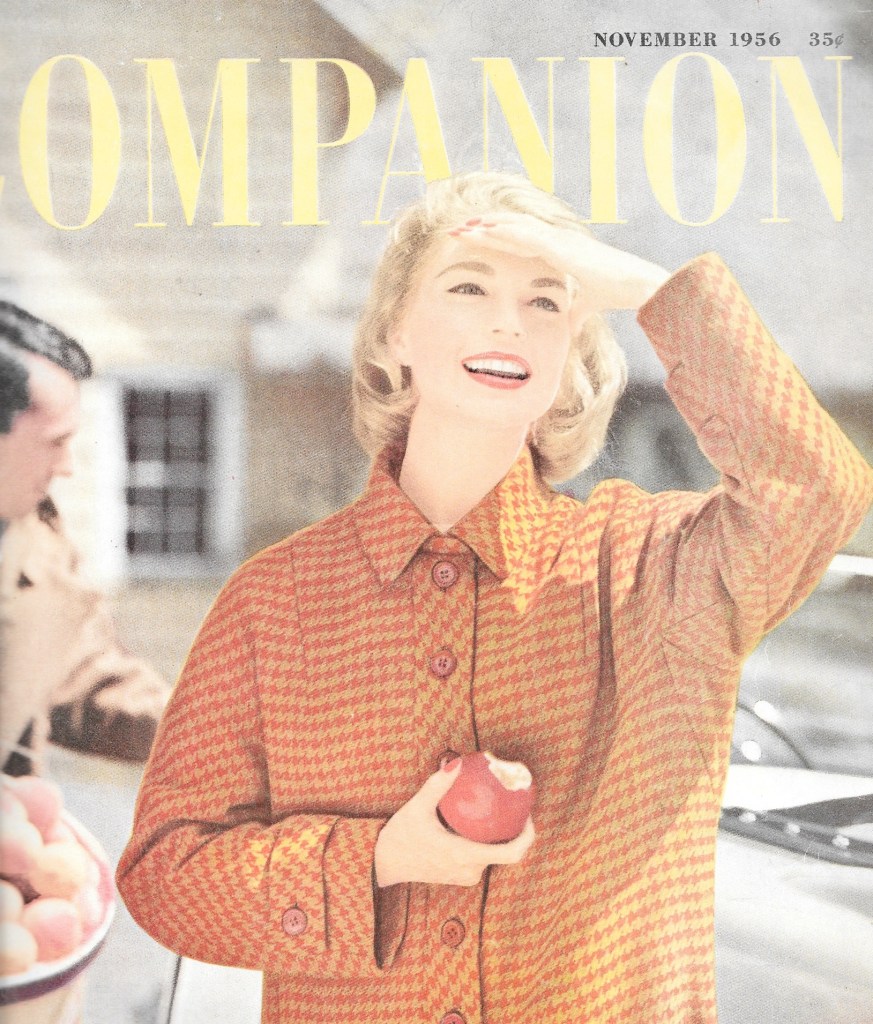
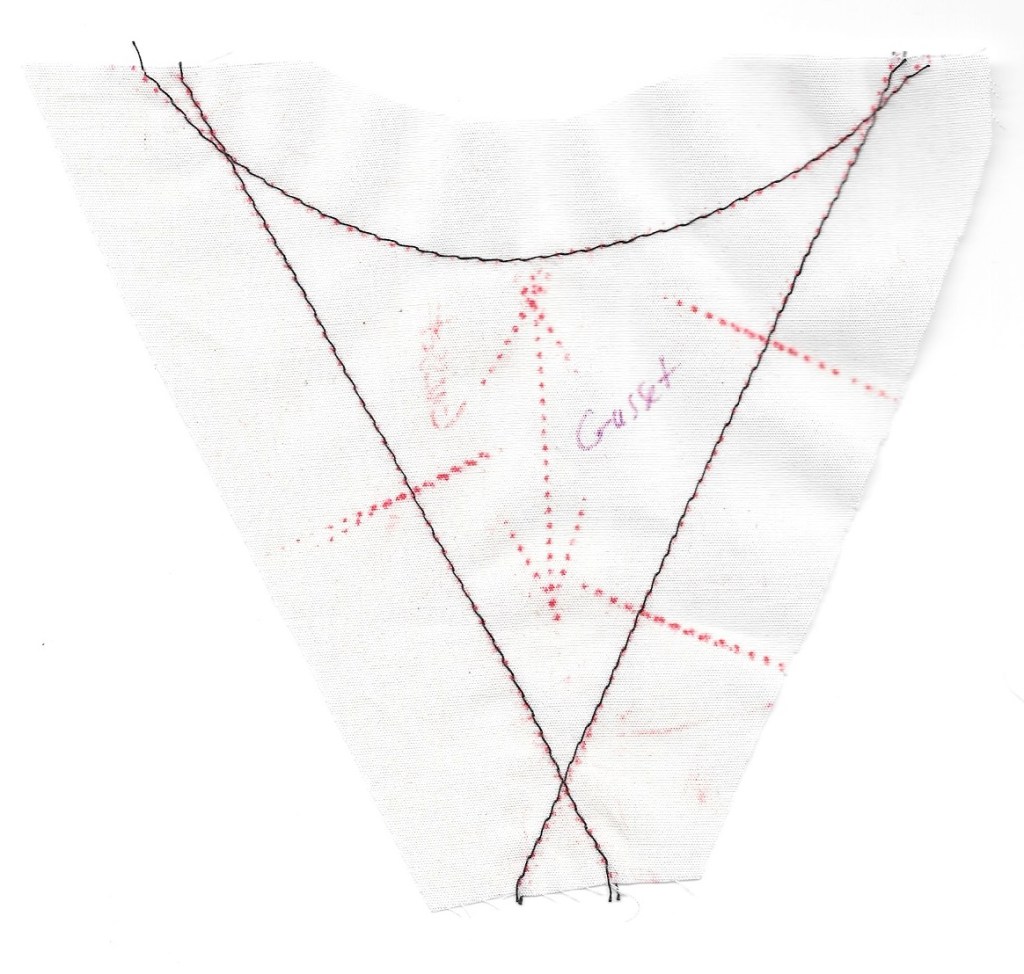
I suspect at least one of the reasons this particular type of sleeve fell out of favor is that the pattern pieces do take a sizeable amount of fabric to accommodate the width of the attached sleeve. I also suspect sewing in those gussets demanded a certain expertise to be finished successfully, adding time to both home sewing and to ready-to-wear. But I love the look of the cut-on sleeve. It really is a classic style, and one which I am happy to have the opportunity to incorporate into my sewing. It is worth mentioning here that this sleeve is similar to a “kimono” sleeve, but it is not cut as full under the arm. (This seems like a good time to show the pattern piece for the jacket’s gusset. Rather than diamond shaped, it is a triangle with a curved top edge. Pretty clever!)
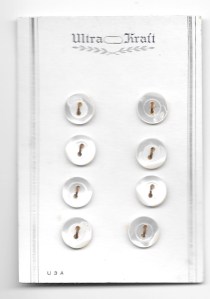
Another design feature of the jacket which appeals to me is the prominence of the buttons. The jacket is shown with just two buttons, although certainly a third one could be added. However, with two larger ones, it is really possible to use showcase buttons, if desired. And if you follow my blog, you already know that vintage buttons – and unique new ones – are one of my weaknesses. I am always looking for opportunities to use beautiful buttons.
A third construction detail I find appealing is the center back seam. This allows the opportunity for lovely shaping and more precise fitting than if the back piece were cut without a seam.
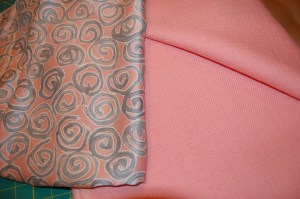
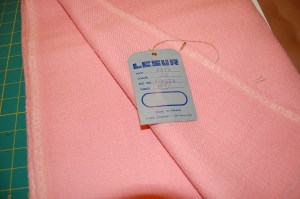
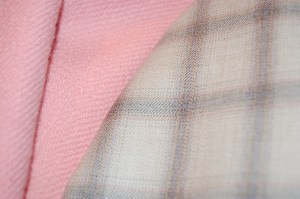
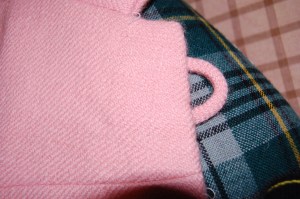
With all this in mind, I was anxious to get started on this project. As I already had several lovely woolens waiting for their turn, I decided to use one of them rather than buy new fabric. And my attention kept coming back to this vintage piece of Linton wool which I purchased from an Etsy shop about a year ago.
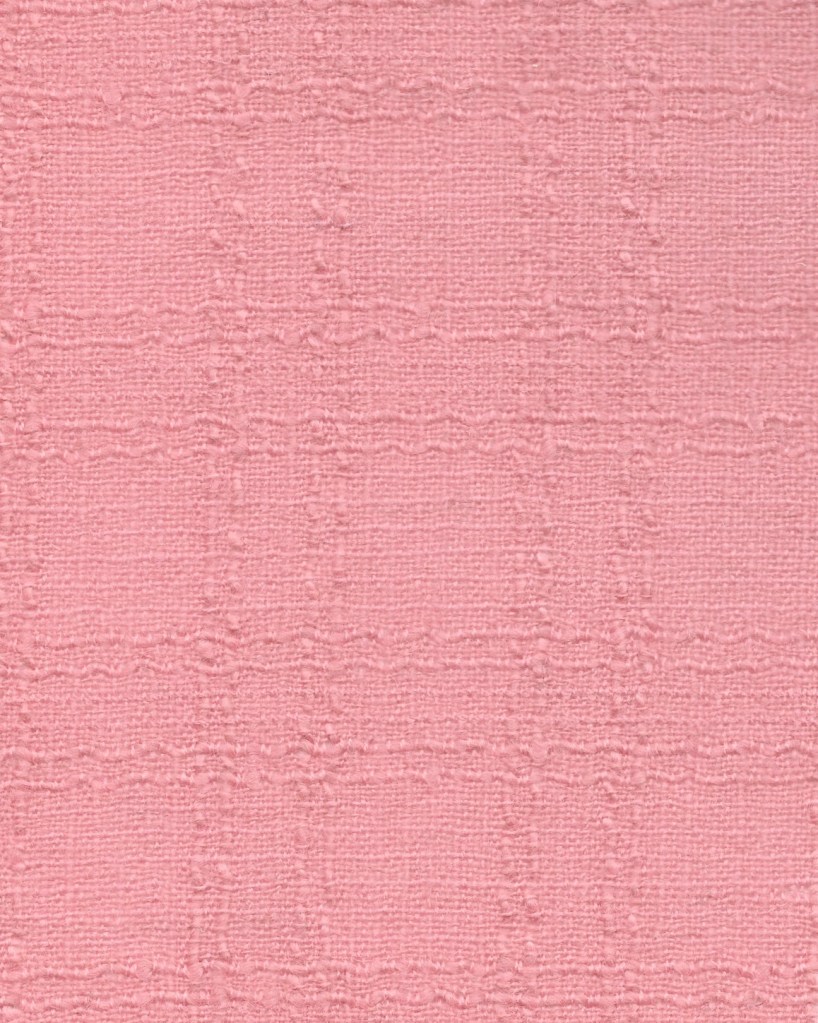
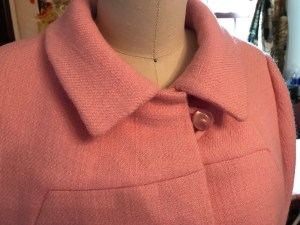
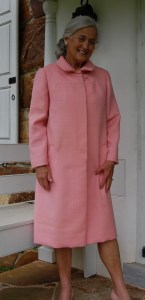
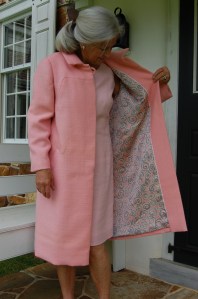
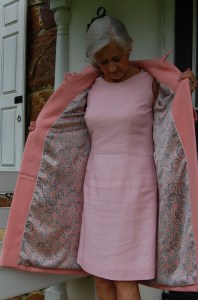
It is entirely coincidental that the jacket Susan is making in her instructional videos is also pink! Of course, I love pink. I would describe this particular hue of pink as a “Winter pink.” It has a bit of a dusty appearance to it, making it ideal for a November project. The best thing is that I have enough fabric to make a matching sheath dress to go with my jacket. (Although I feel sure that particular project will have to wait until after the new year.)
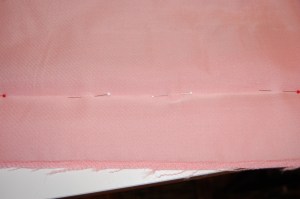
Well, back to Susan’s video instruction… She is very thorough in what she includes, so much so, that those of us who have taken classes from her already, are able to whiz through the early lessons for the most part. However, one suggestion she made was to use pins rather than machine sewing to fit the muslin together. Here is what I mean by that:
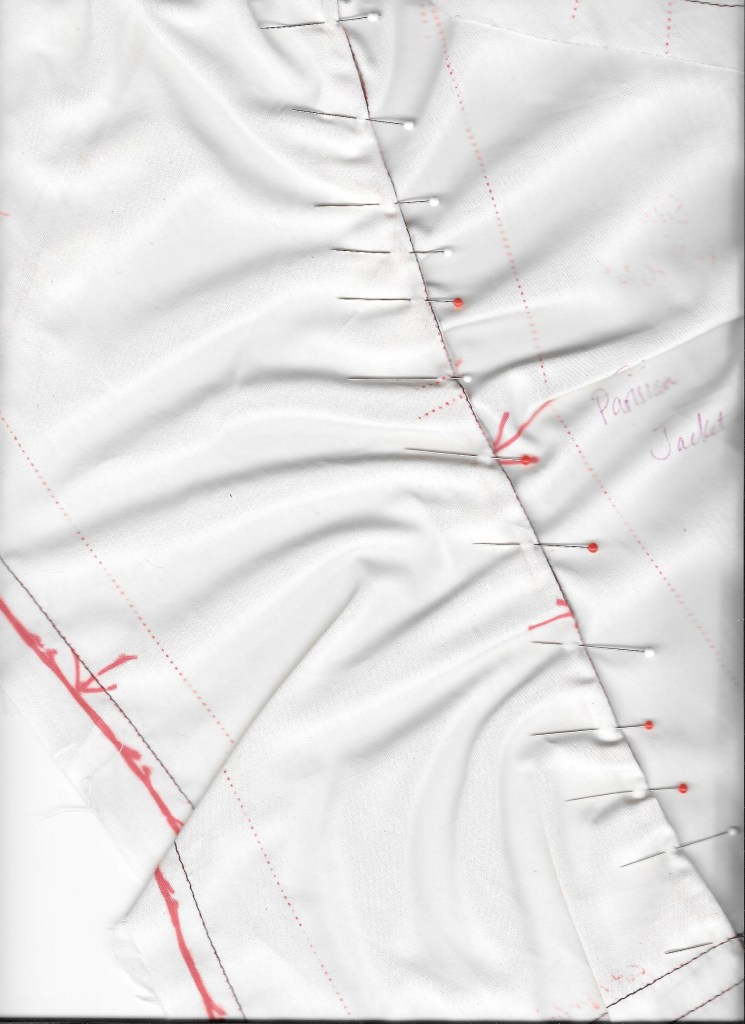
I found this method far superior to putting the muslin together by machine. It was much easier to make changes and alterations, and I felt like the “seams” laid flatter, enabling me to ascertain the fit, on me, more precisely.
Once I had my muslin perfected (as much as possible), I transferred all the markings onto white silk organza, to be used as my underlining and also as the pattern pieces from which to cut the fashion fabric. I had to move to my dining room table to accommodate the expanse of the wool.
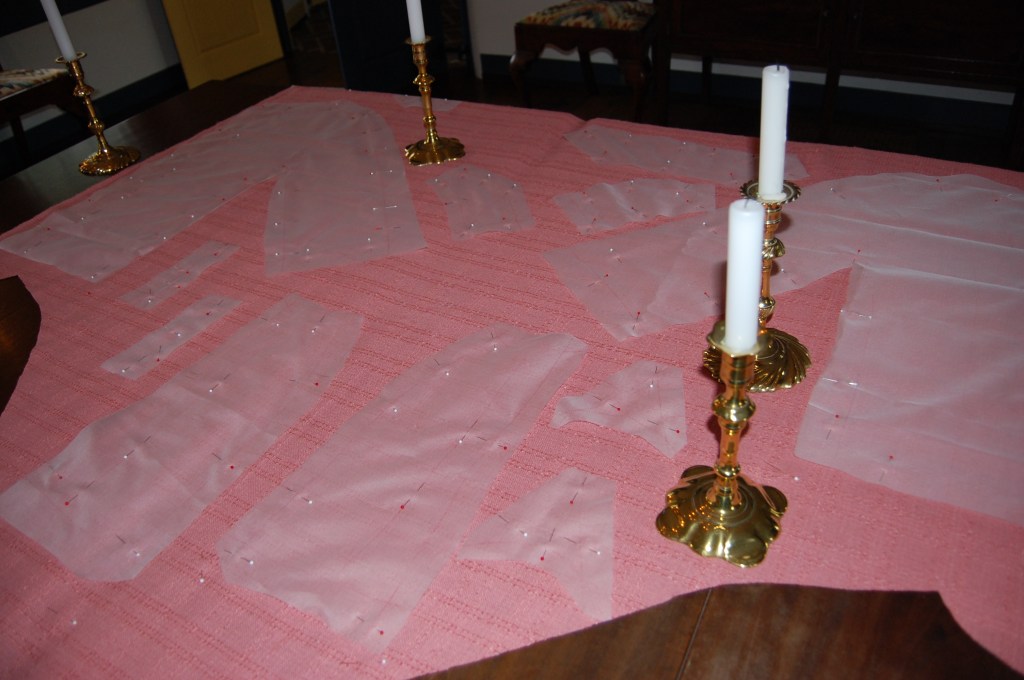
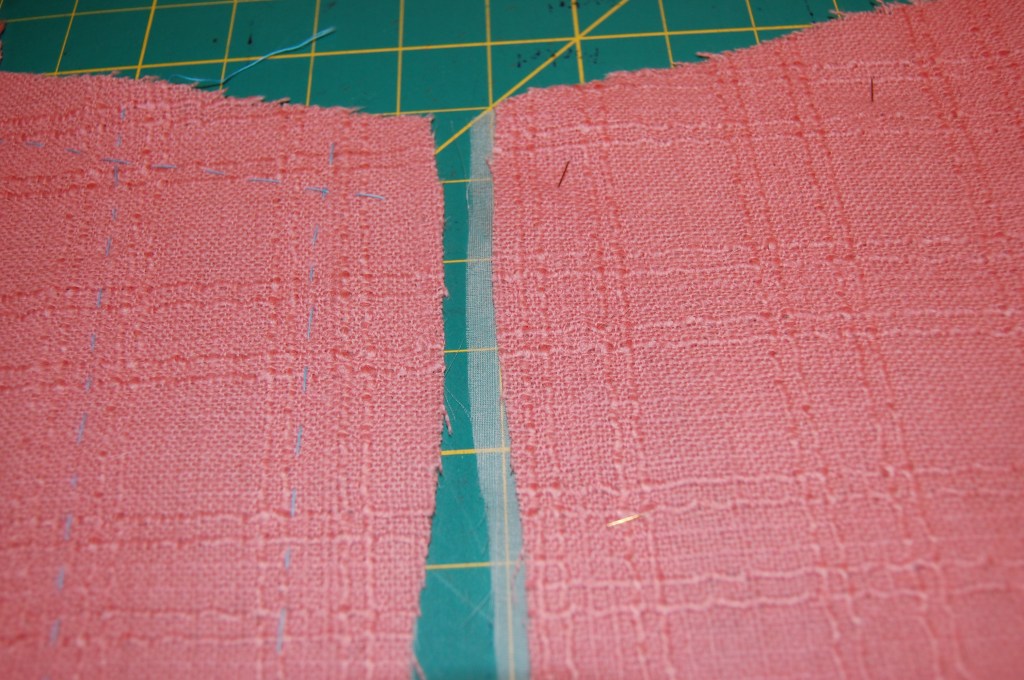
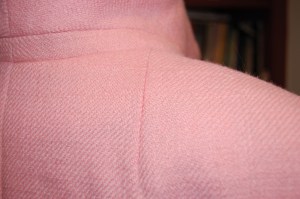
Once I started assembling some of the jacket pieces, I realized I had not perfectly matched the facings. Although the wool is solid pink, there is that very distinct weave in it which needs to be matched. Fortunately, because I had left such wide seam allowances, I did not need to cut a new facing. I just needed to readjust the organza on the one facing which was a bit askew.
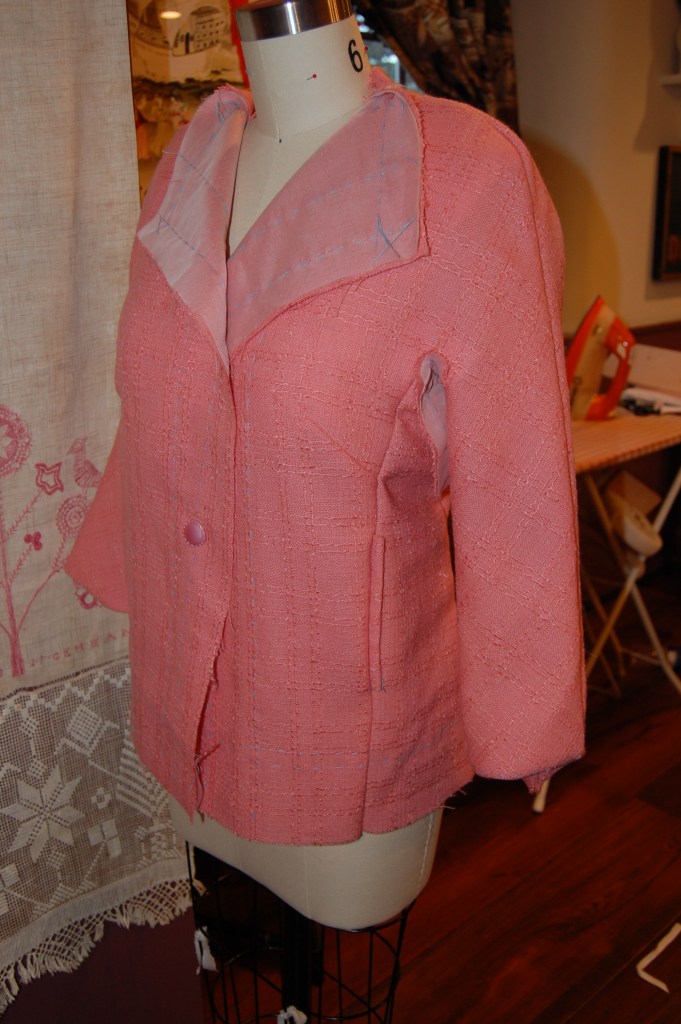
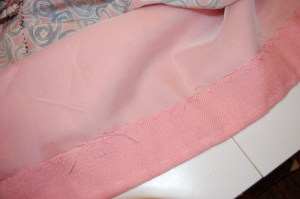
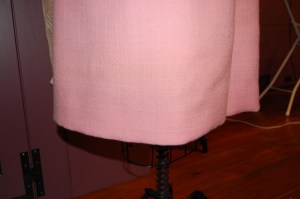
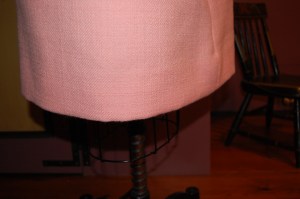
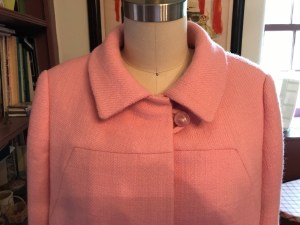
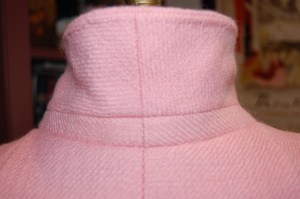
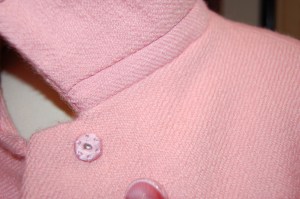
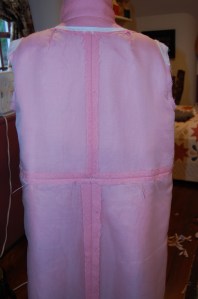
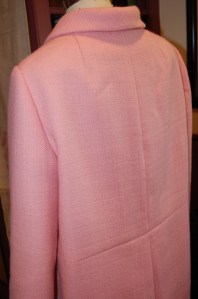
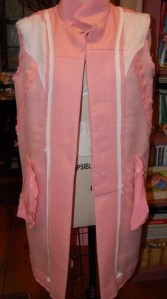
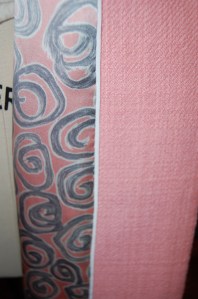
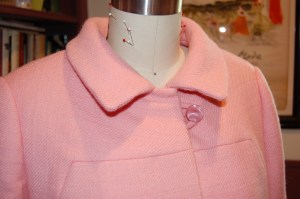
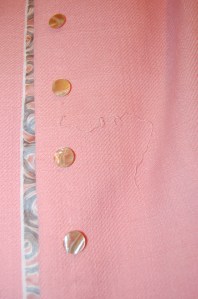
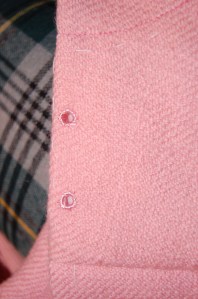
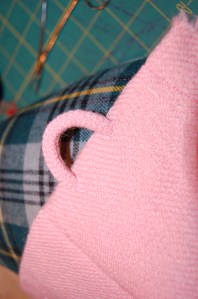
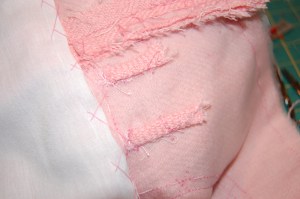
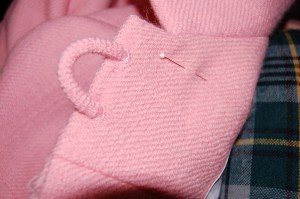
I still have a long way to go on this jacket, but here are two “work-in-progress” shots, with the seams sewn but nothing trimmed, ironed or catch-stitched yet. It is fun to see it taking shape, however.
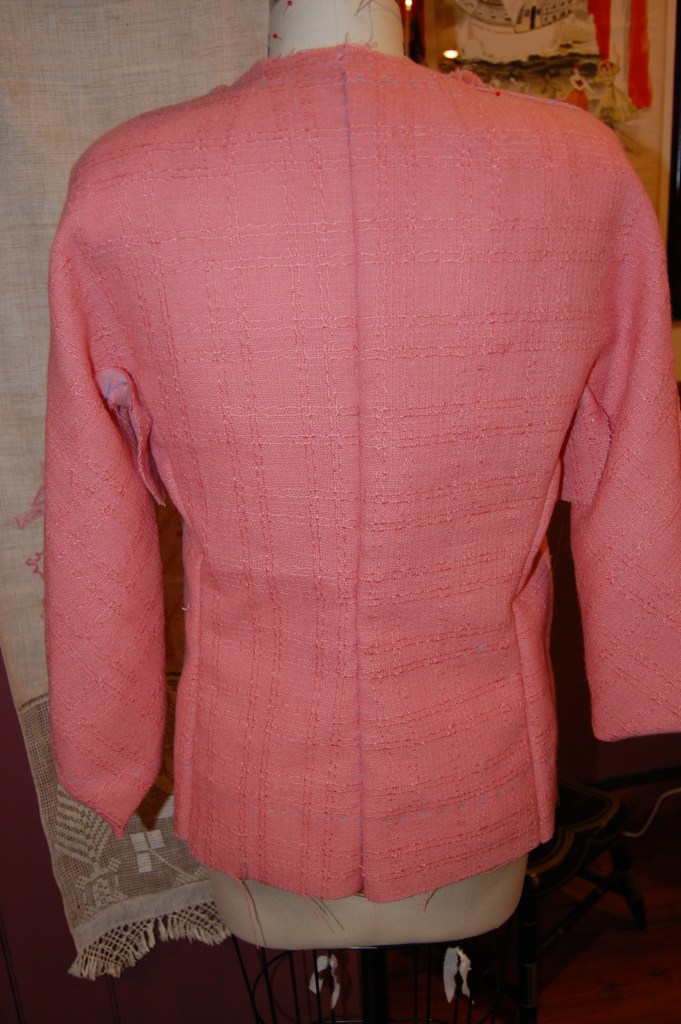
Two more things need to take shape very soon – namely Holiday dresses for my granddaughters. Somehow, I think they will be finished before my jacket!
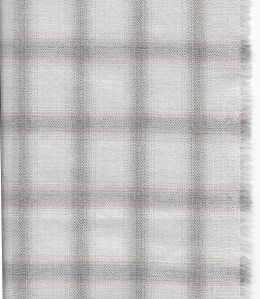
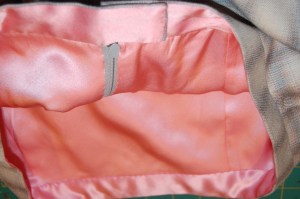
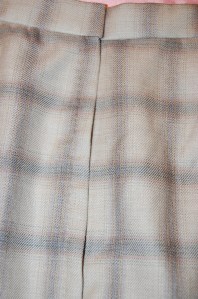
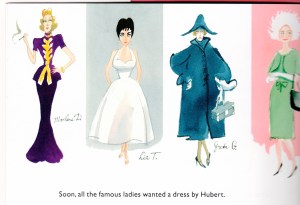
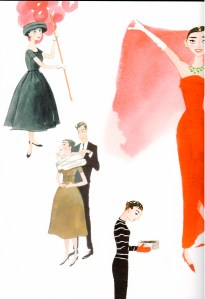













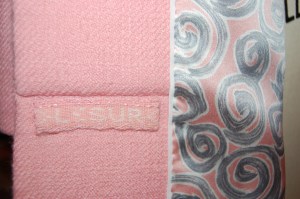
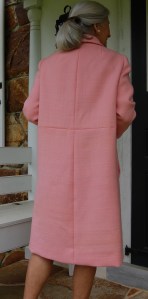
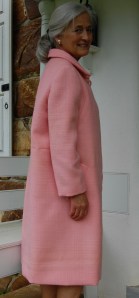
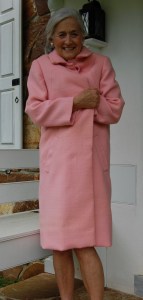
 fiftydresses
“A Stylish Guide to Classic Sewing” – Book Review and GIVEAWAY
Two of the most creative and stylish ladies I know in this global fashion sewing community, Sarah Gunn of Goodbye Valentino, and Julie Starr, have collaborated once again on a book dedicated to our craft. Their first book, The Tunic Bible, published by C&T Publishing, met with acclaim and well-deserved enthusiasm, establishing itself as the go-to standard for creating one-of-a-kind, flattering tunics. In A Stylish Guide to Classic Sewing, Sarah and Julie broaden their focus to cover a range of styles, namely those that have stood the test of time and are considered “classics.”
I love the size of this book. At 9.5″ x 7.5″, it is easy to hold and use.
The book is very handily compartmentalized into 30 chosen styles, the “classics,” thoughtfully documented by Sarah and Julie. I would have loved to be privy to their brainstorming sessions on what styles to include in this list. There are the obvious ones, of course, such as the pencil skirt, the sheath dress, the shirtdress, and the French jacket. But they also cleverly identified some styles not always necessarily thought of as “classic.” But indeed, they are, and truly deserve their place in this book. Think Halter dress or top, Palazzo Pants, Jeans-style Jacket, and Menswear Pajamas! All these and more are included in this book.
Each chapter deals with one ”Classic” and its history and who, throughout the years, has worn it. Also included are sewing tips, fabric suggestions, and styling guidelines for each classic. Some of the chapters include a cautionary paragraph on how to avoid the “Frump Factor.” Simple changes like altering the hem length or wearing the appropriate shoes can change one of these classics from frumpy to fabulous. Pay attention to the authors’ suggestions because they know about what they are writing!
Here is just one example of tips and styling ideas included with each category.
Accompanying each chapter is also one of my favorite aspects of this book – a carefully chosen quote. I thought I had come across just about every quote about fashion and sewing that was ever spoken or written. But somehow, Sarah and Julie have discovered some real gems and placed them perfectly in the book. Take for example this quote by Winston Churchill included in the chapter for the pencil skirt: “A good speech should be like a woman’s skirt: long enough to cover the subject and short enough to create interest.”
Or consider this one by Georgio Armani in the chapter on the Bateau Neckline: “Elegance is not standing out, but being remembered.” As one who loves a bateau neckline precisely for its elegant appearance, I found this quote perfectly placed.
The center section of the book, nestled comfortably among the many chapters, is “the Classic Garment Gallery.” I was very flattered to be asked to contribute to this section, which is a compilation of classic styles sewn by “members” of the worldwide sewing community. Here you can see these classic styles modeled by the makers, and it is a marvel to take this all in. Yes, this is a section to return to again and again to get inspiration.
And speaking of inspiration, the absolutely delightful illustrations by Beth Briggs will not only captivate you, they will also provide you with styling ideas and concepts.
At the back of the book is a carefully considered list of Resources. Included are lists of Fabric Books; Fabric Vendors; Fabric Shopping Around the Globe; Trims, Tools, and Notions; Related Articles, Videos, and Online Classes; and Sewing Instruction and Alteration Books. No beginning or advanced devotee of fashion sewing should be without this list of Resources.
Well, no fashion sewing book is complete without a pattern, and I am happy to report that included with A Stylish Guide to Classic Sewing is a multi-sized pattern for the Goodbye Valentino modern classic pencil skirt. There is nothing quite like a pencil skirt for a basic wardrobe component. This is a skirt to be made time and again, following the precise instructions included in the back of the book.
This is a sewing book, and as such, targets those of us whose passion is sewing our own fashions. However, there is much in this book which would be of value to anyone wishing to enhance or perfect her own style. Likewise, it should be inspirational to those just beginning to sew for themselves as well as those who just aspire to it! How perfect is this quote from Audrey Hepburn (page 161): “The most attractive accessory a woman has is confidence.” With this book in hand, you will both sew and dress with confidence and style.
And now, it is with great excitement that I am able to offer my readers a chance to win a copy of this book, compliments of C&T Publishing. Should the winner be a resident of the United States, he or she will receive a print copy of the book; an international winner will receive a digital copy of the book. For a chance to win, please leave a comment with this blog post no later than Sunday, December 8th at 12 noon, Eastern Standard Time. I will draw the winner late afternoon on Sunday, December 8th.
To read more reviews, and for more inspiration, please visit the following sites (dates indicate the day of review):
Dec 2 Lori VanMaanen
Blog – girlsinthegarden.com
Instagram -@girlsinthegarden
Dec 3 Andrea Birkan
Instagram – @andreabirkan
Dec 4 Anita Morris
Blog – anitabydesign.com
Instagram – @anitabydesign
Dec 6 Alex Florea
Blog – sewrendipity.com
Instagram – @sewrendipity
Dec 7 Lucy VanDoorn
Blog – myloveaffairwithsewing.com
Instagram – @myloveaffairwithsewing
Dec 7 Cennetta Burwell
Blog – themagonanystylist@blogspot.com
Instagram – @cennetta_burwell
Dec 8 Manju Nittala
Blog – sewmanju.com
Instagram – @sewmanju
Dec 8 Dorcas Ross
Instagram – @lonestarcouture
47 Comments
Filed under Book reviews, Fashion commentary, Fashion history, Uncategorized
Tagged as fashion sewing, quotes about fashion